
 All Posts By Presser
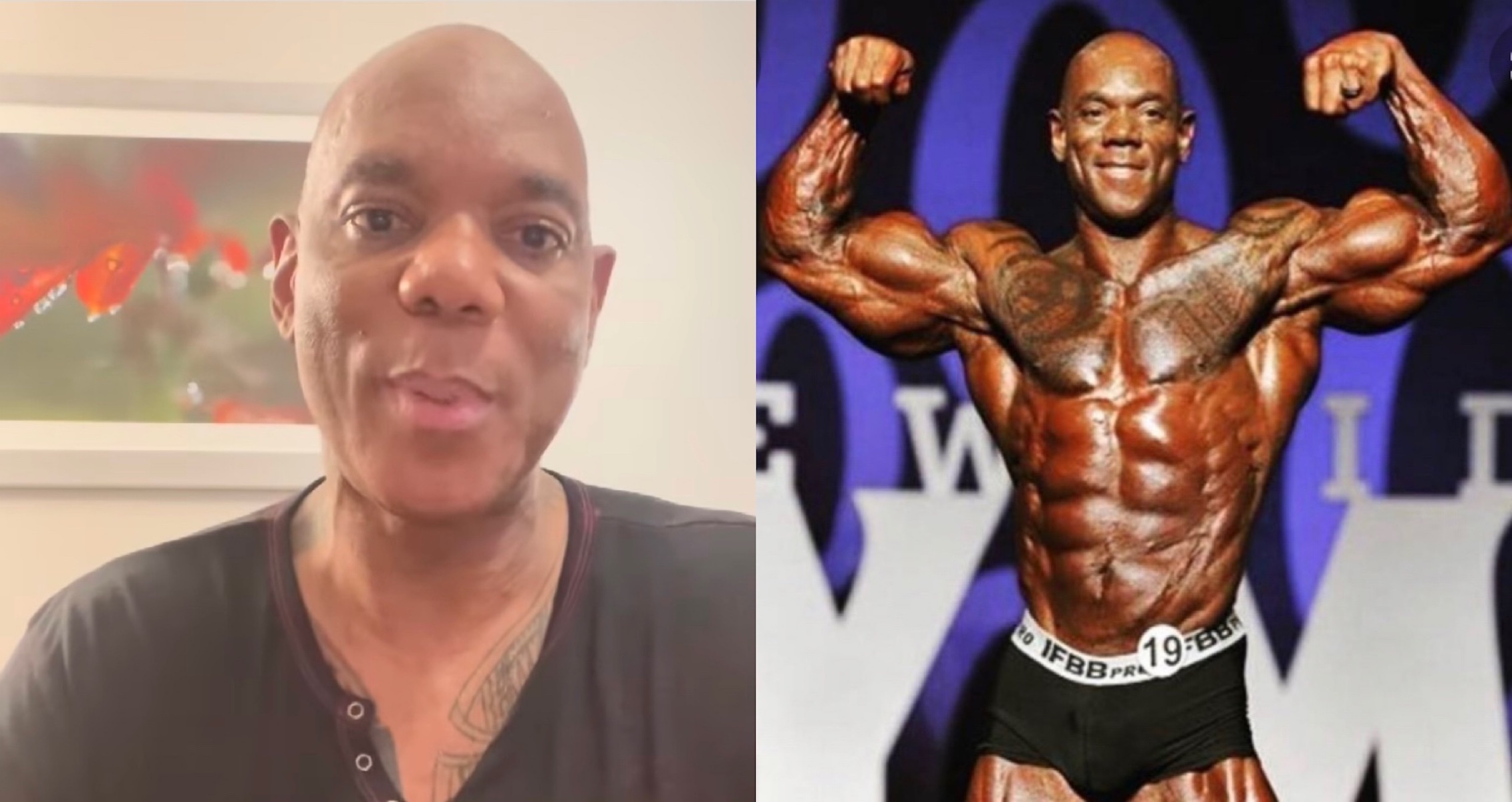
Flex Wheeler Released Form Hospital, Discusses Battle With COVID-19
Legendary bodybuilder details battle with COVID-19 after released from hospital.
It was not an easy road for Flex Wheeler but the bodybuilding legend has defeated COVID-19. Wheeler was recently released from the hospital and shared yet another update on his health. This time, it was not from a hospital bed but from his hotel in Orlando.
On Wednesday, Wheeler shared a 12-minute video where he shared details about how he contracted COVID-19 and his long battle with the virus. He began by explaining how he caught the virus in the first place.
Wheeler explains that he was in England for the 2021 Arnold Classic and this is where he caught the virus. Wheeler did not begin to experience symptoms until he was home and preparing to fly out to the Olympia. He returned home from England on Monday and was prepared to fly to Orlando on Wednesday.
“Wednesday on my flight, I just started feeling horrible. My body started aching and cranking and I remember, like, reaching for my lat, my trap and my arm cramped. Goddamn, you know. It feels like I’ve been working out but I haven’t worked out in a really long time. It just got worse,” Wheeler said.
“By the time i had gone up to my room wednesday, i just went straight to bed. i hardly left my room at all.”
“I was screaming in my sleep because I had such severe body aches.”
Flex Wheeler was preparing to work with production during the 2021 Olympia. He had competed in six Olympia competitions throughout his career with four top-three finishes, including three as a runner-up. Wheeler was victorious during the Arnold Classic four times. Wheeler has drawn plenty of praise from Arnold Schwarzenegger himself.
While Wheeler was not preparing to compete, he was still going to be part of the event. Instead, his symptoms continued to get worse and this is when he decided to do something about it.
“I woke up Friday at 5 in the morning and the entire bed was drenched again. I was like’ you know, you’re up here worried about your pride or being embarrassed and you’re gonna f around and die here in this damn hotel bed.’ So I called 911.”
Flex Wheeler met the emergency officers and he was diagnosed with COVID-19 at the hospital. This is where Wheeler remained and received treatment for several weeks.
Wheeler continued to explain how he felt worse each day and it began with his lungs. Wheeler underwent a kidney transplant in 2003. He retired from bodybuilding that same year in order to remain on top of his health. To this day, Wheeler is still medicated because of his condition.
The doctors explained to Wheeler that he would have to be taken off his kidney medication so that his lungs, which were deteriorating, could be treated properly.
“They told me they had to put my kidney at risk because my immune system had not come online yet to fight and that my lungs were getting worse and worse every time they take an X-ray or a CAT scan,” Wheeler explained.
“They would show me the scarring and the white tissue. They said ‘if you don’t get ahead of this curve, you’re going to be on a ventilator and it’s downhill from there.”
This was a decision that the doctors made to save Wheeler’s lungs. At the same time, some damage might have been done to his kidneys in the process. This was a decision that had to be made to keep Wheeler in his best interest.
Wheeler finished his video by thanking the doctors and medical staff that took care of him during his recovery.
“I’m just thankful for all the doctors, all the nurses, all the overwhelming messages that I got from all the internet mediums, and the outpour of love and respect and appreciation. It didn’t fall on deaf ears. I can never show you how much I appreciate that.”
Flex Wheeler expressed his excitement in returning home from Orlando. He will continue to monitor his health and improve from this moment on.
For more news and updates, follow Generation Iron on Facebook, Twitter, and Instagram.
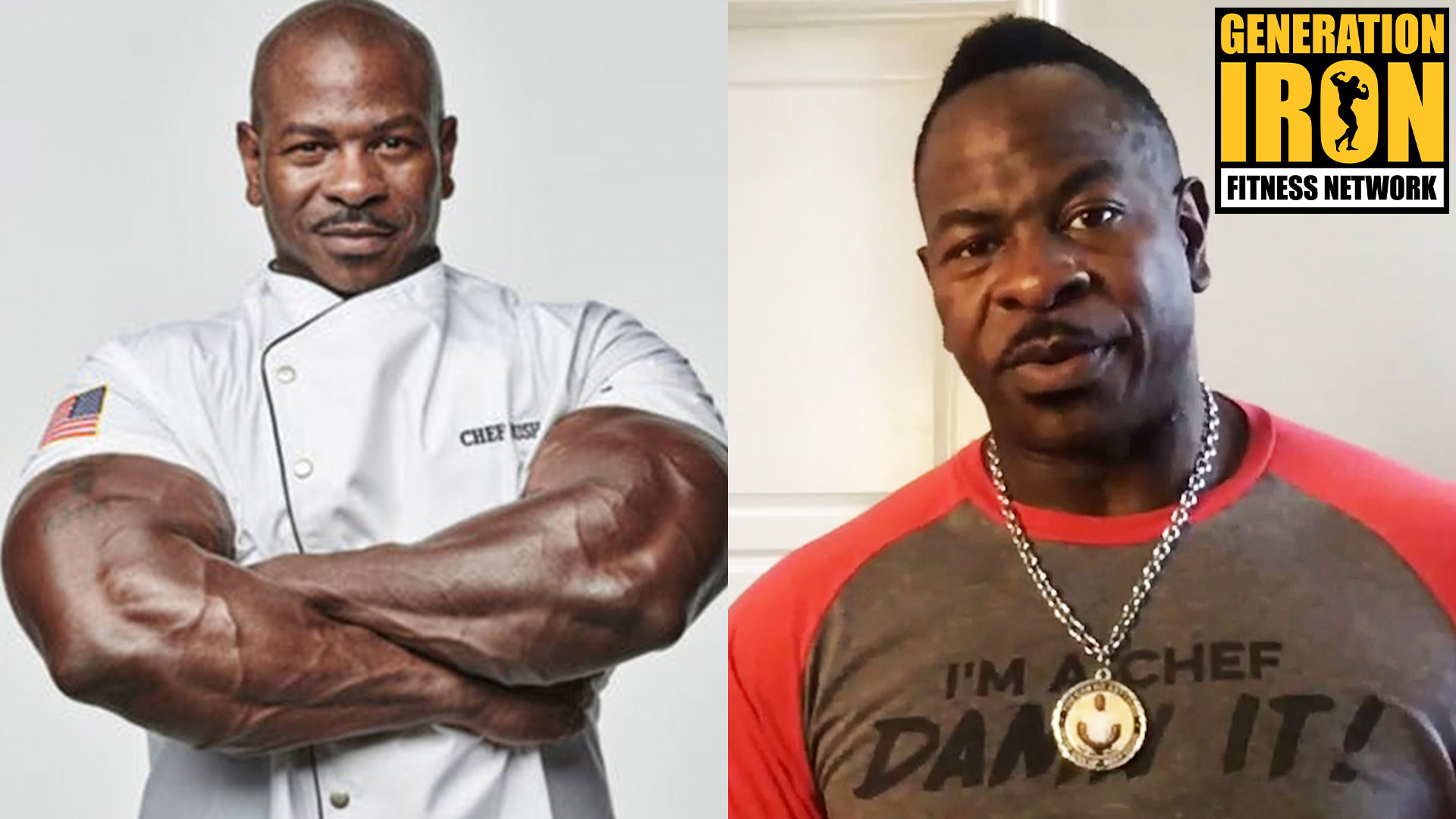
Chef Rush On The Hardest Part Of Fitness Success: “A Lot Of Times You’ll Be By Yourself”
[embedded content]
Chef Rush reflects back on his success and details the hardest part of success in this industry.
Chef Rush started out as a viral meme. He was the “bodybuilding white house chef.” Over time he turned that wave of attention into an entire career. He’s written a book, is set to start in many high profile TV projects, and always uses his platform to spread awareness about important causes. While his internet fame might have seemed immediate, his journey to success was not an easy one. In our latest GI Exclusive, Chef Rush talks about the hardest part of attaining success in fitness and entertainment.
Chef Rush could have had his 15 minutes of fame and then faded into the massive pile of viral personalities that disappear as fast as they’ve arrived. Instead, Rush was able to transform his opportunity into multiple entrepreneurial endeavors. He’s now an iconic name in fitness, nutrition, and health. In our latest video conversation, we asked Chef Rush about his latest book and what it was like to look back on his life and rise to success. He called it, “A blessing.”
And while Chef Rush does truly feel blessed, he also knows that his success comes directly from sacrifice and hard workout throughout the years. If there’s one message he wants to share with aspiring individuals in fitness, it’s this: the hardest part of this industry is navigating the loneliness.
Chef Rush certainly has close people in his life, but he admits that rising through success in fitness and entertainment opens your eyes to those who want to take advantage of you. He mentions that he’s had to leave family members behind and also friends. He reflects on many moments where the only way for him to succeed without sacrificing his own sense of self – was to only rely on himself.
“This industry, and you know this, I had to cut loose a lot of people. Family, friends, because of this mindset,” Chef Rush states in our interview. He goes on:
“And I’m doing this I’ve had to do everything by myself. I’ve had agents and I’ve had lawyers and I was called a serial firer because if I’m working harder than you, there’s a problem… and instead of us being successful together, everyone wanted to take from the top. I’ve always had that self motivation which you’re always going to need because a lot of times you’re going to be by yourself. And that’s the hard part.”
When applying this to bodybuilding specifically, the sport can already be a lonely one. The dedication to be a true champion pro bodybuilder does not jive well with normal life. Add to this the success that might come with it – and those who suddenly want to latch onto you to reap the benefits. It can be a real struggle. It’s important to not be exploited nor to become an exploiter yourself.
For Chef Rush, his therapy is ultimately helping others. That’s the guiding light that helped him get through times when he had to trudge through the industry alone to get out the other side successful. His advice for others is to do the same. Learn to not lose yourself as you rise in the industry.
You can watch Chef Rush’s full comments in our latest GI Exclusive interview segment above!
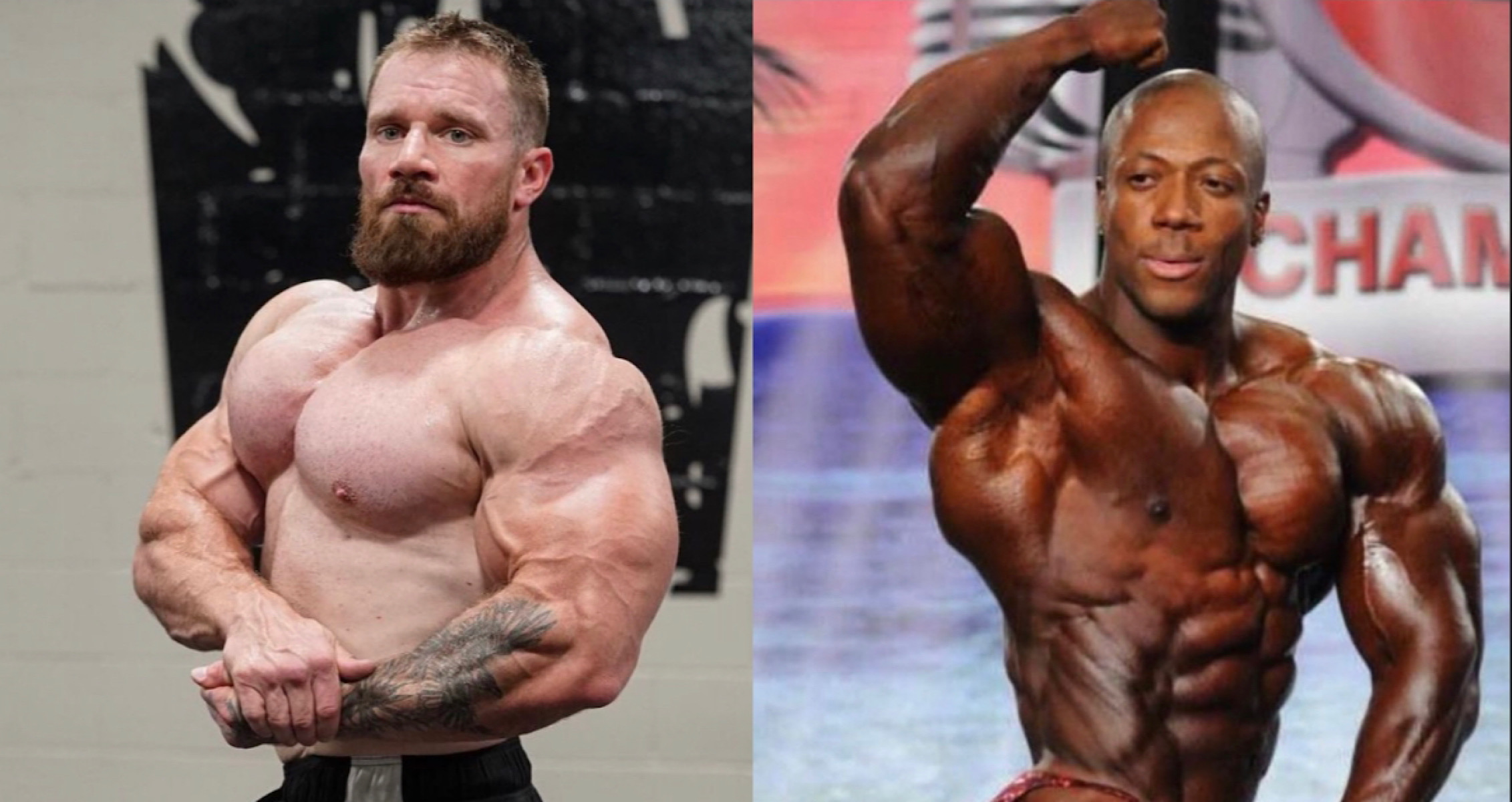
Seth Feroce Comments on Recent Bodybuilder Deaths and Steroid Use
Seth Feroce issues a warning on steroid use after multiple bodybuilding deaths.
Seth Feroce had a lot to say about the recent bodybuilding deaths that have rocked the industry to the core. In a recent video Feroce also gave a warning to up and comers looking to use steroids.
It’s clear. There’s an issue going on in bodybuilding that some individuals in the industry refuse to speak on. There are plenty of bodybuilders who have passed away in the recent years and months that is causing some concern in the community. Recently Shawn Rhoden passed away and his death has sent shockwaves through the bodybuilding community. It was truly unfortunate and unexpected. When you couple that with the fact that Rhoden was only 46 years old, it’s clear that there is an unspoken issue plaguing modern bodybuilding.
The deaths of John Meadows, George Peterson, and now Shawn Rhoden should be a wake up call for the community. Before these three bodybuilders there was Dallas McCarver and Luke Sandoe. So many bodybuilders are losing their lives at young ages. When you contrast that with bodybuilders of the Golden Era that are still going strong, you have to wonder if the state of modern bodybuilding is the culprit behind these untimely deaths. Namely, are competitors over medicated?
Well it appears that bodybuilding veteran Seth Feroce thinks that is exactly the case.
No stranger to professional bodybuilding competition, Seth Feroce has learned a thing or two during his tenure in the game. With his time spent building muscle over the course of his career, Feroce has encountered and utilized anabolic substances. In reality one can’t build massive muscle like the pros without utilizing steroids. It’s just the reality of the game.
The Consequences of Steroid Use
Seth Feroce recently addressed steroid usage in bodybuilding and the consequences of taking the substance.
“This s—t is not a joke. A lot of people make excuses, a lot of people use too many things as crutches, or excuses, or ‘Oh, it could’ve been this, it could’ve been that.’ This lifestyle that we lead as bodybuilders, is not for the feint of heart,” said Feroce.
“This is a personal decision that we all make. Nobody made me do the s—t that I did, except me. So it’s no one’s responsibility and no one else is accountable except me, for the things that I’ve chosen to do. Death don’t f**king care. I recently quit taking high amounts of steroids. I’m on TRT. I go to the doctors, I’ve had really good doctors in my life… tell me to cut the s**t.”
Seth Feroce is trying to get a distinct message across. The nature of professional bodybuilding can have some extreme consequences and Feroce hopes to get that across to those who will listen. Feroce issued a warning to young up and comers who are looking to get into the game.
A Warning
“Young men out there, this is all a personal decision for you. I’m going to tell you, steroids will f**k you up, just like any drug. Any drug out there is designed for you to like it. It’s going to meet with your personality, cup your balls, and hold onto you,” said Feroce.
“Steroids are not a joke. This is a personal life decision that everybody has to make… I’m not your dad, I’m not your best friend, I’m the motherf**ker that’s already lived through it. I’ve done enough wild s**t in my life to know what I’m supposed to do, what I’m not supposed to do.”
To hear his full breakdown click here.
Seth Feroce always tells it like it is and this video was no exception. Do you agree with Feroce’s assessment about steroids in bodybuilding?
For more news and updates, follow Generation Iron on Facebook, Twitter, and Instagram.
News and Editorial Writer at Generation Iron, Jonathan Salmon is a writer, martial arts instructor, and geek culture enthusiast. Check out his YouTube, Instagram, Twitter, Facebook, and Sound Cloud for in-depth MMA analysis.
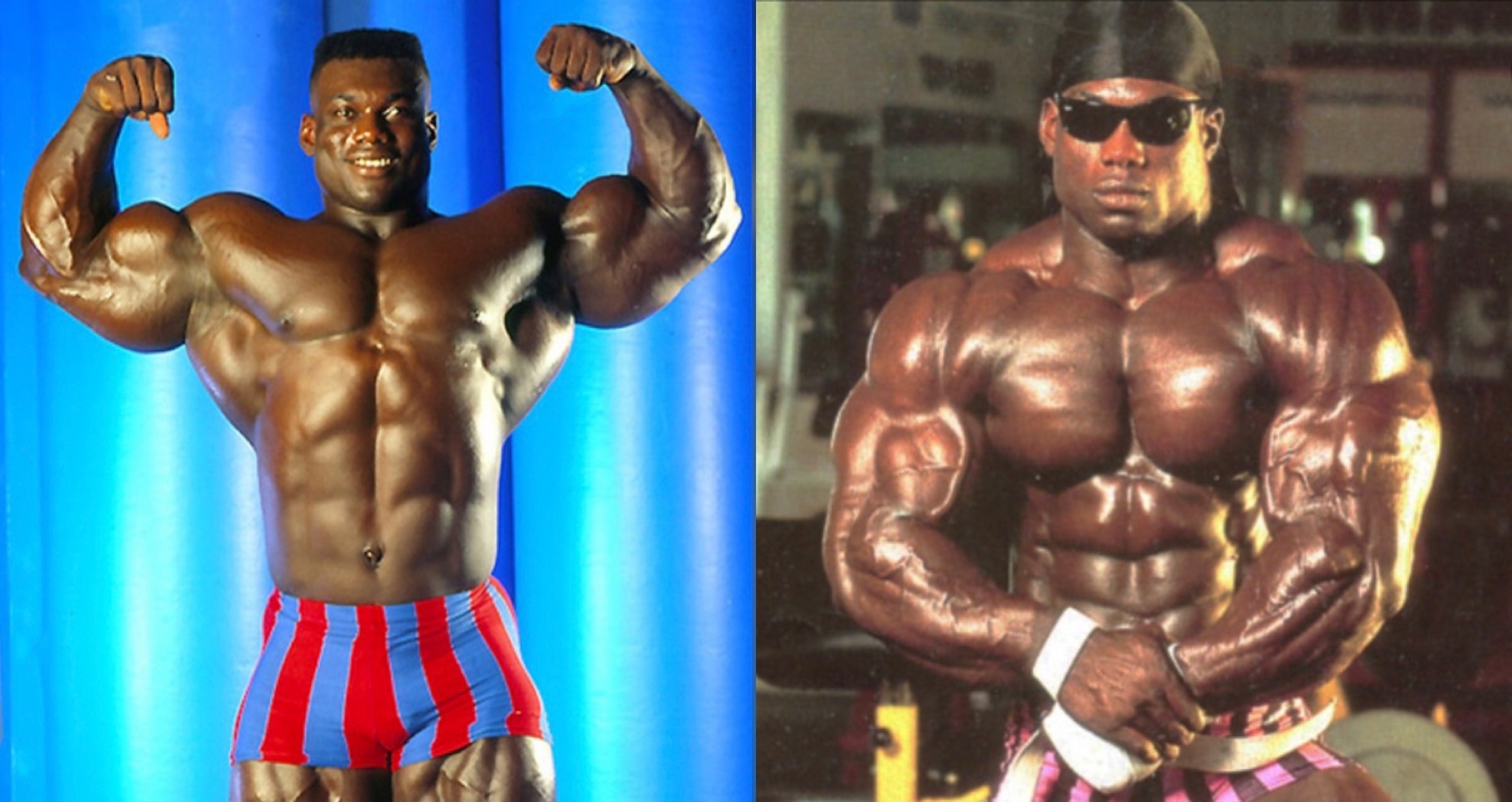
Victor Richards Has Reportedly Passed Away At 56 Years Old
Early reports indidcate that former bodybuilder Victor Richards has passed away at age 56.
This has been a devastating year in the sport of bodybuilding and there has been some more tragic news. Victor Richards has reportedly passed away at the age of 56, according to GI Russia and a Facebook post by Andreas Cahling. The cause of death has not been released.
At the time of this writing there has been no official announcement by the Richard family or exact confirmation on the date and time of his passing. News of his passing is beginning to spread across social media – and sources close to Generation Iron have reported that Victor Richards has died.
Most notably, Andreas Cahling has announced the death on his official Facebook page:
Originally born in Nigeria, Richards gained a passion for bodybuilding early on in his life. He was a three-sport athlete in high school who excelled in football, wrestling, and track and field. This is when he began to improve his physique. Richards earned his pro card while in Nigeria.
Victor Richards’ competitive history began in 1982 when he entered The American Cup. He finished first in the teenage heavyweight division and second overall. Richards continued to work on his physique and by age 18, he grew to 240 pounds. Richards entered The Orange County Muscle Classic where he finished fourth. At 19 years old, Richards was becoming a well known name and that only continued as he progressed.
Richards began appearing on the cover of fitness magazines at 21 years old. He carried a massive frame that weighed close to 300 pounds of solid muscle. In 1992, Richards entered the 1992 Nigerian Championships and finished in first place. This is where he earned his Pro card. Despite the achievement, Richards did not compete in the IFBB. There was a bit of resistance that kept Richards from entering an NPC competition and taking the next step toward the IFBB.
During his early days of bodybuilding, Richards looked up to the likes of Arnold Schwarzenegger and Sergio Oliva. This is not surprising given his massive build and passion for the sport.
Victor Richards competed in just five competitors during his career and earned four victories. It remains a mystery why he was never able to compete in the IFBB despite earning his Pro card in Nigeria.
Victor Richards Bodybuilding History
1982 American Cup – 2nd
1983 Teen Los Angeles – 1st
1984 California Gold Cup Classic – 1st
1989 Mr. Barbados – 1st
1992 Nigerian Championships – 1st and Overall
The death of Victor Richards comes during a difficult time in the sport. This comes after the tragic deaths of Shawn Rhoden and George Peterson.
This is still a developing story. Generation Iron will continue to update as more information becomes available. The entire Generation Iron staff sends condolences to friends and family of Victor Richards during this tragic time.
The Essential Eight-Week Push-Up Training Plan
The Push-Up Plan: Developing Upper Body Power, Core Strength, and Injury Resilience
The push-up is held in high regard by many and is often seen as a test of true muscular strength and endurance.
In addition to developing upper body strength, power, and endurance, one of the best things about the push-up is its simplicity and versatility. Despite this, many people really struggle with push-up and find it to be a challenging exercise to master.
This article will provide an eight-week training program that has been specifically designed to improve your upper body strength, power, and push-up abilities.
Push-Up Technique
Poor technique is often the reason why many individuals struggle with the push-up. Therefore, this section will run through five steps that will allow you to perform the perfect push-up.
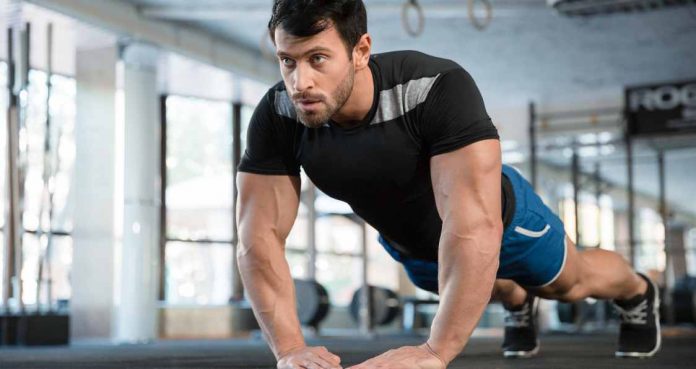
Begin in a push-up position. Assume this position by placing the hands slightly wider than shoulder-width and then extended the legs out fully so that the body is flat
Before beginning the descent, squeeze the core muscles tight to prevent any movement through the trunk
In a controlled manner, begin the descent by hinging both elbows. Continue to drop down to the floor until the chest touches the floor
As you are descending, ensuring that the elbows stay tucked in tight towards the ribcage. Allows the elbows to flare out may lead to injury
Powerfully push into the floor with the hands to extend the elbows and return to the starting position.
Push-Up Benefits
There are many benefits associated with regularly performing push-ups. This section will outline four of the greatest benefits.
1) Builds Upper Body Strength
Considering that the push-up requires movement through the shoulder and elbow joints, a large number of upper body muscles are recruited.
While the pectorals (chest) and the triceps (arms) are activated most highly during a push-up, the deltoids and traps (shoulders/ upper back) also assist (1).
Therefore, following a push-up program will develop these major upper body muscle groups while also enhancing your pressing ability.
2) Develops Core Strength
The core is often misunderstood to be the abdominals. However, the core is actually a whole host of the muscles found in the trunk that works to provide the body with stability.
During the push-up, the core must engage to ensure that the body remains stable during motion. Furthermore, it works to stabilize the spine and facilitate good push-up technique.
By regularly performing push-ups it is possible to increase the isometric strength of the core muscles thus increasing strength, stability, and technique (2).
3) Reduces Risk Of Injury
Another benefit of the push-up is the impact that it can have on reducing the risk of injury.
Strengthening the muscles around the shoulder will significantly reduce the risk of a shoulder injury.
Furthermore, having a weak core is commonly associated with low back pain and problems. By performing push-ups and strengthening the core, the risk of low back issues may be reduced (3).
4) Functional and Convenient
You may have heard the push-up be referred to as a “functional” exercise.
This simply means that it is an exercise that typically requires no equipment, works a variety of muscles throughout the body, and has transferable benefits to day-to-day life.
As reflected on, because the conventional push-up is bodyweight only, it is also highly convenient. To perform the push-up all you need is to find a space – no equipment required.
The Eight Week Push-Up Plan
The plan outlined in the following section has been designed to drastically improve pressing strength and enhance push-up performance.
Pre-Test
Regardless of the training program you are following, testing is a hugely important aspect as it will allow you to evaluate your progress and make any appropriate alterations to your training.
Therefore, prior to beginning the eight-week program, perform a maximal push-up test. Simply perform as many push-ups as possible without resting at the top or bottom of the movement.
If you have trained your upper body recently, avoid performing this test. Take a day or two to rest before attempting this test to ensure that fatigue is not a factor.
Once you have completed this test, record your result, and then determine your rep goal. A useful guide is to aim for four times your max rep.
For example, if you complete ten reps in the pre-test, your rep goal will be forty.
Week One and Two
During weeks one and two, you will perform the same workout twice per week at a minimum.Using the rep goal, complete as many sets as required until you have successfully performed all of the reps.
Using the above example, let’s say you complete ten reps during the first set, eight in the second set, six in the third, and so on. Keep going until you have performed forty reps in total.
In terms of rest, during week one take one full minute rest between sets. In week two, look to reduce rest time to thirty seconds between sets.
Additionally, in the second week, you should also look to reduce the total number of sets needed to complete all of the reps.
In terms of assistance exercises, performing light bench and shoulder presses may be beneficial. Other useful exercises include dips and front raises.
Week Three and Four
As you move into week three and four, frequency and training volume increase to ensure that progress continues to be made.
Instead of training a minimum of twice per week, you should now look to workout three times.
As with week one and two, you will continue to base the workouts of your rep goal. However, this time the total number of reps to perform is 150% of your rep goal.
Using the previous example, sixty reps are to be performed per workout. These reps should be performed using as few sets as possible.
With both weeks three and four, the rest period between sets should be kept at approximately thirty seconds. That said, the goal should be to reduce this rest time to allow you to get through the reps quicker.
Week Five and Six
Moving into week five and six, frequency, training volume, and rest periods are all altered once again. At this stage, you can also look at introducing some push-up variations.
During these weeks, you will increase training frequency from three times to four times per week.
Furthermore, increase the total reps performed by another 50% to make it 200% of your rep goal. Referring back to the previous example, this would mean performing a total of eighty reps.
As with the previous weeks, perform as many sets as needed to complete the reps and look to keep the rest periods minimal.
Begin to experiment with your push-ups by performing different variations such as the narrow and wide push-up. Doing this can alter muscle activation (4) and consequently change the training stimulus.
Take care with these variations and, as always, ensure that good technique is the number one priority.
Week Seven and Eight
Intensity has been gradually building throughout the weeks and it culminates in weeks seven and eight. These weeks following the same pattern and structure as the previous weeks.
Frequency is to be increased to five times per week with rest periods between sets to be no more than fifteen seconds.
Total reps performed increases by another 50%. In the example, this means performing a total of one hundred reps.
You should continue to utilize different push-up variations and experiment with hand placement and angles to help you maximize push-up progress.
Be sure to include a number of sets of feet-elevated and hand-elevated push-ups to increase the demand on the muscles of the upper body and core.
Post-Test
Having completed the eight weeks, repeat the test that was performed at the start of the plan and compare the results.
If you feel that you want to improve your push-ups further, the eight weeks can be cycled once again using the new test results.
Program Considerations
In order to maximize progress, there are a number of considerations that must be made before beginning this training plan.
First and foremost, heavy compound lifts may need to be reduced. This is particularly true for pressing exercises such as the bench press and overhead press.
Furthermore, isolation exercises that target the shoulder joint may also need to take a back seat.
Continuing with frequent heavy lifting and isolation work in conjunction with the eight-week push-up training plan may place too much stress on the shoulder joint and cause injury.
As highlighted earlier, the core muscles play a huge, but often unseen, role during the push-up by providing the body with stability.
Having a weak core will likely cause the hips to lift or sag thus interfering with good push-up technique.
Therefore, increasing the strength of the core muscles may facilitate a greater performance with the push-up by enhancing stability and technique.
Finally, ensure that each and every push-up repetition is performed with the strict form.
Not only will this substantially reduce the risk of injury, it will also ensure that you make the best progress possible.
Final Word
The push-up is regarded as one of the best bodyweight exercises for building upper body power and endurance, core strength, and injury resilience.
The eight-week push-up plan, outlined above, is a highly effective and methodical training plan that will allow you to experience all of these benefits.
References:
1 – https://www.ncbi.nlm.nih.gov/pmc/articles/PMC6728153/ Tillaar, Roland van den (2019-09-05). “Comparison of Kinematics and Muscle Activation between Push-up and Bench Press”. Sports Medicine International Open. 3 (3): E74–E81. doi:10.1055/a-1001-2526. ISSN 2367-1890. PMC 6728153. PMID 31508485.
2 – https://www.ncbi.nlm.nih.gov/pmc/articles/PMC4126284/ Calatayud, Joaquin; Borreani, Sebastien; Colado, Juan C.; Martín, Fernando F; Rogers, Michael E.; Behm, David G.; Andersen, Lars L. (2014-09-01). “Muscle Activation during Push-Ups with Different Suspension Training Systems”. Journal of Sports Science & Medicine. 13 (3): 502–510. ISSN 1303-2968. PMC 4126284. PMID 25177174.
3 – https://www.ncbi.nlm.nih.gov/pmc/articles/PMC4395677/ Chang, Wen-Dien; Lin, Hung-Yu; Lai, Ping-Tung (2015-3). “Core strength training for patients with chronic low back pain”. Journal of Physical Therapy Science. 27 (3): 619–622. doi:10.1589/jpts.27.619. ISSN 0915-5287. PMC 4395677. PMID 25931693.
4 – https://pubmed.ncbi.nlm.nih.gov/16095413/ Cogley, Robert M.; Archambault, Teasha A.; Fibeger, Jon F.; Koverman, Mandy M.; Youdas, James W.; Hollman, John H. (2005-08). “Comparison of muscle activation using various hand positions during the push-up exercise”. Journal of Strength and Conditioning Research. 19 (3): 628–633. doi:10.1519/15094.1. ISSN 1064-8011. PMID 16095413.
6 Moves For Shredded Lower Abs
6 Exercises To Target Your Lower Abs
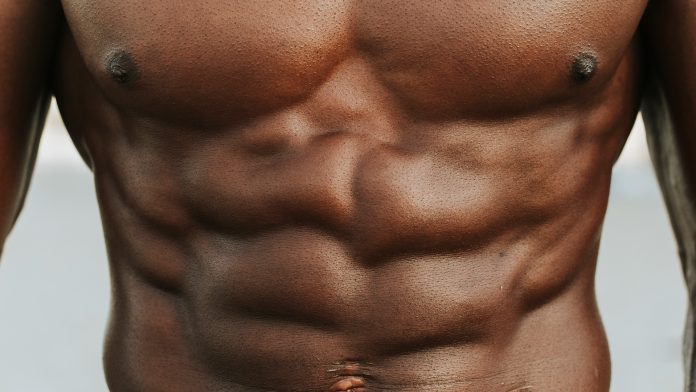
A physique can’t be deemed complete without a shredded abdomen. Abs have become an aesthetic standard which every pro athlete needs to maintain. You will never see a bodybuilder without a six-pack on stage.
Lower abs are one of the most stubborn muscle groups. Love handles can be the hardest to lose. If you want a shredded six-pack, sticking to the crunches won’t get you a long way. You need to perform exercises which will target your lower abs.
1. Flat Bench Leg Raises
Performing exercises like the crunches work the upper abs. You need to have lower body exercises like the leg raise in your exercise arsenal to target the lower abs. You can perform the leg raises on a flat bench or a decline bench.
Lie down on a bench while facing the roof. Your upper body should be on the bench while your lower body hangs off the edge of the bench. Slowly raise your legs so they’re perpendicular to the floor. Your feet should be an inch away from the floor at the bottom of the movement.
2. Hanging Leg Raises
Hanging leg raises are an isolation exercise and your lower abdominal will be completely exhausted after this exercise. You could perform this exercise on a pull-up bar or parallel bars.
Most people make the mistake of using momentum to lift their legs. Doing this can eliminate the tension on your lower abs. Your upper body should not swing while you perform the hanging leg raises.
3. Scissors
The primary muscles involved in scissor kicks are the lower abs and your hip flexors. Lie down on the floor and with a slight bend at the knees, lift your legs up so that your heels are about six inches off the ground.
Now, lift your right leg about a 45-degree angle while your left leg is lowered until the heel is about 2-3 inches from the ground. Repeat on the other side by lifting the left leg and lowering the right leg.
4. Mountain Climbers
Mountain climbers are usually a part of a HIIT workout and will completely smoke your lower abs. Get into a high plank position with your feet placed at shoulder width. Make sure you keep your abs tight and contracted throughout the exercise.
Lift your right leg up to the chest between your hands. As you return the right leg back to the plank, lift left foot and draw left knee to the chest between your hands. Keep your upper body fixed in place and avoid hiking your hips.
5. Slider Knee Tuck
You will need sliders or a towel for this exercise. Place both your feet on the sliders and pull in your feet to your chest between your hands. Push feet back to the starting position and repeat for the target reps.
Maintain a tight core, exhale and contract your abs at the top of the movement. Make sure you don’t hunch your shoulders and back or lean forward too much while performing this exercise.
6. Reverse Crunches
Reverse crunches are the opposite of the conventional crunches. This exercise might look easy but can prove to be lethal. Lie on the floor with your hands under your lower back. Maintain a slight bend at your knees and lift your feet so they’re 2-4 inches off the ground.
Raise your knees to your chest while maintaining the bend at the knees. Return to the starting position and don’t let your feet touch the floor. You can also perform the reverse crunches on a flat bench. Doing this will increase the negative motion which in turn will increase the tension on your lower abs.
Which is your favorite lower abs exercise? Let us know in the comments below. Also, be sure to follow Generation Iron on Facebook and Twitter.
Can Lactose Free Protein Powder Offer The Same As Whey?
Which form of protein is better for your gains?
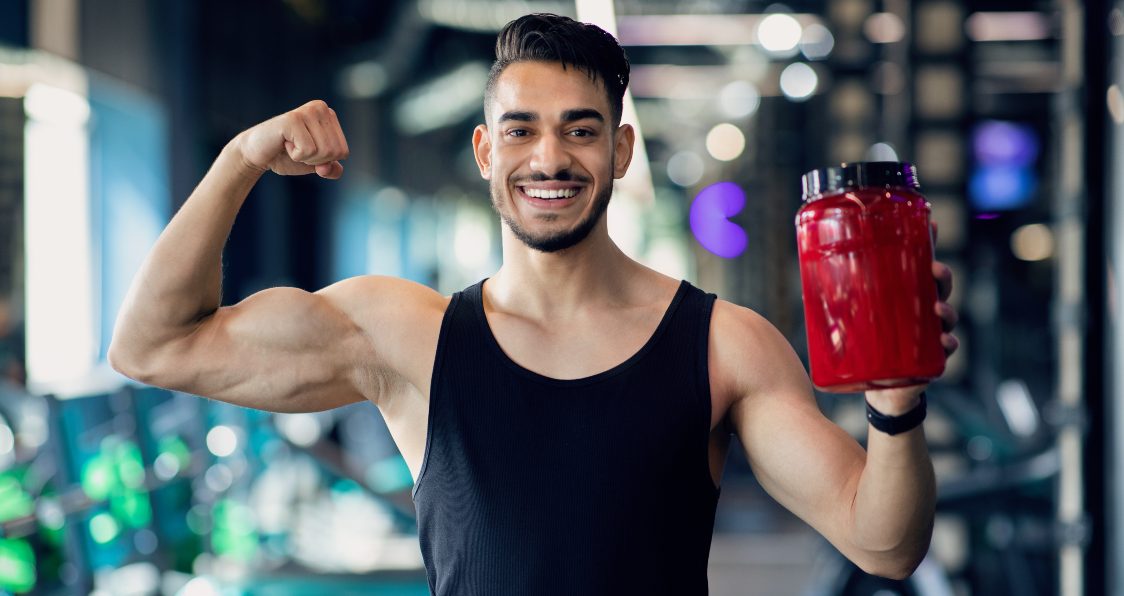
We’ve all heard of whey protein, but you may have not heard of lactose free protein powder. Essentially, this is just another term for those non-dairy, vegan, and plant-based sources of protein derived from alternative sources like rice or pea protein, among others. While whey seems to reign as king in the protein supplementation world, knowing there are suitable alternatives in lactose free protein powders can be a game changer for many insensitive to dairy, or for those just looking for a change.
Let’s take a look at lactose free protein powder and see just what this can do for your gains. With many options and great benefits, your need to rely on whey are no more, thus giving you a great option to fully see huge gains. With the right non-dairy protein, you’ll never suffer discomfort again.
What Is Lactose Free Protein Powder?
Lactose free protein powder is essentially plant-based or vegan proteins, thus avoiding dairy and serving as an alternative to whey. Lactose is a sugar in milk that some people have a hard time breaking down. This is a result of limited lactase, the enzyme that works to perform said breakdown of lactose (1). This can cause discomfort for many, thus making whey a poor option for them to get adequate protein intake.
With many sources of protein being used for lactose free protein powder like rice, pea, or hemp protein, among others, the choices are endless for you to get a great workout and supplement with something worthwhile to capitalize on all your gains. Fear not, because your whey alternative in lactose free protein powder has arrived.
Benefits Of Lactose Free Protein Powder
When it comes to lactose free protein powders, the benefits are hard to ignore. Like all protein supplements, the ability to pump you with vital protein for muscle growth and other benefits is invaluable, but let’s take a look at some of the other key benefits associated with lactose free and plant-based proteins. Benefits include:
Increased growth to see more definition and aid in strength and size (2).
Better recovery to support repair and quicker bounce back.
Less digestive stress to eliminate bloating and stomach discomfort (3).
Potential weight loss as a great way to stay full and not waste caloric space.
Nice change in your diet to offer vitamins and minerals for proper intake.
While whey protein allows for some of these benefits, it is important to note that lactose free protein powders are better for those following certain diets, have dairy sensitivities, or for those just avoiding dairy.
What Is Whey & How Does It Differ?
Whey protein comes from the watery portion of milk that is separated during the process of creating cheese. Packed with protein, this has become a popular source of protein supplementation for those looking to increase muscle growth, enhance recovery, and promote better weight loss. As you may know, whey protein is separated out in whey isolate and whey concentrate. Whey isolate is a more filtered form of whey great for isolating protein with minimal carbs and fats to promote lean muscle growth and weight loss (4). Whey concentrate, on the other hand, is great for those needing to bulk for this has increased carbs and fat as it is not filtered like a whey isolate.
The main difference when it comes to whey protein is that this comes from dairy. Lactose free protein supplements are those derived from many other sources other than dairy. What this does for those sensitive to dairy is gives them an option so they no longer have to shove chicken in their mouth, or rely on a whey protein that will only upset their stomachs.
Which Is Better: Whey Protein Or Lactose Free Protein?
When it comes down to it, both options will give you great advantages to your workouts and overall health. For protein powders, it really is a preference. You will get adequate amounts of protein with both, still receive great benefits with both, and find the results are very similar with both. The only real difference is source and how it will react with your body. You know your body best, so don’t settle for anything less.
The Best Lactose Free Protein Powder
Finding the best lactose free protein powder can be a game changer for those looking to fully optimize their health and performance without the need for whey or dairy. But like all supplements, so many options exist and it can be challenging to really nail down exactly which ones are the best for us.
Thankfully, supplements companies have stood out over others and Enhanced Labs has created a great protein powder free of lactose to really boost your gains effectively.
Enhanced Labs Protein-Tech
Enhanced Labs Protein-Tech uses grass-fed bovine bone broth and is free of any artificial ingredients. With 20g protein, this supplement will give you a great spike for muscle growth with digestive assistance and bone and joint support.
Enhanced Labs Protein-Tech is a whey-free protein supplement made from grass-fed bovine bone broth protein that is free of GMOs, soy, dairy, and artificial ingredients. Each scoop delivers 20g protein and zero carbs and fat. The grass-fed bovine bone broth is the most full spectrum collagen source in the form of a convenient nutritional powder to deliver the highest quality protein source. Also containing prebiotics, this protein allows for better digestion to not upset your stomach and let all of these nutrients hit you hard for better support.
Check out our individual review for Enhanced Labs Protein-Tech here!
Check out our list of the Best Non-Dairy Protein Powders for more awesome lactose free products!
Wrap Up
Lactose free protein powders are perfect options for boosting your overall health and performance while avoiding whey and dairy-based proteins. Non-dairy and plant-based protein sources have great benefits and can serve you well when looking to boost your gains. Finding the right supplement may seem challenging but it is absolutely possible if you put your mind to it. For those who want an alternative option to dairy, look into a great lactose free option to see all you gains take off.
Generation Iron may receive commissions on purchases made through our links. See our disclosure page for more information.
Let us know what you think in the comments below. Also, be sure to follow Generation Iron on Facebook, Twitter, and Instagram.
*Images courtesy of Envato
References
Mattar, R.; et al. (2012). “Lactose intolerance: diagnosis, genetic, and clinical factors”. (source)
Pasiakos, S.; et al. (2015). “The effects of protein supplements on muscle mass, strength, and aerobic and anaerobic power in healthy adults: a systematic review”. (source)
Szilagyi, A.; et al. (2018). “Lactose Intolerance, Dairy Avoidance, and Treatment Options”. (source)
Cooke, M.; et al. (2010). “Whey protein isolate attenuates strength decline after eccentrically-induced muscle damage I healthy individuals”. (source)
Dorian Yates Says Weight Training Is Best Way To Get In Shape
Six-time Olympia champion Dorian Yates compared weight training to cardio.
The age-old question remains which is better for weight loss — weight training or cardio. Dorian Yates knows a thing or two about weight training and believes this is still the best way to stay in shape and lose weight, if this is your goal.
Yates is a six-time Olympia champion who still provides insight on his YouTube channel. He receives plenty of questions about weight loss and in a recent video, explained how weight training is still the best way to burn that fat. This is because during cardio, fat is used as the primary source of fuel. The net fat loss during weight training is higher because of the increase in muscle mass.
“The muscle mass that you build while you are weight training requires fuel, requires energy even if you’re not working out, you’re just sitting there. So the question is, your net gain from doing weight training versus doing, let’s say, steady-state cardio – with weight training will be higher,” Yates said.
Because if you have more muscle mass, that requires more energy – like having a bigger engine in your car, you’re gonna require more fuel. So, in fact, weight training ultimately will help lose fat more effectively than cardiovascular exercise.”
[embedded content]
Dorian Yates explained that weight training uses carbs as the primary source of fuel. When performing cardio, it is fat that is used during the workout. The significant increase in muscle mass is the reason the net fat loss is higher. This seems to have a different feel when it comes to women.
When training, women can sometimes feel that weight training will make them too muscular or add size that they do not want. This could be why cardio is preferred when women train. This is a myth that Yates addressed as well.
“Some females are still kind of afraid thinking building too much muscle is not for them. But trust me, weight training is the best way to get into shape, lose body fat, and build muscle – to change your shape.”
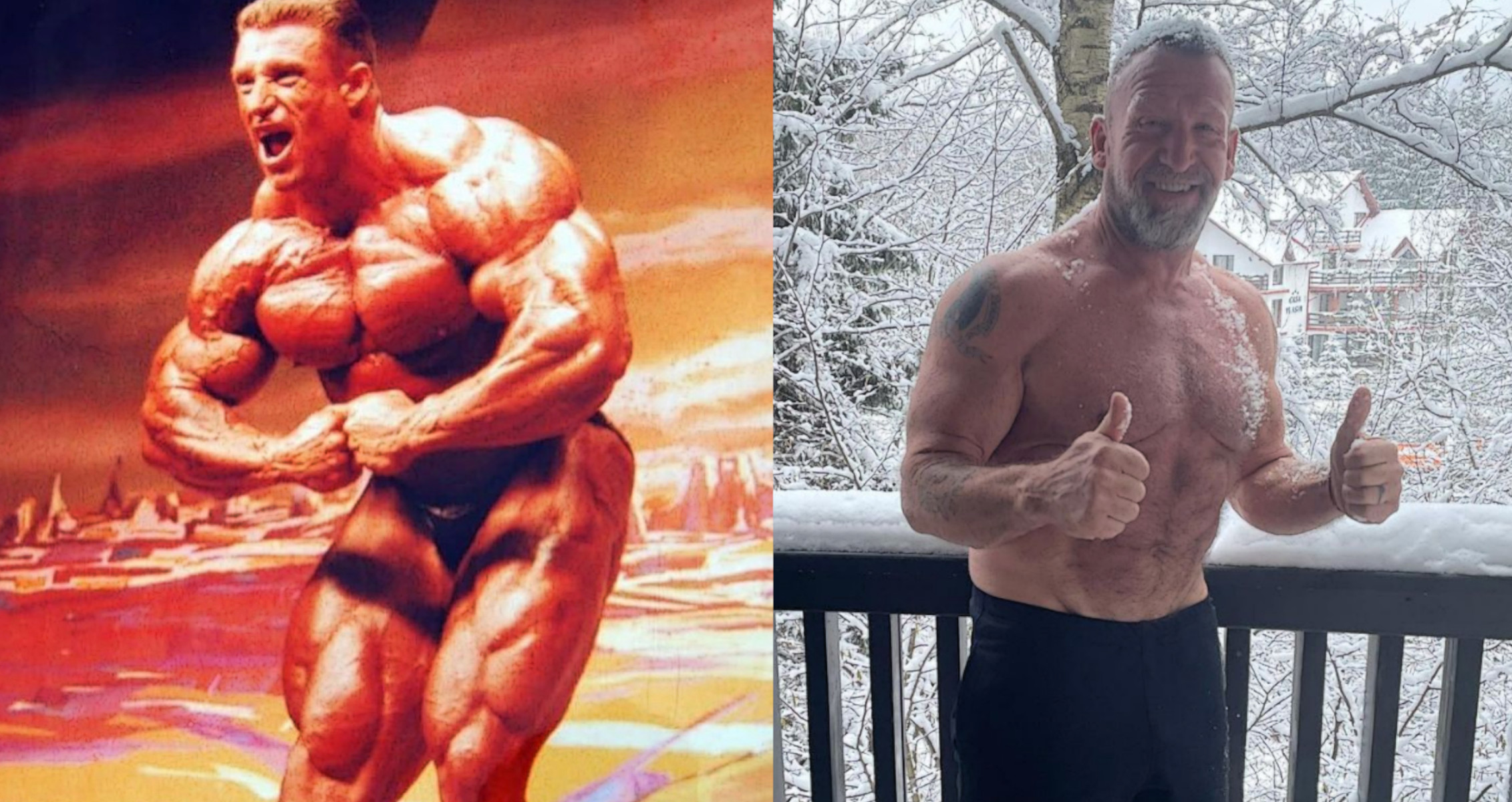
Dorian Yates is a six-time Olympia champion. He put together a stretch from from 1992-1997 where he was unbeatable. It was not until 1998 where Yates was knocked off and Ronnie Coleman began his reign at the Olympia. He has been an influential name in bodybuilding for quite some time and that is not going to change. Now, he is doing his work as a trainer and using his wisdom to help others.
It is not surprising to see a bodybuilding champion favor weight training as a preferred method to stay in shape. Yates is an experienced and educated competitor who has performed at the highest level. There are few better to follow when looking to accomplish a fitness goal.
For more news and updates, follow Generation Iron on Facebook, Twitter, and Instagram.
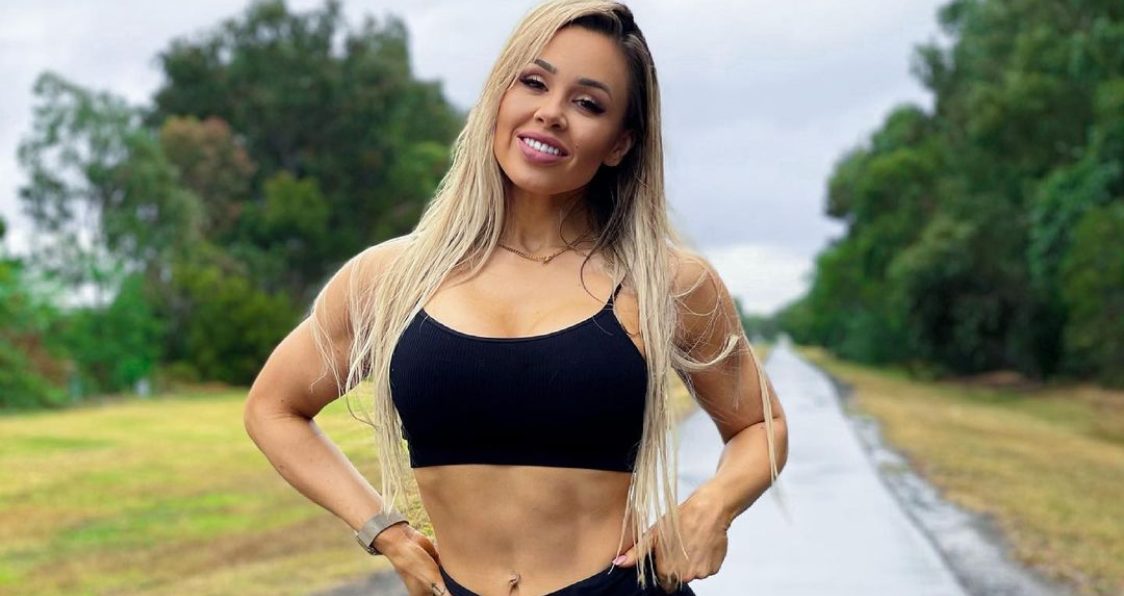
Stephanie Sanzo Profile & Stats
The biography, life, and accomplishments of Stephanie Sanzo
Stephanie Sanzo, also known as “Steph Fit Mum”, is a personal trainer and fitness model from Australia known for her amazing physique and great social media. As someone who understands what it takes to work hard, she hopes to inspire others through her platform so they can see great gains for themselves as well.
Below is a complete breakdown of her profile, stats, biography, training, and diet regimens.
Full Name: Stephanie Sanzo
Weight
Height
Date Of Birth
115-125 lbs.
4’10”
04/02/1987
Profession
Era
Nationality
Personal Trainer, Fitness Model
2010
Australian
Biography
Growing up, Stephanie was not very into fitness. But at 19-years old, she had a baby boy and had put on some weight. It was here that she would begin to take care of her body. So, she grabbed some dumbbells, began at-home workouts to drop fat, and enrolled in a personal training course with hopes of making that a career.
After the birth of her second child, she began to look for new ways to stay fit. A medical complication made running challenging, so she got herself a gym membership and began to train seriously. As a result, she did compete in some shows, even finishing in the top spots, but given the competitive lifestyle and strict diet, she stepped away to focus more on her health and wellness.
With her personal training taken care of, she began seeing more clients and also changed up her own routine from more competition prep to strength training with hints of powerlifting. Working in tandem with her own training and training others, she began posting photos of her own progress and sharing clients’ success stories, boosting her platform and social media followers.
Moving forward with her goals, she continues to devote her time to her own training and helping others, as she hopes to be an inspiration for them as well.
Training
Stephanie’s training routine involves strength training with powerlifting aspects to see continued muscle growth and aid in her great physique. Working with reps in the 8-12 range, and her sets in the 3-5 range, she gives herself a great chance to shape and tone her muscles. She doesn’t really focus on cardio, but if need be, she will do 20 minutes of cardio.
Legs
Back Squat: 3 sets, 8 reps
Single Leg Hamstring Curl: 3 sets, 10 reps
Narrow Stance Back Squat: 3 sets, 10 reps
Dumbbell Deadlift: 3 sets, 12 reps
Leg Extensions: 3 sets, 10 reps
Sissy Squats: 3 sets, 8 reps
Chest & Triceps
Bench Press: 2-4 sets, 6-8 reps
Incline Press: 3-4 sets, 8-12 reps
Cable Flys: 4 sets, 12-15 reps
Reverse Flys: 4 sets, 12-15 reps
Triceps Pushdown: 3-4 sets, 15-20 reps
Seated Dips: 3-4 sets, 8-10 reps
Overhead Extension: 3 sets, 8-10 reps
Bent Over Reverse Fly: 3 sets, 15-20 reps
Shoulders
Seated DB Press: 5 sets, 8 reps
Bradford Press: 4 sets, 10 reps
Cable Lateral Raise: 3 sets, 12 reps
Cable Single Arm Press: 3 sets, AMRAP
Cable Reverse Fly: 3 sets, 15 reps
DB Around the Worlds: 3 sets, 15 reps
Cable Rope Front Raise: 3 sets, 20 reps
Cable Front Press: 3 sets, 20 reps
Nutrition
While training is imperative, so too is the work done in the kitchen. Stephanie eats a great balance of fat, protein, and carbs with more of an emphasis on protein, as this is the building block of all muscle. She is less focused on eating too many carbs and fats, as she is with too many calories. Excess calories can lead to that unwanted weight gain and she works very hard for that to not happen. Of course, a cheat meal does come into play, but only if her body is truly craving it.
Supplementation
For Stephanie and supplementation, she uses her own supplements of choice to power all of her workouts. Certain staples to consider are a pre-workout, BCAA, and protein powder, for these will help cover all your needs, pre-, mid-, and post-workout. Others to try and take note of are fat burners for shedding unwanted fat, multivitamins for boosting your health and wellness, and creatine to pack on strength and only add to your physique.
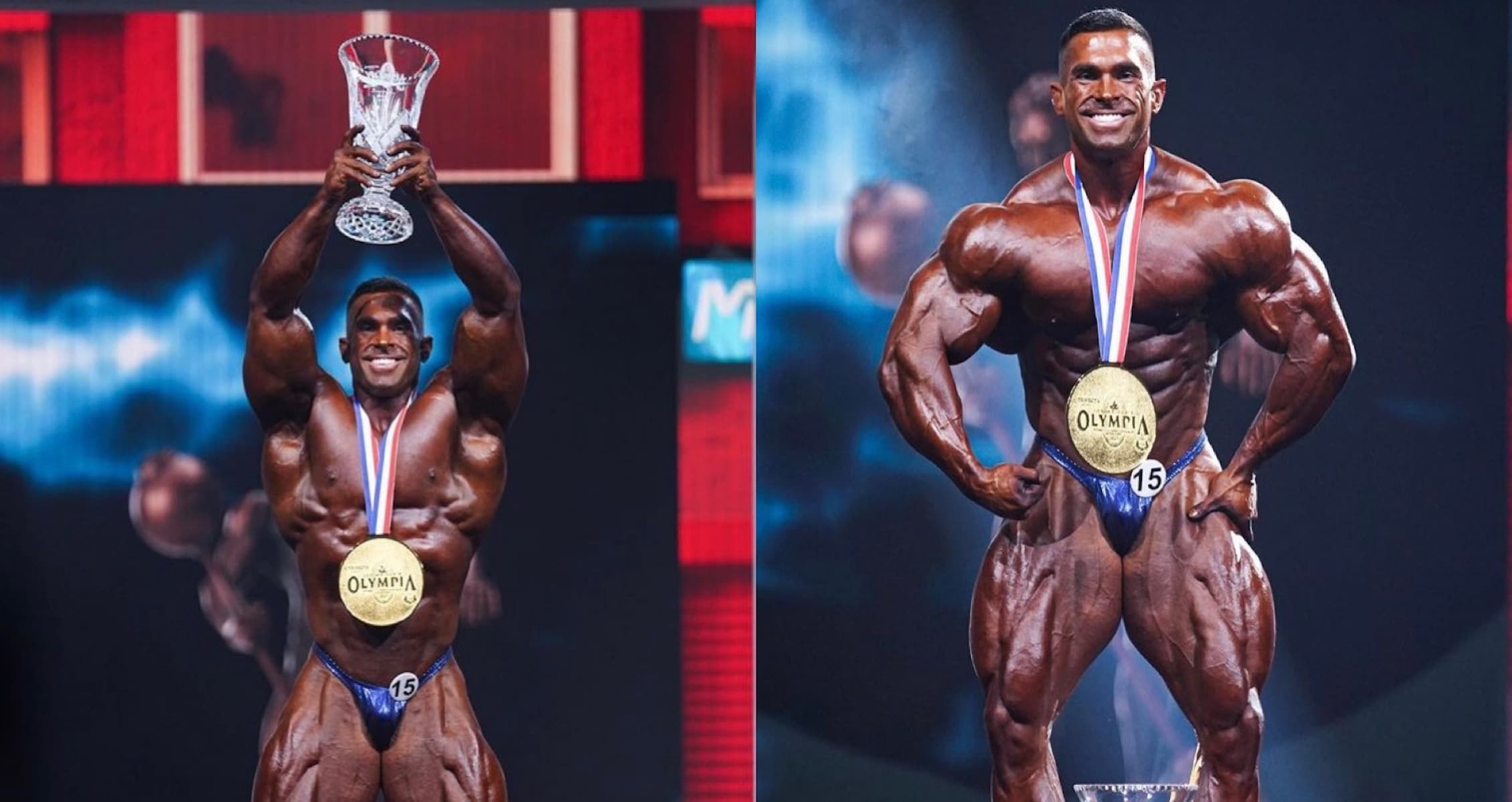
Derek Lunsford Speaks On Potential Move To Open Bodybuilding
212 Olympia champion Derek Lunsford will focus on defending title.
Derek Lunsford was finally able to get over the hump and win the Olympia in 2021. The Men’s 212 competitor took the next step in Orlando back in October and it is only right that he considers his next move. For Lunsford, the could be Open Bodybuilding.
Lunsford admitted in a recent interview that he has always had interest in competing in Open Bodybuilding. This is something that has been in the works but for now, Lunsford is focused on defending his title at the 2022 Olympia.
“Right now we’re focused on defending the 212 title but do I eventually want to be open? There are no questions asked man. I am a bodybuilder. I want to see my body continue to grow into the open,” Lunsford said.
“I’ve said it over and over and over again. I’ve always wanted to go open. I expect at some point I’ll be an open guy.”
Derek Lunsford has been a 212 competitor for the duration of his bodybuilding career. At 28 years old, he feels like his physique can still improve and this includes getting to the size of competitors in today’s Open Bodybuilding category.
“I’m 28 years old and I think that I need to spend a little bit more time in the gym developing my physique. How long will it take? We’ll see if my body just booms in one year who knows?”
Open Bodybuilding currently features some massive physiques. It is becoming a division full of mass monsters and that begins with reigning two-time Olympia champion Big Ramy. He remains at the top, along with Brandon Curry and Hadi Choopan. Lunsford can be another up-and-comer in the future that has a chance to make an impact. Nick Walker and Hunter Labrada currently fall under that category.
Derek Lunsford finished as Olympia runner-up twice in his career. During the 2020 show, Lunsford came in fourth. Shaun Clarida was the favorite entering 2021 to repeat as champion but Lunsford was able to pull off the upset. He earned his pro card in 2017 and won his first competition that same year at the 2017 Tampa Pro.
At some point, we will see Lunsford make the change but it does not seem to be happening right away. Lunsford has some more to accomplish in the 212 division and that begins with defending his title in 2022. Winning his first Olympia is something that could add some extra motivation for Lunsford moving forward. With over a year to prepare for the competition, the 2022 Olympia could have plenty of storylines and excitement to watch.
For more news and updates, follow Generation Iron on Facebook, Twitter, and Instagram.