
Tag: Bodybuilding
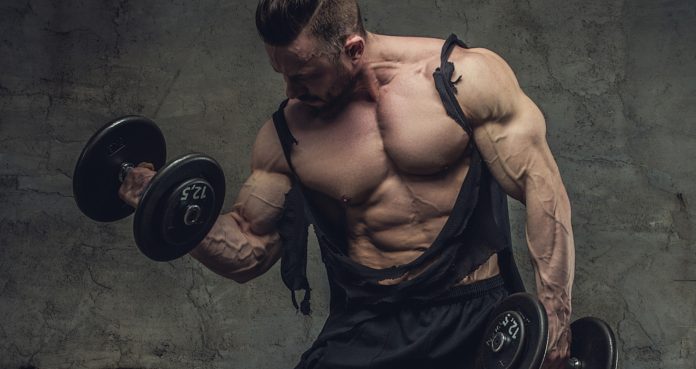
5 Bro Science Myths that Need to Die
5 Bro Science Myths that Need to Die
Ahh yes, bro science, the word used to describe clueless meathead fitness philosophies. A bit harsh, but you get the point. Fortunately, actual science goes through much more rigorous testing to isolate variables, so lifters like us can learn the truth.
Unfortunately, nowadays, it’s not about who reads the most. It’s about who looks the best which is a slippery slope. Simply put, you don’t know if your favorite bodybuilder got his body because of his method or in spite of his methods.
I mean, it doesn’t take a rocket scientist to know that there are many ways to train. Many roads lead to the same goal, but science can show us through a systematic process which path is likely faster.
So as nerdy as it sounds, trusting science is more reliable than trusting bro science. This is not to say the experiences of the most impressive physiques don’t carry value, but be sure to take it with a grain of salt. However, here are 5 common things bro science got dearly wrong.
Fasted Cardio
Fasted cardio gets it popularity from novelty and absurdity. I mean, the more extreme something sounds, the more effective it must appear right? Wrong.
The proposed benefits of fasted cardio is that it’ll help you burn more fat.
Some research does show that fasted cardio does burn more fat, but burning more fat is different than losing more fat. Burning fat simply means you’re using fat or lipids as fuel. To have fat come off your body, you must be in an energy deficit over time. This is simply a fancy word meaning you have to eat fewer calories than you burn over time.
Fasted cardio helps you burn more calories, but the fuel source used is irrelevant.
All controlled research that matches for total caloric intake has found fasted cardio is not superior to fed cardio (1). You end up losing the same amount of fat whether you eat before or after your run.
There’s no need to jog on an empty stomach. You’re not getting any physiological benefits. Some research indicates your performance may be hindered and you’re more prone to muscle loss (2).
So if you achieve a lower performance you actually burn fewer total calories. This effect is small though.
So feel free to do fasted cardio if you prefer, but don’t do it because you think there’s some magical fat burning benefit to it even if your favorite bodybuilder swears by it.
Training Frequency
Body part days are an inseparable part of gym vernacular. Have you every stopped to wonder why though? Is having an arm day, chest day, leg day, etc necessary?
Candidly, science doesn’t care about the culture we live in though. It simply shows us the raw data. Abandoning the typical bro-split of having individual body part days became a bit more popular with The Norwegian Frequency Project. This is where the Norwegian powerlifting team of elite lifters split their crew into 2 groups. Both doing the same training volume or number of sets, but one group training their body parts 6 times instead of 3 times per week.
The 6 time per week group grew more muscle and reaped more strength gains.
In general, the literature shows training a body part more than once per week is better for muscle growth (3). Research in advanced lifters shows more benefits than beginner lifters, so the idea that full body splits are for beginners while body part splits are for advanced lifters is backwards.
The proposed mechanism is quite often linked to spiking muscle protein synthesis more frequently. While this might be important, a more logical explanation is simply higher performance and thus, more mechanical tension over time.
Think about it.
Let’s say you did a typical back day where you did 10-15 sets of back exercises. For examples sakes, let’s say you do cable rows, pull ups, and machine pullovers for 4 sets each.
With each set you do, your back and supporting muscles get fatigued. Every subsequent set is compromised especially towards the end when you’re doing those machine pullovers. Now imagine, splitting up each exercise on separate days. You’re distributing your volume out and allowing less fatigue to accumulate in the targeted muscle. Your machine pullover performance would be much better on a separate day as opposed to after your erectors and lats are trashed from rows and pull ups.
So if you haven’t pieced 2 and 2 together yet, with less fatigue, you’ll be able to use more weight or do more reps which means more mechanical tension applied to the muscle. Repeat for weeks and you’ll likely experience benefits from higher frequency training. Gone are the days of training one body part a day.
Meal Frequency
However, when it comes to meals, the bros loved eating frequently. They believed that you had to eat every 2-3 hours or else your muscles would wither away to nothing. This advice is rooted in neuroticism as bodybuilders are often extremely sub-conscious about muscle loss.
You can’t really blame them though because telling muscle obsessed competitors to not be neurotic is like telling a fish to not be a fish.
In addition, many bro science experts believed eating 6 meals a day would keep your metabolism going and burn more fat.
Both of these rationales have been thoroughly debunked by the research.
You can maintain muscle mass just fine with any number of meals. 3-4 seems to be the sweet spot for most people (4).
And as for energy expenditure, your body burns as many calories from 6 vs any other number of meals assuming total caloric intake is the same. So there’s nothing wrong with eating 6 meals per day, but there’s no benefit either. Practically, that’s simply a nightmare to cook and eat 42 times each week.
Most people find eating 2-4 meals per day most doable and physiologically you don’t have to worry about your metabolism crashing. There’s no “metabolic fire” to stoke. That term needs to die faster than Nickelback’s music.
Barbell Lifts
You’ve heard it before. How much you bench bro? How much you squat bro? How much you deadlift bro?
When people ask this, they’re not asking for your dumbbell incline bench. They’re not asking for your hack squat and they don’t give a flying fairy about your dumbbell Romanian deadlift.
They’re referring to your barbell lifts. But objectively speaking, there’s nothing special about the barbell. In fact, there are usually more drawbacks than benefits to common barbell lifts.
Because lifters are so hyper-obsessed with these movements to impress their friends, they don’t understand that there are often better muscle growing exercises out there. Hypertrophy is not dependent upon the equipment or even the load you use. Hypertrophy is dependent on the mechanical tension you can apply. But bro science dictates, the heavier the lift the better, no matter what.
The barbell by nature can be very limiting to muscle growth without many lifters realizing it. For example, machine and db presses have more range motion than barbell benching.
Barbell squats force the weight to be over your center of mass, so based on your limb lengths, they might not stress the quads as well as another squat or machine based variation.
And as for barbell deadlifts from the floor, it’s the same story. It limits the active range of motion your hamstrings while not being suited for some individuals.
Not to mention, barbell exercises are extremely fatiguing which is awful for muscle growth. Bragging about how tired you got from deadlifting is like bragging about how much money you spent over the weekend. Fatigue isn’t a badge of honor.
Optimal muscle growth comes from stimulating the muscles as much as possible with as little fatigue as possible. Common barbell lifts don’t fit this description as well as other lifts.
Rep Ranges
Rep range is such a misunderstood concept. Most bodybuilders train exclusively in the 8-12 rep range. This has long been touted at the hypertrophy rep range. Lower reps like 1-5 is for strength while higher rep ranges beyond 20 are for endurance, so intuitively many people think hypertrophy falls somewhere in the middle.
What people don’t realize is that strength and endurance are performance adaptations. Hypertrophy is a morphological adaptation for the tissue to get bigger.
Your muscle tissue only knows mechanical tension which can be experienced in a number of rep ranges.
In fact, research finds as long as your rep range isn’t below 4-5 or higher than 30, you experience the same amount of hypertrophy given the same effort (5).
Think about it. Compare a 6-rep set to failure vs a 15-rep set to failure.
Your 6-rep set will be heavier, so each rep will impose more mechanical tension. However, you accumulate fewer reps.
With the 15-rep set, you’re able to accumulate a longer duration of mechanical tension, but the magnitude per rep is smaller because the weight is lighter.
Nonetheless, the net amount of stimulus is the same. So while 8-12 isn’t a bad rep range to stick to, it’s shortsighted to think other rep ranges aren’t similarly as good for hypertrophy.
Do You Even Science?
Many bro science enthusiasts will ask do you even lift? What a dumb question. We all lift if we’re within the fitness culture. While there’s something to be said about putting in the hours at the gym, drawing conclusions must come from a combination of experience and actual science.
So I challenge you to not solely rely on your experience or the experience of others. When evolving your practices, the question isn’t do you even lift. Instead, start asking yourself, “Do you even read.”
References
Schoenfeld, Brad Jon, et al. “Body Composition Changes Associated with Fasted versus Non-Fasted Aerobic Exercise.” Journal of the International Society of Sports Nutrition, BioMed Central, 18 Nov. 2014, jissn.biomedcentral.com/articles/10.1186/s12970-014-0054-7.
Bernardino, 1California State University San. “Fasted Versus Nonfasted Aerobic Exercise on Body… : Strength & Conditioning Journal.” LWW, journals.lww.com/nsca-scj/Abstract/2020/10000/Fasted_Versus_Nonfasted_Aerobic_Exercise_on_Body.8.aspx.
JW;, Schoenfeld. “Effects of Resistance Training Frequency on Measures of Muscle Hypertrophy: A Systematic Review and Meta-Analysis.” Sports Medicine (Auckland, N.Z.), U.S. National Library of Medicine, pubmed.ncbi.nlm.nih.gov/27102172/.
Schoenfeld, Brad Jon, and Alan Albert Aragon. “How Much Protein Can the Body Use in a Single Meal for Muscle-Building? Implications for Daily Protein Distribution.” Journal of the International Society of Sports Nutrition, BioMed Central, 27 Feb. 2018, jissn.biomedcentral.com/articles/10.1186/s12970-018-0215-1.
JW;, Schoenfeld. “Strength and Hypertrophy Adaptations Between Low- vs. High-Load Resistance Training: A Systematic Review and Meta-Analysis.” Journal of Strength and Conditioning Research, U.S. National Library of Medicine, pubmed.ncbi.nlm.nih.gov/28834797/.
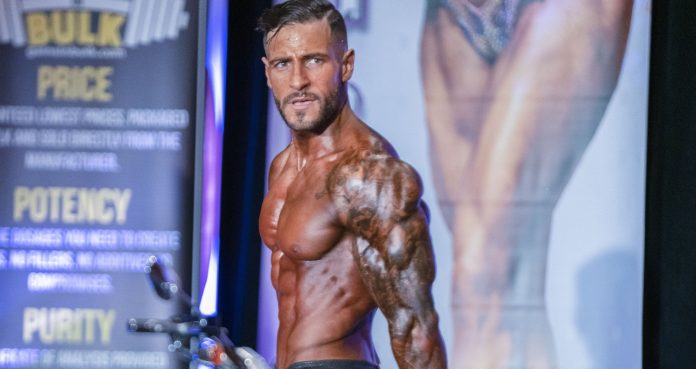
3x Natural Olympia Champion Brandon Lirio Discusses How to Identify Performance Enhanced Bodybuilders
INBA PNBA Natural Olympia 3x Classic Physique champion Brandon Lirio discusses distinguishable characteristics of enhanced bodybuilders.
Some lifters choose to stay natural, and others take performance-enhancing drugs (PEDs) in the weightlifting world. The disparity between natty or performance-enhanced is especially true in bodybuilding. Sometimes it’s hard to tell if a lifter or bodybuilder’s physique is natty or not, though. Brandon Lirio interviewed with Longevity Muscle Podcast and gave the scoop on how to identify performance-enhanced bodybuilders.
Brandon Lirio is an International Natural Bodybuilding Association (INBA)/Professional Natural Bodybuilding Association (PNBA) Classic Physique professional natural bodybuilder. He’s a 3x Natural Olympia champion, 2x World champion, and 2x Natural Universe champ. Lirio also competes in strongman and powerlifting and has a multi-media contract with Generation Iron and Iron Man Magazine.
Recently the Longevity Muscle Podcast released footage on their Instagram (IG) page with a clip from their interview with Brandon Lirio, specifically touching on the critical differences between a natural bodybuilder and an enhanced bodybuilder. Lirio stated:
“If you see somebody who wasn’t show-ready a week out and then out of nowhere, they’re super hard, dry, and dense. Alright, the percentage meter’s going up a little bit on the BS call here.
If within one year, they’ve put on 20 pounds of lean muscle naturally. Alright, that 99 percentile is starting to come back here.”
Brandon Lirio went on to say that most people posting comments online don’t understand how to differentiate natural and enhanced. Or they’re there to hate.
You can see an IG clip of Brandon Lirio discussing this on the Longevity Muscle Podcast below.
https://www.instagram.com/reel/Cb94HPBj_nU/?utm_source=ig_web_copy_link
Difference Between Performance Enhanced and Natural Lifters
Of course, their size is a distinguishable difference between performance-enhanced and natural bodybuilders. For example, if you look at the International Federation of BodyBuilding and Fitness (IFBB) Pro league, their contenders are noticeably bigger than INBA PNBA athletes.
INBA PNBA’s natural bodybuilders’ physiques are impressive and show us how much muscle you can build naturally. Although, they won’t be able to compete with bodybuilders taking PEDs such as steroids. This is why leagues that don’t test for drugs are separated from those that do.
INBA PNBA natural bodybuilders prove the amount of muscle mass the human body can produce naturally with hard work and dedication. But it takes time, consistency, and following a well-structured plan. As Lirio denoted, naturals won’t randomly be able to put on 20 pounds of lean muscle mass in one year.
Natural Bodybuilders
Not all bodybuilding leagues will drug test their athletes, but natural bodybuilding leagues do. And the INBA PNBA screens its athletes through the most thorough drug testing standards – the World Anti-Doping Agency (WADA).
Of course, some INBA PNBA natural bodybuilders disobey this. But these athletes are banned from competing, stripped of their titles, and placed in the Hall of Shame.
Natural bodybuilding leagues such as the INBA PNBA put fair competition and the health and safety of their athletes a priority above all. Moreover, the INBA PNBA rewards and recognizes its athletes with more cash and prizes than other natural bodybuilder federations. It also helps set their athletes up for success through opportunities like multi-media contracts.
Follow us on Instagram, Facebook, and Twitter for more insight from the most elite natural bodybuilders!

Chris Bumstead Attacks Leg Day With 585-Pound Squats For Six Reps
Chris Bumstead continues to show his strength and did so with massive squats during leg day.
Chris Bumstead is already at the top of Classic Physique bodybuilding and it is clear that he is not going anywhere. The reigning three-time Olympia champion has been hitting the gym had since his return and it showed in a recent social media post on leg day. Bumstead shared videos including massive 585-pound squats for six reps.
Bumstead has competed just once a year since climbing to the top of the sport. He has mastered the offseason and right now, Bumstead is in the bulking phase to add that muscle mass necessary. He is back to full training and is in full swing of his diet plan. Bumstead was forced to take some time off early in the year after contracting COVID-19. Just a couple months later, there is clearly no effects.
“Just want to be big and strong when I grow up. Please and thank you??”
Chris Bumstead shared two videos in the post. The first was of squats, which he hit on the Smith machine without shoes on. Bumstead controlled the weight and lowered himself to the ground slowly before exploding up. The next workout was Bulgarian split squats, which Bumstead performed with two dumbbells. He completed 11 reps before reaching failure on the 12th.
These workouts along with his diet plan, which consists of 5,000 calories during bulking, are the reason that Bumstead is difficult to take down on stage. He is often seen training with Iain Valliere, who competes in Men’s Open bodybuilding. This is something that Bumstead hinted at in a recent interview.
Chris Bumstead discussed the possibility of competing in Open bodybuilding before he retires. It is unlikely that he makes a permanent switch but he might appear in a show or two before calling it a career.
Wherever Bumstead is, it is likely that he is going to find success. He has built great motivation and has a massive following because of his physique. Bumstead continues to showcase his elite strength and workout plans fo others to follow. It will be interesting to see how his preparation continues over the course of the offseason.
For more news and updates, follow Generation Iron on Facebook, Twitter, and Instagram.
Complete List Of Masters Olympia Winners Through The Years
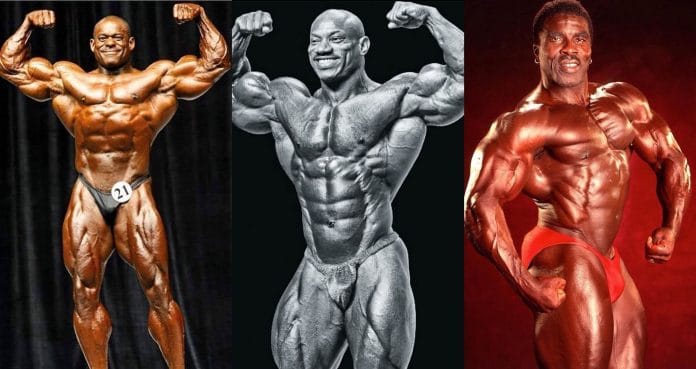
Photo via @robbyrobinson, @vincetaylor50, and @mrolympia08 Instagram
Get all the winners of Masters Olympia and see which legends walked the stage in their older years.
We all know and love Mr. Olympia. Watching our favorite bodybuilders stalk the stage is something to admire and an event we look forward to all year. But what happens when our favorite athletes choose to walk away from the Mr. Olympia competition? Enter the Masters Olympia contest.
As our favorite bodybuilders age, they enter into the Masters Olympia competition. That love of training and competing never leaves and with an event like this, top bodybuilders can still compete even as they age. It is an event that works to satisfy the competitor for they can still compete and satisfy the fan as they watch their favorite competitor compete.
As we all age, it can get harder and harder to build and keep on muscle. That massive physique fans saw becomes harder and harder to keep on. Whether you do it naturally or with the help of non-natural substances, our bodies will eventually start to show their true age. However, that isn’t a bad thing. Just because these competitors can’t compete against the likes of current Olympia champions, doesn’t mean they still can’t compete.
Let’s take a look at all of the winners of Masters Olympia. You will notice plenty of gaps as this event has struggled at times to gain ground, but the years it was held saw great competition, and ultimately, a winner was crowned. Moving forward, fans and competitors alike would love to see this event continue on a more regular basis and give these older competitors something to look forward to, train for, and ultimately compete for.
For some of these years as well, you will see an overall winner, being those listed below, plus some separate winners for the over-50 and over-60 categories.
Photo via @mrolympia08, mr.olympia_claudegroulx, and robbyrobinsonofficial Instagram
Masters Olympia Winners
1994: Robby Robinson
1995: Sonny Schmidt
1996: Vince Taylor
1997: Vince Taylor
1999: Vince Taylor
2000: Vince Taylor
2001: Vince Taylor
2002: Don Youngblood
2003: Claude Groulx
2012: Dexter Jackson
1994: Robby Robinson
Over-50: Chris Dickerson
Over-60: Ed Corney
Robby Robinson became a pro in 1975 and dominated the bodybuilding circuit, winning events like Mr. America, Mr. World, and Mr. Universe. Moving throughout his professional career, he would go on to win many IFBB competitions and took home the top prize at the first ever Masters Olympia contest. He also won a few over-50 categories throughout the years as well.
1995: Sonny Schmidt
Over-60: Ed Corney
Sonny Schmidt competed in many events and placed well during his decade long career. His biggest win came at Masters Olympia and he became the first Samoan to do this. His post bodybuilding life was plagued by unfortunate personal and criminal circumstances, however, he will remain on this list as a force in the early stages of this contest.
1996: Vince Taylor
Over-60: Jim Morris
Vince Taylor earned his pro card in 1988 and had an incredible pro career. He set a record with 22 wins and held it, until bodybuilding legend Ronnie Coleman came along with 26. He has the most Masters Olympia wins, but still wasn’t satisfied. He returned to the pro circuit and competed against the younger pros, even taking 11th at Mr. Olympia in 2006. A life-long competitor, Taylor is certainly someone to admire for his work ethic and dedication to the sport.
1997: Vince Taylor
The second of Taylor’s amazing Masters Olympia Run.
Over-50: Robby Robinson
Over-60: Honore Cironte
1999: Vince Taylor
Taylor’s third victory for the Masters Olympia event.
2000: Vince Taylor
And Taylor kept rolling with his fourth victory here.
Over-50: Robby Robinson
Over-60: Kasumi Ishimura
2001: Vince Taylor
And finally, Taylor’s last Masters Olympia win came here in 2001.
Over-50: Robby Robinson
Over-60: Honore Cironte
2002: Don Youngblood
Don Youngblood was inspired by Vince Taylor and began training seriously later in life. He received his pro card after winning the NPC Masters Nationals, thus qualifying him to compete at Masters Olympia. After taking second to Taylor in 2001, he was determined to dethrone the Masters Olympia king. And in 2002 he did just that, taking home the top prize and finally defeating his inspiration for getting into bodybuilding in the first place.
2003: Claude Groulx
Claude Groulx earned his pro card in 1994 and throughout his career, competed in 5 Mr. Olympias and 45 overall pro competitions. Winning Masters Olympia was his most significant victory, however, and he did so at age 40. But his love of fitness never left and he continued to teach courses and train people privately, passing on his knowledge to them.
2012: Dexter Jackson
Dexter Jackson might sound familiar to many, and he should. As a big name in bodybuilding, he is best known for his 2008 Olympia win. Over his career, despite his many great feats, like a record 20 Mr. Olympia appearances, he is the only bodybuilder to win Mr. Olympia and Masters Olympia. His legacy lives on in magazine covers and films, as well as his own bodybuilding competition called The Dexter Classic.
Wrap Up
Masters Olympia has seen its fair share of action over the years. While this event isn’t held every year, the hope is that once an event takes place, the momentum will carry over. With so many great bodybuilders competing at Mr. Olympia now, and with the sport growing even more popular every day, fans want to see these competitors continue to walk the stage even as they age. One can hope that in the next decade, ten new names are added to this list, but for now, we can take advantage of this legendary list in front of us.
Let us know what you think in the comments below. Also, be sure to follow Generation Iron on Facebook, Twitter, and Instagram.
*Images courtesy of Robby Robinson Instagram, Vince Taylor Instagram, Claude Groulx Instagram, and Dexter Jackson Instagram
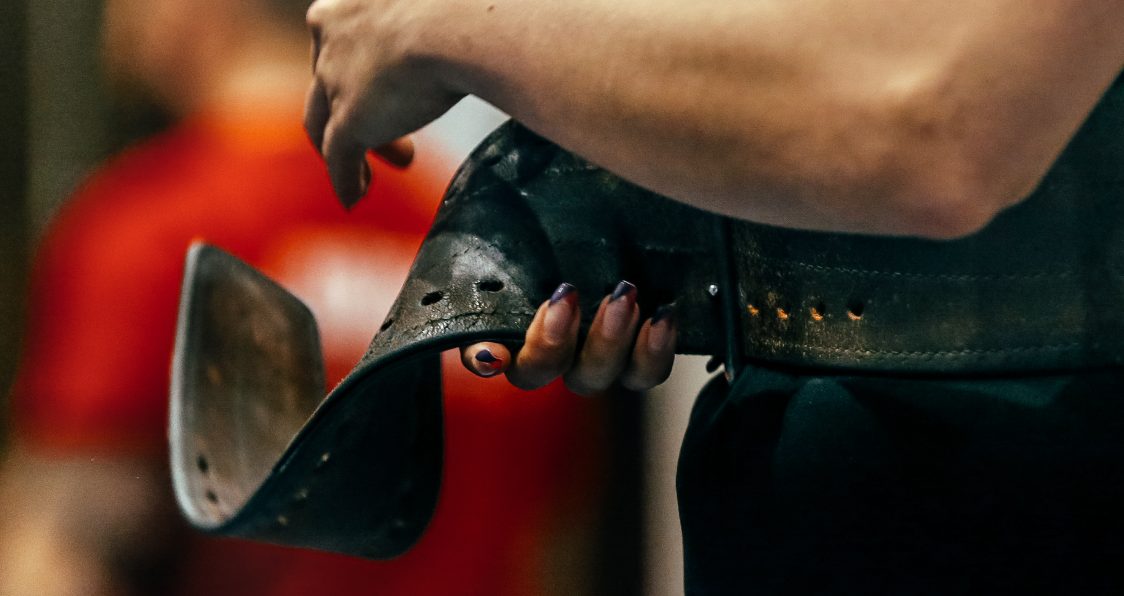
Best Weightlifting Belts For Gains & Back Support (Updated 2022)
Stabilize your lower back and support those monster lifts with these weightlifting belts to see big gains.
While some certainly take the more “natural” approach when it comes to their big lifts and decide to not where one, weightlifting belts can be incredibly useful tools to keep you both safe and efficient in your workouts, especially when it comes to huge lifts for stability and added core support. Many people dawn these leather or nylon belts in the gym in efforts to assist lifts like the squat or the deadlift. Aside from keeping people safe by allowing for solid form, those powerlifters and bodybuilders who rock these belts love them because they can lift more weight.
We’ve put together a list of the Best Weightlifting Belts for 2022 to help you progress in your weightlifting journey. From leather to nylon, each is unique in its approach for functionality, durability, flexibility, and support, but can really work to elevate your big lifts.
Best Weightlifting Belts For 2022
Best Overall
Your lifting belt should be a great all-around aid to you in the gym, especially for those of you powerlifters and bodybuilders. A quality belt will provide core support, back support and stability, and the utmost protection as you lift massive weight. But it should also be comfortable and versatile to not interfere with your gains. SBD has created an awesome weightlifting belt that hits all the marks of a great lifting aid.
SBD 13MM Lever Belt
SBD 13mm Lever Belt is an awesome lifting belt designed for powerlifters and strongmen to really enhance overall support and strength. The English hide is prepared over five months in order to ensure strength and longevity so this belt is more comfortable with time and will last you well into your training years. A black oiled finish and red suede interior keeps you looking and feeling great while wearing it. The buckle is easily adjustable with a gliding lever action and prong belt for easy access and with 13mm of thickness, this belt is lightweight and flexible without sacrificing any gains to those powerlifters and bodybuilders.
SBD 13MM Lever Belt is a quality belt with 13mm thickness and 10cm width. Black oiled leather finish with red suede interior offers a sleek look on this belt that is USAPL and IPF approved.
Pros
Built to last, this is a quality and comfortable belt for stability and core support
It is easy to adjust and the many sizes offered ensures a snug fit
Looks and feels great in efforts to provide you with great support
Competition approved is a huge plus
Cons
A premium priced option only available through their website
Only 13mm thickness is available
The red suede tends to bleed when wet, so wearing a darker t-shirt the first few uses will prevent any unwanted staining
Price: $237.50
Check out our individual review for SBD 13MM Lever Belt here!
Best Lifting Belt For Deadlifts
The deadlift is one of those exercises powerlifters and bodybuilders just love to put on serious weight and get that off the ground. As a massive lift by nature, your belt should reflect the goals you seek most when it comes to driving that bar up. Gymreapers has this belt to offer the best support and protection for your back while still allowing for functional movements, especially with deadlifts.
Gymreapers 7MM Weightlifting Belt
Gymreapers 7MM Weightlifting Belt offers superior back support and protection for all those big lifts. A premium lifting belt, this is a durable option made from real reinforced leather with double stitching around the edges. While this is a sturdy belt, it won’t impede on your lifts and a lightweight metal buckle doesn’t get in the way. Lightweight and form fitting, this belt will give you great support while offering a snug fit and still allowing for optimal versatility. Great for deadlifts and those other leg and back workouts, this belt can allow you to generate strength and power effectively, especially with deadlifts.
Gymreapers 7MM Leather Weightlifting Belt provides great support for your back and legs. Durable and form fitting, this is perfect for those heavy lifts.
Pros
Great for deadlifts, as well as other legs and back workouts
Superior back support and protection with added core support
Lightweight and form fitting while still being versatile and offering stability
Cons
Some complaints around comfort but it is sturdy
Price: $89.99
Best Lever Lifting Belt
Belts that have a lever fastening system are incredibly convenient and simple to use so you don’t waste time in the gym and can get down to doing what you love. Pronged belts tend to be a hassle and take too long in between lifts to adjust. Gymreapers designed a great lever belt that is comfortable, simple to use, and seriously effective in seeing gains for those of you powerlifters and bodybuilders.
Gymreapers 10MM Lever Belt
Gymreapers 10MM Lever Belt is designed for athletes through rigorous testing to find the best quality and durability to aid in any and all of your lifts. Great form, fit, and function are matched by a clean design and easy-to-use lever for optimal adjustments and less hassle. High quality leather is coupled with smooth edges and reinforced stitching perfect for overall quality and longevity. Being USPA approved allows you to use this for competition so you can train and compete with a belt you can trust.
Gymreapers 10MM Lever Belt is examined and improved for quality and durability. A clean and easy design is matched by an easy-to-use lever function and quality leather.
Pros
Great form, fit, and functionality out of the belt with core support and stability
The lever function is a clean design and easy to use
Well-tested and researched for optimal effectiveness
USPA approved is awesome
Cons
Material on the buckle could be a bit better
Price: $120.00
Best Lifting Belt For Beginners
Those just starting out as powerlifters and bodybuilders may be unfamiliar with weightlifting belts and what to use them for. To start, an entry level belt should be comfortable and offer support but be very simple to use and here is where a Velcro strap comes into play. Harbinger has created a flexible, yet durable nylon belt with a Velcro strap so beginners can lift big in a simple way.
Harbinger 4-Inch Nylon Weightlifting Belt
Harbinger offers a great nylon lifting belt made from thick, flexible, heavy duty nylon which works to provide maximum comfort and durability while maintaining muscle warmth. Since the stitching runs in parallel lines across the entire belt, it allows for uniform support and better stabilization. The 4-inch belt with an extra wide 3-inch strap offers the proper lower back and abdominal support for those heavy lifts and big gains. The steel buckle makes tensioning more than easy for convenience and overall, this belt is great for both flexibility, stability, and core support.
Harbinger 4-Inch Nylon Weightlifting Belt is a great belt for supporting your lower back during those heavier lifts. Thick and flexible nylon is matched by quality and durability for ensured longevity.
Pros
The thick Velcro offers for great durability and support
Comfortable fit and aids in muscle warmth
The steel buckle makes for easy and simple adjusting
Cons
Not as rigid as other belts, so there may be others with more support
With Velcro straps, you always run the risk of durability issues
Price: $21.99
Check out our individual review for Harbinger 4’’ Nylon Weightlifting Belt here!
Best Lifting Belt For Squats
Another big lift, squatting requires serious attention to form, especially as you stack more and more weight on. What you want out of a great squatting belt is something to offer core support and to keep your back neutral while offering balance and stability with some free movement. Pioneer creates amazing lifting belts that are durable and versatile to keep you safe during squats and seeing huge gains as powerlifters and bodybuilders.
Pioneer Leather Deadlift Belt
Pioneer Leather Deadlifting Belts are made from full grain sole leather to allow for repeated abuse and the prevention of wear and tear over time and are 6.5mm thick. The nickel-plated rivets and buckles hold this belt together and show true craftsmanship both in terms of look and quality. The beveled edges are put in place for added comfort, giving customers a sense of ease that Pioneer cares about the smaller details as well in their quest to make a great belt. Strong enough to be durable and last a long time while also allowing for comfort and versatility, you will feel great about any workout that comes your way. Made right here in the United States, this belt is an all around great addition to your gym bag and workout routine.
Pioneer Weightlifting Belts are great for heavy lifts and provide 6.5mm thickness for quality and durability. The tapered tongue and single prong buckle are perfect for a snug fit.
Pros
Three great size options with all being 6.5 mm thick
Nickel plated rivets and buckle are durable look great
Full grain sole leather allows for great strength and pliability
From a reputable and honest company in Pioneer
Cons
Unknown if belts are approved for competition or not
Price: Prices range from $54.95-$75.95
Check out our individual review for Pioneer Leather Deadlift Belts here!
Best Leather Lifting Belt For Weightlifting
Using a belt during weightlifting can be challenging as some weightlifting belts tend to interfere with your lift and cause more headache than you may like. A belt that will allow you to move freely while still offering great support is out there and Gymreapers is the way to go. Being lightweight and form fitting, you still get optimal movement for whatever exercise you need done as powerlifters and bodybuilders along with added core support and stability.
Gymreapers 7MM Weightlifting Belt
Gymreapers 7MM Weightlifting Belt offers superior back support and protection for all those big lifts. A premium lifting belt, this is a durable option made from real reinforced leather with double stitching around the edges. While this is a sturdy belt, it won’t impede on your lifts and a lightweight metal buckle doesn’t get in the way. Lightweight and form fitting, this belt will give you great support while offering a snug fit and still allowing for optimal versatility. Great for deadlifts and those other legs and back workouts, this belt can allow you to generate strength and power effectively.
Gymreapers 7MM Leather Weightlifting Belt provides great support for your back and legs. Durable and form fitting, this is perfect for those heavy lifts.
Pros
Great for deadlifts, as well as other legs and back workouts
Superior back support and protection
Lightweight and form fitting while still being versatile
Cons
Some complaints around comfort but it is sturdy
Price: $89.99
Benefits Of A Weightlifting Belt
Lifting belts provide for a host of solid benefits for powerlifters, bodybuilders, and other strength athletes, and primarily, they can support your core which is needed to conduct those heavy lifts.
Benefits of weightlifting belts include:
Reduce lower back strain: Although a lifting belt is not a back brace, it helps keep your core engaged (1), alleviating strain on your lower back.
Increase stability: Allow for better range of movement (2) and stay more stable and supported for bigger lifts.
Decrease risk of injury: Lift more weight efficiently with less worry of unwanted pain by providing for more support, comfort, and versatility to your lifts.
What To Look For
Finding the right belt is really all a choice of personal preference and comfort, but there are some things to consider to find exactly what you are looking for to get out of the belt. For serious weightlifters, you may want to look into a leather lifting belt. These tend to be durable and last quite a long time. You also want to consider if you want a prong buckle or a lever. A lever buckle allows for greater convenience and a snug fit but again, this just comes down to your personal preference on the matter.
Leather Vs. Nylon
Leather weightlifting belts are indeed one of the most popular and effective options for powerlifters and bodybuilders because they provide maximum support for the heavy lifts. There are different types of leather as well and the decision to choose one type of leather is usually based on personal preference. But top grain is usually the most durable where as suede (split leather) is not as much so. There are also synthetic leather belts which are obviously not the same as real leather although some can be pretty effective. A good leather belt should be able to adequately support you by keeping your core muscles compressed and spine stiff throughout the lift (3).
Nylon material is much more flexible than leather and it’s also much more versatile. So, if you need a belt to do CrossFit type activities and/or if you just need some additional back support for walking around the house or anywhere really, then nylon is a good option. Nylon belts won’t entirely have the same support as a leather belt would but it really depends on the resistance loads used for weightlifting/activities (4). Many top athletes and lifters go with nylon for its versatility. And there are often many different materials blended with nylon for maximum durability and support like neoprene, polyester, and cotton.
How We Choose
When looking at the best weightlifting belts, especially for those powerlifters and bodybuilders, it’s important for us to first look at the reputation of the brand because a company should work for you and give you the best product around. The quality of the belt and its material is also very important because longevity and durability matter greatly. You don’t want a belt to last a short time, for it takes some getting used to and once it’s broken in, this can work wonders for you. We lastly look at price. We know sports equipment can get expensive but it is possible to find great products at affordable prices to maximize your gains without breaking the bank.
FAQ Section
What is the best weightlifting belt?
SBD 13mm Lever Belt. This belt is an awesome lifting belt designed for powerlifters and strongmen to really enhance overall support and strength. The English hide is prepared over five months in order to ensure strength and longevity so this belt is more comfortable with time and will last you well into your training years.
Do I really need a belt?
While you don’t really need a belt, it can greatly affect your lifts in a positive way. If you are more comfortable taking a natural approach, that is absolutely fine, but a belt can give you comfort and support in knowing you are more safe lifting that big weight as opposed to without (5).
When is the best time to wear a belt?
It is best to wear a belt when maxing out and performing very heavy lifts. But for those who are more comfortable wearing it for most exercises, that works too. It is important that you don’t become reliant on it because that can cause negative effects that you just don’t want.
Wrap Up
Finding the right weightlifting belt can be challenging. Your weightlifting goals and big gains are important for your overall growth but doing so safely and effectively should be top priority. When looking for a good belt, it is helpful to consider both flexibility and support, but also durability and affordability. A good quality lifting belt can be your best friend in the gym for years and the investment should only be a benefit to you. Check out our list of these top lifting belts and really work to see those big gains get even bigger.
Generation Iron may receive commissions on purchases made through our links. See our disclosure page for more information.
Let us know what you think in the comments below. Also, be sure to follow Generation Iron on Facebook, Twitter, and Instagram.
References
Miyamoto, K.; Iinuma, N.; Maeda, M.; Wada, E.; Shimizu, K. (1999). “Effects of abdominal belts on intra-abdominal pressure, intra-muscular pressure in the erector spinae muscles and myoelectrical activities of trunk muscles”. (source)
Finnie, S. B.; Wheeldon, T. J.; Hensrud, D. D.; Dahm, D. L.; Smith, J. (2002). “Weight Lifting Belt: Motivations For Use”. (source)
Kingma, Idsart; Faber, Gert S.; Suwarganda, Edin K.; Bruijnen, Tom B.; et al. (2006). “Effect of a Stiff Lifting Belt on Spine Compression During Lifting”. (source)
Cholewicki, Jacek; Juluru, Krishna; Radebold, Andrea; Panjabi, Manohar M. (1999). “Lumbar spine stability can be augmented with an abdominal belt and/or increased intra-abdominal pressure”. (source)
Frankel, Christopher C.; Kravitz, Len. “The Weight Belt Controversy”. (source)
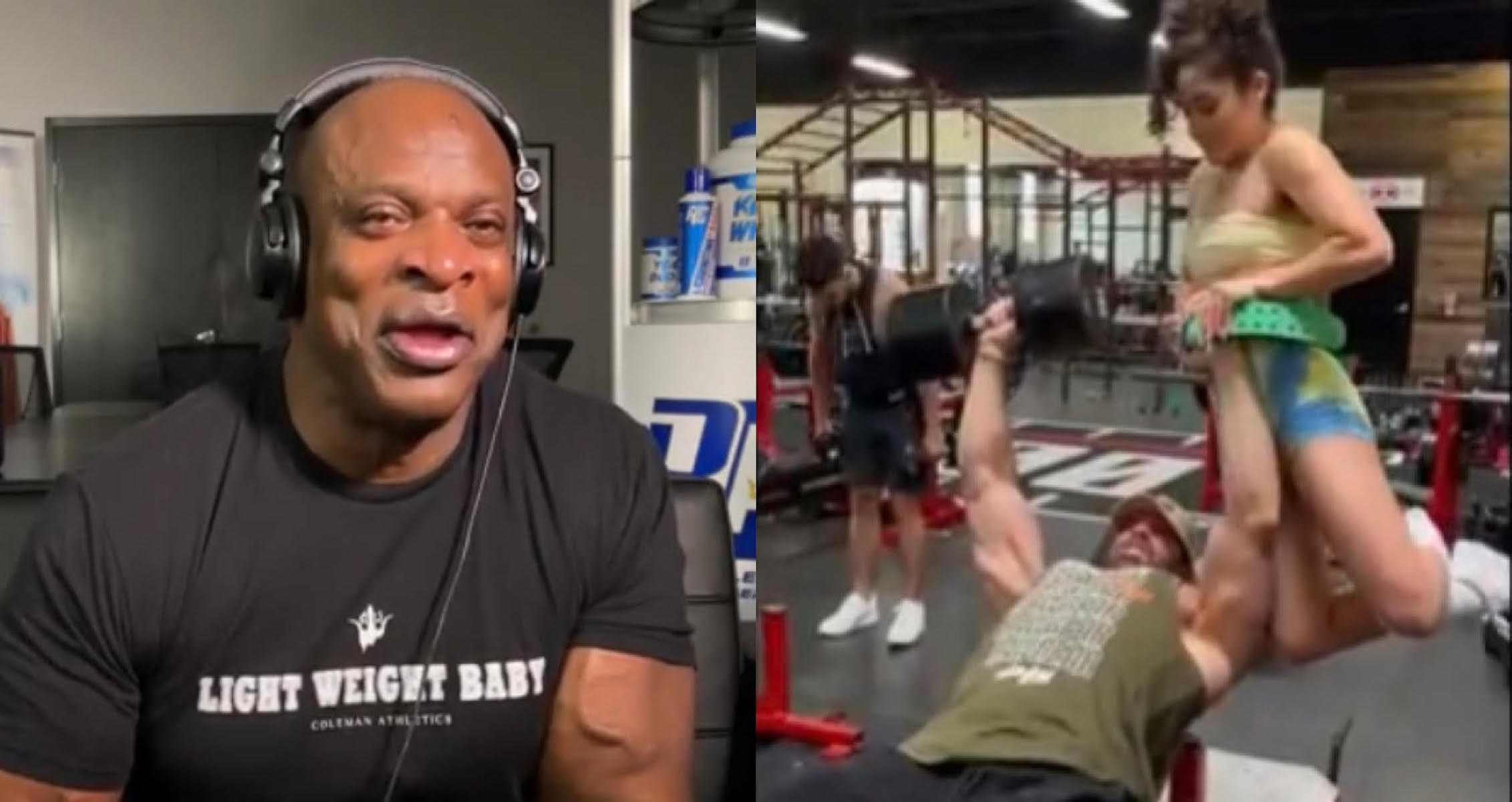
Ronnie Coleman Reacts To Absolutely Insane Lifts By Bradley Martyn
Ronnie Coleman took a break from lifting and decided to react to some of Bradley Martyn’s feats.
Ronnie Coleman is one of the best bodybuilders of all-time and is still very much involved in the sport. Not only does he continue to follow bodybuilding but he is active in the gym and provides insight to other lifters. Coleman has also started some entertainment content reacting to other huge lifts by strength athletes.
On his YouTube page, Coleman was reacting to some eye-opening lifts by Bradley Martyn, who has become a social media sensation showcasing wild lifts of all sorts. This is the video that Coleman is commenting on and it features five minutes of some of Martyn’s best.
Early in the video, Martyn is seen doing an incline bench press with a dumbbell in one hand. In the other hand, he is lifting a woman by the lifting belt around her waist. He is able to control both and keep his reps steady.
“Don’t hurt that girl. Don’t hurt her. Woah, woah. Yeah, I, that’s pretty impressive right there,” Coleman said.
Other lifts that Bradley Martyn showcased was a flat bench press but instead of dumbbells, he used two barbells that were 225 pounds. Many lifts are unorthodox but Martyn also mixes in some normal lifts with massive amounts of weight, including barbell shrugs and deadlifts.
Ronnie Coleman explains how these are all lifts that show strength and coordination. He expresses many times over the course of the video that these lifts are impressive and should not be attempted by many. This includes a 405-pound bench press for reps in the middle of the street.
“Who did this? Put this in the middle of the street now? In the rain, too. Benching 405. I’d never do that one.”
Ronnie Coleman ends the video saying that they can get together for a session but he will not attempt the crazy lifts. Coleman has remained active in his retirement and still has plenty of muscle mass.
“That coordinated strength right there. A lot of that stuff he doing right there, he’s the only one who can do it….Maybe we can get together when I come out there and we can talk about it because there’s no way I can do any of that stuff.”
For more news and updates, follow Generation Iron on Facebook, Twitter, and Instagram.
Straight Facts: Biggest Fat Loss Misconceptions & Mistakes
[embedded content]
Jerry Brainum gives the straight facts on the biggest myths in fat loss and how to avoid making these frustrating fat burning mistakes.
For many people across the world, weight loss is a nightmare. There is an entire industry and culture behind weight loss. Companies that attempt to sell you the next big trick to lose weight without the stress. Many are scams. Some are based in truth but oversold and oversimplified. But the mere existence of the fat loss industry showcases one painful truth – it is hard to lose weight for many individuals across the world. In our latest episode of Straight Facts, Jerry Brainum debunks the biggest fat loss myths and shares tips on how to avoid these big fat burning mistakes.
If you are someone who has either struggled to lose weight or focused on some sort of weight loss diet – you’ve likely heard all sorts of advice before. To simply it, there seem to be two schools of thought. One is the many complicated sciences and tricks into losing weight. These include fat loss products, nuanced diet trends, and sold nutrition programs like the Atkins diet or Weight Watchers.
The other school of thought boils it down to the simple basics. These people often say dieting is easy. Just eat less calories than your resting metabolic rate and you’ll drop fat. Easy, right? All you need is the will power to make it happen. It shouldn’t be complicated.
But the reality falls somewhere between these two extremes. The hard part is weeding through the crap to find out real helpful advice. That’s why we turned to Jerry Brainum to help debunk the biggest fat loss misconceptions and share tips using studies and facts on how to lose weight. Let’s jump into it with this overview of the biggest fat loss misconceptions.
1. Not all calories are created equal
One of the most basic strategies regarding weight loss is to consume less calories. While this is true in general, it’s also misleading. Different calorie sources go down different metabolic pathways.
Jerry Brainum explains that studies have long concluded that dietary fat contains more calories per gram than other nutrient sources. This has long lead to the believe that you should cut dietary fat for weight loss. But this is misleading.
In basic terms, Jerry Brainum uses the keto diet as an example. This diet asks you to cut carbs and replace with large amounts of dietary fat. The diet works (when done correctly). But based on pure calories alone this should not be the case due to the hight amount of calories per gram in dietary fat. This is just an anecdotal example of how not all calories are created equal.
In the video above, Jerry Brainum goes into more detail using studies that showcase the science behind this concept and why weight loss attached to calorie counting is more complicated than it seems.
2. Weight loss is not linear
There is also a generalized blanket statement made about fat loss. That if you cut 500 calories per day you’ll lose a pound per week and expand upon this linearly (1000 calories will lose you 2 pounds etc). This is not always true.
Jerry Brainum explains the concept of diet plateaus. This often happens after a few weeks of dieting successfully. A diet plateau happens often when your body realizes that your consuming less calories. Often times, cutting calories leads to bringing your daily caloric levels below what your body needs to function.
This is when your body goes into “starvation mode.” It begins pulling energy from other sources in your body, your metabolism slows down, and suddenly you stop losing weight.
3. Fat burner supplements will not directly burn fat
Fat burner supplements often advertise as miracle products that will help you lose fat without having to do anything else. This is not true. Studies have shown that fat burners don’t directly burn or oxidize fat. They help mobilize fat. So you often need to have a consistent exercise routine to make these products effective.
Related: Check out our review guide for the best Fat Burner supplements of 2022
4. Willpower is not the only factor in fat loss
There are those who believe that an overweight person simply has no willpower to eat healthy. This is not always true. Jerry Brainum explains that there are people with genetic disorders that will make it much more challenging to lose weight. For example, if you have low thyroid (hyperthyroidism) – you burn calories much slower than the average person. Even depression can lead to biological changes that slow down fat loss.
5. Exercise alone is not a good fat loss strategy
There are those who will jump on a bike or run for hours on end in the hopes of burning off the fat they ate for the day. This is not an effective strategy to lose weight. Jerry Brainum explains that over-exercising with cardio or aerobics will eventually lead to cannibalizing your muscles rather than burning fat.
On top of this, exercise is a much less effective way to burn fat than simply having a healthy or restricted diet. You would be surprised at how few calories an hour of running really burns.
6. Dietary fat does not always make you fat
This relates somewhat to item number one on this list. Especially in the past, dietary fat was seen as the enemy for weight loss. But this is not 100% true. There are many other nutrients such as carbohydrates (especially additive sugar) that contribute far more to gaining fat. As we mentioned above, diets like the keto diet are very effective in helping with fat loss and often involve a large amount of dietary fat.
7. Does healthy obesity exist?
This one is more controversial and currently being studied in more detail. For most of our modern existence, being obese was seen as being unhealthy. Jerry Brainum points out that many studies have shown that obesity leads directly to certain diseases (like type 2 diabetes) and ailments.
However, the culture is starting to shift into discussing the concept of healthy obesity. This comes from studies that show certain people who are categorized as obese have completely healthy bloodwork.
Jerry Bainum goes on to explain that this is currently a very controversial subject. Some doctors and scientists believe that, while an obese person can be healthy for some time, they will eventually suffer some sort of ailment in the long term. These ailments are harder to directly correlate due to the vast amount of other factors that may contribute. Even so, in today’s shifting culture, there has been a movement to promote “healthy fat” physiques.
The truth is this will likely require more studying before anything can be 100% concluded.
Wrap up
Jerry Brainum goes into far more detail and even more misconceptions and myths than we can discuss in this article. That’s why you should make sure to watch our latest episode of Straight Facts in full to become more informed on the biggest fat loss mistakes and how they can help you improve cutting fat. You can check it out above.
And don’t forget to check back in every Wednesday for new episodes of Straight Facts every week!
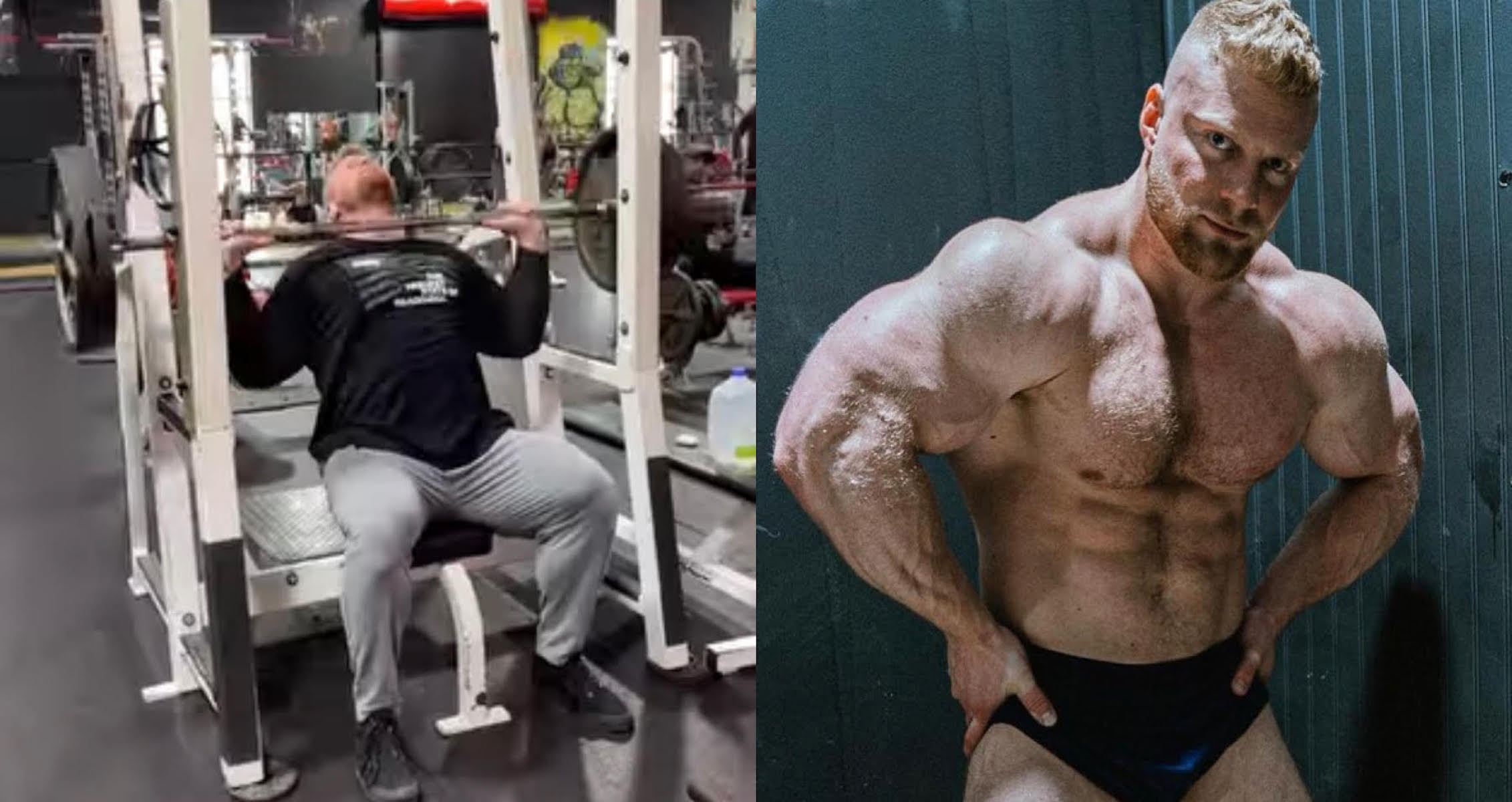
Kyle Kirvay Makes A 225-Pound Shoulder Press Look Easy For 20 Reps
Kyle Kirvay continues to show off massive lifts for high reps to work on cardio.
Kyle Kirvay might be a professional bodybuilder but he clearly has a future in powerlifting as well. Kirvay frequently shows off enormous lifts for many reps as he works on cardio throughout his sets as well. Recently, it was Kirvay demolishing 225-pound shoulder presses for 20 reps.
Kirvay took to Instagram to show off the effortless reps. He simply sat upright on the bench and did not use any get to aid him in the lifts. It seemed as though Kirvay did not even use effort to move the weight until about rep No. 15. Even those final 4-5 went up quickly.
“Cardio, 225 shoulder press version. Don’t neglect the 20 rep sets!”
Kyle Kirvay has accomplished many incredible feats of strength including a 495-pound squat for 22 reps. Let’s not forget that he is a professional bodybuilder.
Kirvay earned his Pro Card in 2018 after winning Men’s Heavyweight and Classic Physique at the 2018 NPC Universe Championships. This was just his fourth bodybuilding competition and it did not take long for Kirvay to turn pro. Since 2018, he has only competed in one IFBB show and that was the 2020 Chicago Pro.
Despite being new to powerlifting, Kirvay has performed like a veteran. He took part in the 2022 USPA Battle of Atilis where he shined with massive lifts. This was his first powerlifting competition and set the bar for future marks.
During this show, Kirvay totaled 1,005kg (2,214lbs). He began with a 365kg (804lb) squat followed by a 275kg (606lb) bench press. Kirvay’s final lift was a 365kg (804lb) deadlift. All three individual lifts and his total was good enough to set New Jersey State Records.
The combination of bodybuilding and powerlifting is not something seen too often but it is exciting when it comes up. Larry Wheels is another example of a do-it-all performer, including arm wrestling. Kirvay is 27 years old and has plenty of time to build more strength and train for powerlifting.
Kyle Kirvay already has the ability to put up huge numbers and has shown this on social media. After an eye-popping performance in his first powerlifting competition, Kirvay will continue to set new marks and take his numbers as high as they can go.
For more news and updates, follow Generation Iron on Facebook, Twitter, and Instagram.
Vitamin D: The Essential “Steroid” For Muscle Growth
The Sunshine Vitamin for Bodybuilding.
In the Golden Age of Bodybuilding, Arnold and Franco Columbo would be seen sunbathing on the beaches in Venice. Today’s bodybuilders rely on Pro-Tan and artificial methods of tanning to color the skin, but bodybuilder’s maybe be missing out on getting adequate Vitamin D. Vitamin D deficiency is a global health problem.
With all the medical advances of the century, vitamin D deficiency is still epidemic. Over a billion people worldwide are vitamin D deficient or insufficient. Vitamin D, also described, as “the Sun Vitamin” is a steroid with hormone like activity. It regulates the functions of over 200 genes and is essential for growth and development.
There are two forms of vitamin D. Vitamin D2 (ergocalciferol) and vitamin D3 (cholecalciferol). Vitamin D status depends on the production of vitamin D 3 in the skin under the influence of ultraviolet radiation from sun and vitamin D intake through diet or vitamin D supplements. Usually 50% to 90% of vitamin D is produced by sunshine exposure of skin and the remainder comes from the diet. Natural diets most humans consume contain little vitamin D. Traditionally the human vitamin D system begins in the skin, not in the mouth.
However, important sources of vitamin D are egg yolk, fatty fish, fortified dairy products and beef liver. In addition to vitamin D’s well-known role in bone and calcium metabolism, vitamin D deficiency has been linked to a long-list of health conditions including atherosclerosis.
Vitamin D is critical to the proper functioning of the endothelial cells that line blood vessels. Without sufficient levels of vitamin D, these endothelial cells become more susceptible to damage and dysfunction that ultimately can lead to the development of atherosclerosis as well as arterial calcification.
Vitamin D Keeps Lead in Your Pencil
Given the link between vitamin D and atherosclerosis, Italian researchers conducted a study in 143 men with erectile dysfunction (ED). The men were evaluated for penile atherosclerosis by ultrasound along with blood levels for vitamin D3. Fifty men were classified as suffering from atherosclerotic ED, 28 borderline ED and 65 non- atherosclerotic ED. The average vitamin D level was 21.3?ng/mL and 45.9% of the men had vitamin D deficiency (
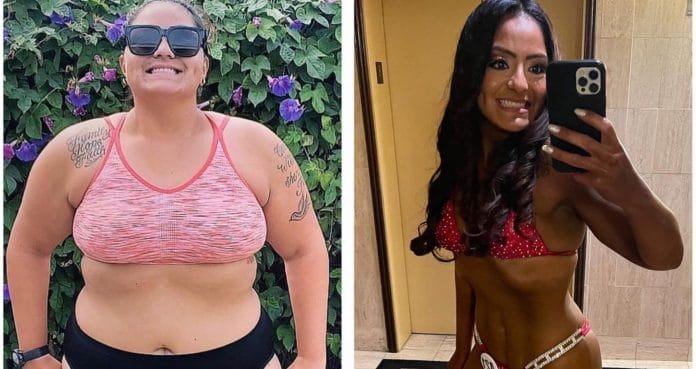
Natural Olympia Champion Laura Guzman Credits Carb Cycling for Losing 130 Pounds
Image via Instagram @girlgonefit_24
INBA Natural Olympia Body Quest champion Laura Guzman says she used carb cycling to lose 130 pounds.
Anyone who loses weight, especially 100 pounds plus, is an inspiration. And when you combine that with becoming a natural bodybuilding champion, it’s sensational. Laura Guzman won the gold medal in the Body Quest category at the International Natural Bodybuilding Association/Professional Natural Bodybuilding Association (PNBA) 2021 Natural Olympia after undergoing an over 100-pound weight loss journey via carb cycling.
However, Guzman admits it wasn’t an easy path and that it took perseverance and patience. Guzman shared an inspiring transformation photo on social media and detailed how carb cycling led her to lose 130 pounds and a Natural Olympia title. She stated:
“When I started out at 285 lbs never would have guessed I would make it this far in my weight loss or compete in bodybuilding competitions. My amazing coach @mari.daniella would set out realistic goals and we would crush those and keep going and look where we ended up.
It wasn’t easy at all and ya can ask her lol I complained at times but got it done.”
Guzman said she lost 130 pounds from carb cycling in a separate Instagram post. She also noted that carb cycling helped her control endometriosis. You can see her full post below:
https://www.instagram.com/p/CbslV89pA79/?utm_source=ig_web_copy_link
What Is Carb Cycling?
Carb cycling is a popular diet that has helped many people lose weight. In general, it’s having a mix of high-carb and low-carb days. If you have a higher carbohydrate day, you’ll eat more fats. However, your protein intake will typically be similar each day. Carb cycling is supposed to force your body to burn fat as fuel. Therefore, causing you to drop weight and body fat.
Although carb cycling can be an effective strategy to lose weight, many experts will agree that you should still be in a caloric deficit if your goal is weight loss.
How to Apply Carb Cycling
The day people decide to eat high or low carb will vary. But typically, you’ll want to eat higher carbs on the day you exercise and save your lower carb days for non-exercise days.
That’s because carbs give your body energy and your muscles glycogen to fuel you through your workouts. Of course, if you exercise multiple times throughout the week, you will likely have some low-carb days on workout days.
There are several different approaches to take and include a variety of factors. To name a few examples, you can:
Have higher carb days on training days and lower carb days on non-training days
Include one or multiple refeed days where you load up on carbs after a period of lower carb days
Eat low carbs during a cutting phase, followed by a high carb diet during a bulking phase
You can also split up your days and weeks into high-carb, moderate-carb, and low-carb days depending on the activity level you’re doing.
There isn’t a necessarily cookie-cutter approach to carb cycling. It’s what works best for you and your goals. It’s best to advise with a coach.
Recap
Laura Guzman was able to lose 130 pounds and become a natural bodybuilding champion by implementing carb cycling. Carb cycling has a mixture of higher and lower carbohydrate days to help your body burn fat. There are various ways to implement carb cycling, and it’s best to discuss the right strategy for you with a coach.
Follow us on Instagram, Facebook, and Twitter for more inspiration from the best natural bodybuilders!