
Tag: Bodybuilding
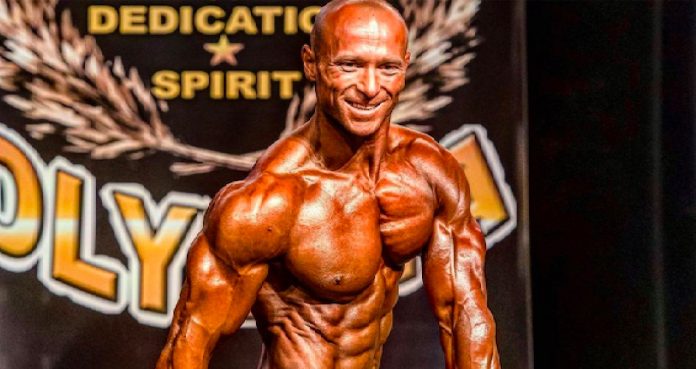
Natural Bodybuilder Adrian Pietrariu’s Nutrition Tricks to Build Muscle Mass
Image via Instagram @adrianironman
INBA PNBA natural bodybuilder Adrian Pietrariu gives tips to help you build muscle mass.
Hitting a plateau in the gym is common among gym-goers. If you’re past your newbie gains, then at some point, you’ll likely hit a plateau. In addition, there are specific diet protocols you must follow to build muscle mass. International Natural Bodybuilding Association (INBA)/Professional Natural Bodybuilding Association (PNBA) natural bodybuilder Adrian Pietrariu shared tips on Instagram (IG) to help you build muscle mass no matter where you are in your fitness journey.
Adrian Pietrariu is an INBA PNBA Hall of Famer and was the INBA PNBA Athlete of the Year in 2018.
On IG, Pietrariu stated:
“Eat Breakfast to help build Muscle Mass. Eat every three hours. Eat Protein with Each Meal to Boost Your Muscle Mass. Eat vegetables. Eat carbs & protein after your workout. Eat healthy fats. Drink water to help you build Muscle Mass. Eat Whole Foods 90% of The Time.”
Adrian Pietrariu continues to say:
“To stimulate muscle growth pick 1 or 2 basic exercises per muscle group and perform 4 to 6 all out hard work sets for each exercise. Rep range should be between 6 to 20 reps with all the weight you can safely handle.
Secret #2: Heavy Basic Exercises Build Big Muscles!”
Tips to Build Muscle Mass
According to Adrian Pietrariu, you’ll want to eat breakfast every three hours, protein after every meal, vegetables, carbs and protein after every workout, healthy fats, whole foods, and drink water to build muscle mass. You should also pick 1-2 exercises per muscle group and perform 4-6 sets in the 6-20 rep range.
Many doctors say breakfast is the most important meal of the day, and Pietrariu concurs. Eating every few hours will continue to give your muscle the muscle glycogen it needs and keep your metabolism functioning efficiently. Protein is imperative for muscle growth, and consuming it within an hour after your workout can help with protein synthesis. Healthy fats will help fuel your workouts and hormones. Eating whole foods is better for your body than junk food, of course. And clean foods will have calories go into the muscle-building process instead of fat. Staying hydrated is essential because water transports vital nutrients to build muscle.
Performing reps with heavy weight in the 6-20 rep range will give your muscles the load and volume it needs to stimulate muscle growth. Of course, the number of reps you do will depend on your goal and the exercise. For example, suppose you’re looking to focus more on building strength. In that case, we recommend heavier weight with fewer reps (6-8 reps) on big compound movements, e.g., barbell bench press and barbell shoulder press and medium reps (8-12 reps) on accessory exercises, e.g., barbell curl and tricep extensions. However, if you’re focusing on muscle mass, we recommend you lift in the medium rep range 8-12 reps on compound movements and higher reps closer to 20 on isolation movements.
Recap
There’s a science behind building muscle mass, and you must follow the correct strategies, especially of your diet, if you want to maximize muscle growth. So give these tips a try if your goal is to build more muscle!
Follow us on Instagram, Facebook, and Twitter for more tips from natural bodybuilders to build muscle mass!
IFBB Elite Pro Bans Russian Athletes From International Competition
Russian and Belarusian athletes will be unable to compete internationally in the IFBB Elite Pro league.
The war between Russia and Ukraine are affecting many avenues in different ways. There is action beginning to take place and the IFBB Elite Pro League was the latest to weigh in. Due to the ongoing issues, the league has banned Russian athletes from competing in international competition.
Russian President Vladimir Putin authorized attacks on Ukraine on Feb. 24 and the issue is ongoing. Since then, there have been many casualties and different citizens are helping the fight or raising money to send. This includes Oleksii Novikov, who competed in the Arnold Strongman Classic and has been raising money for food, supplies, and equipment.
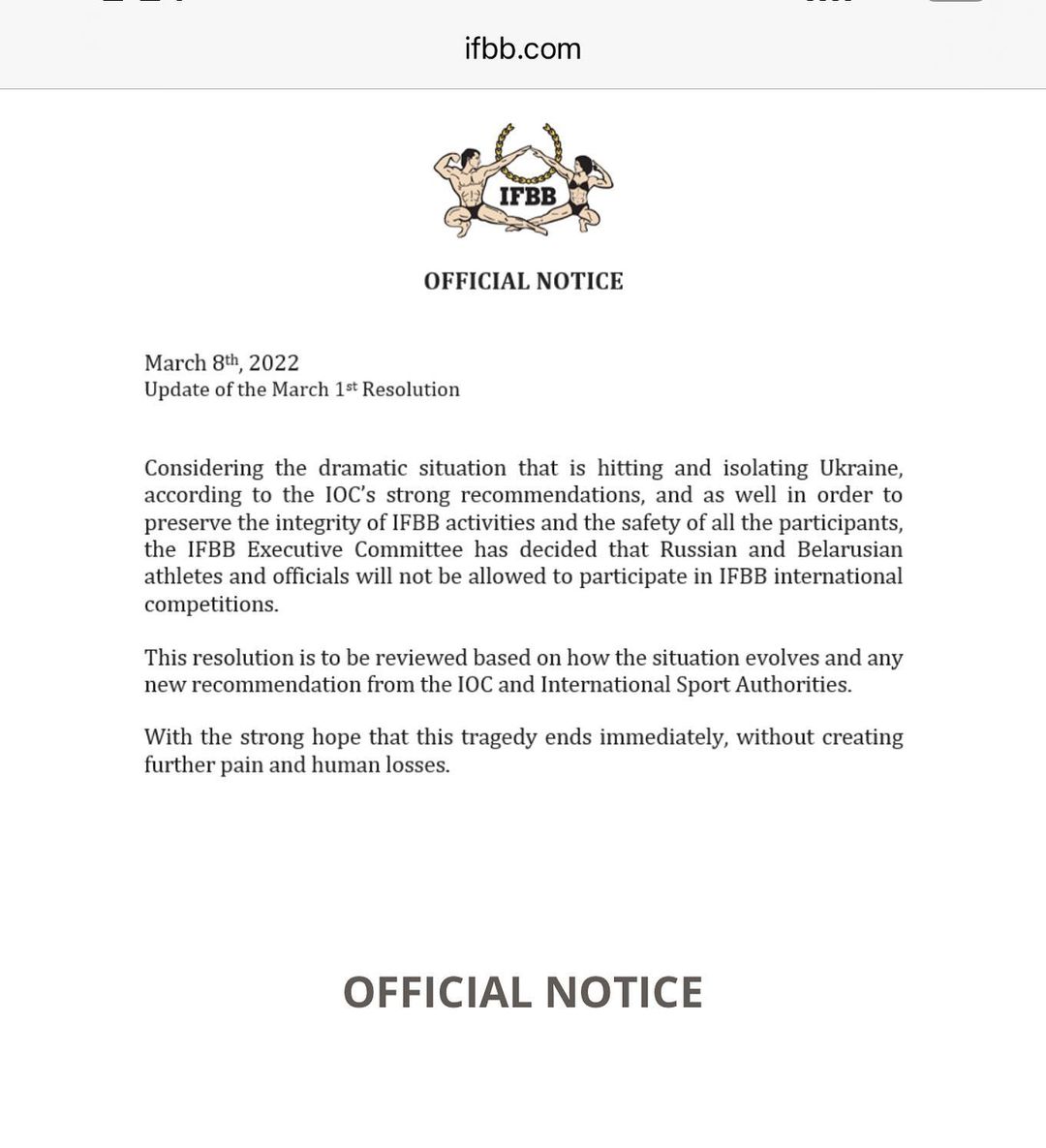
The IFBB Executive Committee released a statement on Tuesday banning all Russian and Belarusian athletes and officials from competition.
“Considering the dramatic situation that is hitting and isolating Ukraine, according to the IOC’s strong recommendations, and as well in order to preserve the integrity of IFBB activities and the safety of all the participants, the IFBB Executive Committee has decided that Russian and Belarusian athletes and officials will not be allowed to participate in IFBB international competitions.
This resolution is to be reviewed based on how the situation evolves and any new recommendations from the IOC and International Sport Authorities.
With the strong hope that this tragedy ends immediately, without reading further pain and human losses.”
The IFBB Elite Pro league does not offer qualification to the Olympia but it is still the home to many athletes from around the world. Olympia qualification can only be acquired through the IFBB or NPC bodybuilding shows. This is done by winning a show or gaining enough points to be considered.
This comes after the IFBB Elite Pro league received recommendations from the International Olympic Committee. They believed that Russian and Belarusians should not be allowed to compete in the Olympic Games. CrossFit also released a statement against the actions of Russia. This was released last week and said that the country would not be recognized during the season.
It is clear that the issues between Russia and Ukraine are becoming worldwide. This is something that is going to continue until the war is stopped. Bodybuilding has started to make changes and it is likely that this continues while the attack is still on.
For more news and updates, follow Generation Iron on Facebook, Twitter, and Instagram.
Straight Facts: Is Lemon Myrtle The Most Anabolic Supplement Ever Discovered?
Jerry Brainum shares the straight facts on a new discovery that may prove to be one of the most anabolic natural substances in existence.
Those who are interested in pushing their body to the limits of muscular ability are always trying to find ways to enhance their progress. Some will turn to PEDs for this enhancement, while others will try and stay on the legal side of things and look for approved substances for enhancement. While neither of these can replace hard work in the gym – they can supplement and optimize the results of hard work. A recent scientific study may have just introduced a new natural supplement that could change the game for natural anabolic substances. In our latest episode of Straight Facts, Jerry Brainum breaks down Lemon Myrtle and how it can optimize muscle hypertrophy.
Science is evolving every single day – and this has had a drastic affect on bodybuilding and fitness. If you were to compare the methods and knowledge of bodybuilders in the 70s vs today – you would see major differences. This, in part, explains why physiques are so much more massive than the golden era. For those not deeply embedded in bodybuilding, you can also see this difference in how nutrition and a healthy diet is directed vs nutrition in the 1950s, for example.
Of course, science is not only evolving it is also changing. Some things that were once seen as beneficial turns out to be false with further long term studies. So the following information that Jerry Brainum presents should be taken with a grain of salt – as it is a new study that can have big implications for the supplement and bodybuilding world.
This week, Jerry Brainum breaks down a recent study that explores the substance Lemon Myrtle. This is a plant whose compound might make it the most anabolic natural substance in existence. As Brainum explains, Lemon Myrtle might be the first natural substance to directly activate satellite cells – which are an instrumental part of hypertrophy.
How does muscle hypertrophy work?
Before jumping into this new substance, Jerry Brainum recaps how muscle hypotrophy works. Brainum covered muscle hypertrophy in more detail in a separate earlier episode of Straight Facts – which you can watch here. But as a brief rundown – here’s the key details.
Within muscle fibers, there are something known as satellite cells. These cells essentially just sit around doing nothing, until your muscle fibers are damaged. Once this happens, your satellite cells begin work on repairing your muscle. This act of repair also restores your muscle with larger fibers than before – thus leading to increased strength and size.
It should be noted that there is some debate on how essential satellite cells are to muscle hypertrophy and repair. A minority group of scientists believe that they might have little to do with the process. But as of today, majority fall more in favor with satellite cells being vastly important in the process – using peer reviewed studies to back it up.
The Lemon Myrtle Study: Older age, sarcapenia, and satellite cells
Sow how did lemon myrtle become discovered as a powerful supplement for muscle hypertrophy? Jerry Brainum explains that a recent study was done to find natural substances to aid in reducing sarcapenia.
What is sarcapenia? It’s a disorder that usually happens in adults 60 years and older. It’s a natural occurrence of the human body’s satellite cells dying off as we reach elderly age. This eventually leads to your muscles atrophying at a faster rate. It’s the reason why light resistance training is so important in older age – as this helps prevent and slow this process down.
Jerry Brainum asserts that many elderly folks who find themselves in assisted living homes are not due to mental disorders, but more so from frailty due to sarcapenia. You all know the “Help, I’ve fallen and I can’t get up!” commercials. This is essentially the end results of sarcapenia, requiring assisted living help for movement and support.
In an attempt to find natural substances that aid in preventing or slowing sarcapenia, scientists discovered that Lemon Myrtle does something that no other natural substance has been able to do – it directly activates satellite cells. This led the study to conclude it can be helpful as a supplement for elderly folk to prevent frailty.
But Jerry Brainum believes that Lemon Myrtle can also be used by any adult to help activate satellite cells and improve muscle hypertrophy. It can, essentially, be the most effective natural anabolic supplement in existence.
The studies are new and have not yet been tested on human subjects (only in vitro and also in mice). So it remains to be seen in the long term just how much of a game changer (or not) the substance can be. However, Jerry Brainum states that he wouldn’t be shocked to start seeing Lemon Myrtle as a supplement or as an ingredient in anabolic supplement blends.
Wrap Up
As science constantly evolves, so too do our options in bodybuilding for further optimization of training and nutrition. This allows athletes to push the boundaries even further than before. While Lemon Mrytle will not replace anabolic steroids or other PEDs – it can be a vital and game changing natural supplement in the world of fitness. You can watch Jerry Brainum break it down in complete detail by watching our latest episode of Straight Facts above.
Bostin Loyd Cause Of Death Revealed As Aortic Dissection
The autopsy details for Bostin Loyd’s death have been released with a cause being pinpointed.
Bostin Loyd passed away suddenly two weeks ago but the cause was not shared at the time. The autopsy has been performed and it revealed that Loyd died from an aortic dissection. Dave Palumbo broke the news on Monday night on his YouTube page.
Loyd was in stage 5 kidney failure and would have needed dialysis at some point moving forward. He became a controversial figure in bodybuilding because of his opinions and views on steroids in the sport. While it was assumed that they were present, Loyd became the first athlete to share his cycle while still competing.
Palumbo went into detail after hearing the news and shared that genetic origins also played a part in his death.
“Bostin Loyd died of a dissecting aorta. What that means, is his aorta, which is the main artery that comes off the heart to provide blood to the body, which is the highest pressure artery in the body can sometimes split.
That’s what the word dissect means and if it splits, obviously the blood, and the high pressure just blasts out of there and usually you die very rapidly, because you just bleed to death internally. There’s no blood being pumped to your brain and the rest of your body, and that’s it.” Dave Palumbo explained.
Bostin Loyd collapsed after a gym session at his home in Florida. He was rushed to the hospital as paramedics continued to perform CPR. He was pronounced dead at the hospital.
The genetic connection came from Loyd’s father, who also had an enlarged aorta. This is a problem that is hereditary and Loyd seemed to have a similar issue.
“Bostin is only 29 years old, but his father John Loyd who is also a bodybuilder had an enlarged aorta, also known as an aortic aneurysm and he actually had to have it surgically fixed. I don’t know when he had it done. I think it was done in the last five years or so. And I know he had mentioned it to Bostin, ‘hey you better check that out because it could be inherited’.
But you know, who thinks at 20-something years old that you’re going to have that issue. I don’t know if Bostin ever went and got it checked. He told his father that he did but we don’t really know that for sure.”
Bostin Loyd’s steroid use played a role in issues with his kidneys but there was to it than that. Unfortunately, genetics also played a part in his death and it showed following his autopsy.
Generation Iron sends condolences to friends and family of Bostin Loyd. For more news and updates, follow Generation Iron on Facebook, Twitter, and Instagram.
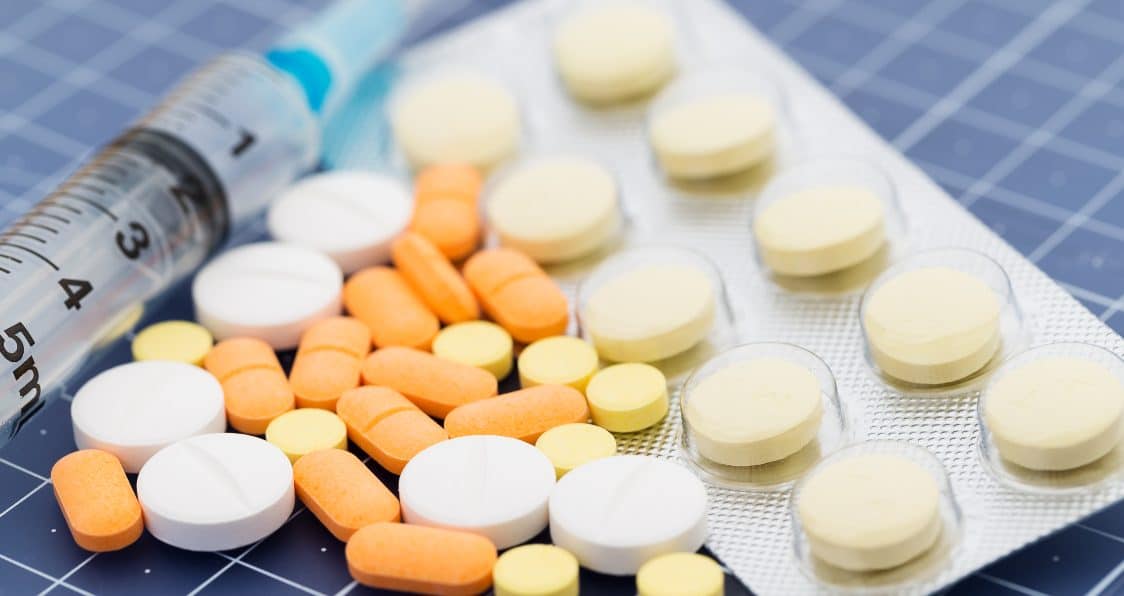
Bodybuilders Are Dying: An Investigation Into Modern Bodybuilding, Health, & PED Use
Bodybuilding, steroids, and untimely deaths: is there a link? And what can be done?
In 2021, the bodybuilding and fitness community lost 21 dedicated bodybuilders. It became one of the darkest times in bodybuilding history and sparked outrage in the bodybuilding community. At the center of the conversation was focused on steroid use, despite the fact that some of these deaths were noted as a result of non-steroid related issues.
People want answers. In fact, people are demanding answers. Athletes are concerned about their health and safety as they seek to compete on the biggest stages in the world. Many believe full well that in order to compete, they must use PEDs to keep up with the best. Fans and those enthralled with bodybuilding are praying and hoping that this devastating trend ceases to continue.
But are these incidents connected? Is there a common denominator proving banned substances such as steroids are to blame? Or is this a series of unrelated deaths blown out of proportion by media reports and social media posts?
We at Generation Iron started conducting our own research in direct response to these deaths to figure out what exactly is happening. But it hasn’t been easy. The challenge in researching and writing this piece was evident from the start with many individuals declining to talk about the topic. The lack of transparency was enough to make us dig deeper. With steroid use being a taboo subject in bodybuilding, as well as sports in general, many individuals embedded in the industry were not willing to come forward.
Most recently, the bodybuilding community lost another young bodybuilder. Bostin Loyd was just 29-years old when he passed and was the first competitive bodybuilder to openly reveal his steroid cycle. Throughout his short career, he was very open about his steroid use and that his body served as a testing ground to see just how far he could push his body for results.
While in some respects this is an extreme example, Loyd’s tragic passing isn’t an isolated incident in a vacuum. Here is a list of bodybuilders we’ve lost in the recent months. While not all of their deaths are related to drug use, they were still members of this great sport and should be remembered as such:
Bostin Loyd (29)
Isaac Ghavidel (35)
Tom Prince (52)
Shawn Rhoden (46)
George Peterson (37)
Dallas McCarver (26)
Chris Dickerson (82)
John Meadows (49)
Dave Draper (79)
Matt Mendenhall (61)
Andy Haman (55)
Jennifer Hernandez (58)
Megan Elizabeth (28)
Phil Hernon (55)
Billy Smith (56)
Jenny Lynn (49)
Laura Bass (49)
Melissa Coates (50)
Alena Kosinova (46)
Rhonda Lee Quaresma (52)
Michael Their (50)
The risks of using performance enhancing drugs are incredibly high, yet we still find ourselves continuing these conversations. In fairness to bodybuilding, this epidemic of steroid use has plagued other institutions of sport for a long time. Most notably we can look at Lance Armstrong and the cycling community, baseball and their unprecedented team of sluggers sending the ball into oblivion, and the Russian doping scandal as showcased in the documentary, Icarus.
Bodybuilding is a part of health and fitness, but to be competitive, it can be seen as an extreme sport. With this often comes the use of steroids and other compounds such as Deca, Tren, insulin and diuretics, among others. Most competitors rarely openly talk about using such compounds, for not only is this subject taboo, but it is also illegal in the United States and other parts of the world. This makes it extremely challenging to create a real study and proper research. Without this deeper research, it also becomes harder to have transparent conversations that could lead to necessary changes.
But change very well might be coming. Owner and promoter of Olympia, Jake Wood, made his goals clear after the passing of female bodybuilder and competitor, Alena Kosinova. In a social media post, Wood said:
“I am not one for empty words. Instead of making posts I’m making changes…We agreed that conditioning is over emphasized in the judging criteria and something must be done. I will push for change in all divisions”.
Woods was, “…just dumbfounded by the meaning of this and am determined to prevent it in the future”. And with that, maybe change will come. After dedicated time and research, we have put together an in-depth investigation into bodybuilding, PED use, and heath – hoping to draw a connection, or possibly prove a disconnection, between the recent deaths and the habits found in our sport. Let’s start first by breaking down some key and public information about common PEDs used in bodybuilding.
Steroids: What They Are, How They’re Made & More
Anabolic-androgenic steroids are essentially man-made forms of testosterone. A vital sex hormone predominantly in men, testosterone is involved with everything from muscle growth and increased strength, enhanced libido and sperm production, and tone of voice, body hair, and other bodily functions. Taking a testosterone enhancer would clearly elevate all of these so you see greater gains to strength and overall muscle development (1,2).
Steroid use didn’t just quickly become popular. It was a slow burn until athletes began to fully understand how these drugs could take them to the next level. Once discovered, the use of steroids became common place and it wasn’t a question of if you were using, but how much.
Ergogenic effects of steroid use include an increase in muscle mass, decreased body fat percentage, better recovery between workouts and from injury, more muscle endurance, higher bone mineral density, increased glycogen stores, and better pain tolerance, among many others (1,3).
It’s clear why athletes would use steroids. To look at the above benefits and still question why a dedicated and determined athlete would put themselves in harm’s way would make one naïve. All of those are what an athlete wants. That’s what we all want. And if your competitor is doing the same thing and beating you, then you probably don’t stand a chance unless you join them.
Dianabol
When discussing anabolic steroids, one common name you will see is Dianabol. Like most steroids, Dianabol increases testosterone to promote muscle growth while burning fat. This is done by improving nitrogen retention and promoting the production of testosterone. This steroid was first available in pill form, which made it more desirable over injectable options. Dianabol hits a user hard in the first six weeks as they see greater muscle mass and decreased recovery times.
Dianabol was one of the early steroids to be sold commercially. It was created by an American doctor and hit the market in 1958. Once the results were seen, the steroid became popular among bodybuilders and other athletes. Even non-athletes were dabbling to see some changes in physique (4).
Trenbolone
Trenbolone acetate is another well-known steroid that is used to increase size. This is a steroid that has been known to be about four times as powerful as testosterone. The benefit is that it works synergistically with testosterone and other steroids that might be taken.
In many countries, this is a legal product but requires a prescription to acquire. Tren is commonly used for veterinary purposes, and when combined with other aspects, Tren helps grow healthy livestock. It became popular with bodybuilders because of the way it works with other supplements. At the same time, this steroid comes with some other major risks because of the strain it puts on the athlete.
One study notes that a 23-year-old bodybuilder was hospitalized with a myocardial infarction due to Trenbolone use. This athlete had a heart attack, and he was using Trenbolone for over a year (5).
Deca Durabolin
Deca is an injectable steroid used with other stacking compounds and is highly effective for off-season gains. Since it is slow-acting, it is commonly stacked with things like Dianabol in efforts to increase muscle fullness and add thickness. However, using Deca can cause a host of side effects including changes in libido, water retention and swelling, and mood disorders. Most notably, Deca can affect the liver, heart, and kidneys leading to damage and increased oxidative stress (6).
Health Risks Associated With Steroid Use
For so many of us, we understand the use of anabolic steroids is harmful. But given the fact that research is limited and that pushing a study across to test on humans is virtually impossible, we must rely on users to report what is happening.
One study notes that:
“…most of the investigations concerning medical issues associated with anabolic steroid administration have been performed on athletes self-administering the drugs. Anecdotally, it appears that a disproportionate magnitude of use and incidence of adverse effects are evident in bodybuilders (who are also known for consuming several other drugs that relieve some side effects but potentiate other risk factors as well, i.e. diuretics, thyroid hormones, insulin, anti-estrogens, etc.) compared to strength/power athletes” (1).
Fairly alarming that this study is calling out bodybuilders and noting that, in fact, bodybuilders use PEDs and are at greater risk of the side effects than other strength and power athletes. This is on top of the countless athletes who are not bodybuilders or strength athletes using such enhancements. The stacking that occurs may increase gains and overall performance but think of the flip side; it is also increasing the risk, and at an exponential rate.
Some of the reported side effects of anabolic steroid use include things like elevated blood pressure, decreased myocardial function, testicular atrophy, reduced sperm count, libido changes, acne, baldness, increased liver damage, and psychological issues like mania, depression, and mood swings (1). And yet, the apparent benefits of performing at a high level seem to outweigh all of the potential harm a user is doing to their body.
To look further into the side effects, let’s get more specific as to how steroids affect certain bodily functions, especially cardiovascular health. Either through fact or speculation, many of these bodybuilder deaths are being associated with heart attack or other factors related to the heart and cardiovascular function.
In terms of cardiovascular health, users may experience elevations in blood pressure and are greater risk of thrombosis (blood clots), severely putting their cardiovascular health at risk (3,7). To complicate things further for the anabolic user, if an underlying condition exists, using will put one at an even greater risk of cardiovascular disease, and studies have shown that anabolic steroid injections are associated with developing such disease (1,8).
While cardiovascular risks are massive and certainly play a major role into the harm users put on themselves, those anabolic users are also at greater risk of liver tumors since the liver becomes the main point of steroid clearance (1). Liver cancer and other diseases associated with the liver have also been reported with the subjects primarily being bodybuilders (9,10). Time and time again, it seems that bodybuilders and other strength athletes are the subjects of these tests.
While athletes and others who use suffer greatly with their physical health, the psychological effects are not ones to ignore either. Whether it be aggression, irritability, depression, or manic episodes, users are put at a much greater risk of seeing psychological and cognitive change as a result (1). One can put the argument forth that aggression may be useful for sport, putting that energy into their respective playing field to be the absolute best. But what about outside of that? How this affects family and friends, those close to them, and others who may come in contact has serious consequences if these psychological changes go unchecked.
Finally, let’s look at long term use. The repercussions of using time and time again, seeing the degradation play out over years. Those who use suffer serious consequences and long term anabolic steroid use can lead to such problems like, “…suppressed testosterone production, liver dysfunction, cardiovascular disease, testicular atrophy, male-pattern baldness, acne, and aggressive behavior.
If the supplements are taken before puberty, premature closing of the epiphysis and stunted growth could occur. In women, precursor-induced increases in testosterone concentrations could cause lowered voice pitch, hirsutism (changes in hair growth patterns, including facial hair), increased abdominal fat accumulation, and general virilization. Furthermore, increases in estrogen concentrations experienced by men could have feminizing effects, including gynecomastia” (1,8,11).
It should be noted that there is no direct set of rules for how these effects may manifest. Not all users may suffer from psychological effects or at the very last may not notice them. For physical effects, not all people will experience the same outcomes in the same way. This is just like how one lifetime cigarette smoker may live to be 90 years old and another may die of lung cancer at 50. No health outcome can be dealt with in absolutes – but studies show these outcomes to be very real indeed.
The health risks of using are not to be taken lightly. Both short term and long-term issues most certainly contribute in declining health and immediate causes related to cardiovascular and other important functions in the body. To leave these unchecked can have dire results on physical and cognitive health with the potential to take lives. So, does the reward outweigh the risk?
Steroids Side Effects Summed Up
Now that we’ve covered extensively the harm in using anabolic steroids and other PEDs, the overall side effects and harm caused by steroid use includes:
Elevated blood pressure
Decreased myocardial function
Testicular Atrophy
Thrombosis (blood clots)
Reduced sperm count
Changes in libido
Acne
Baldness
Increased liver damage
Psychological issues (mania, depression, mood swings, aggression, irritability, etc.)
So how does all of this information fit into the world of competitive bodybuilding? And what real world examples can we use to compare to the data? As we have mentioned before, the legal status of many of these drugs makes most information anecdotal. In addition to this, many of the athletes who have passed in bodybuilding have not undergone an autopsy.
However, a small minority of those who have passed did produce autopsy reports. In this next section, we take a closer look at the information that has been made public regarding bodybuilder deaths in the sport.
Photo via @dallasmccarver Instagram
A Closer Look At Dallas McCarver
Dallas McCarver was an incredibly hardworking and dedicated bodybuilder who many thought could one day win Mr. Olympia. His winning attitude and unparalleled work ethic allowed him the opportunity to work with REDCON1 and build an amazing relationship with its founder, Aaron Singerman.
In a Generation Iron Exclusive interview, Singerman told us that Dallas was, “…one hell of a good guy and an extremely important person for this business [REDCON1]”. He also talked about how Dallas became part of not only the RECON1 family, but also his own family and that losing Dallas is extremely difficult.
As fate would have it, Singerman was officially sentenced to 4.5 years in prison for selling anabolic steroids and other unlawful controlled substances marketed as dietary supplements. On top of this prison term, he will also be required to pay $2.9 million dollars for his involvement. This case revolves around Blackstone Labs, a former company of Singerman’s unrelated to REDCON1. We would be remiss for not mentioning this here for full transparency.
Dallas was just 26-years old when he passed away and his death sent shockwaves through the bodybuilding community. An autopsy was done and made public and while the manner of death was deemed natural, the coroner made a point to list chronic use of exogenous steroid and non-steroid hormones as contributing conditions.
The cause of death as listed by the coroner was severe concentric left ventricular hypertrophy with coronary artery atherosclerosis. Left ventricular hypertrophy is when the muscle wall of the left pumping chamber becomes thickened. As a result, blood flow and blood pumping are severely reduced. This can lead to heart attack or sudden cardiac death (20). Along with this, coronary artery atherosclerosis was mentioned. This is a disease where there is an accumulation of lipids and fibrous elements in the large arteries and is a primary cause of heart disease and stroke (21).
It was reported in the autopsy that Dallas has a family history of early-onset atherosclerosis and hypertension (high blood pressure). Here is where this debate gets complicated. Family history and potential underlying factors can pop up at any time. With contributing conditions of steroid use prevalent as well, stating that steroid use caused his death is not entirely accurate. But given the evidence of steroid use and its effects on cardiovascular health, it is certainly in the conversation, for Dallas was young and very fit.
Anabolic steroid use can increase concentric left ventricular hypertrophy without affecting cardiac function (22), giving the athlete no sign that such issue is occurring. Another study found that bodybuilding together with anabolic steroids induced concentric hypertrophy and altered the ventricular diastolic function (23). When it comes to coronary atherosclerosis, it was found that performance enhancing drugs could accelerate this and that anabolic steroid use was associated with increased coronary plaque volume (24, 25).
With Dallas’ autopsy made public, it is easy to dive in and speculate as to what exactly happened. The evidence can imply that steroid use was a contributing factor, however, his family history cannot be neglected. At the end of the day, a young and talented bodybuilder is no longer able to compete, his family is no longer able to see him succeed with what he loves, and the bodybuilding community has lost someone bringing positive attention to the sport.
It’s entirely possible that steroids contributed to his hereditary history of cardiovascular issues. It’s this kind of health history that must be considered by all athletes, weightlifters, and dedicated fitness enthusiasts when adding PEDs into the picture as well. A direct conclusion cannot be made here – but this information should be a major focus for all athletes considering drug use in athletic activity.
Photo via @georgep_dabull Instagram
A Closer Look At George Peterson
George Peterson was a professional bodybuilder in the Classic Physique division. Like Dallas McCarver, he was dedicated and determined in his own right to become a champion and someone admired in the bodybuilding community. However, that chance was cut short when the 37-year old bodybuilder was found dead on October 6, 2021.
His death touched many in the bodybuilding community as competitors and fans alike took to social media to pay their respects. Chris Bumstead, Olympia champion and fellow Classic Physique competitor, posted to Instagram saying. “I appreciate you pushing me on stage and being a man to look up to both on and off the stage. Humble and hardworking at its finest”.
At just 37-years old, the coroner found the cause of death to be sudden cardiac dysrhythmia as a result of hypertensive cardiovascular disease. Anabolic steroid use was a contributory factory, with boldenone and stanozolol named specifically.
Sudden cardiac dysrhythmia is an abnormal rhythm of your heartbeat, either faster or slower than normal rate. If the heart cannot pump enough oxygenated blood to either itself or the rest of the body, this can become deadly (26). The autopsy notes that this irregular rhythm was due to hypertensive cardiovascular disease, which ultimately is high blood pressure and the increased pressure inside blood vessels forcing the heart to work harder. Therefore, by the heart working harder to get blood in and out, on top of increased pressure, this dysrhythmia occurred and became lethal.
On top of the cause of death, cardiomegaly was also noted which is where the heart becomes enlarged and much bigger than normal size along with ventricular hypertrophy, which was discussed with Dallas McCarver. This was when the muscle wall of the left chamber becomes so thick that pumping blood through can be challenging and the volume may be severely reduced.
The two anabolic steroids listed in the autopsy were boldenone and stanozolol. Boldenone is a synthetic derivative of testosterone designed for veterinary use before making the jump to athletics. This is used to increase muscle and strength by stimulating protein synthesis (27). Potential risks associated with boldenone are decreased testosterone production, lower sperm count, and lower sperm mobility.
A study conducted on rabbits looked into the effects boldenone had on oxidative stress and the outcomes on muscular tissues in respect to bodybuilding and the use of boldenone in the sport. It was found that those who suffer muscle damage, heart disease, and myocardial hypertrophy could see the link from injecting drugs like boldenone to build muscle (28).
Stanozolol is one of the most frequently abused anabolic androgenic steroids by professionals and amateurs and is a derivative of testosterone with high androgenic properties (29). Anabolic androgenic steroids, like stanozolol, do have a link to hypertension in some studies, however, other studies refute this notion, so a solid conclusion between stanozolol and hypertension remains unclear (30).
As for cardiac hypertrophy, athletes who tend to use anabolic androgenic steroids for long term use, when mixed with high-intensity training, can run the risk of cardiac hypertrophy, dysfunction, and heart failure. Peterson’s autopsy noted the cause of death as sudden cardiac dysrhythmia, which was an irregular heart beat of either too fast or slow where it becomes difficult for the heart to bring in oxygenated blood. The use of anabolic androgenic steroids has been linked to fatal ventricular arrhythmias as well as ventricular hypertrophy (31), two issues noted in the autopsy report.
As discussed with Dallas McCarver, to say that steroids caused George Peterson’s death without a medical background would be irresponsible. However, knowing what we know about the risks of anabolic androgenic steroids, seeing the report which notes steroids as a contributory factor, and linking the cause of death with noted studies surrounding the effects of steroids on certain cardiac issues like sudden cardiac dysrhythmia and hypertensive cardiovascular disease, we can shed light on the seriousness surrounding the abuse of these drugs and the fatal consequences they have towards users.
A Closer Look At Bostin Loyd
Bostin Loyd was just 29-years old when he passed away on February 25, 2022. While his cause of death is not official, he has a long and open history of steroid and other PED use that has contributed to his controversial position in the sport. Loyd was very honest about how he used his body as a testing ground to see just what results would show and he continued to push his body further than what a usual pro bodybuilder would do. In 2020, he received a diagnosis of kidney failure and did not shy away from talking about this as well.
[embedded content]
There are two ways to view Loyd and his openness about his own steroid use. The first is that he is bringing to light an issue in bodybuilding that no one really wants to talk about. However, he did go to more of the extreme than other bodybuilders, so this argument may not hold up as well given that his routine and cycling was not the norm.
The other view is that his opinions and outspoken nature around steroid use were damaging to the sport. Many saw steroid abusers as a liability, giving a negative stigma to the sport and revealing something that has traditionally been kept quiet. More evidence lends credence to this argument given the fact that Loyd was so open about exposing the fact his body was a testing ground of sorts. This experiment with his body, and ultimately his life, was not something normal bodybuilders do, yet if this makes the top headlines, then perception doesn’t often reflect the truth.
As is usually the case – we cannot say definitively that steroid use cause Loyd’s death. Despite his opinions and openness about using, plus his death at such a young age, it would only be speculation. Given his long history of use, along with his medical history, the use of steroids is unfortunately going to be a topic of conversation when Loyd and his manner of death is discussed.
Why Someone Would Use Steroids
What do all these athletes have in common? Despite the risks, why do athletes continue to use? The psychology of steroid use is not something to take lightly for behind every athlete, every bodybuilder, there is a brain making decisions, convincing the athlete that steroids are a necessary option.
The obvious answer is to reach the top. “Performance enhancing” is simply the idea of giving oneself the ability to reach new heights and peak performance to take the body into levels not possible naturally. The end goal: to win. Despite all risks, all possible health complications, little regard is given when one’s goal is to be the most competitive and see the best results regardless of their athletic pursuits (12). We as humans are competitive by nature and that competitive drive transcends sport and infiltrates all areas of society. But sport is an easy example, a physical example, where the human body is pushed to the limit in efforts to prove oneself superior to other athletes.
However, aside from the physical results of a top podium spot, when it came to bodybuilding, one study notes that:
“Bodybuilders reported significantly greater body dissatisfaction, with a high drive for bulk, high drive for thinness, and increased bulimic tendencies than either of the other athletic groups [runners and martial artists]”, with, “…the greatest use of anabolic steroids and most liberal attitudes towards using steroids” (13).
This idea of aesthetic and dissatisfaction can be attributed to many factors, especially with so many people on social media flaunting these massive physiques. Body image and issues with appearance were clear and the results proved that bodybuilders had a higher risk for body image disturbance and other psychological characteristics that would cause one to use steroids (13).
With one’s drive to win and the idea around body image and perception, it is no wonder why athletes turn to steroids and performance enhancing drugs for that extra boost. But if confidence and results are driven by something so high risk, it would seem that the foundation of an athletes’ mindset isn’t strong enough to depart from what works, even if what “works” could cost them their life.
What The Experts Say
Experts, both with advanced degrees and not, have studied, researched, and tirelessly worked to get information and factual evidence to back the claim that steroid use is a serious issue and one worth paying attention to.
Jerry Brainum is a former bodybuilder and longtime industry expert having written for, or been editor for, several health and fitness publications in his 35-year career. The author of Natural Anabolics, Brainum has worked diligently to push information about the dangers of steroid use while promoting natural and drug-free bodybuilding. He is also a regular for Generation Iron with his series Straight Facts, where Brainum shares his expert knowledge and opinions on all things bodybuilding.
In a most recent episode, Brainum addressed the issue of if bodybuilders are dying more than the average person. What he notes is that bodybuilders, on average, are dying at a rate of 12.6%, where the average male is around 13.5%, because of steroid use. This is centered around the thought that bodybuilders live a healthier lifestyle overall in terms of diet, training, and legit supplementation, thus giving their bodies the ability to handle a larger steroid load.
However, despite these findings, bodybuilders of the past have proved to live longer than those of today. Those bodybuilders of the 1940’s and 1950’s lived well into their 70’s and 80’s, with some living even longer, despite using steroids. Many factors could contribute to this including potency and black market drugs.
[embedded content]
Before we continue, let’s narrow in on black market steroids. The problem with these drugs is that a black market network is clearly unregulated, with quality control being one of the biggest problems. With many of these raw materials coming from China, users have no idea what is included in the actual substance (Jerry notes one bodybuilder took steroids containing arsenic).
As a result, incorrect dosing, mismatched labels, and what the actual ingredients of that substance are remain either unknown or are flat out wrong (14, 15). A great example of an obvious black market drug is Insulin-like Growth Factor 1 (IGF-1). A very expensive drug legally, any time IGF-1 appears for a cheap price, it should be a tell-tale sign of suspicious activity. Despite the apparent obvious risks of black market drugs, athletes fail to heed these warnings and continue to purchase poor quality, and often times lethal, drugs.
In our exclusive with Brainum, he notes a study where 60 deceased bodybuilders were examined. Some of these deaths were attributed to causes unrelated to steroids (suicide, certain cancers, and unspecified natural deaths). However, 25 of these 60 died of cardiovascular related events including heart attack, aneurisms, and heart failure. A number of them had calcium build-up in their arteries that when combined with drug use, can lead to premature heart attack and other heart complications.
Another notable finding was kidney problems leading to multiple organ failure as a result of a chain reaction that takes place. When one organ fails, others are likely to follow. With kidney-related deaths at a relatively high 10%, Brainum attributes this to the use of diuretics (16), which can have dire effects towards the kidneys. Liver damage was another finding that could be attributed to oral anabolic steroid use. These drugs accumulate in the liver leading to cholestasis, which causes bile to build up in the liver and destroy liver cells (17).
Brainum was very candid with his thoughts on bodybuilding and was open to the fact that many of these bodybuilders entrust their steroid cycling routine to those coaches and “experts” who train and prep them for competitions. With little medical background, athletes are coached on anecdotal evidence with nothing based in science given that doctors don’t know enough about PED’s. A drug routine worked for one bodybuilder so it must work for another. Wrong. Everyone is different and reacts differently to such drugs, especially with underlying conditions that may be unknown.
With no medical monitoring, these gurus and self-appointed experts must hold some responsibility, and with actual medical doctors not keen on the exact risks of using such drugs, a vicious cycle begins: A steroid is given to a bodybuilder by a guru, something bad happens to the bodybuilder as a result, a real doctor doesn’t know enough about it to help, and our trusty guru doesn’t have the medical background to do anything further.
Dr. Thomas O’Connor, also known as the Anabolic Doc, is the creator of Testosteronology, a sub-specialty of Internal Medicine. His mission is to help those get off anabolic steroids safely while using his medical practice to improve the quality of life for those seeking to protect their health. His medical services include Testosterone Replacement Therapy, Anabolic Recovery Medicine, and Cardio-Metabolic Men’s Health.
Dr. O’Connor notes that athletes need two things to compete in bodybuilding; great genetics and steroids. For those looking to compete at a high level, steroids are just common place. However, all professional bodybuilders suffer at some point in their life from steroid use. While problems don’t necessarily arise immediately, down the line you will start to see various issues arise. Various factors that contribute to the effects of steroids include underlying conditions, how many steroids you are taking, what else you might be taking on top of anabolic steroids that could interact poorly, and mental state, most notably things like anxiety and depression (18). The most common diseases seen are those of the heart and major organs, like the kidneys and liver.
To make matters worse, bodybuilders suffer from steroids quietly, those issues covered extensively in this piece weighing on their minds as they seek to be the absolute best. Top bodybuilders have the best genetics and lifestyle habits, in terms of diet and training, but the toll steroid abuse takes transcends all else. Dr. O’Connor makes this clear and is confident in saying:
“We don’t know. Now, these men suffer quietly. I know, because who comes to see me? They come to see me and they tell me the truth with their wife, their children, their mothers. And there’s a lot of tears. Because they have heart disease and kidney disease. And they have psychiatric disease”.
[embedded content]
Dr. O’Connor sees the effects of this first hand and while his methods of treatment are effective and his medical knowledge is put to use as best it can to help those suffering, the physical and mental toll has already laid claim to the lives of these competitors. And for that, what can be done becomes more and more unclear as each day goes by.
Seeing the effects of steroids as Dr. O’Connor cycles athletes off, there are key side effects to note. Decreased sexual performance is a big problem and can be tied to depression, weak and lethargic feelings, among others. Since steroids significantly increase sex drive and overall sexual function, this is easily flipped when cycling off (19). And while it is incredibly difficult to undergo a steroid detox, this is something of great importance to Dr. O’Connor who time and time meets with those suffering the unfortunate effects of anabolic steroid use.
A possible solution, brought forth by Jerry Brainum, is to legalize steroids and implement better monitoring of these athletes. Extensive tests like heart scans and calcium checks should be regularly performed and if a lab test comes back indicating that an athlete is at risk, then they must back off and address their physical health. Not only does this keep the athlete safe, but it brings awareness to a troubled sport while taking down a poor-quality black market.
Conclusion
We as humans are competitive by nature. We love to be the best. The thrill of competition, the values learned through sport, and the family bond that unites athletes together can be construed as unbreakable. But steroid use and the idea around performance enhancing drugs can easily break that bond. To use an external substance to find success will never lead to true success. And more, the risks of using such drugs can have devastating consequences on your life and the lives of those around you.
There are three key factors that can contribute to dangers in using PEDs for bodybuilding and other athletic endeavors:
There are many studies that emphasize the long term health effects and risks associated with steroids use.
Due to being illegal in many major countries, resorting to black market sales of substances brings in an added risk as the user never really knows what they are purchasing.
Many athletes receive advice or “protocols” on steroid and PED use from coaches who are not certified doctors – using only anecdotal evidence based on past individual experiences. But each body can react differently due to a a wide variety of factors such as family health history, genetic predispositions, and more.
None of these three factors can verifiably prove that steroid or other PED use will lead to the untimely death of an individual. But they do provide evidence in a growing case against the very real risks in drug use for bodybuilders.
Bodybuilders work so hard to create the perfect routine, the perfect physique in efforts to be a near perfect physical being. But as giants that walk among us, too many are dying with no one held accountable. To change the attitude around this sport will require diligence from everyone and as fans, coaches, promoters, and competitors alike, it is our job to create that change. If we don’t, more people will lose their lives. And more of those bodybuilding giants we love will most certainly fall.
Let us know what you think in the comments below. Also, be sure to follow Generation Iron on Facebook, Twitter, and Instagram.
*Images courtesy of Dallas McCarver Instagram, George Peterson Instagram, and Envato
References
Hoffman, J.; et al. (2006). “Medical Issues Associated with Anabolic Steroid Use: Are They Exaggerated”. (source)
Kicman, A. (2008). “Pharmacology of anabolic steroids”. (source)
Hartgens, F.; et al. (2004). “Effects of androgenic-anabolic steroids in athletes”. (source)
Joshua, J.; Farr Institute (2020). “Dianabol in Review: How Dbol Works, Effects, and Safe Methandienone Alternatives”. (source)
Shahsavarinia, K.; et al. (2014). “A Young Man with Myocardial Infarction due to Trenbolone Acetate; a Case Report”. (source)
Frankenfeld, S.; et al. (2014). “The Anabolic Androgenic Steroid Nandrolone Decanoate Disrupts Redox Homeostasis in Liver, Heart and Kidney of Male Wistar Rats”. (source)
Cohen, J.; et al. (1986). “Altered Serum Lipoprotein Profiles in Male and Female Power Lifters Ingesting Anabolic Steroids”. (source)
Powers, M. (2002). “The Safety and Efficacy of Anabolic Steroid Precursors: What is the Scientific Evidence?”. (source)
Cabasso, A. (1994). “Peliosis hepatis in a young adult bodybuilder”. (source)
Soe, K.; et al. (1992). “Liver pathology associated with the use of anabolic-androgenic steroids”. (source)
Council on Scientific Affairs (1990). “Medical and nonmedical uses of anabolic-androgenic steroids”. (source)
Dartmouth College (2012). “The scientific side of steroid use and abuse”. (source)
Blouin, A.; et al. (1995). “Body image and steroid use in male bodybuilders”. (source)
Ritsch, M.; et al. (2000). “Dangers and risks of black market anabolic steroid abuse in sports –gas chromatography-mass spectrometry analyses”. (source)
Friedman, O.; et al. (2016). “Body Builder’s Nightmare: Black Market Steroid Injection Gone Wrong: a Case Report”. (source)
Cadwallader, A.; et al. (The abuse of diuretics as performance-enhancing drugs and masking agents in sport doping: pharmacology, toxicology and analysis”. (source)
Flores, A.; et al. (2016). “Severe Cholestasis and Bile Acid Nephropathy From Anabolic Steroids Successfully Treated With Plasmapheresis”. (source)
University of Gothenburg (2013). “Anabolic steroids may affect future mental health”. (source)
Armstrong, J.; et al. (2018). “Impact of anabolic androgenic steroids on sexual function”. (source)
Giamouzis, G.; et al. (2021). “Left ventricular hypertrophy and sudden cardiac death”. (source)
Lusis, A. (2000). “Atherosclerosis”. (source)
Dickerman, R.; et al. (1997). “Left ventricular size and function in elite bodybuilders using anabolic steroids”. (source)
Grandperrin, A.; et al. (2018). “Extreme cardiac hypertrophy in bodybuilders: Mechanical assessment of diastolic alteration”. (source)
Baggish, A.; et al. (2017). “Cardiovascular toxicity of Illicit Anabolic- Androgenic Steroid Use”. (source)
Aengevaeren, V.; et al. (Exercise and Coronary Atherosclerosis”. (source)
National Heart, Lung, and Blood Institute. “Arrhythmia”. (source)
USADA (2020). “5 Things Athletes Should Know About Boldenone”. (source)
Ali, E.; et al. (2013). “Effects of short and Long Term Growth Promoter Boldenone Undecylenate Treatments on Antioxidant Enzyme Activities and Oxidative Stress Markers in Rabbit Muscles”. (source)
Ozcagli, E.; et al. (2018). “Stanozolol administration combined with exercise leads to decreased telomerase activity possibly associated with liver aging”. (source)
Liu, J.; et al. (2019). “Anabolic-androgenic steroids and cardiovascular risk”. (source)
Achar, S.; et al. (2010). “Cardiac and metabolic effects of anabolic-androgenic steroid abuse on lipids, blood pressure, left ventricular dimensions, and rhythm”. (source)

Gym Crush – Emily Skye
Image via Instagram @emilyskyefit
Mum to Mia – Emily Skye
Instagram is full of gorgeous fit women. Chances are you might already be following a ton of fitness celebrities on Instagram. It is important you follow people who’re not just pretty but can motivate you to get off your butt and get in shape.
Emily Skype is a bundle of inspiration and beauty who can inspire you to work on your body. Emily is a new mom and is a must follow for women who want to stay fit before, during and after pregnancy.
Picture perfect, isn’t it? We spent a good amount of time trying to find a fault in this picture but failed miserably. Emily is a well-known athlete in the fitness industry and posts uplifting content on her Instagram.
Emily was ranked #3 in Forbe’s list of Top Fitness Influencers in the world. Skye had been lifting weights for the past 7.5 years and was recognized by Forbe’s in 2017. Emily also has a sneaker coming up in 2018 in collaboration with Reebok.
If you’re someone who doesn’t have the time to hit the gym every day, Emily has some workouts you can do at home. Once you follow Skye on Instagram you will have no excuses to miss a workout.
This Australian beauty looks flawless in every shot and does so with total ease. Emily is a transformation expert and helps people lose weight and get the bodies of their dreams by helping them with their diet and training.
Skye’s workouts aren’t limited to glutes and legs. Emily focuses on building a symmetrical physique and her workouts are in-line with this approach. Skye’s workouts are sure to make you break a sweat, so you better get used to it.
Oh, and did we tell you Emily has some famous friends? Skye is a regular in popular Hollywood events and appears on the cover of magazines. The world listens to what Emily Skye has to say.
Emily Skye has documented her pregnancy beautifully. From their pregnancy announcement to the birth of their baby, Emily and her husband have shared the entire journey with their fans.
No woman would mind a transformation like this. Pregnancy can make you stronger, in every way, than you could have ever imagined. You too should document your pregnancy like Emily, and you will thank yourself for it later.
So you say working out with a kid in the house is hard. Why don’t you follow Skye’s lead and make your baby workout with you? The sooner your little one starts working out, the better.
Emily can rock any outfit and this outfit is a proof of it. Skye is from the ‘lifting weights can make a woman look sexier’ club, and we couldn’t agree more. If you’re planning to start your fitness journey or need some motivation to keep going, Emily Skye is a must follow.
Who is your gym crush? Let us know in the comments below. Also, be sure to follow Generation Iron on Facebook and Twitter.
*Header image courtesy of Instagram
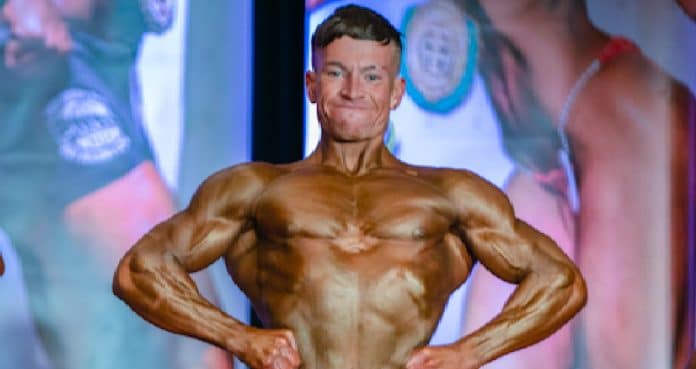
Natural Bodybuilder AJ Morris Says the Smith Machine Is Better for Presses Than Free Weights
INBA PNBA natural bodybuilder AJ Morris says he prefers the smith machine when it comes to presses.
Every gym equipment has its time and place. Whether it’s a barbell, dumbbells, resistance bands, or machines, each piece of equipment has its pros and cons. For example, amateur International Natural Bodybuilder Association (INBA)/Professional Natural Bodybuilding Association (PNBA) natural bodybuilder AJ Morris says the smith machine is best for pressing movements.
AJ Morris received second place at the INBA PNBA World Championships and third place in Men’s Bodybuilding Open Short at his first Natural Olympia – 2021. He was also part of the first-ever United Kingdom Drug Free Bodybuilding Association (UKDFBA) Team to compete in Natural Olympia.
On Instagram (IG), Morris said:
“I love free moving barbells and dumbbells and I feature them in my programming when possible & when they have their place, but when it comes to creating the best movement for me, a press is likely to be on a smith.
Why?
It’s very safe, it’s very stable, it’s very repeatable.”
You can see AJ Morris performing the smith machine bench press and his complete statement below:
https://www.instagram.com/p/CaP3h4eorZW/?utm_source=ig_web_copy_link
Smith Machine Vs. Free Weights
In general, it’s good to mix up your movements to give your body and muscles different stimuli to adapt to. For example, both the smith machine and free weights can effectively reach your fitness goals. However, which one you should focus on depends on your goal.
The smith machine is more stable and is a lot easier to control compared to free weights. Therefore, it’s not quite as effective at targeting your core and engaging your stabilizer muscles since it’s a fixed range of motion. However, the smith machine isolates the muscle you’re targeting. And it’s safer than free weights, so it’s more beginner-friendly.
On the other hand, free weights are more effective at engaging your core since they require you to use your stabilizer muscles. It also requires balance and coordination since it allows movement in multiple planes. Free weights mimic real-world activities more.
Amateur to Pro Status in the INBA PNBA
Although AJ Morris is currently an INBA PNBA amateur athlete, he plans to compete at Natural Olympia as a pro by 2023. In an IG post on November 12, 2021, after competing at Natural Olympia, Morris stated, “I will be back, and I will be a very competitive pro in 2023. All I need is time [sic]”
For INBA PNBA athletes to earn their pro card, they must rise in amateur ranks and win a pro qualifier. Once athletes are eligible at the pro level, they have the opportunity to earn cash up to $10,000 and other prizes, such as a Harley-Davidson at Natural Olympia. And now, multi-media contracts with Generation Iron and Iron Man Magazine and athlete profiles.
Recap
Try the smith machine out if you’re looking to isolate your chest more with heavy loads. However, opt for free weights if you want more real-world lifting experience and want to engage your core and stabilizer muscles. Both free weights and the smith machine help you effectively reach your fitness goal. However, we recommend starting with the smith machine since it’s safer if you’re a beginner.
Follow us on Instagram, Facebook, and Twitter for more workout insight from INBA PNBA athletes!
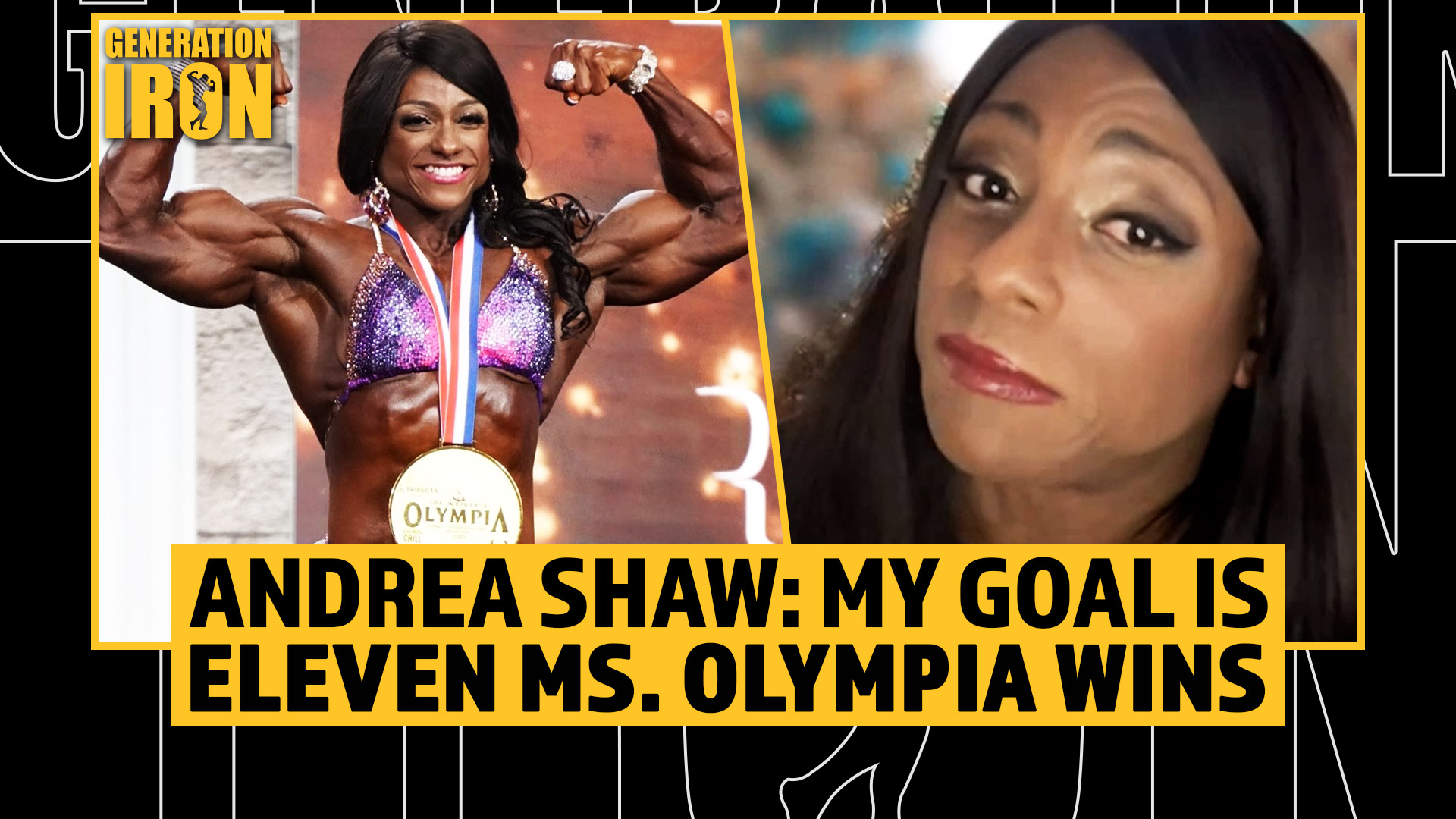
Andrea Shaw: My Personal Goal Is To Win 11 Ms. Olympia Titles
[embedded content]
Andrea Shaw aims to beat the world record for most Ms. Olympia wins
Before the Ms. Olympia temporarily disappeared for about six years, Iris Kyle was the reigning champion. To this day, she is still the world record holder not only for most Ms. Olympia wins – but most Olympia wins by any athlete in any division ever. Since the return of Ms. Olympia two years ago, Iris Kyle has yet to make a return to reclaim her title for various reasons. As of now it’s unclear if she will officially return moving forward. But the current champion, Andrea Shaw, hopes to become the new world record holder. In our latest GI Exclusive interview, Andrea Shaw details how and why she wants to earn 11 Ms. Olympia titles.
Andrea Shaw came out swinging upon the return of the Ms. Olympia competition two years ago. She has held dominion over Women’s Bodybuilding for two years now – and is the current reigning champion. During our recent video interview, we asked what her long term goals are. How long does she want to compete and how will she handle her physique once she retires? It seems like retirement won’t be coming any time soon though – as she proclaimed that she wants to win 11 total Ms. Olympia title by the end of her pro career.
The number 11 is not random, it’s the amount of wins she needs to become the new world record holder. Iris Kyle, the previous Ms. Olympia champion, currently holds the record at ten wins. This is also the most Olympia titles won by any athlete regardless of division. Shaw is ready to change that fact – we just may need to wait until 2030 for that to happen.
That’s a long way off. And Andrea Shaw is not delusional about the fact a lot can change between now and then. That’s why she has a very realistic rule she is living by in terms of achieving her goal.
“I’m very much aware of the fact that, you know, you still need to be in a good place mentally with competing. You still need to be a good place physically when competing,” Andrea Shaw states in our interview. She continues:
“My caveat to that is if I still feel good about it physically and mentally, I would like to go after eleven. But at any given point I feel as though it’s not there, I’m not the one to force that.”
Andrea Shaw makes a good point here. She cannot predict where her head or body will be at five or more years from now. She certainly has the hunger and drive to become a world record champion – but also realizes that life can change those goals and drive in unexpected ways. The most important thing for her is mental and physical stability. If the goal becomes a hinderance rather than a productive goal – she may change tactics.
Andrea Shaw goes on to use Dexter Jackson as an example. Jackson is notoriously known for his extremely successful and long lasting career. He is the most decorated pro bodybuilder of all time – and many had counted him out multiple times throughout his career as he aged. He ended up not retiring until after 50 years old.
Andrea Shaw points out that his longevity came down to how he planned each and every bodybuilding prep. He did not go hardcore like some other bodybuilder, which would lead to a burnout (even if it was after a very successful run). Shaw wants to follow this method. She wants to be the best and perhaps even become a world record holder – but only if it’s right for her overall happiness and stability.
You can watch Andrea Shaw talk in more detail not only about her goal of 11 Ms. Olympia wins – but also her plans for after retirement. Catch it all in our latest GI Exclusive interview segment above.

Best Ways To Kickstart Your Metabolism As A Bodybuilder
The best ways to kickstart your metabolism to see weight loss and that desired physique.
Some of us were born with a slow metabolism and while we used to hate knowing we had to work a little harder to keep off unwanted pounds, we loathed those who could eat whatever and still look shredded. Your metabolism is one of the major parts of your body giving you energy to keep it going and while a slow metabolism can be frustrating, there are ways to boost your metabolic rate and get a kickstart to see that desired physique you’ve always wanted.
If genetics dealt you a tough hand with a slow metabolism, it just means you have to pay a little more attention to what you eat and how you train in order to get that much needed metabolic boost. Judging how fast or slow you burn calories, your metabolism can work to your benefit with the right changes in your diet and the proper exercises and techniques. Don’t let a slower than normal metabolism keep you feeling fatigued and feeling those unneeded cravings and make the change today to see great results.
While fat burner supplements can increase your metabolism and work to shed that unwanted fat, it is important to make sure you get the right one for you. A good fat burner will be natural and safe with clinically backed ingredients and come from a reputable company that will ensure long-term benefits. But there are other ways to boost your metabolism as well and many may work just fine for your metabolic needs.
Kickstarting Your Metabolism
Increasing High-Intensity Workouts
High-intensity interval training is a great way to boost your metabolism and involves quick and intense bursts of activity like running or the rowing machine. This will help you burn more fat and increase your metabolic rate even post workout. Unlike normal cardio, which elevates your metabolic rate but sees a return to normal afterwards, high-intensity interval training offers the great benefit of working for you even after the workout is completed (1).
This can be with bursts of 30 seconds on and a slower recovery of a minute or two off and should see your heart rate spike to around 85% of your max heart rate. There are many time interval variations to try with HIIT so see what works best for you.
Improve Strength Training
Lifting, like high-intensity interval training, works to keep your metabolism going long after the workout is completed as a result of the strain lifting puts on your muscles. Since muscle is more metabolically active than fat, strength training is a great way to boost your metabolism with the added benefit of seeing great muscle growth. By burning more calories you will aid in weight loss but work to keep on that lean muscle for your desired physique (2).
Increasing Your Intake Of Green Tea, Coffee, and Spicy Foods
Green tea is a great source of energy given that it contains caffeine and can increase your metabolism as well (3). Since tea can convert stored fat into free fatty acids, it allows for increased fat burn and the metabolism-boosting properties can prevent a weight loss plateau that results from a decreased metabolism.
Coffee also works to boost your metabolism and is another source of caffeine for energy, whether that be to start your day, use for a pre-workout boost, or a mid-day pick me up when you start to feel sluggish (4). Many fat burners contain caffeine but using coffee or green tea is one way to receive the same energy-boosting benefits while working to kickstart your metabolism.
Spicy foods can increase your body temperature and start the thermogenesis process, a key in weight loss. As your body temperature increases, so too does your metabolism and thermogenesis helps to break down body fat. Spicy foods also contain capsaicin, which is a key ingredient to boosting metabolism (5). While the effects of spicy foods are temporary, they are one tasty way to really kickstart your metabolism.
Get More Sleep
A lack of sleep can have negative effects on your metabolism and those who suffer from lack of sleep run the risk of weight gain. The longer you stay awake, the more you feel the urge for those unhealthy cravings leading you to indulge in a late night snack. Those who are sleep deprived may feel more hungry because the hormone ghrelin, which activates hunger, is heightened, and leptin, which helps you feel full, is decreased. Avoid late night snacking and give your body the proper rest it needs while also working the benefit of keeping your metabolism running smoothly (6).
Stay Hydrated
Hydration is a great tool to help you feel full longer and can also increase athletic performance and mental capabilities (7). With increased hydration, you can accelerate calorie burn while also promoting energy expenditure through water-induced thermogenesis, leading to more calories burned and weight loss. Since staying hydrated plays more than one vital role in your overall health and wellness, keeping a bottle near you is one sure way to stay on top of your game.
Wrap Up
Our metabolisms work for our overall benefit, but it is important to take care of it so it operates at maximum capacity. For those of us putting up big numbers in the gym, eating a vast amount of calories is important for our overall bulk. But shedding fat and getting that overall physique can be challenging and while fad diets and supplements claim to have all of the answers, sometimes it just takes a little extra attention to kickstart our metabolism. Through high-intensity interval training, weight lifting, and a healthy diet, we can really give our metabolism that boost it so desperately may need. Try these tips and watch your weight loss goals become a reality.
Let us know what you think in the comments below. Also, be sure to follow Generation Iron on Facebook, Twitter, and Instagram.
*Images courtesy of Envato
References
Khalafi, Mousa; Symonds, Michael E. (2020). “The impact of high-intensity interval training on inflammatory markers in metabolic disorders: A meta-analysis”. (source)
Wright, Matthew D.; Laas, Mihkel (2016). “Strength Training and Metabolic Conditioning for Female Youth and Adolescent Soccer Players”. (source)
Hodgson, Adrian B.; Randell, Rebecca K.; Jeukendrup, Asker E. (2013). “The Effect of Green Tea Extract on Fat Oxidation at Rest and during Exercise: Evidence of Efficacy and Proposed Mechanisms”. (source)
Acheson, K. J.; Zahorska-Markiewicz, B.; Pittet, P.; Anantharaman, K.; Jequier, E. (1980). “Caffeine and coffee: their influence on metabolic rate and substrate utilization in normal weight and obese individuals”. (source)
Gregersen, N T.; Belza, A.; Jensen, M. G.; Ritz, C.; Bitz, C.; Hels, O.; Frandsen, E.; Mela, D. J.; Astrup, A. (2013). “Acute effects of mustard, horseradish, black pepper and ginger on energy expenditure, appetite, ad libitum energy intake and energy balance in human subjects”. (source)
American Society for Biochemistry and Molecular Biology (2019). “Lack of sleep affects fat metabolism”. (source)
Stover, Beth; Murray, Bob (2007). “Drink Up!: The Science of Hydration”. (source)

3 Ways to Feel Your Back
3 Ways to Feel Your Back
Back training is plagued with people not actually training their back. Sounds counter intuitive, I know. Rows, pulldowns, and pull ups are supposed to grow giant backs, but if you feel nothing but your arms, that’s a problem.
Many people would tell you to simply think about your back more, but this is pointless or even counterintuitive advice. You want your natural mechanics to stimulate your back, not being forced to think about a muscle you can’t even see every set.
Mind muscle connection research shows that this can reduce the load performance as well. So here are 3 better ways to feel your back and thus start growing it like a champ.
Fix Your Pulling Mechanics
Your arms inevitably have to be involved in many common back exercises. They’re supposed to experience some growth during rows, pull ups, and pulldowns. That’s not the issue, so the goal isn’t less arms, but more back.
Here’s how:
Pull with your elbows. Whether it’s a horizontal movement like a row or a vertical movement like a pulldown, your intent is to pull with your elbows not your hand. Your elbow is the main lever that’s closer to your back and will help shorten that muscle. Your hand is simply a secure hook to attach load so the lever has resistance. Your hand is essentially a necessary evil to increase force production which is fine as long as you pull with your elbow. For rows, think about initiating with your elbow and driving it back. For pull ups (and pulldowns), think about driving your elbows towards your hips. Doing this alone may even improve your pull up technique and increase the range of motion.
Don’t lock your scaps. I don’t know how this advice has infected our industry for so long, but pulling exercises are the last exercises you want to lockdown your shoulder blades. Your shoulder blades are a cornerstone to pulling mechanics and help contract key back muscles. If you lock those down, you lose their force output which forces the arms to do more work. There’s literally no benefit to locking down your scaps no matter what people regurgitate about the stability benefits. Let the scaps move naturally and roam free.
Reach and arch with your pull. Training through a full range motion increases the stretch and shortening of a muscle. This allows mechanical tension to be applied more across a muscle’s length. With back training, many people miss out on this. The back can continue to stretch as you reach further with your rows and pulldowns. This causes some back rounding which is ok. For pullups, you stretch further by sinking your body down and letting your shoulders and scaps rise as high as they can at the bottom of the rep. On the opposite end of the spectrum, you get the muscle further shortened by arching at the end of a row/pulldown or at the top of a pull up.
Use Straps
The mantra that straps are for wimps will be internalized at your detriment. Many people think harder is better. Sure lifting strapless is harder, but it makes it harder for your forearms not to mention compromising the load your back can handle.
This is problematic because your mechanics might be good, but you may not be feeling your back simply because it’s not forced to do any work.
To recruit more muscle fibers especially those valuable fast twitch fibers, you have to push towards failure. In this context, I’m not talking about merely failing the movement, but I’m talking about the specific muscle giving out.
During an upper body day, your forearms are used in everything from curls, presses, and lateral raises. Add in your back work and your forearms are exhausted. You might fail the movement thinking your back is trained, but really your forearms let you down and can no longer manage the load.
While this happens, your back is kicking back drinking a margarita because it barely had to work.
So straps allow lifters to rest their forearms thus allowing the stress to funnel towards those back muscles. This will get you not only feeling your back, but allow you to push towards failure to get some serious growth going.
Oh, and if straps are uncomfortable, try versa grip or any sort of grip assist. The same principle applies.
Go Lighter
The back just like any other muscle. It can grow from a variety of rep ranges, but certain exercises don’t lend themselves great to heavy loading, especially for the goal of hypertrophy.
Ever do a really heavy sumo deadlift, barbell bench press, or bent over barbell row? Yeah these exercises feel hard, but doing them heavy simply feels hard overall, not on the local muscle.
Heavier loads apply more force on other structures like your joints and connective tissues. This requires more stabilization from your core and other muscles. Any deviation in form is met with more stabilization because of the high load.
In the case of a barbell row, your hamstrings, low back, and core are stabilizing the load. Even if you use straps, a heavy row under 5 reps won’t get your back that pumped feeling you desire.
So while heavy is cool when your gym crush walks by, it’s not always conducive towards your goals.
To feel your back, it’s important to go lighter. I’m talking 8-12 or even 12-20 rep range. Tell me by the time you reach a 20-rep failure set that you don’t feel your back more. It’ll be lit like a Christmas tree. Ok, not the best metaphor, but you get the idea.
Don’t Overthink Back Training
Literally speaking, don’t overthink feeling your back. It’s not necessarily a brain thing. It’s a matter of environment. Set up your execution properly, use straps to aid those limiting forearms, and provide an appropriate load (lighter load).
Do the following and you’ll feel your back without even trying. That should be the goal of good back training.