
Tag: Bodybuilding
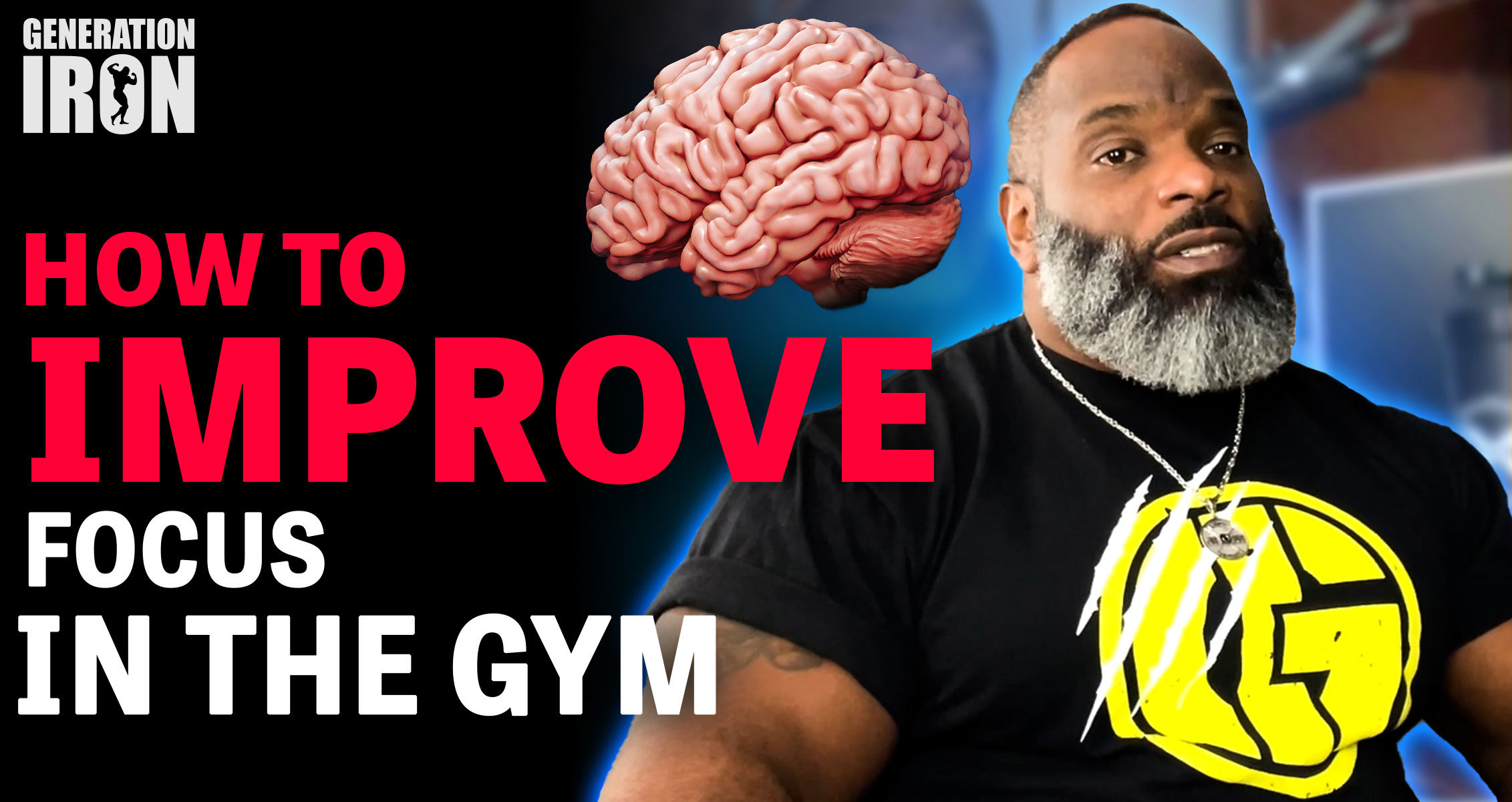
Hardcore Truth With Johnnie O. Jackson: How To Improve Focus In The Gym
[embedded content]
Johnnie O. Jackson shares the hardcore truth on the importance of focus – calling it the single most determining factor in bodybuilding success.
What separates a pro bodybuilder from everyone else? Genetics? Certainly to some degree. Drugs like steroids? This is a misleading factor in the true success of a bodybuilding athlete. The true difference between a bodybuilding legend and the many aspiring who miss the mark comes down to focus. A bodybuilder like Phil Heath or Ronnie Coleman combine all of their strengths into one singular focus beyond what any normal person perceives possible. That’s how they became Olympia legends. In our latest episode of Hardcore Truth, Johnnie O. Jackson breaks down the importance of focus and tips on how to improve your mental sharpness while training.
Whether you are a pro bodybuilder, aspiring novice bodybuilder, or just someone looking to get healthier with daily exercise – focus is the biggest factor that holds us back from success. A large majority of Americans are overweight and unhealthy. This isn’t because exercise is extremely challenging. It’s because in today’s day and age – it’s hard to focus on something. Especially if it’s something that you don’t particularly want to do.
Of course, aspiring bodybuilders should, at the core, love training. But bodybuilders need to not simply train. They need to rearrange their entire lifestyle to sculpt their physique. This requires such an incredible amount of focus that only a rare few can do it. This is true for all successful pro athletes in all sports. Johnnie O. Jackson understands this – and it’s part of how he was able to build a reputation as one of the strongest bodybuilders currently living.
While the concept of focus might seem like an abstract innate ability – it’s also a tactic that we can work on and train just like a muscle. The more we train our ability to focus, the more we can find success in what we aspire to do. That’s why Johnnie O. Jackson is sharing his key tips on how to focus in bodybuilding – especially for those who struggle to stay in the right mindset.
The biggest key piece of advice Johnnie O. Jackson shares is to focus on yourself first and foremost. This may be extra challenging if you have a partner, spouse, or children. But despite this – an aspiring bodybuilder needs basically learn how to balance being selfish with the rest of what life throws at you. For example, Jackson believes that far too many weightlifters focus on what other people are doing in the gym. They may be judging their form, or perhaps in awe of how much another person can lift. This is all wasted energy and takes focus away from your main goal – to train in the gym.
Johnnie O. Jackson recommends putting away the phone and learning how to completely ignore other members in the gym. Sure, it’s okay to be inspired if the guy next to you is Ronnie Coleman throwing up massive lifts with a massive physique. But watching that will only take you so far. It’s through consistent training, adapting, and learning that you can reach those same levels. That all requires singular focus to achieve.
Johnnie O. Jackson also emphasizes learning to focus on your diet. Yes, this is a major factor in building your ideal physique. But once you start to nail your diet, your physique will start to show huge changes. This will encourage you to train harder and improve even more. It helps you more easily focus when your diet is correctly matching your training. It creates a cyclical effect. What was once hard to focus on becomes easier the more each part of your bodybuilding lifestyle builds on the other.
Lastly, Johnnie O. Jackson also cannot stress how important it is to focus on the mirror. Where in other walks of life this would be seen as vanity, for bodybuilding this is a necessity. Practice posing and really focus on how you look in the mirror. This helps identify weak points, which can then help you direct your focus to more specific areas for further improvement. Not enough bodybuilders put focus on posing – and it shows when they step onto stage.
You can watch Johnnie O. Jackson go into full detail about how to improve focus in bodybuilding by watching the latest episode of Hardcore Truth above. And don’t forget to swing by every Thursday for new episodes!
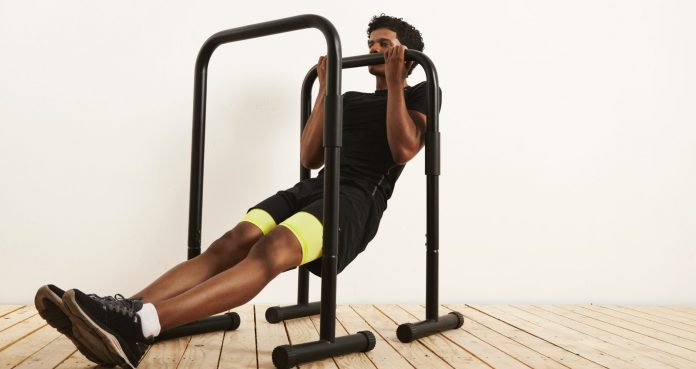
How The Horizontal Row Enhances Solid Back Development
This exercise can seriously increase your pulling power.
When it comes to the movements we as athletes need to master, two come to mind: pressing and pulling. Virtually all movements are either pressing or pulling oriented and what you will find is that pressing motions tend to be quite common in training. The bench press is the easiest example off the bat to use for a pushing exercise, same as a push-up. It’s literally in the name.
But for our back muscles and our attempts at getting as wide of lats as possible, sometimes we need to emphasize more of those pulling motions. What the horizontal row can do is really boost your pulling capabilities so you never lack in pulling ability and the risk of a muscle imbalance is greatly reduced.
Let’s take a look at the horizontal row and see what benefits this exercise has on all our gains, especially when it comes to pulling and getting the most out of our back muscles. From what is it, to muscles worked, and the benefits of this exercise, you will most likely want to add this to your routine.
We’ll show you steps on how to perform it and some of the best alternatives for those days you feel like changing it up. With the results to prove it, this exercise just found a home in your workout routine.
What Is The Horizontal Row?
The horizontal row exercise is also commonly referred to as the inverted row, bodyweight row, horizontal pull-up, and a host of other names. With this exercise being one of just bodyweight, it only requires a bar as your point of contact. Training many upper body muscles, it is a great pulling enhancer when it comes to your pulling capabilities in terms of strength and overall stability (1). As a great dynamic exercise, athletes of all levels can enjoy this in their workout and really benefit for back building and overall balance work.
Muscles Worked
For this exercise, your entire upper body gets some good work done which will prove to be great in the long run for all your gains. Plenty of back muscles will feel a burn including your rhomboids and upper back, mid traps, and lats. For those other upper body muscles, your biceps, forearms and other gripping muscles, and your core will all be needed to not only effectively perform this exercise, but also act as essential movers. Your core will be a primary point of engagement as that is where much of your balance and stability will come from.
Benefits Of The Horizontal Row
Build Foundational Strength
When it comes to building strength, we often focus on those exercise that give our muscles a serious pump. But what we often neglect is the functional strength required to really boost our everyday lives, not just those in the gym. Functional strength allows us to live more positive lifestyles as everything we do in the gym translates over into our everyday activities (2). As a great way to eliminate muscle imbalances, for those who do a lot of pushing exercises, look to build functional pulling strength to counteract any imbalances you may have.
Helps Promote Posture & Good Technique
This is a hard exercise to perform and an even harder one to cheat on. Don’t try and cheat yourself with this because your form won’t allow it. This requires you to have an engaged core and flat back and anything less than that will ultimately hurt your gains, and quite negatively. Since this exercise allows you to form good technique and have good posture, this will translate nicely into other areas of your training.
Round Out A Stellar Physique
As mentioned earlier, this is a great exercise to help tackle any muscle imbalances by counteracting those dominate pushing exercises. But what this can do is really widen your lats and give your back a stellar physique you want most. As bodybuilders, we need a well-rounded physique to show off and by tackling both muscle imbalances and building a great base of functional strength, you will be more than ready to take the stage.
How To Perform The Horizontal Row
Here are the steps to performing the horizontal row:
Grab the bar around shoulder width apart in grip as you lay on the ground. The bar should be directly over your chest and your legs will be extended out in front of you. Your heels are the only point of lower body contact. Engaging your core and glutes, lift yourself towards the bar off the ground and touch your chest with the bar. Slowly lower yourself to the starting position and repeat for your desired number of reps.
Horizontal Row Alternatives
For those who want to mix things up a bit, these alternatives are great to still provide similar benefits and work your body just as well as the horizontal row.
Pull-Ups: A staple exercise for many, pull-ups work for back development and can lead to that desired V-shape we all know and love (3).
Seated Cable Row: A great pulling exercise that enhances upper body growth, but provides less stress on the low back.
Barbell Row: Works to develop a strong back, improve posture, and increase the amount of weight on your deadlift as it really challenges your pulling ability.
Wrap Up
For those of us lacking in pulling strength, it is important to focus on these movements to enhance that area of our gains. With muscle imbalances being all too common, unfortunately as a result of our massive pushing exercises, working to tackle and eliminate those will only help work out that well-rounded physique we want to see most. With great benefits to back growth, wide lats, posture, and physique, this exercise should be in your routine as soon as possible to get you competition ready. Check out the horizontal row, watch how the pros do it, and put this in your back day, for those wide lats will thank you in no time.
Let us know what you think in the comments below. Also, be sure to follow Generation Iron on Facebook, Twitter, and Instagram.
*Images courtesy of Envato
References
Hori, Naruhiro; Kawamori, Naoki; Chiu, Loren Z. (2009). “Pulling movement in weightlifting exercises from a biomechanical standpoint”. (source)
Weiss, Tiana; Kreitinger, Jerica; Wilde, Hilary; Wiora, Chris; et al. (2010). “Effect of Functional Resistance Training on Muscular Fitness Outcomes in Young Adults”. (source)
Ronai, Peter; Scibek, Eric (2014). “The Pull-up”. (source)
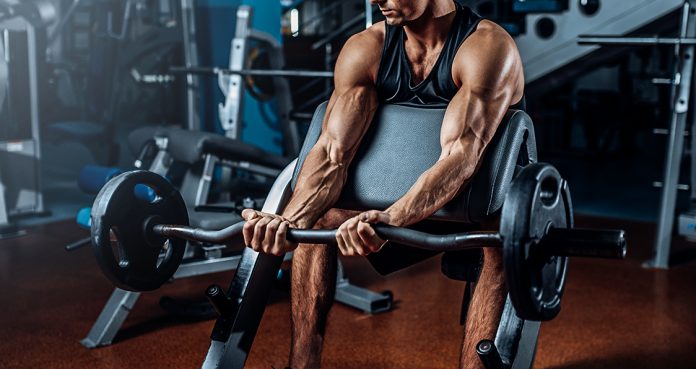
10 Exercises To Add Variety In Your Next Workout
Try these Exercises in Your Next Workout
Just like us humans, no two exercises are created equal. Most people stick to the same exercises in their workouts. Performing the same routines over and over can lead you to hit a plateau.
There are a few incredibly effective exercises which can target your muscles in a unique way. The exercises in this article will help you break the plateau and will take your gains to the next level.
Chest
Floor Dumbbell Chest Flyes
[embedded content]
Most people make the mistake of not following the full range of motion while performing the bench dumbbell flyes. The floor dumbbell flyes force you to touch the floor with your elbows at the bottom of the movement and touch the dumbbells at the top of the movement.
Incline Pin Press
[embedded content]
The upper pecs are a weak muscle group for most people. Incline pin presses are a great way to overload your upper pecs. Incline pin presses also add a layer of safety to the compound exercise.
Back
T-Bar Rows
T-Bar rows are one of the most underutilized exercises when it comes to building a thick back. The T-Bar rows were one of Arnold’s staples and they should also be a part of your exercise arsenal.
Bent Over Lat Pull-Down using Seated Cable Row
The problem with the normal lat pull-down is, you can use momentum to bring the weights down. Bent over lat pull-downs on the seated cable row will eliminate the use of momentum and you will have to use your lats to pull the weights.
Shoulders
Reverse Seated Alternate Hammer Strength Press
The normal shoulder presses focus on the anterior delts, while the reverse seated alternate hammer strength presses focus on the medial deltoids. The hammer strength presses will help you in building the separation and roundness of your shoulder caps.
Biceps
Arm Blaster Barbell Curls
[embedded content]
For most guys arms are their favorite muscle group to train. Most guys let their ego get in the way of building a nice pair of guns. The arm blaster helps in isolating your pythons and will help in building the size, conditioning, and the bicep peak.
30’s
[embedded content]
30’s will completely annihilate your biceps. In this exercise, you need to perform 10 reps of barbell curls on the bottom half, 10 reps on the top half and 10 full reps. 30’s are an extension of 21’s and are way harder.
Triceps
Cable One Arm Triceps Extensions
[embedded content]
Most people go too heavy on the cable triceps extensions and lean onto the bar. Stand straight next to the cable pulley machine and maintain a full range of motion. Hold and squeeze your triceps at the bottom of the movement.
Legs
Platz Hack Squats into Sissy Squats
[embedded content]
Tom Platz arguably had the sickest legs in the bodybuilding industry. One of his not-so-secrets were the Platz hack squat into sissy squats. This exercise targets your quads and will help you in building that tear-drop.
Good Mornings
[embedded content]
It is harder to develop your hamstrings as compared to your quads as you can’t see your hamstrings in the mirror and it is harder to develop a mind-muscle connection with them. Maintain a slight bend in your knees, push your hips back as you bend to lower the barbell. Imagine using your hams to lower the weights as compared to your back. Doing this will help you get a better pump.
Which is your favorite exercise? Let us know in the comments below. Also, be sure to follow Generation Iron on Facebook and Twitter.
*Header image courtesy of Envato Elements.
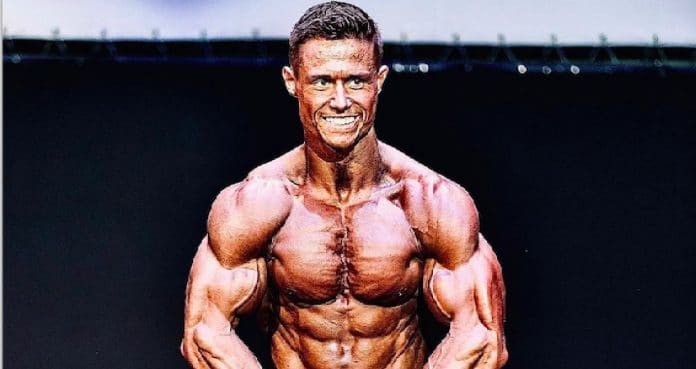
Natural Bodybuilder Mitch Jarvis Lays Down Rules for the Progressive Overload Principle
Image via Instagram @mitchjarv
PNBA UK Pro natural bodybuilding champion Mitch Jarvis lays down the rules for the progressive overload principle.
The progressive overload principle is the foundation to making progress in the gym. In simple terms, the progressive overload principle is making sure you make progress on your workouts as often as possible. However, many people omit this cornerstone principle, and therefore, their progress in the gym suffers. That’s because many people aren’t aware of it or how it works. International Natural Bodybuilding Association (INBA)/Professional Natural Bodybuilding Association (PNBA) athlete Mitch Jarvis lays down the framework for this crucial law in the gym.
Mitch Jarvis competed in the Men’s Bodybuilding division and was the 2021 PNBA Pro UK International Championships champion and PNBA Pro World Championships runner-up.
Regarding the progressive overload principle, Jarvis stated:
“The rules are simple: only increase the weight (by 5kg) when the rep range has been maxed out. That is 8 reps on top set, and 15 reps on back off set. The starting point has been set, time to chip away [sic]”
You can see Mitch Jarvis’ complete statement and Instagram (IG) clip of him performing the progressive overload principle on barbell squats below.
https://www.instagram.com/reel/CWWVmNkomjl/?utm_source=ig_web_copy_link
Progressive Overload Principle
Mitch Jarvis follows the progressive overload principle to the T. He only increases the weight (by 5 kg) once he reaches the top end of his rep range. For example, in the IG clip above, you can see that Jarvis is performing barbell squats in the 5-8 rep range to start (top set) but then finishes in the 12-15 rep range (back set). Jarvis only increases the weight once he can complete a weight at the top end of his top set and the top end of his back set. For example, once he completes a set of eight reps with 160 kg on his top set, he’ll increase the weight the following week. The same applies to his back set, except it will be with a lighter weight for 15 reps.
The progressive overload principle is the key to building muscle in the gym. Because the heavier the weight you use, the more muscle you’ll build. And to use heavier weights, you have to increase the weight, of course. The progressive overload principle is increasing the stimuli placed on your muscle as often as possible. You can do this by increasing the weight or reps of a load.
The INBA PBNA Is Leveling Up the Sport of Natural Bodybuilding
The INBA PNBA is revolutionizing the sport of natural bodybuilding. And has been giving natural athletes a platform and voice in natural bodybuilding by signing on a wave of athletes to multi-media contracts with Generation Iron and Iron Man Magazine.
Recap
The progressive overload principle is a relatively simple process to grasp and implement. However, many people forego this crucial law of gains. To continue to make progress with your physique, add weight to your movements once you can hit the top end of your rep range.
Follow us on Instagram, Facebook, and Twitter for more lifting tips from natural bodybuilders!
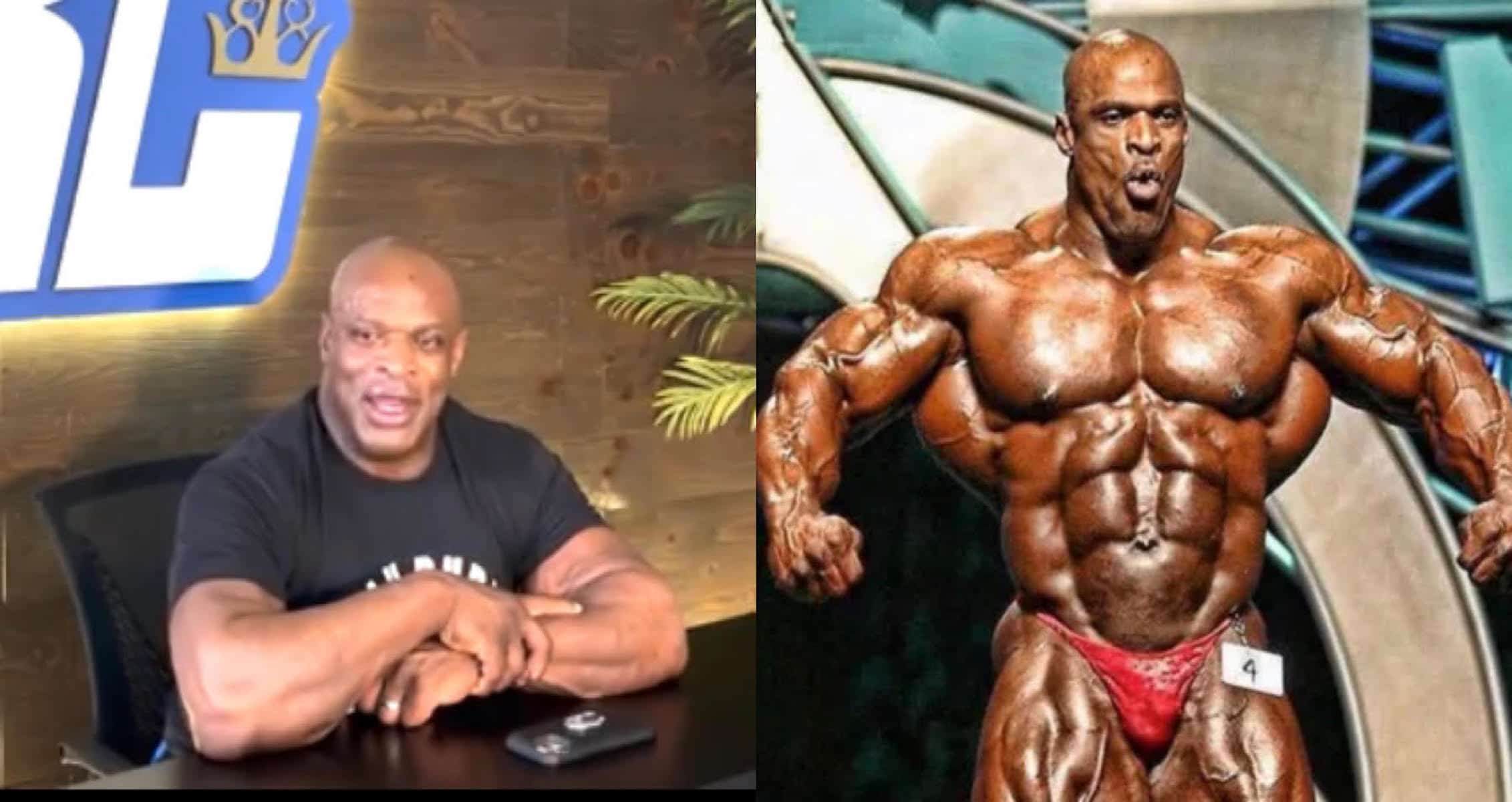
Ronnie Coleman On How Often He Has Sex: ‘Every Single Day If I Can”
Ronnie Coleman received an interesting question on his sex life during fan requests.
Ronnie Coleman remains a massive voice in bodybuilding after his retirement. This includes allowing fans to send in questions for him to answer on his YouTube page. This has become a ritual for the bodybuilder because of the response he has gotten. In a recent video, Coleman revealed that he has stayed active, in many ways, to this day.
While many questions are based around weightlifting and gym performance, there are fans that want to hear about the personal life of the eight-time Olympia champion. During this Q&A session, Coleman was asked how many times a week he has sex. The answer was quite simple.
“As many times as possible,” Ronnie Coleman answered.
The bodybuilder kept the answer short and sweet. With some laughter in the background, Coleman continued to say that he tries to have sex once a day if possible. Despite some beliefs, sex does not have any negative impacts on weightlifting ability.
There are some beliefs and rumors that testosterone levels can be impacted by sexual activity. This is not in a negative way. In fact, testosterone levels are one of the primary factors of muscle growth a development. Coleman was a monster in the gym and continues to hit it hard during his days off the stage.
Ronnie Coleman did answer some weightlifting questions and this includes his favorite exercises.
“This is the easiest question ever and I am asked this one a lot. I always say, all of them are my favorite exercise.”
Coleman listed squats, curls, cable crossovers, and deadlifts but made it clear that he likes all of them. He also addressed a question on light weight and he brought up a saying of his, “it’s all lightweight, baby.” This is the content that fans go to Coleman’s YouTube page for.
Ronnie Coleman is tied with Lee Haney for the most Olympia titles of all-time with eight. During his career, he was unbeatable and at the peak of the sport. In retirement, Coleman remains an influential figure and voice. This includes being given the Lifetime Achievement Award at the 2021 Arnold Classic.
The 2022 season will likely feature Coleman in some aspect. It will be interesting to see the content that comes out over the season.
For more news and updates, follow Generation Iron on Facebook, Twitter, and Instagram.
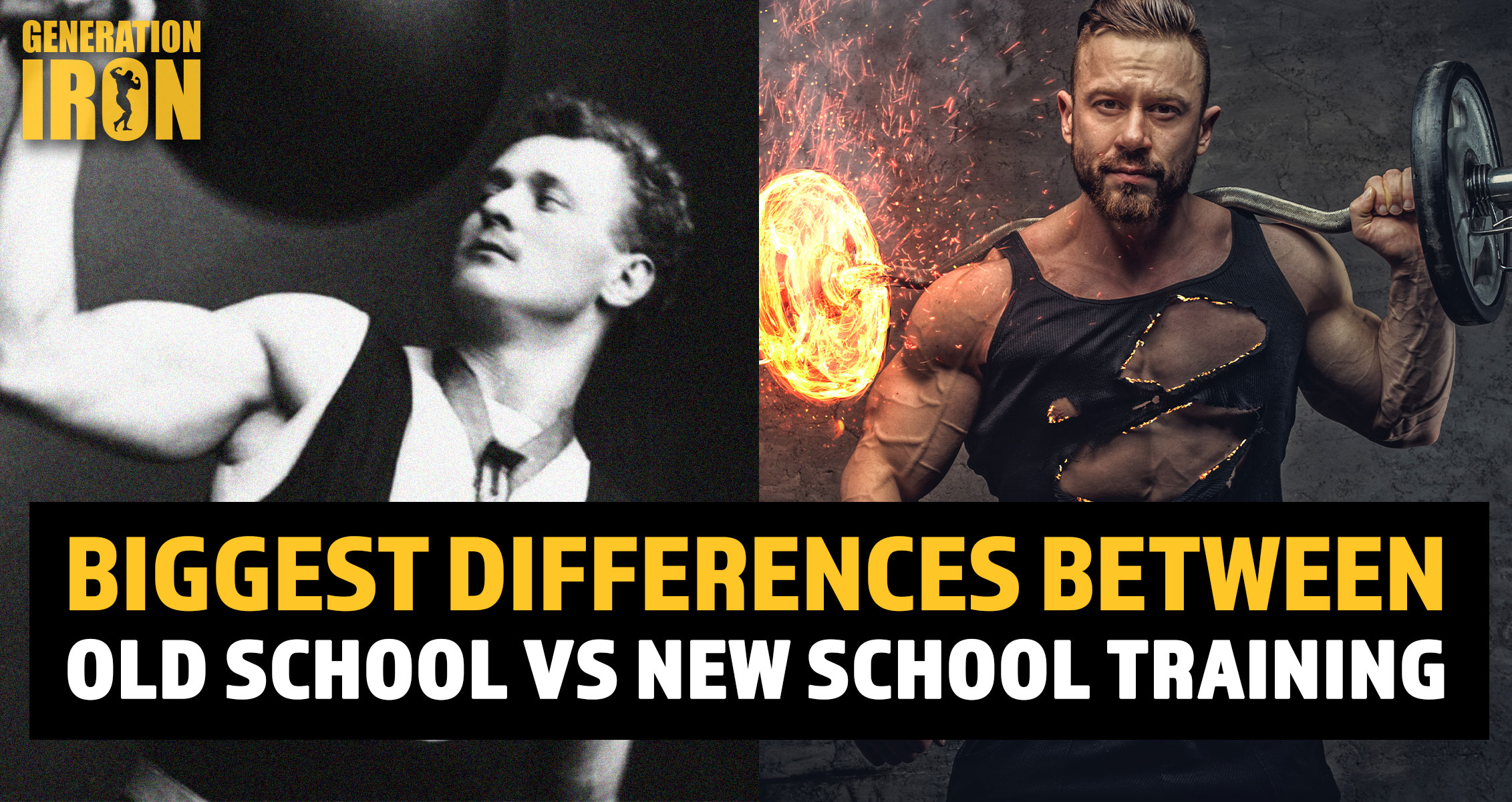
Straight Facts: Comparing Old School Vs New School Bodybuilding
[embedded content]
Jerry Brainum dishes out the straight facts comparing old school vs new school bodybuilding tactics throughout the generations.
Technically, bodybuilding has existed as a lifestyle endeavor since the 19th century. So when speaking of old school bodybuilding – it can be referencing various eras in the history of the both the sport and the culture as a whole. Typically, when people discuss old school bodybuilding, they are referencing 60s and 70s bodybuilding. New school, or modern bodybuilding, focuses on the current era. This of course is frequently changing – but can today be labeled as anything post 2000. But what are the actual differences in bodybuilding over the years? In our latest episode of Straight Facts, Jerry Brainum compares old school to new school bodybuilding – tracing its evolution throughout the years.
Understanding of fitness science and overall technology with each passing year has significantly changed fitness as a whole. So of course, this has changed how professional bodybuilding works as well. Jerry Brainum attempts to trace the entire evolution of the sport and the tactics behind building muscle. Ranging from the early 1900s, through the Golden Era of Arnold Schwarzenegger, and into the modern era seemingly defined by social media and increased drug use.
What is the biggest difference between old school and new school bodybuilding?
There is no definitive answer to this question – and the definition of old school and new school will be different for each person. For Jerry Brainum, there is one key difference between these generalized definitions of bodybuilding eras. This comes down to how many times a week a body part is trained. It also comes down to volume and reps.
In the old school days, bodybuilders eventually settled on the standard of training a muscle group twice per week. It was also more common for workouts to consist of heavy volume and lower reps. In modern bodybuilding, it has become standard to train each muscle group once per week. To make up for the lack of a second day, a typical workout session now consists of enough exercises for what was once two days of work.
Modern bodybuilding has also largely moved towards lower volume and higher rep amounts – often training to failure. Of course, this is not solely done by all bodybuilders (there are some like Branch Warren or Guy Cisternino who go more old school hardcore even to this day). But overall, lower volume and higher reps seem to be the more popular standard in new school bodybuilding.
Free Weights Vs Machines
Another big difference between old school and new school bodybuilding is the equipment. Jerry Brainum explains that in older eras of the sport, it was much more common to focus on free weight exercises. This, of course, has led to some to believe that machine exercises are inferior to the old school method.
While there are pros and cons to both – the real reason old school bodybuilders did less machines is because there were far less machines in existence. The technology behind exercise machines has increased rapidly. It’s only natural for more equipment to be used today in comparison to yesteryear.
The question about drug use in bodybuilding across the decades
Another major difference between bodybuilding today and the old school eras is drug use. It’s been commonly assumed that bodybuilders today take more drugs than those in the Golden Era and earlier. Jerry Brainum seems to agree with this sentiment. While there are no deep studies done comparing the two – anecdotally, many athletes and experts, including Brainum, find that the doses are higher and the drugs more powerful.
Not only that, but brand new drugs have entered the arena in modern bodybuilding. Insulin was a drug unused in bodybuilding until the 90s. Milos Sarcev famously claims to have introduced it to the sport. There was also the introduction of SARMs (and their legally grey status) into bodybuilding as well.
In addition to this, technology makes this information easier to get, black markets easier to engage with, and drug distribution that much more plentiful. Jerry Brainum also makes a point to mention site enhancement oils. While these aren’t drugs in a traditional sense – they are used to “fill in” lagging small muscles. This probably didn’t enter pro bodybuilding until the late 70s.
Wrap up
Jerry Brainum spends a full 30 minutes breaking down the details between old school and new school bodybuilding. In fact, he chronicles the evolution of bodybuilding tactics across each decade – providing a quick history lesson on how we got to where we are today. Brainum touches upon training tactics, nutrition plans, drug regimens, and even how technology evolved and affected the sport. It’s a worth while listen for anyone interested in bodybuilding history. You can watch his full comments in our latest Straight Facts episode above.
Phil Heath Joins Cast Of Kai Greene Documentary
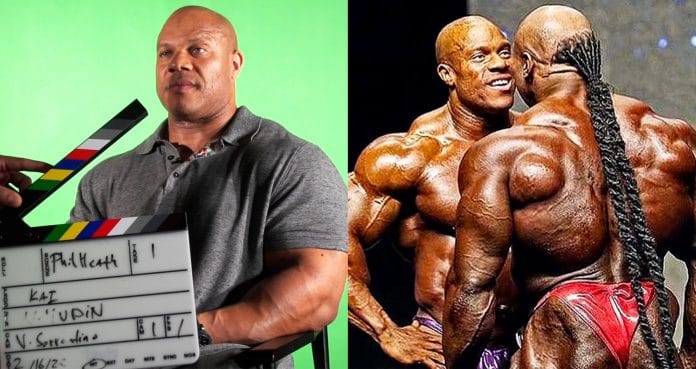
Phil Heath, longtime rival of Kai Greene, has joined the cast of the KAI feature film documentary.
7x Mr. Olympia champion Phil Heath has officially joined the cast of the Kai Greene feature film documentary. The documentary, tentatively titled KAI, was first announced in January 2021 with producer of The Last Dance Matt Maxson also involved with the project. The film is currently in production under the direction of Vlad Yudin.
Phil Heath and Kai Greene have a deep history ranging back over a decade. Their rivalry is considered to be one of the most exciting in the history of the sport. Greene was the only bodybuilder to truly threaten Heath throughout his seven-year reign as Olympia champion. Ultimately, Greene retired before having a chance to defeat Heath. Shaun Rhoden ultimately was the competitor to dethrone Heath at the Mr. Olympia in 2018.
But beyond their athletic rivalry, Phil Heath and Kai Greene’s personalities have clashed creating for some truly entertaining spectacle. They were notable for bringing much heat and trading barbs at the Olympia press conferences each year. In what might be their most viral moment – the two athletes nearly came to physical blows on the stage of Olympia stage in 2014.
The film will mark the first time the two titan bodybuilders appeared together in a feature film since the release of the original Generation Iron documentary in 2013.
The Kai Greene documentary will tell the full life story of Greene, ranging from his troubled childhood through his bodybuilding career and into his post-retirement lifestyle. The film promises to be the most uncompromising look into the mysterious past of Kai Greene – and provide unfiltered insight into his perception of the legacy of his bodybuilding career.
Kai Greene grew up in a troubled home in Brooklyn, only to eventually become a ward of the state and an orphan. Struggling to survive, he eventually became incarcerated during his youth. Upon being released from prison, Greene discovered bodybuilding, became a male exotic dancer, and eventually earned his way up into the IFBB pro league.
Phil Heath being interviewed on set of the Kai Greene documentary
Though he may have left his exotic dancing days behind him – he brought a unique brand to the bodybuilding stage. Fusing his skills as a dancer with his intense artistry – Kai Greene was known not only for his impressive physique but also his stellar posing routines. Greene would often wear custom costumes during his guest posings.
Ultimately, Kai Greene unofficially retired in 2016 after winning a string of Arnold Classic competitions. He never achieved the status of Mr. Olympia throughout his career. Many fan to this day believe he may make a surprise comeback. This is due to his physique still being in massive shape nearly six years after his last competition.
After retirement, Kai Greene and Phil Heath maintained a sort of frenemy relationship. The two continue to communicate publicly across social media platforms. The two had also been spotted training together. They both have also teased a potential reunion battle between the two of them on stage – though this has yet to ever materialize.
Phil Heath joining the cast of the Kai Greene documentary promises to provide the most unfiltered look into Heath’s relationship with Greene. It may very well be the most extensive retrospective of their rivalry.
The Kai Greene documentary is currently slated to release in 2022, though no specific date has been announced as of the time of this writing. Generation Iron will continue to provide updates on the project as more information becomes available.
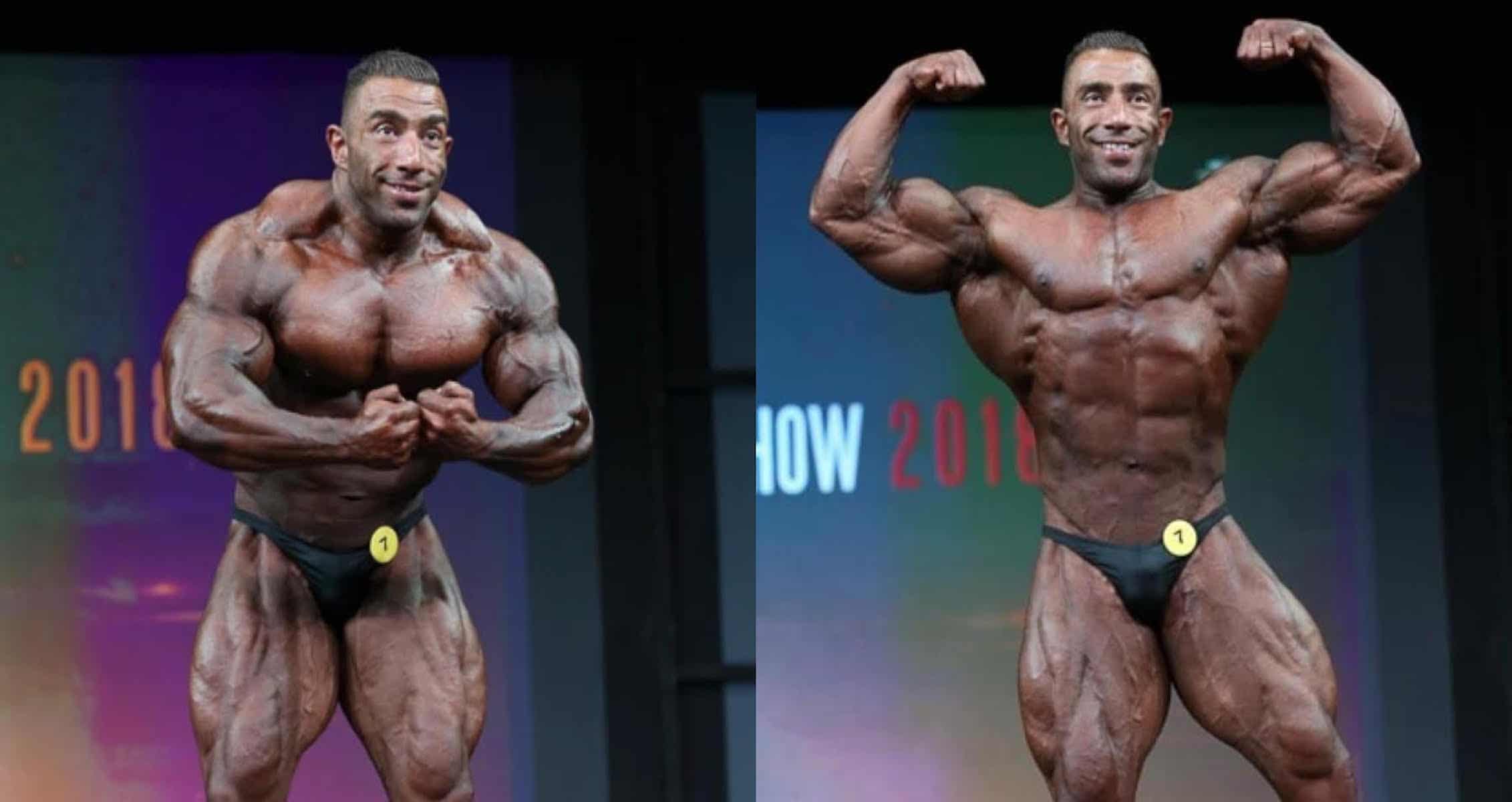
Isaac Ghavidel Has Passed Away At 35 Years Old
Isaac Ghavidel was battling cancer for three years at the time of his death.
Isaac Ghavidel has passed away at 35 years old after a battle with cancer that spanned over three years. In 2018, Ghavidel announced that he was diagnosed with a rare form of sarcoma cancer. He underwent surgery to remove tumors from his brain along with other operations and treatments.
Ghavidel’s cancer was due to peptide consumption. He was a champion of Iran and professional bodybuilder that displayed incredible size when on stage.
The Iranian bodybuilder made a name for himself in the sport before relocating to Canada to continue his professional career. This came to a peak in 2018 when he was able to compete in the Toronto Pro Supershow.
This was the only IFBB show of Ghavidel’s career. He finished ninth in Men’s Open and had a chance to compete against some of the top names in bodybuilding. The show was won by Juan Morel and also featured Akim Williams, Rafael Brandao, Maxx Charles, and Cedric McMillan. Ghavidel finished top 10 and this was quite an accomplishment.
After his diagnosis, Isaac Ghavidel continued to work hard in and out of the gym. He quickly became an influential voice raising cancer awareness for young people.
This has been a difficult time in bodybuilding with the sport losing some of its top competitors. Unfortunately, Ghavidel contracted a terrible disease at a young age that there is not yet a cure for. Even after Ghavidel’s death, he will remain an influential figure in both bodybuilding in Iran and for cancer awareness.
Generation Iron sends condolences to the family and friends of Isaac Ghavidel during this difficult time.
For more news and updates, follow Generation Iron on Facebook, Twitter, and Instagram.
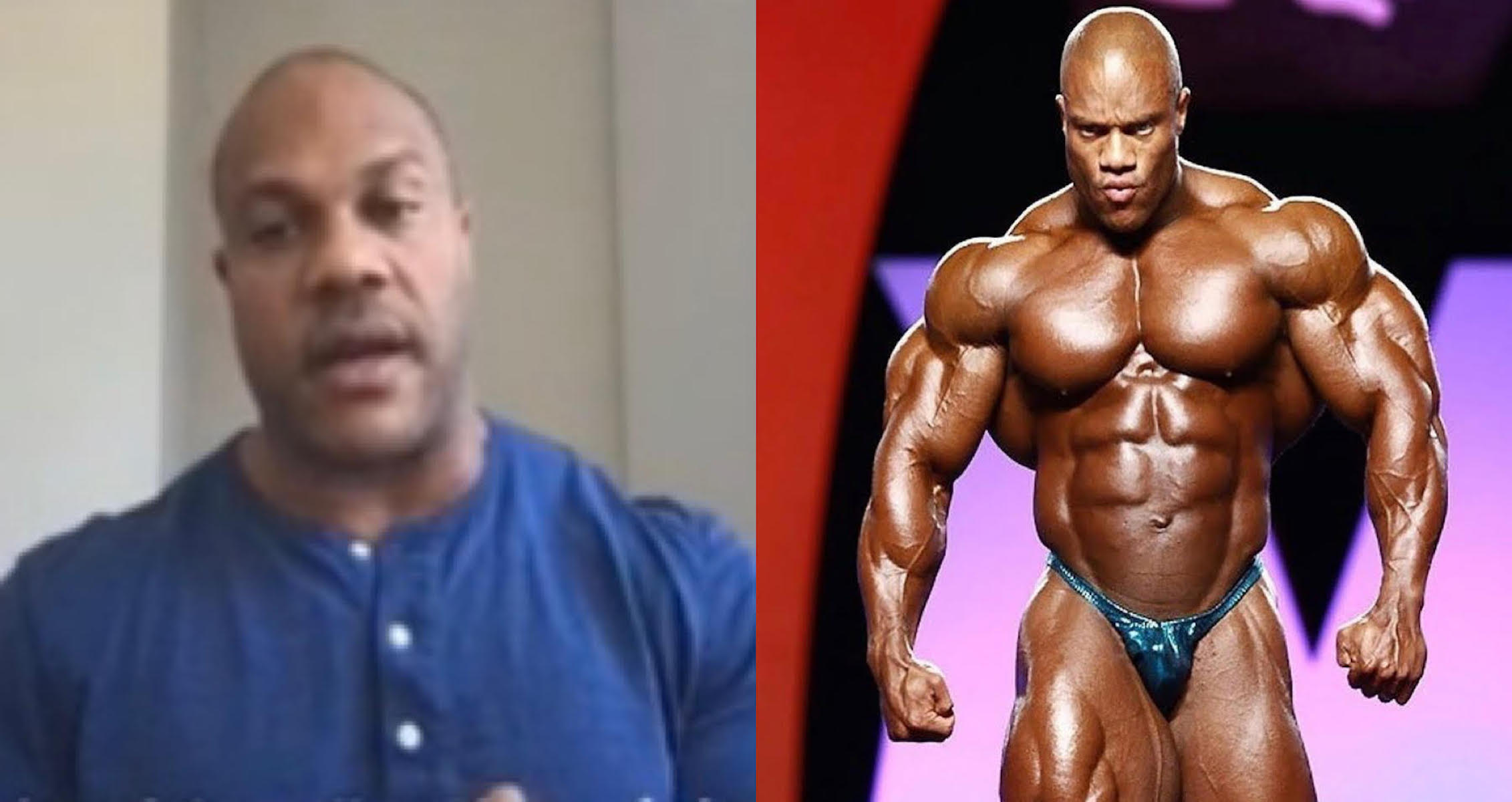
Phil Heath Discusses A Possible Return To Bodybuilding
Seven-time Olympia champion Phil Heath recently discussed his future in the sport.
Phil Heath put together a bodybuilding career that has him up there with the best of all-time. The seven-time Olympia champion continues to train and this has sparked conversation on a potential return to the bodybuilding stage. Also, Heath has not officially announced his retirement from the sport but he has not competed since 2020. Recently, Heath discussed the possibility of making more appearances in competition.
Heath joined The Lobliner Lowdown podcast to discuss his future. The main topic of conversation was Heath making a comeback and attempting to add more Olympia titles to his resume. The legendary bodybuilder broke it down even further that it is not about his desire to comeback but the path might be difficult.
It is not out of the ordinary for bodybuilders to deal with different injuries over the course of their careers. For Heath, he had to deal with issues from a very young age. He discussed how he was sent into hernia surgery at the age of 3 and this is something that he has dealt with over the course of his career — including the 2018 Olympia.
“Three weeks out, I was clinching up on my belt and I’m like ‘oh my gosh,’ I feel like something popped,” Heath explained.
“I called up Dr. Grishkin of Ohio and he’s just like, ‘basically you have a floating belly button. You got to figure it out, you got to just deal with it.’ That’s the information we can’t obviously have. When you compete, people are like ‘oh he’s distended.’ And I am like you try holding something that just popped and it erupted, like you have no feeling.”
Following the 2018 Olympia, Heath had to go through surgery to fix the problem. This is the year his streak of seven consecutive victories at the Olympia ended.
“I had to go right back into surgery, which was a much more extensive procedure because now they have to take both left and right side, bring everything together and then the mesh and the staples.”
This was a difficult recovery process for Phil Heath but he was able to make it back on stage in 2020, when he finished third in the Olympia. In 2022, Heath contracted COVID-19 and this caused him to lose weight and muscle mass. This can halt any bodybuilder in his tracks and is especially hard for one that has not competed recently.
Heath explained that the decision to make a comeback would require a large commitment. This is because he would have to get back into championship shape along with some personal decisions that could impact the decision.
“If you think about it, it’s not like, if you’re gonna do it, it has to be a three-year commitment. And what will you be giving up during those three years with business, relationship, family, all of those things? Excuse the pun but is the juice really worth that squeeze?”
Phil Heath does not have anything to prove in bodybuilding. He is already one of the best of all-time and is currently has the second most Olympia victories ever. This could be the motivation to make a comeback as he is just one behind Ronnie Coleman and Lee Haney, who are tied with eight a piece.
It remains unlikely that Heath will make a return to the stage but never say never. What we do know is that if there is a future in competitive bodybuilding, it will not be anytime soon for Phil Heath.
For more news and updates, follow Generation Iron on Facebook, Twitter, and Instagram.
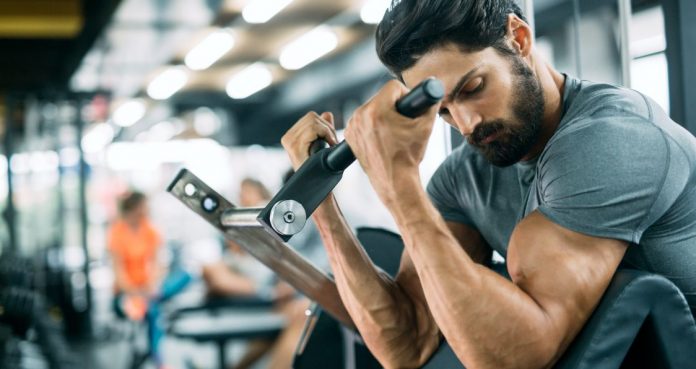
The Machine-Only Bicep Workout For Building Huge Biceps
This Machine-Only Bicep Workout Will Give You Intergalactic Gains
Big biceps have been the symbol of machoism and badassery for ages. Getting girls and building big biceps are two of the most common reasons why people get a gym membership. If building your guns was easy, everyone would be walking around with mountain like biceps.
Most people make the mistake of overly depending on dumbbell and barbells for building their pythons. Following the same workout routine can make you hit a plateau. You need to constantly shock your muscles to make them grow.
1. Cable Curls – 3 Sets 20 Reps
Cable curls are a great exercise for pre-exhausting your guns at the beginning of your workouts. Performing cable curls on a straight bar help with building overall size in your biceps. Cable curls are a substitute for the barbell curls.
Using cables helps you maintain a constant tension on your muscles throughout the exercise. While using the free weights, you have tension on your target muscle on the concentric movement but have no stress on the eccentric movement.
2. Cable Preacher Curls – 3 Sets 12 Reps
You haven’t experienced true isolation until you perform the cable preacher curls. Use the preacher curl machine if you have an access to it at your gym. Otherwise, set up the preacher curl bench on the cable machine.
Set the cable pulley and the bench so the weights don’t rack at the bottom of the movement. This will help in maintaining a constant tension on your biceps. Hold the straight bar at shoulder width and squeeze your biceps at the top of the movement.
3. Cable Rope Curls – 3 Sets 12 Reps
Cable rope curls are a substitute for the hammer curls. In hammer curls, you hold a dumbbell in each hand and your palms face each other. Hammer curls are incredibly effective at building the length of your biceps.
While performing the cable rope curls, make sure your elbows are locked in a position and you contract your biceps at the top of the movement. Keep the reps slow and deliberate to get the most out of this exercise.
4. Overhand Bicep Curls – 3 Sets 15-12-12 Reps
Most people neglect training their forearms. Not training your forearms can cause an imbalance between your biceps and forearms. Your workouts should be designed so they help you build muscle symmetry.
Use a straight bar for this exercise. Place your thumbs over the straight bar while performing this exercise. Doing this will force your forearms to recruit more muscle fibers to hold onto the bar.
5. High Cable Curls – 3 Sets 15 Reps
High cable curls are arguably one of the best bicep finishers. This exercise will help you in building a peak in your biceps. Most people let their egos get the better of them while doing this exercise. They put on more weights than they can handle.
Stand in the center of the cable pulley machine and hold a D-handle in each hand. Make sure your elbows stay fixed while you perform the curls. Pause for a second at the top of the movement and contract your muscles for optimal results.
Which is your favorite bicep exercise? Let us know in the comments below. Also, be sure to follow Generation Iron on Facebook and Twitter.