
Tag: Bodybuilding
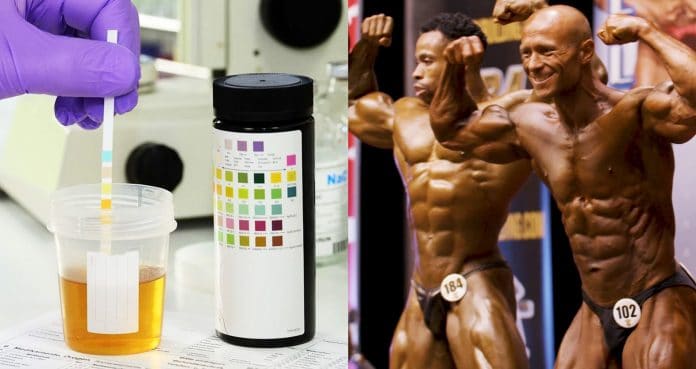
The World Anti-Doping Agency (WADA) Releases 2022 List of Banned Substances for Natural Athletes
The World Anti-Doping Agency (WADA) has released the 2022 list of banned substances for professional athletes.
The World Anti-Doping Agency (WADA) is the strictest drug testing standard in professional sports – the Olympics abide by this. WADA-compliant laboratories are superior enough to detect substances that may go unnoticed in other drug testing labs. The sport of natural bodybuilding prohibits drugs. Although, some natural bodybuilding organizations don’t follow the best drug testing procedures. However, the International Natural Bodybuilding Association (INBA)/Professional Natural Bodybuilding Association (PNBA) follows WADA guidelines. Here’s what INBA PNBA’s Instagram (IG) page said regarding WADA’s updated prohibited banned substances 2022 list:
“For the past 30+ years the INBA PNBA’s foundation has been built on belief and respect for Drug-Free Sports.
Providing an even playing field for Elite Natural Athletes is a passion of ours globally, and will forever continue to be.
WADA is the highest level of testing administered for professional sports with a sensitivity level to pick up significant amounts of performance enhancements.”
Thus, athletes that fail to obey these standards will get placed on the Hall of Shame – a public embarrassment collection with all INBA PNBA competitors that have failed a drug test. Additionally, they’ll be stripped of their title and prizes and never earn a multi-media deal with Generation Iron, INBA PNBA, and Iron Man Magazine.
You can see the INBA PNBA’s complete IG statement below. You’ll also see a snippet of the Hall of Shame and where to find the list of banned substances.
https://www.instagram.com/reel/CZvI8sAlY2J/?utm_source=ig_web_copy_link
Why WADA?
High Sensitivity Level
For starters, WADA is the most elite drug standard available for professional athletes. Also, drug tests often go unnoticed through other methods. For instance, the former 2021 Natural Olympia champion passed drug testing procedures in the United States Bodybuilding Federation (USBF). However, she failed the drug test administered at 2021 Natural Olympia, which inevitably led to her being stripped of her title and placed on the notorious Hall of Shame mentioned previously.
As the INBA PNBA stated, “WADA is the highest level of testing administered for professional sports with a sensitivity level to pick up significant amounts of performance enhancements.” As a result, WADA laboratories can detect substances that may otherwise go unseen in other methods.
Even Playing Field
Furthermore, since WADA is the best set of doping regulations for professional sports, it’s the only drug test that ensures an even playing field. Natural bodybuilders work hard for their physiques. Consequently, it’s only just that the winners play fair.
Below is a Generation Iron (GI) exclusive clip from GI’s film Generation Iron: Natty 4 Life. This take explains more of the drug testing process the INBA PNBA follows.
[embedded content]
Although some athletes and fans are skeptical if natural athletes are natural, INBA PNBA competitors are less likely to pass drug tests. INBA PNBA contenders are subject to in-season and out-of-season drug testing.
WADA Prohibited Substances
Click here for a complete breakdown of WADA’s 2022 list of banned substances.
Above all, WADA is the best set of drug testing standards accessible for professional athletes. And WADA is the metric the most renowned natural bodybuilding organization – INBA PNBA – uses. For sure, any athlete who fails a drug test can’t hide in the INBA PNBA as they do in other leagues. The Hall of Shame makes sure of that.
Follow us on Instagram, Facebook, and Twitter for the latest natural bodybuilding news!
The 7 Best Weightlifting Belt Exercises For Strength & Support
Boost strength, muscle, and support with a weightlifting belt for these monster exercises.
For serious lifters and athletes looking to stay as safe as possible in the gym, a weightlifting belt is one of those accessories that must be in your gym bag. While there are plenty of exercises you don’t need it for, having a quality belt on standby will better prepare you for those bigger, more monstrous lifts. Able to provide support and stability, while also being versatile and comfortable, the weightlifting belt can take you a long way.
The nice part about a weightlifting belt is that it is a convenient lifting tool that will only work for your benefit. And with our training plans loaded with massive lifts, the choice to protect yourself is a wise one.
We’ve pulled together some of those top exercises for you as a serious lifter to use a weightlifting belt with so you can better protect yourself and see huge gains.
Best Exercises For A Weightlifting Belt
Back Squat
Deadlift
Clean & Jerk
Overhead Standing Press
Front Squat
Barbell Rows
Bench
Back Squat
The back squat is a classic barbell exercise perfect for building strength and size in your lower body. As a great muscle builder, this is traditionally a staple in routines for serious lifters.
Using a weightlifting belt for this exercise allows you to better support your low back when under serious weight so you maintain form and stay physically healthy for heavy squats.
[embedded content]
Back Squat Benefits
Build lower body strength: This exercise works your quads, hamstrings, and glutes for effective muscle growth while also relying on your core for stability and optimal movement.
Increase power and explosiveness: With that increased growth, and the nature of the squatting movement, you can increase power and explosiveness for those sport specific movements and other bigger lifts.
How To Do The Back Squat
Rest the barbell on your traps and shoulders and have your feet shoulder width apart. With an engaged core, bend your knees while keeping your spine neutral, squatting down to your optimal range of motion. Once at the bottom, drive through your feet to return back to your starting standing position.
Deadlift
The deadlift is one of those powerlifting exercises that everyone loves to see huge PRs. A great muscle builder, this also improves power and allows you to maximize pulling movements.
The nice part about using a weightlifting belt is that it protects your back, which is often a casualty of this lift given the load you undergo.
[embedded content]
Deadlift Benefits
Total body strength: This lift builds strength in many muscles, including those upper and lower body ones, while building strength in a position that requires movement from your hips.
Improves functional strength: Given the nature of this movement, it will reduce your chances of injury and work to improve more functional and everyday movements.
How To Do The Deadlift
With your feet hip-width apart, grab the bar with an overhand grip and engage your core. Keeping your back flat the entire time, lift the weight off the floor, keeping the bar in contact with your legs the entire time. Hinging at the hips, pause for a brief moment once extend and lower back to the starting position.
Clean & Jerk
The clean & jerk is a powerful movement where you get that weight overhead quickly and safely. The two parts of this lift are the clean, getting the barbell off the floor, and the jerk, moving that weight into the finish position.
Given that this movement is quick and powerful, a weightlifting belt provides that much needed support to take any load off your back that can cause unwanted pain and injury.
Clean & Jerk Benefits
Better athletic performance: By combining strength and muscular endurance into one quick lift, you work to boost overall athletic performance and ability for other training session or competitions.
Enhance focus and mind-muscle connection: Given the nature of this lift, over time, you will improve focus and mind-muscle connection as you need to nail down form and stay engaged for the entire portion of this exercise.
How To Do The Clean & Jerk
With your feet hip-width apart, set your shoulders over the barbell. Initiate the clean portion of this exercise with an engaged core and neutral spine, pulling the bar up your legs as if it were like a deadlift. For the jerk portion of the lift, once the bar is at hip level, drive your hips and lift the bar across your body, rotating your elbows so the bar lands in a front rack position. Drive up from the squat and as you stay engaged, push the weight overhead. One foot may be set back a bit as you get balanced, but once comfortable, bring that foot in line with the other.
Overhead Standing Press
The overhead standing press is a great exercise to build shoulder strength and build some boulder shoulders to add to your physique. With this being an important lift to keep your core engaged, your back may feel strain as you lift more and more weight.
A weightlifting belt can come in handy here for keeping your core supported and taking some of that strain off your back.
Overhead Standing Press Benefits
Increase shoulder strength: Really build your shoulders with this exercise while also improving mobility by optimizing overhead range of motion.
Improve core stability: Your core is essential for staying stable and grounded and with this lift, you will feel your core getting work done in efforts to improve overall stability.
How To Do The Overhead Standing Press
Set up your bar with the desired amount of weight and stand with your feet shoulder width apart. Grab the bar so it is at about your upper chest and engage your core for stability. When ready, lift the bar overhead, extending your arms and locking them out at the top. Continue this overhead press movement for your desired number of reps.
Front Squat
The front squat is a great compound exercise to strengthen your legs and hips, similar to the back squat, except the bar is in front of you instead of on your back. This makes this lift a little more friendly on your spine yet still effective for building muscle.
A weightlifting belt is perfect for this lift to add stability and reduce even more strain that may hit your low back.
[embedded content]
Front Squat Benefits
Less back strain: Given the nature of the bar being in front, this does reduce back strain so you only feel more supported and able to lift more weight.
Improve leg growth: As a nice complementary lift to other exercises, this will build effective lower body growth, especially in your quads.
How To Do The Front Squat
Rest the bar across your shoulders in the front and tighten your core. Set your hips back as you engaged in the squatting motion, continuing down to your optimal range of motion. Drive through your feet and return back to the top of the lift.
Barbell Rows
Barbell rows are perfect for strengthening your lats as you seek a stronger and wider back. Great for people of all fitness levels, this allows for better posture while also increasing strength.
Using a weightlifting will better help you tackle those strength goals by keeping you more supported as you show your lats some attention.
Barbell Row Benefits
Stronger lats: Working to build better lat strength, you enhance those pulling movements while also building a bigger back.
Better posture: Working muscles often overlooked, this will reduce pain and start to fix that poor posture.
How To Do The Barbell Row
Standing in a medium stance and grab the bar with a neutral grip. Hinging at the waist, pull the bar to your chest. It is important to keep a tight core and neutral spine throughout this movement to alleviate any unwanted pain.
Bench Press
The bench press is another one of those lifts that we just love to see big numbers. Able to increase strength and size in our chest, this works for better pushing movements and can aid in a buff aesthetic.
While it might not be as common to use a weightlifting belt for the bench press, this can help alleviate arching in your back that takes place during really big lifts, thus preventing any unwanted injury that can keep you out of the gym.
[embedded content]
Bench Press Benefits
Stronger pecs: Building bigger and stronger pecs enhances pushing movements while beefing up your physique so others envy you.
Increase pressing power: Boost pressing power for other lifts and sport specific movements vital to your training and performance success.
How To Do The
Lie on the bench with your feet planted on the floor. Grab the bar with your hands a little more than shoulder-width apart. Arch your lower back slightly. While this is debated, an arched lower back can help keep the spine neutral and the back tight. Lift the bar off the rack and gently lower to your chest as you breathe in. Your forearms should be about 90 degrees from the ground as you touch your chest and with your feet planted on the ground, initiate the upward movement to return to the starting position.
Benefits Of A Weight Lifting Belt
The benefits of a weightlifting belt far exceed the potential downsides people think of when debating on using on. While a weightlifting belt may seem cumbersome to use, equipment companies today have started relying more on feedback to make these belts as accessible and comfortable as possible.
Benefits of using a weightlifting belt include:
Offer support and stability: These belts are not braces and will work to support your core when lifting heavy weight. Taking a load off your back, they can increase stability for better range of motion and an increased sense of control (1,2) while providing good intra-abdominal pressure and core support for those heavy lifts.
Prevent injury: By taking strain off certain areas, like your low back, you protect yourself against injury and work to reduce unwanted pain with the increased core support.
Allow for bigger lifts: With the increased support and stabilization, you can better tackle those lifts by putting on more weight for increased gains with proper form (3).
Comfortable and versatile: They are comfortable around your waist and versatile for optimal movement so you aren’t restricted when working on specific exercises and heavier lifts.
What To Look For In Weight Lifting Belts
Finding the right weightlifting belt can be challenging but the right one is out there. To start, consider whether you want a high-quality leather belt or a nylon one. A leather belt is a very popular choice and will provide great support for your core and low back during those heavy lifts.
Nylon lifting belts are more flexible and versatile but may not give you the same support as a leather belt. It really depends on the load and on you deciding between a leather belt or nylon but both will provide for the same width for the entire belt regardless when used with heavy weights.
Also, consider the point of attachment for your lifting belts being a prong stainless steel buckle, lever, or Velcro strap. Velcro will typically be associated with a nylon belt and the other options allow for more convenience and a snug fit, dependent on your style of belt and if you want Velcro belts for that extra support. It is really a personal preference.
Why A Lifting Belt Is Worth It
A lifting belt is worth buying, whether they be leather belts or nylon belts, because these are perfect for serious athletes or recreational athletes. With increased intra-abdominal pressure you get just the right amount of support to tackle any big lifts.
Made from quality materials, you will see why powerlifting belts, or those used by bodybuilders, work to keep you safe and why wearing a belt only works for your benefit. With helpful tips out there for how to properly use a lifting belt, you will better tackle these exercises above and work to boost your gains and all-around performance.
Check out our list of the Best Weightlifting Belts for more great lifting products for total support and gains!
Wrap Up
Weightlifting belts have the ability to boost your gains and allow for those bigger lifts. By keeping you supported and more stable, you allow yourself the opportunity to lift more weight to see that increase in strength you want most with excellent core support with higher weight. Without fear of injury, the right weightlifting belt will give you more confidence when under so much weight, increase core strength for better balance, and provide the ability to tackle maximal loads while wearing a belt. These exercises are perfect for using a weightlifting belt and you will see those results you want most with the right belt in your gym bag.
Let us know what you think in the comments below. Also, be sure to follow Generation Iron on Facebook, Twitter, and Instagram.
References
Miyamoto, K.; et al. (1999). “Effects of abdominal belts on intra-abdominal pressure, intra-muscular pressure in the erector spinae muscles and myoelectrical activities of trunk muscles”. (source)
Finnie, S.; et al. (2002). “Weight Lifting Belts: Motivations For Use”. (source)
Zink, A.; et al. (2001). “The effects of a weight belt on trunk and leg muscles activity and joint kinematics during the squat exercise”. (source)
Best Pre Workout Foods For Maximum Growth To Turn You Into A Beast
The best pre workout meals for max gains!
There are many individuals who believe that getting massive and jacked is all about how much weight you put on the bar, but the best pre-workout foods can take you a long way. While lifting big is true to some extent, there’s a lot more that goes into it. Whether you’re a professional bodybuilder or just your average gym rat, the reality is that when you’re looking to build up your muscle you need to have fuel. No, not gasoline you dolt. Save the petrol for your car and open up your eyes to the realities of fueling your body for a tough workout with the right foods and dietary supplements to optimize sports nutrition.
Eating foods that are going to provide you with that extra kick before you head to the gym can be paramount to whether you make some insane gains or if you simply remain skinny or fat. Sure, you could head to the gym without eating anything, try to lift like a madman and find that you break under the pressure. The reality of the situation is that in order to have consistent energy for your workouts it requires eating foods that are going to provide you with that extra kick.
For the natural bodybuilder who is trying to avoid consuming pre workout powders, consuming whole foods are going to be a priority. But in order to see the best kind of results, consuming the right kind of macronutrients is going to be paramount to success. We all know what the macronutrients are by now, namely carbohydrates, fat, and protein. Each nutrient has it’s specific usages.
The Power Of Macronutrients For Pre-Workout Meals
Making sure we cover our balance of macronutrients is incredibly important as you seek the best for all your gains. With the proper intake of protein, carbs, and fat, you will ensure the best gains and see the desired growth you want most. For that pre-workout push, this will for sure give you the best when looking to optimize all your gains and lose weight.
Carbohydrates
Consuming the right kind of carbs before a challenging workout is extremely important for a number of reasons. For one, it makes a great energy source that allows the human body to push itself to new heights (1). You can’t simply eat a piece of chicken and think your body is going to go into overdrive. The idea behind eating carbs is to eat the right kind of carbs for the right occasion. If you’re someone looking do a ton of cardio, then you’re likely to consume a mix of slow burning and fast burning carbohydrates.
Slow burning carbs (carbs with a low glycemic index) such as legumes, beans, whole grain breads, and pastas can contribute to slower released energy throughout your exercise. That means glucose is slowly pumped into the muscles. So if you plan on going for a long run or doing activities that consist of a ton of cardio work, then this type of carbs will be a good option for the top quality pre-workout meals.
Fast burning carbs (carbs with a high glycemic index) are foods with a higher sugar content and contribute to energy being released faster throughout your exercise. This can include some fruits, yogurts, white breads, and pastas. Glucose is released into the muscles far faster than low glycemic foods and can be great if you’re trying to get a really good pump.
Understanding the differences between these two types of carbs are paramount for getting the right kind of energy for your particular workout. Those easy to digest carbs can enhance muscle function, and in tandem with protein, inhibit muscle breakdown to only amplify your workout routine.
Fats
While carbs are often the go to source for energy, fats can also be utilized as an energy source as well. But as far as the best food for pre-workout are concerned, using fats as your sole energy source can be a bit more problematic. Since fats are digested far slower than carbohydrates, consuming too much before a tough workout can end up making you feel lethargic. That’s not to say it can’t be done, it’s just that you have to choose your fats wisely.
Protein
Consuming protein before a grueling workout is a great idea to ensure proper protein intake. While it may not be an energy source, the reality is that if you’re going to be pushing your body to the limit, you’re going to want to prevent muscle catabolism. Enter protein, the key ingredient to building strong, quality muscle.
Most often associated with those post-workout needs for muscle mass and muscle recovery (2), it does not hurt to put protein into your pre-workout meal to keep that macro balance as high as possible. Plus, you can get some great fuel too with essential amino acids and quality protein shakes to increase muscle protein synthesis and boost athletic performance.
Importance Of Timing For A Pre-Workout Meal
Keep in mind that what time you consume your foods is also of paramount importance, especially with a hard workout. If you’re looking to workout within a thirty minute window of consuming your food then high glycemic foods are going to be your best bet. But if you’re looking to train about two hours after your meal, then consuming lower glycemic foods are a better bet so that your energy stores stay full long enough until you’re ready to get into the gym (3).
So what are some of the best pre workout foods you can eat to maximize your growth? Well, take a look at the list below to get some unique ideas for your pre workout food nutrition.
High Glycemic Options
To make sure you make the most of your pre-workout needs, those high glycemic options can better fuel and prepare you for a long workout ahead. Let’s take a look at some high glycemic options to better prepare you for all of those intense workouts.
Bananas
Bananas are a great source of natural sugars, simple carbohydrates and potassium. This food is on the higher end of the glycemic index so consuming a banana around thirty minutes to an hour before your workout is a good idea. Potassium will help when it comes to preventing cramps to keep you operating at a higher level.
Greek Yogurt and Dried Fruit
Dried fruit is high in sugar and high in calories. It shouldn’t be a consistent go to, but when used correctly it can be a very effective energy source, especially when mixed with Greek yogurt. It’s one of the best pre workout foods you could consume because while the dried fruit provides a carb energy boost, the Greek yogurt provides some great protein to bolster your gains. You’re going want to consume this an hour to an hour and a half your workout.
Fruit Smoothies
Many people think fruit smoothies are great tasting and super healthy. While smoothies pack a nutritionally dense punch, they also contain a ton of sugars including fructose. That means high calories. However, consuming a fruit smoothie pre workout is one of the best pre workout foods you can consume with fast acting glucose. Plus, to cover those protein needs, you can always add a scoop of whey protein or other great powders as well to make great protein shakes.
Apple Wedges and Peanut Butter
Sliced apple wedges with a small spread of peanut butter is a simple and effective way to get some energy before hitting the gym. If you’re looking for an easy snack that’s one of the best pre workout foods around, then consume this thirty minutes before your workout to be sufficiently energized. And who doesn’t love this great tasting snack!
Low Glycemic Options
While knowing of high glycemic options, we also wanted to share some lower options so you can better have a handle on a variety. Knowing what is available to you will help make those decisions just that much easier.
Chicken, Rice and Vegetables
This is a bodybuilding classic for a reason and one of the best pre workout foods you can ask for. Combining a good source of lean protein and complex carbs this meal promotes anabolic growth and is a slow releasing energy source. Eating this meal two to three hours before training is advised for full digestion and no workout discomfort.
Porridge and Oatmeal
Porridge and oatmeal are a great pre workout breakfast. The meal contains complex carbs and provides soluble fiber. Consuming oats two hours before a workout will satisfy your hunger throughout your training and provides great slow releasing energy. Try adding a scoop of protein powder to ensure growth and obtain muscle protecting amino acids.
Whole Grain Bread, Sweet Potato, and Brown Rice
Wholegrain bread, sweet potato, and brown rice are great sources of complex carbohydrates that should be consumed up to three hours before your training. Combining these foods with a good source of protein will give you great energy for a longer session. The protein will provide protection for the muscles and aid in potential muscle growth.
Omelette
What’s a better protein source than eggs? It’s one of the best sources you can find and that’s why an omelette before training can give you a great muscle building boost. It’s one of the best pre workout foods you could ask for. Consume an omelette two to three hours before a workout get some great energy, promote bigger muscle tissue and growth, and allow for the digestion of all those great nutrients.
Final Thoughts
The best pre-workout foods will better prepare you for any workout ahead. With the right balance of macronutrients, you will set yourself up with carbs, protein, and fat so all those nutritional needs are covered with the right pre-workout foods. Knowing specific food options are key for these will help structure your diet and nutrition plan for you can meal prep and not worry about the hassle of preparing food. Making life easier on yourself will allow to thrive inside and out of the gym. Try these pre-workout foods and watch those workout gains take off, especially when mixed with post-workout nutrition.
Let us know what you think in the comments below. Also, be sure to follow Generation Iron on Facebook, Twitter, and Instagram.
*Images courtesy of Envato
References
Jequier, E. (1994). “Carbohydrates as a source of energy”. (source)
Pasiakos, S.; et al. (2015). “The effects of protein supplements on muscle mass, strength, and aerobic and anaerobic power in healthy adults: a systematic review”. (source)
Jamurtas, A.; et al. (2011). “The effects of low and high glycemic index foods on exercise performance and beta-endorphin responses”. (source)
Straight Facts: Do You Really Need To Train To Failure?
[embedded content]
Jerry Brainum breaks down the straight facts on training to failure and if it’s necessary for optimal muscle growth.
Training to failure is a concept that is often talked about in bodybuilding, strength sports, and weightlifting. The basic concept is all in the phrase – you must train so hard that you cannot physically lift any further. The theory is that this pushes your muscle fibers to such a level that you get the best muscle growth possible. But does the science back up the claims? In our latest episode of Straight Facts, Jerry Brainum dives deep into training to failure.
There’s no questioning that training to failure works – Jerry Brainum confirms the statistics back up as much – but is it necessary? Or can the same results be obtained without having to train go failure? Training to failure is easier said than done. In actuality, many people who claim to train go failure don’t actually reach it. The training strategy requires a truly focused and powerful mind – as hitting failure is extremely painful.
The reality is – training to failure requires a person to lift past their perceived limits. When they feel like they can’t do anymore, that’s the exact moment they need to keep pushing. Training partners help motivate to get to this level. But there are still many who don’t actually reach that point.
Luckily, according to Jerry Brainum and his research, there are other ways to build massive muscle just as optimally as training to failure. Let’s break down what training to failure actually accomplishes – and how other training tactics can do something similar.
What Happens When You Train to Failure?
There are two important types of muscle fibers – Type 1 and Type 2. Type 1 fibers are connected more towards strength endurance. These are the first fibers to be hit when you lift weights. They lead to the least amount of physical growth – but can certainly still improve your physique and help make you stronger.
Type 2 fibers are were the real massive growth happens. Unfortunately, if you don’t train hard enough these fibers will barely even be affected. That’s where training to failure comes in. Pushing that far will hit these vital fibers. This leads to real deal massive growth.
As Jerry Brainum puts it, if you are lifting lighter weight with higher volume – you will need to train to failure. If not, you won’t build the kind of massive muscle you may be seeking and plateau quickly.
However, Type 2 muscle fibers can be reached an alternative way. Increasing to heavy weight will hit Type 2 fibers. By heavy, we mean a big increase in the kind of core weight you typically lift. When lifting heavy weight, studies have shown that Type 2 fibers are activated without hitting failure.
Should You Lift Light to Failure? Or Heavy?
So which tactic works for you. Also of note – there are many other types of training tactics but for the topic of this discussion we will talk about the big categories of lifting heavy vs lifting light.
Jerry Brainum explains that it largely comes to what works for your individual ability. Some people have the fortitude to train and push to failure. Others would rather lift heavy weight than push so far. However, there are some things you should consider.
Jerry Brainum warns that consistently training heavy (not to failure) over the long term will lead to joint problems and possible future injury. Old school bodybuilders like Dorian Yates loved to train heavy to achieve his legendary physique. But it comes at a cost.
On the flip side, if you do high volume light training – you run the risk of not actually reaching failure. Wasting your time and becoming frustrated once you hit a plateau.
That’s why Jerry Brainum suggests periodization.
What is Periodization?
Jerry Brainum explains that periodization is the act of cycling through different training styles over a long term schedule. So instead of only lifting heavy or light, you lift light to failure for 3 months, then switch to lifting heavy not to failure for 3 months, then repeat. This tactic helps prevent you from mentally burning out. It also helps prevent your body from adapting to one style.
Variation in a workout routine is vital to breaking through plateaus – so this training schedule can be very helpful to reaching goals as optimally as possible.
You can watch Jerry Brainum break down training to failure in full detail in our latest episode of Straight Facts above. Also make sure to stop by every Wednesday for new episodes of the podcast!
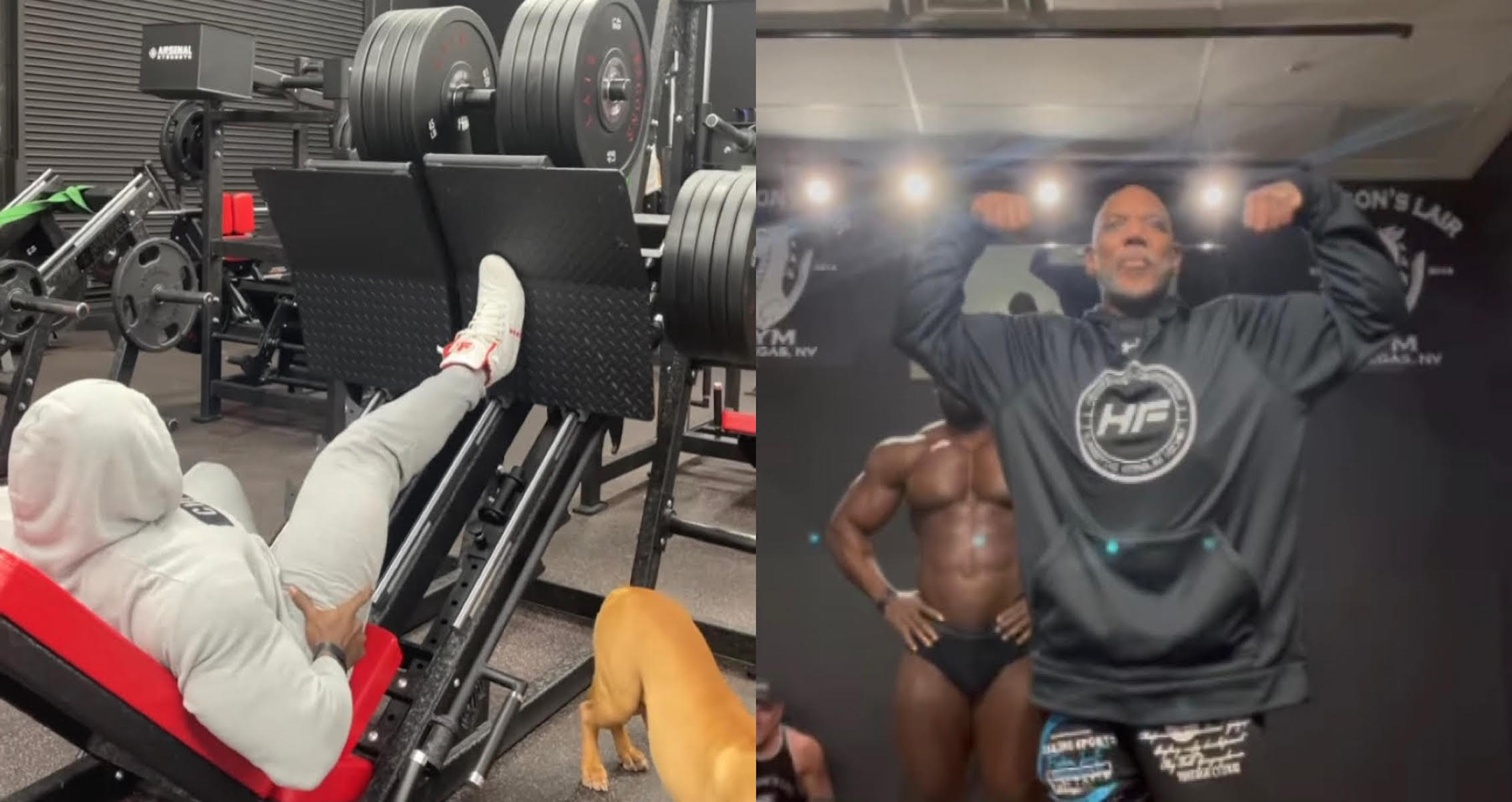
Andrew Jacked Trains Legs, Gets Posing Tips From Flex Wheeler
Flex Wheeler took some time to give advice to Andrew Jacked ahead of his next competition.
Andrew Jacked is preparing to turn some heads during the 2022 Arnold Classic Amateur coming up. The winner of the show will earn his Pro Card and qualify for the 2023 Arnold Classic. Recently, Jacked was seen training with a legendary bodybuilder who knows a thing or two about the Arnold Classic. Flex Wheeler joined Andrew Jacked for a leg day and shared some posing advice following the session.
Wheeler won the Arnold Classic four times during his illustrious career. He is still active in the bodybuilding world sharing his wisdom and this time, it was with one of the up-and-coming talents. Jacked has been working with Wheeler, and Milos Sarcev, as he attempts to earn his Pro Card at the Arnold Amateur.
Andrew Jacked took to Instagram to show a massive leg day, along with some posing, with Wheeler.
“Heavy presses, Light Presses Same Reps Same Mentality Same Goal. Stay Focused on The Mission!
Yesszzziirrr !!!@officialflexwheelerFlex wheeler athlete”
Flex Wheeler does not train Andrew Jacked regularly but this is not the first time that the duo has gotten together. Back in December, the two were seen together as Jacked was preparing for what could be a special 2022 season. He has a chance to have a massive year that involves his Pro Card and an automatic qualification to the second biggest bodybuilding show of the year.
It is clear that Andrew Jacked has focused on his legs as an area of improvement. There are noticeable changes to his quads and hamstrings over the last few months. Jacked is not shy about posting physique updates and when he does, he looks better than the one before. This is important as he enters the 2022 season leading up to the Arnold Classic Amateur.
Jacked has not hesitated to reach out to some of the biggest names in the sport and this is not a bad path to take. Wheeler has competed at the Olympia seven times taking home four top-three finishes, including three silver medals. He is one of the best Arnold Classic competitors ever with four victories. He trails only Dexter Jackson, who won the event five times.
Andrew Jacked looks the part of an IFBB professional and he will have a chance to take that final step. With the help of Flex Wheeler and other bodybuilding legends, Jacked could be ready to win the Arnold Classic Amateur.
For more news and updates, follow Generation Iron on Facebook, Twitter, and Instagram.
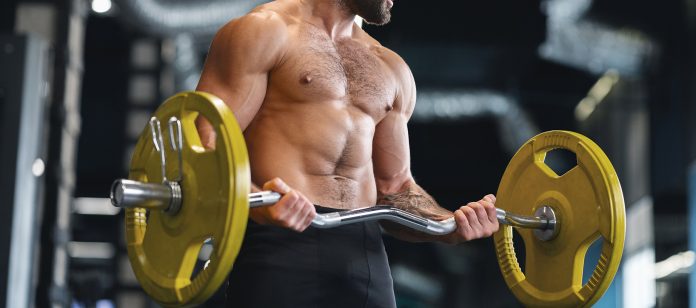
Getting Yoked on the Keto Diet
Getting Yoked on the Keto Diet.
It seems that every couple of years a new fad diet pops up and takes the country by storm. Atkins, Paleo, the Mediterranean diet, and now we have the Keto diet, all of which promise incredible results in a short amount of time. The key difference here is that beyond the anecdotal evidence that comes with any new diet craze, the Keto diet has sound science backing it, and truly does seem to be effective in weight loss.
But why is the Keto diet catching on so quickly in bodybuilding culture? Of course people want to shed as much extra fat as they possibly can to show off their hard-won gains, but is the Keto diet effective when trying to build muscle? Here is a quick rundown of how and why ketosis might be one of the best diets out there for getting absolutely shredded.
Understanding How Ketosis Impacts Your Body
The Keto diet is different than a majority of the other diets you run into. The reason for this is that the Keto diet actually changes how your body uses energy as opposed to other diets that simply limit or cut out certain foods. While a diet high in fats might seem counterproductive when you’re trying to lose weight and shed fat, it is actually one of the keys to how ketosis actually works.
Your body loves carbohydrates. The energy contained in carbohydrates is easily accessible to our bodies, and is broken down into glucose or glycogen for immediate use or later storage. When you cut carbs out of your diet, it in a sense “scares” your body into burning fat as an energy source. This process is called ketosis and results in your body breaking fats down into ketones, which replaces glucose as an energy source.
Now, this switch in how your body acquires energy doesn’t occur right away. First, your body will use all of the remaining glucose available that is stored in the liver before it begins processing stored fats. While there are plenty of testimonials about how effective the Keto diet is, many fail to really hammer home the point that you have to stick with it for an extended period to see real results.
As soon as you introduce more readily accessible energy into your body, ketosis will cease and your body will go back to breaking down carbohydrates. So, how does this whole process affect how we build muscle?
Boosting HGH Naturally
First, it is incredibly important that you consume enough fat while you are on the Keto diet, because if your body doesn’t have fat to process, it effectively goes into starvation mode and begins to break down muscle. Now, if you’re trying to get ripped, this is extremely counterproductive. Luckily, if you follow a strict ketogenic diet, there is an interesting side effect that relates directly to getting absolutely yoked.
Everyone’s body produces Human Growth Hormone, or HGH. The production of it tends to slope off as we get older, but one look at Sylvester Stallone will show you just how effective HGH is to building muscle at any age.
While it is possible to do injections of HGH, the safest course of action is to take steps to increase your HGH production naturally. In order to kickstart your body’s production of HGH, you need to tweak your sleep schedule, diet, and workout routine. The Keto diet by nature will cover the dietary needs for HGH production.
Cutting out sugar and engaging in intermittent fasting are both key to boosting HGH production in your body, both of which are huge components of the Keto diet. Increasing the amount of sleep that you get each night is also critical.
Finally, for an even greater boost to muscle building HGH production, certain foods like steak, yogurt, raw fish, and oats all contain compounds that encourage the production of HGH in your pituitary gland.
Staying Healthy
So, now that you know how the Keto diet helps you lose weight while also increasing your body’s production of HGH, there are some precautions you need to take. The Keto diet can actually be fairly dangerous if you are not careful, and has a slew of side-effects you should be aware of. The reason for this is due to the nature of ketosis; you are essentially rewiring how your body functions at a basic level.
“The Keto Flu” is real. You’ll notice that for the first couple of weeks on starting the Keto diet that you will feel sluggish, irritable, and generally fatigued. This is due to your body struggling to adapt to operating off of ketosis.
This is also followed by another, less pleasant side-effect dubbed “Keto-diarrhea.” This occurs because the gallbladder, which helps to process fat, becomes overloaded, or because when cutting out carbs, an insufficient level of fiber was added to counter the effect.
You may notice that you have a dry mouth and skin, persistent headaches, feeling lightheaded, all of which are warning signs that you are not drinking enough water and becoming dehydrated.
Dehydration is exasperated by a bad case of diarrhea, and many folks are sent to the emergency room due to a misguided thought that if you drink less, you will experience less diarrhea, when the exact opposite is true. Chronic dehydration can damage your circulatory system, not only causing long-term health issues, but harming the insane vascularity you’ve worked so hard for. Drink more water, especially during ketosis!
Finally, on any limited-food diet like the Keto diet, you may have issues getting all of the vitamins and minerals you would normally get through a more varied diet. While the Keto diet does have you eat a decent amount of leafy greens, restrictions on certain vegetables can leave you with a deficiency of vital nutrients.
Yes, you can go through and figure out how much of what to eat in order to obtain those missing vitamins and minerals, but the easier route is to simply supplement your diet with multivitamins. This will keep you healthy while you shed fat and pack on muscle!
For more news and updates, follow Generation Iron on Facebook, Twitter, and Instagram.
Ross Cowan lives in Boise, Idaho with his wife and his dog Mosey. He spends his free time camping at Bear Lake, hiking sections of the Idaho Centennial Trail, white water rafting down the Middle Fork of the Salmon River and Hell’s Canyon. You can follow Ross on his Twitter @RossCowanWrites.
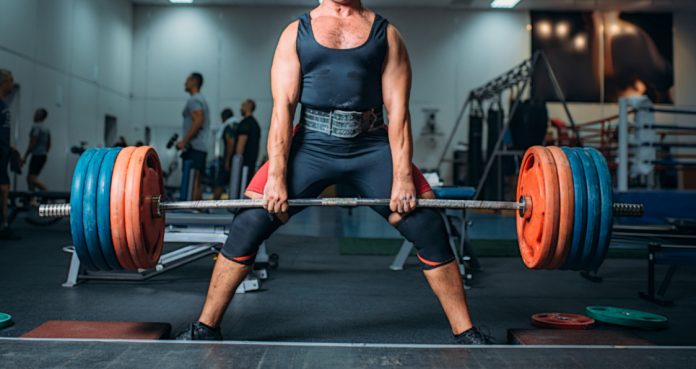
Different Types Of Deadlifts You Should Be Doing
5 Different Types of Deadlifts You Should Try
Deadlifts are a compound (multi-joint) exercise which helps in building muscle mass and strength. Just like with the squats, people gravitate away from performing the deadlifts since they can exhaust you completely in a couple of sets.
While there are many different variations of deadlifts, most people stick with the conventional deadlifts leaving a lot of gains on the table. You should perform the deadlifts at the beginning of your workouts as it pre-exhausts your back and you don’t have to perform other heavy compound exercises later in your workouts when you’re fatigued.
1. Sumo Deadlifts
Sumo deadlifts should be a welcome change from the conventional deadlifts. Like the sumo squats, the sumo deadlifts involves placing your feet at a wider stance with your hands inside of your feet.
Since the sumo deadlifts decrease your range of motion, you can lift heavier weights. The main focus muscle groups while performing the sumo squats are your quads, hams, and glutes. While doing this exercise make sure you’re not lifting the weights with your back, your legs should be your focus muscle group.
2. Romanian Deadlifts
Romanian deadlifts are also known as stiffed legged deadlifts. They target your hamstrings and most people prefer doing this exercise on their leg day. You should maintain a slight bend in your knees while performing this exercise.
Bring the barbell down by pushing your hips back while keeping your back straight. Keep your legs stiff and focus entirely on your hamstrings. Think of your hams as chains used to lift and lower your upper body.
3. Deficit Deadlifts
Deficit deadlifts are used to increase the range of motion while performing the deadlifts. You follow the conventional deadlift form and grip while performing this variation. The only difference is, you stand on an elevated platform.
Deficit deadlifts can be a great exercise if you want to bring up your legs as there is a lot of leg recruitment in this exercise. Since you have to pull the bar through a greater range of motion, proper leg drive is essential.
4. Snatch Grip Deadlifts
The snatch grip deadlifts are a type of an Olympic exercise. In this exercise, your hands take on a wider grip like you would take while performing a complete Olympic snatch. This exercise works your hamstrings.
The snatch grip deadlifts will give you a stronger base for performing the Olympic snatch. You should increase the weights on the barbell incrementally as lifting heavier weight than you can handle can cause a back injury.
5. Chains and Bands Deadlifts
Chains and bands deadlifts will test what you’re made of. Bands and chains put added tension and weight at the top of the deadlift, which forces you to concentrate on the lock-out position. Lifting with chains and bands on the barbell will put extra tension on your core.
You will experience added resistance at the top of the movement since the chains are completely off the ground and the bands are stretched to the max. The added resistance will be taken off the barbells as you lower the weights. If you practice deadlifts with bands and chains, you’ll feel much more stable when you’re doing straight weight.
Which is your favorite deadlift variation? Let us know in the comments below. Also, be sure to follow Generation Iron on Facebook and Twitter.

The Upper Body Workout Men’s Classic Physique Athlete Henrik Edstrom Does Weeks Before Natural Olympia
Men’s Classic Physique INBA PNBA athlete Henrik Edstrom demonstrates upper body workout weeks before the 2021 Natural Olympia.
Choosing the right upper body workouts is imperative for the results you want. The correct movements are even more critical for natural bodybuilding INBA PNBA professionals since they compete against the most elite natural physique athletes on the planet. In certain parts of the year, natural bodybuilders will focus more on cutting or bulking, and the same can be said for the different exercises athletes do to prep for competition. Depending on the time of year and the muscle group a natural bodybuilder is focusing on, will determine which exercises they do.
As the biggest natural bodybuilding event globally – Natural Olympia – approached in 2021, Men’s Classic Physique competitor Henrik Edstrom demonstrated on social media what a total upper body workout session looks like for him.
In an Instagram (IG) post on Ocobober 26, 2021, Henrick Edstrom said:
“Upper body focus. Great session today. Have been able to add weight consistently on all lifts over the last 3 blocks despite cutting BF. Less than 3 weeks out from the Natural Olympia.”
Henrick Edstrom’s workout helped him clinch a top ten spot (seventh) in the Men’s Classic Physique division at 2021 Natural Olympia.
Henrick Edstrom’s Natural Olympia Upper Body Workout
Below is the upper body workout Henrick Edstrom performed just three weeks before the 2021 Natural Olympia.
Upper Body Focus Workout
– Warmup, mobility
– Jerk prep
– Jerk technique (light) 5×2
– Close-grip pulldowns 4×8
– Bench 5×5
– Seal row 4×8
– Inc DB curl 3×12
– Rope pushdown 3×12
– BFR Biceps/Triceps circuit (3 rounds)
– BFR Delt circuit (3 rounds)
– 1/2 Murph (BW only)
*Note: Henrick Edstrom wrote the movements on IG.
You can see IG clips of Henrik Edstrom performing his workout below.
https://www.instagram.com/p/CVe2VxpLRvR/?utm_source=ig_web_copy_link
Henrick Edstrom blended an excellent mix of compound, isolation, and Olympic movements for his upper body workout before hitting the Natural Olympia stage in 2021. He performed big compound movements for his chest and back like barbell bench press and barbell seal row. And he mixed in cable rope tricep extensions to target his triceps. Edstrom also made sure to include the Olympic lift jerk press for an explosive movement targeting his whole body.
Natural Olympia
Natural Olympia is home to the most significant natural bodybuilding competition worldwide. And it’s no surprise that it’s hosted by the INBA PNBA – the most prominent natural bodybuilding league. INBA PNBA competitors train for many bodybuilding shows throughout the year, but Natural Olympia is the one they want to show up in the best conditioning. It’s the Super Bowl for natural bodybuilders. And doing well at this show will increase athletes’ chances of signing a muli-media deal with Iron Man Magazine.
Generation Iron (GI) had an entire camera crew on the ground capturing the best moments at 2021 Natural Olympia held November 11-13th, 2021. Below you can watch a behind-the-scenes Generation Iron clip.
[embedded content]
Follow us on Instagram, Facebook, and Twitter for more tips from the top natural athletes!
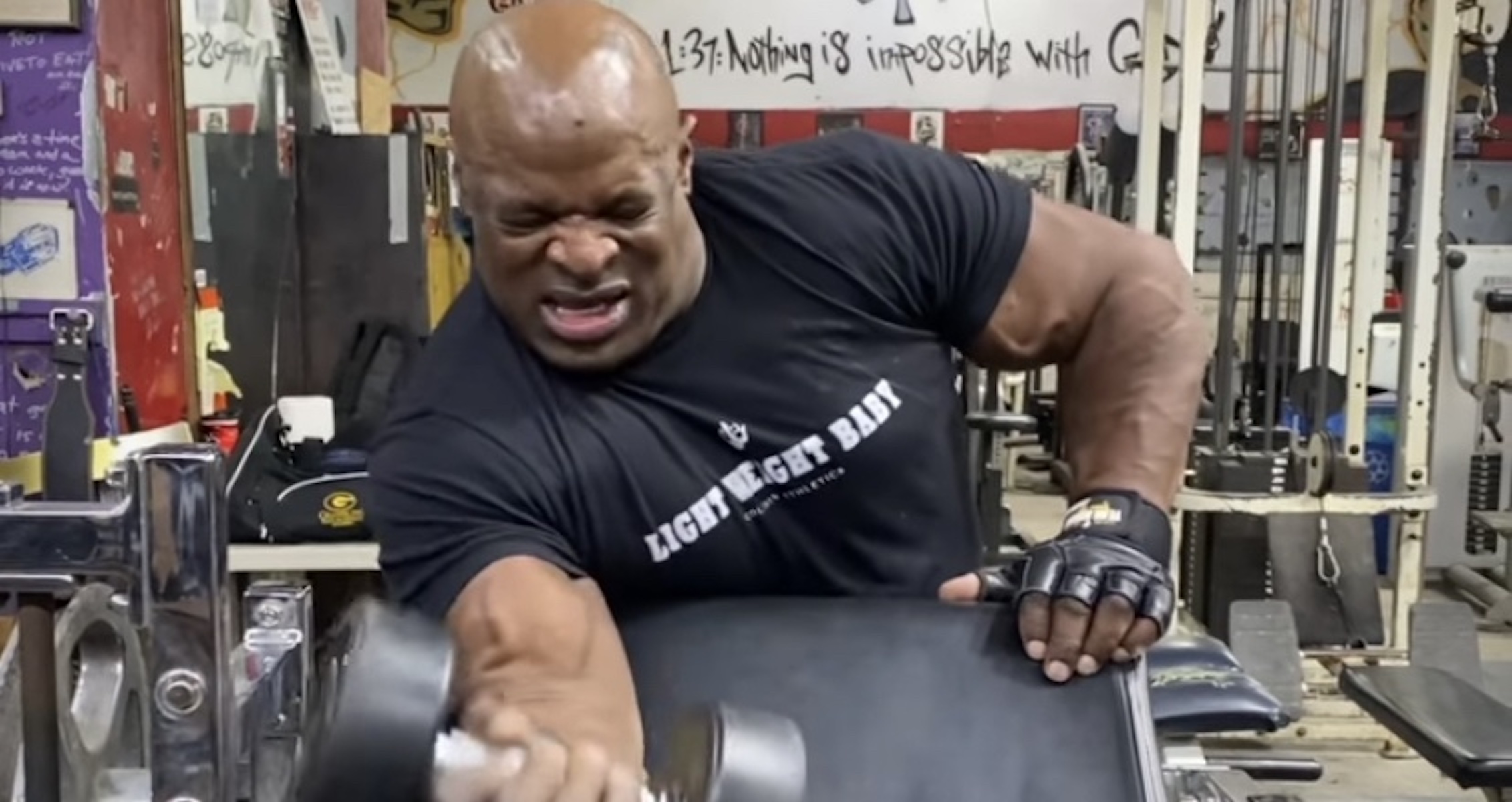
Ronnie Coleman Shares Workout Video Showing Massive Arms
Ronnie Coleman is continuing to look massive in the gym during workout sessions.
Ronnie Coleman is one of the best bodybuilders of all-time and continues to be an influential voice in the sport. Even during his years off the stage, Coleman has made sure to keep his physique in great shape. He recently showed it off with a workout video where he is pumping up his arms and looking massive.
Coleman shared the video on Instagram where he is seen performing bicep curls. He is now 15 years removed from his final Olympia competition but that has not stopped his progression in the gym at 57 years old.
“yeah Buddy, we got those Lightweight Baby t-shirts in Blurry. Sometimes your vision is blurred when lifting those Lightweights Baby!!!! Go to ronniecoleman.net to get yours.”
Ronnie Coleman completed upwards of 20 reps with each arm. He is currently training six days a week and completes stem-cell treatments. Thanks to his recent work in the gym, Coleman has been able to bulk up to 285 pounds. This is an incredible feat after some health risks that have kept Coleman out of training.
Since 2017, Coleman has went through 13 surgeries. There are still some effects from those surgeries but Coleman has been able to get himself the necessary treatment to continue his good health. This is no surprise given his passion for fitness and drive in the gym.
Ronnie Coleman sported a physique during his prime that is almost unbeatable. He won eight consecutive Olympia titles from 1998-2005. These are included in his 26 total victories as an IFBB professional. In 2006, Jay Cutler defeated Coleman and put an end to his streak. His final Olympia came in 2007, where he placed fourth. Even after retiring from competition, Coleman continues to make an impact.
During the 2021 Arnold Classic, Coleman was given the Lifetime Achievement Award from the event. He gave a speech that will not soon be forgotten. He recently had a chance to reflect on that moment and describes it as extremely difficult and emotional. Coleman was the right choice for the award last year because of all he has gone through and his perseverance to improve his health.
This recent workout video shows that Ronnie Coleman continues to be a freak of nature. Despite multiple surgeries, the legendary bodybuilder has figured out was to keep his body in tremendous shape.
For more news and updates, follow Generation Iron on Facebook, Twitter, and Instagram.
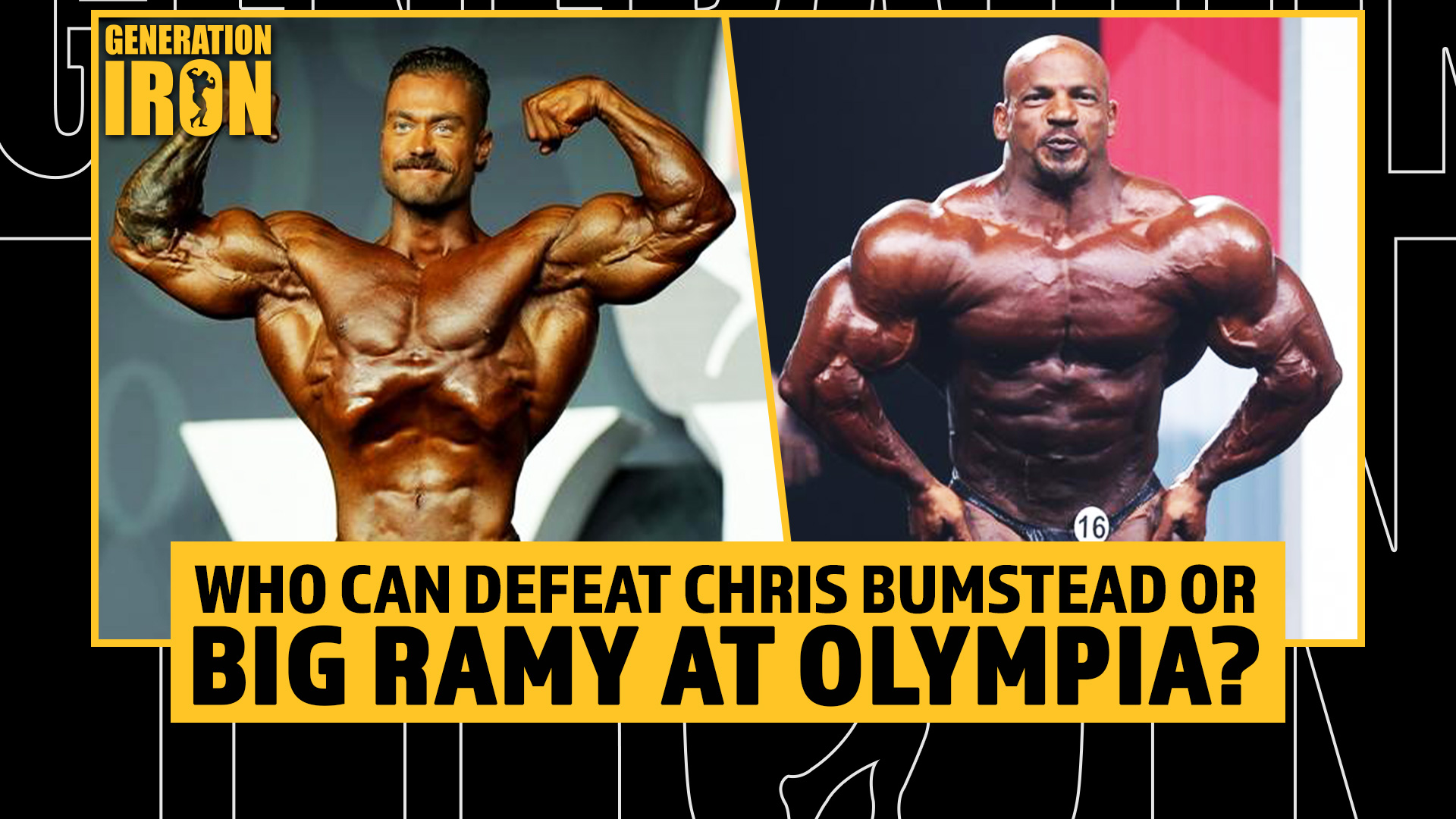
Stanimal Answers: Who Can Beat Chris Bumstead Or Big Ramy At Olympia?
[embedded content]
Stanimal weighs in on the prospective bodybuilders who can possibly defeat Chris Bumstead or Big Ramy in the near future.
Stanimal De Longeaux has the distinction of competing in the Classic Physique division and later moving into Mens Open. So during our latest conversation – we wanted to know his take and analysis on both the current Classic Physique and Men’s Open Olympia champions. Both Big Ramy and Chris Bumstead seem near unstoppable. Is there anyone in each division who stands a chance of taking down one of them in the near future? In our latest GI Exclusive, Stanimal shares his thoughts on who can defeat Chris Bumstead and Big Ramy at the Olympia.
Both Chris Bumstead and Big Ramy have one major thing in common. Not only are they both reigning Olympia champions, they both are held in high regard as nearly unstoppable compared to their competition. Will Bumstead and Ramy both be reigning Olympia champions for years to come?
We asked this very question to Stanimal in our latest video conversation. Having trained as both a Classic Physique and Men’s Open bodybuilder – he can bring in his direct insight as to who has the goods to take down Chris Bumstead or Big Ramy. Is there anyone who can challenge them in the immediate future? 2022? 2023? Or will it take years before someone can muster up the package to take them down?
The glory of sports is that nothing is impossible. Ronnie Coleman, for example, was seen as a non-threat and suddenly transformed over the course of one year. He then became Olympia champion and held onto it for a total of eight Sandows. Many consider Big Ramy and Chris Bumstead untouchable right now. But that doesn’t mean it’s 100% impossible for them to lose.
When it comes to Classic Physique, Stanimal believes the future will come in the form of the Brazilian athletes. He’s seen many rising stars coming from Brazil that, with a little time, can bring in some huge transformation when it comes to the top tier details. He wouldn’t be surprised if the first person to threaten or even take down Chris Bumstead will be from Brazil.
As for Big Ramy, Stanimal believes the most immediate threat is Hadi Choopan. Stanimal is confident that Choopan can be a Mr. Olympia champion. While his height and overall size might be a hurdle to overcome – his high placing shows just how talented and hard working (and genetically superior) he is in the Men’s Open. Small details can bump him up a few placings. He can see Choopan tilting the scales onto his side and taking down Ramy.
Big Ramy may have slipped slightly in 2021 compared to his 2020 first-time Olympia victory. But that may have been a fluke. If Ramy comes back better than last year and even better than his 2020 physique – Stanimal finds it hard to see anyone beating him in 2022 at least. Of course, like all sports. Anything is possible.
You can watch Stanimal’s full analysis on Chris Bumstead, Big Ramy, and who has the best chance of defeating them in our latest GI Exclusive interview segment above.