
Tag: Bodybuilding

Arnold Schwarzenegger Will Not Attend Arnold Classic UK After Suffering Leg Injury
Arnold Schwarzenegger has been seen with a mysterious leg brace in recent updates.
Arnold Schwarzenegger has been getting his events underway in recent weeks. On Sept. 25, the Arnold Classic 2021 took place in Columbus, OH. It saw Nick Walker take home the prize in Men’s Open and Arnold himself was there to provide commentary on the broadcast and hand out awards. That will not be the case this weekend.
The Arnold Classic UK 2021 will take place this weekend in Birmingham, England. Competitors like Nathan De Asha and Tim Budesheim are scheduled to appear but there will be a glaring emptiness. Schwarzenegger announced that he will not travel to the event this weekend.
“Arnold UK Announcement
I’m sad to announce I won’t be able to see the @arnoldsportsuk in person this year. The team has done such a fantastic job, and I’ll be 100% with you guys virtually, doing my q and a and using technology to be at the event. I can’t wait to see you in person next year.”
Arnold Schwarzenegger will not be there in person but vows to be available virtually throughout the entire event. The reason the best bodybuilder of all-time will not be at the event was not released but he was seen in a leg brace in his Instagram post. The injury has not been disclosed at this time.
During the broadcast in Columbus, Schwarzenegger seemed healthy and in good shape. This injury might have happened in the time between the two events. While he will not travel to England, Schwarzenegger could try to make it to the biggest event in bodybuilding next weekend in Orlando.
There are many in the comments’ section of his post that are prompting Schwarzenegger to get well soon. It will be interesting to see if more details are released on the specific injury or when it was suffered.
Schwarzenegger will be absent this weekend but Sylvester Stallone, Ronnie Coleman, and Dolph Lungrend are expected to make an appearance. Coleman recent received the Arnold Classic Lifetime Achievement Award last weekend.
This is Arnold Classic UK is another event brought together by Arnold Schwarzenegger while joined by Eddie Hall and Stephen Olexy. There are a total of five divisions that will be competing and they are Men’s Open, Classic Physique, Men’s Physique, Bikini, and Fitness. Winners will gain qualification to the 2022 Olympia.
While Schwarzenegger will not physically be at the event, he will certainly be present in some aspect. This event remains one to watch and will be an exciting weekend in England.
For more news and updates, follow Generation Iron on Facebook, Twitter, and Instagram.

7 Common (But Lethal) Fitness Mistakes You Need To Avoid
Avoid These 7 Fatal Training Mistakes
Making mistakes is unavoidable while you’re learning something new, but if you don’t improve on these errors and keep doing them for an extended time, they can lead to fatal injuries.
In this article, we’ll be listing out the seven most common mistakes which people make in the gym. We hope you reflect on these errors and fix them if you’re committing any of them.
Not Warming Up
Most people make their first mistake as soon as they enter the gym and go right into the workouts. Not warming up your muscles before you start a workout can lead to muscle pulls, tears, and other injuries.
Before you get into a training session, make sure you’re stretching and warming up your muscles. Each warm-up session should last 10-15 minutes to prime your muscles for a workout.
Ego Lifting
Ego lifting is one of the most common phenomenons in gyms around the world. People try to lift heavier weights than they can handle. While you might get away with it a few times, your luck will surely run out sooner or later.
Iron is one of the best humblers. It’ll teach you your place if you don’t treat it with respect. Leave your ego at the door when you enter the gym or you might end up paying a big price for it.
Going “Raw”
The trend of lifting weights raw is seeing an uprise. Bros try to better each other by lifting heavier weights without using any gear like weightlifting belts, straps, sleeves or wraps. It’s understandable if you’re prepping for a raw lifting contest but if you’re doing it for the fun of it, a disaster is right around the corner.
Using gym gear can help eliminate unnecessary tension from your secondary and supporting muscles. Using support equipment doesn’t only help in avoiding injury, but also helps in better recruitment of the primary muscles groups.
Turning Dietitian
Fitness mistakes aren’t limited to the gym. Many people turn into pro dieticians and start designing diets for themselves. Some of these people end up shuffling their daily macro intake which does more harm than good. If you don’t know what you’re doing, it’s a better idea to hire a coach to design your diet and training plans.
Putting Form On The Back Seat
Some people confuse bodybuilding with weightlifting and think that they need to lift the heaviest weights possible to build muscles. In bodybuilding, the form takes the front seat while weights are in the back. Your goal is to break the muscle tissue using the right form.
Rest Is For The Weak
The passion for building muscle can be overwhelming. You need to remember that no matter how hard you train or how good your diet is, you won’t see the results until your muscles recover and recuperate from your workouts.
Juicing Up
It’s no secret many pro bodybuilders are on steroids. Beginners are prone to falling into the roid-trap. Some young people are influenced by the gym bros to start a cycle. Juicing up isn’t right for most people, and we advise our readers to avoid getting into it.
Header image courtesy of Envato Elements
Are you making any of these mistakes?
Let us know in the comments below. Also, be sure to follow Generation Iron on Facebook, Twitter, and Instagram.
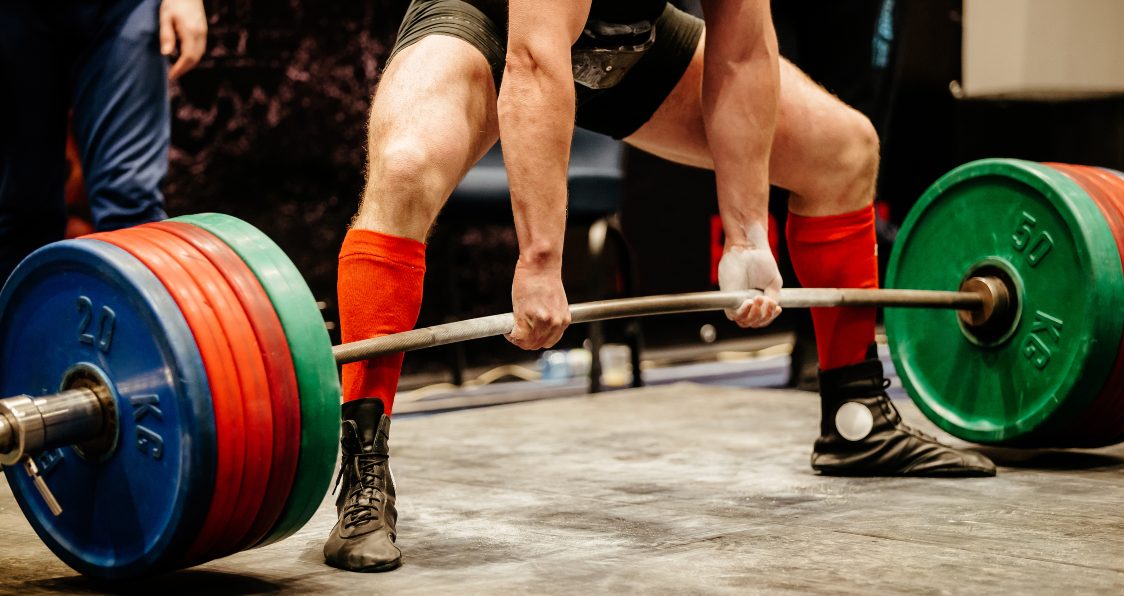
How To Perform The Jefferson Deadlift
The Ultimate Deadlift Variation That Builds Serious Strength
While the Jefferson deadlift is not the most conventional-looking resistance training exercise, it is certainly one of the best for developing full-body strength.
It is a particularly useful exercise for powerlifters and strongmen as well as individuals who suffer from back pain. However, the majority of lifters will benefit from regularly performing the Jefferson deadlift.
This article will begin by highlighting the benefits of the Jefferson deadlift and explain why you should consider doing it.
It will then move on to outline Jefferson deadlift technique, common errors to look out for, and a number of programming considerations.
The Benefits Of The Jefferson Deadlift
This section will highlight four unique benefits associated with the Jefferson deadlift.
1) Develops Asymmetrical Strength
Due to the asymmetrical stance used in the exercise, a large amount of balance, coordination, and stability are required throughout.
With regular practice, all of these components will significantly improve which can positively impact injury risk.
2) Increases Anti-Rotational Strength
With the feet placed in a staggered position, the torso must rotate so that the chest and hip stay in alignment with the feet.
This places a great demand on an array of core muscles that must engage to prevent rotation during the lift. With regular practice, these muscles will adapt and strengthen.
3) Multiplanar Exercise
One of the most unique benefits of the Jefferson deadlift is the fact that it is a multiplanar exercise – this simply means that movement occurs in more than one plane of motion.
Most lifters are familiar with lifting in the sagittal plane (i.e squats and conventional deadlifts), however, the Jefferson deadlift challenges the lifter by taking them out of the comfortable sagittal plane.
4) Reduced Shear Force
A common concern with deadlifts is the shearing and compressive force that can be placed on the low back.
However, due to the mechanics of the Jefferson deadlift, this force will be significantly reduced thus decreasing injury risk.
Why You Should Perform The Jefferson Deadlift
There is undoubtedly great value to be found in the conventional compound lifts such as the squat, deadlift, and bench press.
However, the Jefferson deadlift is different from these traditional-style lifts and works the muscles of the body in a very unique way.If you don’t believe this to be true, just listen to world-record holder Dave Dellanave who once said “it gives you a lot of things that other, big, heavy, typical lifts don’t”.
The exercise involves a combination of rotation, hip hinging, asymmetry, and heavy weight.
The Jefferson deadlift is fairly akin to the trap bar deadlift in that it reduces shear force on the low back, however, there are few other deadlift variations that work multiple planes, rotation, and asymmetrical strength.
To execute the Jefferson deadlift one foot will be placed in front of the bar while the other foot will be behind the bar.
Because the feet are staggered in this way, the trunk of the body rotates in order to face the same direction as the feet.
Furthermore, to keep the chest up and to prevent trunk rotation during the lift, the core muscles will be heavily recruited.
Working in multiple planes of motion can help to keep us mobile and strong thus reducing the risk of injury.
Often when it comes to asymmetrically-loaded or anti-rotational exercises, individuals use light weight only and don’t see the need for heavy lifting.
The perfect example of this is performing a single-leg deadlift with a light kettlebell or dumbbell having already completed sets of heavy deadlifts.
However, if you aspire to properly develop core strength, there is benefit in lifting heavy (1). The Jefferson deadlift is therefore the perfect option as a great amount of weight can be added to the bar.
Finally, those who have hit a plateau may find that performing the Jefferson deadlift allows them to start making progress, once again.
Additionally, because the Jefferson deadlift reduces the forces placed on the back, it may be an excellent alternative for those with back pain.
Muscles Worked During The Jefferson Deadlift
Some of the major muscle groups involved in the Jefferson deadlift include:
Abdominals
Adductors
Glutes
Hamstrings
Lats
Lower Back
Obliques
Quadriceps
Trapezius
Upper Back
Considering that exercise is a deadlift variation it works many muscles in the posterior chain including the glutes, hamstrings, calves, and low back (2).
In addition to the lower posterior chain muscles, the quadriceps also powerfully contract to extend at the knee.
Finally, there are many core muscles that must engage to prevent rotation and provide stability throughout.
How To Perform The Jefferson Deadlift
Although the exercise looks a little complex, it is not particularly difficult to set-up and execute. To effectively perform the Jefferson deadlift, work through the following coaching points:
Begin by straddling the bar placing one foot in front of the bar and the other behind
Ensure that the feet are approximately shoulder-width apart
Using a shoulder-width grip, push the hips backward and reach down to grab the bar
Before lifting, push the chest up and actively engage the core muscles
Drive your feet into the floor to lift the bar while keeping the knees out
Continue the lift until you are fully standing
After completing prescribed reps, swap legs and repeat
There are a number of different deadlift grips that are commonly used, therefore, feel free to experiment until to find out which one works best for you.
Be aware that with the reverse grip (one hand over, one hand under), you should alternate hand orientation with each set to avoid developing asymmetries.
It is for the same reason that you must alternate legs when performing sets of the Jefferson deadlift.
However, there is an exception to this rule. For those who have severe asymmetries or imbalances, like scoliosis, it may be worthwhile to train using the side that feels more comfortable.
Always consult a doctor before proceeding with physical training.
As highlighted, the Jefferson deadlift shares specific characteristics as the trap bar deadlift. Therefore, the Jefferson deadlift should actually look more like a squat than a hinge.
This explains why this exercise is sometimes referred to as the Jefferson squat.
If you excessively hinge during this exercise, you may put yourself at a mechanical disadvantage and consequently may not lift to your full potential.
That said, this is entirely dependent on anthropometry or, in simpler terms, your body proportions.
While some lifters Jefferson deadlift will look very similar to the trap bar deadlift, other lifters may struggle to find the same leverage which will cause the lift to be much more rotational.
Every lifter is different. With that in mind, if you are struggling with leverage be willing to play around with your technique to determine what works best for you.
Common Technique Errors
It is clear that the Jefferson deadlift has the potential to substantially develop strength, however, it is imperative that this exercise is performed with good technique.
Not only will poor technique hamper strength development and negate a number of these aforementioned benefits, it may also increase your risk of injury.
The most common error is allowing the rear foot to lift from the floor. Doing this shifts much on the strain onto the front leg rather than sharing the load between the two.
This exercise should load both the front and rear leg equally. Unequally balancing the load will make the movement less stable and efficient while potentially increasing injury risk.
Typically, this error occurs because the lifter has placed the rear foot too far back which forces the heel to lift.
Therefore, to avoid this error, ensure that feet are in line with each other and approximately shoulder-width apart.
When To Program The Jefferson Deadlift
This section will make recommendations for specific populations who may benefit from utilizing the Jefferson deadlift.
As touched on previously, due to the reduced shear and compressive forces placed on the low back, the Jefferson deadlift is an excellent exercise for those with back pain.
Some coaches have found that by performing the Jefferson deadlift for a couple of weeks, lifters have been able to return to conventional deadlifts without experiencing pain.
When it comes to strength development, it is inevitable that you will hit a plateau at some point. Varying the exercises that you perform has been found to be a highly effective way of recommencing progress (3).
As a result, if you are struggling to add weight to your conventional deadlift it may be wise to program the Jefferson deadlift into your training.
This simple change will alter the training stimulus and facilitate improvements in your conventional deadlift.
Lastly, because the Jefferson deadlift places a large demand on the quads, it can be used as an accessory exercise to help add size to your legs.
Final Word
The Jefferson deadlift is a superb exercise variation that will comprehensively build strength, reduce the chance of injury, and protect the lower back.
To maximize improvements, it’s important that the exercise is performed with good form. That said, some individuals may need to experiment with their technique to get the most out of the Jefferson deadlift.
References:
1 – Hamlyn, Nicolle; Behm, David G.; Young, Warren B. (2007-11). “Trunk muscle activation during dynamic weight-training exercises and isometric instability activities”. Journal of Strength and Conditioning Research. 21 (4): 1108–1112. doi:10.1519/R-20366.1. ISSN 1533-4287. PMID 18076231.
2 – Martín-Fuentes, Isabel; Oliva-Lozano, José M.; Muyor, José M. (2020-02-27). “Electromyographic activity in deadlift exercise and its variants. A systematic review”. PLOS ONE. 15 (2): e0229507. doi:10.1371/journal.pone.0229507. ISSN 1932-6203.
3 – Fonseca, Rodrigo M.; Roschel, Hamilton; Tricoli, Valmor; de Souza, Eduardo O.; Wilson, Jacob M.; Laurentino, Gilberto C.; Aihara, André Y.; de Souza Leão, Alberto R.; Ugrinowitsch, Carlos (2014-11). “Changes in exercises are more effective than in loading schemes to improve muscle strength”. Journal of Strength and Conditioning Research. 28 (11): 3085–3092. doi:10.1519/JSC.0000000000000539. ISSN 1533-4287. PMID 24832974.

2021 Arnold Classic UK Preview
Here is a complete preview and list of competitors for the upcoming Arnold Classic UK.
It has been nearly a week since Nick Walker took home the prize for Men’s Open at the Arnold Classic 2021. From Oct. 1-3, competitors will be vying for another championship — the Arnold Classic UK 2021.
This event will take place this weekend in Birmingham, England. This is another event brought together by Arnold Schwarzenegger while joined by Eddie Hall and Stephen Olexy. There are a total of five divisions that will be competing and they are Men’s Open, Classic Physique, Men’s Physique, Bikini, and Fitness.
Nathan De Asha headlines the Men’s Open division. He enters the competition as the favorite and has the resume to back it up. This year, he took home the prize at the Europa Pro, defeating the likes of Roelly Winklaar.
Tim Budesheim, who finished third at the Europa Pro, will also compete for a title at the Arnold Classic UK. Samson Dauda is considered a dark-horse contender heading into the event. He has a high ceiling but has not yet picked up a victory as a pro. It will be interesting to see if the first one can come on a big stage.
This event will earn the Men’s Open winner a trip to the 2022 Olympia. Here is a full list of competitors that will take the stage this weekend.
Men’s Open
Gabor Berek
Tim Budesheim
Roberto Buonomo
Jamie Christian-Johal
Kuba Cielen
Samson Dauda
Nathan DeAsha
Patrick Johnson
Theo Leguerrier
Marek Olejniczak
Joe Seemen
Ole Kristian Vaaga
Krystian Wolski
Fitness
Kate Errington
Classic Physique
Ryan Cartwright
Jack Connor
Vincent Craine
Shane Cullen
Michael Daboul
Men’s Physique
Sean Carroll
Jack Davies
Youcef Djoudi
Ryan-John Baptiste
Rory Gissing
Xiao Long Hong
Romane Lanceford
Maxime Parisi
Tyler Smith
Omar Suleiman
Ryan Terry
Dawid Wachelka
Emile Walker
Bikini
Anastasia Gonzalez Andreu
Phoebe Hagan
Jessica Kavanagh
Noora Mahonen
Ottavia Mazza
Ewelina Szala
Petra Voldanova
Jade-Kelsie Wolfenden
We will have fun updates and results from the Arnold Classic UK 2021 provided throughout the weekend. For more news and updates, follow Generation Iron on Facebook, Twitter, and Instagram.
Greg has covered the four major sports for six years and has been featured on sites such as Sports Illustrated, Fox Sports, SB Nation, NJ.com, and FanSided. Now, he is transitioning into the world of bodybuilding and strength sports.
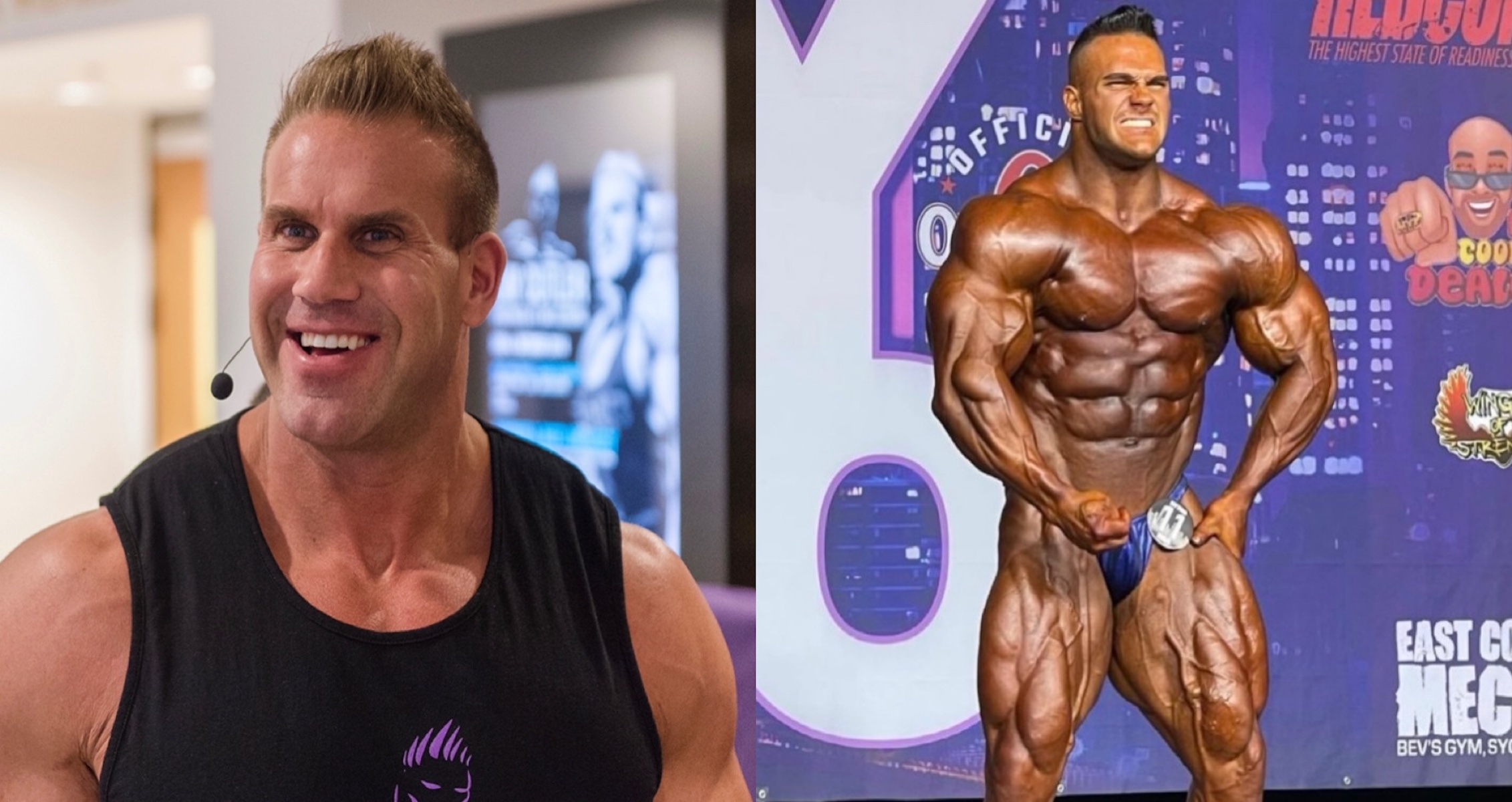
Jay Cutler Has High Praise For Nick Walker After Arnold Classic Victory
Jay Cutler believes Nick Walker’s career will continue to take off from here.
There are certain figures in bodybuilding that draw plenty of attention when they speak. Jay Cutler is certainly one of those names. Recently, the legendary bodybuilder spoke out and praised the ability of Nick Walker following his victory at the 2021 Arnold Classic.
Walker burst onto the scene as a prospect with a high ceiling. This came to fruition when he won the 2021 New York Pro and the Arnold Classic last weekend. Walker will head into the Olympia with plenty of confidence and momentum. Cutler believes that Walker is destined for a strong performance on the biggest stage in bodybuilding.
“He’s taking the steps dude. He’s won New York, the same year Arnold Classic, and he’s going to go to the Olympia and he’s probably going to be in the top five. I mean, not many guys have been able to do that,” Cutler said.
“I think Nick could be second. I think he could land second, I think he could land third. Can he win it? I can’t say no. Depends on how the other guys show up, but until we see him standing next to Bonac, and Curry, and Hadi Choopan, and Ramy, you don’t know.”
Jay Cutler built a strong career for himself by winning on the biggest stages. He finished with three-straight Arnold Classic victories from 2002-2004. He is a four-time Olympia champion with six second-place finishes at the event.
Nick Walker is in the midst of what could be one of the best first years in the history of the sport. Walker has all of the tools to perform on the Olympia stage. He is a mass monster with great conditioning. Walker displays all necessary assets to compete against the other tp competitors in the world.
Cutler sees the potential in Walker and acknowledges what he has already accomplished. Parlay this with his immense confidence and there could be a special performance coming up.
“What I like about his approach, he doesn’t say why he’s going to beat so and so, because they’re missing this or that. He just says ‘Hey, I’m that good,’ which I have no problem. He’s got some pretty knockout shots.”
“I don’t know is Walker can be a lot better, but he’s already calling out Ramy… He said winter doesn’t happen in Orlando, so he’s already ready,” Cutler said.
The 2021 Olympia will take place from Oct. 7-10 in Orlando. All of the top competitors will be there and this includes Walker. There are high expectations for him heading into the event and many believe he will live up to the hype.
For more news and updates, follow Generation Iron on Facebook, Twitter, and Instagram.
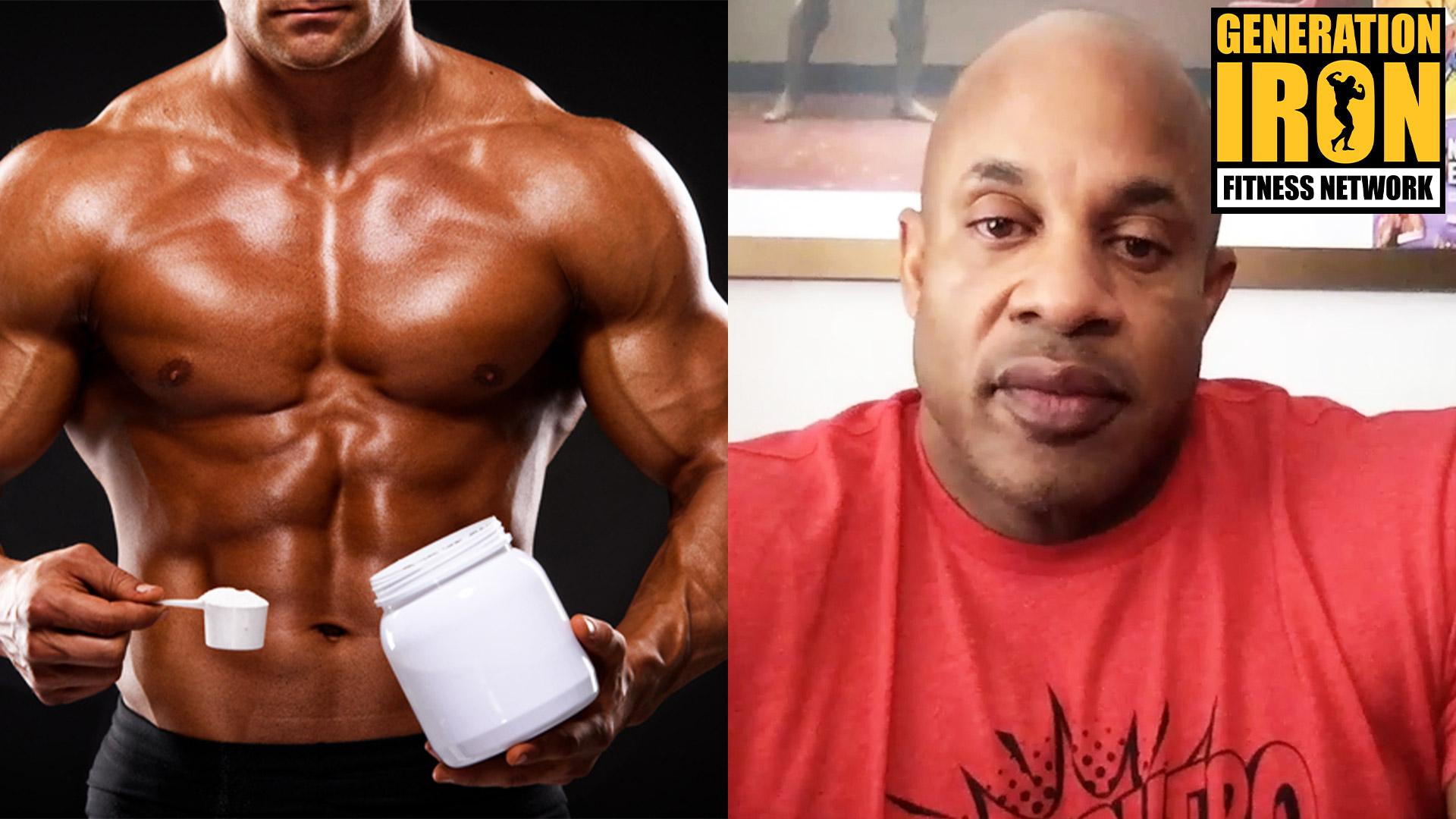
Victor Martinez: How To Avoid Retaining Water Weight On Creatine
[embedded content]
Victor Martinez explains key tips on how to properly cycle creatine to avoid holding water weight.
Victor Martinez is an iconic long running pro bodybuilder who also featured in the original Generation Iron and has now started his own supplement company. To say he is knowledgeable about all things bodybuilding would be an understatement. While discussing about his supplement company, Superhero Labz, we asked him for some advice on creatine usage. In our latest GI Exclusive, Victor Martinez breaks down the key strategy to get the best results from creatine without retaining too much water.
Creatine is an amazing (and legal) supplement for packing on mass and muscle. It’s often one of the earlier supplements that serious lifters start to use. While it provides a wonderful boost to your gains, it also has a negative side effect. Over time, consistent usage can lead to retaining higher levels of water weight.
For casual lifters, this might not be a big deal. But for those who are looking to be shredded on top of all that muscle, this is a major problem. Double so for competitive bodybuilders. That’s why we turned to Victor Martinez for advice on how to best use creatine in your bodybuilding diet and supplementation.
Victor Martinez jokes at first – saying he could lie and recommend that lifters buy creatine monthly from his new company. But he honors transparency and trust. Which is why he admits that the supplement should be used on a cycle rather than non-stop consistently. Martinez relates to his own experience first using creatine, how it affected his body, and how he eventually adjusted to an optimized strategy.
Like nearly any lifter who starts using creatine, Victor Martinez saw immediate results. So long as you maintain training – creatine will help bulk you up with bigger muscle mass. It even helps provide the coveted pump during a particularly grueling session in the gym. But what Martinez quickly noticed was that the effects started bending more towards the negative. This happened approximately six to eight weeks into using creatine. He noticed that he was holding more and more water weight. He also noticed that he was no longer receiving the pump.
So he came off of creatine. The water weight diminished and he started feeling better again going into his training sessions. What Victor Martinez ultimately concluded, was that creatine needs to be cycled. That a bodybuilder should stop using the supplement about six to eight weeks in. Then come off the product and start again. Martinez took a three week break between using creatine. That seemed to keep everything in check.
Victor Martinez also suggests that a bodybuilder plan out their creatine cycles to match it up with peak week. He believes that if you are in the early stages of using creatine in the week of a competition – you’re in a good place. He’s stated he’s used creatine to hold water weight on purpose – to avoid looking completely flat Of course, it’s a delicate balance, you don’t want too much to make you look soft and puffy.
If you keep all of these tactics in mind, you’ll find creatine to be an extremely valuable weapon in your bodybuilding arsenal. You can watch Victor Martinez go into full detail about creatine cycling in our latest GI Exclusive interview above!
This Is How To Turn Your Soft Watery Muscle Into Dry Rock Hard Mass
Built for show, or built to go?
We all know that guy. The guy who eats McDonalds three times a day, knocks a couple back before bedtime, and who’s idea of a workout is 20 bicep curls and some jumping jacks a couple of hours before his shift, and yet still has rock hard muscle. For me this was my college roommate Freddy, 5’10 and all muscle while I had to lift and run 3 times a week just to get the faint outline of a 6 pack.
Sure, I had medium density and fairly good strength, but he had raw power and you could see it in his physique. Now while genetics play a huge factor in these things, there were a number of things I was doing wrong. Check out the article below to take back your dense muscle building power.
T- levels
Unfortunately life isn’t fair, and all T-levels aren’t created equal. But while nature isn’t fair, nurture can be. Natural ways to increase your testosterone include, a good nights sleep, heavy weight training, cold baths, walking ( 2 miles or more per day), and eating multiple foods (Salmon, avocado’s, brazil nuts, etc.) If this still isn’t enough, you can always try taking a testosterone booster.
Workout
When working out for muscle density you should concentrate on fatiguing the muscle. To make up for what mother nature hasn’t granted us you want to get as much blood flow to the muscle as possible. Break down the muscle with 6-10 reps of medium to heavyweight, and the blood flow will provide the muscle with the nutrients it needs to build back stronger and harder. This rep range is perfect because it not only builds up the aerobic capacity of the muscle but also the Myofibrullar part of the muscle, which is responsible for size.
Compound and Supersets
Compound sets are the performing of two exercises (one right after the other) that target the same muscle group. Supersets also go in succession of one another but target opposing muscle groups. For instance, incline dumbbell curls, and cable curls would be considered a compound set while hammer curls and reverse curls would be considered a superset. Do 4-6 reps of each exercise in the super/compound set to make one complete set. Do 3 sets at medium to heavyweight and your muscles should pretty much be decimated, and in this case, destruction is good!
Last minute Do’s and Don’t
-Do get adequate rest and hydration, as how you recover will determine your results.
-Don’t over train, again over training without adequate rest is just shooting yourself in the foot and will actually diminish your results.
-Do something you enjoy in your off time. Unhealthy stressors can not only kill your T-levels but the high cortisol levels can also turn your gains into mush. Very counterproductive.
So the secret’s out, Even though you don’t have the genetics of “Thing”, with a strong work ethic and pre-meditated workout plan you can have decent muscle density and massive gains that bring honor to your physique.
Do you have issues with your muscle density? Let us know by hitting up our comments below or head on over to our official Facebook and Twitter.
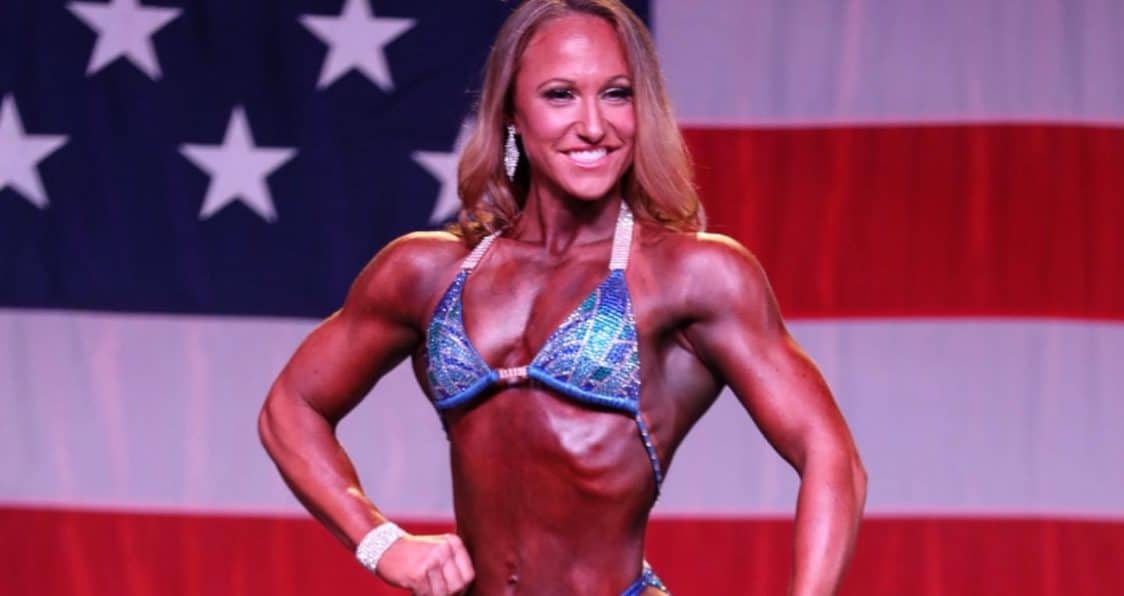
Mr. America Competitor Series: Jenna Bidoglio
Get to know Jenna Bidoglio as she prepares for the upcoming Mr. America competition.
Jenna Bidoglio grew up about an hour outside of New York City on 10 acres of woodlands. As an only child, she spent a lot of time outdoors going on adventures and exploring the woods. When it came to athletics, Jenna played on the all-boys travel soccer team because no girls team existed. Despite young boys feeling as though girls could not compete at their level, Jenna proved them wrong. Becoming a starting defender and one the boys would soon rely on to win.
She was always an athlete, constantly making everything a competition and playing multiple sports while excelling at them all. Her mom was a physical education teacher and her dad was a basketball coach so athletics was always around and competition was taught from an early age.
Jenna would graduated from Vernon Township High School in 2005 as a three sport athlete in soccer, basketball, and lacrosse. She would then study Athletic Training at Montclair State University.
Bodybuilding, like many of these elite competitors, was something that Jenna fell into. As someone who had been running and lifting regularly, although this was matched with a lifestyle of having fun with friends, eating late night junk food, and not paying too much attention to the proper bodybuilding habits, she still had a relatively fit physique and caught the attention of her soon to be bodybuilding coach. After some convincing, Jenna agreed to try a competition and she gave his training and nutrition plan a try. Within two week, she saw immediate results.
While the prep was hard, she finished 3rd in the Bikini division and 2nd in Figure. Despite being nervous, her love of competition and the fast-paced movement of the show, allowed her to show off that hard work and not have time to think of how uncomfortable she may have been. From this contest on, she was hooked and loved every aspect of the process and the competition.
Training & Nutrition Routines
Training
Jenna’s training routine involves 5-6 days a week both in and out of season. She focuses on hitting every muscle group at least twice a week but will change her split as she sees fit. Cardio depends on where she is at with prep but it is a mix of longer, more steady incline walking, or higher intensity work like sprints. With her favorite exercise being the deadlift, she loves ripping that bar off the ground to feel strong and accomplished.Recovery is essential for Jenna and she will do 1-on-1 sessions with her yoga instructor to work on flexibility and core stability, as well as work with a sports chiropractor to prevent or address any nagging injuries.
Nutrition
Jenna’s main approach to nutrition is to keep it simple and consistent. She knows what foods work for her and enjoys them so for Jenna, keeping things simple allows her to focus on other things. Protein usually consists of eggs, turkey, chicken, lean fish, and the occasional red meat or liver. Her carb sources tend to be oats, rice, and potatoes with plenty of vegetables thrown into her diet as well, in particular red peppers, cucumbers, spinach, and asparagus. To round out with fats, Jenna will often add olive oil, coconut oil, and almonds to the mix. Of course, for that all important supplementation, she relies on ashwagandha, vitamin C, and magnesium.
While Jenna remains consistent with her diet, she does leave room to enjoy a good pizza for that cheat meal. She has her regular spot for that Friday night cheat meal and loves the variety in slices. Toss in a mocha KitKat bar as well!
Competition & Preparation
Knowing Mr. America has such an important history, Jenna feels honored to have the opportunity to compete. With serious competitors coming out, everyone wants this title and the best of the best will certainly duke it out on stage. Now that CBS Sports Network will air this contest, the opportunities for athletes are unmatched. As Jenna seeks to defend her title this year, other competitors are now coming for her, but she is ready to fight for it.
Coming into this event, she will slowly carb up and drop her water slightly to let her muscles start to fill up. Wednesday of that week will be her last workout day and after that, she will stay off her feet as much as possible, aside from the occasional practice pose. The work has been done and nothing is going to improve in those last few days except for a quieter and more calm mind.
What first sparked Jenna’s interest in bodybuilding was having an end goal, something to keep her on track. But what this has morphed into is a lifelong pursuit for personal improvement. As a result of bodybuilding, she has become stronger, both physically and mentally, in a sport she loves so much.
She loves having the opportunity to be an ambassador for the sport and to be a positive female role model. Being a top drug-free athlete gives her a platform to speak honestly about what performance enhancing drugs can do and how it is possible to have a winning physique while being all natural.
After Jenna competes to defend her Mr. America title, she will next compete at the PNBA Natural Olympia in Las Vegas come November. When Jenna is not training or competing, she loves to travel and explore new places. As an avid basketball fan, she loves to watch men’s basketball, especially if its Gonzaga. She also will watch the Food Network and the Cooking Channel with her sidekick, Bruno, her three-year old boxer who accompanies her with almost everything.
Important Mr. America Information
Mr. America will be held October 8-10 in Atlantic City, New Jersey with the final ceremony being held on October 9. With everything going on, the health and safety of everyone involved is of the top priority and event organizers have worked diligently and incredibly hard to make sure this event runs as smoothly as possible. Generation Iron will be covering this event and it will also be broadcast on CBS Sports Network at a later date. Generation Iron will provide updates on the CBS Sports Broadcast as these updates become available.
Check out Mr. America’s website here for more information on this historic and amazing event!
Let us know what you think in the comments below. Also, be sure to follow Generation Iron on Facebook, Twitter, and Instagram.
*Images courtesy of Jenna Bidoglio
Six Science-Based Methods Bodybuilders Use To Lose Belly Fat
Losing Belly Fat Is Not Only Good For Improving General Health, It Is Also Crucial For Those Stepping Onto The Stage
It is very well known that maintaining a high body fat percentage can be damaging to our health.Several scientific studies have established a link between abdominal obesity and a range of diseases (1). As a result, a common goal set by many is to reduce belly fat.For the bodybuilder, as competition nears, it becomes necessary to reduce belly fat and body fat percentage more generally to improve aesthetics.This article will highlight six different methods that can be applied to help you lose that often stubborn belly fat and improve your definition.
The Six Methods
This section will outline the six methods commonly used by bodybuilders to reduce belly fat. It will also highlight a number of scientific studies that back-up these methods as effective.
1) Track Your Calories And Macros
If you are not already food tracking, it’s recommended that you start. Doing so will ensure that you are consuming the right amount of good food to maximize changes.The driving force behind fat reduction is calorie restriction (2). Creating a calorie deficit forces the body to find energy from another source out with food. As a result, the body will begin to break down stored body fat for energy purposes.By failing to track your eating, you may over-consume calories which will prevent fat loss from occurring.While macronutrients are of secondary importance for causing weight loss, they most certainly have an impact on body composition.A detailed study on nutrition in the lead up to a bodybuilding contest recommends the following split (3):
Protein: 2.3 – 3.1 grams per kg of body weight
Fat: 15 – 30% of calorie intake
Carbs: Remainder of calorie intake
Ultimately, without tracking you are shooting in the dark. It is not uncommon for individuals to either over or underestimate their calorie intake and food quality. Therefore, if you want to make the best fat loss progress possible, start tracking.Tracking doesn’t have to be difficult either. There are a number of fitness apps and online tools that allow you to calculate your calorie target and track your daily nutrition quickly and easily.
2) Increase Protein Intake
On the topic of macronutrients, protein is the macro that you should pay particular attention to. Consuming protein during fat loss is important for two main reasons.Firstly, protein is the macro responsible for maintaining muscle size. When restricting calories, the body will break down muscle tissue as well as fat tissue.Studies have shown that high-protein diets help to preserve muscle to a greater degree (4). This is hugely significant for the bodybuilder as it will allow them to maintain lean muscle mass while reducing fat and improve overall aesthetics.Hunger is often an issue that many bodybuilders experience during a fat loss phase. Protein regulates hunger hormones and helps to curb cravings and combat hunger.In addition to this, consuming protein has also been found to boost the body’s metabolism thus facilitating fat burning (5).One final study investigated the relationship between protein intake and abdominal fat. Results indicated that those who had a quality protein intake were more likely to have a lower amount of abdominal fat (6).
3) Focus On Fibre
In the same way that protein can help manage hunger and control appetite, fiber has been found to have a similar effect.Fiber is the indigestible plant matter which comes in two forms – soluble and insoluble.It is thought that both types of fiber have a beneficial impact on the health of the body – specifically digestive health.Fiber slows down the digestive process and nutrient absorption. A consequence of this is a prolonged feeling of fullness and diminished appetite.Research on fiber suggests that consuming an additional fiber can decrease calorie consumption and facilitate weight loss. One four-month study found that an additional fourteen grams per day led to a 10% decrease in calorie consumption and more than four pounds of weight loss (7).While both types of fiber appear beneficial, soluble fiber may be specifically effective for belly fat reduction.A second study concluded that consuming ten grams of soluble fiber contributed to a 3.7% reduction in abdominal fat (8).
4) Restrict Carb Consumption
Consuming fewer carbohydrates is another effective fat loss method that is commonly adopted by bodybuilders.The reason fat loss tends to occur during a low-carb diet is, once again, to do with calories. The majority of the calories consumed tend to come from carbohydrates. Therefore, by substantially reducing carb intake, you also decrease your calorie intake thus causing fat loss.Additionally, low-carb diets may also be effective for reducing appetite which can lead to a greater reduction in calorie intake (9).There are many scientific studies that advocate the use of low-carb diets for reducing body fat.One study on the matter concluded that a low-carb diet effectively improved body composition and significantly reduced abdominal fat (10).Research has indicated that low-carb diets are beneficial for more than just causing fat loss. They have also been found to reduce disease risk and improve the health of diabetics (11).
5) Cut Down On Sugar
Sugar is composed of two different molecules known as glucose and fructose both of which play an important role in providing the body with energy.Consuming a large amount of sugar on a regular basis has been associated with weight gain and the development of metabolic diseases (12).A study looking at the impact of sugar determined that a high consumption led to an increase in abdominal fat (13).When you eat a great quantity of sugar, it is thought that the liver is overloaded with fructose and quickly turns it into fat (14).On top of this, sugary foods and drinks can be extremely calorific. Therefore, eating a high quantity of these foods can take you out of a calorie deficit and prevent fat loss from occurring.Reducing the amount of sugar that you consume will have a substantial impact on your calorie intake and rate of fat loss.
Be conscious when selecting foods and avoid products that contain refined sugars. There are some foods marketed as “healthy” that contain a high amount of refined sugar.
6) Increase Exercise Frequency
This section thus far has focused primarily on nutrition; but what about exercise?The impact that maintaining good nutrition and exercising frequently has on the body is well documented. In addition to reducing disease risk, regular exercise can also be used to improve body composition and reduce abdominal fat.
Exercising more frequently will cause a greater amount of calories to be burned. Increasing calorie burn will have a direct impact on the rate of fat loss. As a bodybuilder, strength training must be performed often during the fat loss process to ensure that the amount of muscle loss is minimized.The purpose of performing strength training exercises is not to target fat in specific parts of the body. This is something often referred to as “spot reduction” or “spot fixing”.One study put spot reduction to the test and took participants through six-weeks of abdominal training. By the end of the study, abdominal fat had not significantly altered (15). As well as performing strength training, it is also not uncommon for bodybuilders to increase the amount of cardiovascular exercise they perform in a fat loss phase. Exercises such as walking, running, cycling, and rowing are all associated with large calorie burns and can cause a substantial reduction in abdominal fat (16).
Final Word
While there is a range of proposed fat loss methods, these six tried and tested methods have been scientifically proven to work.Therefore, any bodybuilder who needs to reduce body fat for an upcoming competition should consider adopting a number of these methods.
References:
1 – Paley, Carole A.; Johnson, Mark I. (2018-05-04). “Abdominal obesity and metabolic syndrome: exercise as medicine?”. BMC Sports Science, Medicine and Rehabilitation. 10. doi:10.1186/s13102-018-0097-1. ISSN 2052-1847. PMC 5935926. PMID 29755739.
2 – Hołowko, Joanna; Michalczyk, Małgorzata Magdalena; Zając, Adam; Czerwińska-Rogowska, Maja; Ryterska, Karina; Banaszczak, Marcin; Jakubczyk, Karolina; Stachowska, Ewa (2019-06-27). “Six Weeks of Calorie Restriction Improves Body Composition and Lipid Profile in Obese and Overweight Former Athletes”. Nutrients. 11 (7). doi:10.3390/nu11071461. ISSN 2072-6643. PMC 6683015. PMID 31252598.
3 – Helms, Eric R; Aragon, Alan A; Fitschen, Peter J (2014-05-12). “Evidence-based recommendations for natural bodybuilding contest preparation: nutrition and supplementation”. Journal of the International Society of Sports Nutrition. 11: 20. doi:10.1186/1550-2783-11-20. ISSN 1550-2783. PMC 4033492. PMID 24864135.
4 – Mettler, Samuel; Mitchell, Nigel; Tipton, Kevin D. (2010-02). “Increased protein intake reduces lean body mass loss during weight loss in athletes”. Medicine and Science in Sports and Exercise. 42 (2): 326–337. doi:10.1249/MSS.0b013e3181b2ef8e. ISSN 1530-0315. PMID 19927027.
5 – Leidy, Heather J.; Mattes, Richard D.; Campbell, Wayne W. (2007-05). “Effects of acute and chronic protein intake on metabolism, appetite, and ghrelin during weight loss”. Obesity (Silver Spring, Md.). 15 (5): 1215–1225. doi:10.1038/oby.2007.143. ISSN 1930-7381. PMID 17495198.
6 – Loenneke, Jeremy P.; Wilson, Jacob M.; Manninen, Anssi H.; Wray, Mandy E.; Barnes, Jeremy T.; Pujol, Thomas J. (2012-01-27). “Quality protein intake is inversely related with abdominal fat”. Nutrition & Metabolism. 9 (1): 5. doi:10.1186/1743-7075-9-5. ISSN 1743-7075. PMC 3284412. PMID 22284338.
7 – Howarth, N. C.; Saltzman, E.; Roberts, S. B. (2001-05). “Dietary fiber and weight regulation”. Nutrition Reviews. 59 (5): 129–139. doi:10.1111/j.1753-4887.2001.tb07001.x. ISSN 0029-6643. PMID 11396693.
8 – Hairston, Kristen G.; Vitolins, Mara Z.; Norris, Jill M.; Anderson, Andrea M.; Hanley, Anthony J.; Wagenknecht, Lynne E. (2012-2). “Lifestyle Factors and 5-Year Abdominal Fat Accumulation in a Minority Cohort: The IRAS Family Study”. Obesity (Silver Spring, Md.). 20 (2). doi:10.1038/oby.2011.171. ISSN 1930-7381. PMC 3856431. PMID 21681224.
9 – McClernon, F. Joseph; Yancy, William S.; Eberstein, Jacqueline A.; Atkins, Robert C.; Westman, Eric C. (2007-01). “The effects of a low-carbohydrate ketogenic diet and a low-fat diet on mood, hunger, and other self-reported symptoms”. Obesity (Silver Spring, Md.). 15 (1): 182–187. doi:10.1038/oby.2007.516. ISSN 1930-7381. PMID 17228046.
10 – Gower, Barbara A; Goss, Amy M (2015-1). “A Lower-Carbohydrate, Higher-Fat Diet Reduces Abdominal and Intermuscular Fat and Increases Insulin Sensitivity in Adults at Risk of Type 2 Diabetes123”. The Journal of Nutrition. 145 (1): 177S–183S. doi:10.3945/jn.114.195065. ISSN 0022-3166. PMC 4264021. PMID 25527677.
11 – Feinman, Richard D.; Pogozelski, Wendy K.; Astrup, Arne; Bernstein, Richard K.; Fine, Eugene J.; Westman, Eric C.; Accurso, Anthony; Frassetto, Lynda; Gower, Barbara A.; McFarlane, Samy I.; Nielsen, Jörgen Vesti (2015-01). “Dietary carbohydrate restriction as the first approach in diabetes management: critical review and evidence base”. Nutrition (Burbank, Los Angeles County, Calif.). 31 (1): 1–13. doi:10.1016/j.nut.2014.06.011. ISSN 1873-1244. PMID 25287761.
12 – Jensen, Thomas; Abdelmalek, Manal F.; Sullivan, Shelby; Nadeau, Kristen J.; Green, Melanie; Roncal, Carlos; Nakagawa, Takahiko; Kuwabara, Masanari; Sato, Yuka; Kang, Duk-Hee; Tolan, Dean R. (2018-5). “Fructose and Sugar: A Major Mediator of Nonalcoholic Fatty Liver Disease”. Journal of hepatology. 68 (5): 1063–1075. doi:10.1016/j.jhep.2018.01.019. ISSN 0168-8278. PMC 5893377. PMID 29408694.
13 – Stanhope, Kimber L.; Schwarz, Jean Marc; Keim, Nancy L.; Griffen, Steven C.; Bremer, Andrew A.; Graham, James L.; Hatcher, Bonnie; Cox, Chad L.; Dyachenko, Artem; Zhang, Wei; McGahan, John P. (2009-05). “Consuming fructose-sweetened, not glucose-sweetened, beverages increases visceral adiposity and lipids and decreases insulin sensitivity in overweight/obese humans”. The Journal of Clinical Investigation. 119 (5): 1322–1334. doi:10.1172/JCI37385. ISSN 1558-8238. PMC 2673878. PMID 19381015.
14 – Faeh, David; Minehira, Kaori; Schwarz, Jean-Marc; Periasamy, Raj; Periasami, Raj; Park, Seongsu; Seongsu, Park; Tappy, Luc (2005-07). “Effect of fructose overfeeding and fish oil administration on hepatic de novo lipogenesis and insulin sensitivity in healthy men”. Diabetes. 54 (7): 1907–1913. doi:10.2337/diabetes.54.7.1907. ISSN 0012-1797. PMID 15983189.
15 – Vispute, Sachin S.; Smith, John D.; LeCheminant, James D.; Hurley, Kimberly S. (2011-09). “The effect of abdominal exercise on abdominal fat”. Journal of Strength and Conditioning Research. 25 (9): 2559–2564. doi:10.1519/JSC.0b013e3181fb4a46. ISSN 1533-4287. PMID 21804427.
16 – Vissers, Dirk; Hens, Wendy; Taeymans, Jan; Baeyens, Jean-Pierre; Poortmans, Jacques; Van Gaal, Luc (2013-02-08). “The Effect of Exercise on Visceral Adipose Tissue in Overweight Adults: A Systematic Review and Meta-Analysis”. PLoS ONE. 8 (2). doi:10.1371/journal.pone.0056415. ISSN 1932-6203. PMC 3568069. PMID 23409182.
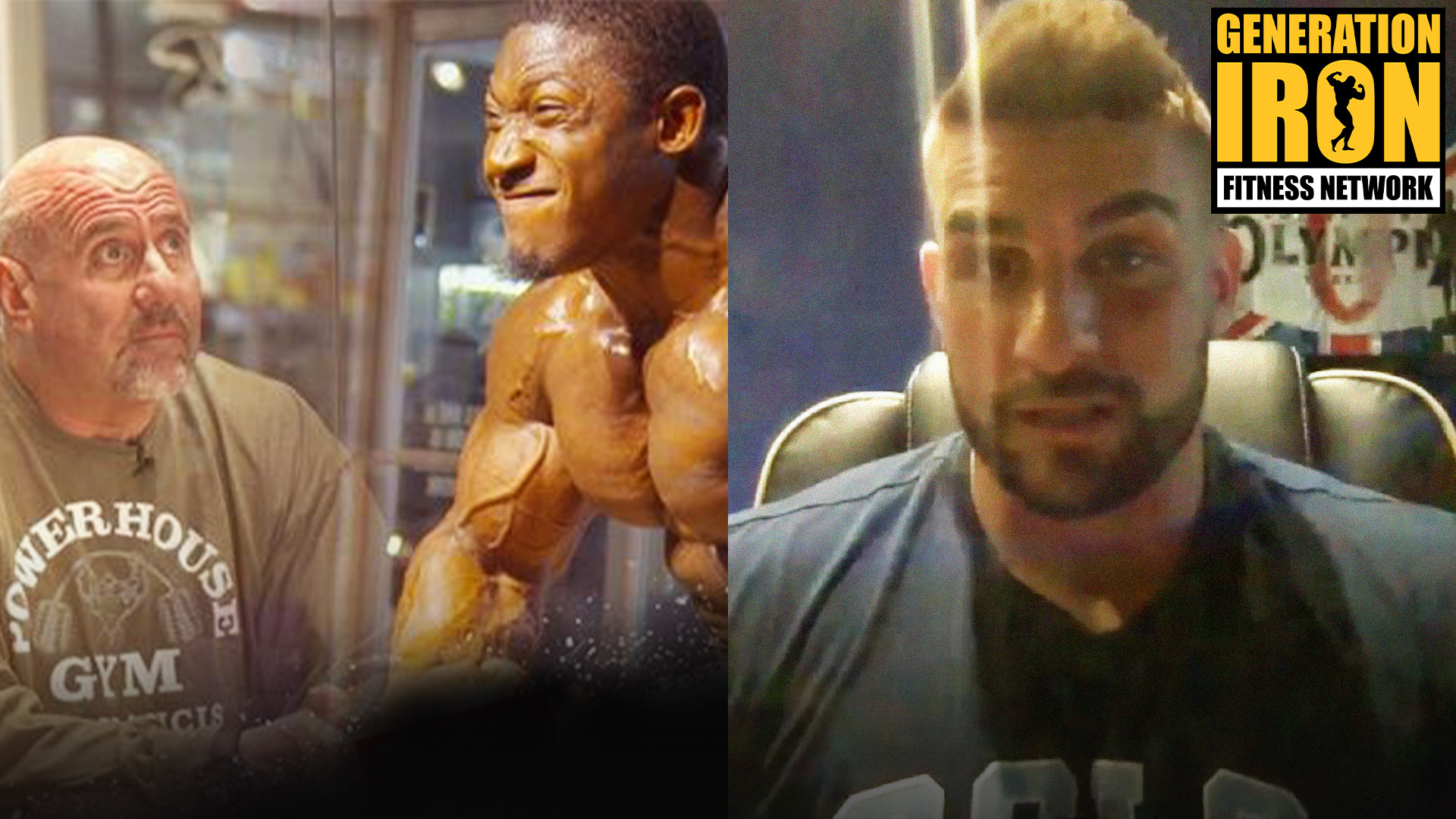
Ryan Terry: How Judges Feedback Can Do More Harm Than Good
[embedded content]
Ryan Terry warns of how relying too much on judges feedback might hurt your physique instead of help it.
Being a professional bodybuilder, Ryan Terry has had his fair share of competitions and interactions with the official judges. Being a subjective sport, there are times where an athlete might not agree with how he or she was scored. Terry knows this all too well throughout his years of competing. But ultimately, the judges are there for a reason and their advice should be heeded… that is unless it throws you off psychologically. In our latest GI Exclusive interview, Ryan Terry warns of the dangers of relying too heavily on judges feedback.
Pro bodybuilding is just as much a battle with yourself as it is against the other competitors. At the end of the day, there’s nothing you can do to make another person’s physique worse. All you can do is focus on improving yourself. In that regard, reassessing and adjusting your tactics is important. A bodybuilder needs to have an open mind in order to find new ways to improve. That’s where judges feedback can be helpful. It’s direct insight into the mind of the very people who score you on stage.
But Ryan Terry warns of relying too heavily on feedback from the judges. Terry actually recommends to sometimes avoid feedback (whether it be from judges or online comments). This might sound counter intuitive. Why would you not want valuable feedback?
The whole endeavor has to do more with the mind than the body. Terry notes that if you try too aggressively to meet the feedback given by judges, you might actually throw your entire training and prep off balance. If you’re constantly second guessing your own process – that doubt will eat away at your confidence. Losing that confidence can be a big blow against progress.
Does this mean you should ignore feedback entirely? Not necessarily. Perhaps it depends on knowing yourself and how you will react. Ryan Terry clearly prefers to keep certain feedback off the table so he can stay laser focused without white noise throwing off his direction. Others love feedback and finds that it actually helps provide direction. It’s something each up-and-coming bodybuilder needs to discover for his or herself.
A perfect example of this is Bev Francis. Famous in her heyday for having one of the best female physiques in the history of bodybuilding, her journey through the years is well chronicled. While she is a legend in the sport, she was also a sort of victim to too much feedback. At a time when Women’s Open bodybuilding was finding its identity, Bev Francis was constantly adjusting the kind of physique she held on her frame.
Whether it was due to direct feedback or simply assessing the winner the judges chose – Francis often found herself ping-ponging between needing to put on more mass and needing to look more feminine. Due to this, she never won a Ms. Olympia despite believing herself that she deserved it.
The Ms. Olympia and Women’s Open Bodybuilding of that time might be an extreme case. A time when judges themselves were unsure of what the division champion should look like year after year. But it’s a good example of how feedback can ultimately drag you around and make you lose sight of an overall direction.
Ryan Terry seems to suggest that all feedback, even from judges, should come with a grain of salt. You should know your body better than anyone, even the judges. So that should always be kept in mind when getting feedback.
You can watch Ryan Terry go into detail about his advice for up-and-coming bodybuilders in our latest GI Exclusive interview segment above!