
Tag: Bodybuilding
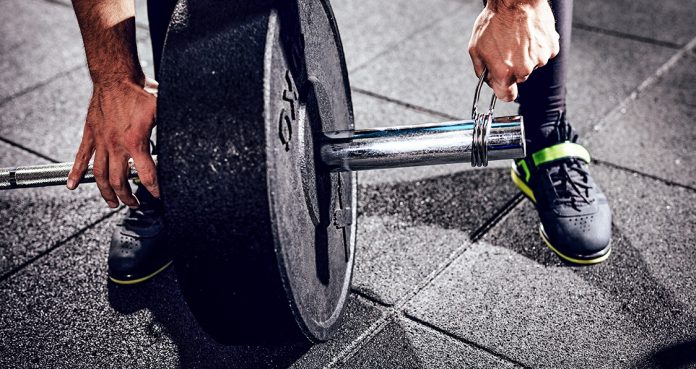
How To Grow Stronger and Hit A PR In 4-Weeks
Steps To Hit A PR In 4-Weeks
Many people join a gym to get bigger and stronger. It’s no secret that to gain muscle mass, you need to be constantly pushing your limits. If you aren’t hitting a PR every four weeks or so, it could be a sign of hitting a plateau.
If you’re reading this article, we’re assuming that you’re encountering an overhead ceiling. Following the steps mentioned below will help you break through the plateau and hit a PR in four weeks.
Set a Goal
Some people confuse PRs (personal record or personal best – PB) with 1RM (One Rep Max). Your personal best can be your 1RM but it can also be the maximum number of reps you can perform with a certain amount of weight.
For instance, your PR goal could be to bench 315lb for one rep or deadlift 225lb for eight reps. Hitting a PR isn’t something which happens randomly. You need to plan and prepare for it in advance.
Think of a PR attempt as an exam. You need to prepare for it on a timeline before you enter the examination hall. Setting a well-defined goal and prepping for it could help you in passing the exam.
Take It Easy On The PR Exercise
Contrary to mainstream thinking, you shouldn’t push too hard on the main exercise while prepping for the PR. Most of the times, weaker secondary (helping) muscles are what keep you from hitting a PR.
Performing more difficult versions of the lifts can help you gain strength for the main exercise. For example, if you want to hit a PR on the squats, performing front squats can prime you by reinforcing an aspect of technique which carries over to the main lift.
In the 4 weeks leading up to the PR attempt, you should perform the main exercise only as a warm-up lift so that your working muscles don’t get too tensed up. Doing other versions can dial in the technique and help you crush your PR.
When you’re looking to hit a PR, you generally want your muscles to be tighter and movements to be explosive. You can achieve tightness and explosiveness by using variations like pause squats, deficit deadlifts, etc.
Use Primer Sets
Primer sets are the sets which you perform before attempting the PR. The primer sets help you in getting in the groove and get your muscles warmed up and ready to go for the set you had been working so hard for for the last four weeks.
Pro tip – Don’t save the primer sets for the D-day. Perform the primer sets for the entire fourth week (without attempting the PR) so your muscles are used to lifting the weights, and you establish a mind-muscle connection.
Primer sets are an incredibly effective way of getting you in the zone for your PR. Performing the primer sets with great form and explosiveness can boost confidence and wake up high threshold motor units to get you ready for your working sets.
What is your bench press PR? Let us know in the comments below. Also, be sure to follow Generation Iron on Facebook, Twitter, and Instagram.
Header image courtesy of Envato Elements

WATCH – Inside Nutrabio: A Behind The Scenes Tour
[embedded content]
A deep dive into Nutrabio – one of the biggest bodybuilding and fitness supplement brands in the industry.
Supplements have become not only a major part of bodybuilding – but a major part of fitness and health across the world. The supplement industry has boomed over the past century and with that have come many companies that are looking to get a piece of the pie. With ever changing regulations, it can be hard for consumers to know what exactly they are putting into their bodies. Trust in a brand and trust in what is on the product label is paramount. That’s what supplement company Nutrabio prides themselves on – they go beyond FDA regulations to be the most trusted supplement brand on the market.
Nutrabio founder and CEO Mark Glazier invited Generation Iron to take the cameras behind the veil of the company. What followed was an in-depth tour of Nutrabio’s manufacturing and testing process. Nutrabio has always been transparent when it comes to their process – but now you can go even further with a complete visual tour of each step in Nutrabio’s process from start to finish.
Mark Glazier: The man behind Nutrabio
Mark Glazier has always held himself up to high standards of success. This was true even before the creation of Nutrabio. Before starting his company, Glazier was invested into martial arts since he was seven years old. He opened his first school when he was fourteen (unofficially) and later had a chain of studios.
A major part of martial arts is self discipline. It’s that kind of quality that he brought into the supplement world. Upon running his martial arts studios – Glazier became increasingly more interested in the nutrition side of fitness. He would suggest and recommend supplements to his students – and break down the science as to why they would need a certain product to improve their goals.
Eventually, this interest became so all-consuming that he decided to start his own supplement company. This is when Nutrabio was born. His goal was to not only be the best in the market – but to also provide consumers what he saw was severely lacking in supplements: trust and quality.
The Nutrabio Process
Nutrabio’s manufacturing process is bookended by testing. When the product creation process starts – all ingredients are tested for a variety of factors. When the manufacturing process is finished – the final product goes through those same tests again. The goal? To make sure that the quality and safety of every product has remained in tact from start to finish.
The FDA has a set of standards and regulations that all supplement manufacturers must abide by. Nutrabio goes beyond that with its own set of standards. These standards are even more strict than what the US government demands. That’s the kind of dedication to quality and safety Nutrabio gives to their product.
In addition to in house safety features, Nutrabio also provides a specific website to consumers. Each product has its own barcode. This can be submitted to a special site that breaks down the full safety and test results from manufacturing. Quite literally, a consumer can see the details on how their specific bottle of supplement was created. That’s just how dedicated the company is to trust and safety.
The End Result
When watching our behind-the-scenes tour of Nutrabio’s facilities – you get the feeling of walking through a secret government laboratory. As Mark Glazier himself details every step of the process – it becomes clear just how many small details must be considered. Nutrabio manufactures their own products rather than outsource to a third part manufacturing facility. This provides them with complete control. Not only that – they can provide fresh product directly to the consumer.
With many other brands, there’s no telling exactly how long a product has been bottled when you buy it off the shelves. With Nutrabio, you can be rest assured that the product is fresh to the consumer. Detail, control, and passion are key words to describe Mark Glazier and the Nutrabio process. That’s the end result. It’s the reason that Nutrabio stands in the top percentile of the supplement world.
Our recommended Nutrabio Products
Generation Iron has a dedicated review team to analyze all major supplement products that bodybuilders and athletes use. Over the past few years, Nutrabio products have been covered by our supplement critics. If this video tour impressed you – we have a top recommendation to add into your stack.
NutraBio Leg Day is that intra-workout supplement you need to power you through your workouts by providing serious fuel to aid in whatever your body needs.
You can check out our full in detail review for Nutrabio’s Leg Day right here.
Wrap up
If you’re interested in learning more about Mark Glazier and Nutrabio, make sure to head over to their official website to check out their offerings and their mission. You can also watch the full behind-the-scenes video tour above!
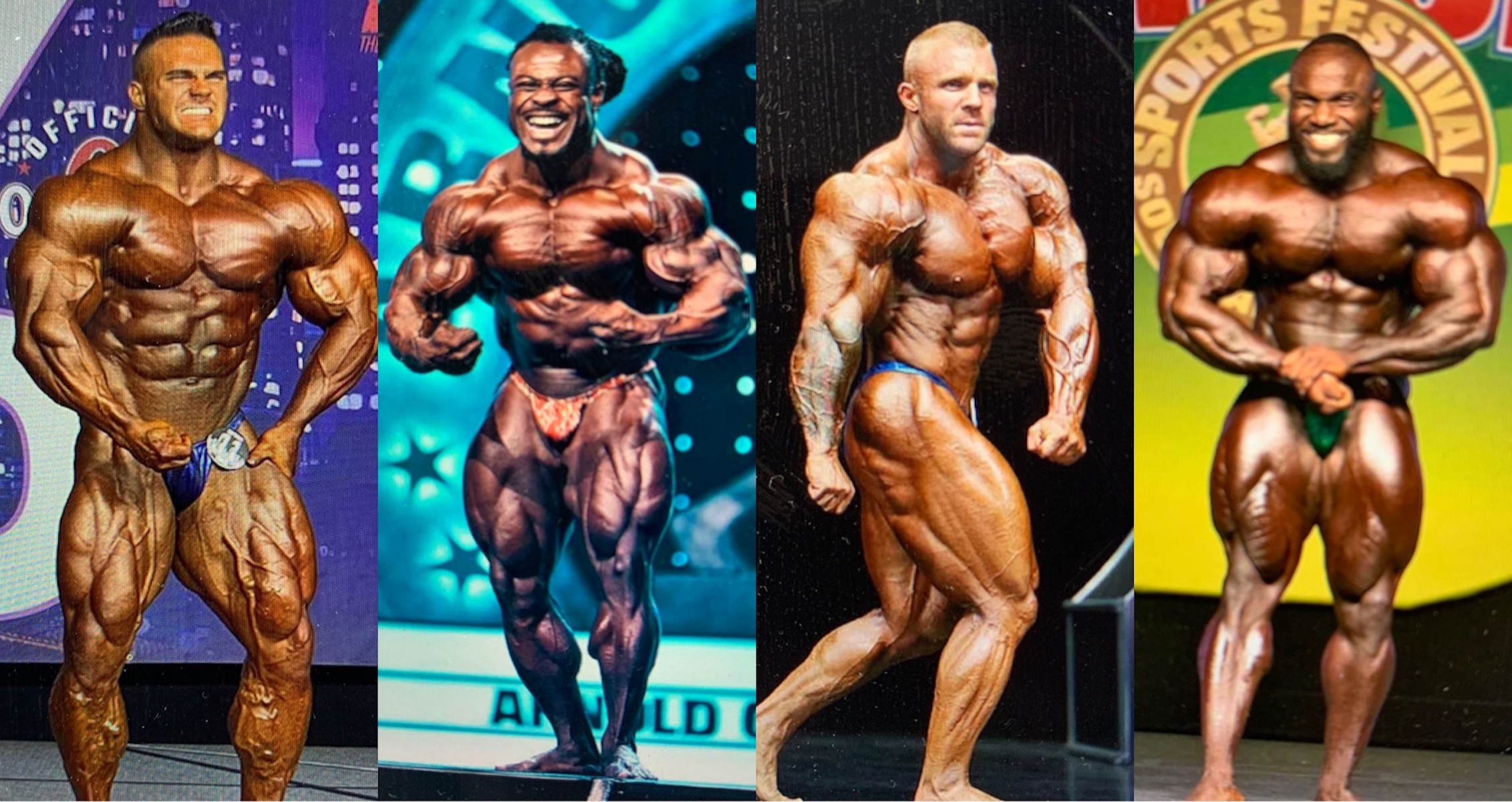
Arnold Classic 2021 Preview: Men’s Open Lineup Breakdown And Predictions
Who are the names to watch for in the Arnold Classic 2021?
The Arnold Classic 2021 is just days away. It will take place on Saturday in Columbus, OH after being pushed back due to COVID-19. There are four total divisions that will be on display during the event — Men’s Open, Classic Physique, Fitness, and Bikini.
To begin, we will break down the Men’s Open division. This is a deep group this year but there have been some changes to the lineup. Cedric McMillan was forced to withdraw with an injury while Lionel Beyeke will not be able to travel to the event because of restrictions.
Most recently, Roelly Winklaar was left off the competitors list. It is rumored that he will not be participating because of an undisclosed medical issue. Even with the lack of these big names, there are plenty others that will make the event exciting and a bit unpredictable.
Below, we will be breaking down the Men’s Open division. Here is the full lineup and some analysis about the competitors at the Arnold Classic 2021.
Arnold Classic 2021 Men’s Open
William Bonac
Maxx Charles
Seung Chul Lee
Mohamed El Emam
Steve Kuclo
Hassan Mostafa
Sergio Oliva Jr.
Justin Rodriguez
Iain Valliere
Nick Walker
Akim Williams
William Bonac
On paper, William Bonac is in the best position heading into the Arnold Classic. He is the reigning champion from 2020 and has another title in 2018. Sandwiched inn-between is a second-place finish in 2019. Bonac also finished second in the Olympia in 2019. To summarize, he has seen plenty of success at the biggest shows. Bonac knows the Arnold Classic well and the judges have shown that they like him on stage. Will he be victorious again? It would not be surprising to see another top-two finish from Bonac on Saturday.
Maxx Charles
Maxx Charles has put together an impressive career. He is still performing at a high level and this includes a fourth-place finish at the Tampa Pro this year. This will be Charles’ fifth appearance at the Arnold Classic. In 2017, he placed third and marked his best finish at the event. Charles can improve upon what was an eighth place finish in 2020.
Seung Chul Lee
Seung Chul Lee is looking to make a name for himself on the biggest stage. This will be his debut in the Arnold Classic after placing 12th in the 2020 Olympia. The big events have not been kind to newcomers when looking at the history. Lee could change the course with a strong performance in Columbus on Saturday.
Mohamed El Emam
Mohamed El Emam has built plenty of noise and hype around himself this year. He placed top five in three major competitions this year in America. The Russian bodybuilder has built the necessary experience to compete in a competition like the Arnold Classic. El Emam has been hard at work training for the Arnold Classic, both in the gym and in his diet plan. During the 2021 season, El Emam has competed against other top competitors in the country and he saw what he needed to do to stack up.
Steve Kuclo
Steve Kuclo finished fourth in last year’s Arnold Classic and it might be difficult to improve with the lineup this year. At the Texas Pro, Kuclo finished second and could be better conditioned heading into Saturday. If this is the case, Kuclo has a chance to sneak into the top five but if not, he could struggle to place in the top half. Kuclo has competed in the last three Arnold Classic events, with last year being his highest finish.
Hassan Mostafa
Hassan Mostafa is another competitor making his debut at the Arnold Classic 2021 this year. Mostafa has appeared on stage many times this year looking for qualification to the Olympia. He has come on over the last two years and become a staple at competitions. Mostafa has all the makings of a successful bodybuilder and this is the year that he can show it off on the biggest stages.
Sergio Oliva Jr.
Sergio Oliva Jr. is one of the dark-horse competitors in this event. Oliva won the New York Pro back in 2017 but there has not been that dominant victory since. After a difficult year filled with different issues that held him out of competition, Oliva is set to return in Columbus and could make an impact. He placed fifth in the Arnold Classic in 2020 and has a chance to be a top-three finisher this year.
Justin Rodriguez
Justin Rodriguez appeared in his first and only Arnold Classic back in 2018, where he finished seventh. Since then, he has appeared in two Olympia’s and notched two second-place finishes in 2020. Rodriguez is beginning to hit his stride and that makes him a dark-horse contender in this year’s show. With a stacked lineup like this, it will be difficult for Rodriguez to crack the top five but there is a chance if he comes in with the right conditioning.
Iain Valliere
It has been quite the year for Iain Valliere. He is the only athlete this year to win competitions in back-to-back weeks. It began when he finished first at the Tampa Pro and followed it up with topping Kuclo at the Texas Pro. Valliere is qualified and will be competing in the Olympia this year. This is his first appearance in the Arnold Classic and a top-five finish would be impressive. This all depends on conditioning but Valliere has certainly built up plenty of momentum heading into the biggest competitions of the year.
Nick Walker
Nick Walker is one of the biggest up-and-comers in the sport and is getting plenty of attention as the potential winner of the show. Walker has shown off his crazy physique and size on social media leading up to the event. Walker was victorious at the New York Pro and will have a chance to show off at the two biggest events of the year. At his height, Walker has incredible mass. He is preparing for his first Arnold Classic and a win would be extraordinary. This is a difficult feat for any competitor but Walker has what it takes to be a top-three finisher at worst.
Akim Williams
Akim Williams has all the tools to win this show. He is coming into his own after being an underrated competitor for a few years. After a win at the Puerto Rico Pro, Williams will have another chance to compete at the Olympia, where he placed sixth in 2020. Williams has what it takes to finish higher this year and potentially win the Arnold Classic 2021. He has incredible size and a small waist. His overall physique is impressive and if conditioned, Williams will be difficult to beat. He might not have the experience, competing in just two Arnold Classics with no higher than a seventh-place finish, but he has all the physical tools.
For more news and updates, follow Generation Iron on Facebook, Twitter, and Instagram.
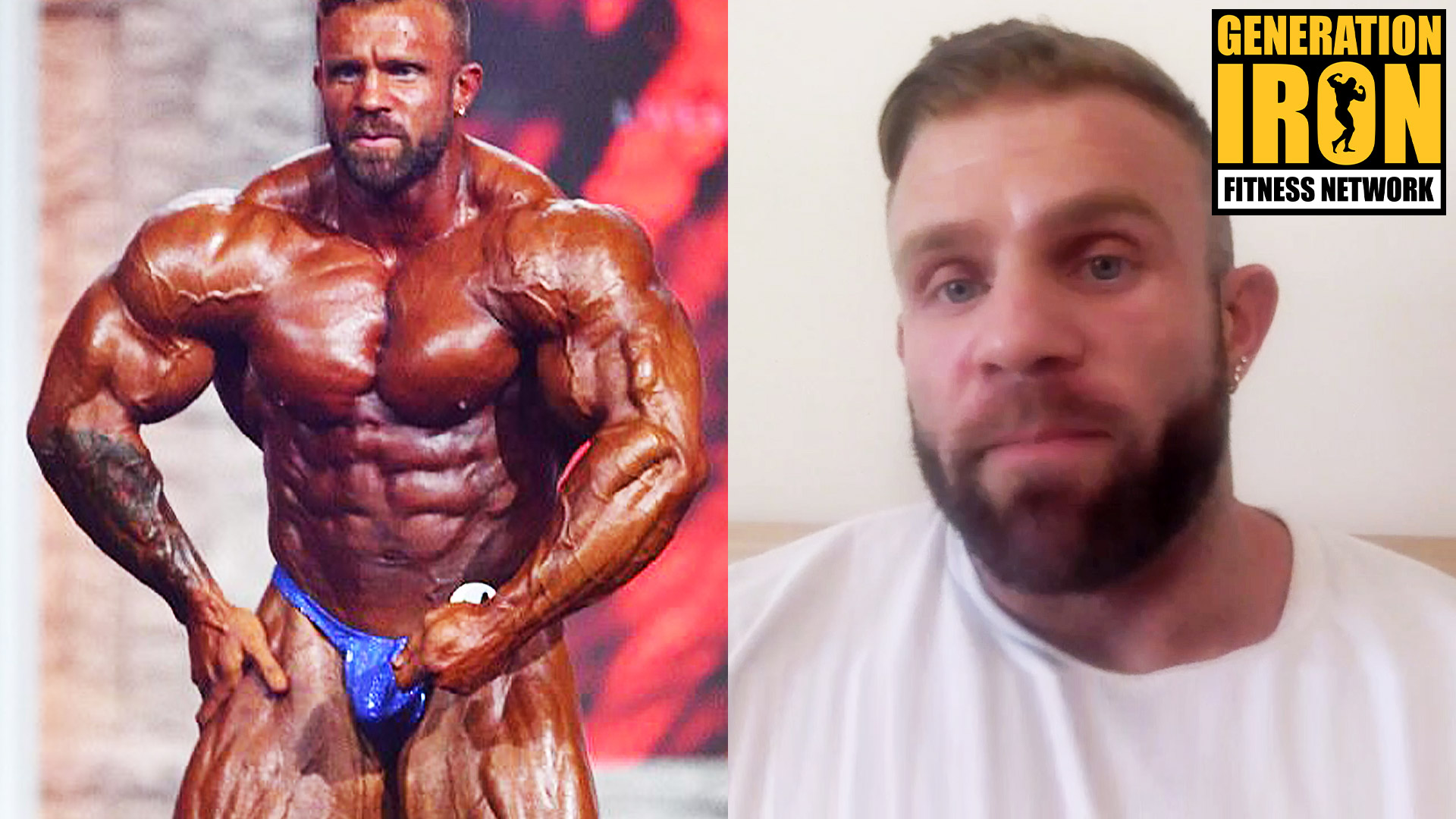
INTERVIEW: How Iain Valliere Improved His Physique Just Six Weeks Between Shows For The Arnold Classic 2021
[embedded content]
Iain Valliere only had six weeks between the Texas Pro and the Arnold Classic – here’s how he prepped to improve his physique.
Last week, we talked to Iain Valliere about his risky strategy for the 2021 bodybuilding season. Instead of putting all of his eggs in one basket (the Arnold Classic 2021), he competed in many shows throughout the year. Not only that – but he gave himself very little time between competitions. After his latest win at the Texas Pro, he only had six weeks before the Arnold Classic. In our latest GI Exclusive interview, Iain Valliere details exactly how he prepped in just six weeks for the Arnold Classic to improve even further from his impressive showcase at the Texas Pro.
Prepping for a bodybuilding competition is a length and challenging endeavor. It’s usually the reason why a bodybuilder will only compete in a small number of shows per year. They don’t want to run the risk of burn out or ill timing for bigger shows that matter. It’s part of the reason why the Olympia champion only competes at the Olympia the following year. With no need to qualify – they focus solely on being perfect for the biggest event in the sport.
Iain Valliere chose to handle things differently this year. He competed in multiple shows in the tail end of the 2021 season. In fact, he only gave himself six months between the Texas Pro (which he won) and the Arnold Classic. Not only that – but following the Arnold Classic, he only has two weeks before he competes again in the Mr. Olympia.
Some find this too risky – but Iain Valliere finds that he improves with each passing competition. He prefers the short gaps in between to keep him eternally on point. So now with only a few days until this weekend’s Arnold Classic – we’ll see just how on point his physique really is.
Of course, the Arnold Classic is a totally different beast from the Texas Pro. He’ll need to show improvements in order to stay in line with the biggest names in the sport. That’s why we asked Valliere exactly how he strategized to improve in such a short amount of time.
Iain Valliere was well aware of his tight turnaround – so improvements aren’t expected to be massive in terms of increased size. But he did challenge himself to put on a few extra pounds of muscle. Instead of bulking up 15-20 pounds between shows, he kept his goals smaller. He bulked up six or seven pounds and then quickly switched over to cutting down for prime conditioning.
He also received some notes from the judges as the Texas Pro about his posing. Posing is something that can improve without risk of damaging the quality of a bodybuilder’s physique. So he made sure to put improved focus on posing over the past six weeks. If he can further manipulate his physique on stage for the judges – it can give him the edge he needs.
Ultimately, Iain Valliere enjoys staying focused and on point with quick turnarounds between shows. Instead of falling into a slower rhythm looking towards a competition months away – he can stay in competition mode directly after the Texas Pro and straight through the Arnold Classic and to the Olympia.
With a positive outlook by fans with each competition he’s appeared in – he also has the mental momentum on his side. We can’t wait to see what he brings to the stage this weekend and beyond.
You can watch Iain Valliere detail his six week Arnold Classic training prep in our latest GI Exclusive interview segment above!
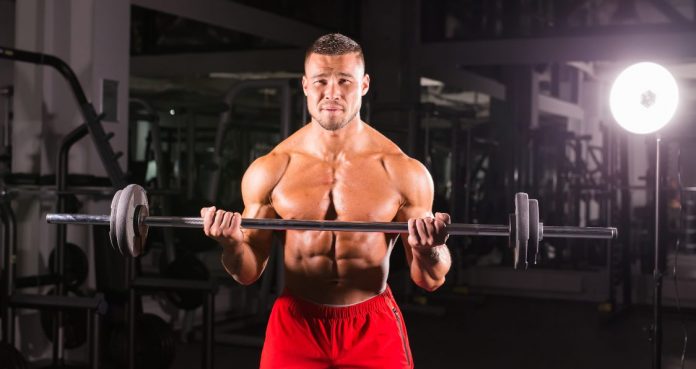
How To Perform the Perfect Barbell Curl
The Essential Exercise for Building Upper Arm Size
While exercises like barbell curls should be part of a strength training program, they are perhaps of secondary importance in comparison to a range of compound exercises such as squats, pulls, and presses.However, this is not to say that they are unimportant or unnecessary as the barbell curl can successfully bring about a significant change in the size of the biceps.Furthermore, working the biceps through exercises like the barbell curl can have a consequent impact on strength, power, general fitness, and aesthetics.This article will review the barbell curl, the specific benefits associated with the exercises, and a number of curl variations that you can add to your training.
Barbell Curl Technique & Muscles Work
Considering the fact that the barbell curl is an isolation exercise, the movements place a great amount of stress on only one muscle group – the biceps.However, the forearm muscles are also isometrically contracted as a result of gripping the bar. This simply means that the muscles are activated but are not changing in length.
The following 5 steps will allow you to complete the barbell curl in an effective manner and facilitate changes in bicep and forearm strength and size.
1) Stand Upright
Start by grabbing the bar using an underhand grip that is slightly wider than the hips. Be aware that grip widths may vary depending on your physical characteristics.Stand up with the bar in hand, lift the chest, pull the shoulders back and squeeze the shoulder blades together.It’s highly important that the shoulders remain pulled back throughout the barbell curl to ensure that a maximal load is placed on the biceps.
2) Squeeze the Bar
A common mistake is failing to squeeze the bar tightly during the curl. This often causes the elbows to flare out, the chest to drop and the shoulders to move forward.Gripping tightly will keep the hands supinated (palms out) and consequently prevent the elbows from flaring. Allowing flaring will turn the exercise into a shoulder-dominant movement which is not ideal. To maximize the load on the biceps, facilitate better form and develop fuller looking arms, focus on squeezing the pinkies on the barbell and imagine you are attempting to break the bar.
3) Curl Up and Out
When executing the curl, focus on keeping the bar away from the torso rather than tight to it. Ideally, the elbows should be slightly in front of the line of the shoulders.As you curl upwards, prevent the shoulders from shifting out of position – they may want to come forward as the bar rises.
4) Focus on the Squeeze
When reaching the top portion of the barbell curl, ensure that you do not curl the bar too far. Bringing the bar up to the chest will suffice.If you continue to curl up to the shoulders and allow the elbows to shift away from the sides, you will find that the tension on biceps will dissipate and the shoulders will become involved.The goal should be to maintain tension through the biceps, therefore, ensure you reach chest level and concentrate on the bicep contraction at the top of the movement.
5) Control the Descent
As mentioned in the last point, it is imperative that tension is maintained on the biceps throughout the duration of the exercise.Therefore, avoid rushing the eccentric lowering phase to maximize bicep tension. As you reach the bottom of the rep, avoid relaxing and fully straightening the arms to maintain tension.Focus on keeping your hands slightly in front of the body at the very bottom of the curl – this should prevent you from dropping the bar too far.
Benefits of the Barbell Curl
There are a number of reasons to incorporate the barbell curl into your training program. This section will consider 4 primary benefits associated with the exercise.
1) Stronger Grip
As highlighted, the barbell curl is not only an effective exercise for the biceps but the forearm muscles too. Increasing the strength of the forearm muscles will help to develop grip strength.The stress and strain placed on the forearms during the barbell will cause a significant adaptation and improve grip strength and wrist strength & stability.Enhancing these components will help with other resistance exercises that require a large degree of wrist and grip strength. Prime examples are the deadlift, loaded carries, hanging exercises, and weightlifting.
2) Injury Prevention
The biceps are responsible for bringing about flexion of the elbow joint as well as stabilizing and assisting in carries and pulling exercises.Having weak biceps can increase your risk of sustaining an injury to the biceps or the elbow as well as contributing to issues with grip thus negatively impacting your performance will certain exercises.Therefore, it is clear that incorporating bicep-orientated exercises like the barbell curl into your training is key for building strength and reducing the risk of sustaining an injury.
3) Increased Upper Body Size
Using the barbell curl as an accessory in conjunction with other accessory moves such as presses, dips, and rows can significantly impact overall upper body strength and size.Any lifter who is looking to gain weight in order to move up a weight class or improve for aesthetic reasons should consider incorporating barbell curls into their program.Likewise, those who are lacking in upper body strength and size and those who aspire to improve grip strength and joint health will benefit from the barbell curl.
4) Bigger Arms
The barbell curl is considered the ultimate bicep exercise for good reason and the most evident benefit associated with the barbell curl is an increase in upper arm girth.One of the biggest benefits of the barbell-based exercises is that the barbells allow you to lift the heaviest load possible (1) which causes the muscles to rapidly adapt in strength and size.Finally, as reflected on, developing the biceps not only has a positive impact on performance and joint health but having bigger arms may allow you to draw even more strength.
[embedded content]
Barbell Curl Variations and Alternatives
This section will provide detail on a number of barbell curl variations and alternatives that can be used to develop bicep size and strength.The variations and alternatives listed can be used if you find that progress has stalled with the barbell curl, need to add volume or are simply looking to freshen up your training.
Variations
1) Eccentric Barbell Curls
Emphasizing the eccentric phase of the barbell curl is one method of overloading the biceps and cause a large amount of damage to the muscle.Studies have found eccentric training to be a highly effective method for improving muscular size (2).For the eccentric barbell curl, complete the concentric phase as normal but lower the bar in a controlled manner back to the hips. This lowering phase should last 3-5 seconds.
2) Tempo Barbell Curls
The tempo curl is very similar to the eccentric method, however, the control can be applied to the concentric phase as well as the eccentric phase.The goal of this method is to maintain time under tension which has been found to be highly important in muscle mass development (3).A range of tempos can be used in tempo training however, considering that the goal is to increase time under tension, focus on 3-5 seconds per contraction.
3) Seated Barbell Curls
The seated variation of the barbell curl removes the bottom portion of the lift and entirely focuses on the upper portion.Because the range of motion is restricted, it is possible to lift a greater load with the seated barbell curl which can increase the demand placed on the biceps and cause a greater adaptation.
Alternatives
1) Hammer Curls
The hammer curl is a well known and renowned exercise for bicep and forearm development. The exercise targets the muscles of the arms from a different angle to help stimulate growth.The hammer curl is most commonly performed with dumbbells which are curled upward while being held in a neutral position (palms facing inwards). Although barbells have been found to highly activate the biceps most highly in the curl (4), dumbbells certainly have their benefits, specifically in terms of stability.
2) Preacher Curls
The preacher curl can be performed with a range of different pieces of equipment – barbells, EZ bars, and dumbbells.The exercise involves placing the upper arm onto an angled bench which entirely isolates the biceps by preventing the upper arms from moving.
3) Chin Ups
Although the chin-up is a compound exercise that works the lats as well as the biceps, it is a highly effective exercise for building strength and size in the arms.The exercise involves using an underhand grip on a pull-up bar and hanging. From the hanging position, pull hard so that the body rises up to the bar before dropping back down to the starting position.
Final Word
There is no doubt that the barbell curl is a highly effective developer of the biceps and should be especially be utilized by athletes and lifters who are looking to improve grip strength, arm strength & size and reduce the risk of upper extremity injury.
References:
1) Saeterbakken, Atle H.; van den Tillaar, Roland; Fimland, Marius S. (2011-03). “A comparison of muscle activity and 1-RM strength of three chest-press exercises with different stability requirements”. Journal of Sports Sciences. 29 (5): 533–538. doi:10.1080/02640414.2010.543916. ISSN 1466-447X. PMID 21225489.
2) Franchi, Martino V.; Reeves, Neil D.; Narici, Marco V. (July 4, 2017). “Skeletal Muscle Remodeling in Response to Eccentric vs. Concentric Loading: Morphological, Molecular, and Metabolic Adaptations”. Frontiers in Physiology. 8. doi:10.3389/fphys.2017.00447. ISSN 1664-042X. PMC 5495834. PMID 28725197.
3) Burd, Nicholas A; Andrews, Richard J; West, Daniel WD; Little, Jonathan P; Cochran, Andrew JR; Hector, Amy J; Cashaback, Joshua GA; Gibala, Martin J; Potvin, James R; Baker, Steven K; Phillips, Stuart M (January 15, 2012). “Muscle time under tension during resistance exercise stimulates differential muscle protein sub-fractional synthetic responses in men”. The Journal of Physiology. 590 (Pt 2): 351–362. doi:10.1113/jphysiol.2011.221200. ISSN 0022-3751. PMC 3285070. PMID 22106173.
4) Marcolin, Giuseppe; Panizzolo, Fausto Antonio; Petrone, Nicola; Moro, Tatiana; Grigoletto, Davide; Piccolo, Davide; Paoli, Antonio (July 13, 2018). “Differences in electromyographic activity of biceps brachii and brachioradialis while performing three variants of curl”. PeerJ. 6. doi:10.7717/peerj.5165. ISSN 2167-8359. PMC 6047503. PMID 30013836.

5 Reasons Why You’re Not Building Muscle
Top 5 reasons your (probably) not building muscle.
Bodybuilding isn’t an easy sport. Many people give up working out before they see any results. These people either blame their genetics for their inability to build muscle or throw out the “too busy to workout” excuse.
While bodybuilding can be hard, it is not rocket science. If you do all the things right, you will be on your way to building your dream physique. These could be the 5 reasons why you’re not building muscle mass.
1. You’re A Hardgainer
If you’ve not been able to build muscle mass, there could be chances you’re a hardgainer. It can be more difficult for a hardgainer to build muscle mass because of a variety of reasons which we will discover in this article.
You might start out skinny but you can pack on considerable muscle by breaking out of the hardgainer hell by following tips mentioned in this article. Don’t let being a hardgainer be an excuse for taking it easy in the gym.
2. Your Muscles Have Adopted To Your Workouts
Many people have the habit of the following the same workouts. Although doing this could be convenient but it will hurt your gains in the long run. In order to build muscle, you need to constantly shock your muscles.
Change your exercises every 2-3 weeks to see optimal gains. If you have a problem coming up with new exercises, you could follow one of the training programs available for free online or hire a trainer to design a personalized training program for you.
3. Your Diet is Not on Point
Depending on your body weight and your goals, your body needs macro and micronutrients to grow. If you’re not meeting your daily required nutrition goals, you will not see any progress.
If your goal is to build muscle, you should be consuming two grams of protein per pound of bodyweight to see results. For eg – if you weigh 70 lbs, you should be taking 140 grams of protein every day. If you don’t know how to make your diet plan, take the help of a professional.
4. Lack of Recovery
No matter how hard you workout, you won’t see results until your body recovers from your workouts. You don’t build muscle in the gym. Your muscles break down when you lift weights. Your muscles grow when you’re in deep sleep.
You need anywhere between 6-8 hours of sleep every night to recover from your workouts. Joint pains and prolonged muscle soreness are a sign of lack of recovery. Supplements can be an effective way to recuperate from your workouts.
5. Indiscipline
Bodybuilding is a sport which needs military-like discipline in all respects. You need to follow a regime with your training, diet, and rest. Following a program is the best and the fastest way to reach your goals.
You should follow a schedule for your workouts and diets. You should hit the gym at the same time every day because doing this will help your body respond better to your workouts. By being inconsistent with your training, diet, and rest, you are leaving gains on the table.
Are you a hardgainer? Let us know in the comments below. Also, be sure to follow Generation Iron on Facebook and Twitter.
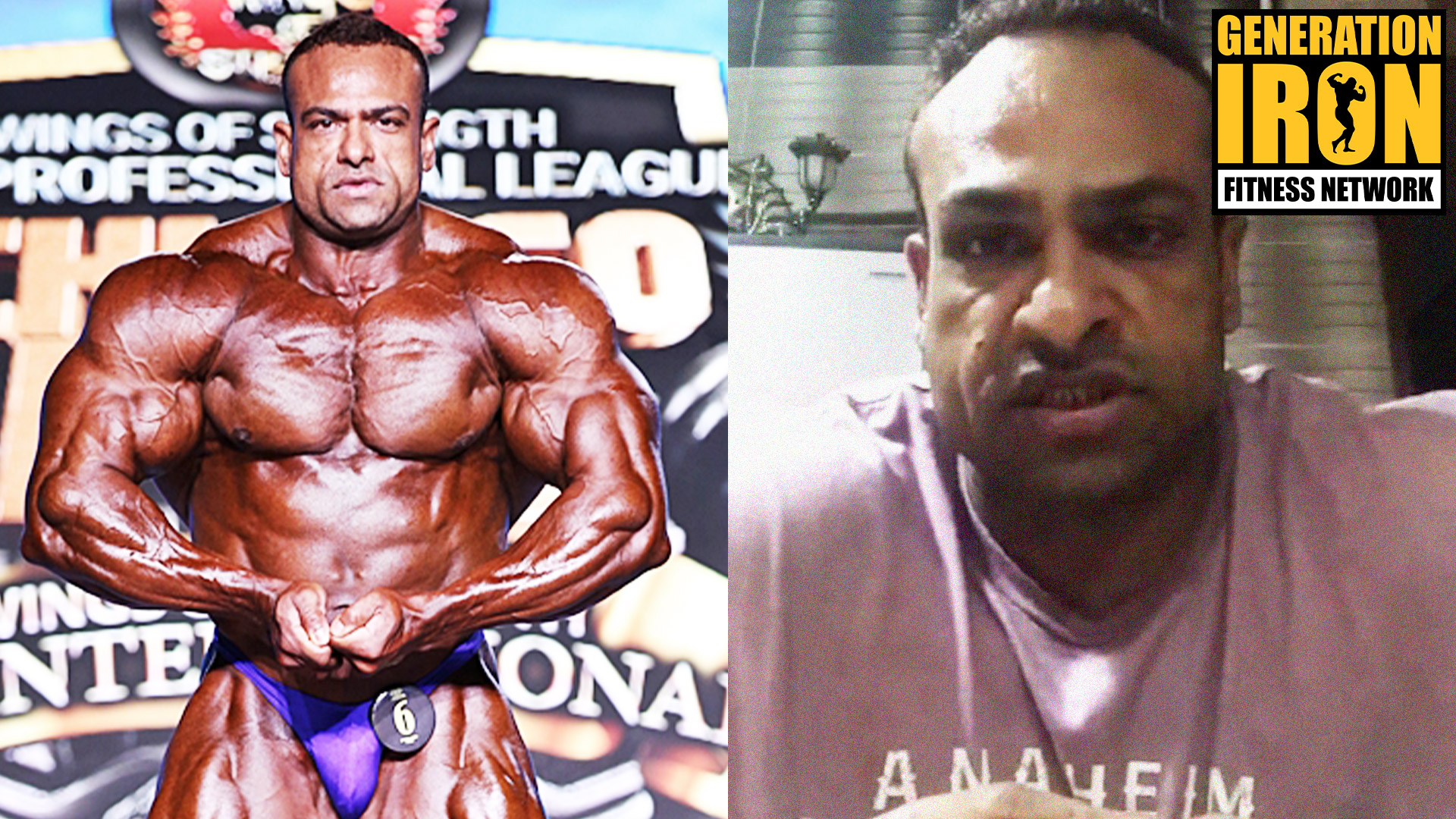
INTERVIEW: Inside Mohamed El Emam’s Contest Prep Plan To Dominate At The Arnold Classic 2021
[embedded content]
Mohamed El Emam breaks down his training and diet plan to compete in the Arnold Classic 2021 more on point than ever before.
Mohamed El Emam is a pro bodybuilder who has building a lot of hype in 2021. This is in part due to the large swath of US bodybuilding events he competed in this year. He took part in the California Pro, Indy Pro, and New York Pro – and placed in the top five for each one. Now he’s set to face off against the best in the world at the Arnold Classic 2021 this weekend. In our latest GI Exclusive, Mohamed El Emam details how he’s changed his contest prep to bring his best ever package to the Arnold Classic 2021 stage.
Mohamed El Emam participated in a sort of bodybuilding marathon during the 2021 season. He battled in multiple bodybuilding events nearly back to back. His goal was to earn himself Olympia qualification. But even more important than that – he wanted to get as much experience competing in the states before the Arnold Classic 2021.
El Emam is an Egyptian bodybuilder who resides in Russia. He’s been improving his physique and rising in popularity throughout the past few years. In 2021, he decided to go into overdrive and really leave an impression. It worked. We connected with Mohamed El Emam over a video call to discuss his 2021 season and his contest prep lading up to this weekend’s Arnold Classic.
During our conversation, Mohamed El Emam details his methodology behind competing in so many shows. He wanted to come to the states and get as much experience as possible. He’s taken what he’s learned from the California Pro, Indy Pro, and New York Pro to tweak his contest prep and bring an upgraded physique to the Arnold Classic.
By competing in the New York Pro, for example, he’s already pitted himself against Nick Walker – one of the most anticipated athletes set to compete at the Arnold Classic. Having stood on stage next to Walker, El Emam can now know what he’s going into this weekend. This is just one example of how he’s been mentally and physically preparing.
Mohamed El Emam has also changed up his coach. He’s now working with Milos Sarcev in order to push his training and diet tactics out of his comfort zone and up to new levels. During our conversation – El Emam goes into detail about specific muscle groups that he he has been targeting as well as an overall focus on improved conditioning. He’s saying all of the right things and has been doing everything within his power to improve from what we’ve seen earlier in the bodybuilding season.
Of course, by competing in so many shows earlier in the year – El Emam runs the risk of burning out and missing his physique timing on the Arnold Classic stage. That’s a risk he seems willing to take. El Emam has taken the safe path before. It’s led to slow but consistent progress. Now he wants to boost into champion status. That takes extra risk for the bigger reward. We can’t wait to see what he has in store this weekend.
You can watch Mohamed El Emam break down his full Arnold Classic 2021 prep in our latest GI Exclusive interview segment above!
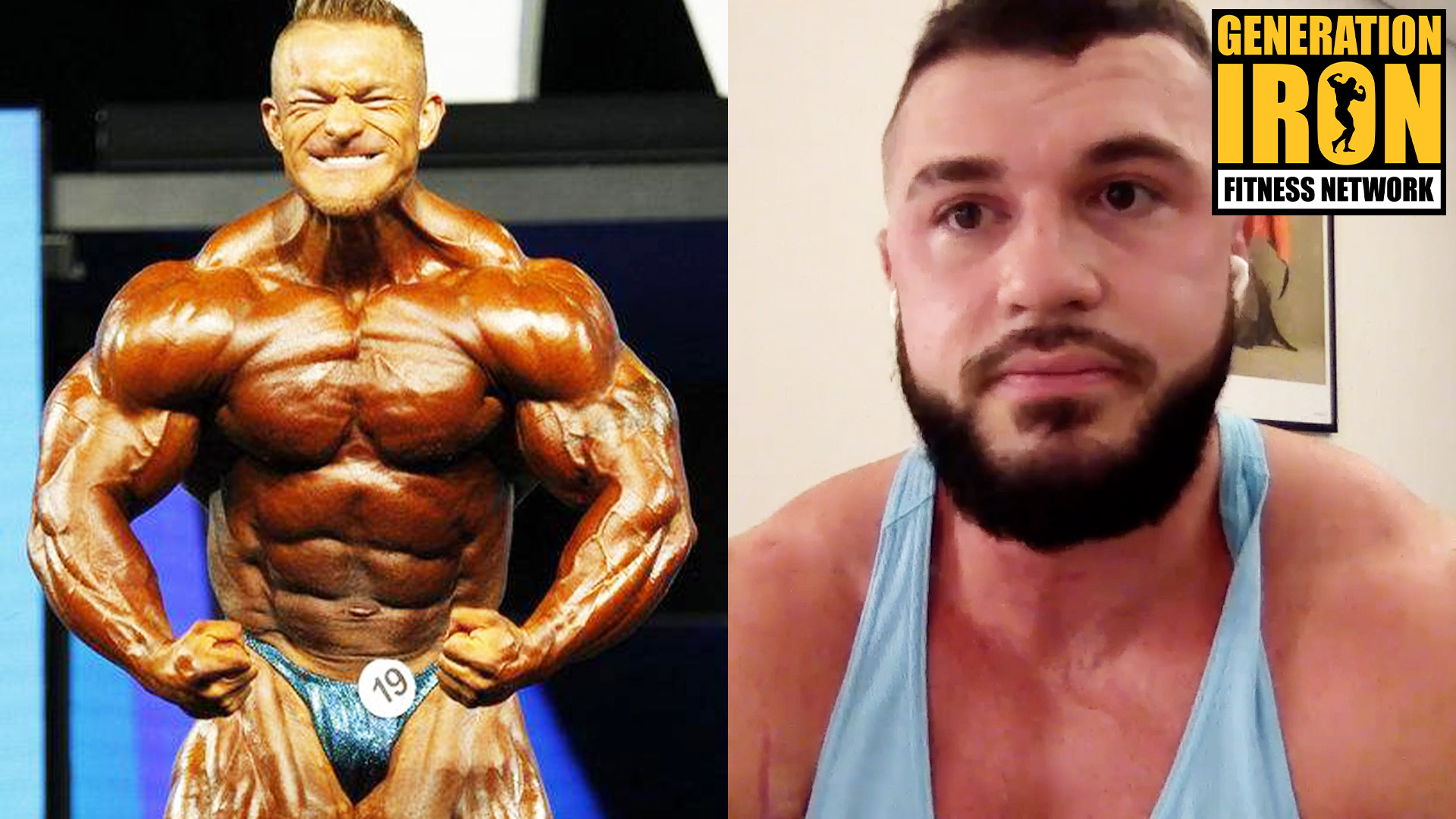
Ryan Crowley Answers: Can Flex Lewis Match Up To The Size Of Men’s Open?
[embedded content]
Ryan Crowley shares his thoughts on Flex Lewis’ future in the Men’s Open division and going up against mass monsters like Big Ramy.
Flex Lewis announced in 2018 that he was going to retire from Men’s 212 and move into the Men’s Open division. Since then, we have sadly not seen him compete due to unforeseen circumstances. After over a year of training for the transition, he dropped out of the Olympia 2020 due to injury. He then dropped out of the Olympia this year due to focusing on starting his own gym and having another child. Needless to say – fans are on the edge of their seats waiting for his official reveal in Men’s Open when it finally happens. Until then, all we can do is speculate how he will match up to the larger size competitors. In our latest GI Exclusive, bodybuilder Ryan Crowley weighs in on how Flex Wheeler will compare in the Men’s Open division.
Ryan Crowley is an up and coming bodybuilder who made headlines this year due to a gruesome injury that went viral. Crowley tore his pec severely – which threatened his entire bodybuilding future. He is in recovery now and optimistic he will return better than ever – but it will take some time. We connected with Crowley via video chat this month to discuss his injury and also his thoughts on the latest trending topics in the sport.
In today’s segment, we asked Ryan Crowley to name his favorite bodybuilder physiques in the sport. There was no question – he placed Jay Cutler, Dallas McCarver, and Flex Lewis as his favorite bodybuilders. In fact, Flex Lewis specifically provided him much of his inspiration to become a competitive bodybuilder. Much like Crowley, Lewis is a UK bodybuilder – and Lewis’ enormous success in the Men’s 212 league is of create motivation for Crowley to follow in his footsteps.
Upon mentioning his admiration and respect for Flex Lewis, we ask Ryan Crowley for his thoughts on Lewis’ transition to the Men’s Open division. Does Crowley think Lewis can bring the same level of champion status to the Mr. Olympia proper? There’s no doubt that Lewis has one of the most finely crafted physiques in history – but can the size difference put him at a disadvantage.
Ryan Crowley struggles to answer this question. He respects Flex Lewis so much that he doesn’t want to cast negativity over his transition to Men’s Open. That being said, Crowley can’t help but wonder how the size change will effect Lewis’ chances. Even if Flex Lewis brought his best physique of his entire life – could it stand up to the pure mass of Big Ramy?
We make mention that Hadi Choopan made a similar transition from Men’s 212 to Men’s Open. While he hasn’t won the Mr. Olympia yet – he has placed in the top five both years upon competing in Men’s Open. It was a shocking success story – and one that could pave the way for Flex Lewis.
Ryan Crowley agrees – but also states that until we see Flex Lewis next to the other competitors at Mr. Olympia, it’s impossible to really know for sure. There are many factors at play. What will Lewis look like with added pounds on his frame? Will he lose the sharp conditioning that made his Men’s 212 reign so iconic? We can’t know these answers – and the extended delay before seeing Lewis compete only makes the tension stronger.
Ryan Crowley has the highest hopes for Flex Lewis to succeed – but the realist in him worries about the various factors that can be hurdles in Lewis’ first year in a new division. For now – only time will tell.
You can watch Ryan Crowley talk about Flex Lewis’ Men’s Open future in our latest GI Exclusive interview segment above!
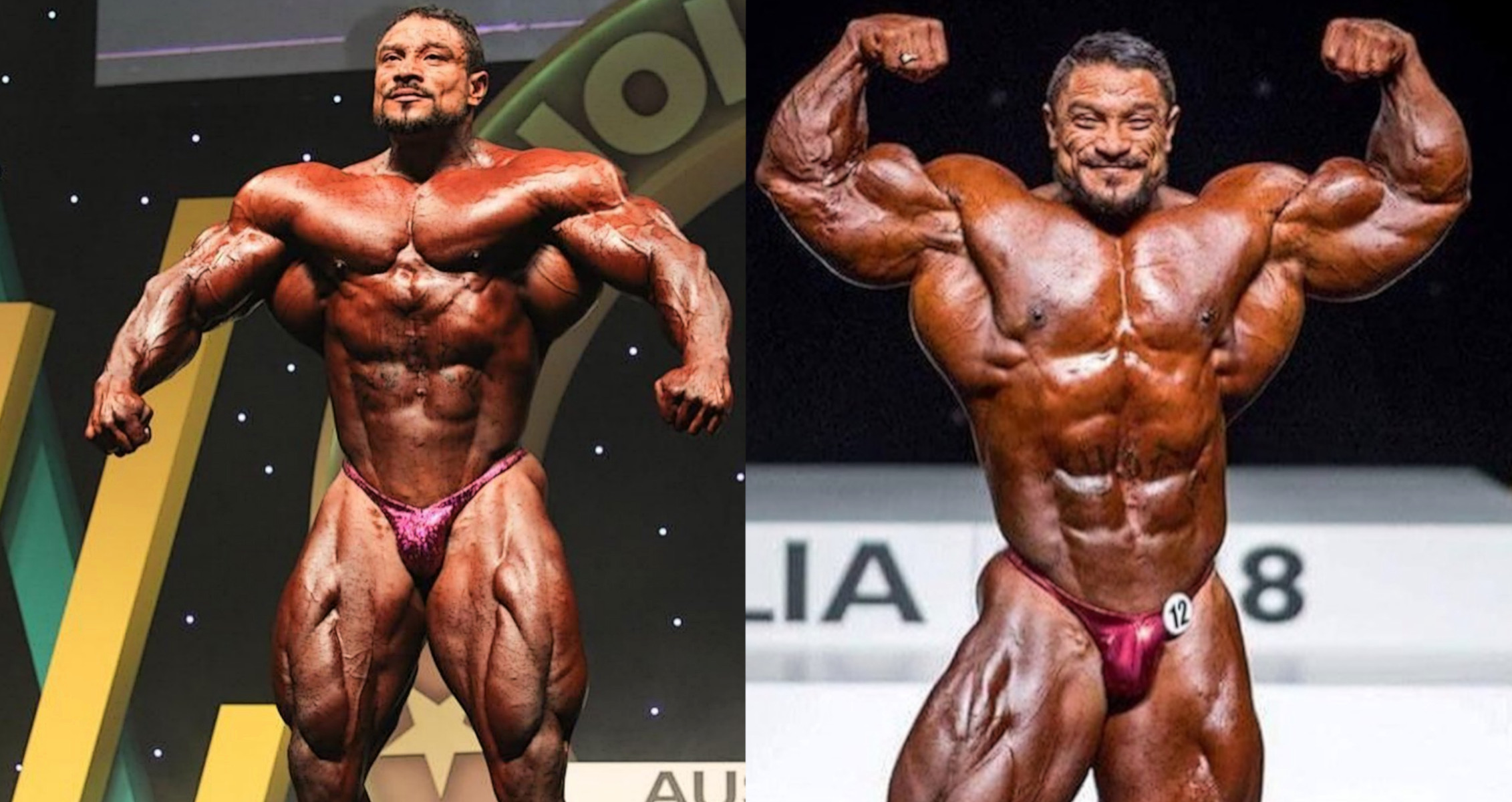
Roelly Winklaar Allegedly Out Of Arnold Classic 2021
There have been rumors that Roelly Winklaar will not compete at the 2021 Arnold Classic.
Roelly Winklaar was set to be one of the biggest names on stage on Saturday at the 2021 Arnold Classic but that might not be the case. Winklaar is allegedly going to miss the contest with an undisclosed medical issue.
On Tuesday, a list of competitors was released on the official website of the Arnold Classic. Winklaar was not one of the athletes listed. This event will take place on Saturday in Columbus, Ohio. Winklaar has not yet officially said that he is out but an Instagram post on Tuesday could be telling.
“As the saying goes: “Fall down seven times, stand up eight.”.I believe there’s a higher purpose and a far bigger reason for everything in life. Notwithstanding that, I am far from done ? @yamamotonutrition“
Roelly Winklaar officially joined the list of competitors for the Arnold Classic on June 29, along with New York Pro winner Nick Walker. With less than a week until competition, Winklaar appears to be out and there has not been a replacement named.
Winklaar is now the third name to withdraw from the competition. 2017 AC champion Cedric McMillan pulled out of the competition with an injury while Lionel Beyeke was forced to dropout because of travel restrictions due to COVID-19.
Over the years, Winklaar has put together an impressive career with 11 total victories. He has appeared in the Arnold Classic five times and is a nine-time Olympia competitor.
Winklaar is qualified to compete in this year’s Olympia. He will look to return to the biggest stage after a difficult year. Winklaar pulled out of the 2020 Arnold Classic to train for the 2020 Olympia. He was forced to miss that as well after testing positive for COVID. Winklaar was able to return during the Chicago Pro, where he placed fifth, and finished second to Nathan De Asha during the Europa Pro.
As of now, there are still 11 names set to compete on Saturday. Here is the full lineup as of Tuesday afternoon:
William Bonac
Maxx Charles
Seung Chul Lee
Mohamed El Eman
Steve Kuclo
Hassan Mostafa
Sergio Oliva Jr.
Justin Rodriguez
Iain Valliere
Akim Williams
Nick Walker
We will have to wait and see if Winklaar is able to get healthy in order to step on the biggest stage in 2021. The Olympia is set for Oct. 7-10 in Orlando.
For more news and updates, follow Generation Iron on Facebook, Twitter, and Instagram.

The Best 3-Move Workout For Huge Triceps
Essentials Components for Tricep Growth
Maximizing the time spent in the gym is important, especially for those who find that they are tight on time. Trying to manage time while simultaneously ensuring that you are getting enough training volume to bring about change, can be challenging.Common methods of time-saving include using restricted rest times, supersets, tri-sets, and giant sets which allow an individual to work through a greater amount of volume in a shorter time-frame. This article will cover the best exercises & equipment, time under tension and will finish with an excellent 15-minute workout for building tricep size.
Exercise Selection
When it comes to exercise choice, the types of exercises you select should be based on the training goals that you currently have. There are two categories of exercise that should be considered – compound and isolation exercises. While both are effective, they have unique uses and benefits in strength training.Compound exercises are simply exercises that activate a range of muscles across a number of joints. Some examples of compound exercises include the deadlift, squat, and bench.Meanwhile, isolation exercises focus on one muscle group across only one joint. Some examples of isolation exercises include the tricep pushdown, bicep curl and front raise.While both types of exercises have been found to be beneficial for both strength and muscle hypertrophy (1), both have specific uses in resistance training.Compound exercises will certainly be most beneficial in terms of pure strength development considering that it is possible to lift heavier loads with the majority of compound movements.Isolation exercises are highly beneficial for ironing out any weakness and imbalances that may exist. They can also be used to target specific areas that are proving problematic.Finally, because isolation exercises place all the stress on one muscle group, it is possible that these muscles will respond more quickly thus leading to an increase in strength and size.The best training programs focus primarily on compound exercises and use isolation exercises supplementally in order to facilitate and accelerate the rate of change.
Equipment Selection
In terms of equipment, it would be wrong to suggest that one piece of kit is better than another. Instead, a combination of equipment should be used for the majority of training programs.In the following workout, every exercise is to be completed using the resistance band cables as they allow for a greater degree of muscular control.The reason why barbells and dumbbells are not used for this workout is that, although typically more weight can be lifted, muscle tension is not consistent throughout the range of motion. This is not to discredit barbells or dumbbells as they absolutely have their place in resistance training – however, as will be discussed in the following point, cables more efficiently maintain tension on the muscle.
Time Under Tension (TUT)
Time under tension or TUT is a very common exercise principle that is often used by those looking to build significant muscle growth. The TUT technique involves manipulating tempo to increase muscular tension (2). The three mechanisms of muscular hypertrophy are mechanical tension, muscle damage, and metabolic stress (3).The principle behind the TUT technique is to increase the amount of mechanical tension which will consequently increase the amount of muscle damage and metabolic stress.Causing muscle damage and metabolic stress will prompt a response from the body to begin the recovery process. It is this recovery process that causes an increase in strength and size.Often, individuals rush through repetitions too quickly which is not ideal when we consider the mechanisms behind hypertrophy.Finally, as referred to earlier, the reason that cables are used in this workout comes down to their ability to maintain tension on the muscles throughout the duration of the exercise.Therefore, the cables are the perfect option for all time under tension work.
Nutrition Considerations
While all of the above points are very important, they will not make a significant difference on muscle growth if your nutrition is not right.For muscle growth, there are two key considerations to be made – calorie and protein consumption. Both are needed in high quantities in order to enhance recovery and onset muscle growth (4).
Three Moves for Bigger Triceps
There are 3 simple tricep isolation exercises that are to be performed and the workout follows a very simple structure – 3 exercises, 5 sets x 15 reps and 20-second rests.The short rest between sets means that you are likely to generate a significant muscle pump – perhaps more so than you would if you were to perform 6 conventional exercises.In terms of weight, start with a light load. It may feel far too light during the first set however, because of the restricted rest periods, it’ll feel super heavy by set 4 & 5.Each set should take approximately 25-30 seconds which consequently means that the entire workout should take no longer than 15 minutes.It is recommended to complete this workout after completing a chest day or to pair it with bicep work.
Exercise
Sets x Reps
Rest
Tricep Pushdown
5 x 15
20 sec
Reverse Grip Tricep Pushdown
5 x 15
20 sec
Cable Lying Tricep Extension
5 x 15
20 sec
Technique Tips
It’s important to remember that each of the exercises in this workout is an isolation exercise. Therefore, to effectively isolate the triceps, movement should only be generated around the elbow joint.It’s not uncommon to see individuals moving through the shoulder to assist in this exercise. Additionally, on occasion, the hips may also shift in order to help drive the movement.When this occurs, it can reduce the amount of tension placed on the triceps and move it onto other muscle groups. Therefore, all movement out with elbow flexion/extension should be eliminated.
Tricep Pushdown
For the pushdown, set up the pulley to a high position, attach the rope and grip it using a neutral grip (palms facing each other).In the start position, the hands should be approximately in line with the height of the shoulders. Tuck both elbows tightly into the ribcage and lift the chest prior to pushing down.Drive the load down to the hips by hinging at the elbows only. Ensure that you squeeze the triceps tightly at the bottom of the movement in order to maximize time under tension.In addition, control the eccentric (or negative) portion of the movement and avoid the temptation to rush through each and every rep.When you reach the top of the rep, feel free to let the elbows shift forward very slightly to maximize the stretch of the triceps.The first set of your pulldowns should feel very manageable and set 2 & 3 should feel like warm-up sets.It is with set 4 and 5 that the triceps will really start to fatigue and burn. As fatigue builds, focus even more so on technique as fatigue can begin to interfere with how you move.
Reverse Grip Tricep Pushdown
Having completed the conventional tricep pushdown, immediately move into the reverse grip pushdown to keep the blood flowing to the tricep muscles.Quickly swap the rope for the bar attachment and take up an underhand grip on the bar. This change of grip will cause greater activation of the long head of triceps.The movement pattern of the reverse grip pushdown is exactly the same as the conventional pushdown, the only difference being the grip used.This time, focus on the backside of the upper arm and keep each rep controlled to maximize the stretch on the muscle.As with the conventional pushdown, remember to squeeze the tricep at the bottom of the exercise.
Cable Lying Tricep Extension
The final exercise, the cable lying tricep extension, places a great stretch on the triceps as a result of the mechanics involved in the exercise.For the cable lying tricep extension, set a flat bench in front of the pulley and bring the pulley down to a low position.Look to keep the upper arm in a vertical position and focus on flexing and extending the elbows.To maximize the tricep stretch, it is imperative that each rep is kept controlled throughout. Take your time as you flex the elbows before extending and slowly squeezing the triceps.Often with this exercise (and the majority of tricep exercises), individuals jerk the weight rather than focusing on maintaining control.Remember that the entire purpose of this workout is to increase time under tension. By performing quick and uncontrolled repetitions, you will fail to effectively do this.Take your time with the movements and keep the tempo slow. If you do this effectively, you will really feel the triceps burn!
Final Word
Significant changes in muscle size will occur providing ample protein and calories are consumed and in conjunction with a well-planned resistance training program.
Considering the important role that time under tension plays in causing muscular hypertrophy, this 15 minute, 3-move tricep workout can increase the size of the triceps.
References:
1-Gentil, Paulo; Soares, Saulo; Bottaro, Martim (2015-6). “Single vs. Multi-Joint Resistance Exercises: Effects on Muscle Strength and Hypertrophy”. Asian Journal of Sports Medicine. 6 (2). doi:10.5812/asjsm.24057. ISSN 2008-000X. PMC 4592763. PMID 26446291.
2-Wilk, Michal; Golas, Artur; Stastny, Petr; Nawrocka, Monika; Krzysztofik, Michal; Zajac, Adam (June 13, 2018). “Does Tempo of Resistance Exercise Impact Training Volume?”. Journal of Human Kinetics. 62: 241–250. doi:10.2478/hukin-2018-0034. ISSN 1640-5544. PMC 6006544. PMID 29922395.
3-Schoenfeld, Brad J. (2010-10). “The mechanisms of muscle hypertrophy and their application to resistance training”. Journal of Strength and Conditioning Research. 24 (10): 2857–2872. doi:10.1519/JSC.0b013e3181e840f3. ISSN 1533-4287. PMID 20847704.
4-Stokes, Tanner; Hector, Amy J.; Morton, Robert W.; McGlory, Chris; Phillips, Stuart M. (February 7, 2018). “Recent Perspectives Regarding the Role of Dietary Protein for the Promotion of Muscle Hypertrophy with Resistance Exercise Training”. Nutrients. 10 (2). doi:10.3390/nu10020180. ISSN 2072-6643. PMC 5852756. PMID 29414855.