
Tag: Bodybuilding
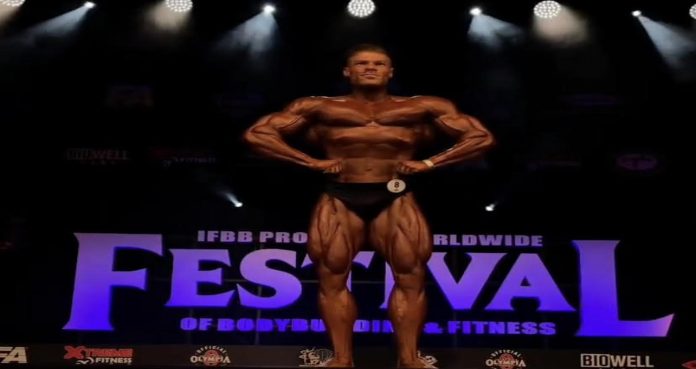
2021 Battle of Champions Pro Results
Wesley Vissers wins Classic Physique at the 2021 Battle of Champions Pro.
The 2021 Battle of Champions Pro took place on Sunday in Warsaw, Poland. This competition gave athletes another chance to earn qualification to the 2021 Olympia. Wesley Vissers finished at the top in Classic Physique while Adrianna Kaczmarek won Bikini.
Vissers began competing professionally after earning his pro card by winning the London Royal Pro qualifier in 2017. He traveled to the United State to take part in the 2018 Chicago Pro, where he finished first in the classic physique division and earned a trip to the Olympia. Here, he will have a chance to compete in his second Olympia and show that he is becoming a force in the sport.
For Kaczmarek, this will be her second-straight appearance in the Olympia. She earned her qualification last year by winning Bikini at the 2020 Europa Pro Championships.
There were two divisions at the Battle of Champions Pro who gained qualification to the Olympia. The full results have now been announced. Check out our full breakdown of the IFBB 2021 Battle of Champions results below.
2021 Battle of Champions: All Division Winners
A quick breakdown of the winners in each division from the 2021 Battle of Champions. All winners are now automatically qualified to compete in the Olympia 2021.
Classic Physique: Wesley Vissers
Bikini: Adrianna Kaczmarek
2021 Battle of Champions Breakdown
Classic Physique
First Place – Wesley Vissers
Second Place – Roman Khaliulin
Third Place – Jack Connor
Fourth Place – Pavel Szotkowski
Fifth Place – Hubert Kulczynski
Sixth Place – Denis Romanov
Bikini
First Place – Adrianna Kaczmarek
Second Place – Noora Mahonen
Third Place – Priscila Rodrigues
Fourth Place – Ottavia Mazza
Fifth Place – Anastasia Gonzalez Andreu
Sixth Place – Wiktoria Gasior
Official Score Cards
Generation Iron wishes to congratulate all the great athletes who earned a win at the IFBB Battle of Champions. Make sure to check out our full IFBB Pro results page from this year and previous years right here to catch up on any action you may have missed!
Greg has covered the four major sports for six years and has been featured on sites such as Sports Illustrated, Fox Sports, SB Nation, NJ.com, and FanSided. Now, he is transitioning into the world of bodybuilding and strength sports.
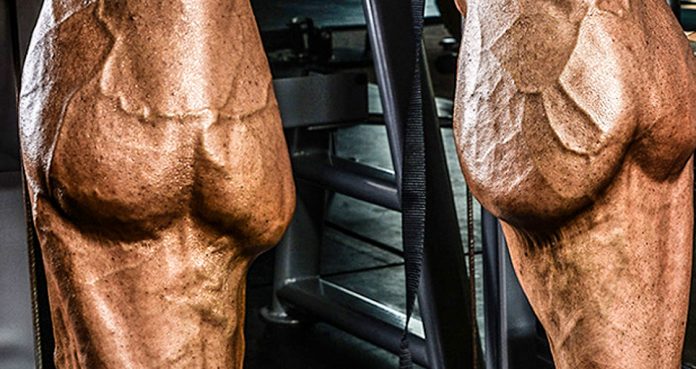
Best On The Planet – Calves Which Should Be Labelled Cows
These Are The Biggest Calves On Earth
Calves can be one of the hardest muscles to grow. People with small calves will attest how stubborn the small muscle group can be. If you have small upper legs, lagging calves can make your legs look weaker.
A pair of fully-grown cows can add to the aesthetics and symmetry of your physique. In this article, we’ll be listing people with the best calves so that you can draw some much-needed motivation from them.
Flex Lewis
Flex Lewis is the 7X 212 Mr. Olympia champion. Lewis’ size and conditioning are top-notch, and he virtually has no weak spots. His calves look like they have a life of their own and can easily overshadow anyone around him.
Ben Pakulski
View this post on Instagram
When you look at this picture, what comes to mind? Hard work? Genetics? Steroids? One thing I Suggest you NEVER do is discount how much work went into creating something. You have NO idea the amount of time, pain, discipline, and obsession went into creating this physique. Most people will fail in life because they discount the amount of time and work it’s going to take to get accomplish their goal, so when it gets hard they crumble like dry leaves. Whatever you think it took, multiple that by 20. And the next goal you set out to crush, multiply your expectation by 100 and hope it’s even harder. Never ask for it to be easy. Ask for you to be better. Im grateful for my pain, im grateful for my struggles, they made the man I am and will continue to push harder than most people ever conceive because I’ve been dark places most people aren’t willing to go. What struggles are you grateful for? #YouCantDoWhatIDo #mi40gym #muscleintelligence #mi40 #benpakulski #mi40life
A post shared by Ben Pakulski (@bpakfitness) on May 18, 2019 at 3:38pm PDT
Ben has earned a name for himself when it comes to training scientifically and making use of all the research available to him. Judging by his calves, his physiological training research seems to be paying off.
Kai Greene
Many people consider Kai Greene to be an uncrowned Mr. Olympia. Kai’s interest and talents in sketching push him to focus on his muscular proportions and conditioning. Greene’s shredded cows are proof that he leaves no stones unturned in his training.
Dorian Yates
Dorian Yates is the OG of size and conditioning in the bodybuilding world. His sheer muscle mass made him stand apart from the crowd. Yates’ legs, in particular, had a crazy definition. It was something people had not witnessed before.
Kris Gethin
Gethin is a transformation expert and a celebrity trainer. His calves seem to evolve into bigger and meaner cows with every passing year. Kris’ calves will make you want to train your tree wigs harder and smarter.
Tom Platz
It’s not possible to talk about the most muscular legs and leave Tom Platz out of the conversation. Although it is Tom’s upper legs which get the most attention, we want to use this opportunity to highlight his calves.
Jason Huh
Jason is a monster, and the size, vascularity, and graininess of his calves blur the line between awesome and gross – in a good way. Jason’s hardcore training approach can psyche you up for your calf workouts.
Frank McGrath
Frank McGrath is arguably the most vascular athlete of all times. He might also be the person with the most vascular calves on the planet. Frank is one of the people who makes gaining muscle mass look easier than it is.
Big Ramy
Big Ramy is called that for a reason. His larger than life-size can dwarf people around him. Ramy’s legs are his one of the stronger points and his calves add to the symmetry and size illusion.
Jay Cutler
Cutler is a 4X Mr. Olympia. His monstrous legs played a huge role in dethroning Ronnie Coleman to win the Mr. Olympia title. Jay pushed the boundaries when it came to testing how far the human body could go.
Which is your favorite food out of the 10 listed in the article? Let us know in the comments below. Also, be sure to follow Generation Iron on Facebook, Twitter, and Instagram.

Get Boulder Shoulders With These Exercise Variations
Make your shoulders grow.
Shoulder training can without a doubt be one of the more tedious types of workouts when in the gym. Some people think that side laterals and overhead presses are the only answers to building up the shoulder muscles. It can become a bit tedious and boring to perform the same few exercises in order to get massive shoulders. There needs to be some variations to your shoulder training if you want to avoid hitting a plateau and simply just to make things interesting.
Pre Exhausting Shoulders
This method will pre-exhaust all three areas of the deltoids and prove to give your shoulders a massive pump. The exercises included in this method are a mix of all the classic movements you’d expect out of shoulder training. They include the front dumbbell raise, the lateral dumbbell raise, and the rear delt barbell row. 3 sets of 12 reps for each of these exercise before going into your regular routine will help to emphasize growth and development in the three muscles of your shoulders.
Seated Military Press
This gem can work wonders for your shoulder development. The movement of the military press can not only build up the anterior delts but the other two muscle groups in the shoulders as well. Though you can perform the exercise standing, when it’s done in the seated position you don’t have to focus as much attention to balance which will ultimately engage your lower back muscles more than needed. You have deadlifts for that. Instead you’ll be able to focus completely on your shoulders.
Face Pulls
This exercise is great for multiple muscle groups, not just for the shoulders. Besides being a great way to build up your rear delts for impressive size and definition, this exercise can prove to build your upper back muscles as well as doing some work on your traps. It’s important to thrash the posterior delts just as much as you work your anterior delts in order to see symmetrical development.
Arnold Press
This exercise has increased range of motion and can absolutely hammer the anterior and lateral delts. It’s pretty similar to the dumbbell press so you won’t have to make too many major adjustments when doing this one. The key is to start with the palm facing you and then rotating the wrists as you push the weight upwards. Not only this one great for your shoulders, but it can work wonders to give you a bigger bench.
What do you do for you shoulder development? Let us know in the comments below be sure to follow Generation Iron on Facebook and Twitter.
The GI Team is here to provide top news and original content for the new generation. The generation of bodybuilders who are pushing the sport to bigger and better places. Join The Movement. Become a part of Generation Iron!
5 Recovery Tips To Help You Build Muscle Faster
Improve Your Recovery With These Tips
Contrary to what many people think, muscles are built outside the gym. You break muscle tissue while you’re training in the gym and your muscles grow back bigger and stronger while you’re recovering.
Your muscle recovery is at its prime while you’re in deep sleep. Your body recuperates from the workouts while you’re not engaged in strenuous physical activity. A good recovery program is indispensable in a fitness program. No matter how hard you train, you won’t see the results until your body recovers from your workouts utilizing these top tips.
Use Supplements
Some people take pride in not using any supplements. Staying away from supplements can be a mistake as they can aid and fasten up your recovery. Supplements like BCAAs and whey protein are known to help with preventing muscle breakdown and rebuilding bigger and stronger muscle tissue respectively.
In today’s time, there is a supplement for almost every kind of recovery issue you can face. Joint or back pain, inflammation, or whatever your problem, name it, and there is probably a supplement for it out there.
Check out the Top Protein Supplements for Recovery out here.
Check out the Top BCAA Supplements for Recovery here.
Bath Your Way To Recovery
When most people hear about recovery, they think the only thing they need to do is to sit on their couch, do nothing, and let the body do its magic. The “chill to recover” approach for recovery isn’t enough, especially if you train at high intensity.
Although your recovery plan shouldn’t be as hard as your workouts, you should be willing to put in some extra efforts. Taking Epsom salt, cold water or ice baths can speed up the recovery process. You should also consider taking steam and saunas to detox your body.
Bio-Hacking
Making small adjustments in your daily routine can make a big impact on your recovery. Bio-hacking is the process of making changes to your lifestyle to “hack” your body’s biology to feel your best.
Some of the bio-hacks for better recovery include turning off the blue lights in your room, stop using your phone two hours before bedtime, and turning up the air conditioner to sleep better at night.
Take Some Time Off
When some people don’t see the results, they try to push harder and end up doing more harm than good. If you’ve hit a plateau, you should consider taking some time off training. During this time, feel free to indulge in your favorite food or things you couldn’t do while you were on your training program.
If you’re following an intense training program, you should consider taking a week off every six months to give your body time to recover. Once you start training after the time off, the results will speak for themselves.
Sleep Better
Sleep is where all the magic happens. Just like babies, you grow in your deep sleep. If you want to transform your physique, you should be getting anywhere between 7-8 hours of sleep every night.
If you can’t get the desired amount of sleep in a single night, you should consider napping in the afternoon to make up for the time. You can also take supplements which help in improving sleep.
Header image courtesy of Envato Elements
Have you ever been injured in the gym? Let us know in the comments below. Also, be sure to follow Generation Iron on Facebook, Twitter, and Instagram.
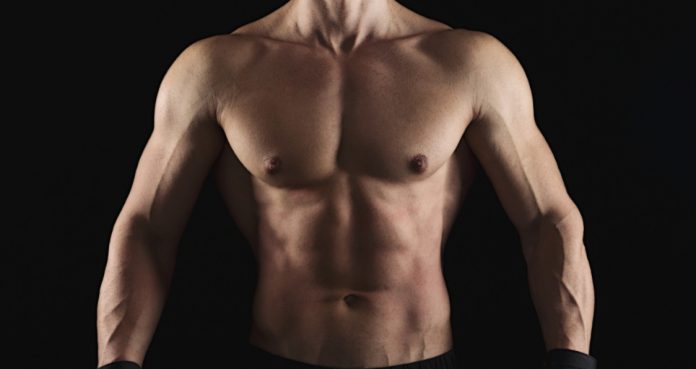
How To Build The Inner Chest Like a Pro
The Ultimate Inner Chest Developing Workout
For so many bodybuilders and lifters, there a number of “problem” areas which often fail to develop at an optimal rate and lag behind others. One common area is the inner chest which is often underdeveloped as many popular chest-based resistance exercises place a large demand on the lower and outer portion of the pectorals, leaving the inner portion neglected.
With this in mind, the purpose of this article is to provide an example workout that will allow any lifter to build size in the inner chest. Incorporating this workout into one’s training will certainly help towards adding substantial size to the inner chest and lead to a more greater chest development.
Comprehensive Chest Development
For many, development of the outer chest tends to come fairly easily however, inner portion growth tends to be much more of a challenge. As stated, his is partly due to the fact that many chest-specific exercises rely heavily on the outer fibers of lower pecs.
The reason these fibers tend to dictate movement when shifting resistance is because the fibers of the pecs vary in length and consequent strength (1). Typically, the lower, outer portion of the pecs are larger and stronger than the fibers found in the inner chest.
Because these fibers take the brunt of the stress and strain, the outer portion of the pecs will develop and grow substantially. The inner portion however, does not experience as great a training stimulus as the outer portion and therefore, fails to develop at the same rate.
From an aesthetic point of view, it is essential that the inner chest develops at a similar rate, otherwise, the pecs will not look “full” or defined. In addition, packing on inner pec size can help compliment the shoulders and back to a greater degree and improve overall physique.
Workout Overview
Hopefully, this serves to highlight the importance of developing the inner pecs for those with aesthetic-based goals. More often than not however, the inner pecs are not given the attention they need which can have a negative impact on one’s overall physique.
The purpose of the workout is evidently to drive substantial changes in this area. This is done through the use of inner chest-specific exercises and by moving away from traditional heavy pressing movements which fail to stimulate the fibers of the inner pecs most effectively.
The workout has been designed to fit into any training program and should be performed once per week to maximize growth. The workout uses a combination of both dumbbells and cables and will not take more than 60 minutes to complete.
Be aware that this workout has been designed for the intermediate lifter in mind. This is because a number of the resistance exercises and training techniques are perhaps too complex for the beginner or novice lifter.
The Inner Chest Workout
Exercise
Sets x Reps
Incline Dumbbell Press
1 x 203 x 8 -12
Dumbbell Bench Press (Superset)
3 x 8 – 12
Dumbbell Crush Press (Superset)
3 x 12 – 15
Incline Single Arm Chest Fly
3 x 12 – 15
Kneeling Incline Cross-Body Press
3 x 12 – 15
Not only does the workout use inner chest specific exercises, it also utilizes an advanced training method in the superset. Supersets, which involves performing 2 exercises consecutively with no rest in between, boost overall training volume which may lead to efficient muscle growth (2).
Furthermore, the workout incorporates a variety of repetitions – 8 – 12 reps for some exercises and 12 – 15 reps with others. The number of reps to be complete is relatively high; this is because studies have suggested that a higher rep range may assist in muscular hypertrophy more so than low reps (3).
For the intermediate lifter, the dumbbell bench press and incline variation will already be known. Both are fundamental chest-based resistance exercises that are commonly used to effectively develop chest size and strength.
A number of studies have indicated that the using dumbbells can help heighten the degree of pectoral activation (4). Furthermore, setting the bench on an incline has been found to place more demand on the upper and inner portions of the pectorals (5).
However, the crush press, single arm fly and cross body press may well be new exercises for many. Therefore, the following section details the technique for each movement and highlights a number of key points to remember while performing these exercises.
1. Dumbbell Crush Press
The crush press involves setting up a bench at a 45 degree angle. Avoid the temptation to select a set of heavy dumbbells which will push the intensity to the limit. Instead, look to pick a weight which is manageable and controllable. The emphasis must be on isolating the inner pecs and therefore, by shifting heavy weights, it’s likely that the focus will shift from the inner pecs to the body of the pec muscle.
Lie back on the bench, place the feet flat on the floor, maintain a slight arch in the lower back, place the dumbbells on the chest and pull the shoulder blades together. Ensure to use a neutral grip on the dumbbells and look to push, or “crush” the dumbbells together to create tension on the pecs.
From that position, brace the core before driving the weight directly upward, all while maintaining the “crush”. It is this crushing action that will maintain inner pec activation – therefore, press the dumbbells together throughout the duration of the movement. Effectively doing this will also enhance one’s shoulder stability throughout the movement.
Avoid fully locking out at the elbow as this will help to maximize tension on the inner pecs. Once at the top of the movement, reverse the actions and, in a controlled fashion, drop the dumbbells back down to the starting position.
To maximize the stress place on the pecs and consequently optimize inner pec growth, imagine simultaneously completing a fly and a press while performing this exercise. This should help facilitate form as both of these movements involve pulling the shoulder blades back and down to prevent the muscles of the shoulders assisting in the movement.
2. Incline Single Arm Chest Fly
Once again, place a bench on a 45 degree incline and adjust the cable to ensure it is set up so that the arm is slightly lower than the level of the shoulder. This exercise is to be performed one arm at a time or “unilaterally”. The reason for this to allow the arm to move beyond the midline which leads to a greater range of motion and therefore facilitates a more acute inner pec contraction.
Lie on the bench and grasp the cable. When driving the cable across the body, keep the movement controlled and consistent – both on the way out and the way back in. In a similar vein to heavy weight, it would be wise to avoid an explosive concentric contraction. This will allow for a greater focus on using the pecs to move the weight, rather than the shoulder muscles.
While performing the exercise, feel free to use the other hand to feel whether or not the inner fibers are contracting in the desired way. Finally, remember to maintain a slight bend in the elbows throughout the duration of the movement for comprehensive pec activation.
3. Kneeling Incline Cross-Body Press
For the final inner pec-specific exercise, ensure that the cable is set at a low position to allow for a diagonal pressing motion. This exercise can be performed both bi and unilaterally, however, completing single sided reps may be of more benefit as it allows for a greater focus on inner pec activation.
The exercise is a combination of both a press and a fly, therefore, it’s important to visualise the actions of both of these exercises while executing the cross-body press. When selecting weight, once again, select a resistance which is challenging but not heavy enough to pull the body out of position or cause loss of muscle tension. Maintaining tension on the muscles is extremely important for increasing the rate of muscle hypertrophy (6).
When setting up, assume the kneeling position and take hold of the cable. Squeeze the core musculature to stabilize the body and keep the shoulders down. Drive the weight up diagonally until the hand is approximately in line with the nose and avoid locking the elbow. Lower in a controlled manner and complete the prescribed number of reps.
During the exercise, avoid letting the elbow move excessively behind the line of the body. Not only will going too far back fail to efficiently hit the inner fibers, it may increase the risk of developing shoulder injury.
Final Word
While developing the inner portion of the chest can undoubtedly be challenging, it’s certainly not impossible. By following a program such as this, the inner chest will grow extensively and lead to a fuller looking chest and overall enhanced physique.
For more news and updates, follow Generation Iron on Facebook, Twitter, and Instagram.
References:
1– Solari, Francesca; Burns, Bracken (2019), “Anatomy, Thorax, Pectoralis Major Major”, StatPearls, StatPearls Publishing, PMID 30252247
2– Weakley, Jonathon J. S.; Till, Kevin; Read, Dale B.; Roe, Gregory A. B.; Darrall-Jones, Joshua; Phibbs, Padraic J.; Jones, Ben (2017). “The effects of traditional, superset, and tri-set resistance training structures on perceived intensity and physiological responses”. European Journal of Applied Physiology. 117 (9): 1877–1889. doi:10.1007/s00421-017-3680-3. ISSN 1439-6319. PMC 5556132. PMID 28698987.
3– Grgic, Jozo; Schoenfeld, Brad J. (April 18, 2018). “Are the Hypertrophic Adaptations to High and Low-Load Resistance Training Muscle Fiber Type Specific?”. Frontiers in Physiology. 9. doi:10.3389/fphys.2018.00402. ISSN 1664-042X. PMC 5915697. PMID 29720946.
4– Farias, Déborah de Araújo; Willardson, Jeffrey M.; Paz, Gabriel A.; Bezerra, Ewertton de S.; Miranda, Humberto (2017-7). “Maximal Strength Performance and Muscle Activation for the Bench Press and Triceps Extension Exercises Adopting Dumbbell, Barbell, and Machine Modalities Over Multiple Sets”. Journal of Strength and Conditioning Research. 31 (7): 1879–1887. doi:10.1519/JSC.0000000000001651. ISSN 1533-4287. PMID 27669189.
5– Saeterbakken, Atle Hole; Mo, Dag-André; Scott, Suzanne; Andersen, Vidar (June 22, 2017). “The Effects of Bench Press Variations in Competitive Athletes on Muscle Activity and Performance”. Journal of Human Kinetics. 57: 61–71. doi:10.1515/hukin-2017-0047. ISSN 1640-5544. PMC 5504579. PMID 28713459.
6– Schoenfeld, Brad J. (2010-10). “The mechanisms of muscle hypertrophy and their application to resistance training”. Journal of Strength and Conditioning Research. 24 (10): 2857–2872. doi:10.1519/JSC.0b013e3181e840f3. ISSN 1533-4287. PMID 20847704.

Decoding Genetics: Check If You Have Bodybuilding Genetics
How to know if you have bodybuilding genetics.
Gym trainers will have you believe you can achieve your dream physique if you work hard enough, buy their training program, take the supplement they are selling, or hire them as a personal trainer. But truth be told, not everyone can be the next Mr. Olympia.
We agree that hard work, smart work, the right mentor all are important, but if you don’t have the genetics, you cannot make it as a pro bodybuilder. It might be too much to digest, but this is the truth.
Don’t believe us? Perform this simple experiment.
Start training with an individual who is approximately the same height, weight, age, and has the same BMI as you. Follow the same diet plan and perform the same exercises for the same number of reps and sets.
Compare your results at the end of eight weeks. One of you will have put on more muscle mass compared to the other. It is not because that person has been eating or lifting more behind the scenes. The gains are a result of his superior genetics.
Factors Affecting Muscularity
Muscle Insertions
Muscle insertions are one of the least talked about aspects of bodybuilding. Insertions determine to what degree a specific muscle can develop. Biceps and calves can best describe the effect of muscle insertions on your muscle mass and symmetry.
Depending on your bicep insertion, your guns might be long, short, or average in length.
How To Take A Bicep Length Test
Flex your bicep so that your upper arm forms a right angle with your lower arm.
If there is a lot of stance between your biceps and elbows, your biceps are short.
In case there is about an inch of space, consider your bicep average length.
If your bicep muscle is jammed right up against the elbow joint, the Greek gods are kind to you, and you have long biceps.
If a muscle is attached lower on the bone, it will look longer and fuller when developed. Insertions are what give your muscle bellies the “full” appearance. Longer bicep muscle creates a bigger and better peak when you flex your arm.
Calves work the same way – the two extremes being high and low calves.
How To Take A Calf Test
Flex your calf and see where the muscle ends on its way to your ankle.
If it ends not too far down from your knee – you have high calves. Train them as hard as you can, but they will always be a weak muscle group.
If your calves go way down, you are blessed. You probably are a proud owner of a pair of full-grown bulls.
Body Type
Most people mistakenly put themselves in the wrong body type group. Successful bodybuilders are usually a mix of two body types. You might need the same to win a bodybuilding show.
You need the muscle mass of an endomorph and small joints of a mesomorph to create the perfect muscle proportionality and symmetry illusion on stage.
On the other hand, if you are an ectomorph, you will have to work extra hard to add some meat to your naturally lean frame.
It is not the end of the world for you if you are an ectomorph, though. Other “branches” of fitness like calisthenics, CrossFit are great fits for an ectomorph.
How To Know If You Have The Perfect Genetics For Bodybuilding
There is only one way of knowing if you have the right genetics for being on top of the pro bodybuilding food chain, and that is to take a test. Don’t worry, you don’t have to sit in a classroom and write long answers for this test. We are talking about a lifestyle genetic test.
Lifestyle genetic tests are gaining popularity and are more affordable than ever. All you have to do is order a kit, send a sample to a testing company and wait for the results. These tests can help you determine your strengths and weaknesses in training, building muscle, nutrition, and losing, gaining, or maintaining weight.
Bodybuilding and DNA
ACTN3 is a crucial gene that has been studied and proven to impact strength and muscle size. This gene codes for α-actinin-3, a protein in fast-twitch muscle fibers. This type of fiber allows muscles to contract rapidly and is necessary for power sports like weightlifting and sprinting.
Elite power athletes have a much higher amount of functional ACTN3 as compared to the general population. If you too have the functional ACTN3 gene, you have an advantage in strength training and bodybuilding.
Genetics, Body Composition, and Weight
A lifestyle genetic test can tell you how strength training will affect your body composition and weight. Body composition describes the amount of fat, bone, water, and muscle in the body. This test assigns you one of three genotypes for this measure:
1.Enhanced
A person with an “enhanced” genotype is perfect for bodybuilding. An enhanced person will see significant gains in muscle mass, losses in body fat and weight in response to regular strength training.
2. Normal
A majority of people who take this test fall into this category. It means you will lose some weight and convert some body mass by doing regular strength training workouts. People in this category shouldn’t expect extraordinary results in return for ordinary work in the gym.
Individuals in this genotype will have to lift heavier weight, use more intensity, and volume compared to the “enhanced” people to stimulate muscle tissue growth.
3. Below Average
If a person gets a “below average” result for this test, strength training alone will not do much in improving his body composition and weight. They will have to step their training, diet, and recovery programs up a notch to match the “normal” folks.
Hypertrophy resistance training will be the best type of workout for these individuals.
Genetics and Power Potential
Sports can roughly be divided into two categories: power and endurance. Power sports like bodybuilding require short bursts of force, and endurance sports like distance running require less force generated over a longer period.
Depending on your genotype you could be better at power or endurance sports. People with more type I (slow-twitch) muscle fibers will be more likely to be good at endurance sports, whereas individuals with more type II (fast-twitch) fibers will excel at strength sports.
Types Of Endurance Genotypes:
1. High Endurance – Good at power sports like bodybuilding and weightlifting.
2. Equal Endurance/Power – Good at sports with a mix of endurance and power. This is the most common type of genotype.
3. Higher Power – The best genotype to have if you want to be a pro bodybuilder.
Conclusion
Your genetics might act as a hurdle if your goal is to win international bodybuilding shows, but you should not use it as an excuse to never start working out or to quit the lifestyle if you are already in it.
Even if you are not as gifted as Phil Heath in the bodybuilding genetics department, you still have a chance to win bodybuilding shows by competing in your local bodybuilding shows.
Have you ever taken a lifestyle genetic test?
Let us know in the comments below. Also, be sure to follow Generation Iron on Facebook, Twitter, and Instagram.
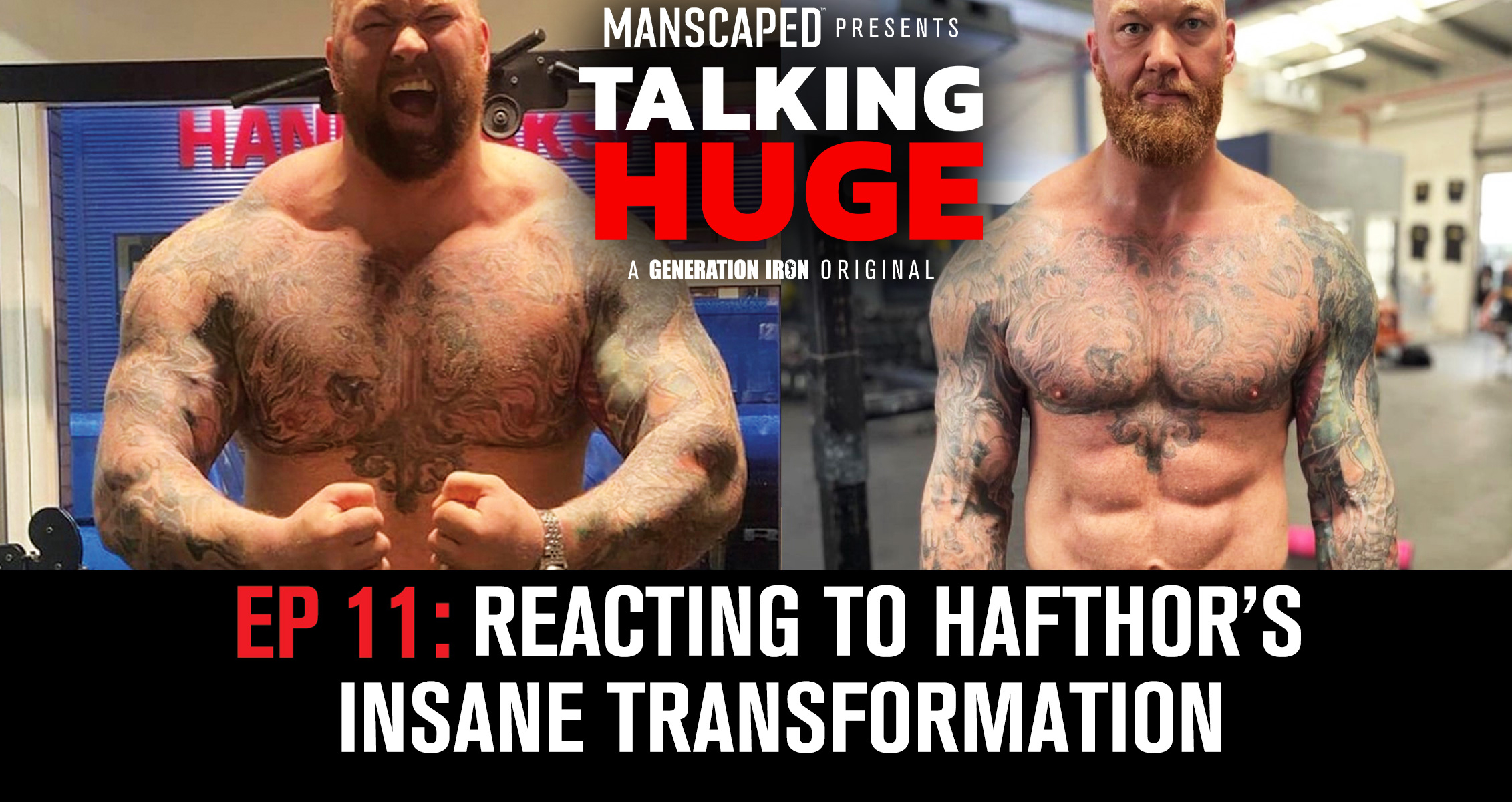
Talking Huge With Craig Golias | EP 11: Hafthor Bjornsson Transformation & Milk Crate Challenge
[embedded content]
Craig Golias talks Hafthor Bjornsson’s incredible shredded transformation, the new viral milk crate challenge, and more.
Welcome to another episode of Talking Huge – a weekly digital series in which Craig Golias talks in-depth with Vlad Yudin on the latest trending topics in bodybuilding. Raw, honest, and uncut – Craig Golias shares his opinions on all things bodybuilding. In this episode, Craig Golias reacts to the insane shred and weightloss transformation of Hafthor Bjornsson. Other topics include the milk crate challenge and the dangers of pro bodybuilding.
Craig Golias and Vlad Yudin catch up again this week for another episode of Talking Huge debate and conversation. The biggest highlight of the week included Hafthor Bjornsson’s continued transformation from titan strongman to lean and shredded boxer. As someone who values being huge above all else, Craig’s reaction to Hafthor might not be what you expect. Craig also gives his take on the new viral milk crate challenge (will he do the challenge as a 300+ mass monster?) and also the dangers of pro bodybuilding vs natural bodybuilding.
Craig Golias thinks Hafhtor Bjornsson is getting too lean
Ever since Hafthor Bjornsson and Eddie Hall announced that they would box each other – both strongmen have taken the future battle very seriously. This means losing a ton of that strongman weight and focusing on being lean. Hafthor specifically has showcased an incredible transformation. He’s lost over 100 pounds and looks shredded as a beast.
Craig Golias is certainly impressed, though for his personal taste he feels that Hafthor took the cutting a bit too far. Craig is a man who loves mass monsters and being huge. He thinks that Hafthor looked his best somewhere between his original weight and where he is now.
That being said, Craig Golias also understands that his personal taste is different than Hafthor’s goal. Since Hafthor is training to box in the ring, he needs to be as lean, fast, and agile as possible. It’s a completely different requirement than what strongman or bodybuilding entails.
Will Craig Golias do the milk crate challenge?
A new viral challenge has swept the nation. This one is called the milk crate challenge. The goal is to stack a pyramid of milk crates and have an individual walk up and then down the slope without falling. Of course, the fun part is that many people fall… and hard.
Craig Golias knew little of this challenge but watched a few clips. He finds the challenge funny and admits that the challenges seem to be getting more and more dangerous. Craig understands why the stakes keep getting raised. In this new era, people will do anything for clicks, views, and attention.
But would Craig Golias be willing to do the milk crate challenge. It would certainly be a sight to behold. Imagine a 300+ pound mass monster walking up and down those shaking crates. Craig knows that video would explode – but he’s also concerned about getting injured if he fell. He’s already currently injured with nerve damage in his arm and shoulder. Training is key to Craig’s lifestyle and brand – so he will likely avoid a challenge like this.
Wrap Up
There are far more topics discussed in this episode than we can cover in this article. You can check it all out in the latest episode of Talking Huge above! Make sure to check out Talking Huge every week on Friday – only on the Generation Iron Fitness Network!

Avoid These 5 Dieting Mistakes To Make Progress
5 Most Common Dieting Mistakes
It’s no secret that following the right diet is the key to losing weight or gaining muscle mass. Designing the right diet is like solving the matrix for most people, and they give up without trying.
Most of the people who do start a diet, give up soon after they don’t see any results. Almost all diets fail because of a few fundamental problems. If you avoid the common mistakes, you’ll be on your way to making serious progress.
Cutting Out The Fats Completely
When some people start a diet plan, they take fats to be the villain and design their diets to exclude the macronutrient from their diet completely. Removing fats from their diet is a big reason most people don’t see any results while dieting.
Fats are an essential macronutrient and play a vital role in joint and bone support along with maintaining an energy reserve in the form of fat which can be used by the body in times of emergency. Not consuming the proper amount of fats in your diet forces your body to store fat and can lead to joint pains and other functioning issues.
Not Doing Cardio
While following a customized diet plan for reducing fat or building muscle will start working on its own, you’ll need to add cardio to the mix to fasten up the process especially if your goal is weight loss.
Adding cardio to your training routine is a great way of maintaining a calorie deficit which will help you shed the extra kilos, and reduce the body fat percentage. You should consider adding a 10-minute session of HIIT cardio to your program.
Misunderstanding Carbs
After fats, carbohydrates are considered to be the enemies of fat loss by some people. Many of the rookies try to bring down their daily carb intake into double digits unknowing it’s going to do more harm than good.
As a rule of thumb, you shouldn’t drop down your daily carb consumption below 1g per pound of bodyweight until you’re in the final weeks leading up to a competition. If you’re reading this article, chances are you’re not going to step on stage anytime soon.
Becoming Way Too Strict
Many people get too strict and serious about their diets when they start out. They cut out all the fats and carbs from their diet and stick to a narrow and incomplete diet. These people eventually burn out and quit the fit lifestyle.
When you’re starting out, you need to follow a rational approach and gradually add or subtract from your diet. Cutting out your normal food too fast can make you feel drained out and you might end up deciding this lifestyle is not for you.
Jumping Ships
Some people get disheartened when they don’t see the results they were hoping to see. Thanks to the advancement in the dietary space, there are many different diets to follow and people sometimes get spoilt for choice.
When some people don’t see results, they end up deciding that the diet they are currently following isn’t suiting them and switch to a new diet. You need to give your body time to adjust to a diet so you can see results.
How many different diets do you know about? Let us know in the comments below. Also, be sure to follow Generation Iron on Facebook, Twitter, and Instagram.
Header image courtesy of Envato Elements
How to Lose Fat and Gain Muscle
How to lose fat and gain muscle
It doesn’t matter whether you’re a bodybuilder getting ready to compete or an average person getting shredded for a holiday, the fundamentals of fat loss and muscle gain are the same.
Body recomposition is the journey of fat loss and muscle gain, but it isn’t an easy one. It requires a lot of hard work and dedication. The only way to get results you want is by being consistent. This is an in-depth guide on how to burn fat without losing strength.
Training to build muscle
When it comes to building muscle, the only way to do so is through training, and in particular resistance training. There are various methods and popular workouts that are known in the fitness industry when it comes to building muscle, but first you need to get the fundamentals right.
Progressive overload
This is an extremely important term when it comes to building muscle/ improving performance, without progressive overload you will not get the results you want. Progressive overload is the ability to gradually increase stress placed on the musculoskeletal system. This means continuously making the exercise more difficult through small increments.
This can be done in various different ways. One of the best ways to overload and build muscle is by increasing the weight. The more weight you lift, the more tension is placed on the muscle and the bigger and stronger they get. However, it isn’t always possible to increase the weight. For starters, our bodies will only be able to push to a certain point, or you may not have access to heavier weights. If so, you can still progressively overload by increasing the sets, reps, reducing the tempo or even reducing rest time in-between sets.
Compound lifts
Another important factor for building muscle is to include a large amount of compound lifts in your weight training sessions. Compound exercises include large muscle groups as opposed to accessory exercises that feature smaller muscle groups.
The benefit of including compound lifts in your workout is that the more muscle you’re using, the more muscle you’ll build, it’s as simple as that. For example, when you perform a barbell bent over row, you are using various muscles in the back, along with the biceps and the core muscles. In opposition, when you do a bicep curl, you are primarily only using your biceps.
On top of this, when you are weight training your heart rate increases and your metabolic rate also increases, this means you burn your calories quicker. When you’re doing big compound lifts this will increase your metabolism and aid fat loss.
Exercise to lose fat
When it comes to exercise for fat loss, in-order to push for a calorie deficit, you need to ensure that you are active enough for the amount of calories you are consuming. This means that although strength training sessions are important, your everyday movement will be the most important for fat loss.
NEAT
NEAT is non exercise activity thermogenesis, which is all of the activity you do that doesn’t include your workouts. This can be doing your daily steps, gardening or carrying the food shopping, anything that is included in your everyday activity.
It is especially important to get your NEAT up during a fat loss phase because it is a time when you need to be in a calorie deficit and therefore, the more calorie you can burn from everyday activities the better.
LISS
When you’re trying to lose fat and build muscle at the same time, cardio is a great way to improve your cardiovascular health and also increase the energy expended. That being said, intense bouts of cardio may have a detrimental effect on your strength training if you do too much. This is because the main focus should be on strength, therefore tiring the body with intense cardio may leave the muscles too fatigued for gym sessions.
This is why LISS is a great alternative. Low Intensity Steady State cardio is usually performed for 45-60 minutes and will increase your calorie expenditure without having an adverse effect on your strength training.
Nutrition for fat loss & muscle gain
The main thing to consider in terms of nutrition and fat loss is being in a calorie deficit. This means consuming less calories than you expend. During body recomposition, you will be required to reduce your calorie intake for the best fat loss results.
Protein
As well as strength training, you also need to be fuelling your body with adequate calories and the right ones. This means getting enough protein. Protein is one of three macronutrients the body needs to function and survive, it is used to repair and build muscle, grow hair and nails and regulate hormones in the body, so it’s pretty important.
Protein is made up of amino acids which are the building blocks of our body. Without a sufficient amount of protein, not only does our body not function as well, but your muscles will not be able to repair at a rate necessary when you’re strength training. This results in not achieving the muscle mass you desire for body recomposition.
When you train the muscles, micro tears are created, and it is once these are repaired that the muscle will grow. In-order to repair you need enough sleep, rest and protein. Therefore without enough of each of these things, your muscles will not grow and it may also result in injury.
Calorie intake
Another important factor in nutrition for muscle gain is to eat enough calories so that you are not starving the muscles and cannot incur muscle growth.
Although to lose fat you need to be in a calorie deficit, if you are in too much of a deficit this can have a negative effect. Your body uses carbohydrates and fats as energy sources. When we exercise, we are burning calories from these two macronutrients. If you are not consuming enough of either of these, or you are doing a considerable amount more exercise than the calories you consume, then your body will start to use protein as a source of fuel.
This isn’t good. If your body is using protein for energy then that protein cannot be used for muscle growth.
Supplements for body recomposition
Once you’ve got your nutrition and exercise down to a T, then it might be time to consider supplementation for the final push of your body recomposition. It is important to note that you will get the best results from supplements once you have the foundations set. Supplements are there as a final push to get you to where you want to be. Here are some key supplements to consider when you want to lose fat and gain muscle:
Whey protein
Protein powder is an essential if you need to increase your protein in-take and struggle to get it from natural food sources. Whey protein in-particular is the most popular form of protein and comes from a by-product of milk and cheese. It is often sold in a powder form, comes in several flavors and can be mixed with water or milk/milk alternatives. Protein powder often has around 30g of protein per scoop and can be a great low calorie way to increase your daily protein intake.
Fat burners
Fat burners are often the icing on the cake when it comes to fat loss. You must execute your nutrition and training before moving to the final stages with a fat burner.
Ingredients often found in fat burners are there to increase your metabolism, use stored fat as energy and improve your energy levels so that you can train harder. To find a good fat burner, you should look for the following ingredients:
Green tea extract
Caffeine
Coleus extract
Theacrine
View our top rated lose fat and gain muscle supplement.
Pre-workout
If you’re losing fat then you should be in a calorie deficit. Although this is essential, it might leave you feeling deflated and fatigued when it comes to training. To give your body a push you can opt to take pre-workout supplements. They usually come in a powder, capsule or as a snack bar and should be consumed before training.
Pre-workout supplements often have similar ingredients no matter what the brand, important ingredients to look out for include:
Caffeine
Green tea extract
Creatine
Beta-Alanine
Branched-chain amino acids
You can also check out our review guide for the best pre-workout supplements on the market right here.
Conclusion
Now are you ready to cut fat and keep muscle? Remember to make strength training the most important part of your workout routines to maintain strength and incorporate steady state cardio and NEAT to boost the amount of calories you expend.
Along with this, a controlled calorie deficit is vital if you want to lose fat, however keeping large amounts of protein in your diet to hold onto that all important muscle mass.
Let us know what you think in the comments below. Also, be sure to follow Generation Iron on Facebook, Twitter, and Instagram.

Bodybuilder Megan Elizabeth Has Passed Away at 28 Years Old
The 28-year-old earned her pro card in 2018.
IFBB pro bodybuilder Megan Elizabeth has passed away at the age of 28. The cause of Marshall’s death has not been released. An announcement was made on the Facebook page of her mother, Denise.
“It is with the heaviest of hearts that Chuck and I let you know that we said goodbye to our beautiful Megan yesterday. We have had many reach out after seeing other posts. We will let you know about services after we have some time,” Morris wrote.
“Megan has been taken from us sooner than any of us were ready for, and as parents our hearts hurt and are broken. We now have another angel in Heaven to watch over us. Megan will join my Mom and my sister and her MawMaw. Soar high Miss Mighty Mouse! We love you always.”
Megan Elizabeth was an athlete all throughout her life. She joined the Navy after high school and learned about bodybuilding in 2013. She quickly gained a passion for the sport and trained to build her impressive physique. In 2014, Elizabeth began competing. This is when she started working toward her pro card. Elizabeth was able to earn her card at the 2018 NPC Junior USA Championships.
Elizabeth took to Instagram recently to celebrate the anniversary of earning her pro card.
Megan Elizabeth has stepped away from bodybuilding over the last few years but she was still a big part of the sport.
This has been an unfortunate time in the sport of bodybuilding. Many athletes have lost their lives recently and this has caused Olympia owner Jake Wood to push for a change.
I AM DEEPLY SHAKEN BY THE LOSS OF ALENA. I AM NOT ONE FOR EMPTY WORDS. INSTEAD OF MAKING POSTS I’M MAKING CHANGES. I HAD A PRODUCTIVE MEETING WITH JIM AND TYLER MANION THIS MORNING AND WE’RE ALL SICKENED BY THIS TURN OF EVENTS. WE AGREED THAT CONDITIONING IS OVER EMPHASIZED IN THE JUDGING CRITERIA AND SOMETHING MUST BE DONE. I WILL PUSH FOR CHANGE IN ALL DIVISIONS,” wood wrote.
Generation Iron sends condolences out to Megan Elizabeth’s family and friends during this time. This article will be updated as more information is confirmed and becomes available. For more news and updates, follow Generation Iron on Facebook, Twitter, and Instagram.