
 All Posts By Presser
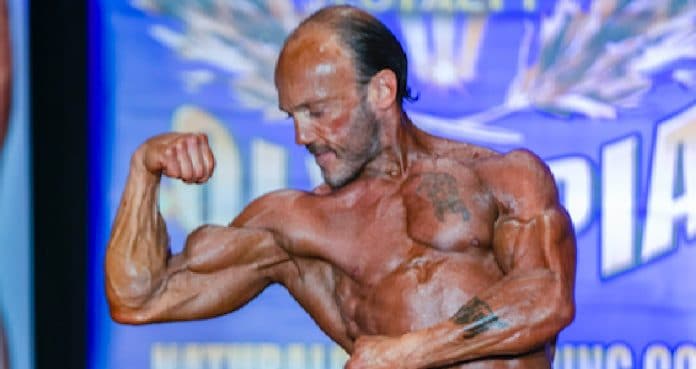
Davide Donati Reminisces on 200 Beats Per Minute Heart Rate at Natural Olympia
INBA PNBA Italian natural bodybuilder Davide Donati flashbacks his leg-shaking Natural Olympia experience.
An average resting heart rate lies between 60-100 beats per minute. Although, your heart rate can climb much higher than that. You can find your max heart rate by subtracting your age from 220. For your heart rate to beat that fast, though, you’ll need vigorous exercise or a nerve-racking experience. For instance, INBA PNBA Italian bodybuilder Davide Donati’s heart rate reached 200 beats per minute at 2021 Natural Olympia. Donati stated:
“When it was the turn of my category I got on the Olympia stage, my legs were shaking and my heart was beating at 200.”
Natural Olympia is the Super Bowl for natural bodybuilding competitors, so it’s no surprise this show spiked Davide Donati’s vitals.
Davide Donati’s Entrance Into Natural Bodybuilding
Davide Donati was born in August of 1971. Which he thanks for his competitive spirit since he’s a Leo. His competitive nature started early as a footballer (soccer) at five. By the time Donati was in his early teens, he admired big and strong guys lifting heavy weight. That lit a fire in him, and he was inspired to be bigger and stronger than them.
Donati’s interest in bodybuilding got him to start reading magazines on nutrition and training. And he bought an Olympian’s News magazine – the most popular bodybuilding magazine in Italy at the time. This magazine built a strong desire for Donati to compete.
After years of training, he decided to start competing in 1994. Donati made his debut in the Wabba Italia federation, and he placed well (3rd place out of 25 athletes in the Bodybuilding Lightweights division). Donati went on to win nine Italian titles in four different federations and a silver medal at the NABBA WFF European Championships in Germany.
Donati’s Road to Natural Olympia
In 2009, Davide Donati discovered NBFI and decided to compete in 2010. He won a silver medal at the Italian Championships, which qualified him for the WNBF European Championships in Zurich – winning the European title, pro card, and best poser title. Donati continued to dominate the European and WNBF World Championships for five years.
He also decided to become an NBFI federal judge. The NBFI affiliated with the INBA PNBA in 2018, and Davide Donati discovered them and liked what he saw. So he entered the 2019 World Championships in Romania.
Unfortunately, due to Covid-19 in 2020, Donati didn’t compete. However, he returned in 2021 and led a team of 50 NFBI athletes to great success at the INBA PNBA World Championships 2021 in Romania. Ultimately, Donati’s goal was to compete at Natural Olympia.
That time came in November of 2021 when Donati shared the stage with the world’s best pro Men’s Bodybuilding Grand Masters class.
Donati’s Heart-Pounding Natural Olympia Experience
The anticipation of competing on stage caused Donati’s heart rate to spike. Donati stated:
“I started climbing the stairs, my heart was pounding and the adrenaline skyrocketed. For a moment my heart stopped, my blood was frozen.”
Despite the anxiety-provoking experience, Donati demonstrated an excellent posing strategy that piqued judges’ interest. The judges began to call up the top competitors, with Donati being one of them. He ended up placing in the top five, which was a lifelong dream of his.
Follow us on Instagram, Facebook, and Twitter for more inspiring stories from natural athletes!
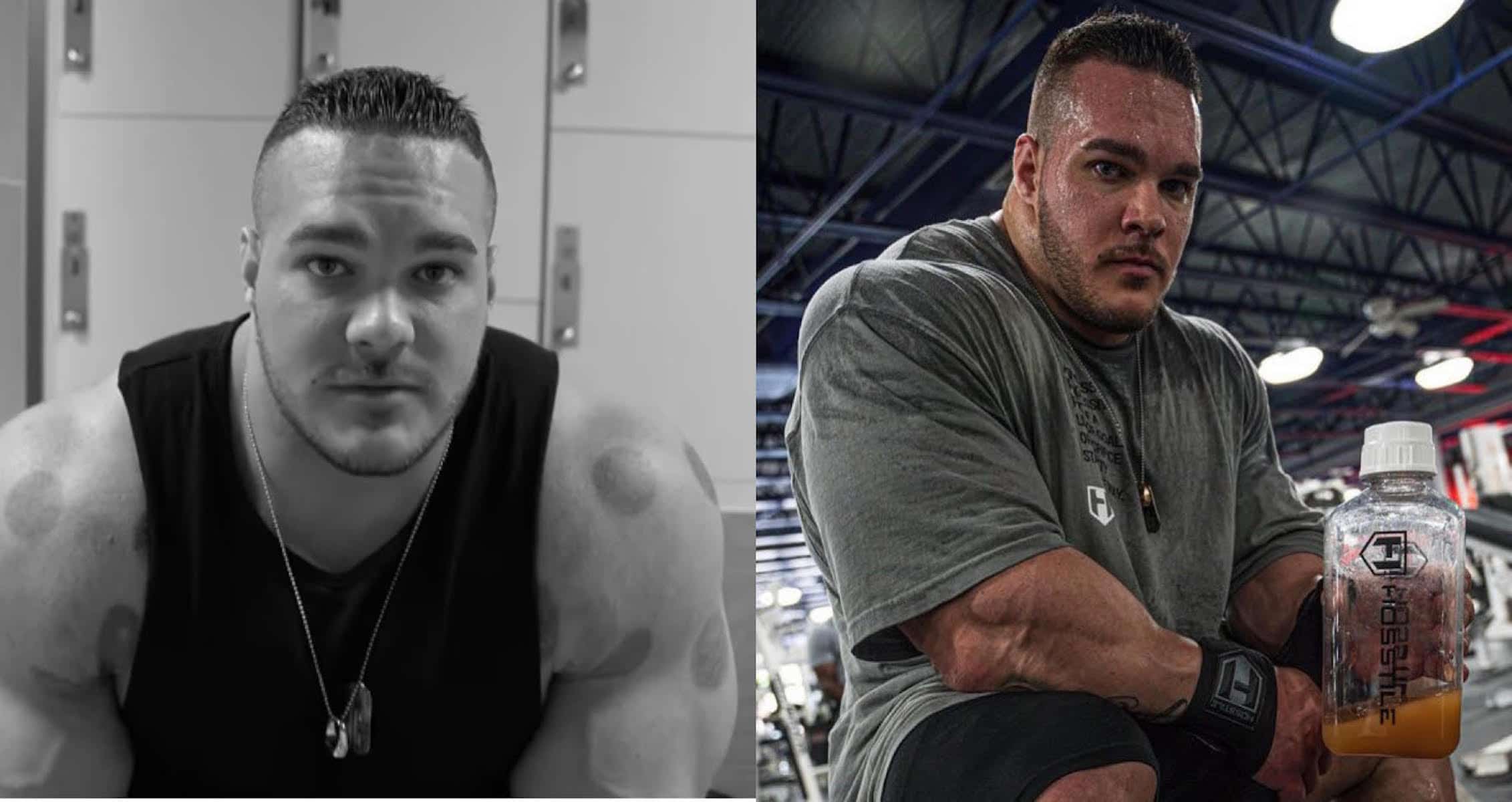
Nick Walker Signs To Hostile Nutrition
Nick Walker has decided to join forces with Hostile Nutrition.
Nick Walker is quickly becoming one of the top bodybuilders in the sport. Recently, he decided to put his name next to a nutrition company that he believes in right now and for the future. Walker has announced that he is signed to Hostile Nutrition.
Walker took to Instagram to make the big announcement. He revealed his reasoning behind the decision and took the time to make a video involving some different aspects of his life in the gym.
“I am happy to announce that I have officially joined @hosstilesupps
A company that puts out great quality supplements, all about putting in the hard work and never settling.”
Nick Walker absolutely burst onto the scene last year by winning the New York Pro and Arnold Classic. The Arnold Classic is the second biggest bodybuilding show of the year and many would consider the New York Pro to be the third, behind the Olympia of course. Walker then finished fifth in his first Olympia competition.
Despite the top-five finish, Walker was unhappy with his performance and vowed to be better. He will not defend his title at the 2022 Arnold Classic and will focus on building a championship physique for the Olympia, which will take place in December in Las Vegas.
Hostile Nutrition is a company founded by former bodybuilder Fouad Abiad. He enjoyed a 16-year bodybuilding career before announcing his retirement in December. Abiad revealed that he decided to step away from the stage because of the recent string of deaths that has hit the bodybuilding world. Despite retiring from competition, Abiad will continue to be a voice in the sport and will work to build Hostile Nutrition.
“HOSSTILE is 100% committed to bringing you the highest-quality products through stringent quality control. We have strict quality control procedures in place, not only for our ingredients, but also for our manufacturing facilities. All products are thoroughly tested throughout development, ensuring that every product meets our standards. Additionally, our facilities comply with current Good Manufacturing Practices (cGMP) to minimize the risk involved in production,” Said on Hostile nutrition’s website.
Nick Walker will be one of the faces of Hostile Nutrition moving forward. This is a partnership that could bring both the brand and Walker’s physique to another level moving forward. The 2022 season could be a special one for many reasons.
For more news and updates, follow Generation Iron on Facebook, Twitter, and Instagram.
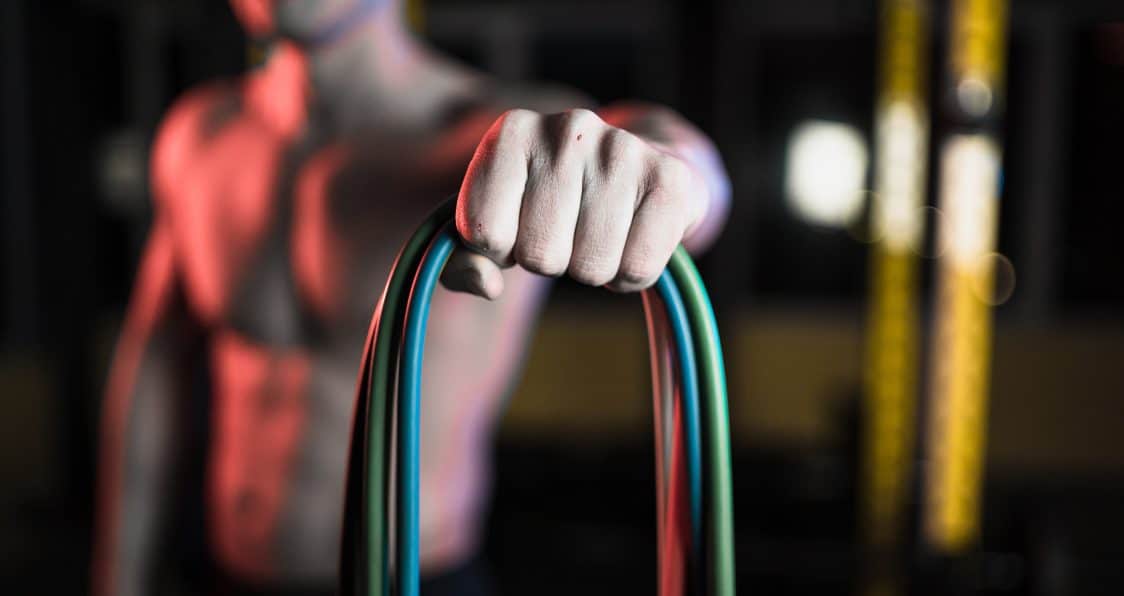
How Banded Leg Extensions Actually Build Those Quads
Use resistance bands to maximize leg growth with banded leg extensions.
Leg day can be tough for all of us but with an exercise like banded leg extensions, you know what you are getting and know this is increasing gains. Why leg day is dreaded by so many is a mystery. Strong and stable legs are essential when it comes to rounding out a stellar physique, on top of those sport specific and functional gains we want most.
While most of choose to squat or stick to those weighted exercises to see serious hypertrophy, we often neglect to consider what resistance bands can do. Of course, lifting weight and using those valuable machines in the gym can make or break our gains and give us what we want to see most in those results, but why put ourselves through so much stress when we can see similar benefits using resistance bands?
Often used for warm-ups or rehab, resistance bands are necessary to have in your gym bag, but something like banded leg extensions should not be looked down on. By turning away good resistance band-based exercises we limit our gains and end up leaving too much on the table.
Let’s take a look at banded leg extensions and see why this exercise is so great for boosting gains. From what this exercise is, to those leg muscles worked, the benefits around this, and how best to perform it for proper form, you will have a solid guide into banded leg extensions. Plus, we’ll try to convince you why resistance bands are so good to have in your routine.
What Are Banded Leg Extensions?
Banded leg extensions are perfect for isolating out those quads while still keeping time under tension as a priority. The benefit is that you don’t have to put so much strain on your legs by using big weight. This exercise in the leg extension is typically one performed on a machine, but this variation with resistance bands can make all the difference for you.
A great exercise to improve strength, size, mobility, and pushing power, the only equipment needed is a resistance band and some form of anchor to attach the band to. These can be performed either sitting or standing, so if you are sitting, the chair you are on acts as this anchor.
Muscles Worked
Your quads will get some serious work done as this is predominantly a quad isolation exercise. The importance of quad strength is no secret and plays a major role in stability, power, and aiding in those big lifts, like the squat. Like all lower body exercises, other muscles like your hamstrings and glutes may be activated, however, you won’t necessarily see the kind of growth that occurs in your quads.
Benefits Of Banded Leg Extensions
The benefits of banded leg extensions are important to know and may just make you put this into your routine.
Benefits of banded leg extensions include:
Increased quad growth: As an isolation exercise, the tension created will work this muscle and work to build that muscle for the best growth possible (1).
Better mobility: Using resistance bands can improve mobility and putting an emphasis on this is important and this exercise will help with this (2).
Easy to perform: This exercise is relatively easy to learn and perform which is great to take some stress off you learning something complex.
Take advantage of resistance band work: Use resistance bands for your advantage and work to optimize the effects by keeping this in your routine.
How To Perform This Exercise
Knowing how best to perform this exercise will maximize these benefits so you only see the best gains possible. With the right form, you alleviate any potential unwanted injury and pain and only work to increase muscle for the best growth possible.
While this can be performed sitting or standing, we will explain the steps for seated banded extensions.
Here are the steps for performing banded leg extensions in the seated position:
Sit comfortably in a chair and wrap the band around one foot so it is secure.
With the other foot (the one not performing the exercise), step on the band to create tension and plant this foot on the ground. Take the excess part of the band and wrap this around your knee.
Holding the back of your knee gently, strictly for minor support, extend the foot with the band wrapped around it in front of you so it is parallel to the floor.
Hold at the top and gently lower back down to the starting position.
Repeat for your desired number of sets and reps while repeating these same steps with the other leg.
Why Resistance Bands Are Great Training Accessories
Resistance bands have the ability to improve our gains without putting so much stress on our bodies. We’ve mentioned before that these are great for warming up and rehabbing but putting these into your workout is something to not take for granted. By increasing mind-muscle connection and working on range of motion, you really work your muscles and will see growth.
Range of motion is important for this will force you to get the most work out of your muscles as possible (3). Plus, with mind muscle connection, you start to build that good relationship between your brain and body so muscle memory becomes second nature (4).
Check out our list of the Best Resistance Bands for more great resistance products!
Wrap Up
Banded leg extensions are the perfect exercise to place into your routine for those looking to increase quad growth and add mobility and better range of motion to their workouts. With a quality set of resistance bands, you can’t go wrong with a great workout and one that will most certainly produce gains. Put banded leg extensions in your routine and watch those lower body gains take off. You do not want to be that guy in the gym with those skinny chicken legs.
Let us know what you think in the comments below. Also, be sure to follow Generation Iron on Facebook, Twitter, and Instagram.
*Images courtesy of Envato
References
Lopes, J.; et al. (2019). “Effects of training with elastic resistance versus conventional resistance on muscular strength: A systematic review and meta-analysis”. (source)
Kwak, C.; et al. (2016). “Effects of elastic-band resistance exercise on balance, mobility and gait function, flexibility and fall efficacy in elderly people”. (source)
Schoenfeld, B.; et al. (2020). “Effects of range of motion on muscle development during resistance training interventions: A systematic review”. (source)
Calatayud, J.; et al. (2017). “Mind-muscle connection training principle: influence of muscle strength and training experience during a pushing movement”. (source)
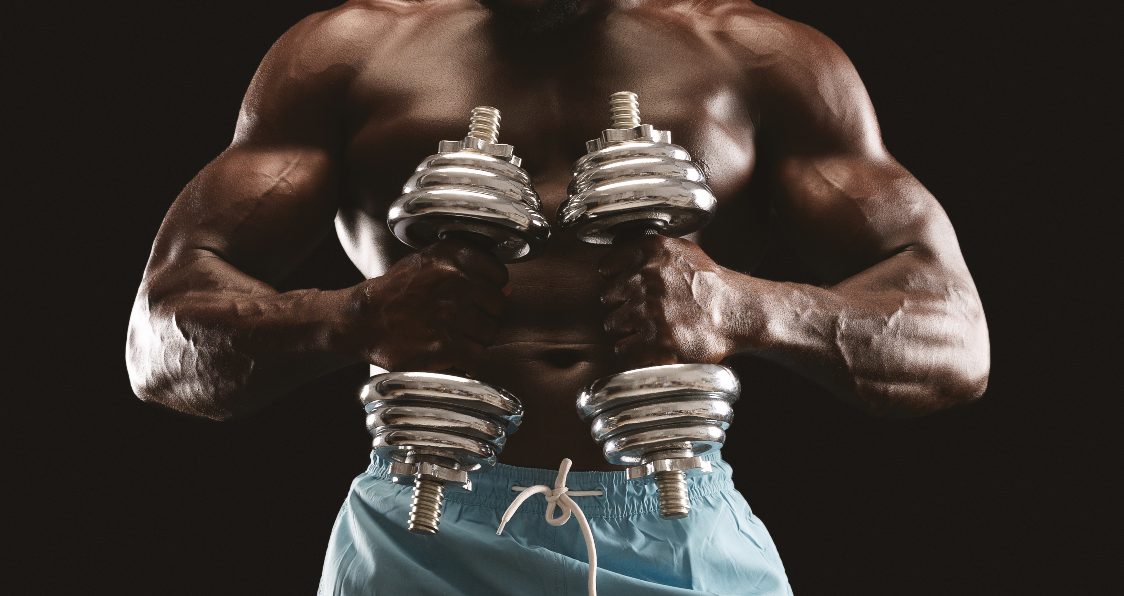
5 Must Know Tips For Maintaining Symmetry For A Perfect Physique
All sides should, and must, be created equal.
If you ask any competent bodybuilding competitor or fan, they’ll tell you that maintaining symmetry ultimately rules the day. It isn’t enough to just have massive size and definition if your body’s muscularity isn’t symmetrical. Judges look out for such flaws. If one side of your body appears considerably more muscular or more developed than the other, you better believe that judges are going to take notice.
The idea of symmetry has been an ideological concept for centuries now. Leonardo Da Vinci’s Vitruvian Man was a visual realization of what it means to have a symmetrical human body. Obtaining the ultimate “X” body in bodybuilding refers to a few things.
The top half of the X forms a V which inherently translates to the V Taper in bodybuilding. The shoulders and arms should match in definition and muscularity tapering down to a slim waist. The bottom half of the X shape represents the lower half of the body, the quads, calves, and upper leg muscles. In order to achieve this symmetry one must be diligent and adhere to a specific training regimen.
We’ll get into the top 5 ways to make sure you are as symmetrical as possible so you only see the best gains unfold. With the right approach to your routine, having a well-rounded and symmetrical physique is just around the corner.
5 Must Know Tips For Maintaining Symmetry
Let’s dive right into this so you no longer suffer from a lopsided physique. These 5 tips are must know and for any bodybuilder seeking to compete, and ultimately take home that top prize, you must be keen on following these tips for only the best gains possible.
Isolate One Side at a Time
Most people have one dominant arm and leg on the body, the arm that gives a bit my effort than the other while bench pressing, or the leg you rely on to pick up the slack when your muscles are burning during a leg press. If one side of the body is doing a higher percentage of work than the other, then it defeats the purpose where symmetry is concerned (1).
A great way to ensure that an even amount of work is being done on both sides of the body is to isolate exercises to one side at a time. Instead of performing ten barbell curls, you can trade for ten dumbbell curls on the left side and ten on the right. Be smart about your work out plan and it’ll only pay dividends.
Dumbbells are great ways to tackle any imbalance and allow you to isolate muscle for all groups. Bicep curls are easy examples, but these work well for lower body exercises like Romanian deadlifts as well.
Maintaining Form
There are mirrors at the gym for a reason. To avoid uneven form you should take the opportunity to get a good look in the mirror while doing your routine. Whether its barbell curls or curls with a dumbbell, it’s always great to get a good look at how you’re performing your exercises. This will pay dividends especially if you do this when you first get started on the road to building your body and avoiding unwanted pain and injury (2).
The idea is to fix the problem before it ever arises rather than wait until your muscle definition is uneven. Check your technique, tighten it up, and you’ll avoid the lopsided look. Having a great and honest training partner will also be a big help for it gives you an extra set of eyes on your physique.
Taking Measurements
The human eye isn’t the most accurate tool of measurement. When trying to achieve a symmetrical body it doesn’t hurt to take some concise measurements in order to get a clear understanding on how much you need to gain or maintain. Using a tape measure and logging your muscle size will save you some time and effort in the gym. Plus, you will have the most accurate set of measurements to compare as you change your physique and fix anything that may be off.
Posing Practice
Make no mistake. Posing isn’t just for the competition stage, it can also pay dividends in studying your body’s symmetry. Doing a most muscular in the mirror or taking a picture of the pose can help you see which of your front muscles need to be attended to and which are sound and balanced. Taking a picture of the back double bicep will let you check out your back and shoulder muscles as well as your glutes, hamstrings, and calves.
By studying posing photos it’ll give you a clear indication on what should be improved upon. Practicing your poses will make showing off your symmetry during competition a simple task and give you practice for proper posing for that added benefit.
Having a Consistent Workout Intensity
There’s no getting around it. When it’s time to work your arm and shoulders you better keep your training intensity at an even keel. Skipping back and leg day when you’re too sore or not putting your time and effort into each lift could prove to be detrimental to your dreams of building a symmetrical body. Don’t rush through your routines or slack off when working multiple muscle group in one day (3).
Sometimes switching the order of how you perform your routines every few cycles will help you bring the same level of intensity to all your muscle groups. Muscle confusion is critical and is a real game changer for all of those symmetry wants and needs.
Wrap Up
These 5 tips for maintaining symmetry are important in order for you to see a physique you want most. With the right approach to training, and your willingness to be open and try new things, these tips are most certainly worthy of you getting only the best physique possible. Muscle imbalances and a lopsided physique doesn’t properly show off those gains so make sure you put these tips to practice so you only see the best gains.
Let us know what you think in the comments below. Also, be sure to follow Generation Iron on Facebook, Twitter, and Instagram.
*Images courtesy of Envato
References
Kim, T.; et al. (2015). “Effects of specific muscle imbalance improvement training on the balance ability in elite fencers”. (source)
Martimo, K.; et al. (2008). “Effect of training and lifting equipment for preventing back pain in lifting and handling: systematic review”. (source)
Arlinghaus, K. et al. (2019). “The Importance of Creating Habits and Routine”. (source)
2022 Arnold Classic: Men’s Open Preview & Predictions
Here is a breakdown and predictions in the Men’s Open division at the 2021 Olympia.
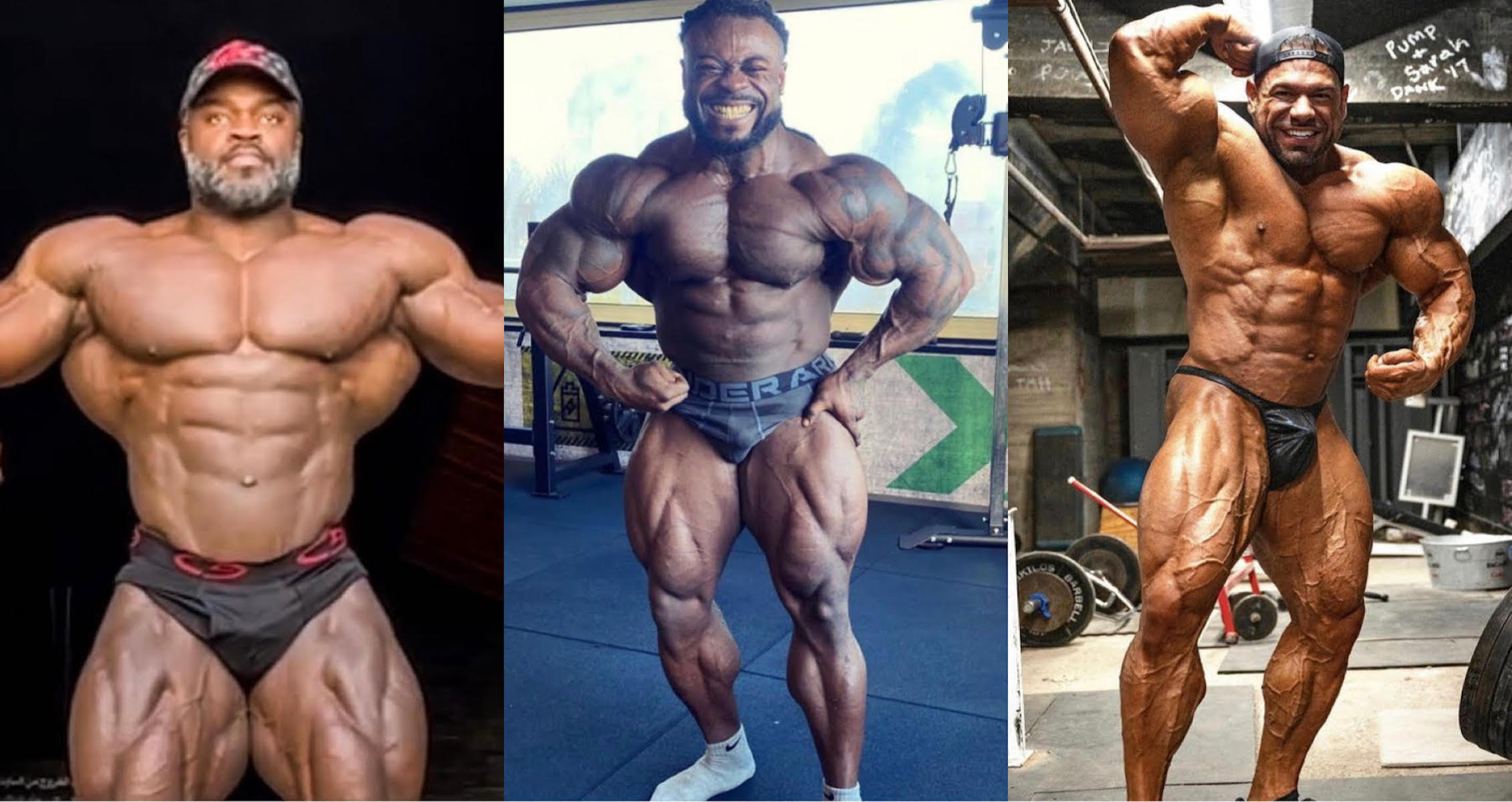
The 2022 Arnold Classic is just two weeks away. It is scheduled to take place on March 3-6 in Columbus, OH. This competition will once again mark the beginning of the bodybuilding season after one year in September due to the pandemic.
The show will be headlined by the big boys competing for the Men’s Open title. There has been some overhaul in the Men’s Open lineup in recent weeks with competitors pulling out due to different reasons. It began when Rafael Brandão pulled his name out of the competition in January. Nathan De Asha and Mohamed Shaaban also withdrew with different injuries.
Most recently, it was Akim Williams who reportedly took his name out of the competition. Williams had a chance to finish as a top five competitor but will have to wait to take the stage.
The competition lineup is down to 10 athletes but it is still a stacked group that will put on quite a show. Below, you can find a complete and current list of competitors along with some of the tp to watch during the first weekend in March.
2022 Arnold Classic List Of Competitors
William Bonac (Netherlands)
Maxx Charles (USA)
Brandon Curry (USA)
Samson Dauda (United Kingdom)
Regan Grimes (Canada)
Steve Kuclo (USA)
Cedric McMillan (USA)
Fabio Giga Rezende (Brasil)
Justin Rodriguez (USA)
Brett Wilkin (USA)
Honorable Mentions
Cedric McMillan
Cedric McMillan enters the 2022 Arnold Classic as one of three former champions in the lineup. After not competing at the KO Egypt Pro and missing the finals of the Legion Sports Fest, McMillan could be primed and ready for a big event in Columbus. At 44 years old, McMillan still is a threat because of the pure size of his upper body.
With the recent drop outs, McMillan has a chance to creep into the top four or five of this contest. It would be a bit surprising to see him in the top three but anything is possible. By the looks of his physique updates, McMillan is ready to make a splash on stage.
Justin Rodriguez
Justin Rodriguez has a chance to make that jump into the top three. He finished eighth during the 2021 Olympia and has been impressive over the last year. During his physique updates, Rodriguez has been able to keep weight on but remains shredded with a ton of muscle mass.
The overall conditioning of Rodriguez will keep him in contention and could shot him into the top three. This is still an impressive list despite some recent names dropping out so it will not be an easy task. With that being said, do not be surprised to see Rodriguez up there competing for a high finish when it is all said and done.
Men’s Open Top 3
3. Steve Kuclo
Steve Kuclo went head-to-head with Nick Walker in the first callouts during the Arnold Classic last year. In the finals, he was jumped by Iain Valliere and finished in third place. This year, he has a chance to be in the top three once again.
Kuclo has not won a professional show since 2019 but he continues to show major improvements upon his physique. He has posted updates and features incredible size and vascularity. Recently, Kuclo shared an update performing dumbbell curls and his arms look ready for the stage. He has finished in the top five at the Arnold Classic three times and could be in for his second consecutive top three.
2. William Bonac
William Bonac is another previous winner of the Arnold Classic and it was as recently as 2020. In September, Bonac was unable to defend his title because he could not make it to the event. Bonac had a chance to defeat Walker and make it back-to-back titles. In 2022, he will have a chance to bring it back.
Bonac saw his Olympia finish slip to sixth in October. This has raised some eyebrows and brought his status at the Arnold Classic into question. Bonac remains an elite bodybuilder who shows it all on stage. In this field and on stage at an event he is comfortable in, Bonac could finish as the runner-up.
1. Brandon Curry
Not only is Brandon Curry the third and final Arnold Classic champion, he is the only Olympia champion in the lineup. Curry was Mr. Olympia back in 2019 and has finished as the runner-up in each of the previous two competitions. At the second biggest event of the year, Curry has to be considered the favorite heading into Columbus.
Curry defeated many in this lineup in October at the Olympia. He has continued to progress and make improvements upon a physique that is already championship caliber. Based on his recent success over the last three years, Curry could be ready to make another splash. The Arnold Classic is back in March and there will be one champion who sets the tone for the rest of the season.
For more news and updates, follow Generation Iron on Facebook, Twitter, and Instagram.
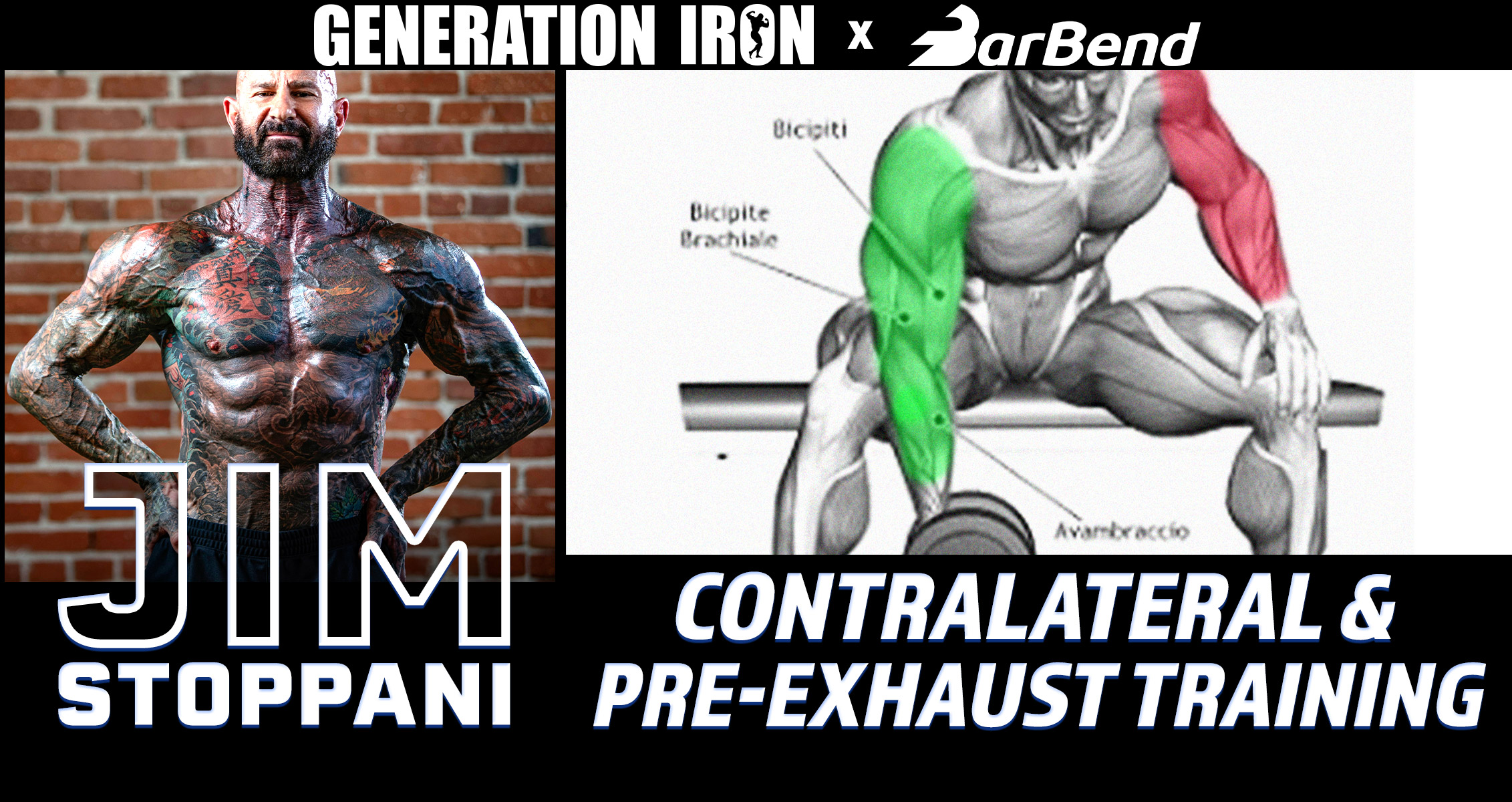
Jim Stoppani: Contralateral & Pre-Exhaust Training, Explained
[embedded content]
Jim Stoppani breaks down the the effects and benefits of contralateral and pre-exhaust training in this in-depth guide.
Jim Stoppani is a deeply experienced and well educated member of the bodybuilding and fitness community. As an exercise physiologist, he understands the science behind the various training techniques and tactics in the bodybuilding world. Stoppani provided some valuable insight in the original Generation Iron feature film documentary. That’s why we decided to reconnected for a new GI Exclusive mini-series breaking down the science, tactics, and explanations behind bodybuilding and fitness concepts – presented in partnership with Barbend. In our latest GI Exclusive, Jim Stoppani provides a complete breakdown on the benefits and effects of contralateral training and pre-exhaust training.
Contralateral training and pre-exhaust training are two completely different techniques – but bother can be vital tools in your arsenal to reach your fitness goals. Both of these training tactics are a bit less covered compared to the most popular of workout styles. While many bodybuilders may understand how to do both contralateral and pre-exhaust training – it’s important to understand the why behind it in order to fully excel at these techniques. Let’s jump into it.
What is Contralateral Training?
In most simple terms, contralateral training is the concept that training one side of the body can increase the strength of muscles on the other side of the body. It is also known as cross-training although that term has expanded to broader uses over time.
The very concept of this might sound silly. How can training my right arm make my left arm stronger? While this isn’t some sort of miracle concept to save your time and energy on exercising one half of your body – contralateral training can be a valuable tool in fitness and bodybuilding. This is especially true if the athlete faces an injury preventing full training.
How Contralateral Training Works
Jim Stoppani breaks down contralateral training as such. The human body has one heart and one brain. That single brain sends electrical signals to both sides of the body. And that single heart pumps blood to both sides of the body. So when you are training, for example, your right arm – the increased blood flow and brain activity still sends blood and signals to the other side of your body. So in this case – also your left arm.
Stoppani explains that studies have proven, while this will not largely lead to a noticeable change in strength or size for the opposite muscle, it can help prevent or slow atrophy. This makes contralateral training a key technique when an athlete is injured. If you are unable to train your left arm – you should not avoid training your right out of fear of uneven muscle size. In fact, training your right arm will help slow atrophy on the left. Making for less gains to recover after fully surpassing the injury.
What is Pre-Exhaust Training?
Pre-exhaust training is a technique designed to fully stimulate larger muscle parts. More specifically, it’s to help fully exhaust a large muscle part that might otherwise be held back by weaker body parts around it during compound exercises.
Jim Stoppani first explains the how of pre-exhaust training. A typical example of this technique is to do a single joint isolated exercise followed by a multi-joint compound exercise. But why do we do this? What is the added benefit?
By starting with an isolated exercise, you guarantee to focus on exhausting that muscle. This then guarantees that the muscle will also be fully exhauseted afterwards when doing a compound movement.
Jim Stoppani uses this example – if you have weak triceps and only do the bench press exercise, your triceps will exhaust before your pecs do. So you will never full stimulate as much muscle growth as desired via this exercise. By using pre-exhaust training, you ensure that the main muscle being targeted – in this case pecs – gets fully exhausted. Full exhaustion, of course, leads to optimal muscle growth during the recovery period after training.
Does Pre-Exhaust Training Work?
This training technique has been under some scrutiny. Jim Stoppani mentions two studies published concluding that pre-exhaust training doesn’t work. But Stoppani believes that these studies are misleading. The study concluded that the second exercise in pre-exhaust training didn’t work because it led to less muscle activity. But really – that actually proves the technique works. It’s proof that the muscle has been exhausted. An exhausted muscle fires less electrical activity because it’s exhausted.
Jim Stoppani also mentions two longer term studies that analyzed pre-exhaust training. One did not see a difference between the two exercise styles of traditional vs pre-exhaust. While the second study concluded that the technique led to increased strength and muscle growth.
Again, Stoppani believes the first long term study mentioned here is misleading – as the best exercise for a person is, as Stoppani puts it, “The one you’re not doing.” Depending on what training technique you are using – at some point you need to update the variety of your training techniques. This is essential for preventing plateaus.
So in general, when Jim Stoppani is asked what the best training technique is – that wholly depends on the individual. What their body type is, what their experience level is, and what kind of training they have been currently doing. Training techniques are not one and done plans – they have to constantly evolve to what your body needs most depending not he current situation.
Wrap Up
And this is exactly what Jim Stoppani wants to ensure that those in the fitness and bodybuilding community truly understand concepts such as contralateral and pre-exhaust training. These are two techniques that are not meant to be your single and only training style. They are tools that you can include into an ever changing cycle of workout plans.
A training style should never be static. Variety is key to preventing plateaus and pushing to new limits. What works for your body now might not work for your body a year from now. You need to adapt and change to further your growth and strength. These tools can now be added into your arsenal for times when these just might be your best option.
You can watch Jim Stoppani go into full detail about both contralateral and pre-exhaust training in our latest GI Exclusive interview above!
10 Really Effective Mass-Building Back Exercises
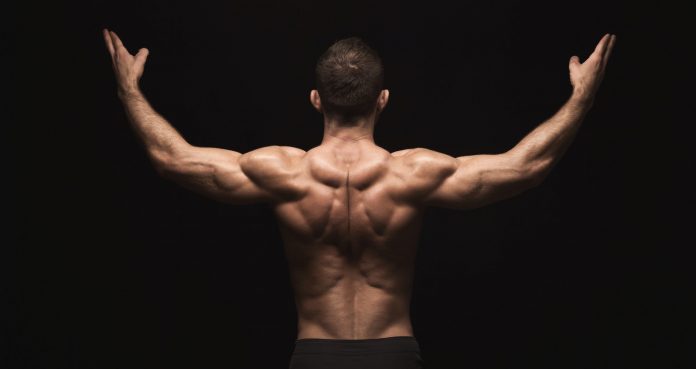
Build a road map back with a variety of mass growth-inducing back exercises!
The back consists of several muscle groups which make up the upper posterior chain (Backside of the body) and these include the Latissimus Dorsi, Trapezius, Rhomboids, Infraspinatus, and Erector Spinae. (1, 2)
These muscles help us to twist, bend, stand upright, lift heavy objects, and protect the spine. And without a strong back; we can’t deadlift, squat, or even perform functional activities at optimal levels. (3)
They also play a big role in your posterior appearance giving width and thickness to your rear torso which is highly desired by many people who train for aesthetics and mass.
But, the more muscles per surface area means you must train them each individually to ensure maximum muscle-building and strength benefits. But, there are so many different exercises and ways to get an effective back workout.
So… we chose 10 exercises which we felt would give you the best results in your back training endeavors…
1. Barbell Bent-Over Row
The barbell row is without a doubt, one of; if not the most effective back exercises we have available to us.
In fact, ACE-sponsored research tested the effectiveness of several back exercises by having 19 males perform them with all variables being equal, and the bent-over row showed significant muscle activation in essentially all back muscles. (4)
The row was significantly more effective for targeting the erector spinae than other rowing exercises, as well as pull-ups/chin-ups, and pulldowns.
But it was a close second in muscle activation for lower traps, lats, and Infraspinatus muscles. This information leaves us to conclude that the bent-over row is the perfect overall exercise which stimulates the back symmetrically according to research. (5)
So, we’d say it’s a pretty impressive movement and should be a staple for compound movements when aiming for the most development possible.
Barbell bent-over row training tips:
Practice proper form before training heavy. Your knees should be bent with your back straight to avoid injury.
When you row, pull the barbell to the bottom of your rib cage which will allow you to utilize your maximum strength potential.
The bent-over row is best utilized as the first and heaviest lift in your workout.
2. Barbell Deadlift
A list of effective back exercises would not be complete without the king of posterior chain exercises… the barbell deadlift.
Now, the deadlift has so many variations, but we included the conventional version to keep things simple. The deadlift isn’t just a back exercise though. It’s actually an entire posterior chain (Backside of the body) exercise.
Which means it works all rear muscles from your calves, all the way up to your traps.
But what makes the deadlift such a special exercise is that you can maximally load the barbell and lift as much weight as your body you can handle. No other exercise works as many muscles groups as the deadlift.
Barbell deadlift training tips:
Practice proper form with light weights if you’re a beginner because the deadlift is a compound exercise which can cause injury if done improperly.
You should keep the bar as close to your body as possible and drive through your hips to the top.
Your lower back should be arched and your upper back should be just slightly rounded for the most effective pull.
3. Pull-Up
Any form of a pull-up will yield excellent results. But this exercise really shines is its superior activation of the Latissimus Dorsi (Lats) and research confirms this.
In a study, the pull-up showed significant lat activation compared to various forms of rows, and even the lat pull-down. (4)
Now, the pull-up is a simple exercise but that doesn’t mean it’s an easy one. You do need upper body strength but there are workarounds which is good news.
Most gyms often have pull-up assist machines which are fantastic and then there’s the cable pulldown which works the same muscles but to a lesser extent overall.
Pull-up training tips:
Use a full range of motion when doing the pull-up to maximize muscle fiber recruitment and strength.
If you’re a beginner, don’t worry about pulling yourself up all the way. You can also use a pull-up assist machine to develop your strength before you progress into the body weight only variation. Or do negatives by using something/someone to help you to the top of the bar and slowly lower yourself down.
Use a weighted belt or dumbbell between your ankles for added resistance.
4. Underhand Yates Row
Named after the former 6-time Mr. Olympia Dorian Yates, this row variation offers a different stimulus than the conventional barbell row.
Now, instead of using a pronated (Overhand) grip, you’ll use a supinated (Underhand) grip. This allows you to really stimulate the lower back muscles and the difference is noticeable during the movement when compared to an overhead row.
Using either a free weight barbell or Smith machine will yield similar results. But the free weight barbell will develop more stabilizer muscles.
Underhand Yates Row training tips:
When you do the underhand row, you want to pull the barbell to your mid stomach area. This engages more of the lower back.
Using a Smith machine is also a great way to do this exercise because you don’t have to stabilize the weight. You can just focus on the movement itself and training for the best contraction possible.
5. Sumo Deadlift
The Sumo deadlift (SD) is rising in popularity because it’s actually a safer alternative to the conventional barbell deadlift.
But how could it be so different?
Sumo deadlifts alleviate spine stress since the lift is closer to your center of mass, unlike with the conventional deadlift where you have to bend over and reach out to grip the barbell to lift it. With the SD, your back and the rest of your body can remain in a more upright position. (6)
But your stance should be very wide with your feet pointed slightly outward. This will allow you to lift heavy with a shorter range of motion, to maintain maximum balance, and to keep your torso upright.
Sumo deadlift training tips:
Take a wide stance with feet pointed just slightly outward. Your torso should be erect, and you should not have to place your arms too much out in front of your body.
You can use an overhand grip or an overhand/underhand grip.
Drive through your legs first and thrust your hips forward while your spinal erectors assist in completing each rep.
The Sumo lift can replace the conventional deadlift and taller people find it to work better for them.
6. V-Bar Pulldown
Why use a V-bar, or close bar? Well, the most obvious reason is that you can absolutely use more weight than if you were to use a long, bar attachment. This is ideal for muscular hypertrophy and will really hit all the back muscles sufficiently.
Now, a study showed narrow grip pull-downs to have similar electromyographic (EMG) activity to a medium or wide grip hand position, even if the medium grip has a slight advantage. (7)
But, the benefit of using more resistance is one reason why we chose the V-bar variation for an effective back exercise.
V-bar pulldown training tips:
Warm up with a light weight for 2 sets of 12-15 reps before progressing to heavier weights.
You should keep your elbows tucked in during the exercise and really focus on contracting and engaging the back muscles.
Do not lock out your arms during the concentric (Positive) phase of the exercise as this can place a lot of stress on the biceps and cause injury.
This variation is great as a compound lift or a finisher.
7. Seated Cable Row
Rowing is a phenomenal way to stimulate your back and it best targets the middle Trapezius muscles, the lats, and even the erector spinae according to a study. (4)
This benefits an individual by improving posture and promoting thoracic extension which helps to keep a straight and healthy spine. (8)
But the row is also a great exercise for burning lots of calories and building muscle at the same time since it’s a functional sporting movement.
Seated cable row training tips:
Use any cable attachment handle which allows you to comfortably and effectively perform the seated cable row.
Perform high reps to utilize the functional movement of the row.
Avoid using momentum and keep your elbows slightly bent to effectively engage the back muscles.
The seated row is a great exercise to begin your back workout with or use it as a burnout finisher.
8. Inverted Row
Also known as the Australian pull-up, the inverted row is a less difficult version of a conventional pull-up but it’s also like a bodyweight row.
Now, this exercise has shown to effectively target the middle Trapezius muscles and the Infraspinatus (Rotator cuff muscle which stabilizes the shoulder joint). (4)
And all you need is a Smith machine to perform this exercise. But, it’s a great movement which is sadly underrated due to being unconventional and overshadowed by other exercises.
Now, the inverted row really shines for lessening spine load stress and motion. But when utilizing this exercise, keep in mind that it targets the upper back significantly more than the lower back. This is ideal for isolation purposes. (9)
Inverted row training tips:
Position your body beneath a Smith machine bar so that you can grab it at a slightly wider than shoulder-width grip. Then, you’ll pull your body up to the bar just as you would a pull-up while retracting your shoulder blades.
The inverted row is just a reverse of the standard barbell row so it’s also a great functional exercise. You can use it as the first exercise in your back workout or save it for last to really burn out.
9. I-Y-T Raise
You may or may not have heard of the I-Y-T raise but when it comes to back training exercises, it’s one of the best.
A study showed the I-Y-T raise to significantly stimulate the Trapezius, and Infraspinatus muscles when compared to several row variations, and pull-ups. (4)
Now, you can do this exercise on an incline bench, sitting upright on a bench, or whichever way you feel the target muscles being worked the best.
The exercise motion looks exactly how it sounds. You’ll make an I, Y, and T with your arms to hit each muscle group.
I-Y-T raise training tips:
Lift your arms straight up above your head to form an “I”. Then, you’ll bring your arms back down and form a “y”. Lastly, you’ll bring your arms down and then form a “T”.
The goal is to feel the muscles working by contracting and squeezing during each repetition.
10. Rack Pull
The rack pull is a real powerhouse back exercise because you take a lot of your legs out of the movement which activates more of the spinal erectors.
This is very beneficial for back development and you can train heavy safely; which is another great reason to include this exercise in your workout routine.
Now, unlike the conventional barbell deadlift, you’ll start with the bar raised off the ground on a rack at about knee level. Your legs will help to lift the barbell through about a third of the movement while the spinal erectors and hips extend to complete the lift.
Rack pull training tips:
Use a Smith machine if don’t have great balance/stability. However, if you want to build stabilizer muscles then using a free weight barbell is a better option. But, both are great and will yield muscle and strength gains.
Set up the barbell slightly at, or above knee level on a rack so your back will have to engage to pull the weight. But you’ll extend and drive through your hips and knees while pulling the weight.
Wrap Up
Having a strong back is vital for aiding in that shredded and massive physique while also providing for better balance and support. These back exercises are great for mass-building and giving you that size you want most. Be sure to check them out and add these to your workout routine. You won’t be disappointed by the results.
For more news and updates, follow Generation Iron on Facebook, Twitter, and Instagram.
*Header image courtesy of Envato Elements
References:
Henson, Brandi; Edens, Mary Ann (2019), Anatomy, Back, Muscles, StatPearls, StatPearls Publishing, PMID 30725759, retrieved 2019-05-01
Chapter 40: Muscles, vessels, nerves and joints of the back. www.dartmouth.edu. Retrieved 2019-05-01.
Back Muscles. Cedars-Sinai. Retrieved 2019-05-01.
ACE – Certified™: April 2018 – ACE-SPONSORED RESEARCH: What Is the Best Back Exercise?. www.acefitness.org. Retrieved 2019-05-01.
Fenwick, Chad M. J.; Brown, Stephen H. M.; McGill, Stuart M. (2009-3). Comparison of different rowing exercises: trunk muscle activation and lumbar spine motion, load, and stiffness. Journal of Strength and Conditioning Research. 23 (2): 350–358. doi:10.1519/JSC.0b013e3181942019. ISSN 1533-4287. PMID 19197209.
Biomechanics of Safe Lifting. ergo.human.cornell.edu. Retrieved 2019-05-01.
Andersen, Vidar; Fimland, Marius S.; Wiik, Espen; Skoglund, Anders; Saeterbakken, Atle H. (2014-4). Effects of grip width on muscle strength and activation in the lat pull-down. Journal of Strength and Conditioning Research. 28 (4): 1135–1142. doi:10.1097/JSC.0000000000000232. ISSN 1533-4287. PMID 24662157
Video: Seated row with weight machine. Mayo Clinic. Retrieved 2019-05-01.
CHAD M. J. FENWICK, STEPHEN H. M. BROWN, AND STUART M. MCGILL
BCAAs vs. EAAs: Will They Help With Muscle Growth?
Don’t let the old way of thinking turn you away from a great supplement for muscle growth.
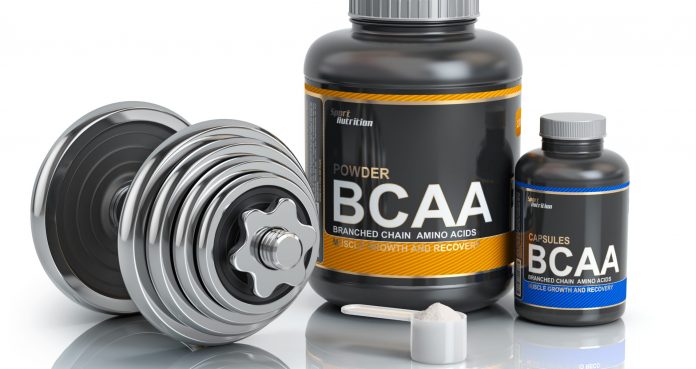
Much debate has been had over the use and benefits of BCAAs and EAAs in the world of bodybuilding and sport. Studies and research have looked hard into the effectiveness of these products as a way to boost athletic performance and the necessity over others. With confusion running high around the topics of BCAAs and EAAs, it is more than understandable that you would gloss over them and move down the line. Why buy what you don’t understand?
BCAAs have long sat on shelves with great popularity for athletes of all kinds, but as more and more studies come out on these products, many people question if they are really worth it. With so much flip-flopping, it can be difficult to make that choice on something that could ultimately boost your training to a new level. It is important to know the differences between the two and the benefits surrounding them for you to make an informed and educated decision on which BCAAs supplement or EAAs supplement to buy.
Let’s dive into the differences between these two vital components for growth, both EAAs and BCAAs. What we will find is that in order for protein synthesis to begin, and ultimately that much sought after development to be fully completed, we need both BCAAs and EAAs for this to take full effect. Let’s jump into what they are, how they can help you, and why you should be taking them as part of your workout to really maximize all of your goals and that better bodybuilding physique you work so hard for.
What are BCAAs?
Branch chain amino acids (BCAAs) are essential amino acids (EAAs). While this may seem confusing, the differences come from their chemical structures. To start, amino acids are organic compounds that provide the foundation for protein and serve as building blocks. Protein helps to build muscle and also aid in recovery, so amino acids are more than important when it comes to seeing gains in the gym.
There are 20 amino acids that make up protein, but of that 20, only nine are considered essential amino acids (EAAs). They include: histidine, isoleucine, lysine, leucine, methionine, phenylalanine, tryptophan, threonine, and valine. Three of these essential amino acids are branch chain amino acids (BCAAs) being isoleucine, leucine, and valine. What separates them from the rest is that their side chain branches out allowing for a different metabolic rate.
BCAAs are found in foods that contain large amounts of protein and what the supplement can do is stimulate protein synthesis and increase mass to really maximize all of those gains you’ve worked so hard for while pumping you with leucine, isoleucine, and valine. When you exercise, your body uses your glycogen stores for energy and as your fuel source starts to run low, the body turns to proteins and amino acids for that boost. BCAAs are a quick way to prevent fatigue and offer that much needed better energy boost.
Benefits of BCAAs
BCAAs are known to have many benefits for the body. Leucine, one of the three BCAAs, can stimulate muscle protein synthesis by activating certain pathways in the body (1), resulting in the production of muscle. However, when the muscle breakdown exceeds muscle protein synthesis, your body starts to lose that hard work you desperately fought for and BCAAs can help with this. The balance of muscle protein breakdown to muscle protein synthesis must remain stable for it determines how much muscle you put on (2). So while BCAAs stimulate that muscle protein synthesis, it will prevent muscle breakdown and allow for those gains to better show as well.
Along with the pros of packing on the muscle, BCAAs are known to aid in recovery and decrease muscle soreness (3), allowing for ample recovery to keep you going strong. Reducing damage will further development and not pull you away from that valuable training. BCAAs have been shown to also reduce fatigue during exercise. While so many of us experience exhaustion at some point during our workout, BCAAs improve mental focus and convert certain brain chemicals to reduce fatigue (4), ensuring you stay at that high level. The benefits of BCAAs are evident, but the debate over them never seems to let up.
Why EAAs Are Important
While BCAAs may seem like that catalyst to boost protein synthesis, prevent muscle deterioration, and ultimately lead to insane development, you cannot forget about EAAs. Without EAAs, BCAAs alone cannot actually drive progress. Although BCAAs will do their best to prime the muscle to grow, you need EAAs to build actual tissue and all nine essential amino acids need to be present for muscle protein synthesis and energy to fully take place (5).
This is crucial to note for those looking to put on more muscle mass, for BCAAs alone will not get the job done. EAAs are considered essential because your body cannot produce each essential amino acid. Only the proper consumption of better nutrients can ensure you fill your body with the right amount of EAAs and people have started to push this supplement for that reason.
The best option you could get is an essential amino acid supplement that contains a high amount of EAAs with the added bonus of extra BCAAs. This will ensure that proper growth becomes a reality and you start to really see an increase in your size and muscle mass. By combining both into one supplement you will save money and the convenience of multiple supplements which can just be an all around pain for you. The truth is you must have both BCAAs and EAAs, so make sure you are getting both with a great supplement that won’t pump you with anything other than the essentials that you get.
Should You Take Them
It seems as though both are needed to ensure you make gains in the gym. BCAAs will activate protein synthesis and reduce muscle fatigue to ensure you stay strong and complete a training session at maximum capacity. EAAs come to their aid by providing the right benefit to actually see those muscles come to fruition. While these can be helpful for that added benefit in the gym, they aren’t entirely necessary. While many people do still use them, it is critical to recognize that getting these nutrients from whole foods is always better than getting them strictly from supplements and other forms of supplementation.
With the right diet, you can already have an abundance of both in your body. Most protein rich foods have a high percentage of BCAAs in them. Foods like eggs, salmon, peanuts, and cheese contain high amounts, and if you are one to take protein powder, you get a healthy dose in that as well. To save money and see big gains occur, your grocery list may be enough to kick start your muscle regiment into gear. If you do feel as though you must take this supplement to enhance your gains and keep you working harder in the gym, then look into quality brands and see what works for you. It may take some trial and error, but you will ultimately find one that will work wonders for you.
Conclusion
A lot of debate is had around taking BCAAs and EAAs as supplements and it all comes down to the individual and what they seek to accomplish. While studies and research show many pros in taking these two, others show they may not be as useful as original thought. If you already run a strict workout regiment and have a solid diet, continuing with whole foods offer plenty of advantages to boost performance. Meeting your protein intake and thriving in the gym offer enough components to see that sought after growth. If you feel comfortable and want to experiment with BCAAs and EAAs, they do have the ability to help with muscle growth, so look into reputable brands and give them a try. While they can certainly be beneficial, you may already have what you need to succeed without them for your pre workout, intra workout, or post workout muscle building goals that stimulate muscle and tackle all of your protein needs.
See our Top Rated BCAA Supplements. Also, see our Top Rated Most Effective BCAA Supplements.
Let us know what you think in the comments below. Also, be sure to follow Generation Iron on Facebook, Twitter, and Instagram.
*Images courtesy of Envato
References
Blomstrand, Eva; Eliasson, Jorgen; Karlsson, Hakan K.; Kohnke, Richard (2006). “Branched-chain amino acids activate key enzymes in protein synthesis after physical exercise”. (source)
Tipton, Kevin D.; Hamilton, D. Lee; Gallagher, Iain J. (2018). “Assessing the Role of Muscle Protein Breakdown in Response to Nutrition and Exercise in Humans”. (source)
Howatson, Glyn; Hoad, Michael; Goodall, Stuart; Tallent, Jamie; Bell, Phillip G.; French, Duncan N. (2012). “Exercise-induced muscle damage is reduced in resistance-trained males by branches chain amino acids: a randomized, double-blind, placebo controlled study”. (source)
Newsholme, Eric A.; Blomstran, Eva (2006). “Branched-chain amino acids and central fatigue”. (source)
Borsheim, Elisabet; Tipton, Kevin D.; Wolf, Steven E.; Wolfe, Robert R. (2002). “Essential amino acids and muscle protein recovery from resistance exercise”. (source)

Best CBD For Muscle & Joint Recovery After A Workout
How the best CBD supplements can promote muscle and joint recovery.
We all suffer from aches and pains after a tough workout, but with the right CBD supplement, those pain needs may be a thing of the past. We work hard, grind in the gym, lift big weights, put them down, but too often do we neglect the fact that recovery can equally improve our gains for the better while working towards pain relief. CBD topicals are a go to option for you can apply directly on the effected area to target pain relief and muscle pain.
Stretching and using other forms of recovery are great, however, the right supplement has the ability to transform your gains for the better. The best CBD for your muscles and joints, especially after a workout, will improve your physical health and performance for better chronic pain management.
CBD is a growing industry and these products have grown in popularity ten-fold. With so many supplements companies now working to produce high-quality supplements, what you will find are so many options to choose from. This is helpful, for you have tons of options to choose from, but also daunting because finding the right one takes diligence. We’re here to help you explore the best CBD for muscle pain and joint recovery so those post-workout needs are taken care of.
Let’s get right into this piece then. Knowing the ins and out of CBD is important and can elevate your gains for the better. Especially when it comes to those muscle pain and joint relief needs, this supplement can be an easy fix no problem.
What Is CBD?
CBD is short for cannabidiol and it is a phytocannabinoid derived from the cannabis plant. This is not to be mistaken for tetrahydrocannabinol (THC) which induces the “high” effect associated with marijuana and the cannabis plant. CBD has the potential to aid in a number of benefits and hemp derived CBD products can help with pain relief, reduced inflammation, relieving muscle and joint soreness, and promoting better sleep, among others (1).
That Unwanted Muscle & Joint Soreness
Through our workouts, muscle aches and joint soreness can be debilitating and will limit just how hard we push ourselves in the gym. Getting out of bed can be hard, lifting weights can be a challenge, and just our overall feeling of energy is severely reduced. How many times have you tried to hit the gym only to find your muscles just don’t want to be there? It’s the constant challenge and struggle of the mind versus the body. However, with the best CBD topicals for muscle and joint recovery, you will handle that post-workout recovery, so you have better recovery and faster bounce back.
Why Recovery Matters
Recovery matters because this is an important part of the process of muscle growth. Not only does recovery reduce inflammation and soreness, but it is the perfect time for those muscles to heal and repair themselves as you look to see the best gains. Also working to improve mobility, this allows for better overall performance as you will feel more supported and loose, more flexible, and see better range of motion to get the most out of your lifts (2).
Either through passive recovery, resting and giving your body time to heal, or active recovery, accelerating the process through keeping your body moving, you can enhance your recovery goals easily and alleviate pain. Plus, with the best CBD for muscle and joint pain, you can treat joint pain, arthritis pain, and provide pain relief with the best CBD cream.
How CBD Works For Better Muscle & Joint Recovery
CBD works for muscle and joint recovery by affecting the immune and nervous systems. Since both are tied to exercise performance and the subsequent recovery to relieve pain, CBD will interact with these system to enhance normal function and allow for proper recovery while reducing chronic pain.
Muscle Pain Relief
Acting through the endocannabinoid system, which regulates both physical and cognitive functions, CBD will work to reduce overall pain, fight inflammation, and work to alleviate muscle tissue pain. With anti-inflammatory properties, this will allow for rapid recovery to give your muscles a faster chance at growth (3). With constant tension after workouts, your muscles need help relaxing, and by doing this, you give them a fighting chance at healing while avoiding muscle spasms.
Joint Pain Assistance
When it comes to your joint health, the constant wear and tear of working out can affect our joints and leave them feeling equally as sore. But our joints are necessary to feel supported yet limber as they are the pivotal points of movement for all exercises. And everything else for that matter. By targeting certain brain chemicals, CBD will regulate tension and promote better joint relief, so you can tackle those big lifts with no problem (4).
The best CBD supplement for muscle and joint recovery will do this and much more and is an important element to include on your supplements shelf. You already prioritize those workouts supplements, so put your recovery on an equal playing field to maximize gains and stay pain free.
Best CBD For Muscle And Joint Recovery
The best CBD supplement will provide that post-workout care to relieve muscle and joint pain for the better while taking care of overall chronic pain. With high quality ingredients and a great formula, knowing which products out there can enhance those gains will better prepare you for any workout needs you wish to handle so you only see huge gains. A fantastic CBD pain cream, this is an affordable CBD cream with the purest CBD to relieve minor aches and reduce pain.
Level Select CBD Level 2 Sports CBD Cream For Pain
Level Select CBD Level 2 Sports Cream is a fast-absorbing formula to relieve pain and improve performance.
Level Select CBD Level 2 Sports Cream is a great CBD topical designed to deliver fast-absorbing support to relieve muscle soreness and is a top joint relief CBD cream on the market for targeted pain relief. With 600mg of CBD, this will target the affected area while also soothing and softening your skin. Level Select is a great company only seeking to produce the highest quality CBD supplements and is the best CBD pain cream for muscle and joint recovery.
Price: $59.99
CBD Oil & How CBD Oils Work For Benefit
While this sports cream is a great option for chronic pain, looking to those CBD oils, and other forms like CBD gummies, are also helpful. For those looking to go more the tincture route and ingest CBD, these CBD oils are a good choice. When it comes to relieving those muscles and joints, however, working to apply CBD topicals directly to the spot can make all the difference.
Check out our list of the Best CBD Supplements to relieve sore muscles and joint pain today!
Wrap Up
The best CBD cream for muscle and joint recovery can enhance those post-workout needs to optimize recovery and keep you feeling fresh and energized. No more waking up with pain and feeling too lethargic to go to the gym. With the right approach to those after workout needs, CBD supplements, like pain cream, are perfect for helping you see the best gains and keeping you clear of soreness and pain.
Generation Iron may receive commissions on purchases made through our links. See our disclosure page for more information.
Let us know what you think in the comments below. Also, be sure to follow Generation Iron on Facebook, Twitter, and Instagram.
*Images courtesy of Envato
References
MD, Peter Grinspoon (2018). “Cannabidiol (CBD) — what we know and what we don’t.” (source)
Sands, W.; et al. (2013). “Stretching and Its Effects on Recovery: A Review”. (source)
Rojas-Valverde, D. (2021). “Potential Role of Cannabidiol on Sports Recovery: A Narrative Review. (source)
Miller, R.; et al. (2017). “Is cannabis an effective treatment for joint pain?”. (source)