
 All Posts By Presser
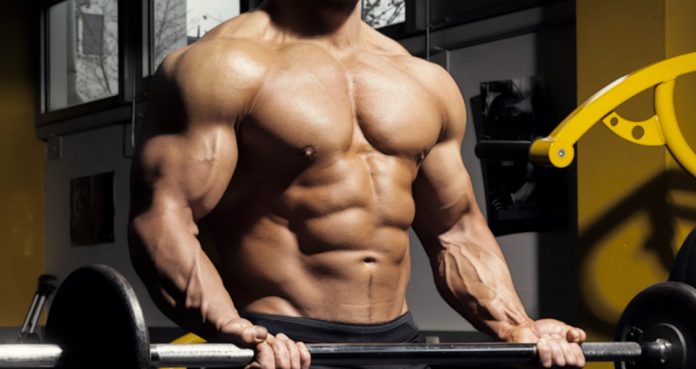
Pro Training: 6 Remedies For A Stubborn Upper Chest
Train Like A Pro.
You can’t have too much upper chest. One of the most impressive areas in bodybuilding, you want your chest swole and the muscle walls thick. By now you’ve probably done all the incline exercises and hit the peck deck on a masochistic level, and still, nothing.
What you don’t realize is that there’s a method to working smart, not hard, and even if you’re doing everything there’s a few little tricks of the trade that will you give you maximum reward for minimal sacrifice. That’ the type of math we like over here at Generation Iron.
Tip #1: Train supporting muscles
In the words of the great Jay Cutler, you’ve got to train the whole pec. Many builders get caught up training only the upper pec but in reality the pectoris is one big muscle. If you train the whole muscle, the whole muscle will grow, inadvertently getting the upper pecs big in the process.
Tip #2: Train on an incline
With tip #1 being said, it also helps to train on an incline. While you do have to train the whole muscle, it must be combined with specialized angles or exercises for the particular muscle you want to grow. It’s important to train incline while your fresh in order to move the most weight.
Tip #3: Do exercises in close succession
If you do two incline exercises, change the angle. Try a press from 45 degrees, and then another from 20 degrees. Do this in close succession to really break the muscle down for more solid gains.
Tip #4: Concentrate on the tension
When training to boost up a specific area, you want to concentrate on the tension of the exercise from beginning to end. Pro’s like Jay Cutler and Flex Lewis recommend concentrating on the upper pecs and feeling the tension throughout the whole movement. When the tension stops, that’s when you stop and begin the negative portion of the exercise. This increases TUT (time under tension) which increases muscle growth.
Tip #5: Negatives and forced reps
adding slow negatives and forced reps onto the end of a set is a small change that can make a big difference. On the last couple reps, try going back down to starting to position as slow as possible, adding that extra little bit of TUT at the end. If you’re feeling really froggy, try pushing out a couple of forced rep with a partner to really blow out your pecs.
Tip #6: Stretch
Your high school gym teacher was right. No, not about Abba being the best band of all time, but stretching will actually help with muscle growth. According to pro bodybuilder Gunter Schlierkamp, stretching your chest after a grueling workout creates an environment for it to grow.
Make it a point to try out these 6 tips next time you’re at the gym and tell us if they helped with those stubborn upper pecs. Which body parts do you need help training?
Let us know by hitting up our comments below or head on over to our official Facebook and Twitter.
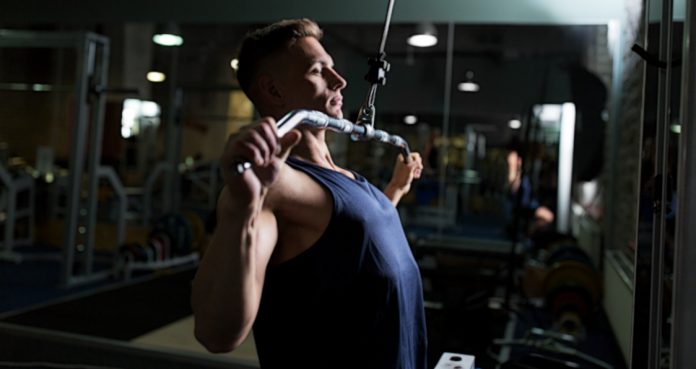
The Gym Machines You’re Probably Using Incorrectly
Cable Exercises For Strength Development
The cable machine is a superb, and often underutilized, piece of gym kit that can help to accelerate progress towards a multitude of health and fitness goals. One of the best things about the cable machine is its versatility. A wide range of effective strengthening exercises can be performed however, due to the many moving parts and handles, often the machine is used improperly or avoided altogether.
The cables are highly functional (1) and are specifically effective for increasing range of motion and for isolating specific muscle groups (2), which is of great benefit for those looking to build muscle strength, size or for rehabilitation from injury.
Setting Up The Cable Machine
The most important aspect to consider when setting up the cable machine is the amount of weight that is being lifted. For the beginner, start with light weight and prioritize technique over weight. The nervous system needs time to adapt and become accustomed to the movement patterns of the exercise (3). Only once proficient with technique should the weight gradually be increased.
Even for those who are more advanced lifters, technique should still take precedence. Picking a weight that is too heavy will more than likely cause technique to break down which will not only fail to work the specific muscles effectively, but will also increase the risk of experiencing injury.
The weight that is selected should align with one’s fitness goal. For increasing muscle mass, focus on 6-12 reps with every set as this has been found to be an effective range for onsetting hypertrophy (4). For strength gains, a heavier weight with lower reps is recommended, as again, this has been found to be most effective for building raw strength.
With some cable machines, the attachment is adjustable and can be moved higher and lower position. Prior to performing any exercise, make sure that the cable is set at the correct height for the chosen exercise.
Muscle Building Cable Exercises
As mentioned, there are a variety of exercises that can be performed to target a number of muscle groups. When assuming the correct position for each exercise ensure to brace the core to protect the back and reduce the chances of sustaining injury.
1) Cable Crossover
The cable crossover is a fantastic exercise for developing the pectorals and can facilitate improvements with the bench press.
With the cables set at a high point, grasp both handles and take a step backwards initially. From there, brace the core and pull the handles in to the chest. Walk forward with the handles tight to the chest, assume a staggered stance position and then “punch” the handles out, away from the body. Ideally, the arms should be slightly down from the height of the shoulders.
From that position, maintain straight arms and in a controlled fashion bring them out wide to the side of the body. Then focus on contracting the chest muscles in order to drive the arms together again and return to the starting position.
2) Decline Cable Flyes
Unlike with the decline bench press, the decline cable fly does not involve adjusting the body position, rather it refers to the angle of application. In simpler terms, instead of driving the arms together directly in front of the chest (as with the cable crossover), the arms start high and must drive the weight down towards the front leg.
This exercise is very similar to the cable crossover, both in terms of set-up and execution. As stated, the only variance is in regard to the angle of the movement. Ensure the cables are set at a high point, keep the arms straight and look to drive the weight downward.
3) Seated Cable Row
Possibly one of the best exercises for improving posture by strengthening the back and shoulders. For the seated row, take a seat and firmly plant the feet on the platforms. The legs should be relatively straight with only a slight bend maintained in both knees. Before grabbing the handle, drive the chest up, pull the shoulders back and squeeze the core muscles.
Start with arms extended and look to pull the handle in to the body (aiming for the area between the chest and stomach). As you pull, ensure to keep the elbows tucked in and focus on squeezing the muscles between the shoulder blades at the top of the movement. Under control, extend the arms while preventing any movement from the back and return to the starting position.
4) Bicep Cable Curl
When it comes to building muscle size, there is no doubt that the bicep curl is highly effective. For a bicep cable curl, ensure the cable is at the lowest point and attach a handle or a rope. Grasp the attachment and stand up tall, keeping the chest high and core tight to prevent the use of momentum. Pin the elbows in tight to the ribcage and focus on hinging only at the elbow to bring the hands up to the shoulders. Once at this point, squeeze the biceps and then reverse the movement under control.
5) Tricep Cable Extension
For comprehensive arm building, it is crucial to work the triceps as well as the biceps. To perform a tricep cable extension, start with the pulley at a high point and use a handle or rope. Keep the body upright, core engaged and chest up. Grab the attachment and, as with the bicep curl, fix the elbows to the sides of the ribcage. From there, flex at the elbows and drive the weight down to the hips and return, maintaining control.
6) Seated Cable Lat Pulldown
The lat pulldown is an exercise that is very regularly performed incorrectly. Many generate momentum from trunk movement to assist with every rep. Others pull the bar down behind the neck, rather than to the upper chest, which can cause problems in the long run.
Start by grasping the bar slightly wider than shoulder width and sit down with straight arms. Hook the legs under the pads to anchor the body in place, drive the chest up and brace hard. Pull the bar down, keeping it close to the face as it passes, until contact is made with the upper chest. Finally, return to the starting position by extending through until the arms are straight once again.
7) Standing Trunk Rotation
The last exercise is a core strength and stability exercise – more specifically, an oblique exercise. For the standing trunk rotation, ensure the cable is approximately at shoulder height and assume a hip-width stance. Grab the handle with both hands and keep the arms extended throughout. From there, powerfully rotate round and control the movement on the way back.
Be wary of leaning or bending during this exercise. Keeping the chest up and core tight should keep the body upright and force the obliques to work hard. Finally, ensure that the feet stay planted and that no movement occurs from the lower body.
Final Word
There is no doubt that the cable machine is certainly more complex than a number of other machines in the gym, but with regular practice, using the cables should become more straightforward, less daunting and will ultimately facilitate improvements in health and strength.
For more news and updates, follow Generation Iron on Facebook, Twitter, and Instagram.
References:
1-Balachandran, Anoop; Martins, Maria M.; De Faveri, Frederico G.; Alan, Ozgur; Cetinkaya, Funda; Signorile, Joseph F. (09 2016). “Functional strength training: Seated machine vs standing cable training to improve physical function in elderly”. Experimental Gerontology. 82: 131–138. doi:10.1016/j.exger.2016.06.012. ISSN 1873-6815. PMID 27354031.
2-Signorile, Joseph F.; Rendos, Nicole K.; Heredia Vargas, Hector H.; Alipio, Taislaine C.; Regis, Rebecca C.; Eltoukhy, Moataz M.; Nargund, Renu S.; Romero, Matthew A. (2017-2). “Differences in Muscle Activation and Kinematics Between Cable-Based and Selectorized Weight Training”. Journal of Strength and Conditioning Research. 31 (2): 313–322. doi:10.1519/JSC.0000000000001493. ISSN 1533-4287. PMID 28129277.
3-Services, Department of Health & Human. “Resistance training – health benefits”. www.betterhealth.vic.gov.au.
4-Schoenfeld, Brad J.; Peterson, Mark D.; Ogborn, Dan; Contreras, Bret; Sonmez, Gul T. (2015-10). “Effects of Low- vs. High-Load Resistance Training on Muscle Strength and Hypertrophy in Well-Trained Men”. Journal of Strength and Conditioning Research. 29 (10): 2954–2963. doi:10.1519/JSC.0000000000000958. ISSN 1533-4287. PMID 25853914.

How The Low Cable Fly Targets Your Chest For Real Growth
Increase pec strength and size with the low cable fly.
We’ve all have most likely done cable crossovers but have also probably overlooked the low cable fly. Those chest exercises performed on cable machines have the ability to increase our pec strength and size so we see better gains while offering nice resistance and increased time under tension.
While the cable crossover is performed from one plane of motion, the low cable fly is exactly how it sounds. Pulling from the ground up, this targets your chest in a different way and allows for a different plane of motion to take over to see effective growth.
Using cable machines can be worth your while in the gym and too often do we neglect using them. We often find ourselves consumed in free weights, as well as bodyweight exercises, and neglect those machines sitting idle all around us.
Structuring a training plan around using free weights as well as machines allows you the chance to see only the most effective growth for machines can provide stability and balance so you can tackle more weight. The low cable fly is the perfect exercise for you to see the most effective growth and gains while capitalizing on the cable pulley machine.
Let’s take a look at the low cable fly and see what this exercise is all about. From what it is, to muscles worked, the many benefits of it, and how best to perform it, you will be well on your way to tackling a great workout with no problem. Plus, once you see that increase in pec strength and size, you won’t remove this from your routine.
What Is The Low Cable Fly?
The low cable fly is a great exercise to target your chest and takes advantage of the cable machine while working with a different plane of motion. Similar to the traditional idea of cable fly exercise, this works by you pulling the weight from below, really challenging your muscles in a different way. A lower position as the starting point for this movement targets your upper and inner chest. Perfect for those of all experience levels, this can be done mid-routine as a circuit style exercise, or at the end for a last exercise pec punisher to really push those muscles to grow.
Muscles Worked
Given the nature of this movement, your chest is the primary muscle group targeted. What you will find here is that this exercise is great for working the upper and inner portions of your chest so you only see the most effective and worthwhile gains. Although your chest is the primary muscle group targeted, you will feel work done in your shoulders, biceps, and forearms, making this exercise a nice one for that upper body.
Benefits Of The Low Cable Fly
Let’s take a look at some of the benefits of the low cable fly. With this exercise in your routine you won’t be disappointed with the results and will certainly start to see those desired PRs. If overall chest development is your goal, then this exercise is absolutely for you and your routine.
Benefits of the low cable fly include:
Pec strength and size: A great machine-based exercise, this will work to target your pecs so they increase in strength and size (1).
Chest development: Working your pecs from a different plain of motion allows your upper and inner chest muscles to see great work done.
Fix muscle imbalances: By working with separate handles, you work each side of your pecs to avoid any muscle imbalances (2).
Plenty of variations: Changing it up will still target your chest without making you lose gains.
How To Perform It
Here are the steps for performing the low cable fly. With the right technique and approach to this exercise you won’t face unwanted pain or injury and will get after it to maximize muscle growth.
Set the cable machine to the lowest point and hook up your handle attachment.
Grab a handle with each hand and take a slight step forward, feeling a little tension on each handle.
With an engaged core, pull the handles to about mid-chest. Your elbows will be a bit bent and your palms will be facing up.
Pause at the top, really offering a squeeze before lowering back to the starting position.
Repeat for your desired number of sets and reps.
Low Cable Fly Alternative Exercises
While the low cable fly is a great exercise by itself, knowing some alternative exercises will help diversify and change up your workouts for more engagement and less boredom. Plus, challenging your muscles in a different way will work wonders as you seek only the best gains for yourself. The nice part about alternative exercises is that they will still target the desired muscle group just in a different way to create muscle confusion.
Here are some great low cable fly alternative exercises:
Best Exercises To Pair With
When looking to tackle a great chest day routine, looking to those exercises that will fatigue your pecs can be worthwhile. Along with the low cable fly, considering exercises that focus on all areas of your chest will benefit you greatly. Mixing in the bench press is a good idea for you can build up some serious muscle, but also look to exercises like chest dips and the floor press to add diversity. It never hurts to put push-ups in the mix.
Wrap Up
The low cable fly is a great exercise to pump your pecs so you can show your chest some love. As a great exercise and one worth doing, this will target your chest from below to give you a unique way of building muscle. With the right approach to the low cable fly, this can work wonders for your overall chest development today.
Let us know what you think in the comments below. Also, be sure to follow Generation Iron on Facebook, Twitter, and Instagram.
*Images courtesy of Envato
References
Thomas, M.; et al. (2016). “Increasing Lean Mass and Strength: A Comparison of High Frequency Strength Training to Lower Frequency Strength Training”. (source)
Kim, T.; et al. (2015). “Effects of specific muscle imbalance improvement training on the balance ability in elite fencers”. (source)

The World Anti-Doping Agency (WADA) Releases 2022 List of Banned Substances for Natural Athletes
The World Anti-Doping Agency (WADA) has released the 2022 list of banned substances for professional athletes.
The World Anti-Doping Agency (WADA) is the strictest drug testing standard in professional sports – the Olympics abide by this. WADA-compliant laboratories are superior enough to detect substances that may go unnoticed in other drug testing labs. The sport of natural bodybuilding prohibits drugs. Although, some natural bodybuilding organizations don’t follow the best drug testing procedures. However, the International Natural Bodybuilding Association (INBA)/Professional Natural Bodybuilding Association (PNBA) follows WADA guidelines. Here’s what INBA PNBA’s Instagram (IG) page said regarding WADA’s updated prohibited banned substances 2022 list:
“For the past 30+ years the INBA PNBA’s foundation has been built on belief and respect for Drug-Free Sports.
Providing an even playing field for Elite Natural Athletes is a passion of ours globally, and will forever continue to be.
WADA is the highest level of testing administered for professional sports with a sensitivity level to pick up significant amounts of performance enhancements.”
Thus, athletes that fail to obey these standards will get placed on the Hall of Shame – a public embarrassment collection with all INBA PNBA competitors that have failed a drug test. Additionally, they’ll be stripped of their title and prizes and never earn a multi-media deal with Generation Iron, INBA PNBA, and Iron Man Magazine.
You can see the INBA PNBA’s complete IG statement below. You’ll also see a snippet of the Hall of Shame and where to find the list of banned substances.
https://www.instagram.com/reel/CZvI8sAlY2J/?utm_source=ig_web_copy_link
Why WADA?
High Sensitivity Level
For starters, WADA is the most elite drug standard available for professional athletes. Also, drug tests often go unnoticed through other methods. For instance, the former 2021 Natural Olympia champion passed drug testing procedures in the United States Bodybuilding Federation (USBF). However, she failed the drug test administered at 2021 Natural Olympia, which inevitably led to her being stripped of her title and placed on the notorious Hall of Shame mentioned previously.
As the INBA PNBA stated, “WADA is the highest level of testing administered for professional sports with a sensitivity level to pick up significant amounts of performance enhancements.” As a result, WADA laboratories can detect substances that may otherwise go unseen in other methods.
Even Playing Field
Furthermore, since WADA is the best set of doping regulations for professional sports, it’s the only drug test that ensures an even playing field. Natural bodybuilders work hard for their physiques. Consequently, it’s only just that the winners play fair.
Below is a Generation Iron (GI) exclusive clip from GI’s film Generation Iron: Natty 4 Life. This take explains more of the drug testing process the INBA PNBA follows.
[embedded content]
Although some athletes and fans are skeptical if natural athletes are natural, INBA PNBA competitors are less likely to pass drug tests. INBA PNBA contenders are subject to in-season and out-of-season drug testing.
WADA Prohibited Substances
Click here for a complete breakdown of WADA’s 2022 list of banned substances.
Above all, WADA is the best set of drug testing standards accessible for professional athletes. And WADA is the metric the most renowned natural bodybuilding organization – INBA PNBA – uses. For sure, any athlete who fails a drug test can’t hide in the INBA PNBA as they do in other leagues. The Hall of Shame makes sure of that.
Follow us on Instagram, Facebook, and Twitter for the latest natural bodybuilding news!
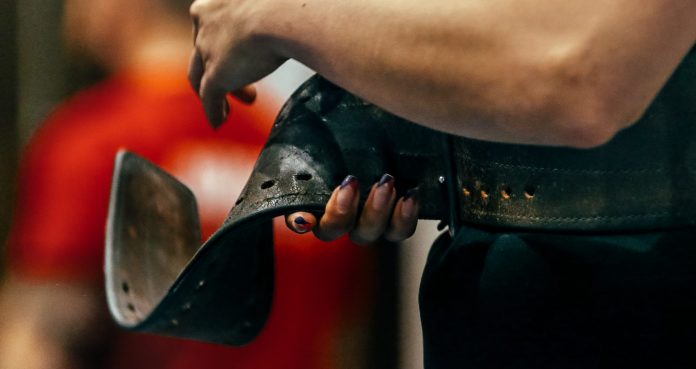
The 7 Best Weightlifting Belt Exercises For Strength & Support
Boost strength, muscle, and support with a weightlifting belt for these monster exercises.
For serious lifters and athletes looking to stay as safe as possible in the gym, a weightlifting belt is one of those accessories that must be in your gym bag. While there are plenty of exercises you don’t need it for, having a quality belt on standby will better prepare you for those bigger, more monstrous lifts. Able to provide support and stability, while also being versatile and comfortable, the weightlifting belt can take you a long way.
The nice part about a weightlifting belt is that it is a convenient lifting tool that will only work for your benefit. And with our training plans loaded with massive lifts, the choice to protect yourself is a wise one.
We’ve pulled together some of those top exercises for you as a serious lifter to use a weightlifting belt with so you can better protect yourself and see huge gains.
Best Exercises For A Weightlifting Belt
Back Squat
Deadlift
Clean & Jerk
Overhead Standing Press
Front Squat
Barbell Rows
Bench
Back Squat
The back squat is a classic barbell exercise perfect for building strength and size in your lower body. As a great muscle builder, this is traditionally a staple in routines for serious lifters.
Using a weightlifting belt for this exercise allows you to better support your low back when under serious weight so you maintain form and stay physically healthy for heavy squats.
[embedded content]
Back Squat Benefits
Build lower body strength: This exercise works your quads, hamstrings, and glutes for effective muscle growth while also relying on your core for stability and optimal movement.
Increase power and explosiveness: With that increased growth, and the nature of the squatting movement, you can increase power and explosiveness for those sport specific movements and other bigger lifts.
How To Do The Back Squat
Rest the barbell on your traps and shoulders and have your feet shoulder width apart. With an engaged core, bend your knees while keeping your spine neutral, squatting down to your optimal range of motion. Once at the bottom, drive through your feet to return back to your starting standing position.
Deadlift
The deadlift is one of those powerlifting exercises that everyone loves to see huge PRs. A great muscle builder, this also improves power and allows you to maximize pulling movements.
The nice part about using a weightlifting belt is that it protects your back, which is often a casualty of this lift given the load you undergo.
[embedded content]
Deadlift Benefits
Total body strength: This lift builds strength in many muscles, including those upper and lower body ones, while building strength in a position that requires movement from your hips.
Improves functional strength: Given the nature of this movement, it will reduce your chances of injury and work to improve more functional and everyday movements.
How To Do The Deadlift
With your feet hip-width apart, grab the bar with an overhand grip and engage your core. Keeping your back flat the entire time, lift the weight off the floor, keeping the bar in contact with your legs the entire time. Hinging at the hips, pause for a brief moment once extend and lower back to the starting position.
Clean & Jerk
The clean & jerk is a powerful movement where you get that weight overhead quickly and safely. The two parts of this lift are the clean, getting the barbell off the floor, and the jerk, moving that weight into the finish position.
Given that this movement is quick and powerful, a weightlifting belt provides that much needed support to take any load off your back that can cause unwanted pain and injury.
Clean & Jerk Benefits
Better athletic performance: By combining strength and muscular endurance into one quick lift, you work to boost overall athletic performance and ability for other training session or competitions.
Enhance focus and mind-muscle connection: Given the nature of this lift, over time, you will improve focus and mind-muscle connection as you need to nail down form and stay engaged for the entire portion of this exercise.
How To Do The Clean & Jerk
With your feet hip-width apart, set your shoulders over the barbell. Initiate the clean portion of this exercise with an engaged core and neutral spine, pulling the bar up your legs as if it were like a deadlift. For the jerk portion of the lift, once the bar is at hip level, drive your hips and lift the bar across your body, rotating your elbows so the bar lands in a front rack position. Drive up from the squat and as you stay engaged, push the weight overhead. One foot may be set back a bit as you get balanced, but once comfortable, bring that foot in line with the other.
Overhead Standing Press
The overhead standing press is a great exercise to build shoulder strength and build some boulder shoulders to add to your physique. With this being an important lift to keep your core engaged, your back may feel strain as you lift more and more weight.
A weightlifting belt can come in handy here for keeping your core supported and taking some of that strain off your back.
Overhead Standing Press Benefits
Increase shoulder strength: Really build your shoulders with this exercise while also improving mobility by optimizing overhead range of motion.
Improve core stability: Your core is essential for staying stable and grounded and with this lift, you will feel your core getting work done in efforts to improve overall stability.
How To Do The Overhead Standing Press
Set up your bar with the desired amount of weight and stand with your feet shoulder width apart. Grab the bar so it is at about your upper chest and engage your core for stability. When ready, lift the bar overhead, extending your arms and locking them out at the top. Continue this overhead press movement for your desired number of reps.
Front Squat
The front squat is a great compound exercise to strengthen your legs and hips, similar to the back squat, except the bar is in front of you instead of on your back. This makes this lift a little more friendly on your spine yet still effective for building muscle.
A weightlifting belt is perfect for this lift to add stability and reduce even more strain that may hit your low back.
[embedded content]
Front Squat Benefits
Less back strain: Given the nature of the bar being in front, this does reduce back strain so you only feel more supported and able to lift more weight.
Improve leg growth: As a nice complementary lift to other exercises, this will build effective lower body growth, especially in your quads.
How To Do The Front Squat
Rest the bar across your shoulders in the front and tighten your core. Set your hips back as you engaged in the squatting motion, continuing down to your optimal range of motion. Drive through your feet and return back to the top of the lift.
Barbell Rows
Barbell rows are perfect for strengthening your lats as you seek a stronger and wider back. Great for people of all fitness levels, this allows for better posture while also increasing strength.
Using a weightlifting will better help you tackle those strength goals by keeping you more supported as you show your lats some attention.
Barbell Row Benefits
Stronger lats: Working to build better lat strength, you enhance those pulling movements while also building a bigger back.
Better posture: Working muscles often overlooked, this will reduce pain and start to fix that poor posture.
How To Do The Barbell Row
Standing in a medium stance and grab the bar with a neutral grip. Hinging at the waist, pull the bar to your chest. It is important to keep a tight core and neutral spine throughout this movement to alleviate any unwanted pain.
Bench Press
The bench press is another one of those lifts that we just love to see big numbers. Able to increase strength and size in our chest, this works for better pushing movements and can aid in a buff aesthetic.
While it might not be as common to use a weightlifting belt for the bench press, this can help alleviate arching in your back that takes place during really big lifts, thus preventing any unwanted injury that can keep you out of the gym.
[embedded content]
Bench Press Benefits
Stronger pecs: Building bigger and stronger pecs enhances pushing movements while beefing up your physique so others envy you.
Increase pressing power: Boost pressing power for other lifts and sport specific movements vital to your training and performance success.
How To Do The
Lie on the bench with your feet planted on the floor. Grab the bar with your hands a little more than shoulder-width apart. Arch your lower back slightly. While this is debated, an arched lower back can help keep the spine neutral and the back tight. Lift the bar off the rack and gently lower to your chest as you breathe in. Your forearms should be about 90 degrees from the ground as you touch your chest and with your feet planted on the ground, initiate the upward movement to return to the starting position.
Benefits Of A Weight Lifting Belt
The benefits of a weightlifting belt far exceed the potential downsides people think of when debating on using on. While a weightlifting belt may seem cumbersome to use, equipment companies today have started relying more on feedback to make these belts as accessible and comfortable as possible.
Benefits of using a weightlifting belt include:
Offer support and stability: These belts are not braces and will work to support your core when lifting heavy weight. Taking a load off your back, they can increase stability for better range of motion and an increased sense of control (1,2) while providing good intra-abdominal pressure and core support for those heavy lifts.
Prevent injury: By taking strain off certain areas, like your low back, you protect yourself against injury and work to reduce unwanted pain with the increased core support.
Allow for bigger lifts: With the increased support and stabilization, you can better tackle those lifts by putting on more weight for increased gains with proper form (3).
Comfortable and versatile: They are comfortable around your waist and versatile for optimal movement so you aren’t restricted when working on specific exercises and heavier lifts.
What To Look For In Weight Lifting Belts
Finding the right weightlifting belt can be challenging but the right one is out there. To start, consider whether you want a high-quality leather belt or a nylon one. A leather belt is a very popular choice and will provide great support for your core and low back during those heavy lifts.
Nylon lifting belts are more flexible and versatile but may not give you the same support as a leather belt. It really depends on the load and on you deciding between a leather belt or nylon but both will provide for the same width for the entire belt regardless when used with heavy weights.
Also, consider the point of attachment for your lifting belts being a prong stainless steel buckle, lever, or Velcro strap. Velcro will typically be associated with a nylon belt and the other options allow for more convenience and a snug fit, dependent on your style of belt and if you want Velcro belts for that extra support. It is really a personal preference.
Why A Lifting Belt Is Worth It
A lifting belt is worth buying, whether they be leather belts or nylon belts, because these are perfect for serious athletes or recreational athletes. With increased intra-abdominal pressure you get just the right amount of support to tackle any big lifts.
Made from quality materials, you will see why powerlifting belts, or those used by bodybuilders, work to keep you safe and why wearing a belt only works for your benefit. With helpful tips out there for how to properly use a lifting belt, you will better tackle these exercises above and work to boost your gains and all-around performance.
Check out our list of the Best Weightlifting Belts for more great lifting products for total support and gains!
Wrap Up
Weightlifting belts have the ability to boost your gains and allow for those bigger lifts. By keeping you supported and more stable, you allow yourself the opportunity to lift more weight to see that increase in strength you want most with excellent core support with higher weight. Without fear of injury, the right weightlifting belt will give you more confidence when under so much weight, increase core strength for better balance, and provide the ability to tackle maximal loads while wearing a belt. These exercises are perfect for using a weightlifting belt and you will see those results you want most with the right belt in your gym bag.
Let us know what you think in the comments below. Also, be sure to follow Generation Iron on Facebook, Twitter, and Instagram.
References
Miyamoto, K.; et al. (1999). “Effects of abdominal belts on intra-abdominal pressure, intra-muscular pressure in the erector spinae muscles and myoelectrical activities of trunk muscles”. (source)
Finnie, S.; et al. (2002). “Weight Lifting Belts: Motivations For Use”. (source)
Zink, A.; et al. (2001). “The effects of a weight belt on trunk and leg muscles activity and joint kinematics during the squat exercise”. (source)
Best Pre Workout Foods For Maximum Growth To Turn You Into A Beast
The best pre workout meals for max gains!
There are many individuals who believe that getting massive and jacked is all about how much weight you put on the bar, but the best pre-workout foods can take you a long way. While lifting big is true to some extent, there’s a lot more that goes into it. Whether you’re a professional bodybuilder or just your average gym rat, the reality is that when you’re looking to build up your muscle you need to have fuel. No, not gasoline you dolt. Save the petrol for your car and open up your eyes to the realities of fueling your body for a tough workout with the right foods and dietary supplements to optimize sports nutrition.
Eating foods that are going to provide you with that extra kick before you head to the gym can be paramount to whether you make some insane gains or if you simply remain skinny or fat. Sure, you could head to the gym without eating anything, try to lift like a madman and find that you break under the pressure. The reality of the situation is that in order to have consistent energy for your workouts it requires eating foods that are going to provide you with that extra kick.
For the natural bodybuilder who is trying to avoid consuming pre workout powders, consuming whole foods are going to be a priority. But in order to see the best kind of results, consuming the right kind of macronutrients is going to be paramount to success. We all know what the macronutrients are by now, namely carbohydrates, fat, and protein. Each nutrient has it’s specific usages.
The Power Of Macronutrients For Pre-Workout Meals
Making sure we cover our balance of macronutrients is incredibly important as you seek the best for all your gains. With the proper intake of protein, carbs, and fat, you will ensure the best gains and see the desired growth you want most. For that pre-workout push, this will for sure give you the best when looking to optimize all your gains and lose weight.
Carbohydrates
Consuming the right kind of carbs before a challenging workout is extremely important for a number of reasons. For one, it makes a great energy source that allows the human body to push itself to new heights (1). You can’t simply eat a piece of chicken and think your body is going to go into overdrive. The idea behind eating carbs is to eat the right kind of carbs for the right occasion. If you’re someone looking do a ton of cardio, then you’re likely to consume a mix of slow burning and fast burning carbohydrates.
Slow burning carbs (carbs with a low glycemic index) such as legumes, beans, whole grain breads, and pastas can contribute to slower released energy throughout your exercise. That means glucose is slowly pumped into the muscles. So if you plan on going for a long run or doing activities that consist of a ton of cardio work, then this type of carbs will be a good option for the top quality pre-workout meals.
Fast burning carbs (carbs with a high glycemic index) are foods with a higher sugar content and contribute to energy being released faster throughout your exercise. This can include some fruits, yogurts, white breads, and pastas. Glucose is released into the muscles far faster than low glycemic foods and can be great if you’re trying to get a really good pump.
Understanding the differences between these two types of carbs are paramount for getting the right kind of energy for your particular workout. Those easy to digest carbs can enhance muscle function, and in tandem with protein, inhibit muscle breakdown to only amplify your workout routine.
Fats
While carbs are often the go to source for energy, fats can also be utilized as an energy source as well. But as far as the best food for pre-workout are concerned, using fats as your sole energy source can be a bit more problematic. Since fats are digested far slower than carbohydrates, consuming too much before a tough workout can end up making you feel lethargic. That’s not to say it can’t be done, it’s just that you have to choose your fats wisely.
Protein
Consuming protein before a grueling workout is a great idea to ensure proper protein intake. While it may not be an energy source, the reality is that if you’re going to be pushing your body to the limit, you’re going to want to prevent muscle catabolism. Enter protein, the key ingredient to building strong, quality muscle.
Most often associated with those post-workout needs for muscle mass and muscle recovery (2), it does not hurt to put protein into your pre-workout meal to keep that macro balance as high as possible. Plus, you can get some great fuel too with essential amino acids and quality protein shakes to increase muscle protein synthesis and boost athletic performance.
Importance Of Timing For A Pre-Workout Meal
Keep in mind that what time you consume your foods is also of paramount importance, especially with a hard workout. If you’re looking to workout within a thirty minute window of consuming your food then high glycemic foods are going to be your best bet. But if you’re looking to train about two hours after your meal, then consuming lower glycemic foods are a better bet so that your energy stores stay full long enough until you’re ready to get into the gym (3).
So what are some of the best pre workout foods you can eat to maximize your growth? Well, take a look at the list below to get some unique ideas for your pre workout food nutrition.
High Glycemic Options
To make sure you make the most of your pre-workout needs, those high glycemic options can better fuel and prepare you for a long workout ahead. Let’s take a look at some high glycemic options to better prepare you for all of those intense workouts.
Bananas
Bananas are a great source of natural sugars, simple carbohydrates and potassium. This food is on the higher end of the glycemic index so consuming a banana around thirty minutes to an hour before your workout is a good idea. Potassium will help when it comes to preventing cramps to keep you operating at a higher level.
Greek Yogurt and Dried Fruit
Dried fruit is high in sugar and high in calories. It shouldn’t be a consistent go to, but when used correctly it can be a very effective energy source, especially when mixed with Greek yogurt. It’s one of the best pre workout foods you could consume because while the dried fruit provides a carb energy boost, the Greek yogurt provides some great protein to bolster your gains. You’re going want to consume this an hour to an hour and a half your workout.
Fruit Smoothies
Many people think fruit smoothies are great tasting and super healthy. While smoothies pack a nutritionally dense punch, they also contain a ton of sugars including fructose. That means high calories. However, consuming a fruit smoothie pre workout is one of the best pre workout foods you can consume with fast acting glucose. Plus, to cover those protein needs, you can always add a scoop of whey protein or other great powders as well to make great protein shakes.
Apple Wedges and Peanut Butter
Sliced apple wedges with a small spread of peanut butter is a simple and effective way to get some energy before hitting the gym. If you’re looking for an easy snack that’s one of the best pre workout foods around, then consume this thirty minutes before your workout to be sufficiently energized. And who doesn’t love this great tasting snack!
Low Glycemic Options
While knowing of high glycemic options, we also wanted to share some lower options so you can better have a handle on a variety. Knowing what is available to you will help make those decisions just that much easier.
Chicken, Rice and Vegetables
This is a bodybuilding classic for a reason and one of the best pre workout foods you can ask for. Combining a good source of lean protein and complex carbs this meal promotes anabolic growth and is a slow releasing energy source. Eating this meal two to three hours before training is advised for full digestion and no workout discomfort.
Porridge and Oatmeal
Porridge and oatmeal are a great pre workout breakfast. The meal contains complex carbs and provides soluble fiber. Consuming oats two hours before a workout will satisfy your hunger throughout your training and provides great slow releasing energy. Try adding a scoop of protein powder to ensure growth and obtain muscle protecting amino acids.
Whole Grain Bread, Sweet Potato, and Brown Rice
Wholegrain bread, sweet potato, and brown rice are great sources of complex carbohydrates that should be consumed up to three hours before your training. Combining these foods with a good source of protein will give you great energy for a longer session. The protein will provide protection for the muscles and aid in potential muscle growth.
Omelette
What’s a better protein source than eggs? It’s one of the best sources you can find and that’s why an omelette before training can give you a great muscle building boost. It’s one of the best pre workout foods you could ask for. Consume an omelette two to three hours before a workout get some great energy, promote bigger muscle tissue and growth, and allow for the digestion of all those great nutrients.
Final Thoughts
The best pre-workout foods will better prepare you for any workout ahead. With the right balance of macronutrients, you will set yourself up with carbs, protein, and fat so all those nutritional needs are covered with the right pre-workout foods. Knowing specific food options are key for these will help structure your diet and nutrition plan for you can meal prep and not worry about the hassle of preparing food. Making life easier on yourself will allow to thrive inside and out of the gym. Try these pre-workout foods and watch those workout gains take off, especially when mixed with post-workout nutrition.
Let us know what you think in the comments below. Also, be sure to follow Generation Iron on Facebook, Twitter, and Instagram.
*Images courtesy of Envato
References
Jequier, E. (1994). “Carbohydrates as a source of energy”. (source)
Pasiakos, S.; et al. (2015). “The effects of protein supplements on muscle mass, strength, and aerobic and anaerobic power in healthy adults: a systematic review”. (source)
Jamurtas, A.; et al. (2011). “The effects of low and high glycemic index foods on exercise performance and beta-endorphin responses”. (source)

Hafthor Bjornsson vs. Eddie Hall Boxing Match Reportedly Set For March 19
There might finally be a date for Hafthor Bjornsson and Eddie Hall to meet in the ring.
The much-anticipated fight between Hafthor Bjornsson and Eddie Hall might finally have a date. On Wednesday, Core Sports revealed that the fight between strongmen turned boxers is scheduled to take place on March 19 at the Dubai Duty Free Tennis Stadium in the United Arab Emirates.
The announcement was made on Instagram but Core Sports has since taken down their post. Also, the date has been removed from promoters’ websites.
On Feb. 2, Hafthor Bjornsson shared a video of himself training and revealed that the fight would take place in March. No official date was set at the time. March was the anticipated date for months now but this was pure speculation. It seems to be coming into form in recent weeks.
“MARCH IT IS. FIGHT IS ON. LET’S FUCKING PRAY EDDIE DOESN’T BACK OUT AGAIN!!! ??”
Eddie Hall also teased a fight date recently with his own video preparing. He was forced to pull his name out of the original match that was scheduled for September 2021 with an injury. Hall quickly rehabbed the injury and got back in the gym to prepare for this fight.
Hall backed up the notion that fight dates were close to being announced.
“JUST CAUSE YOU DON’T SEE IT’ DOESN’T MEAN IT ISN’T HAPPENING ?
IM READY ? FIGHT DATES BEING RELEASED VERY SOON. STAY TUNED?
BEAST VS MOUNTAIN ? ? ?”
This match will be between the only two men who have deadlifted 500kg. The feud began during their time in strongman. Hall held the deadlift world record of 500kg until it was broken by Bjornsson, who pulled 501kg.
Hafthor Bjornsson and Eddie Hall were at the top of powerlifting for years before making the transition. Hall won the World’s Strongest Man competition in 2017 before Bjornsson took home the honor the following year. Now, the world has been waiting to see the two get together in the ring for quite some time now.
There is a date that has been linked to the event but as of now, it is not official. March 19 seems to be the date to watch. There will be updates made as more information becomes available.
For more news and updates, follow Generation Iron on Facebook, Twitter, and Instagram.
Straight Facts: Do You Really Need To Train To Failure?
[embedded content]
Jerry Brainum breaks down the straight facts on training to failure and if it’s necessary for optimal muscle growth.
Training to failure is a concept that is often talked about in bodybuilding, strength sports, and weightlifting. The basic concept is all in the phrase – you must train so hard that you cannot physically lift any further. The theory is that this pushes your muscle fibers to such a level that you get the best muscle growth possible. But does the science back up the claims? In our latest episode of Straight Facts, Jerry Brainum dives deep into training to failure.
There’s no questioning that training to failure works – Jerry Brainum confirms the statistics back up as much – but is it necessary? Or can the same results be obtained without having to train go failure? Training to failure is easier said than done. In actuality, many people who claim to train go failure don’t actually reach it. The training strategy requires a truly focused and powerful mind – as hitting failure is extremely painful.
The reality is – training to failure requires a person to lift past their perceived limits. When they feel like they can’t do anymore, that’s the exact moment they need to keep pushing. Training partners help motivate to get to this level. But there are still many who don’t actually reach that point.
Luckily, according to Jerry Brainum and his research, there are other ways to build massive muscle just as optimally as training to failure. Let’s break down what training to failure actually accomplishes – and how other training tactics can do something similar.
What Happens When You Train to Failure?
There are two important types of muscle fibers – Type 1 and Type 2. Type 1 fibers are connected more towards strength endurance. These are the first fibers to be hit when you lift weights. They lead to the least amount of physical growth – but can certainly still improve your physique and help make you stronger.
Type 2 fibers are were the real massive growth happens. Unfortunately, if you don’t train hard enough these fibers will barely even be affected. That’s where training to failure comes in. Pushing that far will hit these vital fibers. This leads to real deal massive growth.
As Jerry Brainum puts it, if you are lifting lighter weight with higher volume – you will need to train to failure. If not, you won’t build the kind of massive muscle you may be seeking and plateau quickly.
However, Type 2 muscle fibers can be reached an alternative way. Increasing to heavy weight will hit Type 2 fibers. By heavy, we mean a big increase in the kind of core weight you typically lift. When lifting heavy weight, studies have shown that Type 2 fibers are activated without hitting failure.
Should You Lift Light to Failure? Or Heavy?
So which tactic works for you. Also of note – there are many other types of training tactics but for the topic of this discussion we will talk about the big categories of lifting heavy vs lifting light.
Jerry Brainum explains that it largely comes to what works for your individual ability. Some people have the fortitude to train and push to failure. Others would rather lift heavy weight than push so far. However, there are some things you should consider.
Jerry Brainum warns that consistently training heavy (not to failure) over the long term will lead to joint problems and possible future injury. Old school bodybuilders like Dorian Yates loved to train heavy to achieve his legendary physique. But it comes at a cost.
On the flip side, if you do high volume light training – you run the risk of not actually reaching failure. Wasting your time and becoming frustrated once you hit a plateau.
That’s why Jerry Brainum suggests periodization.
What is Periodization?
Jerry Brainum explains that periodization is the act of cycling through different training styles over a long term schedule. So instead of only lifting heavy or light, you lift light to failure for 3 months, then switch to lifting heavy not to failure for 3 months, then repeat. This tactic helps prevent you from mentally burning out. It also helps prevent your body from adapting to one style.
Variation in a workout routine is vital to breaking through plateaus – so this training schedule can be very helpful to reaching goals as optimally as possible.
You can watch Jerry Brainum break down training to failure in full detail in our latest episode of Straight Facts above. Also make sure to stop by every Wednesday for new episodes of the podcast!
Andrew Jacked Trains Legs, Gets Posing Tips From Flex Wheeler
Flex Wheeler took some time to give advice to Andrew Jacked ahead of his next competition.
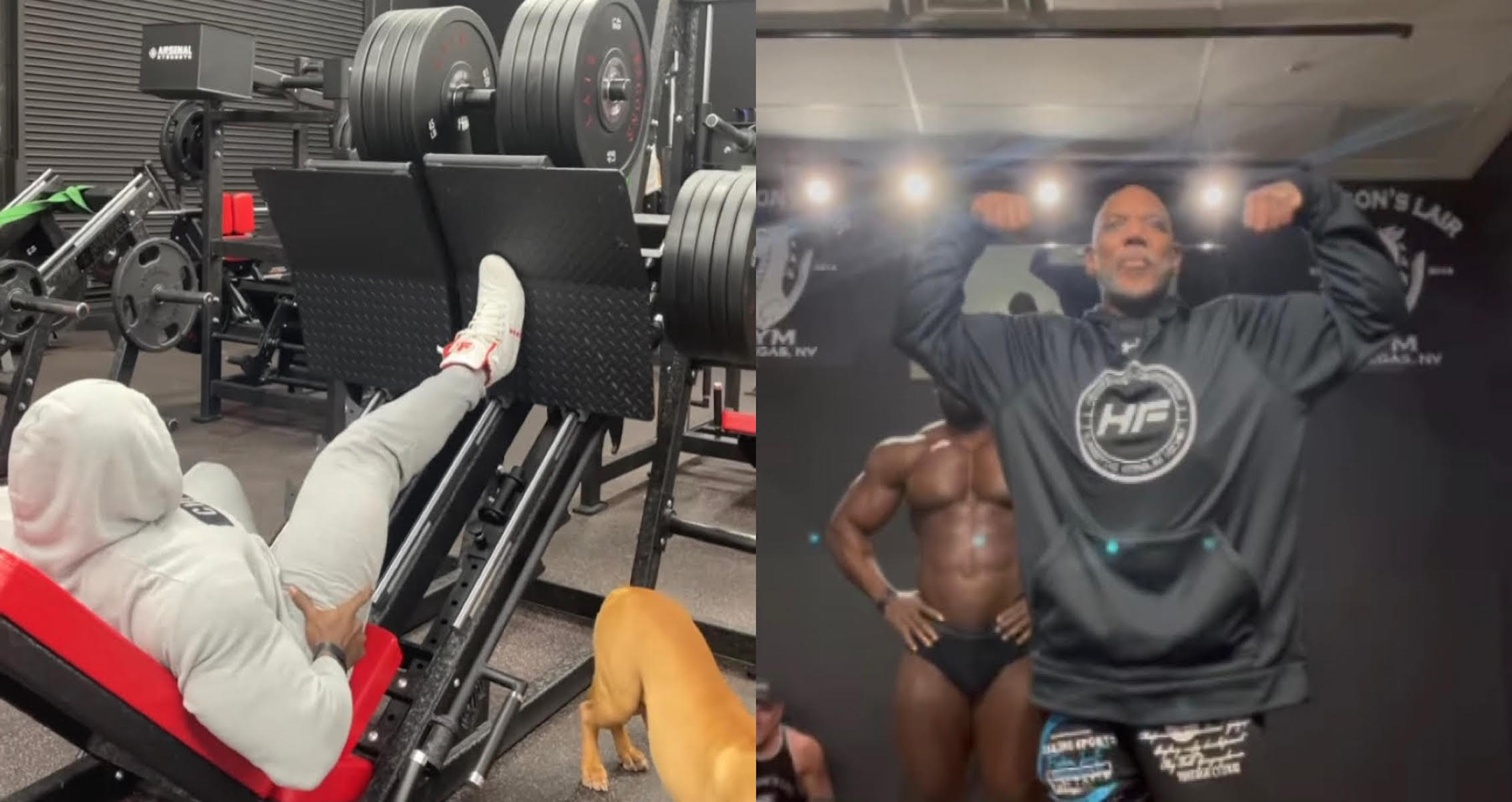
Andrew Jacked is preparing to turn some heads during the 2022 Arnold Classic Amateur coming up. The winner of the show will earn his Pro Card and qualify for the 2023 Arnold Classic. Recently, Jacked was seen training with a legendary bodybuilder who knows a thing or two about the Arnold Classic. Flex Wheeler joined Andrew Jacked for a leg day and shared some posing advice following the session.
Wheeler won the Arnold Classic four times during his illustrious career. He is still active in the bodybuilding world sharing his wisdom and this time, it was with one of the up-and-coming talents. Jacked has been working with Wheeler, and Milos Sarcev, as he attempts to earn his Pro Card at the Arnold Amateur.
Andrew Jacked took to Instagram to show a massive leg day, along with some posing, with Wheeler.
“Heavy presses, Light Presses Same Reps Same Mentality Same Goal. Stay Focused on The Mission!
Yesszzziirrr !!!@officialflexwheelerFlex wheeler athlete”
Flex Wheeler does not train Andrew Jacked regularly but this is not the first time that the duo has gotten together. Back in December, the two were seen together as Jacked was preparing for what could be a special 2022 season. He has a chance to have a massive year that involves his Pro Card and an automatic qualification to the second biggest bodybuilding show of the year.
It is clear that Andrew Jacked has focused on his legs as an area of improvement. There are noticeable changes to his quads and hamstrings over the last few months. Jacked is not shy about posting physique updates and when he does, he looks better than the one before. This is important as he enters the 2022 season leading up to the Arnold Classic Amateur.
Jacked has not hesitated to reach out to some of the biggest names in the sport and this is not a bad path to take. Wheeler has competed at the Olympia seven times taking home four top-three finishes, including three silver medals. He is one of the best Arnold Classic competitors ever with four victories. He trails only Dexter Jackson, who won the event five times.
Andrew Jacked looks the part of an IFBB professional and he will have a chance to take that final step. With the help of Flex Wheeler and other bodybuilding legends, Jacked could be ready to win the Arnold Classic Amateur.
For more news and updates, follow Generation Iron on Facebook, Twitter, and Instagram.
15-Year-Old Morgan Nicholls Deadlifts 525 Pounds For A Triple
Morgan Nicholls is one of the prodigies in powerlifting.
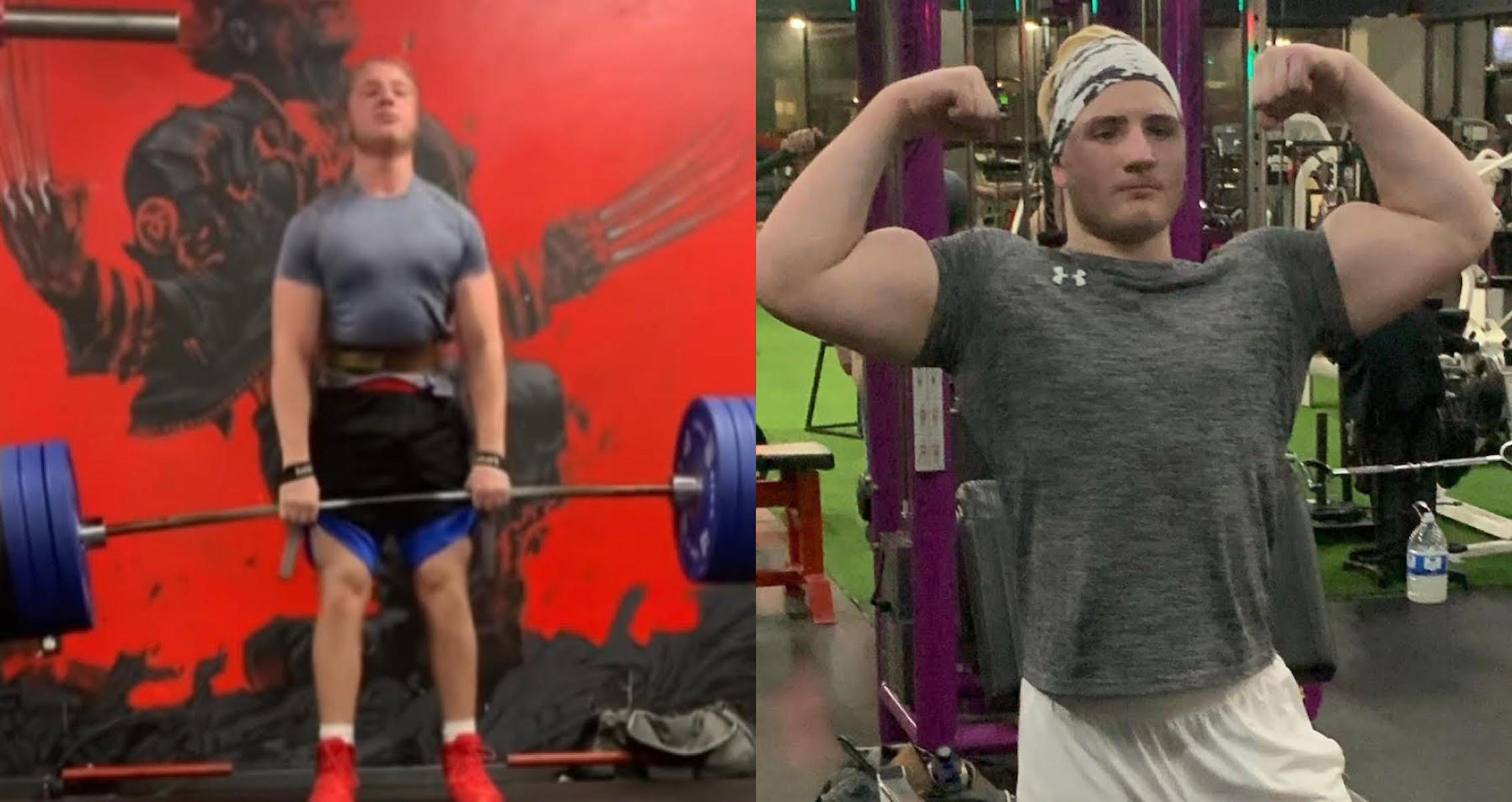
When someone says age is just a number, they are usually talking about getting older. In the case of Morgan Nicholls, it can be used because of his incredible strength at such a young age. Th 15-year-old powerlifting prodigy recently showed another impressive lift when he pulled 238kg (525lb) three times in a recent training session.
Nicholls stepped up to the weight with a lifting belt and wrist straps. He dominated the first two reps before having to work hard to complete the third. After locking out three reps, he dropped the weight and had another big-time lift under his belt.
“Heavy Deads ☠️ today – ended up tripling my max but had to leave a little blood on the platform to get the third one ? top set 525×3”
Morgan Nicholls is currently a high school student who excels on the football field. He is a two-way player that can be seen at running back or middle linebacker. At 15 years old, powerlifting is nothing new to Nicholls. He burst onto the scene at the age of 12 and continues to make significant progress with his lifts.
Nicholls is the son of Chad Nicholls, a bodybuilding coach and nutritionist who has worked with some of the best of all-time. This includes eight-time Mr. Olympia Ronnie Coleman and reigning two-time champ Big Ramy. Morgan’s mother, Kim Chizevsky Nicholls, won four consecutive Ms. Olympia titles during her career from 1996-1999. She was named to the IFBB Hall of Fame after what was a legendary career.
In 2020, Morgan Nicholls made his only appearance at a competition during the SPF GP Summer Slash. He won gold in the Teen 13-15 division and 90kg category. He set official PRs of 204.1kg (450lb) squat, 147.4kg (325lb) bench press, and 206.3kg (455lb) deadlift. This was for a total of 557.9kg (1,230lb). Not a bad showing from a 13 year old.
This competition was two years ago now and Morgan Nicholls has continued to beat his PRs. This will only continue as he matures and gets older. To this point, Nicholls has shared his massive lifts on social media. His gym PRs feature a 226.8kg (500lb) squat and 188.2kg (415lb) bench press. This deadlift of 525 pounds is his current PR and he was able to do it for three reps. For reference, his squat and bench press PR would be world records in the 90kg category and Teen 13-15 division.
Morgan Nicholls continues to be a phenom in powerlifting and a name that will be around for a long time. It is unknown when he will take the stage next but we do know that if he competes, it will be a must-see event.
For more news and updates, follow Generation Iron on Facebook, Twitter, and Instagram.