
 All Posts By Presser
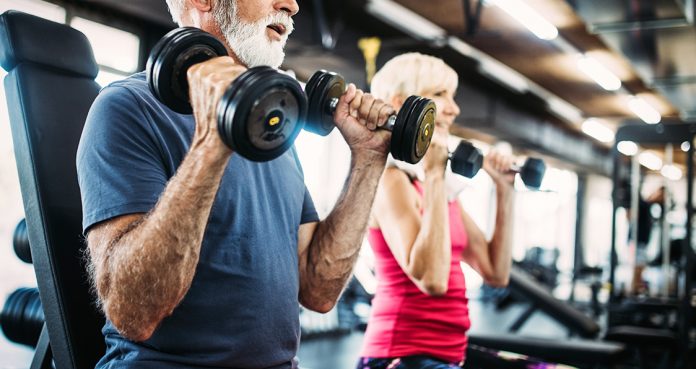
Things To Know Before Starting Working Out After 50
Things To Know Before Joining a Gym After 50
Age is one of the biggest factors that stop people from starting training. Many people believe there is an age limit to working out and that they shouldn’t get a gym membership after they’ve turned 50.
Does the age limit apply or is it just a number on your driving license? In this article, we’re going to answer this question and a few more so that you’re empowered to make the right decision for yourself.
You Can Build Muscle Mass
Many people think that you can’t build muscle after you turn 40-45. Your body produces enough testosterone (the male hormone responsible for developing primary and secondary sexual characteristics) when you’re 50 to add-on muscle mass.
You might not be able to put on the same size as the younger lifters, but you’ll be far from disappointed with the results. So, if your fitness goal is to be buff, jump into the fit lifestyle without wasting any more time.
Fix Your Diet
If you’ve never counted your macros or calories, it’s time you start following a diet plan. No matter how hard you train, if you’re not feeding your muscles the right macro and micronutrient, you’re not going to see results.
Take It Easy On Your Joints
At 50, your joints have taken half-a-century worth of beating and might not be in shape for 315lb squats. If you’ve pre-existing injuries or problems, you’ll need to work around them, and even on them.
Use Supplements
If you’re not able to achieve your daily macro goals with real foods, it’s a good idea to incorporate supplements into your routine. Apart from the nutritional supplements, you should also be using joint and immune system support products.
Follow The Right Training Program
Forget the 50-year-olds, even the majority of teenage lifters don’t see any results in the gym. Designing the right training program according to your body composition is key to seeing desired results.
Keep Your Body Moving
If the idea of hitting the gym every day of the week traumatizes you, you should know that you don’t have to lift weights every day. You should set a daily move goal for yourself and achieve it by walking, running, swimming, or any other physical activity of your liking.
Focus on Recovery
The onset of age will most probably take a toll on your CNS (central nervous system). You should plan your workout schedule after analyzing your recovery pattern. You should be weight training for not more than 3-4 days a week.
Do Your Research
The majority of the people in the gym around the world are between 18-40 years of age. As much as the gym bros would want to help, their well-intending advice can do more harm than good. If you can’t find someone who is experienced in working with people your age, you’ll have to do the research yourself.
It’s Going To Take Time
If you think you can build considerable muscle mass in a couple of months after you’ve turned 50, a rude awakening is just around the corner. The truth is that your prime muscle-building years have passed and it’s going to take some time now.
How old were you when you started training? Let us know in the comments below. Also, be sure to follow Generation Iron on Facebook and Twitter.
*Header image courtesy of Envato Elements.
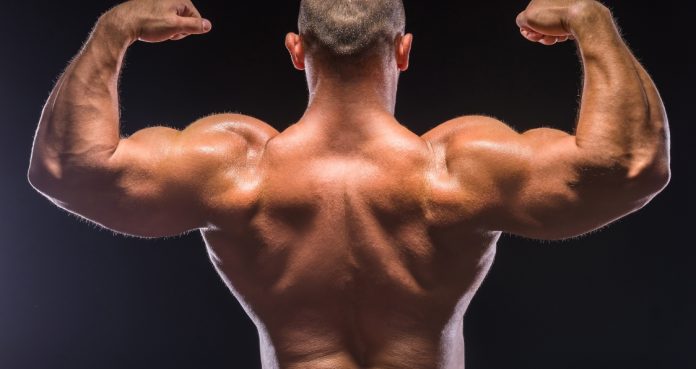
Moves to Build a Cobra Back
Training the Back for a V-Taper
If you’re wondering why is a chiseled back called a cobra back, it’s because the V-taper looks like the head of a cobra when a bodybuilder spreads out his lats.
A physique can’t be deemed complete and symmetrical without a V-taper. Building a cobra back isn’t easy and the workouts, if done right, can be as grueling and exhausting as the hardest of leg workouts.
Your back is the biggest muscle group after legs and developing it can take a lot of hard work, sweat, pain, and tears. A cobra back can make you look like a superhuman and gives you wings you could fly with.
Your back is a big muscle group and you need to target it from different angles to train it effectively. Each exercise targets the back in a different way and you need to perform a variety of moves to develop every muscle fiber in your back.
The overall development of the back needs a combination of compound and isolation exercises. We’ll break up the back into three major muscle groups and perform exercises to target each muscle.
Upper Back – Muscle Involved Rhomboids and Trapezius
Rhomboids
Breaking up the back into smaller muscle groups makes it easier to train and helps in building size and definition by focusing on any lagging parts. Rhomboids are placed at the top of your back right under your neck and at the sides of the posterior deltoids.
– Seal Rows
– Rope Face Pulls
– Incline Bench Dumbbell/Barbell Rows
You can best target the rhomboids by using isolation exercises. While performing the seal rows, bring the barbell to your chest and not your stomach. For the face pulls, hold and contract your back at the top and the bottom of the movement.
Trapezius
Some people like to train their trapezius muscles (or traps) on their shoulder day, but we will advise you to do so on your back day. Although rear delts too are a part of the back, we won’t train them in our back workouts.
– Barbell/DumbbellShrugs
– Behind the Back Cable Shrugs
Middle Backs – Lats (Latissimus Dorsi)
Most people in their back workouts train their lats and call it a day. All the rowing and pulling movements essentially target the latissimus dorsi (lats). The pulling movements help with adding size to your wings, and the rowing adds thickness to your middle back.
– Pull-Ups
– Lat Pulldowns
– Seated Cable Rows
– Dumbbell/Barbell Rows
Pull-ups are an essential for every back workout. In between your sets, stretch your lats by performing the lat spread pose. Posing between sets will rush more blood into your lats and will help you in establishing a better mind-muscle connection.
Lower Back – Thoracolumbar Fascia
Lower back is the smallest of the three muscle groups. A single exercise for the lower back in your back workout is enough to get the job done. It’s important to maintain a strict form while performing the lower back exercises.
– Weighted Hyperextensions
Use a small barbell for performing the hyperextensions and maintain a full range of motion. Performing this exercise to failure is the best way of getting the most out of it. After you hit failure, drop the barbell and do as many bodyweight reps as you can.
You Cannot Miss the Deadlifts
Deadlifts are a full body exercise and are essential to building a cobra back. Switch between high volume and low volume days while keeping the intensity high. Deadlifts are the mother of all back exercises and add size, width, and thickness to your back.
Who do you think has the best V-Taper in the bodybuilding world? Let us know in the comments below. Also, be sure to follow Generation Iron on Facebook and Twitter.
*Header image courtesy of Envato Elements.
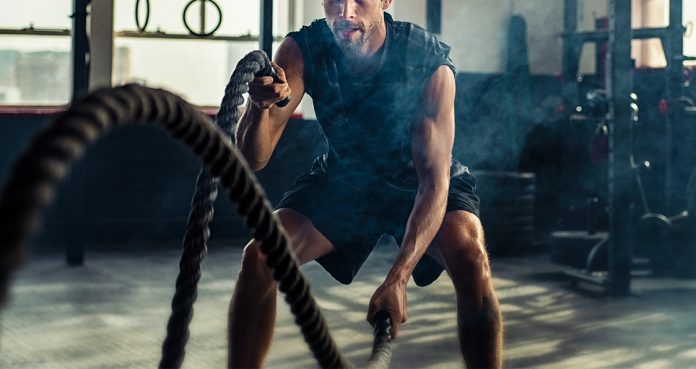
Why You Should Be Doing Full-Body Workouts
Reasons For Performing Full-Body Workouts
If you’ve been following a program where you train a single or double muscle group 5-6 days a week but can’t see desired results, it’s time you consider switching to a full-body training routine.
When we say ‘a full-body workout’, we’re referring to a workout where you train at least three muscle groups in a single training session which should include both your upper and lower body.
Break The Plateau
Performing the same workouts over and over again can lead you to hit a plateau. If you know anything about muscle plateaus, you’ll know it’s better to avoid one rather than finding ways of breaking it.
Following a full-body training routine can help you break and/or avoid a plateau. You should add variety to your full-body sessions so that your muscles never get used to your training program.
Improves Your Cardiovascular Health
Many serious lifters dismiss the full-body training programs calling them some CrossFit WOD fad which will go away soon. The high-intensity training style isn’t given its fair share of credit when it comes to its testosterone boosting, cardiovascular, and CNS health improving benefits.
Most resistance training approaches don’t put your cardiovascular system under stress as there is plenty of time to recover between exercises. The full-body workouts can improve your overall health by using HIIT routines.
Burn Fat
If you’ve ever performed a full-body workout, you’ll know that it can be exhausting. The good news is, the annihilation after a full-body training session can be incredibly effective in melting your body fat like butter.
If your primary goal is to shed weight and lose some inches from your waist, you should follow a full-body program. The HIIT workouts are also great for bros who’re prepping for a contest or want to improve their muscle definition.
Hit Failure Every Time
Leaving the gym without a pump can be depressing. While following a low-moderate intensity workout, variables like mind-muscle connection, rest between sets, form come into play which can hamper your muscle pumps.
On the other hand, you’re almost guaranteed to get (and maintain) a nasty pump during your full-body workout because of the sheer intensity of the training style. If you shy away from hitting failure in every workout, the full-body workouts are sure to cause a paradigm shift.
Shorter Workouts
Many people never get on the fitness bandwagon because they can’t take out 2-3 hours for a workout every day. Following a full-body workout is the perfect solution to this problem as you’ll wrap up your workouts within 45-60 minutes.
Since the full-body workouts have ample bodyweight exercises, you’ll never have an excuse for missing a training session. You could train in the comfort of your home early in the morning, late at night or anytime in between.
Do you train on Sundays? Let us know in the comments below. Also, be sure to follow Generation Iron on Facebook and Twitter.
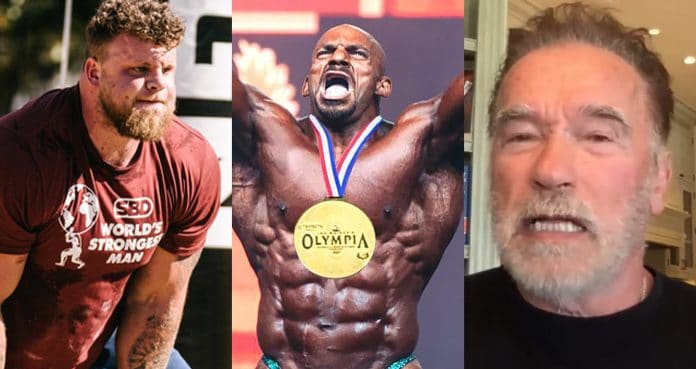
Year In Review: The Biggest Bodybuilding Stories Of 2021
Here are the biggest bodybuilding stories from this past year!
As 2021 comes to an end, it seems like as good a time as any to look back on some of the top stories from bodybuilding over the last year. There was plenty of action this year and it was highlighted by some of the top competitions.
The 2021 Olympia and Arnold Classic took place two weeks apart after being pushed back due to the COVID-19 pandemic. Nick Walker was victorious in his first Arnold Classic competition and ended up fifth at the Olympia. For Big Ramy, he made it two titles in a row down in Orlando. Brandon Curry finished as the runner-up once again followed by Hadi Choopan and Hunter Labrada.
Outside of the world of bodybuilding, there have been many huge stories in powerlifting and boxing. This sets up what could be an extremely exciting 2022. Let’s take a look at some of the top stories and moments from 2021.
Top Stories of 2021
2021 Olympia Weekend Brings New & Repeat Champions
The 2021 Olympia was moved to October in Orlando because of COVID-19. This came just two weeks after the 2021 Arnold Classic. Big Ramy was able to win his second consecutive title and proved that he is the competitor to beat. Derek Lunsford upset Shaun Clarida in Men’s 212 while Chris Bumstead made it three victories in a row in Classic Physique.
READ HERE: 2021 Mr. Olympia Bodybuilding Results For All Divisions
Tom Stoltman Wins 2021 World’s Strongest Man
Tom Stoltman is one of the top strongmen in the world and he showed it on the biggest stage this year. Stoltman was able to edge out Brian Shaw, who finished second, and Maxime Boudreault to take home the title. There was 10 total competitors vying for the title and Stoltman was able to come out on top.
READ HERE: World’s Strongest Man 2021 Finals Results
Flex Wheeler Diagnosed With COVID-19 & Recovery
COVID-19 has impacted the entire world but especially for those who have contracted it or lost someone from it. In October, legendary bodybuilder Flex Wheeler was diagnosed with the virus and it was a long journey back. Wheeler remained active on social media giving updates on his condition through his battle. He was released in November but not before he received well wishes from many.
READ HERE: Flex Wheeler Has Been Diagnosed With COVID-19: “I Will Defeat The Virus”
Michal Krizo Wins Mr. Universe Pro & Draws Comparisons To IFBB Pro Athletes
Michal Krizo has become a huge name in the Elite Pro League and he solidified his legacy by winning the 2021 Mr. Universe Pro. This victory brought much attention to Krizo and his work as a bodybuilder. Krizo’s popularity has caused many fans to call for his switch to the IFBB league. That might happen in the future but for now, he continues to dominate the Elite Pro League.
READ HERE: Michal Krizo Wins Mr. Universe Pro 2021
Martyn Ford vs. Sajad Gharibi
One of the most anticipated of the year will take place on April 2nd. Martyn Ford and Sajad Gharibi have agreed to terms on a boxing match and it has been building since October. Not only will these two duke it out in the ring, there is some personal issues between the two. The fight will be under the banner of celebrity boxing promotion BoxStar.
READ HERE: Martyn Ford Will Fight “Iranian Hulk” Sajad Gharibi In Boxing Match Face Off
Hafthor Bjornsson vs. Eddie Hall Boxing Match Transformations
Hafthor Bjornsson and Eddie Hall have both made the transition from powerlifting to boxing. The two were set to meet in September but Hall was forced to back out because of an injury. There is no official date set just yet but it is likely that it will take place early in 2022. Since their transition, both Bjornsson and Hall have made incredible physique transformations.
READ HERE: Eddie Hall vs. Hafthor Bjornsson: Who Has Had The Most Significant Transformation In 2021?
Arnold Schwarzenegger’s Freedom Comments & Industry Reaction
Arnold Schwarzenegger received a lot of backlash after stating his opinion on anti-maskers during the COVID-19 pandemic. ‘Screw your freedom’ were the words used by Schwarzenegger and it was not received well. Many stated their opinions publicly and some decided to cut ties. Brian Shaw went as far as to remove posters of the bodybuilder from his gym to show that he is against his comments.
READ HERE: Brian Shaw Takes Down Poster Of Arnold Schwarzenegger In His Gym
Ryan Crowley Tears Pec During Training
Ryan Crowley has been putting on some serious size and gaining strength because of huge workouts. He joined Larry Wheels, who thrives performing massive lifts, for a training session back in March. Crowley suffered a torn pectoral while performing a heavy bench press.
READ HERE: Video Of Ryan Crowley Pec Tear While Training With Larry Wheels
Remembering Those Who We Have Lost
The bodybuilding world has been hit hard by a string of deaths by some of the top athletes in the sport. Shawn Rhoden passed away at the age of 46 in November after suffering a heart attack. Rhoden took home the Olympia title in 2018 and was one of the biggest name in bodybuilding since earning his Pro card in 2010.
George Peterson was preparing to compete at the 2021 Olympia before passing away in his hotel room in Orlando. There has not been a cause of death revealed for Peterson. He was 37 years old. Renowned bodybuilder and coach John Meadows passed away at 47 years old in August. Meadows dealt with health issues during his time as a bodybuilder. Following his retirement, he stayed active in the sport as a coach and nutritionist.
Odalis Santos Mena was an up-and-coming name in bodybuilding after becoming a sensation on social media. In July, Mena underwent an operation to fix her constant sweating and passed away due to a complication with anesthesia. She was just 23 years old. Generation Iron remembers those who we have lost in the sport of bodybuilding this year and sends condolences to family and friends.
Sadly, there were many more lost this past year than listed here – drawing much attention to the state of health in competitive bodybuilding. While there has been no proven direct through line between all of these deaths, many hope that health becomes a bigger focus in the future of the sport. Generation Iron would like to pay tribute to those we have lost and wish for a stronger and safer year moving ahead.
For more news and updates, follow Generation Iron on Facebook, Twitter, and Instagram.
Life Lessons Bodybuilding Can Teach You
The Timeless Bodybuilding Life Teachings
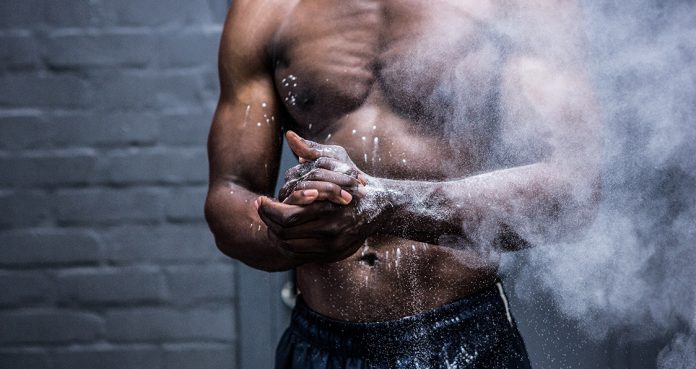
You go to the gym to build muscle – this is how most people sum up working out. The psychological benefits of lifting weights are often undermined as usually only the physiological advantages are broadcasted by the fitness industry.
If you let it, working out can turn into a meditative and self-reflective activity. Through this article, we want to draw your attention to the life lessons bodybuilding can teach you if you pay attention.
Accept Your Weaknesses
You can only craft a proportional physique if you’re willing to work on your lagging muscles. Most people have a lagging muscle group, and until they accept their weaknesses and work on them, they can’t ahead in the game.
Have a Plan
Not having a plan before you start a business, join a gym or even step out of your house for that matter is going to get you nowhere. Write down your goals and devise strategies to achieve them.
It’s All About The Reps
Whatever your goal might be, the best way of getting good at what you do is to do more of it. As you do more reps, you’ll start working on the form and quality. Do the work until it becomes second nature.
Focus
The Governator brought the concept of mind-muscle connection to the limelight. Don’t just do the work, ‘become’ the work and have a tunnel vision while you’re at it. If you let small distractions break your focus, you’re not going to go a long way.
Failure is Your Friend
Most people are too afraid of pushing their boundaries in the gym or their field of work. The more often you hit failure, the wider your horizons are going to get. Don’t be afraid of failing and you’ll be surprised by what you can achieve.
Follow A Deadline
Once you have a goal in place, you should set a deadline for yourself. It’s best to keep the deadline ambitious as it’ll push you to put in your best. Have provisions for regular assessments of your progress, and re-plan when need be.
Don’t Just Show Up
Some people think that showing up to the gym is enough to build muscle or lose weight. Contrary to this belief, arriving at work is 10% of the equation. Push yourself and everyone around you to do their best work.
Keep Learning
With the advancement in science and research, almost every field is going through massive transformations every few years. You should keep your head out for new techniques that can help you improve your productivity and results.
Work is Directly Proportional To Results
Bodybuilding is a fairly straightforward sport and has a direct cause and effect relationship. If you put in the work, you’ll be getting appropriate results for it. You might not see the results yet, but they will surely come.
Patience
“Rome wasn’t built in a day” – remember this whenever you think you’re not seeing any progress in the gym or at work. Building something meaningful can take months – if not years – and you need to be patient and perseverant.
Which is your favorite muscle to train? Let us know in the comments below. Also, be sure to follow Generation Iron on Facebook and Twitter.
*Header image courtesy of Envato Elements.
5 Tips To Master The Sumo Deadlift
Master the Sumo Deadlifts with these Five Tips
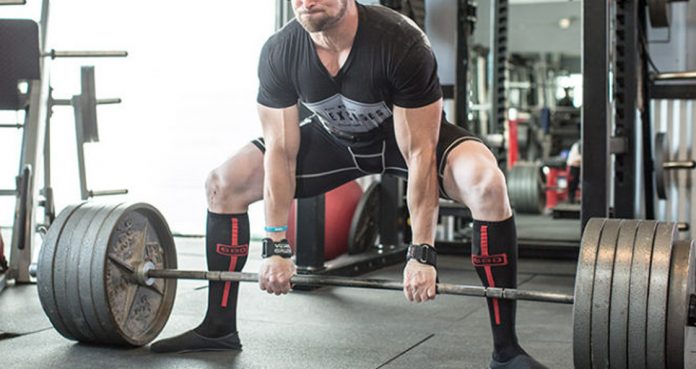
Deadlifts are some of the most brutal exercises which train your complete body. There are many variations of the deadlifts which will keep you from getting bored of the exercise. Sumo deadlifts have a greater impact on your hips, glutes and posterior chain.
Due to the limited range of motion, this variation of the deadlifts can enable you to lift heavier weights as compared to the traditional deadlifts. The sumo deadlifts are great for people who have a stronger lower body.
Since you get into a squatter stance while lifting the weights, your lower body does more work in this variation as compared to the traditional deadlifts. Sumo deadlifts are an advanced exercise and you need to perform them correctly to get the most out of them.
1. Find a Stance Which Works For You
There are no hard or fast rules when it comes to the sumo deadlift stance. The stance will vary for people based on their height and mobility. Some people have a false notion that the wider your sumo deadlift stance, the better it is. Most people need a moderate sumo stance to lift heavy weights while maintaining the correct form.
The sumo deadlifts are harder at the bottom. It is harder to move the weights off the floor than it is to lock our your hips and back at the top of the movement. Take a stance which makes it easy for you to lift the weights off the ground.
2. Get Your Body Behind the Bar
Some people make the mistake of ducking out their toes, doing this automatically puts the bar an inch in front of them. On the other hand, some people stand on top of the bar which is not the best position to start either because the bar can bump into your knees on the concentric movement.
Standing right behind the bar with your shins touching the barbell is the best position to start the lift. Keeping your head and chest behind the bar at the start of the movement will help you in locking out your hips and knees at the top of the movement.
3. Point the Toes Out
Feet placement is where most people go wrong with the sumo deadlifts. You neither want your feet to be pointing all the way out nor should they be pointing straight ahead. You want the barbell to be as close to you as possible while performing the sumo deadlifts.
If you stand with your feet completely “ducked” out, the bar will be an inch in front of you which can make it harder to lift it off the ground. Turn your feet slightly out as doing this will make the lift shorter and easy.
4. Generate Torque and Push Your Hips Through
As mentioned above, the sumo deadlifts are the hardest at the bottom of the movement. You need to generate a lot of torque to crack the bar off the floor. Make sure you push your knees out so they don’t come in the way of locking out your knees.
If you’re a competitive powerlifter, you will need to stand with your knees and back locked out at the top of the movement. Drive your hips into the bar to finish with a smooth lockout. Some people make the mistake of overextending their lower back which can unlock their knees.
5. Hand Placement
The hand placement while performing the sumo deadlifts can be tricky. Some people like to have a wider than shoulder width grip while the others like to keep their hands close to each other. A shoulder-width hand placement can prove to be the most optimal.
Holding the bar too wide can put extra tension on your lower back while a close grip can make it hard for you to balance the bar.
What is your sumo deadlifts PR? Let us know in the comments below. Also, be sure to follow Generation Iron on Facebook and Twitter.
Natural Bodybuilder’s Transformation Proves Why Eating More is Better Than Eating Less (She Doubled Her Calorie Intake!)
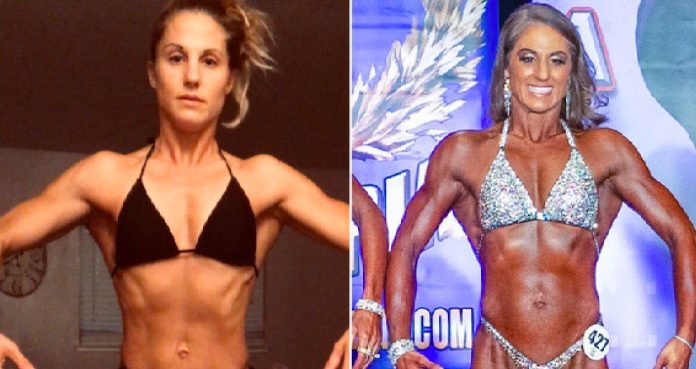
Alice Jncharles proves eating more is better than eating less by going from consuming 1300-1800 calories per day to eating over 3k calories daily.
Contrary to the belief that you want to eat less to build the body of your dreams, you’ll want to eat more. Often, people tend to undereat when working on their fitness goals. Not consuming enough calories puts you in a catabolic state and makes building muscle hard and losing body fat even harder. That’s because the more muscle you have, the faster your basal/resting metabolic rate (BMR) will be, which means you’ll burn more calories at rest. Of course, eating enough calories is essential to build muscle since you’ll need to be in a caloric surplus to maximize muscle growth.
Professional Natural Bodybuilding Association (PNBA) competitor Alice Jncharles proves this concept. She doubled her caloric intake and went from eating 1300-1800 calories per day to over 3k calories daily and gained a whopping 7 pounds of pure muscle! On Instagram (IG), Jncharles claimed:
“The main difference between these pictures, my food intake, and a coach. From 1300-1800 to 3066 calories daily. You have to eat big and lift heavy to grow.”
You can see her complete statement and transformation pictures below.
https://www.instagram.com/p/CYDXh5YrJWK/?utm_source=ig_web_copy_link
Alice Jncharles’ nutrition change made a massive impact on her 2021 performance. She placed in the top 3 of the world in the Figure Masters division at 2021 Natural Olympia.
Natural Bodybuilding and Nutrition
Athletes in natural bodybuilding have to strategically structure their training regimen and nutrition since they don’t get to use any PEDs unless they want to end up on the Hall of Shame, of course – for all INBA/PNBA competitors.
With that being said, they’ll need to have their nutrition targets on point to match their training volume. This natural bodybuilder ranked the top 4 restaurants to hit your nutrition targets (click the link).
Importance of a Caloric Surplus
In the sport of natural bodybuilding, building muscle naturally is essential. However, to build muscle, you must be in a caloric surplus. As Jncharles said in her IG above post, “You have to eat big and lift heavy to grow.”
How much protein you eat is critical as well. We recommend you eat between 0.7g – 1g of protein per lbs of body weight for maximal muscle growth. Research shows that 0.82g is what you want for maximal muscle growth. (1)
Now, that’s not to say that you don’t want to cut calories at some point to lose weight and fat. That’s because being in a caloric deficit is vital for weight loss. However, it’s better to build muscle and focus on a caloric surplus first, so your metabolism is working more efficiently. Furthermore, not eating enough calories will wreak havoc on your metabolism, making weight loss and fat loss near to impossible. Therefore, we recommend you eat more and build muscle, then slowly cut your calories back to cut weight.
Generation Iron would like to congratulate Alice Jncharles on her third-place finish in Figure Masters at 2021 Natural Olympia. We hope 2022 brings you success!
Follow us on Instagram, Facebook, and Twitter to stay updated with PNBA/INBA athletes!
Reference
Phillips, S. M., & Van Loon, L. J. (2011). Dietary protein for athletes: from requirements to optimum adaptation. Journal of sports sciences, 29 Suppl 1, S29–S38. https://doi.org/10.1080/02640414.2011.619204

Best Ways To Tackle That Holiday Binge Aftermath
We love a holiday meal, until it’s all said and done.
The holidays. A fun time with family and friends, plenty of food and booze, and yes, the occasional indulgence after a year of strict dieting and training. But you deserve it. You work hard and we get that. Let us help you overcome the holiday binge aftermath you endured from the holidays.
Between the appetizers, main course, desserts, and those sweet treats throughout the day, your holiday binge is totally understood. And you aren’t alone. It’s hard to avoid all the good stuff on the holidays especially late at night. Those fun adult beverages and late night snacks creep in and next thing you know you are on the couch, potentially unsure of how you got there.
So, you think your gains are a wash. Wrong. The occasional binge won’t totally kill those gains, but you may have a minor set back. Totally fine, we’ll help you bounce back and get back on track.
Let’s jump into the best ways to overcome that holiday binge in efforts to set you back on track for the new year and continued success in whatever sport you may be involved with. For those of you fitness nuts that just love working out, this works just fine for you too.
Best Ways To Tackle That Holiday Binge
From what to eat, what to drink, and what supplements to potentially take, loading up on fiber and protein is a sure fire way to make sure those gains of yours stay totally intact as you get back on track. Let’s jump right into the best ways to tackle that holiday binge.
Foods To Help After A Binge
Set aside those sweet treats and focus on the right foods to aid in gut health, better digestion, and just get the body back on track to eating those healthy foods. Consider the following foods to help:
Yogurt: Full of good bacteria, this will help kick out the bad bacteria and give your gut the boost it needs to get back on track (1).
Beans: Whatever your bean of choice, these can help with digestion and get you moving more regularly again (2).
Bananas: Great for counter acting the effects of sodium, this can work to reduce water retention and help with gut health.
Beets: Beets have great antioxidants to help with a range of bodily functions and work well in certain juices (3).
Greens: Get those leafy greens you to load up on fiber and put some color back in your diet.
Turmeric & Ginger: Great for inflammation and immunity and will get your body back on track for health and training purposes (4,5).
Oatmeal: Packed with fiber and will help keep you full while also serving as a nice dish to play with. Adding some berries or protein powder can be an enjoyable meal after a binge.
Also be sure to load up on protein to keep you full and get you back to where you were before. Either lean meats, fish, or those valuable protein supplements can be a great way to pump protein into your body to get back on the gains train.
Hydrate!
Staying hydrated is key and often times overlooked. Especially after those long nights of drinking, give your body the water it needs to thrive. For those looking to change it up from just plain water, consider adding an electrolyte powder or beverage to your routine so you can get good nutrients into you as well. Nothing beats staying as hydrated as possible and getting all those toxins out of you immediately (6).
Sleep, Sleep, Sleep
Chances are you didn’t sleep much. You want to catch up with friends and family. You finally can sleep in without any obligations. Now it’s time to get back on the saddle and sleep. Making sure you take care of yourself is super important and rest is the best time to do so. If you’ve been working out as well, this is a great time to give your body that extra bit of rest to capitalize on all things gains (7).
Keep Up On Those Vitamins
Be sure to keep up on those valuable vitamins and minerals you are taking to stay as healthy as possible. Knowing what to take and when to take it can be crucial for giving your body the proper nutrients it needs to stay healthy. Don’t start slacking now and if anything, keep up what you are and have been doing with these vitamins and minerals.
Restructure Or Prepare A New Years Training Plan
Now its time to get back to work and look at your training plan. If you need to restructure for the new year, take a look and add in some exercises you haven’t done before to confuse your muscles so they grow. If you have yet to make one, or have never, sit down and prepare a plan. Looking at those bodybuilders and other athletes we admire can be a great way to pull inspiration for your workouts.
Top Supplements To Help With These Tips
As we said before, pumping yourself with protein is key and supplements are a great way to make that happen. Look into a protein powder and casein protein for these are effective supplements to take to give you the best in terms of protein. Protein powder will give you that quick fix post-workout or as a snack and casein is that slow digesting protein to work for that overnight repair.
For those looking to optimize health and wellness, definitely look for a multivitamin, if you don’t have one yet, as well as omega-3 and super greens supplements to give you the most in terms of health and training.
Wrap Up
There you have it. That holiday binge has happened and now its time to get back on track and fix it. With the right approach and knowing how to handle it, you can better get back to work and set yourself up for real success.
Let us know what you think in the comments below. Also, be sure to follow Generation Iron on Facebook, Twitter, and Instagram.
*Images courtesy of Envato
References
German, J. (2014). “The future of yogurt: scientific and regulatory needs”. (source)
Messina, V. (2014). “Nutritional and health benefits of dried beans”. (source)
Clifford, T.; et al. (2015). “The Potential Benefits of Red Beetroot Supplementation in Health and Disease”. (source)
Daily, J.; et al. (2016). “Efficacy of Turmeric Extracts and Curcumin for Alleviating the Symptoms of Joint Arthritis: A Systematic Review and Meta-Analysis of Randomized Clinical Trials”. (source)
Mashhadi, N.; et al. (2013). “Anti-Oxidative and Anti-Inflammatory Effects of Ginger in Health and Physical Activity: Review of Current Evidence”. (source)
Popkin, B.; et al. (2010). “Water, Hydration and Health”. (source)
Dattilo, M.; et al. (2011). “Sleep and muscle recovery: endocrinological and molecular basis for a new and promising hypothesis”. (source)
Tristyn Lee Joined Frank McGrath For A Massive Arm Workout
Frank McGrath led Tristyn Lee in a huge arm day workout.
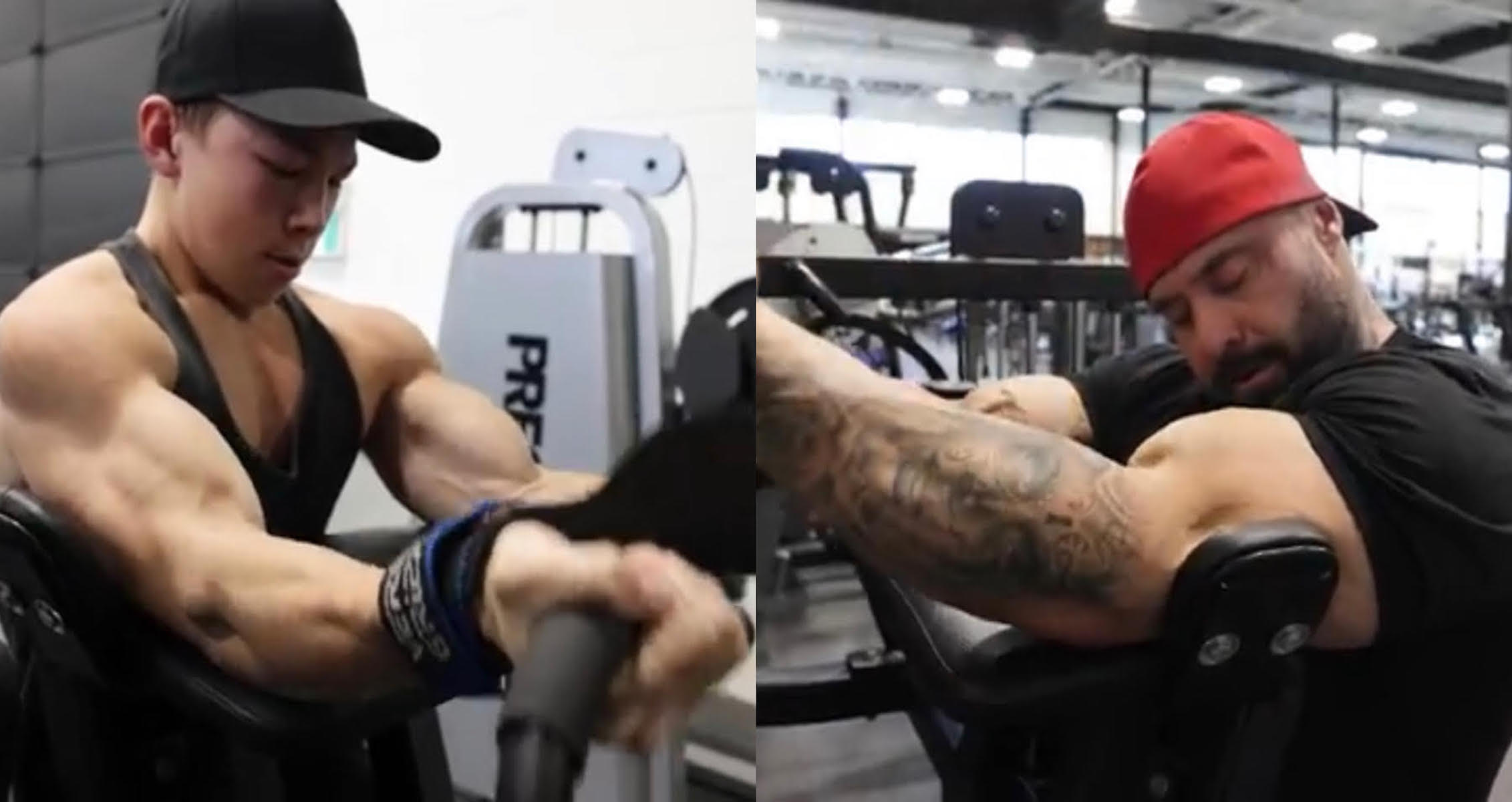
It is not easy to develop an incredible physique at a young age but for some, this is exactly what happens. Tristyn Lee is a bodybuilder who has built an impressive physique at just 18 years old. He has become known for his build and has gained plenty of attention on social media because of it. Recently, Lee joined Frank McGrath for an arm-day workout.
This was a special workout for Lee, who grew up watching McGrath. The 43-year-old bodybuilder was one of the biggest names in the sport in the 2000’s but was forced to cut his career short due to injuries. McGrath was known for his massive size and vascular look on stage. Since retiring from competitive bodybuilding, McGrath has continued to inspire and encourage young athletes to take on their fitness goals.
This video was shared to Tristyn Lee’s YouTube page for his 1.35 million subscribers to see.
It is no surprise that Frank McGrath led an arm workout for Tristyn Lee. McGrath was known for his arms and huge forearms during his time on stage. This is a workout that consisted of bicep/tricep supersets.
McGrath began the workout with triceps pushdowns and preacher curls. Lee admitted that arms are the weakest part of his workout but this is something that McGrath wanted to change. He led the intense workout from the beginning. This superset was to get warmed up a bit and the two quickly moved onto another.
For their second superset, McGrath and Lee took on biceps cable curls and skull crushers with an EZ bar. The two discussed their differences in reps. Lee usually does fewer reps per set while McGrath always tried to reach a certain number. Up next, preacher curls and triceps workout on preacher curl machine. McGrath always uses preacher curls as a go-to exercise for him and he learned the tricep exercise from Dexter Jackson.
After three supersets for arms, Frank McGrath showed Tristyn Lee one for forearms. This consisted of wrist curls and wrist rolls. This was the final workout of the day for the two and it featured an area where McGrath shined during his competition days.
This is an arm workout that anyone can try and take on at any point. McGrath has always been interested in sharing workouts for others to try and challenge themselves. This has been a goal of his since retiring from competition and it shows in this particular workout with an up-and-coming star like Lee.
For more news and updates, follow Generation Iron on Facebook, Twitter, and Instagram.
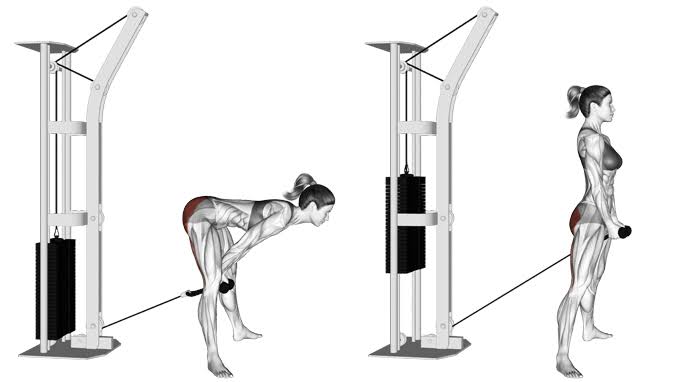
Cable Pull Through – Benefits, Muscles Worked, and Alternatives
There are many benefits and alternatives to cable pull-throughs!
Cable pull-through is one of the most underutilized exercises for posterior chain development. Not only does it help with your glute and ham development, but it also improves muscular endurance, hip flexion, and extension mechanics, helps with muscle imbalances, corrective routines, and can be a great warm-up exercise.
The cable pull-through (aka glute pull-through) is a compound exercise that primarily works your hamstrings, gluteus maximus, and lower-back muscles.
Cable-pull through is a hip-hinge functional movement and should be an indispensable part of your training routine. These movements help you perform essential activities such as picking things up off the ground. They also assist in keeping your hips mobile and strengthen muscles that can prevent lower back pain.
The exercise can be highly beneficial for a fitness rookie for balance in the frontal plane and posterior chain (hamstring, glute, calves) muscle recruitment.
Related: The Most Effective Compound Exercises For All Levels of Experience
Cable Pull Through Exercise Details
Target muscle: Hamstrings, Gluteus Maximus
Synergists: Erector Spinae, Hamstrings, Adductor Magnus, Soleus
Mechanics: Compound
Force: Pull
Benefits of Cable Pull Through
1. Reinforces the Hip Hinge
If you are a beginner, cable pull-through is a great exercise to learn and reinforce proper hip flexion and hinging patterning necessary for advanced lifts like the deadlift.
The added tension in the eccentric phase due to the use of a cable can provide neurological and motor patterning feedback to help increase a lifter’s understanding of what hamstring flexion and extension should feel like.
Check Out: How These Hinge Exercises Can Boost Hip Strength
2. Glute and Hamstring Hypertrophy
Since cable pull-through requires the use of a cable pulley, it increases time under tension, eccentric muscle damage, and overall muscular activation of your glutes and hamstrings.
3. Cable Pulley is a God-send
The cable pull-through can be a deadlift substitute. You might find the perfect resistance on a pulley machine faster than on a barbell while performing the deadlift since a pulley offers a wide range of resistance options.
On top of that, cable pull-through give you a better way to monitor your progress and isolate your working muscles.
4. Muscle Annihilation
While performing the cable pull-through, your target muscles are under constant tension. It aids with establishing a mind-muscle connection and muscular hypertrophy.
The degree of muscle fiber recruitment while performing the cable pulley pull-through can be altered by switching up the time under tension.
Related: The Importance of Mind-Muscle Connection To See Huge Gains
5. A Great Posterior Chain Exercise
Cable pull-through is one of the most reliable posterior chain exercises.
While exercises like the leg curl isolate your hams, cable pull-through helps train your butt, hamstrings, and lower back effectively and at the same time.
6. Cable Pull-Through is Lower Back-Friendly
While performing the exercise, the rope handles stay close to your center of gravity, which means you are less likely to round your back and end up putting unnecessary stress on your lower back.
Must Read: 4 Exercises to Alleviate Lower Back Pain
Muscles Worked While Performing Cable Pull Through
Cable pull-through works the posterior chain muscles, especially around your hips. These muscles are responsible for generating most of your lifting, running, and jumping power.
The cable pull-through target muscles consist of:
1. Gluteus Maximus
The gluteus maximus is the main extensor muscle of the hip. It is the largest and outermost of the three gluteal muscles and makes up a large part of the shape and appearance of each side of the hips. The gluteus maximus is the large muscle driving the powerful hip extension of cable pull through.
2. Hamstrings
Along with your glutes, your hamstrings play a vital role in hip extension and flexion. There are three muscles in the hamstring group; biceps femoris, semimembranosus, and semitendinosus. The hams are involved in explosive lower body movements such as sprinting and jumping.
3. Erector Spinae
The erector spinae run up both sides of your back and are responsible for extending your spine. It is formed of 3 muscles (spinalis, longissimus, and Iliocostalis muscles), and its fibers run more or less vertically throughout the lumbar, thoracic, and cervical regions. These muscles are also important for maintaining posture.
4. Core
The cable pull-through works the muscles of your midsection, including rectus abdominis, obliques, and transverse abdominis. These muscles stabilize your spine and prevent your lower back from rounding.
Next Read: Build a Rock-Solid Core With These Exercises
5. Iliopsoas
The iliopsoas is the primary hip flexor. It consists of major and minor psoas muscles and the iliacus muscle that forms the iliopsoas musculotendinous unit (IPMU). The muscles can function in isolation to stabilize the pelvis and lumbar spine during hip movement and support flexion of the trunk.
How To Perform A Cable Pull Through With Perfect Form
[embedded content]
Most people leave gains on the table by performing the exercise with an incorrect technique. Here is how to perform the cable pull-through:
1. Secure a cable attachment to the pulley and adjust it to the lowest height setting on the cable machine.
2. Face away from the cable machine and reach between your legs to grab the rope handles with a neutral grip (palms facing each other).
3. Take a step forward to engage the weight. Make sure you are far enough from the pulley so that the weight remains off the stack at the bottom of the movement while performing the exercise.
4. Stand with an upright torso, feet slightly wider than hip-width apart, and a slight bend in your knees.
5. Your shoulders should be directly over your feet with a neutral head and neck position.
6. Keep your chin tucked throughout the movement, as if you are trying to hold an egg under your chin.
7. Pre-tension your shoulders and hips, and engage your core.
8. Keep your arms straight and elbows locked out throughout the lift.
9. Without letting your toes lift off the floor, hinge at your hips until you feel a stretch in the back of your legs while maintaining a neutral spine. At the bottom of the movement, your lower arms should be between your thighs and hands behind your knees. At this point, your upper body should be at a 45-degree angle with the floor.
10. While maintaining a neutral spine, return to the starting position by driving your heels into the floor. As you rise, squeeze your glutes and thrust your hips forward.
11. Pause and contract your glutes and hams at the top of the movement.
12. Repeat for the recommended repetitions.
Cable Pull Through Tips
Avoid using your back and focus on pulling with your glutes and hamstrings.
Do not hyperextend your lower back upon standing. Your body should be in a straight line at the top of the movement.
Start with light to moderate weight and increase as you become more proficient with the exercise.
Who Should Perform the Cable Pull Through
The cable pull-through can be especially beneficial for:
1. Strenght and Power Athletes
The hip-hinge exercise can help in improving glute activation, muscle hypertrophy, and maintaining proper hip flexion and hamstring flexibility if performed with a full range of motion. All these benefits can add to a strength or power athlete’s performance matrix.
Related: Full Range Of Motion Vs Partials: Which Is The Way To Go?
2. Functional Fitness and Bodybuilding
The cable pull-through can help add glute training volume for increased muscle hypertrophy, endurance and improve muscle activation. The glutes are involved in almost every functional fitness movement and exercise (running, squatting, pulling, jumping, etc.), making this movement pattern a great one to reinforce and strengthen with the cable pull through.
Must Read: Top Exercises To Increase Hip Mobility To Improve Performance
3. General Fitness
The isolated range of motion of the exercise helps fitness rookies understand the proper position and muscle activation for advanced exercises like deadlifts and good mornings.
Ideal Sets, Reps, and Programming for Cable Pull Through
You are not making the most of the cable pull-through if you limit yourself to three sets of 10 reps while performing the lift. You should program the exercise depending on your goals. Here is a quick rundown on the sets and reps you should be performing based on different goals:
I) General Fitness
If your main objective is to build muscular strength, you should perform lower reps for more sets.
4-6 sets of 5-8 repetitions, resting 1-2 minutes between sets
II) Muscle Hypertrophy
Most bodybuilding enthusiasts would fair the best by targeting muscle hypertrophy while performing the cable pull-through. The set and rep range mentioned below will perform the best for glute development.
4-6 sets of 8-12 reps, resting 60-90 seconds between sets
Pro tip: Using tempos and isometric holds can increase time under tension (TuT) and muscle fiber recruitment.
Related: Struggling to Build Muscle? Here’s Why Your Muscle Fiber Type is Important
III) Muscle Endurance
Some lifters (especially athletes) might want to train for muscular endurance. In such cases, higher rep ranges and shorter rest periods between sets is the way to go.
2-3 sets of 15+ repetitions (at least 45-60 seconds under tension), resting 30-60 seconds between sets
Cable Pull Through Alternatives
Although cable pull-through is an incredibly effective exercise to improve your posterior chain muscles, you can always use a little variety in your workouts. Here are five alternatives and variations you can use to ensure you never hit a plateau:
1. Hyperextension
[embedded content]
Also known as the 45-degree back extensions, most people know this lift as a lower back exercise. Hyperextension is a complete posterior chain exercise. Contrary to popular opinion, the goal while performing this exercise should be to minimize lower back movement and maximize movement at the hip. In other words, the goal is a hip extension, and that’s probably what the exercise should be called.
Steps:
Adjust the pad so that it is right below your pelvic bone.
Turn your feet out 45-degrees as it winds the hips up into external rotation which makes your glutes work harder.
Cross your arms over your chest and lower your torso towards the floor until you feel a strain in your hamstrings.
Round your upper back and maintain this form throughout the exercise.
Raise your upper body explosively until you are almost parallel to the floor.
Slowly return to the starting position and repeat for reps.
2. Reverse Deficit Lunge
[embedded content]
Most people consider lunges to be a quadriceps exercise. But if you lunge backward, you will feel a higher degree of glute and hamstring muscle fiber recruitment. Want to take your glute and hams activation a step further? Use a 6″ box to perform the deficit variation.
Steps:
Stand on a 6″ platform with a shoulder-width stance while holding a dumbbell in each hand.
Take a giant step back.
Keep your front shin and torso upright, bend your legs, and lower your rear knee down to within an inch of the floor.
Using the ball of your back foot, push off your back leg and bring your feet back together on the platform.
Perform the recommended reps with the same leading leg before switching sides.
3. Kettlebell Swing
[embedded content]
The kettlebell swing is probably the closest cable pull-through alternative there is. The kettlebell swing is a more explosive exercise as compared to the cable pull-through and focuses on increasing muscle power. On the other hand, there is a constant tension on your posterior chain muscles while performing the cable pull-through which is not the case with the kettlebell swing.
Steps:
Stand upright with a shoulder-width stance.
Hold a kettlebell in front of your body with both hands, arms straight.
With a slight bend in your knees and a flat back, hinge at your hips and swing the kettlebell back through your legs.
Use that momentum to stand and swing the kettlebell out in front of your body until it is parallel to the floor.
Thrust your hips forward, and engage your glutes and core as you stand up straight.
When the kettlebell hits shoulder height, your knees should be straight and glutes contracted in a full hip extension.
Allow the kettlebell to swing back down through your legs.
Repeat for recommended reps.
4. Romanian Deadlift
[embedded content]
Romanian deadlifts are one of the purest hip-hinge movements and should be a part of every lifter’s exercise arsenal. This variation of the standard deadlift focuses primarily on your hamstrings, building flexibility, strength, and power.
Steps:
Stand with an upright torso with your feet placed under your shoulders.
Use an overhand grip to hold the bar at hip level.
Draw your shoulders back and keep your spine straight.
Push your hips back as you slowly lower the bar toward your feet.
Press your hips forward to come into a standing position with the barbell in front of your thighs.
5. Barbell Hip Thrust
[embedded content]
Oh, so you do not have a cable pulley machine at your gym? No problem!
The barbell hip thrust will get you a glute and ham pump, unlike anything you have ever experienced before.
Steps:
Place a loaded barbell parallel to a flat bench.
Sit on the floor with your back up against the bench. Roll the barbell over your hips until the barbell rests in the crease of your hips.
With your upper back against the bench, lift your hips slights off the floor.
Squeeze your glutes and push your feet into the ground as you begin the upward hip thrust.
Continue contracting your glutes as you push your hips toward the ceiling to achieve full hip extension.
Pause and squeeze the life out of your hams and glutes at the top of the movement.
Slowly return to the starting position and repeat for reps.
Conclusion
Whether you are a powerlifter, bodybuilder, or just want a better-looking rear-end, the cable pull-through should be a part of your lower body workout regimen.
Use the variations, alternatives, and different set and rep range combinations laid out in the article to keep your posterior chain muscles guessing and avoid hitting a plateau.
Which is your favorite hamstring exercise? Let us know in the comments below. Also, be sure to follow Generation Iron on Facebook, Twitter, and Instagram.