
 All Posts By Muscle Insider
Board Certified PHD
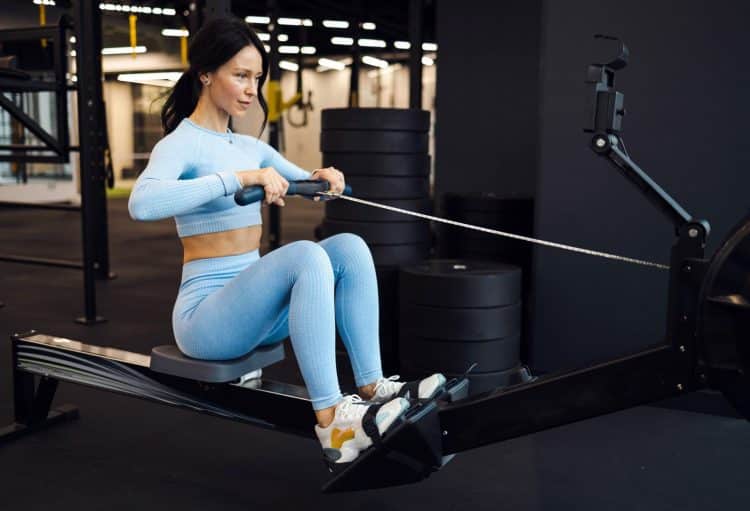
Rowing Machine Form Guide: Use The Rower To The Best Effect
There are plenty of options out there when it comes to getting a good cardio workout. As a personal trainer, I’ve tried them all. Yet after 30 years of training athletes, sports people, and everyday gym goers, I’ve settled on just one device — the rowing machine.
Rowing has a lot going for it. Besides working more than 80% of your muscles, it provides a joint-friendly way to get a great cardio workout. Your rowing workout, though, is only as effective as your form. Unless you learn how to do it right, you will develop poor habits that could lead to injuries. In this article, I’ll explain exactly what proper rowing machine form looks like. I’ll also cover the most frequent rowing machine form mistakes and address the most common rowing machine form questions.
Rowing Machine Benefits
Before we get into the specifics of how to row with proper form, let’s consider the benefits of rowing:
Full Body Training
Lower body muscles are the main focus of most cardiac activities. This is because their primary workout movement is typically some variant of walking. These workouts effectively tone and strengthen the quads, hamstrings, glutes, and calves. However, the upper body gets very little stimulation.
Rowing is different, as 85% of your body’s muscles are used during a rowing workout. Besides the leg muscles, rowing engages the latissimus dorsi and trapezius muscles of the upper back, the deltoids, biceps, and core, as well as the muscles that run down either side of the spine.
Working out on a rowing machine won’t give you bodybuilder-like muscles but will strengthen your muscles. You can increase the rowing resistance if you want to employ more pulling power to complete the rowing motion. The strength and endurance of your muscles will increase by performing hundreds or even thousands of repetitions while rowing.
Joint Friendly Cardio
Rowing is a classic example of a closed-chain exercise. This is because your feet are always in contact with the foot platform. In contrast, most cardio exercises have an open chain, which causes the feet to rise and drop frequently. This results in recurrent foot strikes.
Since rowing is a closed chain movement, there is minimal impact pressure on the ankles, knees, and hips. Rowing also relieves the compressive pressure on the spine because it is a sitting workout.
Rowing not only lessens the strain on your joints but it also improves the health of those joints. In a 2014 study, 24 participants were followed for eight weeks as they exercised on rowing machines. Their knee, shoulder, and elbow joints’ capacity for rotation had increased by an astounding 30% on average by the time the trial was over. [1]
Calorie Burn
Rowing burns a whole lot of calories. Your heart and lungs have to work harder to deliver the nourishment required for those muscles to work since you are using both your upper and lower body muscles. Because of this, rowing is a fantastic option for those looking to lose weight.
For a 180-pound person, a 30-minute workout of moderate-intensity rowing will burn about 200 calories. They could easily burn more than twice as many calories if they increased their effort. You can regularly lose weight by combining a daily rowing program with a calorie-reduced, nutritious diet.
Cardio Workout
Rowing is an excellent cardiovascular workout. Since cardiovascular exercise is aerobic, oxygen must be consumed to fuel the activity. That oxygen and other nutrients are delivered to the working muscles through the bloodstream. Your cardiovascular system facilitates this process.
Your heart is the central organ in your cardiovascular system. The stronger it is, the more effectively it will pump the blood that delivers the nutrients to your cells. Rowing strengthens the heart so it can act as a more efficient pump.
Understanding the Rowing Machine
Rowing machines are designed to simulate the experience of rowing on the water. The parts of a rowing machine work together to enable the user to perform the four key movements that a rower performs:
Catch
Drive
Finish
Recovery
Here are nine rowing machine parts that you need to become familiar with:
Flywheel: The flywheel is the large wheel at the front of the machine. It is connected to the handle by a cable. When you pull on the cable, you create resistance. This may be air resistance through fab blades, magnetic resistance through magnets, or water resistance as the flywheel churns through the water.
Damper: Air and water resistance rowers usually feature a damper. This is a lever that controls the amount of air that gets to the fan. Most dampers will have settings from 1 to 10. The higher you set the damper, the more air flows to the fan. This makes the rower feel heavier and, therefore, more challenging to operate.
Footplates: The footplates are positioned where the rail meets the front housing of the machine. The best footplates pivot to allow for natural ankle motion while rowing. They should also be adjustable and feature sturdy foot straps to allow you to lock your feet in place securely. Getting the correct foot placement will help with proper rowing form. You won’t be able to drive as hard and risk lower back damage if your heel height is too low. Your stroke length will be constrained, and your form will deteriorate if your feet are too high in the footplate.
Seat: Many modern seats are ergonomically contoured for comfort. Others are molded, padded, or flat. You can increase your sitting comfort by sitting a few inches forward from the back of the seat and not leaning back excessively at the top of each rowing stroke.
Seat Rollers: Seat rollers sit on the underside of the seat, connecting it to the rail. High-quality rollers will allow for smooth movement up and down the rail.
Handle: The handle may be ergonomically contoured for comfort. It should be long enough to allow you to grip it out wide. The best handles will also have a center cut out to allow you to row one-handed.
Rail: The rail is the central part of the frame that the seat moves up and down. It may use aluminum or steel. The rail may also be parallel to the floor or slightly angled. Angled rails are more challenging because they offer more resistance.
Monitor: The monitor displays your key training data, including your time, strokes per minute, total strokes, calories burned, and heart rate.
Frame: The frame of a rower may be made of aluminum, steel, or wood. It should have a maximum user weight of at least 50 pounds heavier than the user. This will ensure the rower is sturdy and won’t move around during use.
Proper Body Positioning
The correct rowing form starts with your setup. Begin by sitting on the rower seat and putting your feet on the foot pedals. Adjust the footrests so they are aligned with your feet, and then secure the foot straps so you are locked in.
Sit upright with a naturally slight back arch and lean forward to grab the handles with an overhand grip. Hold the handles with a relaxed grip, avoiding squeezing too tightly.
Lean slightly forward while maintaining a neutral spine position and bending your knees slightly. Keep your shoulders relaxed and down. Finally, engage your core to activate your abs and lower back muscles.
Executing the Rowing Stroke
The rowing stroke has four distinct parts — catch, drive, finish, and return. Let’s break down each part with an explanation of its purpose.
The Catch
The catch is the portion of the stroke where you are most squeezed and tense at the beginning. Your arms are straight, your knees and hips are bent, your ankles are dorsiflexed, and you feel like there is nowhere for your stomach to go. In terms of rowing on the water, this is the portion of the stroke where your oar has just been lowered into the water, and you are about to push or drag the oar through the water to propel the boat.
The Drive
During this phase of the stroke, you push incredibly hard with your leg muscles to propel the oar through the water and propel the boat forward. It is what determines the numbers on the rowing machine’s LCD that displays your split time and indicate how much effort you are exerting. This is what accelerates you. It is the portion of the stroke where you put in all the effort, requiring a powerful leg push.
The Finish
The finish comes at the conclusion of the drive. This is the point where the oar emerges from the water. Your core is tight, your arms are bent, your knees are straight, and your hips are extended further than before. After completing the movement of the handle, you are prepared to bring it back to the front, or the catch, position.
The Recovery
You must go through the recovery portion of the rowing stroke to get from the finish back to the catch. It is called recovery because you get to rest (very briefly) and recover during this part.
Putting It All Together
Each of the four phases is covered with the following cue:
“Legs, core, arms … arms, core, legs”
Many people have a natural tendency to think “pull” when in the catch position. They want to pull with their arms when they should be pushing with their legs first. Your legs provide 60% of the force for the movement.
So, most of the work is being performed by your leg muscles, the largest in your body. However, if you pull with your arms first, your smaller, weaker arms do most of the work, producing much less force and efficiency. So, straighten your knees and push back through your feet rather than pulling with your arms first while using those bigger, stronger leg muscles. Your legs will straighten, and the seat will slide backward.
Once your legs are straight, you can begin to open up your hips by moving from a slightly forward-bent position to a slightly backward position. Keep your core tight as you bring your arms into the action.
By this time, your legs have already exerted so much force that the flywheel is turning very quickly, and you do not need to exert much force with your arms to bend your elbows and pull the handle close to your body. About 20% of the power for the rowing stroke comes from the arms.
The driving phase of the stroke was formed by the three motions (legs, core, and arms). You are now in the finish position when your legs are straight, your core is slightly leaned back to the 1 o’clock position, your elbows are bent, and the handle is close to your body.
You must go through the recovery phase to return to the catch position. To do this, you simply reverse the actions you’ve just performed, making it arms, core, and legs.
As soon as you are in the finish position, immediately push your hands away from you and straighten your elbows to allow the handle to pull your arms in front of you. This will be made easier with the help of the handle and chain recoil. When your elbows are straight, you close the hip angle, which causes your trunk to go from 1 to 11 o’clock. You must perform the leg component of the stroke in reverse once your core and trunk have reached that position. This will bring you back to the catch position.
You are now ready to start the stroke cycle over again.
Common Mistakes to Avoid
Here are the ten common mistakes that people make on the rowing machine and how to fix them:
1. Overgipping the Handle
You should grip the handle with a relaxed grip. There is no need to grab it tightly or overgrip with the wrists angled downward. Your fingers should be comfortable around the handle with your thumbs underneath. Your wrists should remain flat throughout the entire rowing stroke.
2. Leaning Forward in the Catch Position
People frequently slump forwards at the catch to reach further forwards. This results in the rounding of the upper and mid-back. This is not the best position for your shoulders or back. Instead, try sitting straighter-backed and more upright, but not so straight that your spine is overextended.
If your back is rounded with your arms far in front of you in the catch position, you will struggle to maintain contact with your body. That’s because you rely more on your ligaments and arms to start rowing than back and shoulders.
You want to be in the catch position with your back straight, hips still tilted forwards at 11 o’clock, core engaged, and lats (back shoulder) engaged. Pull your shoulders back and down to engage the lats.
3. Breaking the Arms at the Catch
Your arms should be as straight as possible in the catch position. This allows you to more effectively connect the handle to the power of your leg drive. So, avoid the tendency to bend the elbows in the catch; that will come as you move into the drive.
4. Chicken Wing Arms
Chicken wing arms occur when you stick your elbows out to the side in the finish position. This results in quite a lot of energy loss. Allowing the elbows to return past the body with relaxed rather than hunched shoulders is far more efficient.
5. Lunging at the Catch
It’s common to see people lunging their torso forward just before the catch position. This puts excessive strain on your lower back and could result in pulling a muscle in the mid-back. Establish the proper forward upper body lean during recovery before you bend your knees to avoid this tendency. Your shoulders should be in front of your hips before you move into the catch position. Do not deviate from this position.
6. Overreaching at the Catch
Avoid reaching too far toward the flywheel in the catch position. Doing so puts you in a weaker, compromised position. You want your torso to be in a 1 o’clock position, with your shoulders in front of the hips. Do not overextend the shoulders, keeping them down and relaxed.
7. Leaning Too Far Back in the Finish Position
Leaning too back in the finish position is the most common mistake I see among rookies. Doing so negatively affects your balance and stability, puts excessive strain on the lower back, and prevents you from adequately engaging the upper back, glutes, quads, and hamstrings.
In the finish position, your torso should be in the 1 o’clock position. Another cue is to look at the chain or belt that connects the handle to the flywheel. It should be parallel to the floor throughout the stroke, including in the finish position. You are leaning too far back if it is angled upward in the finish position.
8. Only Pushing Through the Heel in the Drive Position
Let’s now focus on what part of your foot you are pushing through in the drive position. In the catch position, many people lift the heel and push through the toes. That is perfectly fine, but as you transition into the drive, you must drop your heels to push through the entire foot — not just the heel or toe.
Some people find they can only push through the heel as they complete the drive position. This can result in your shin and toe muscles being overworked, which can also result in an injury.
9. Bending the Knees Too Early on the Recovery
If you bend your knees too early on the recovery, your arms have to row too high or follow an arcing movement. Maintain a parallel chain position throughout the entire stroke. Achieve this by extending the arms and allowing your body to swing naturally so that the hands and handle clear the knees before you bend your knees.
10. Rushing the Slide
If you try to move forward too quickly on the rail as you transition from recovery to catch, you won’t be able to establish a smooth rowing cadence. Allow time during the recovery phase to breathe, and ensure you’re in the proper position for the next drive.
Watch The Correct Technique for Rowing Machine Exercise:
Frequently Asked Questions
Why is the rowing technique important?
By learning proper technique, you will be able to avoid common rowing machine injuries, especially those relating to the lower back. You will also become a more efficient rower, able to burn more calories with less wasted effort and to row faster and in a way that engages more muscles.
What key cues should I think about when rowing?
Good rowing form can be distilled to a simple six-word cue — “legs, core, arms … arms, core, legs.”
You can follow the proper bodily sequence to achieve proper rowing form by repeating this cue to yourself.
What muscles does rowing work the most?
The main muscles worked when rowing are the glutes, quadriceps, hamstrings, upper back, lower back, and core. Rowing has been described as a horizontal deadlift repeated hundreds of times over.
Wrap Up
Rowing is one of the most effective forms of cardio you can do. It is also one of the safest, being extremely joint-friendly. However, the benefits you’ll get from rowing are only as good as your technique. Take the time to apply the technique guidance we’ve provided, avoid the 10 common rowing mistakes, and your rowing workouts will be far more productive, safe, and enjoyable.
References
Kang SR, Yu CH, Han KS, Kwon TK. Comparative analysis of basal physical fitness and muscle function in relation to muscle balance pattern using rowing machines. Biomed Mater Eng. 2014;24(6):2425-35. doi: 10.3233/BME-141056. PMID: 25226943.
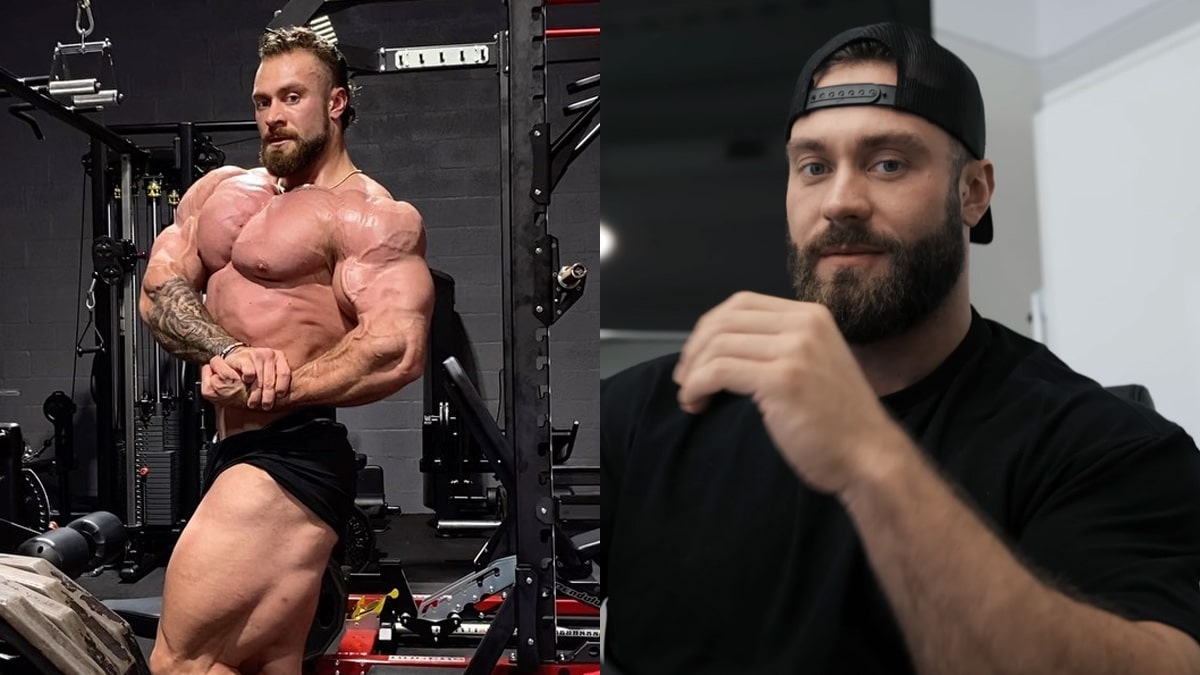
Chris Bumstead Unveils Private Gym In-the-Making, Talks 2023 Olympia Diet & Battling Anxiety
Classic Physique kingpin Chris Bumstead is already laying the foundation for his next title defense in November. In a recent YouTube video, Bumstead detailed his new four-meal nutrition plan and discussed his experiences battling anxiety. Chris Bumstead has quickly become the most successful Classic Physique Olympia of his era. In 2019, he dethroned the two-time champ, Breon Ansley. Since then, no one has challenged his dominance in the category, which has grown tremendously since its inception in 2016. Bumstead’s journey to a fourth title was met with adversity and obstacles. For starters, he and his brother-in-law/long-time coach Iain Valliere parted ways so they could each give their own careers equal focus. At a crossroads, Bumstead teamed up with decorated guru Hany Rambod, who also coaches Mr. Olympia Hadi Choopan and Derek Lunsford.
His next roadblock took place on the Olympia stage, as Bumstead was forced to compete with a torn bicep last December. Following his decisive victory, Cbum revealed that with the help of his new coach, he was able to overcome the setback. As a four-time Classic Physique Olympia, fans are eager to see the sport’s most popular man perform once again. He recently took part in Q & A to discuss his current season and further preparations.
Bumstead Says He’s Down to 4 Meals Instead of 6 & Shows Off New Gym Location In the Works
As part of Bumstead’s new four-meal diet, he intends to consume roughly 260 grams of protein daily, roughly 1 gram per pound of body weight.
“How many meals a day do you eat? Basic question but I’m answering this because I recently changed it. I’ve touched briefly on it in my last video but I used to always consistently push myself to eat six meals a day or at least five meals and a shake but now it’s reduced to now four meals and a shake, so I have breakfast, two meals at work, and then a shake, and then one meal before bed. Because I’m still trying to get the same amount of protein content, I’ve just increased the amount of chicken, fish, or whatever I put in my meals. Honestly, my digestion has been so much better. The key to sleeping is not having a full belly when you go to bed,” said Bumstead. “As I always say, there’s no perfect way to do anything, experiment with what works best for your body. But I would say a minimum of four [meals] if you’re a bodybuilder because there’s just too big of a gap between it.”
Next, Cbum offered fans an early look at his private gym, a project he hopes to have completed 18-20 weeks from 2023 Mr. Olympia.
“Here we are. This is the future home of the 2023-2024 and beyond Olympia Prep series. The Bum lifting club if you will. My private little gym. Something everybody dreams of when you start working out, having your own gym. But even more so, having a private gym.” “Just me here if I want to train later at night, other people can come. Being at Revive, a lot of people come to visit, a lot of people come from my work and sometimes it’s hard to be there and get in the right mindset, not my music playing, so it’s just being able to control the environment and I can set my own tone to the workouts. I think it’s going to help me excel into this prep. The goal is to build this thing out 18-20 weeks from the Olympia.”
Bumstead Talks Habits, Mental Struggles, and Stress: “I’m Still Fuc*ing Battling It”
According to the 28-year-old, he suppressed his emotions for most of his life. However, he’s now learning to communicate as a means of mitigating stress and anxiety.
“That’s what I tried to do my whole life, I tried to control certain habits of mine and that’s when you’re fuc*ed. Because when you’re trying to control anxiety you have anxiety about the control you’re putting on it because anxiety is usually from putting pressure on things outside of your control. So now you’re putting more control on your anxiety and you don’t have any help over it and it creates more stress.”
“I’m still fuc*ing battling it. Learning how to relax when it comes. Accept that it’s there and not be too hard on myself. Just understand that it’s part of life whatever I’m doing there’s probably a reason it’s making me anxious because it’s probably important.” “Also, something that took me a long time to learn and still learning is communicating about it. My whole life I’ve fuc*ing held stuff in and I didn’t feel like I should talk about my stuff and felt like I could handle it on my own and thought it would be a burden if I shared it with anyone, and that made my anxiety grow and get bigger.”
This isn’t the first time Bumstead has been open and honest about his competitive spirit. In a recent episode of the Don’t Be Sour Podcast, Cbum reflected on the burden of being a reigning champion. He hopes to leave the sport on top and the dread of losing his status as champion fuels him at each competition. RELATED: Rich Gaspari: ‘Chris Bumstead Needs 40 Lbs to Win Open Mr. Olympia, No One Is Close to Him in Classic’ The stage is set for Bumstead to defend his title at the 2023 Mr. Olympia showdown, happening Nov. 2-5 in Orlando, Florida. Fans are excited to witness another clash with rising star, 2023 Arnold Classic winner, Ramon Queiroz.
You can watch this full video on Chris Bumstead’s YouTube channel:
Published: 7 June, 2023 | 12:06 AM EDT
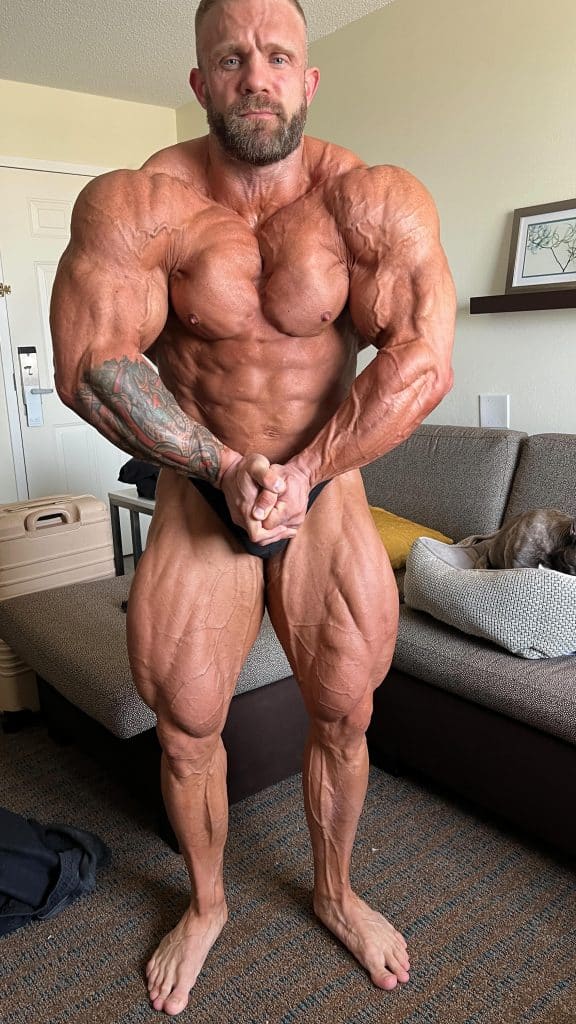
Iain Valliere Fires Back at Critics after 2023 Toronto Pro Supershow Win
Canadian bodybuilder Iain Valliere is coming off a sensational performance at the 2023 Toronto Pro Supershow, which wrapped up this past weekend. After dropping a step at the last Mr. Olympia, he managed to get back to his winning ways. In a recent Instagram story, Valliere issued a fiery response to critics for taking issue with his latest win.
Iain Valliere first gained attention for his impressive muscle mass, size, and symmetry as a Men’s Open competitor in 2015. He kicked off his run in the IFBB Pro League with a top-five finish at the Toronto Pro Supershow and continued to work his way up the ranks. In 2020, Valliere scored his first win at the 2020 New York Pro and cracked the top ten at the 2020 Mr. Olympia. He extended his run further by securing back-to-back gold at the 2021 Tampa Pro and Texas Pro en route to taking seventh at the Mr. Olympia competition.
Last year, Valliere missed the mark at the 2022 Mr. Olympia and fell out of the top ten. Following the contest, he revealed there were problems peaking for the show, which resulted in his physique looking visibly off on the stage in Las Vegas last December.
Valliere was determined to turn things around and got to work in the off-season. He parted ways with former coach Patrick Tuor to reunite with coach Matt Jansen for the season. Then, he targeted a return at the 2023 Toronto Pro Supershow earlier this year.
Iain Valliere / Instagram
Three months ago, Valliere gave fans a look into the changes and progress he made under Jansen. He revealed he tipped the scales at a lean 280-pounds. Also, he incorporated deadlifts and started following a high-protein diet in prep for the contest.
Iain Valliere reported positive updates nine weeks from the Toronto Pro Supershow. He was following a low-calorie diet in prep and was confident he could shed over 25 pounds in four weeks as he inched closer to the event since he kept his off-season weight at a reasonable level.
Olympia judge Terrick El Guindy heaped praises on Valliere’s immense potential in the sport last month. Guindy called on him to work on his back and calves development to improve his chances of being a major threat at any competition.
Valliere laid out the diet and supplements he utilized to get ready in the final two weeks before the 2023 Toronto Pro Supershow. Then, he sent warning shots to his competition with a ripped physique update days later.
In the end, Valliere’s hard work paid off as he came out on top of the contest with a stunning performance on June 4. He managed to defeat the likes of Hassan Mostafa and Ross Flanagan to punch his ticket to the upcoming 2023 Mr. Olympia show.
Iain Valliere fires back at critics after the 2023 Toronto Pro Supershow win
The organizers of the 2023 Toronto Pro Supershow uploaded the results on Instagram. Many took to the comments section to voice their disapproval of the outcome and criticized Valliere.
“Hassan was robbed of this one,” wrote a user.
Another chimed in, “Hassan looked way better and I’m an iain fan. Of course they’d give it to the Canadian if it was close though.”
“Hassan should be the winner wtf,” commented another.
“Wow.. i am a fan of Iain but I really thought Hassan would take the W. I do think Iain makes a better competitor for the Olympia though,” a user wrote.
“Okay he won because he is a canadian ! no calves no lower lat no chest no tricep!!???” responded another.
In a recent Instagram story, Iain Valliere issued a fiery response to haters criticizing his victory at the 2023 Toronto Pro Supershow. He followed up with another story showing the scorecards and declared his ambitions to get back in the top eight at Mr. Olympia.
Credit: Iain Valliere (via Instagram story)
Credit: Iain Valliere (via Instagram story)
Iain Valliere’s coach Matt Jansen gave his take on the result and his student’s progression on Instagram.
“I want to put this weekend for @iainvalliere into perspective,” wrote Jansen. “
Iain and I started first working together first with training only in the fall of 2015, this then transitioned into full coaching in early 2016.
When I recall Iain’s goals at that time, sure he wanted to be an Olympian…go on to place well there and all that but I clearly remember his main goal being to win Toronto one day.
2016 his physical body wasn’t yet there and I believe he placed 7th that year in our first attempt.
2018 was Iain’s first pro win but still no Toronto pro title.
In 2019 we returned now with a pro win and an Olympia under his belt and he placed second. Here I fumbled the peak and this loss I hold on me, one that eats me up to this day or at least through this past weekend knowing we left one on the table and more importantly one that was very important to Iain.
Shortly there after Iain and I stopped working together, athletes come and go but I’ve had a few athletes leave that really stung and this was one of them. I was going through some personal things at the time and I really felt us no longer working together could have really been avoided if I were able to be more present but I just simply wasn’t.
Now we enter into this season, after the Olympia Iain and I spoke and we committed to getting back to what we used to do that worked so well. We discussed two qualifiers for this year pros and cons of both (the biggest con being less time to improve as we took a true health phase) but in my heart I knew what Iain’s choice would be. So about 12 weeks out of Toronto we committed to this show after a very brief off season.
This win wasn’t just another win. It was accomplishing a goal, checking off a mark that we set out to do in 2016 that was left unfinished and also building back confidence in an athlete whose confidence had been lost. Iain has won bigger shows than what was won this weekend, he’s placed high at the two most important bodybuilding shows of the year, but sometimes you just can’t put a price on what accomplishing a goal to do for an athlete regardless of how long it took. Iain you did it this weekend and you did it with straight 1s.”
RELATED: Samir Bannout: Iain Valliere Denying Calf Injections Is ‘Bullsh** It Totally Damages The Area’
Whether some agree with the decision or not, Iain Valliere has guaranteed his right to perform at 2023 Mr. Olympia where he will look to redeem himself among the very best of the Men’s Open category.
Published: 6 June, 2023 | 4:09 PM EDT
Check Out These Awesome Protein Recipes
Check out these awesome customer recipes that were submitted for the contest. ENJOY!
#1
Good morning, Alex,
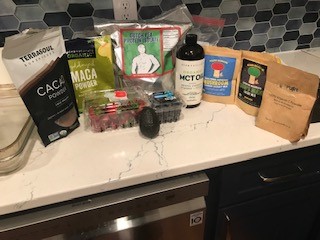
Here is my entry for the recipe contest. I call it “Keto smooth.” I use a scoop of your Dutch Pea Protein Isolate, a tsp of organic cacao powder, a tsp of organic maca powder, a quarter tsp of vitamin c powder, a quarter tsp of lion’s mane cacao mix, a quarter tsp of mushroom powder (reishi, lion’s mane, chaga, cordyceps, shiitake, maitake, tremella and turkey tail), a handful of strawberries, a handful of blueberries, an avocado (for extra fat and creaminess), and a tablespoon of MCT oil. This original creation keeps me in ketosis with a sufficient ratio of protein, fat and net carbs. I tell myself the cacao and fruit make it taste like a chocolate dessert, and the mushrooms and Vitamin C help boost my immune system.
Even if I don’t win, you should give this a try!
Sincerely,
George
#2
#3
Six oz Organic Plain Unsweetened Kefir
One serving PF Muscle Shake
One serving PF Mod 6
Two tablespoons PF Tectanic Red
1/2 teaspoon PF Creatine
Two tablespoons Local, Raw, Unfiltered NorCal Honey
1/2 – 1 teaspoon of a Flavor enhancer; my favorite is either Lime or Berry; both pair well with Tectanic Red
Add water as / if necessary
This mixture comes out thick like pudding. I usually only need to add a little water to thin it some. I consume a version of this shake almost every day. I only use the Tectanic Red on lifting days.
#4
The All-Natural Cinnabomb Shake
This is one of my top 5 favorite recipes that my wife and I have created for our protein shakes…
the flavor for this shake falls someone in-between a cinnamon roll & cinnamon toast crunch cereal
12oz of RAW Cow’s Milk
30g Phytosterol Free Protein Isolate
1oz Condensed Milk (Copper Cow all natural)
1 Tsp Saigon Cinnamon Powder
¼ Tsp Natural Madagascar Vanilla Extract
Pinch of Ground Nutmeg
1 Handful of ice cubes
Combine all ingredients into a blender & blend*Optional; 1 tsp Creapure
#5
Hey Alex! Dropped a TikTok for bio serum and here is the recipe!
5-8oz raw milk
1c blueberries
1tblsp cinnamon
2tblsp raw unfiltered honey
1 scoop whey isolate
2-3 tblsp bio serum
4 superfood ice cubes (veggies/fruits)
8oz serving provides
10g fats
32g carbs
50g protein.
#6
Alex Rogers is a supplement manufacturing expert. He has been formulating, consulting, & manufacturing dietary supplements since 1998. Alex invented protein customization in 1998 & was the first company to allow consumers to create their own protein blends. He helped create the first supplement to contain natural follistatin, invented whey protein with egg lecithin, & recently imported the world’s first 100% hydrolyzed whey.
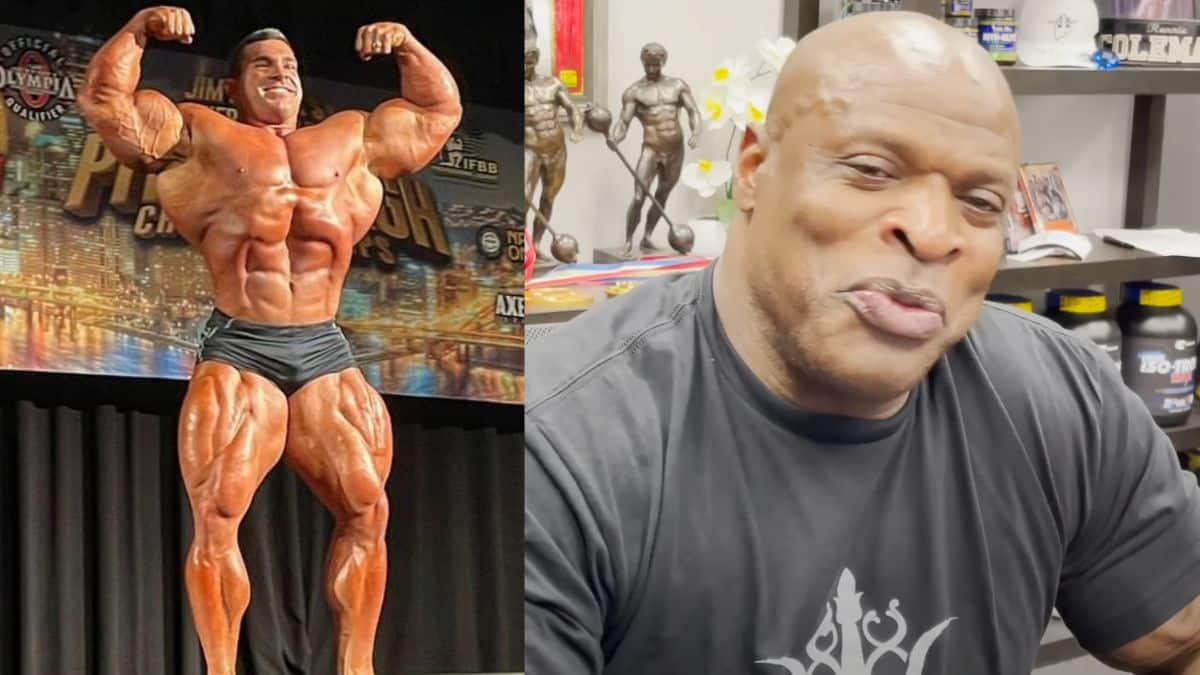
Ronnie Coleman Names Derek Lunsford As His ‘Favorite’ Bodybuilder of This Generation
Ronnie Coleman, a living legend with eight Mr. Olympia titles, has seen talent come and go since stepping away from the stage. In a recent YouTube video, Coleman named Derek Lunsford and Samson Dauda as his favorite two bodybuilders.
While making history as one of the winningest Mr. Olympia athletes to ever take part in the sport, Coleman built a massive physique that has stood the test of time. En route to defending his title for almost a decade, he battled on stage with fellow icons such as Jay Cutler, Dexter Jackson, and Flex Wheeler.
Since retirement in 2007, Coleman has been open about his career. He credits Flex Wheeler for helping him win his first Mr. Olympia after connecting with coach Chad Nicholls. The sport has certainly undergone changes since Ronnie’s time on top, but that doesn’t mean he’s stopped sizing up the Men’s Open.
Weeks before last December’s 2022 Olympia event, Coleman predicted Derek Lunsford would serve as Mamdouh ‘Big Ramy’ Elssbiay’s greatest threat. However, the contest’s outcome saw Hadi Choopan reign supreme against a stellar lineup. Coleman was blown away by Lunsford’s runner-up appearance though, so much so, he is now predicting the former 212 champ will win 2023 Olympia this November.
Ronnie Coleman Discusses New Era: Names Derek Lunsford & Samson Dauda As His Favorite Athletes
Coleman named Derek Lunsford and 2023 Arnold Classic winner Samson Dauda as his favorite bodybuilders of this generation.
“My favorite bodybuilder at the moment, let’s see… hmm, Derek Lunsford, probably the number one favorite. Probably my number two favorite… I kind of like that guy that won the last Arnold Classic, name is Samson Dauda. If I had to pick a favorite, it’d be those two.”
After taking a closer look at today’s Open class, Coleman praised athletes for hard training and strict dieting.
“I see every generation has its own era. Mostly all of us have to work extremely hard and diet extremely hard and make the biggest sacrifices ever. So, I think that the next generation of bodybuilders is a pretty good class of guys. They work extremely hard. They train hard. They diet hard. So, I think the new generation is a pretty good generation,” said Ronnie Coleman.
Lastly, an optimistic Ronnie Coleman gave fans an update on his health.
“Well, I’m doing pretty good. I’m in great health and my last check-up was back in March. I had a really good clean bill of health as far as my last check-up goes. Now, I have another one probably in a couple of months. So, we’ll see how that goes. But for now, I’m doing pretty good.”
In addition to backing him as a title threat, Coleman recently collaborated with Derek Lunsford. They took part in a grueling back and biceps-focused training session. During the workout, Coleman introduced Derek as the next Mr. Olympia champion.
Whether Hadi Choopan defends successfully has become a topic of debate. William Bonac who decided to take the year off for improvements, believes Choopan will handily retain gold in a few months. However, 2022 third-place Olympia finisher Nick Walker doesn’t see ‘The Persian Wolf’ repeating as champion. Therefore, he predicted the outcome will be determined following a showdown between himself and Lunsford.
Meanwhile, former champ Big Ramy has set his sights on redemption. He finished fifth at the last Olympia and fourth at the 2023 Arnold Classic. Having received a stem cell treatment, fans are hopeful that Ramy will win back his title in Nov. but questions about his commitment to the sport continue to swirl as of late.
There’s no denying that the 2023 Mr. Olympia contest is shaping up to be even more unpredictable than the previous year’s edition. Fans look forward to seeing their favorite athletes back on stage, including Ronnie Coleman.
RELATED: Chris Cormier Reflects on Gunter Schlierkamp Almost Defeating Ronnie Coleman at 2002 Mr. Olympia
You can watch the full video from Ronnie Coleman’s YouTube channel below:
Published: 6 June, 2023 | 1:06 PM EDT
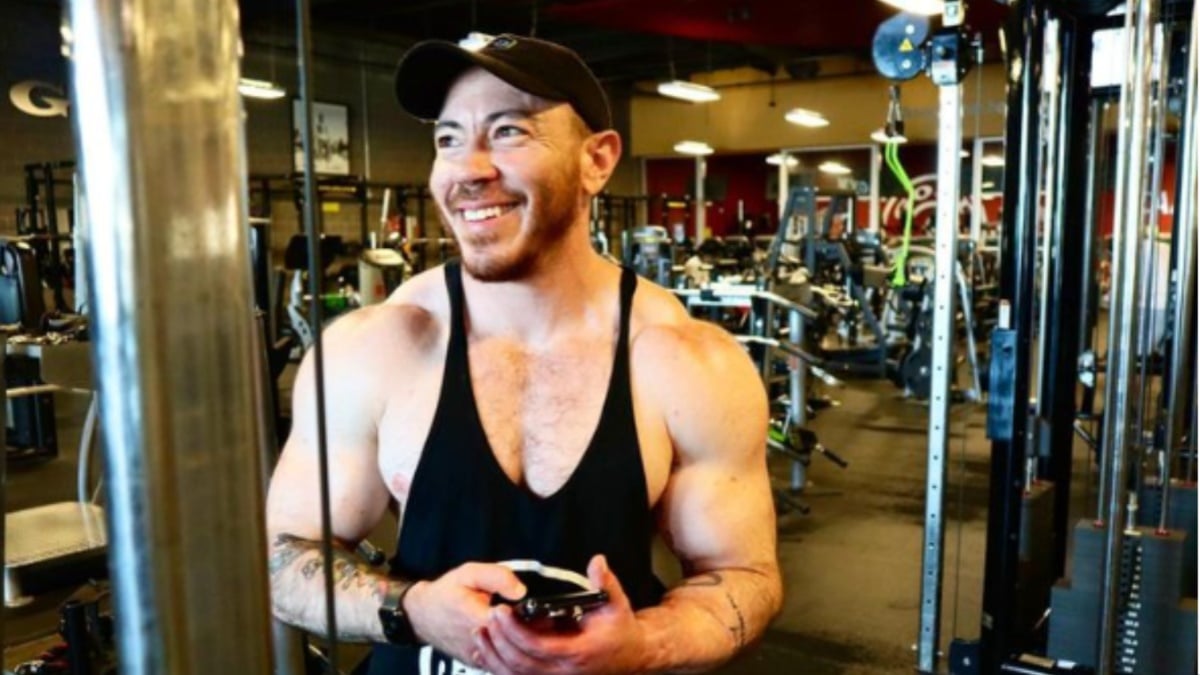
Trans Fitness Coach Says “Bodybuilding Is The Perfect Sport for Trans Men”
Trans Men’s Physique competitor and coach Cody Harman is no stranger to the bright lights of a bodybuilding stage. In a recent Men’s Health interview, he shared why bodybuilding is the “perfect’ sport for trans men because it serves as an excellent confidence booster.
“I haven’t personally come across a ton of transphobia within the bodybuilding community, but it’s definitely out there,” shared Cody Harman.
Many lives have been transformed by fitness in various ways. Fitness can enhance one’s physical and mental well-being. For Cody Harman, it also helped him embrace his identity as a transgender man and helped him discover the benefits of bodybuilding for trans people.
Harman started lifting weights in his mid-20s and fell in love with it. As he transitioned, he explored bodybuilding which afforded him the luxury of pursuing his passion with more confidence and joy. His last competition saw him finish fifth at the 2020 NPC Sacramento Championships.
“I can’t grow any taller but I can grow out.”
With a dedicated effort to training, health, and wellness, Harman parlayed his passion for fitness into a career. The 37-year-old is a nutritionist and fitness coach, responsible for preparing a number of athletes for competitions. His career choice was inspired after he trained with several coaches throughout his journey of self-discovery.
Trans Coach Says Bodybuilding Helped ‘Him Feel Comfortable in His Own Skin’
Cody Harman believes bodybuilding is an ideal sport for the transgender community as it promotes body positivity, inclusion, and hard work.
“I had a few awesome coaches growing up who helped me see what I was capable of and pushed me to keep improving and believing in myself, even when I was going through some really dark times. I want to have that same positive impact on others.”
“When you think about it, bodybuilding is the perfect sport for trans men.
“Bodybuilding was a way for me to take control [of my life], and start my journey of feeling more comfortable in my own skin. As I progressed, and started taking part in physique competitions, it became a celebration of my journey and how far I had come, from not even wanting to wear a swimsuit and wearing a baggy T-shirt at the beach, to stepping out on a stage with hardly any clothes on. I am also a pretty routine-oriented, structured person, so bodybuilding is a fit for me. I love getting up to train every day and seeing my progress over time.”
“A lot of trans guys and trans people in general come from this place where they’ve felt uncomfortable in their own skin their whole lives. So, this kind of training helps boost their confidence and what they believe they can accomplish.”
While Cody hasn’t encountered transphobia too often, he accepts that it’s ‘definitely out there,’ especially online. Oftentimes, when he meets someone who doesn’t agree with the LGBTQ+ movement, they are unaware that he’s a part of that community.
“I haven’t personally come across a ton of transphobia within the bodybuilding community, but it’s definitely out there. We get these little keyboard warriors, but generally they’re people you never see in real life because they don’t actually compete, and they suck at bodybuilding anyway.
Largely with bodybuilding, the greatest part is the shared focus,” said Cody. “It doesn’t matter how you were born, or how you identify, it’s [about] how we can all get bigger biceps. We’re in the gym, we’re having fun, that’s it.”
“I’ve had a guy at the gym casually tell me that he doesn’t “agree” with trans people or same-sex marriage and stuff like that, and I just sat there thinking to myself, wow, obviously he has no idea [I’m trans]. And that’s the majority of people; they have no idea they can be talking to a trans person about how they don’t agree with people transitioning, and you just have to laugh inside.”
Transgenderism’s impact on the fitness, bodybuilding, and powerlifting communities has been widespread. The USA Powerlifting (USAPL) federation was recently involved in a court hearing regarding a transgender inclusion policy in Minnesota. Having banned trans athletes from competing in women’s divisions, they eventually lost the court case. Even though the USAPL revised its transgender policy, they were still banned from conducting business in Minnesota.
Given the sensitive and controversial nature of the subject, some athletes have remained quiet on the issue. However, that’s not the stance bodybuilding veteran Lee Priest took. He went off on the aforementioned trans-athlete ruling and called it ridiculous. Overall, he doesn’t believe people born as males should have the opportunity to face naturally-born females in sanctioned competitions.
RELATED: Transgender Powerlifter JayCee Cooper Sues USAPL After Getting Banned From Competition
Cody Harman hopes to make the world, and especially places of fitness, a more welcoming place for everyone, regardless of sexual orientation or gender. Given the wide-ranging benefits he’s taken from bodybuilding, Harman encourages his audience to give the sport a try.
Published: 6 June, 2023 | 11:11 AM EDT
Former Mr. Olympia Dexter Jackson Shares a Girthy Arm Workout
Veteran bodybuilder Dexter Jackson has chosen longevity over the massive build and shed quite a few pounds over the past couple of years. However, he still belongs in the top 1 percent of the populace in terms of fitness. The former Mr. Olympia recently showed how he maintains his massive arms in retirement.
Jackson’s IFBB Pro career lasted nearly 22 years. He competed in the Men’s Open division and peaked in the 2000s. He is hailed among the greatest competitors in the history of the sport. The 53-year-old presented several hurdles to dominant champions like Ronnie Coleman and Jay Cutler. His resume includes five Arnold Classic titles (2005, 2006, 2008, 2013, and 2015).
The biggest achievement of Jackson’s career is winning the 2008 Mr. Olympia title by defeating Cutler. Since retiring from the sport after a ninth-place finish at the 2020 Olympia, Jackson’s potential return has made several rounds in sports media. However, he is dedicated to health and family, having no interest whatsoever in wearing the posing trunks again.
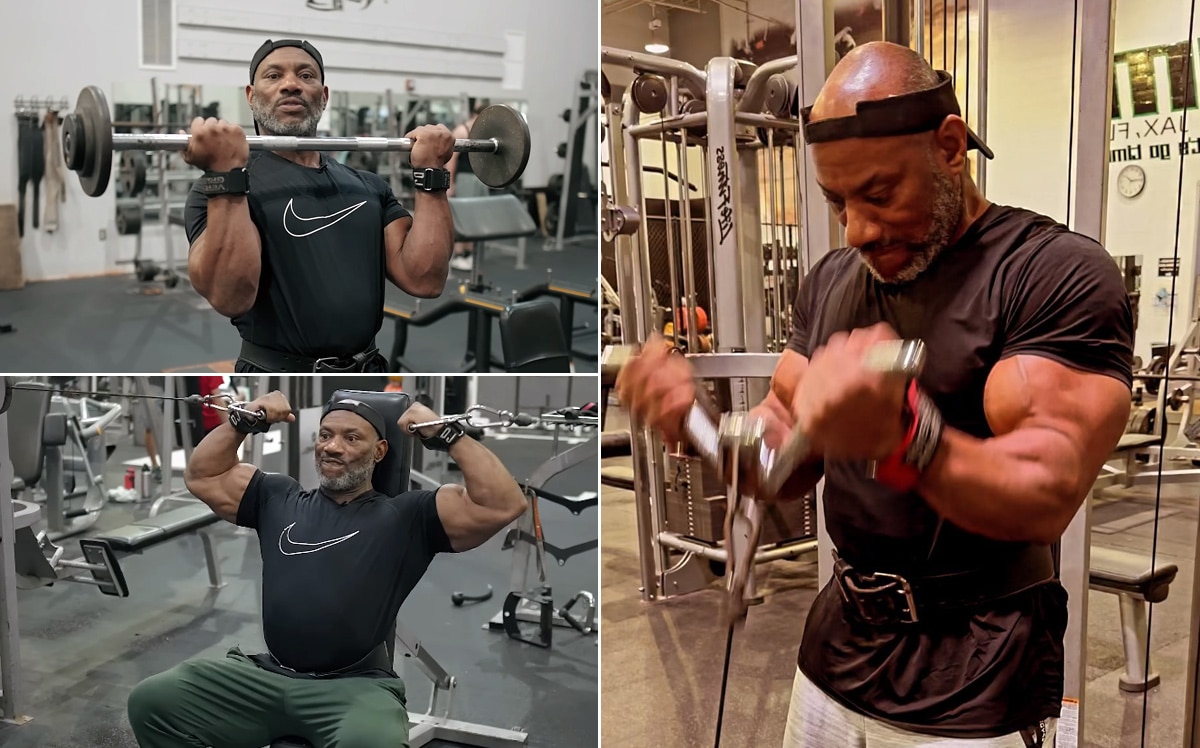
Jackson has gotten fairly active on the internet in recent months and routinely posts his workouts to his YouTube channel. He acquainted the fans with his arms workout in the most recent video. So let’s check out how “The Blade” maintains his massive arms.
Dexter Jackson goes through an arm workout
Jackson originally intended to train his chest on the day of recording the video. However, he experiences recurring pain in the wrists. It usually lasts for a couple of weeks and restricts him from lifting heavy weights during this time.
“That’s been going on for like 10 years of my life. So we’re going to switch things up. We’re going to go ahead with arms instead of chest,” Jackson explained.
As a result, he chose to train his arms instead of his chest, as arms typically respond to moderate weights and higher volume, putting less stress on Jackson’s wrists.
Drag Curl
Jackson hails drag curls as one of his favorite arms exercises. Drag curls are a variation of the straight bar curls, and Jackson explained the correct technique to perform them.
“The reason I call them drag curls is because you wanna drag the bar up your stomach, okay? And you’re curling like this (with the bar really close to the front of the body)… Elbow is way back as far as it can go. You’re squeezing it up top… You want that good peak exercise? This is it right here…” He said.
He maintains an 8 to 12-rep range for each one of his sets and cranks out four sets of drag curls to work the biceps.
Seated Cable Overhead Curl
Jackson then takes up the cable machine variation of biceps curls. Cable machines keep the muscles under tension throughout the range of motion. This helps bring about hypertrophy more effectively. This is especially beneficial for bodybuilders as hypertrophy and muscle gain are the primary goals. Additionally, working the biceps in an overhead position puts more emphasis on the short head of the biceps, which results in epic guns. (1)
Once again, Jackson performs approximately four sets of this exercise and takes up the dumbbell hammer curls next.
Dumbbell Hammer Curl
Hammer curls are an excellent way to work on the overall girth of the biceps. A very simple variation of the standard dumbbell curls, this exercise works the elbow flexors — biceps brachii, brachialis, and the brachioradialis muscles in the arms. (2)
Jackson wraps up the biceps segment of his workout with four sets of dumbbell hammer curls as he shifts his focus on the triceps.
Quad Set: Cable Triceps Pushdown, Seated Dip Press, Pushdown on Assisted Dip Machine, and Rope Triceps Pushdown
Jackson has been following this triceps training method for nearly a decade to get a good pump, and by the looks of it, it has undoubtedly benefited him. Jackson performs one set of all four exercises in rapid succession. He repeats this circuit three or four times, depending on how he feels on a particular day.
He starts with cable triceps pushdowns and follows up with seated dip presses on a Matrix selectorized machine. After this, Jackson does triceps pushdowns on an assisted dips machine. He uses the knee pad of the dip press machine as a handle and pushes it down to stimulate the triceps. The final exercise in the quad set is the triceps rope pushdown.
Jackson suggests twisting the wrists outside while pushing the weight down to create the full elbow flexion necessary for triceps activation. He repeats this circuit three times to finish off the arms workout.
Overall Workout:
Biceps
Triceps
Jackson is happily living his retired life and has nearly abandoned pharmacological assistance to build and maintain his physique. He enjoys spending time with his grandchildren and focuses on staying healthy at this stage of life. During this workout, Jackson reiterated that he would not return to competition under any circumstances.
“I would not be stepping on stage again. People think your body is back on sh*t again. And I am like, no TRT, no HRT, none of that crap. Just keeping my meals to about three meals a day. Anything more than that, and my a** gonna go up in weight. I am content with only two. But if I want to do it two (meals per day), my weight will drop. I am between 200 and 205. Perfect weight, feeling good, and looking good.”
A jacked physique constitutes a huge part of a bodybuilder’s identity and self-image. As a result, many retired bodybuilders find it difficult to let go of it and drop to average size, even if it means health and longevity. Jackson is one of the few men who made that transformation and set a positive example for other bodybuilders to follow after they hang up their posing trunks.
You can watch the full workout video here, courtesy of Dexter Jackson’s YouTube channel:
References:
Overhead Cable Curl – Variations, Benefits, Form and Techniques (Author – Dr. Malik, Tom Miller CSCS)
Hammer Curls: How-To and Variations (Author – Travis Edwards, PT, MPT, Medically reviewed by Jake Tipane CPT)
Published: 6 June, 2023 | 9:11 AM EDT
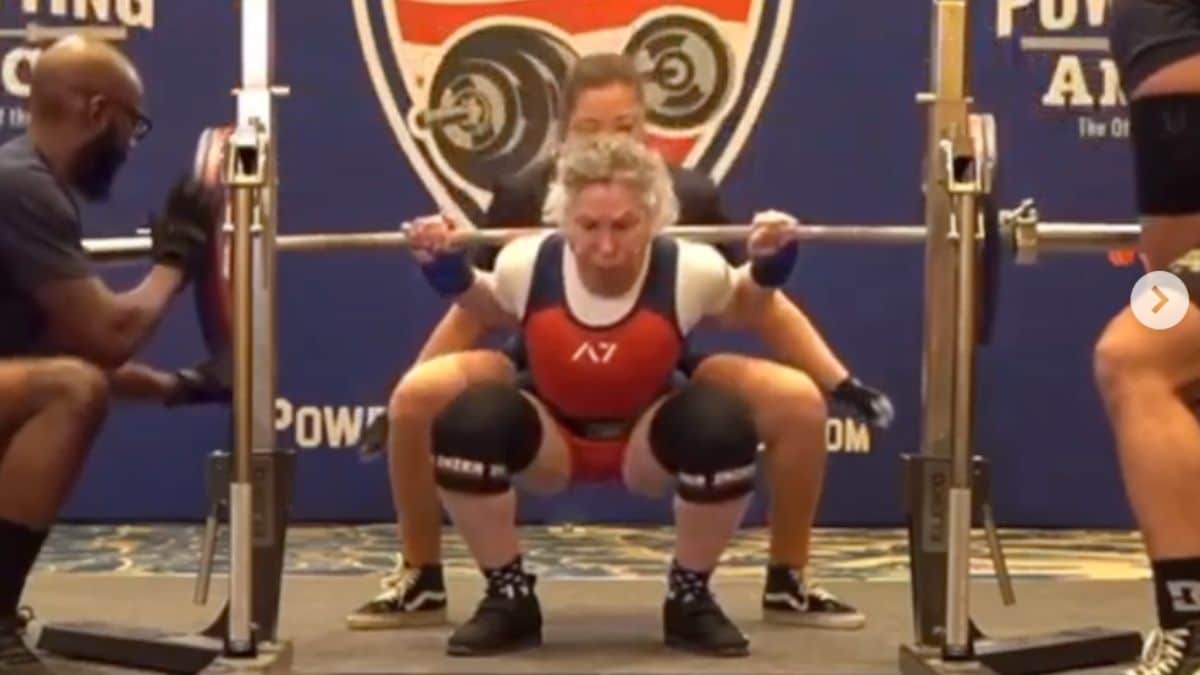
72-YO Shelly Stettner (63KG) Sets New Squat & Total Competition PRs
Powerlifting is a special sport that welcomes athletes of all ages, allowing them to continually improve themselves. Whether it’s perfecting technique or gaining strength, there’s always room for growth. This was recently displayed by Shelly Stettner, a 72-year-old powerlifter who continues lifting heavier weights with every competition. Most recently, Shelly scored new Squat and Total competition PRs at the 2023 AMP Masters Raw Nationals.
As per her Instagram post, Shelly Stettner took part in the raw 63-kilogram weight class of the competition. In addition, being 72-years-old, Shelly was placed on the Masters IV age division which gathers athletes from 70 to 79 years old.
Shelly Stettner was very happy with her result as she put up the heaviest Squat and Total in her history of competing. The squat came out to 117.5 kilograms (259 pounds), while her Total weighed 327.5 kilograms (722 pounds). In addition, Shelly earned the title of the ‘Best Lifter‘ of the Female Classic Masters.
“Overall very happy with the results and surprised too. Don’t feel this was my best meet performance but I somehow managed to PR my total”
Watch the lifts here:
Related: 72-YO Powerlifter Shelly Stettner Scores New Raw 265-lb Squat & 155-lb Bench Press All-Time PRs
Shelly Stettner’s Full Performance
As per usual, Shelly Stettner weighed in at 60.8 kilograms (134 pounds) for the 2023 AMP Masters Raw Nationals. She attempted all nine lifts and only failed one squat and one bench press. However, that did not stop her from putting up the greatest performance of her career.
Squat
112.5 kilograms (248 pounds)
117.5 kilograms (259 pounds) — Competition PR (2.5-kg / 5.5-lb Improvement)
Unsuccessful — 122.5 kilograms (270.1 pounds)
Bench Press
65 kilograms (143.3 pounds)
67.5 kilograms (148.8 pounds)
Unsuccessful — 68.5 kilograms (151 pounds)
Deadlift
135 kilograms (297.6 pounds)
140 kilograms (308.6 pounds)
142.5 kilograms (314.2 pounds)
Total — 327.5 kilograms (722 pounds) — Competition PR (2-kg / 4.4-lb Improvement)
Related: 71-Year-Old Shelly Stettner (63KG) Scores Squat & Bench Competition PRs At 2022 AMP Masters Nationals
Shelly Stettner’s Competition History
Personal Bests
Equip
Squat
Bench
Deadlift
Total
Dots
Raw
253.5
149.9
253.5
717.6
361.06
Competition Results
Place
Fed
Date
Competition
Division
Total
Dots
1
IPF
2022-10-08
World Masters Classic & Equipped Powerlifting Championships
Masters 4
717.6
361.06
Location
Canada-NL
Competition
World Masters Classic & Equipped Powerlifting Championships
Division
Masters 4
Age
71
Equipment
Raw
Class
138.9
Weight
132.1
Squat
242.5
253.5
-259
253.5
Bench
143.3
148.8
149.9
149.9
Deadlift
292.1
308.6
314.2
314.2
GLP
73.63
1
AMP
2022-06-18
Nationals
FR-M4
688.9
344.97
Location
USA-FL
Competition
Nationals
Division
FR-M4
Age
71
Equipment
Raw
Class
138.9
Weight
133.2
Squat
220.5
242.5
253.5
253.5
Bench
132.3
143.3
148.8
148.8
Deadlift
286.6
-303.1
-303.1
286.6
GLP
70.31
1
USAPL
2022-03-04
Arnold Masters of Iron Pro
FR-M4
696.7
349.6
Location
USA-OH
Competition
Arnold Masters of Iron Pro
Division
FR-M4
Age
70
Equipment
Raw
Weight
132.7
Squat
231.5
250.2
250.2
Bench
132.3
141.1
143.3
143.3
Deadlift
303.1
-330.7
-330.7
303.1
GLP
71.27
1
USAPL
2021-12-04
Virginia Pro
FR-M4a
711
357.13
Location
USA-VA
Competition
Virginia Pro
Division
FR-M4a
Age
70
Equipment
Raw
Weight
132.5
Squat
237
248
-253.5
248
Bench
132.3
137.8
-143.3
137.8
Deadlift
303.1
325.2
-330.7
325.2
GLP
72.81
1
USAPL
2021-06-14
Raw Masters Nationals
FR-M4
701.1
349.35
Location
USA-FL
Competition
Raw Masters Nationals
Division
FR-M4
Age
70
Equipment
Raw
Class
138.9
Weight
134.2
Squat
231.5
242.5
242.5
Bench
132.3
137.8
138.9
138.9
Deadlift
308.6
314.2
319.7
319.7
GLP
71.17
1
USAPL
2020-08-01
Motor City Summer Showdown
FR-M3b
666.9
332.56
Location
USA-MI
Competition
Motor City Summer Showdown
Division
FR-M3b
Age
69
Equipment
Raw
Class
138.9
Weight
134
Squat
203.9
226
231.5
231.5
Bench
121.3
126.8
132.3
132.3
Deadlift
270.1
303.1
-314.2
303.1
GLP
67.76
2
USAPL
2020-08-01
Motor City Summer Showdown
FR-O
666.9
332.56
Location
USA-MI
Competition
Motor City Summer Showdown
Division
FR-O
Age
69
Equipment
Raw
Class
138.9
Weight
134
Squat
203.9
226
231.5
231.5
Bench
121.3
126.8
132.3
132.3
Deadlift
270.1
303.1
-314.2
303.1
GLP
67.76
1
USAPL
2019-10-12
Michigan Rookie Rumble
FR-M3b
628.3
313.96
Location
USA-MI
Competition
Michigan Rookie Rumble
Division
FR-M3b
Age
68
Equipment
Raw
Class
138.9
Weight
133.6
Squat
198.4
209.4
220.5
220.5
Bench
115.7
-126.8
-126.8
115.7
Deadlift
275.6
292.1
-303.1
292.1
GLP
63.98
1
USAPL
2019-10-12
Michigan Rookie Rumble
FR-O
628.3
313.96
Location
USA-MI
Competition
Michigan Rookie Rumble
Division
FR-O
Age
68
Equipment
Raw
Class
138.9
Weight
133.6
Squat
198.4
209.4
220.5
220.5
Bench
115.7
-126.8
-126.8
115.7
Deadlift
275.6
292.1
-303.1
292.1
GLP
63.98
Data Source: Open Powerlifting. Last Updated: April 12, 2023
Analyze Lifts
Although it would seem logical that Shelly Stettner has devoted her life to powerlifting in order to reach this stage, she has actually only been competing professionally for a couple of years now. Her debut was back in October of 2019 and she has since taken part in 10 competitions overall. Boasting a perfect 100% win rate, Shelly is most proud of her victory at the 2022 IPF World Masters Classic & Equipped Powerlifting Championships.
Shelly Stettner hasn’t yet revealed what the next goal on her list is, but she will most likely turn her sights toward the 2023 IPF Masters Worlds. She has a title to defend there which should serve as enough motivation to continue training with full force.
Published: 6 June, 2023 | 9:21 AM EDT
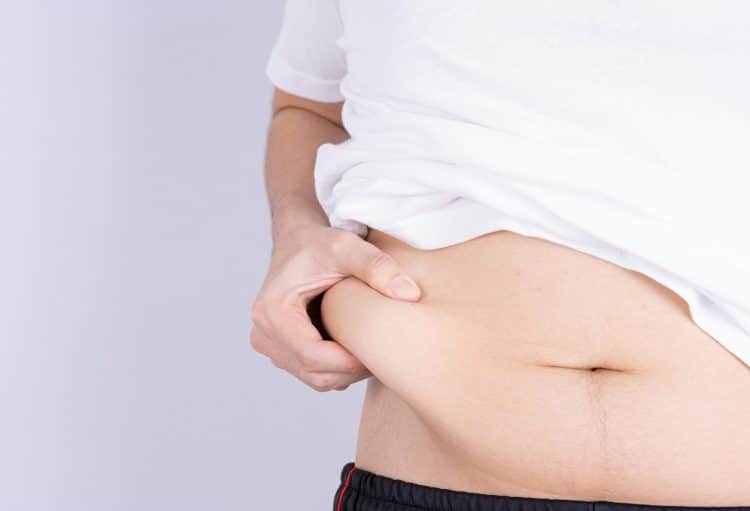
How Sitting Is Bad for You and What to Do About It
Sitting is part and parcel of modern life. Many people earn a living while seated, travel while seated, and then spend their leisure time seated. And, if you go to a gym, your workout will probably include seated exercises, too.
As a result, the average American spends as much as 60% of their day sitting or otherwise sedentary – about 15 hours. In contrast, people living in less developed, more rural places spend as little as three hours a day sitting (1, 2). Unfortunately, while sitting is often commonplace and hard to avoid, it may also be bad for your health. Even regular exercisers are not immune to the damaging effects of sitting too much. It’s also possible to be an ardent exerciser and too sedentary to be healthy.
In this article, we reveal the dangers of too much sitting and what you can do to minimize its harmful effects.
The Effects of Sitting Too Much
While it may be hard to believe that sitting is bad for your health, numerous studies have linked sitting and other sedentary behaviors to various adverse effects and health risks. These include:
Weight Gain
Weight Gain
With a large and growing percentage of adults and kids overweight or obese, it’s clear that weight gain is a big problem in almost every developed country. While dietary changes are partly to blame, i.e., the easy availability of highly calorific junk food, lack of physical activity is also a factor.
Sitting is a very passive activity. Your chair supports your weight, so you don’t have to use your muscles to maintain your position. This passivity reduces your caloric expenditure significantly.
To put this in perspective, office workers burn an average of 1,000 fewer calories than manual laborers and agricultural workers. Such a low daily caloric expenditure increases the likelihood of weight gain and makes it much harder to lose weight. Statistics show that obese people tend to sit an average of two more hours than those of a healthy weight (3).
Related: See how many calories you burn while sitting here.
Poor Posture
Posture is the alignment of your joints, and it can be good or bad. Good posture requires minimal muscle tension and tends to stress your joints in an even, balanced way. While it is possible to sit in good posture, prolonged sitting still causes some muscles to tighten while stretching and weakening others, pulling joints out of optimal alignment. This causes tension and pain, and joints are loaded unevenly, increasing structural wear and tear, and is a leading cause of low back pain.
It’s no coincidence that office workers often suffer from back and neck pain. Many even look like they’re sitting even when they’re standing, i.e., a rounded upper and lower back and forward head position.
Linked to Disease and an Early Death
The less active you are, the more likely you are to die early. Studies show that sedentary people have a 22–49% greater risk of early death (4). However, given that sitting is one of the most common sedentary behaviors, it’s clear there is a link between sitting more and dying sooner.
Diseases commonly associated with sedentarism that can also shorten your life include:
Abnormal cholesterol levels
Cancer
Coronary heart disease
Diabetes
Heart attack
Increased blood pressure
Metabolic syndrome
Obesity
Osteoporosis
Stroke
There are also strong links between sedentarism and mental/brain health, e.g., an increased risk of dementia, Alzheimer’s disease, anxiety, depression, etc.
Lost Mobility and Lower Quality of Life
The less physically active you are now, the less physically capable you’re likely to be when you’re older. This can significantly reduce mobility, strength, and quality of life in your later years.
Sitting involves very little muscular work, and, as such, your muscles will weaken through lack of use. Exercise can help, but a couple of workouts a week won’t offset spending the rest of your time sitting in a chair.
Age-related muscle loss, called sarcopenia, is unavoidable. However, it can be delayed and slowed to a crawl by leading an active lifestyle, i.e., sitting less and moving more.
Related: Sitting vs. Standing Calories Burned Calculator
Strategies for Sitting Less
Exercise is good for everybody’s body. However, some research suggests that even regular exercise may not offer much protection from the damaging effects of prolonged sitting (5). Rather, the best solution is to try and spend less time sitting.
While this might sound difficult, especially if you have an office or driving job, there are actually several effective strategies you can use to get yourself up and moving more.
These include:
1. Take Microbreaks From Sitting
Sitting for long periods is very easy, especially when you are engaged in whatever you are doing, e.g., working or watching TV. Before you know it, you’ve been sitting in the same position for several hours without moving.
One way to avoid this is to break up long periods of sitting with microbreaks. These breaks are small enough that they won’t disrupt your productivity or relaxation but long enough to get your body moving and offset some of the negative effects of sedentarism.
One way to do this is with the pomodoro method. Named after the famous tomato-shaped kitchen timer, this system for increasing productivity involves taking a five-minute break every 25 minutes, and a 15-minute break every two hours, so:
Work/sit for 25 minutes
Move for 5 minutes
Work/sit for 25 minutes
Move for 5 minutes
Work/sit for 25 minutes
Move 5 minutes
Work/sit for 25 minutes
Move for 15 minutes
Work/sit for 25 minutes
Move 5 minutes, etc.
You can do whatever you want during your five and 15-minute breaks, so long as it doesn’t involve more sitting. Good options include:
If such frequent microbreaks are inconvenient, try taking a five-minute break every hour.
However, don’t rely on your time-keeping skills to remind you to get up and move. Instead, use a timer on your watch or phone or download one of the many pomodoro apps now available. Some smartwatches also have movement alarms to remind you to stand up and shake off the effects of prolonged sitting.
2. Look for More Walking Opportunities
If sitting is one of the worst things you can do for your health, walking is arguably one of the best. In fact, walking is the perfect antidote to prolonged sitting.
It’s very easy to fall into the trap of barely walking at all. Mechanized transport, elevators and escalators, drive-throughs, food delivery services, etc., means that walking is almost optional. Needless to say, the less walking you do, the more time you’ll probably spend sitting.
So, look for opportunities to walk more. By default, this will invariably mean you spend a lot less time sitting. Good options include:
Walk any journey of less than a mile/20 minutes
Go for a walk during your lunch break
Walk to another floor to use the bathroom/water dispenser
Walk to see colleagues instead of calling or emailing them
Take the stairs instead of riding in an elevator
Park further away from work or the store and walk the rest of the way
Walk to the coffee shop or takeout instead of ordering in
Walk your kids to school instead of driving them
Have walking meetings instead of meeting in the boardroom
Try a treadmill desk
Walk around the gym rather than resting passively between sets
Do fewer seated exercises at the gym
Even the most office-bound person should be able to find numerous opportunities to walk more and sit less. Track your steps and try to clock up at least 10,000 each day.
3. Try a Standing Desk
Standing desks are pretty trendy, but that doesn’t mean they aren’t effective. Standing engages more muscles than sitting, and you are more likely to shift your weight and fidget, breaking you out of that fixed posture.
Of course, it’s as easy to stand in bad posture as it is to sit in it, so you’ll need to set your desk up properly to avoid hunching and slouching. However, used correctly, a standing desk can be a real lower back saver and will get you up off your butt so you spend less time sitting.
Adjustable desks that allow you to alternate between sitting and standing are ideal as they’re more versatile and will allow you to ease into going chairless.
4. Seek Out More Active Leisure Activities
Despite sitting so much at work, many people spend most of their leisure time seated, too. After a hard day at the office, who doesn’t want to just crash on the sofa binge-watching Netflix?
Unfortunately, while this is undoubtedly relaxing, more time spent sitting won’t do much to break you out of your sedentarism rut.
So, at least a few times a week, try to engage in more active leisure activities. This doesn’t have to be sport or exercise but should involve physical movement and time on your feet.
Good options include:
Nature walks
Casual games of basketball, baseball, soccer, touch football, Ultimate Frisbee, etc.
Play with your kids
Explore your neighborhood
Go to the gym
Do some gardening or chores
Go for a walk with friends instead of hanging out at home
Walk your dog
Go for a walk after dinner
Walk to a nearby restaurant to eat
Walk rather than drive to your local coffee shop
Walk to visit friends
That’s not to say you have to give up watching TV or you can’t enjoy going to the movies from time to time. However, these passive activities should be balanced with more energetic leisure activities.
5. Follow a Corrective Exercise Program
As discussed, sitting can do a lot of damage to your muscles and skeletal system. It causes some muscles to tighten up while others are stretched and weakened. While sitting less and moving more will help partially alleviate this problem, you’ll probably benefit from a more prescriptive corrective program.
Because of the effects of sitting, most people need to stretch their:
Calves
Hamstrings
Adductors
Hip flexors
Rectus abdominis
Neck flexors
Pectoralis major
Anterior deltoids
Conversely, the following muscles usually need strengthening:
Gluteus maximus
Abductors
Core
Middle trapezius
Rhomboids
Posterior deltoids
Neck extensors
A few weeks of corrective training will do wonders for your posture and help alleviate much of the pain caused by prolonged sitting.
Related: Exercises to Fix Your Nerd Neck and Desk Slouch
6. Set up an Ergonomic Workstation
Sitting, especially at work, is largely unavoidable, so it’s worth trying to make it as safe and comfortable as possible. This means setting up your desk in the most ergonomic way you can.
There are lots of theories on what desk setup is best, but some general guidelines include the following:
Adjust the height of your chair so your feet are flat on the floor
Knees bent to around 90 degrees and level with your hips
A supportive, comfortable chair
Monitor about an arm’s length away and straight in front of you
Elbows bent to about 90 degrees, shoulders relaxed
Wrists flat on your desk
Mouse within easy reach
Good lighting
Your desk and chair can affect your productivity, and the more comfortable you are, the better you’ll be able to concentrate and the more work you’ll be able to do. So, if your chair or desk is causing you problems, let your boss know and explain how you’ll be able to do a better job if they spring for an ergonomic workstation.
Of course, if you work for yourself, you’ll need to buy these things, but they’re probably a tax-deductible expense.
7. Drink More Water
Drinking more water can act as an indirect reminder to get up and walk more. Increasing your water intake means you’ll need more bathroom breaks, forcing you to leave the confines of your chair and take a quick walk.
So, if you keep forgetting to move around, drink more water and let your bladder be your alarm clock. Plus, being more hydrated is good for many aspects of your health and can even help you lose weight by making you feel full, so you eat less.
Talk about a win-win situation!
Frequently Asked Questions
Do you have a question about the damaging effects of sitting? No problem, because we’ve got the answers!
1. In terms of calorie burning, how does sitting compare to walking?
Sitting is a very passive activity using much less muscle tension. As such, sitting burns fewer calories per hour than walking. That said, the number of calories used during these activities will depend on several factors, including your weight, muscle mass, age, and gender. So, any calculation of calories burned will be an approximation.
Using online calculators, we estimate that a 180-pound male will burn approximately 110 calories by sitting for an hour but 300 while walking at a moderate pace. Standing falls roughly halfway between these two extremes.
2. Could too much sitting be why I struggle to lose weight?
Spending prolonged periods sitting makes it very hard to create a big enough calorie deficit to lose weight. In contrast, more physical activity, e.g., walking, exercising, or doing chores, can significantly increase your daily calorie expenditure, which, depending on your diet, will probably make it easier to lose weight.
As little as five minutes of movement, most waking hours, can add a considerable amount to your daily energy expenditure, so look for ways to sit less and move more.
3. What does sedentary mean, and why is it so bad?
Sitting or lying down when you are awake are examples of sedentary behaviors.
Most people are sedentary when watching TV, using a computer or other screens, driving, or studying.
Sedentary behaviors are associated with weight gain and poor health, even if you are a regular exerciser. For example, being sedentary increases the risk of obesity, some cancers, coronary heart disease, and type 2 diabetes and can shorten your life.
While it’s almost impossible to avoid sitting completely, we can minimize the total time we spend sitting each day and break up long periods of sitting with short bursts of physical activity.
Related: The Best 5 To 10-Minute Workouts for Time-Pressed Exercisers
4. Is exercise enough to offset the dangers of prolonged sitting?
While exercise will do you nothing but good, even regular workouts aren’t enough to completely outweigh the negative effects of prolonged sitting or an otherwise sedentary lifestyle. When you take a moment to run the numbers, the reasons for this quickly become clear.
There are 168 hours in a week – 24 hours x 7 days. So, even if you clock up five hours of gym time a week, that still leaves 163 hours of inactivity. And, the reality is that many folks struggle to do even a couple of workouts a week, so actual exercise levels may be far lower than this.
That’s why non-exercise physical activity, or NEPA for short, is so critical for offsetting inactivity. You can do lots of it, it’s not overly tiring, and you can slot it in anywhere you have a few spare minutes.
Examples include:
Walking for transport or pleasure
Household chores
Gardening
Washing your car by hand
Taking out the trash
Recreational games and sports
Playing with your kids
Interactive/VR video games
Suppose you rely solely on workouts to offset an otherwise sedentary lifestyle. In that case, you’ll have to commit to several hours of exercise each day, which will probably be impractical for anyone except professional ultra-marathon runners!
5. How much physical activity do I need to do to be healthy?
While scientists know that too much sitting and sedentarism is bad for your health, they don’t know how much physical activity you need to do to be healthy. This is because, like many health and fitness characteristics, your risk of developing diseases associated with sedentarism is influenced by other factors, including genetics, stress, family history, and diet.
However, the take-home message is to sit less and move more. Get up and move briefly every 30-60 minutes every hour, and avoid sitting for more extended periods whenever possible. Even very short bursts of movement, e.g., 1-2 minutes, may help reduce the harmful effect of prolonged sitting.
Closing Thoughts
According to the media, sitting is the new smoking. And while such dramatic headlines are often nothing but hyperbole, when it comes to sitting and its effect on your health, it’s no exaggeration.
People are sitting more than ever, and rates of being overweight and obese are climbing at a similar rate. Diseases associated with sedentarism are also on the rise, which suggests a strong correlation between prolonged sitting, weight gain, and poor health.
Interestingly, in less developed countries where agricultural and manual labor is more common, incidences of many common “Western” diseases are lower, despite poorer medical care (2).
The good news is that the antidote to the harmful effects of sitting is available to all – walking. It’s easy, free, and you can do it anywhere and anytime; in terms of bang for your buck, walking is hard to beat.
So, try to avoid sitting for long periods without taking a break. Even a couple of minutes of movement per hour could be enough to protect you from the dangers of prolonged sitting.
References:
Dunstan DW, Howard B, Healy GN, Owen N. Too much sitting–a health hazard. Diabetes Res Clin Pract. 2012 Sep;97(3):368-76. doi: 10.1016/j.diabres.2012.05.020. Epub 2012 Jun 9. PMID: 22682948. https://pubmed.ncbi.nlm.nih.gov/22682948/
Levine JA, McCrady SK, Boyne S, Smith J, Cargill K, Forrester T. Non-exercise physical activity in agricultural and urban people. Urban Stud. 2011;48(11):2417-27. doi: 10.1177/0042098010379273. PMID: 22073428. https://pubmed.ncbi.nlm.nih.gov/22073428/
Levine JA, Lanningham-Foster LM, McCrady SK, Krizan AC, Olson LR, Kane PH, Jensen MD, Clark MM. Interindividual variation in posture allocation: possible role in human obesity. Science. 2005 Jan 28;307(5709):584-6. doi: 10.1126/science.1106561. PMID: 15681386. https://pubmed.ncbi.nlm.nih.gov/15681386/
Wilmot EG, Edwardson CL, Achana FA, Davies MJ, Gorely T, Gray LJ, Khunti K, Yates T, Biddle SJ. Sedentary time in adults and the association with diabetes, cardiovascular disease, and death: systematic review and meta-analysis. Diabetologia. 2012 Nov;55(11):2895-905. doi: 10.1007/s00125-012-2677-z. Epub 2012 Aug 14. Erratum in: Diabetologia. 2013 Apr;56(4):942-3. PMID: 22890825. https://pubmed.ncbi.nlm.nih.gov/22890825/
Biswas A, Oh PI, Faulkner GE, Bajaj RR, Silver MA, Mitchell MS, Alter DA. Sedentary time and its association with risk for disease incidence, mortality, and hospitalization in adults: a systematic review and meta-analysis. Ann Intern Med. 2015 Jan 20;162(2):123-32. doi: 10.7326/M14-1651. Erratum in: Ann Intern Med. 2015 Sep 1;163(5):400. PMID: 25599350. https://pubmed.ncbi.nlm.nih.gov/25599350/

How Long Does It Take to Enter Ketosis While Fasting? Fast Track Your Weight Loss
When the body is in ketosis, it switches from using carbs as its primary fuel source to using stored fat. This occurs when there is a shortage of glucose in the body. Additionally, you can also induce ketosis through fasting or a low-carbohydrate diet.
How long does it take to reach ketosis when fasting? Your body usually goes into ketosis 12 hours after starting a fast, which can be achieved by intermittent fasting. However, it can sometimes take longer.
Studies show that it can take 24 to 48 hours for the body to enter ketosis. This is due to factors such as body composition, activity level, and diet (before fasting) which affect the speed of ketosis. [1]
What is Fasting Ketosis?
Fasting ketosis is a metabolic process where your body burns stored fat for energy instead of glucose. This happens during prolonged fasting when the body runs out of glucose.
Prolonged fasting causes a drop in insulin levels, a subsequent decrease in glucose utilization, and an increase in fatty acid metabolism. This results in the breakdown of fatty acids, thereby increasing the level of ketones in the bloodstream, ultimately helping you enter ketosis.
Fasting ketosis has been linked to several health benefits, including improved insulin sensitivity, weight loss, and reduced inflammation.
Can Fasting Help with Ketosis?
Yes! Fasting helps with ketosis. Ketosis occurs when there is a shortage of glucose in the body, which can be induced through fasting.
Fasting can help you attain ketosis if you aren’t already there. When fasting, the body uses stored fat for energy. The stored fat is broken into ketone bodies, which are used for energy. When ketone levels in the blood rise above a certain threshold, the body enters ketosis. [2]
In that sense, intermittent fasting can help you reach ketosis faster than the keto diet alone. Studies indicate that fasting combined with extended exercise depletes the liver’s glycogen stores and increases ketone production. [3]
How Long Does It Take To Reach Ketosis When Fasting?
Ketosis is a metabolic state where your body burns fat for energy. This typically occurs when the body has depleted its glucose stores (glycogen) and needs to rely on alternative fuel sources, such as fatty acids.
A typical fasting period of 12–72 hours will induce ketosis in most people as glycogen stores are depleted in this duration and ketone production increases. However, the time it takes to reach ketosis varies depending on factors such as: [4]
Individual metabolism: Each person’s metabolism is different; some people may enter ketosis faster than others.
Type of fast: Different fasts, such as water fasting, juice fasting, or fat fasting, may affect ketone production and the time it takes to enter ketosis.
Level of physical activity: Being physically active can help deplete glycogen stores more quickly and speed up the transition into ketosis.
In the worst-case scenario, it can take 2-4 days for your body to enter ketosis while fasting.
How To Tell If You Are in Ketosis
One of the most common ways to tell if you are in ketosis is by observing the signs and symptoms accompanying this metabolic state.
These include:
Increased thirst and dry mouth
Increased urination
Fruity/bad breath
Reduced appetite
Rapid weight loss
Increased energy
Better focus and attention
Changes in bowel habits
While these signs can be helpful, they are not always reliable indicators of ketosis. Measuring your ketone levels is the most reliable way to know if you’re in ketosis.
Blood ketone meters: These meters measure the concentration of beta-hydroxybutyrate (BHB) in the blood. A small amount of blood is drawn using a lancet, placed on a test strip, and then inserted into the meter. This method provides a highly accurate measurement of ketone levels but can be relatively expensive.
Urine ketone strips: These strips measure the concentration of acetoacetate in the urine. The strips are dipped in a urine sample, and the color change on the strip is then compared to a color chart to check the level of ketones. This method is inexpensive but not as accurate as blood ketone meters, as it only measures the excreted ketones, not those currently circulating in the bloodstream. [5]
Breath ketone meters: These meters measure the acetone concentration in the breath. A person breathes into the meter, and acetone is measured. This method is non-invasive and can be more affordable than blood ketone meters. However, it may not be as accurate, especially at higher levels of ketosis.
Keep in mind that the level of ketones in the body can fluctuate throughout the day and can be affected by factors such as exercise, diet, and hydration levels. Therefore, measuring ketone levels consistently, simultaneously, daily, and under similar conditions is best.
Ketosis Timeline
The fasting ketosis timeline can vary depending on the length of the fast and individual factors, such as metabolic rate and exercise habits. However, here is a general timeline of what happens during a fast:
Day 1–2
During the first 24 to 48 hours of a fast, the body depletes its glycogen stores and breaks down the stored fats for energy. As a result, the liver starts producing ketones as an alternative energy source. Blood ketone levels may begin to rise during this time, but it is not uncommon for it to take up to 3 days to reach optimal ketone levels.
Day 2-4
Between days 2 and 4 of a fast, the body shifts into ketosis, during which period it primarily uses ketones for energy. Blood ketone levels will continue to rise and may reach between 0.5 and 3.0 mmol/L, considered the optimal range for nutritional ketosis. [6]
Day 5-7
After five days of fasting, the body fully adapts to using ketones for energy. Blood ketone levels may be high, and many people report feeling a sense of euphoria, mental clarity, and increased energy. [7]
Week 2 and Beyond
After the first week of fasting, the body continues to use ketones for energy, and many people report feeling less hungry and more alert. However, it is essential to note that prolonged fasting can lead to nutritional deficiencies and other health complications.
Factors Affecting Ketosis
While fasting is a natural way to induce ketosis, the degree to which an individual enters ketosis can be influenced by several factors. Here are some of the key factors that can impact fasting ketosis:
Length of Fast
The length of the fast is one of the most significant factors influencing fasting ketosis. Generally, the longer the fast, the deeper the state of ketosis. While entering ketosis may take a few days, it typically takes at least 24 hours of fasting for the body to start using stored fat for energy.
Body Composition
Individuals with a higher body fat percentage tend to enter ketosis more quickly and deeply than those with a lower body fat percentage. This is because body fat is broken down into ketones and used as fuel during a fast.
Exercise Habits
Moderate-intensity exercise has been shown to enhance ketone production during fasting, leading to a deeper state of ketosis. Exercising in a fasted state can help deplete glycogen stores and rapidly increase ketone production. [8]
Hydration
Staying hydrated during a fast is vital for maintaining optimal ketone levels. Dehydration can cause blood ketone levels to rise, but it can also lead to electrolyte imbalances, which can have negative health consequences.
Pre-existing Health Conditions
Pre-existing health conditions, such as diabetes, can impact fasting ketosis. People with diabetes may have difficulty entering ketosis due to insulin resistance, which prevents the body from using stored fat for energy.
Consult a healthcare professional before attempting a fast, especially if you have a pre-existing health condition.
Tips for Achieving Ketosis Faster
Achieving fasting ketosis can be challenging but rewarding. Entering ketosis can take time, so be patient and consistent with your efforts. Here are a few tips to help you enter ketosis faster:
Start with a low-carb diet: A low-carb diet is important for ketosis. So, transition to a low-carb diet before starting your fast. Restrict your carb intake to under 50 grams daily and increase your healthy fat intake. This helps your body transition to ketosis faster.
Increase your healthy fat intake: Since fats are the primary energy source in a keto diet, add healthy fats to give your body the fuel it needs to produce ketones. Replace processed food with healthy fats such as avocados, nuts, and olive oil.
Track your carb intake: Tracking your daily carb intake helps you stay within your limit. Use a food diary or, better yet, a calorie-tracking app to keep track of your carb intake and adjust your diet accordingly.
Experiment with a short fast or fat fast: Short fasting, such as a 24-hour fast, depletes your glycogen stores and forces your body to produce ketones, thereby pushing your body into ketosis. Another approach that helps mimic fasting is the fat fast. The fat fast is when you eat foods high in fat with little to no carbs.
Increase protein intake: Consuming the right amount of protein helps prevent muscle loss and provides your body with the necessary components to generate ketones.
Exercise regularly: Regular exercise can help you achieve ketosis faster by depleting your glycogen stores and forcing your body to use stored fat for energy. Aim for at least 30 minutes of moderate-intensity daily exercise, such as brisk walking or cycling.
Consider supplements: Supplements such as MCT oil are quickly converted into ketones. So you can add it to your coffee or smoothies to support ketone production. Exogenous ketones, produced outside the body, can also help you enter ketosis faster.
Potential Risks and Side Effects of Fasting Ketosis
Despite its numerous health benefits, fasting is not for everyone. Like any other dietary or lifestyle change, fasting has potential risks and side effects, especially when it comes to fasting ketosis.
Here are some of the most common risks and side effects associated with fasting ketosis:
Electrolyte imbalances: Fasting can lead to electrolyte imbalances, which can cause a range of symptoms, including muscle weakness, fatigue, and an irregular heartbeat. Drinking enough water and consuming electrolytes helps prevent these imbalances and keep your electrolyte levels up.
Hypoglycemia: Hypoglycemia, or low blood sugar, is a potential risk, especially in individuals with diabetes, where your blood sugar levels drop to dangerous levels. Symptoms of hypoglycemia include dizziness, confusion, and loss of consciousness. If you have diabetes, it pays to monitor your blood sugar levels.
Keto flu: Some people experience flu-like symptoms when they first enter ketosis, including headaches, nausea, and fatigue. These symptoms typically subside after a few days or weeks but can be uncomfortable.
Dehydration: You must stay hydrated during a fast. Watch out for the symptoms of dehydration, namely headaches, dizziness, and fatigue. Ensure that you drink plenty of water and electrolyte-rich fluids during your fast.
Nutrient deficiencies: A prolonged fast can lead to nutrient deficiencies, especially if you are not consuming a balanced diet. Nutrient deficiencies can have serious consequences, including fatigue, muscle weakness, and hair loss.
Gastrointestinal issues: Changes in food intake can sometimes cause an imbalance in the gut bacteria, causing gastrointestinal issues such as constipation or diarrhea. A balanced diet rich in fiber helps prevent these gastrointestinal problems.
Increased cholesterol levels: A diet rich in fat, such as the keto diet, can boost cholesterol levels, increasing the risk of heart disease. [9]
Frequently Asked Questions
1. Will a 24-hour fast put me in ketosis?
Yes! A 24-hour fast before you start a ketogenic diet can put you in a state of ketosis. By the end of the fast, your body would have burned through its glycogen reserves and started burning fat for fuel.
2. How long after fasting does the body burn fat?
Approximately 12 hours after fasting, your body starts burning fat for fuel, increasing between 16 and 24 hours.
3. Does coffee break ketosis?
Coffee doesn’t interfere with ketosis. In fact, caffeine can help with fasting by increasing insulin sensitivity. But adding creamer, milk, or sugar can break ketosis.
4. What kicks you out of ketosis?
Consuming more than 50 grams of carbohydrates can stop ketosis.
Wrapping Up
Fasting ketosis, or producing ketones during fasting, has gained popularity recently due to its potential health benefits. When the body is in ketosis, it produces ketones as an energy source. This can lead to numerous health benefits, including weight loss, improved insulin sensitivity, and decreased inflammation.
Factors such as the length of the fast, body composition, exercise habits, hydration, and pre-existing health conditions can impact the level of ketones produced during a fast and hence influence the potential risks and side effects.
Ultimately, the decision to fast and whether or not to pursue fasting ketosis is a personal one that should be made in consultation with a healthcare professional. However, by understanding the potential risks and side effects associated with fasting ketosis and taking steps to manage them effectively, achieving the health benefits of this metabolic state while minimizing potential risks is possible.
References
Batch, J. T., Lamsal, S. P., Adkins, M., Sultan, S., & Ramirez, M. N. (2020, August 10). Advantages and Disadvantages of the Ketogenic Diet: A Review Article. PubMed Central (PMC). https://doi.org/10.7759/cureus.9639
Mattson, M. P., Moehl, K., Ghena, N., Schmaedick, M., & Cheng, A. (2018, January 11). Intermittent metabolic switching, neuroplasticity, and brain health. PubMed Central (PMC). https://doi.org/10.1038/nrn.2017.156
Collier, R. (n.d.). Intermittent fasting: the science of going without. PubMed Central (PMC). https://doi.org/10.1503/cmaj.109-4451
Peeke, P. M., Greenway, F. L., Billes, S. K., Zhang, D., & Fujioka, K. (2021, January 15). Effect of time-restricted eating on body weight and fasting glucose in participants with obesity: results of a randomized, controlled, virtual clinical trial. PubMed Central (PMC). https://doi.org/10.1038/s41387-021-00149-0
Gibson, A. A., Eroglu, E. I., Rooney, K., Harper, C., McClintock, S., Franklin, J., Markovic, T. P., Seimon, R. V., & Sainsbury, A. (2020, June 10). Urine dipsticks are not accurate for detecting mild ketosis during a severely energy restricted diet. PubMed Central (PMC). https://doi.org/10.1002/osp4.432
Gershuni, V. M., Yan, S. L., & Medici, V. (n.d.). Nutritional Ketosis for Weight Management and Reversal of Metabolic Syndrome. PubMed Central (PMC). https://doi.org/10.1007/s13668-018-0235-0
Low-carb diets, fasting and euphoria: Is there a link between ketosis and gamma-hydroxybutyrate (GHB)? – PubMed. (2007, January 1). PubMed. https://doi.org/10.1016/j.mehy.2006.07.043
M. Pinckaers, P. J., Churchward-Venne, T. A., Bailey, D., & C. van Loon, L. J. (2016, July 18). Ketone Bodies and Exercise Performance: The Next Magic Bullet or Merely Hype? PubMed Central (PMC). https://doi.org/10.1007/s40279-016-0577-y
Kosinski, C., & Jornayvaz, F. R. (2017, May 19). Effects of Ketogenic Diets on Cardiovascular Risk Factors: Evidence from Animal and Human Studies. PubMed Central (PMC). https://doi.org/10.3390/nu9050517