
 All Posts By Muscle Insider
Board Certified PHD
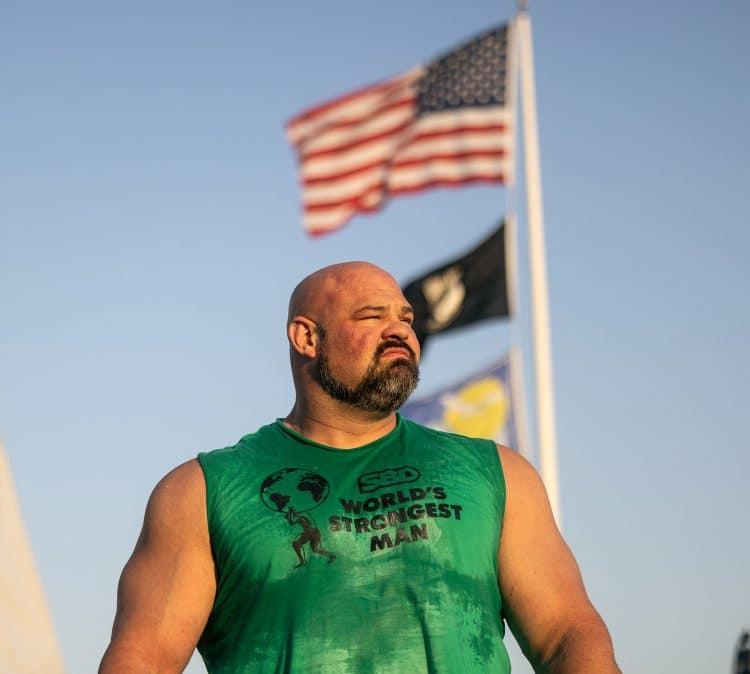
Brian Shaw Breaks Silence After His Final Appearance at 2023 World’s Strongest Man
Legendary Strongman Brian Shaw is widely considered to be one of the greatest strength athletes of all time. The four-time World’s Strongest Man recorded some insane lifts over the year, breaking multiple records and becoming an inspiration for many people. He was last seen in action at the 2023 World’s Strongest Man, which took place on April 19-23, in South Carolina. It did not go as well as he hoped, but in a recent video posted on YouTube, Shaw shared his thoughts on his final appearance at the competition.
Brian Shaw grew up playing basketball in his younger years and found a passion for lifting heavy weights while training to succeed in one of the most famous ball sports in the World. He kicked off his professional career as a Strongman at the Denver Strongest Man show in 2005. His WSM debut, however, came in 2008, while he also managed to land the third place on the podium the next year. In 2011, Shaw won the coveted WSM title and created history by becoming the first athlete to win both the WSM and the Arnold Strongman Classic in the same year. He repeated the feat by winning both titles in 2015 as well.
Brian Shaw (Courtesy of World’s Strongest Man)
Shaw launched the inaugural Shaw Classic competition and scored gold in December 2020. He then started working on improving his training facilities and gave the fans a look into his massive new gym in July of last year. The equipment was modified to hold more weight and allow him and other contenders to fit in them. Then, he showed off his crazy strength by leg-pressing a 2,000-lb car in preparation for the 2022 Shaw Classic.
Brian Shaw also experimented with his eating process and switched out his usual diet to try a vegan one last September. Shaw wolfed down 9,000 calories from vegan food for a single day. He admitted he could never replace red meat from his diet and reported feeling uneasy due to the sudden change. A few weeks later, Shaw opened up about his reasons for not attempting a 500-kg (1,102.3-lb) deadlift at the height of his powers.
Speaking of Brian Shaw’s diet, the Trifecta CEO Greg Connolly spilled the beans on what it takes to feed the giant athlete. Connolly revealed it cost his firm over $60,000 per year to fuel Shaw.
Shaw teamed up with fellow icon Eddie Hall for a brutal shoulder workout last November. They collaborated again for a comical lower-body training session days later. However, as the start of a new season took place, Brian Shaw announced his plans to move on from elite competitions. He revealed the 2023 WSM would mark his last appearance at the competition. As for his final showing, Shaw will step away after participating in the upcoming 2023 Shaw Classic.
During the build-up to the contest, Shaw laid out how he nearly lost his leg after picking up an injury a few months ago. Fortunately, he was able to recover and get on track for the event. He detailed his battle with leg cellulitis that affected his ability to do basic tasks.
He completed his final appearance at the 2023 WSM, where he turned in a sensational performance at the stone-off and finished seventh overall.
Brian Shaw breaks silence on last appearance at 2023 World’s Strongest Man
In a recent YouTube video, Brian Shaw shared his thoughts on his final appearance at the 2023 World’s Strongest Man. He started by praising the other contenders before breaking down his performance.
“First and foremost I want to congratulate the guys that were at the top. Mitchell Hooper on winning, Tom Stoltman on second, and Oleksii Novikov on third,” said Shaw. “They performed very well and deserve to be up there on that podium. I know there were some questions about my leg, we put out some videos. I want to say my leg was not a factor as far as the competition goes on and really played no role. I did have to overcome that but it was in the rear view mirror by the time we competed so it did not play a role.
“I was ready to go I was dialed in, felt good, got my group definitely a tough group and I feel like all of these groups this year were tough in the qualifiers. I felt like I performed very well. I won two events, tied for first in the deadlift which I was happy about. The loading medley, third place really not that bad. I could’ve improved a couple different things maybe kinda got a couple seconds faster which may have changed one point there. In the end that might have been a big point but I really feel like the event I was disappointed with. The qualifiers was Conan’s Wheel, ended up in fifth place, I was going out last so I knew exactly what I had to do. I was so focused on getting my grip right and getting my feet in the right position and getting my pickup right. I just forgot to take that big breath that you need to take on a Conan’s wheel before you take off and start. I realized that about a quarter of the way into the first turn I just didn’t have much air. I opened myself up to not winning the group with that performance.”
Shaw talks about his historic stone-off & calls for a change in the format
He shared his mindset going into the stone-off battles for landing a spot in the finals. He argued against the current format as it puts those athletes at a disadvantage.
“I wish I could’ve found that extra half a point to win the group because I had to go into a stone off with Ronald. I knew he was one of the guys who you don’t want to get in a stone off situation. He can lift a lot so going into that stone off I had to really tap into a spot mentally and then get into a spot physically that I wanted to save for the final I did not want to tap into that in the qualifiers.”
“It was easy for me but the after effects of being in that stone off were probably more of a death sentence in this World’s Strongest Man competition. Then, I realized at the moment and I have to remember this is the first time that I’ve really been involved in a stone off. I obviously always disagreed with it. I always felt like it put the athletes that had to compete in the stone off at a massive disadvantage, especially if they had to do a big number of reps because your recovery before the final is challenging enough. Even with every effort I tried to put into recovering and being ready to go for the final. I just wasn’t able to recover. In hindsight, that’s really and truly what it kind of came down to for me. My training, the numbers I put up here were very good. I was very confident about walking into WSM and putting on a great show. I felt I was fully capable of winning WSM, especially with the events we had in the final.”
Brian Shaw believes his age may have factored in; analyzes day two
Brian Shaw / Courtesy of World’s Strongest Man
Brian Shaw believes the age gap with other athletes may have played into his recovery. He also gave his take on the second day of the contest.
“My game plan was to set the tone in the fingers be able to know how many reps I needed to pull in the deadlift and then be able to kind of dictate my distance. Instead of going in that order because of the rain they put the shield carry out first and then we did deadlift and then Fingal fingers so I had to deal with but so did the others.”
“I’m not sure if it was a fatigue factor or just coming out of the gate a little bit quick but I feel I burned up pretty quick and was only able to make it to about 40 meters which I knew was not going to be good enough for a good result in that event. So, I definitely got frustrated with that and tried my best to kind of put that behind me.”
“So finished with four fingers and I knew at that moment that was a big blow to my chances of being toward the top of WSM finishing toward the top. So I just had to kind of take a moment, go out, and sit by myself a little bit, and know the frustration was high. The disappointment was high.”
“Looking back my sleep not as good as it should have been. That was definitely a thing. I was not sleeping well and don’t know if that was the bed, my brain not turning off me not calming down.”
“When I had to do that stone off obviously it hurt me from a recovery standpoint work output standpoint and the simple fact is I am for a lot of these guys that are in the final I’m more than 10 years older than them, some of them closer to 15 years older than them. As much as I hate to say and admit it, it’s probably going to be harder for me to recover in that condensed period.”
“Day two of the finals, I kinda had to regroup. My training results were good in the warm-up. I could definitely tell the dumbbells felt heavier and that’s never something you want to feel. For it to feel heavier than it should, it definitely was an indicator I was tired again you strap it on. You go out, do what you can do, result was not what I wanted.
“Going into the bus pull, I love any type of heavy pull so I was hoping it would be hard heavy and it was definitely was anything but that. There was seven competitors that were separated by less than a second so that’s a massive indicator that it was too light and especially for WSM, it’s not good, it has to be a lot heavier. That was a massive letdown.”
“Going into stones, with this being my last WSM, I wanted to go out and put on a great show, give it everything I had and I did do that. I could tell from the first stone it was just way harder than it should have been far as carrying the stones in getting them loaded. The glutes and hamstrings just were not there.”
Shaw urged for changing refereeing standards
Brian Shaw / Courtesy of World’s Strongest Man
Brian Shaw called for a stricter standard for the head judge while criticizing the conduct in specific events.
“I truly hope they do in the future make it more of a pure competition. Another thing I wanted to talk about is the refereeing. It has not been at a standard that it should be at. A lot of people have pointed at the max dumbbell. It’s never the athlete’s fault. I think there needs to be a level in strongman and I’m certainly not the one that’s making the choices about who the head referee is. But if I was I’d be taking a hard look at the head referee.”
“I’d be lying to you if I said I wasn’t disappointed with my performance overall. I didn’t perform up to my capabilities but with everything that came with the competition what I had to fight through. I can honestly say that I gave it everything I had its was not for a lack of effort or trying. I think that at the end of the day I can only look at myself. If I say stone off took a lot out of me, I should’ve figured out a way in the qualifier to get another half point so I stayed out of that. I didn’t have to do that so again falls back completely on me. But it’s disappointing to go to WSM with that after the prep I had. I wasn’t able to fully put that on display and show everybody.”
He wasn’t satisfied with his performance and will be gearing up for the Shaw Classic.
“It’s tough to end my career at WSM with that performance but again it’s something that was special in so many different ways.”
“I am moving on. My next and final competition will be the Shaw Classic in Colorado in August. I’m excited about it.”
Bodybuilding legend Ronnie Coleman reacted to some of Brian Shaw’s craziest lifts in Strongman competitions earlier this week. He was left stunned by Shaw’s unreal strength.
Brian Shaw stands as the fourth-winningest strongman with 26 international competition wins under his belt. He will look to add another accolade when he competes at the Shaw Classic later this year.
You can watch the full video below.
Discover comprehensive coverage of the 2023 World’s Strongest Man competition at our WSM coverage hub, featuring exclusive interviews, final results, event recaps and in-depth analysis: FitnessVolt.com/wsm
Published: 5 May, 2023 | 5:21 PM EDT

Powerlifter Bradon Gulch Attempts 525-lb Tom Platz Squat Challenge, Impresses with 21 Reps
Bodybuilding has produced many legends, but few have been as iconic as Tom Platz. Tom was, and is to this day, recognized for his incredible lower body workouts, which have proven to be quite effective considering the size of Platz’s legs. Tom became known as the “Quadfather” for good reason. His legs weren’t just a sight to behold, they were also incredibly strong, with some of his impressive feats still unmatched today. His quad muscles were the stuff of legend, and he rightly earned his place among the greats of bodybuilding and strength training. The most remarkable one was his 23-rep squat set with 525 pounds on the barbell. Platz completed this set in 1992, and ever since many world-class athletes have attempted to match it.
Everyone knows the best squatters usually come from powerlifting, which is why it’s no surprise to see a lot of them taking on the Tom Platz Challenge. Most recently, Bradon Gulch was the man who gave his maximum effort to achieve the incredible feat. In addition, he came extremely close to matching Tom Platz’s result, having performed only two reps less than him. So, after reaching his limit, Bradon ended up with a 21-rep 525-pound squat set.
Bradon Gulch utilized a pair of knee sleeves and a lifting belt to complete this set, making it raw by the majority of standards. In addition, Bradon is just 22-years-old, making his attempt even more impressive. He didn’t seem to struggle much until he hit his 18th rep, but he pushed through and managed to eke out three more. In the end, Bradon failed while attempting his 22 repetition, as he was not able to get up from the squatting position. After the spotters took the barbell from his back, Bradon fell back and decided to remain on the floor until the burning sensation in his legs started to dull.
Watch the lift here:
Related: Tom Platz Shows Off Shredded Quads in Latest Update at 67
Bradon Gulch isn’t the first elite powerlifter to tackle Tom Platz’s squat challenge. Joe Sullivan attempted the same challenge a year ago. In spite of being a World Record holder, Joe was only able to complete 20 repetitions, putting him behind Bradon.
The bodyweight of Tom Platz during his 23-rep 525-pound squat set was 198 pounds, while Bradon Gulch’s bodyweight was unknown at the time of the attempt. Just two weeks prior to his attempt, Bradon participated in a powerlifting competition, where he weighed 271.2 pounds.
It is also important to note that Bradon Gulch is focused on improving his one rep max on the squat and not improving his AMRAP sets. So, the heaviest official squat of his career came out to 705.4 pounds, which is significantly heavier than Platz’s reported PR of around 600 pounds. So, it all depends on one’s primary goals.
Overall, Bradon Gulch took part in 11 sanctioned powerlifting competitions, winning seven of them. Even though he has been competing for only two years, it is apparent that he will continue to improve for years to come.
Bradon Gulch’s Competition PR
Squat: 320 kilograms (705.4 pounds) — (2022 USAPL Liftmas Open)
Bench Press: 212.5 kilograms (468.4 pounds) — (2023 USAPL Arnold Pro Bench)
Deadlift: 300 kilograms (661.4 pounds) — (2022 USAPL Liftmas Open)
Total: 825 kilograms (1,818.8 pounds) — (2022 USAPL Liftmas Open)
Related: Leg Day Motivation: Tom Platz “I Was Willing To Die For It”
Bradon Gulch seems to be the closest man to Tom Platz’s record currently, as two reps don’t seem too far away. In addition, as explained earlier, if Bradon decides to work on his AMRAP instead of a One-Rep Max at some point, it is very likely that he would be able to surpass the 23 reps performed by Tom Platz.
Published: 5 May, 2023 | 3:22 PM EDT

The ‘Kendall Jenner of Bodybuilding’ Goes Viral; Rakes in Over $10K Per Month on OnlyFans
Vladislava Galagan, a Russian fitness model and enthusiast, is known for her uncanny resemblance to Keeping Up with the Kardashians star Kendall Jenner. Recently, Galagan revealed that she’s raking in over $10,000 per month of OnlyFans revenue after her physique went viral.
OnlyFans became a haven for influencers looking to earn additional income over the last few years. While the site is largely recognized for its X-rated content, several athletes, models, and social media stars utilize the service, offering various forms of entertainment such as workouts, games, and live-stream events.
Vladi Galagan/Instagram
Galagan started training at the gym when she was 16 and has done so for the past 11 years. As of late, she mentioned that gym-goers continue to point out her likeness to Kendall Jenner, who is also 27 years old. In addition, they praise her for a toned six-pack and impressive biceps.
Even though Galagan disagrees with the resemblance to Jenner, she’s embraced the comparison with open arms. In a recent interview with South West News Service, she discussed life as a ripped Kendall Jenner doppelganger.
‘People Tell Me My Muscles Are Photoshopped’ — Vladislava Galagan Talks Kendall Jenner Lookalike OnlyFans
Galagan detailed some of the video ideas she uses to make money on OnlyFans.
“I am constantly told I look like ‘Kendall Jenner on steroids,’” Galagan explained Thursday. “I sell this image of being good-looking and muscular and combine it with a little erotic.”
“I hit the sweet spot with a mix of my face and my body.”
She specified that fans appreciate her arm-wrestling videos.
“When I joined social media, I learned there are so many men who like tall, strong muscular women with a nice face too,” she explained. “But people tell me my muscles are photoshopped because they can’t believe someone who looks like me could be so strong.”
“I wear see-through lingerie, leather and latex … I just imply.”
“I do arm wrestling videos,” she spilled. “People like those.”
Transforming her physique in 2018, Galagan participated in bodybuilding contests before mapping out her career as a model. Galagan shared that she is tasked with following a strict diet, ensuring that she consumes 100 grams of protein daily. She regularly eats beef, turkey, chicken, fish, and eggs. Galagan admits she takes steroids but stressed that no ‘magic pill’ exists for body transformations.
Taking to the gym six days a week, Galagan is dedicated to fitness and implements cardio sessions weekly to stay in the best shape possible. And she’s not the only fitness influencer who has tested OnlyFans, as powerlifting phenom Larry Wheels also tried out the platform for a few days.
RELATED: 16 Celebrities Who Swear By Intermittent Fasting (Their Tips & Experiences)
Given the popularity of the website, perhaps Galagan will encourage others to try out the growing platform. Nevertheless, she’s thankful for the opportunities she’s received as a fitness model.
Published: 5 May, 2023 | 1:14 PM EDT
72-YO Powerlifter Shelly Stettner Scores New Raw 265-lb Squat & 155-lb Bench Press All-Time PRs
Among the greatest Masters powerlifters in the world, Shelly Stettner founded the belief that no one is ever too old to become the best in what they want. Now, she is once again continuing to prove her statements, having just landed new squat and bench press Personal Records (PRs) at the age of 72-years-old. In addition, Shelly shared both of her new achievements on Instagram.
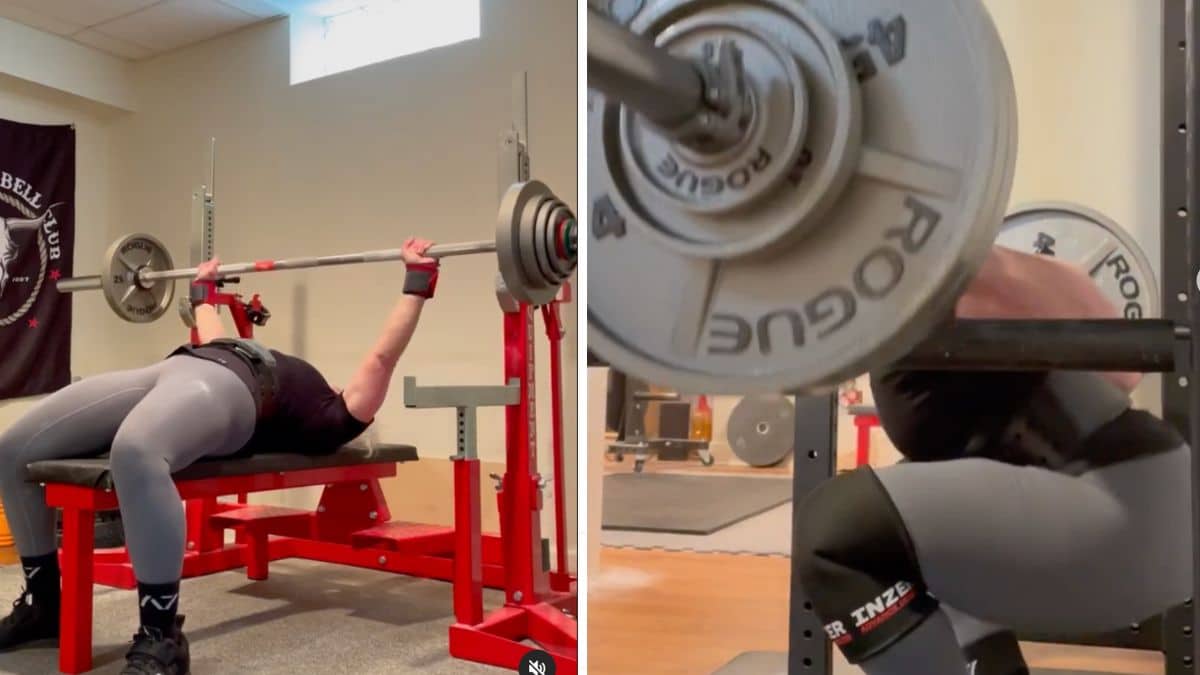
The first PR that Shelly Stettner locked out was the squat of 265 pounds (120.2 kilograms). She did so by putting on a pair of knee sleeves and a lifting belt, dropping under the barbell, and easily squatting 265 pounds (120.2 kilograms).
Shelly Stettner then scored another personal record on the bench press. After a few warm-up sets, Shelly ramped up to a 155-pound (70.3-kilogram) bench, the heaviest she has ever lifted. Although it did not look as easy as her squat PR, the bench press still looked quite comfortable for Shelly.
Watch the lifts here:
Related: 71-Year-Old Shelly Stettner (63KG) Scores Squat & Bench Competition PRs At 2022 AMP Masters Nationals
Shelly Stettner is currently preparing for the 2023 Powerlifting America (AMP) Masters Raw Nationals, which is set to take place on June 2-3, in Phoenix. Shelly won the AMP Nationals last year as well, and is now coming back to defend her title.
Apart from her National title, Shelly Stettner has also claimed other titles which lifted her to the status of the sport’s greatest athlete. Most notably, Shelly won the 63-kilogram weight class of the 2022 IPF World Masters Classic & Equipped Powerlifting Championships. In addition, Shelly also set four new masters IPF World Records at the Masters’ Championships.
So, Shelly Stettner hopes to defend both her National and World titles this year, but judging by her new PRs, she also has the potential to break some more World Records.
Overall, Shelly Stettner has taken part in nine sanctioned powerlifting competitions and won eight of them. Still, the most impressive factor is that she began competing at 68-years-old, and is now better than ever before.
Shelly Stettner’s Competition PRs
Squat: 115 kilograms (253.5 pounds) — (2022 AMP Nationals)
Bench Press: 68 kilograms (149.9 pounds) — (2022 IPF World Masters Classic & Equipped Powerlifting Championships)
Deadlift: 147.5 kilograms (314.1 pounds) — (2021 USAPL Virginia Pro)
Total: 325.5-kilogram (717.6-pound) — (2022 IPF World Masters Classic & Equipped Powerlifting Championships)
Related: Rudy Kadlub Lands 524-lb Raw Deadlift Two-Rep PR On His 74th Birthday
Shelly Stettner’s Competition History
Personal Bests
Equip
Squat
Bench
Deadlift
Total
Dots
Raw
253.5
149.9
253.5
717.6
361.06
Competition Results
Place
Fed
Date
Competition
Division
Total
Dots
1
IPF
2022-10-08
World Masters Classic & Equipped Powerlifting Championships
Masters 4
717.6
361.06
Location
Canada-NL
Competition
World Masters Classic & Equipped Powerlifting Championships
Division
Masters 4
Age
71
Equipment
Raw
Class
138.9
Weight
132.1
Squat
242.5
253.5
-259
253.5
Bench
143.3
148.8
149.9
149.9
Deadlift
292.1
308.6
314.2
314.2
GLP
73.63
1
AMP
2022-06-18
Nationals
FR-M4
688.9
344.97
Location
USA-FL
Competition
Nationals
Division
FR-M4
Age
71
Equipment
Raw
Class
138.9
Weight
133.2
Squat
220.5
242.5
253.5
253.5
Bench
132.3
143.3
148.8
148.8
Deadlift
286.6
-303.1
-303.1
286.6
GLP
70.31
1
USAPL
2022-03-04
Arnold Masters of Iron Pro
FR-M4
696.7
349.6
Location
USA-OH
Competition
Arnold Masters of Iron Pro
Division
FR-M4
Age
70
Equipment
Raw
Weight
132.7
Squat
231.5
250.2
250.2
Bench
132.3
141.1
143.3
143.3
Deadlift
303.1
-330.7
-330.7
303.1
GLP
71.27
1
USAPL
2021-12-04
Virginia Pro
FR-M4a
711
357.13
Location
USA-VA
Competition
Virginia Pro
Division
FR-M4a
Age
70
Equipment
Raw
Weight
132.5
Squat
237
248
-253.5
248
Bench
132.3
137.8
-143.3
137.8
Deadlift
303.1
325.2
-330.7
325.2
GLP
72.81
1
USAPL
2021-06-14
Raw Masters Nationals
FR-M4
701.1
349.35
Location
USA-FL
Competition
Raw Masters Nationals
Division
FR-M4
Age
70
Equipment
Raw
Class
138.9
Weight
134.2
Squat
231.5
242.5
242.5
Bench
132.3
137.8
138.9
138.9
Deadlift
308.6
314.2
319.7
319.7
GLP
71.17
1
USAPL
2020-08-01
Motor City Summer Showdown
FR-M3b
666.9
332.56
Location
USA-MI
Competition
Motor City Summer Showdown
Division
FR-M3b
Age
69
Equipment
Raw
Class
138.9
Weight
134
Squat
203.9
226
231.5
231.5
Bench
121.3
126.8
132.3
132.3
Deadlift
270.1
303.1
-314.2
303.1
GLP
67.76
2
USAPL
2020-08-01
Motor City Summer Showdown
FR-O
666.9
332.56
Location
USA-MI
Competition
Motor City Summer Showdown
Division
FR-O
Age
69
Equipment
Raw
Class
138.9
Weight
134
Squat
203.9
226
231.5
231.5
Bench
121.3
126.8
132.3
132.3
Deadlift
270.1
303.1
-314.2
303.1
GLP
67.76
1
USAPL
2019-10-12
Michigan Rookie Rumble
FR-M3b
628.3
313.96
Location
USA-MI
Competition
Michigan Rookie Rumble
Division
FR-M3b
Age
68
Equipment
Raw
Class
138.9
Weight
133.6
Squat
198.4
209.4
220.5
220.5
Bench
115.7
-126.8
-126.8
115.7
Deadlift
275.6
292.1
-303.1
292.1
GLP
63.98
1
USAPL
2019-10-12
Michigan Rookie Rumble
FR-O
628.3
313.96
Location
USA-MI
Competition
Michigan Rookie Rumble
Division
FR-O
Age
68
Equipment
Raw
Class
138.9
Weight
133.6
Squat
198.4
209.4
220.5
220.5
Bench
115.7
-126.8
-126.8
115.7
Deadlift
275.6
292.1
-303.1
292.1
GLP
63.98
Data Source: Open Powerlifting. Last Updated: April 12, 2023
Analyze Lifts
Shelly Stettner has encountered some difficulties during her preparation for the 2023 AMP Nationals. She has had to work around problems with injuries and new rulesets for some time now. However, none of these setbacks were enough to stop Shelly, who now set new PRs in the bench press and the squat.
Published: 5 May, 2023 | 10:07 AM EDT
Nick Walker Demolishes an Arduous Push Day Workout
Nick Walker is training like a man possessed to take the 2023 competitive season head-on. “The Mutant” is constantly experimenting with new machines and trying to get the most out of his workouts.
Walker is one of the select few IFBB Pro bodybuilders who wasted no time running through the division and established themselves as top-notch competitors. The Men’s Open division bodybuilder won the 2021 New York Pro and secured a direct qualification to the 2021 Mr. Olympia. Shortly after, he returned to the stage and emerged victoriously at the 2021 Arnold Classic, considered the second most prestigious bodybuilding competition in the world after Mr. Olympia. Remarkably enough, Walker achieved this within a year of turning Pro.
Walker secured a fifth-place finish at his Olympia debut in 2021. However, he felt he needed to improve his physique further to compete against the top crop.
The longest off-season of The Mutant’s career followed. He returned to the 2022 Mr. Olympia in December, and a strong performance warranted him a third-place finish at the show.
The 2023 Arnold Classic was Walker’s most recent competitive appearance, and he missed the second Arnold’s title by a razor-thin margin to Samson Dauda. Walker now trains to achieve the ultimate goal of winning the Mr. Olympia title in 2023. Recently, he went through a push-day training session with an emphasis on shoulder training.
The workout video was posted on The Mutant’s YouTube channel. Walker walked the viewers through the workout and shared some important bodybuilding tips that would greatly benefit professionals as well as fitness enthusiasts. So let’s see what Walker has in store for us.
Nick Walker goes through a push-day workout
Walker shed light on the nature of this training session before starting and explained:
“There will be a lot more shoulder movement. We’re gonna do about three chest movements for this workout, probably do about three shoulder movements, and we’ll probably do one tricep for this one.”
He revealed that he is no longer doing too many arm exercises but is satisfied with the growth anyway. This explains the reason for having only one triceps exercise in the entire session.
Chest Workut
Pec Deck Fly
Walker started the training session with chest exercises first and performed pec deck flyes on the M Torture machine. According to Walker, doing chest flyes at the beginning of the workout helps him build a better mind-muscle connection. He explained:
“I always feel like I’m able to connect better throughout the rest of the workout with my chest. I know they say, ‘Oh, it’ll affect the pressing’ whatever… But in my opinion, I’m still pretty strong even when I do fatigue a little on the flyes… And again, I’m just worried about the contraction. So if I start with pressing, the contraction is not as strong for me if I started with the flyes to really get the blood flow.”
Walker did a few warm-up sets and then proceeded to do the working sets of pec deck flyes. Before moving on to the next exercise, The Mutant gave an essential chest training tip to budding bodybuilders and said:
“I’m a big believer… When you get in that stretch(ed position), you want to hold that for a quick minute because, in my opinion, when you hold the stretch even for the back, it helps you flare out even more and even for the chest… To hold the stretch creates the width within the chest as well. So those are the cues I always incorporate, including the very slow eccentric reps.”
Walker added that lifting heavy can get you to fatigue the muscles as well. However, lifting heavy is not everything that the bodybuilder should focus on.
“The goal is to contract as hard as we can and as fast as we can and get the f*** out to get the recovery process started,” He added.
Following this, Walker performed the working sets with a 10 to 12 rep range and moved on to do some free weight exercise giving in to popular demand from his fans.
Incline Dumbbell Press
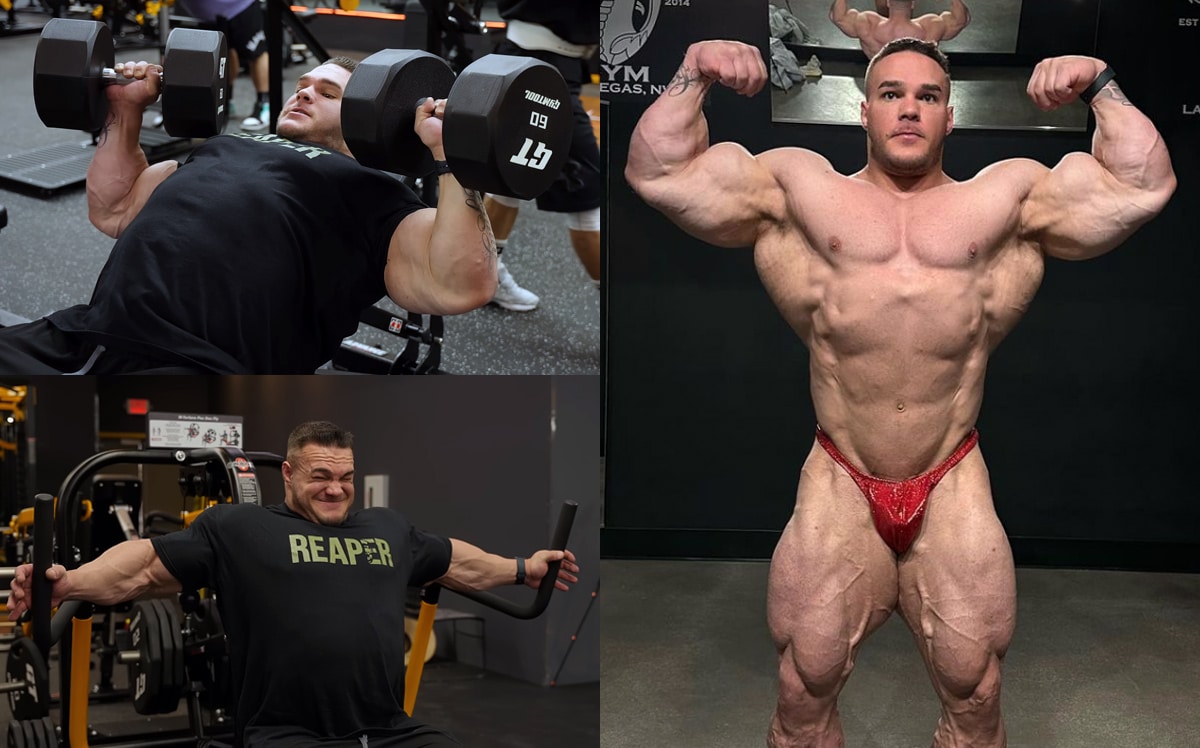
This compound dumbbell exercise was the only free-weight movement in The Mutant’s training session. He performed the warm-up sets with 110-pound dumbbells and slowly worked his way up to the top set of eight to ten reps with 132 pounds. The 28-year-old hit a back-off set of 10 to 12 reps with 110-pound dumbbells to focus on the movement and took to the next exercise.
Machine Chest Press
Walker employed a Newtech plate-loaded machine next to perform the chest press. While speaking about the movement pattern of the machine and how it affects the pectoral muscles, Walker stated:
“The way this press is set up, it kind of goes down like a decline, but it closes in to really squeeze (the pecs). So we’re actually going to do more neutral grip on this one.”
By this time, Walker’s muscles had been sufficiently warmed up, and he did not need to do as many warm-up sets. Therefore he performed a heavy working set after one quick warm-up set.
Walker believes it is essential to recover completely before the next training session for the same muscle group. Therefore he would not train chest for at least the next two to three days. After wrapping up the chest exercises, he shifted his focus to working the shoulders.
Seated Machine Shoulder Press
Starting with the anterior/front deltoid movement, Walker performed the seated machine shoulder press. The Mutant shed light on his preferred volume to get the most out of shoulder exercises and stated:
“I think for me, the shoulders really get the most out of the 10 to 15 range. So as for the real delts and sides, I don’t like to go any lower than 12.”
After a couple of warm-up sets, Walker subjected himself to straight working sets of machine shoulder press, maintaining a 10 to 15-rep range. He continued further and annihilated a back-off set before taking up the next exercise.
Machine Seated Lateral Raise
This medial deltoid exercise followed next, and Walker used a plate-loaded machine to put in the work. Slight modifications in posture can drastically affect the outcome of this exercise. The Mutant voiced his opinion that leaning forward a little bit can engage the posterior deltoid muscles during machine lateral raises, and keeping your head low can activate the traps. Therefore, he assumed an upright stance and kept his head high to keep the focus on medial/lateral delts.
Conventional wisdom states that raising the arms above shoulder level defeats the purpose and engages other muscles. However, Walker feels:
“I get a better workout going a little higher with a little lighter weight than, kind of, just stopping here (at shoulder height).”
A few solid sets of machine lateral raises found their place in Walker’s workout. The 2021 Arnold Classic winner took to a posterior deltoid movement next.
Cable Rear Delt Fly
Posterior deltoids need a dedicated exercise to bring them to par with other shoulder muscles. Although they are activated during many back exercises, it is essential to include exercises that specifically target them. Walker performed his favorite rear delt exercise next — the cable rear delt fly.
His philosophy for shoulder development is fairly straightforward, and he laid it out while doing this exercise. The Mutant explained:
“I believe pressing plays a huge role in obviously huge shoulders but when you’re pressing for chest, especially on the incline, you’re incorporating the front delt a lot. So I think the main thing for shoulders is to really murder the side and the rear delts.”
The New York native cranked out two sets of the exercise and wrapped up shoulder training.
Walker shifts focus to triceps
Seated Machine Overhead Triceps Extension
Overhead exercises work the triceps from a lengthened/stretched position and put more emphasis on the long head of the tricep. Machine overhead triceps extension was the only triceps exercise in Walker’s workout, and he utilized a plate-loaded machine for the same.
After annihilating a working set of overhead triceps extensions of 15 reps, The Mutant finished the training session with the second set of nine reps to failure.
The entire chest, shoulder, and triceps training session saw Walker ‘push’ through these exercises:
Chest Workout
Shoulders Workout
Triceps Workout
Walker updated his fans about his weight during the workout and stated that he is gaining weight pretty effortlessly without retaining a lot of water.
“Weight is now starting to skyrocket pretty high. Woke up this morning (and weighed) 277 pounds, and I like to think this is probably my leanest without holding on a sh** tons of water too which is really good for me.”
Right now, the goal for the 28-year-old is to manage his diet and training in a way so that he feels energized. Therefore he is in a caloric surplus but not overdoing it.
Many experts believe Walker is a future Mr. Olympia. If he irons out a few things and continues on the path that he is on, it could very well become a reality sooner than later.
You can watch the full workout video below, courtesy of Nick Walker’s YouTube channel:
Published: 5 May, 2023 | 9:13 AM EDT
Band Hip Abduction Guide: How-To, Muscles Worked, Benefits, and Variations
Most exercisers program their training around the major muscle groups (quads, glutes, back, chest, etc). While they do contribute the most to strength, muscle gains, and performance, they aren’t the only muscles in need of attention. The abductor muscles, for example, may get indirect stimulation from squats and lunges, but these exercises can’t do what band hip abductions can do, for instance.
Your hip abductor muscles in the butt and thighs, especially glute medius, and tensor Fascia latae (TFL), are important for swinging the leg laterally, lower body joint and muscle stability, performing functional movements, and preventing daily injuries from everyday activities.
But how often do we perform lateral isolation movements? For many, never.
All you need is a resistance band and a stable base to anchor it to, or you can opt for one of the variations using just a band and your legs. This article features the abductors’ anatomy, how-to, benefits, variations, and FAQs, and more.
Muscles Worked During Band Hip Abductions
Located on the outer hips, your abductors are important muscles for maintaining strength and stability in the lower body. There are two significant abductor muscles that take control of this movement pattern.
Gluteal muscles – medius, and minimus
You can think of your gluteal butt muscles as three siblings, from youngest to oldest. The gluteus minimus is the youngest (smallest), medius middle child, and maximus (oldest and biggest). Medius covers minimus, and is found deep to the maximus.
The two younger siblings, medius and minumus are given the chore of abducting or moving the leg outward away from the midline of the body. Therefore, band hip abductions rely heavily on these two muscles.
Tensor fascia latae
While it sounds like someone’s favorite Starbucks beverage, tensor fascia latae is a muscle that rides the outer thigh from the iliac crest, down and through the iliotibial (IT) band, before crossing the knee and inserting into the tibia. Together with the glute medius and minumus, TFL abducts, and internally rotates the hip. It also has an anatomical association with glute maximus, where it helps the former in hip abduction.
TFL other functions include hip flexion, although a weaker flexor than iliopsoas, knee flexion past 30 degrees, and, hip and knee stabilization, and tibial lateral rotation.
How To Do Band Hip Abductions
One of the biggest benefits of band hip abductions is that they’re relatively simply, and non intimidating. Anyone, including beginner exercises can do them.
Steps
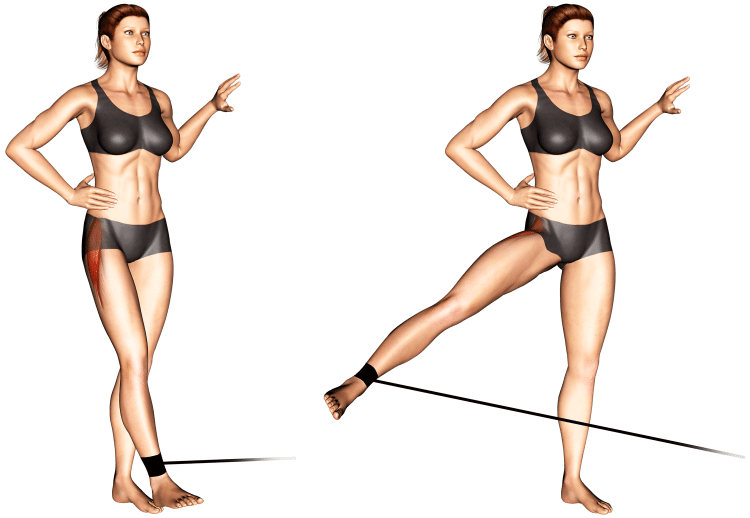
Attach one end of the band/s to an object at lower shin height just above the ankle.
Stand sideways to the base and hold onto it if you need the stability. Then wrap the other end of the band around the ankle furthest away from the base, not the foot closest to the anchor point.
Take a few steps away from the base to stretch the band and create tension.
With your feet closer together, move the banded leg out and away from your body laterally while keeping your knee fully extended.
Pull your leg back in and repeat the exercise until you’ve completed the set. Then turn your body to face the opposite direction, attach the band to the other ankle, and repeat the movement. Make sure to alternate legs for each side to train your abductors equally.
Check out the short video tutorial below to see an example of band hip abductions.
Tips
Make sure there’s always a little tension (stretch) in the bands, even in the starting position. This will help keep your abductors active.
The band should not be rolling up and down your ankles or the base.
If you only have a loop band, you can wrap it around both ankles, and then work one leg at a time, while the other legs acts as the base.
This Exercise
Target Muscle Group: Gluteus medius
Type: Strength, function
Mechanics: Isolation
Equipment: Resistance band
Difficulty: Beginner
Benefits of Band Hip Abductions
Band hip abductions offer some nice benefits and only require a small commitment of your time. But they’re absolutely worth it if you take them seriously like the other important movements.
Remain a functional, performing beast
Strengthening and maintenance are two essential components of performance, and longevity. Band hip abductions are good for both when it comes to your hip abductors. They’re especially useful for preventing long term negative effects of “coma glutes”, or when the butt muscles shut off due to long inactivity and modern day tech heavy lifestyles.
Band hip abductions are an easy, low stress/physically taxing activity that anyone can pick up.
Change your plane
Some people only ever do a select few exercises, that happen to occur in the same plane, like squats, lunges, and leg extensions. But we can move sideways, and diagonal too in multiple planes, and it’s good to use these built in capabilities. Not just for performance reasons, but to help maintain healthy and mobile joints, that protect us from injuries.
Popular rehab exercise
Band hip abductions are great for assisting the rehabilitation of the outer hip muscles, or correcting structural issues like knee valgus, or knock knee syndrome, which is when the knees appear to collapse in toward each other (hence the reference to the knees knocking together), can be the result of weak hips. Using band hip abductions as part of a rehabbing program can help to create big improvements.
One study from 2018 found a connection between knee valgus and weak hips. Therefore, performing hip abduction exercises should improve the condition (1).
There’s also patellofemoral pain syndrome (PFPS), which as the name implies affects the patella or kneecap. Commonly caused by strenuous, repetitive activity, or misalignment of the kneecap due to various reasons, PFPS can be helped through a rehabbing program that includes hip abduction specific exercises.
User-friendly
The entry to do band hip abductions is minimal. Anyone can get up and do them because, well, there’s not much to it. You do, however, need decent hip mobility, and flexibility but at a basic functional human level. Not to mention, there are several variations.
Common Mistakes When Performing Band Hip Abductions
While it’s hard to mess up this movement, try not to do these things, and you’ll get the most out of this exercise.
Doing them too fast
We could see why someone would attach an ankle band and start pumping out reps like a cardio workout. But most people never really train these undervalued muscles with focused isolation movements. In the little time we train the abductors, it’s better to go slow, and feel the muscles working equally on each side. You can also more easily identify a weaker side, whereas using momentum can hide structural flaws.
Using too much resistance
Ego training or not understanding your capabilities is a common theme for many exercisers. And bands are no exception. If you cannot move your legs far enough away from your body, you’re not training the abductors to their full potential.
Variations and Alternatives of Band Hip Abductions
Band abductions is one way to do it. But there are advantages and disadvantages, These variations too have theirs. Check out the best alternative hip abductor exercises for you to try out.
Lying band hip abductions
Whether you perform them while lying on your side (clamshells) or back, you can accomplish something similar. But, you’ll need a loop band that you can wrap around both legs. Then, you’ll pull your legs apart, activating those hip abductor muscles.
Steps
Sit on the floor and wrap a loop band around your knees or ankles, then lie on your side, with both legs extended, and feet together.
Now lift the top leg up high, then slowly drop it back down, keeping a small amount of tension or stretch in the bands. Then repeat as many times as needed.
Seated band hip abductions
If you feel more in control doing band hip abductions seated, then its another great option. Just wrap the loop band around your knees while seated on a chair or bench, and do the same technique as explained for the lying variations.
Pro tip: Some people may feel it better if they wrap the band just below the knees. Feel free to experiment a little!
Monster/lateral bands walks
If monsters have taught us anything, it’s a better way to walk to build our glute medius and lateral thigh muscles… Monster walks are a booty band exercise that isometrically, and isotonically work the abductors by walking in a wide, quarter squat stance, maintaining tension in the bands.
Steps
Wrap a band around both legs on the lower thigh just above the knees and keep your legs far enough apart to create tension in the band.
Descend into a quarter squat and bend slightly forward at the waist. Note: The quarter squat stance will fire up your gluteus medius and tensor fasciae latae.
Tense your abs and take large normal forward making sure to maintain tension in the band/s.
Now take small steps backward maintaining the same technique.
Cable hip abductions
For home, bands are king. In the gym, cables are arguably better and it’s obvious why. You have control over the weight, the resistance is consistent (not varying the resistance based on how much the band is stretched), and the pulley won’t slide up and down. Additionally, most gyms have ankle strap attachments, so they’re also convenient.
Steps
1. Slide the cable pulley all the way down to the last notch on the cable railing. Then connect an ankle attachment, and secure it around the ankle furthest away from the cable machine.2. While standing sideways and just off center to the cable machine, hold onto it with one arm for balance, then take a step away until the cable is tight.3. Lift the strapped leg away from the opposite leg like you’re doing a side kick.4. Under control, reverse the movement to bring your leg back to the starting position.
Tips
Go light, and focus on performing a full lateral swing outward.
Aim for 10-15 reps per leg/set.
Machine hip abductions
Probably the most common variation, machine abductions are going to be preferred by most gym goers because they’re convenient, you can choose your weight, and both legs can work at the same time. Nowadays there are several variations, from the conventional seated machine abductor to standing versions.
Pro tip: Sit straight up with your back fully against the machine pad to target more of the abductors, or scoot your butt to the edge of the seat, lean forward and grab onto the machine to hit more of the overall glutes, as demonstrated in the video example below.
FAQs
Check out our frequently asked questions section for some band hip abduction training tips.
How many sets and reps of band hip abductions should I do? At a minimum, we recommend 2 sets x 12-15 reps performed slow, and controlled.
How often should I do band hip abductions? Like any muscles, you’ll get the most benefit from training it a few times per week. Depending on your level of experience, and goals, two to three times per week should be adequate.
Can I load band hip abductions heavy? You can certainly challenge yourself with this movement. After all, that’s the whole point of resistance training. However, band abductions should not be a max loaded movement.
It’s better to focus on performing each rep slow and under control, with a full range of movement. Plus, most people aren’t strong enough in this position.
Why are bands an effective tool for working the hip abductors? Bands are easy to access, and offer an effective way to train the abductors while standing. Because bands stretch, the pressure is lighter at the beginning of each rep, which may be a good way for exercisers and rehab patients to ease into the movement.
Wrapping Up
A car isn’t just an engine, there are several components that keep it running, just like your body. While squats will give you big quads, you’d have neither without strong, stable, and healthy joints. Your hip abductors are those smaller components that’ll keep you training, performing, and living free of pain and injury.
If you haven’t already, get yourself a band, or try one of the equipment free abductor variations. You may not see immediate, visible benefits, but what goes on in the background is just as important.
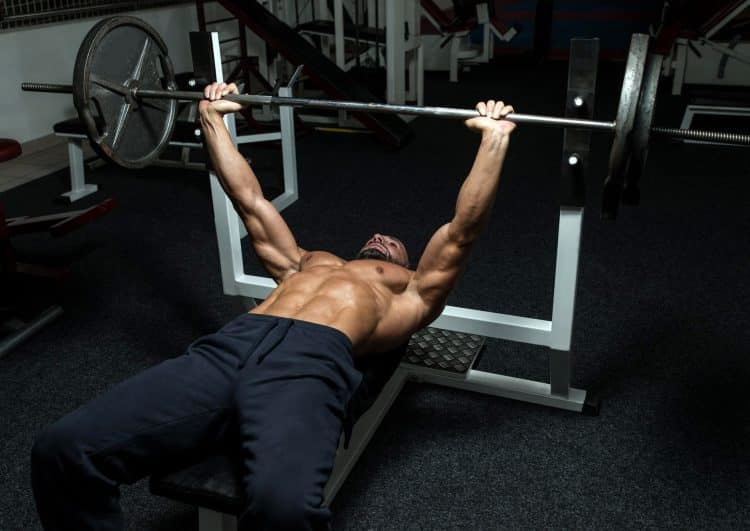
Master the Art of Cluster Sets: Boost Your Workouts and Unlock Your True Potential!
The set is the basis of everything you do in the gym. It comprises a certain number of reps, after which you rest briefly before moving on to your next set. But, just as there’s more than one way to skin a cat, there are several ways to structure your sets. If your goal is to lift as heavy as possible and turn up the intensity, then you need to know about cluster sets.
Cluster sets are an advanced training technique, but there is some confusion surrounding them. Some people confuse them with rest-pause training, while others mix them up with drop sets. In this article, we’ll clear up the confusion as we explain exactly what cluster sets are, why they’re a good technique for increasing strength and muscle, and how you can program them into your routine.
What are Cluster Sets?
Cluster sets are like a series of mini-sets within a larger set. You do a certain number of reps, then rest for a few seconds before doing the next cluster of reps. Typically, a cluster set will consist of three or four of these mini-sets. Cluster sets are considered an inter-set form of training.
Cluster set training is popular among powerlifters and other strength athletes. There is a large body of research investigating its benefits to enhance strength and power. That research tells us that different forms of cluster training are more beneficial for different outcomes.
There are three primary reasons that you would include cluster set training in your routine:
Strength
Power
Hypertrophy
When it comes to power training, the goal is to develop explosiveness. You should use a reduced weight that is 40 to 65% of your one-rep max. The focus will be on completing three to five clean, explosive reps. You then rest for around 20 seconds before completing the same number of reps again. You will usually complete three of these many sets while focusing on maintaining excellent form and producing as much explosive power as possible.
Power training cluster sets aim to train for power rather than exhausting your muscle fibers. This type of training has also been shown to improve the neurological pathways between your muscles and brain.
Cluster sets for strength training should see you working with between 80 and 90% of your one-rep max. So you might take a weight that you can perform four reps on and do two reps. You then rest for around 30 seconds and then do two more. If you did this for a total of four mini-sets of two reps each, you would end up doing eight reps within that cluster set. That represents double the volume and a substantially increased amount of intensity compared to if you were to just do a traditional set of four reps.
When it comes to hypertrophy, cluster sets are an excellent intensity-enhancing tool. That is because it allows you to train with heavier weights than you could usually do to complete the set. It also increases your time under tension. But unlike traditional sets, where it’s usually only the last two or three reps that could be described as high threshold time under tension, with cluster sets, every rep is a high threshold time under tension rep.
Finally, cluster sets allow you to achieve muscle overload. For example, you might choose a weight with which you could normally do eight reps and perform a cluster set of six, four, and three-rep mini sets. That’s a total of 13 reps — five more than you previously would have done.
Cluster Set Research
The vast majority of the research into cluster sets focuses on strength and power training. This research highlights five key benefits of cluster set training.
Rep Quality
According to some research, cluster set training improves the technical precision of each rep within the cluster set. That makes sense because, unlike with straight-set training, there is no fatigue accumulation to impair performance on the last few reps. Doing a technically demanding exercise like the clean and jerk or snatch using the standard high rep approach can lead to form breakdown. However, when you’re only doing a couple of reps and then having a short rest, you are far more likely to maintain correct form. [1]
Greater Power Output
Research suggests cluster sets can result in greater power output on each rep than straight-set training. Again that’s because there is less accumulated fatigue going into each new rep. Greater power output means more explosiveness in sports like basketball, football, and powerlifting. [2]
Reduced Inter-Set Fatigue
Cluster set training, when done in power training and strength training style, will reduce the cumulative fatigue effect from set to set and exercise to exercise. This is beneficial when you want to move to a new exercise fresh and relatively unaffected from the previous exercise. That is what you want when you are training for power and strength. With hypertrophy training, of course, your goal is the opposite — you want to increasingly fatigue the muscle as the workout progresses. [3]
Power Endurance
A 2008 study showed that cluster set training could help develop power endurance very effectively. This type of muscular endurance is needed by cyclists, soccer players, and people who play racquet sports. [4]
Increased Strength and Power
Cluster sets have been shown to produce superior results than traditional straight sets in terms of power and strength gains. In a 2013 study, 22 men were assigned to either a cluster set or a traditional set training protocol. Each group followed a 12-week training program. At the end of the study, the cluster set group showed significantly greater improvement in the bench press, vertical jump, and squat. However, the two groups had no significant difference in lean mass gains. [5]
What a Hypertrophy Cluster Set Looks Like
When using cluster set training as part of your muscle-building routine, you should select a weight that allows you to perform eight reps if you were lifting in traditional set form. On the first set, perform six reps, even though you know you could do a couple more.
Now rest for exactly 20 seconds. During that rest period, put the weight down and let go of the bar.
On the next mini-set, leave one rep in the tank. So, if you know that you can get five reps, stop after the fourth rep. Rest for another 20 seconds, then go to failure, which will probably be around three or four reps.
You can also experiment with higher starting reps. So you might begin with the weight you can do for 12 reps. In this case, you perform ten reps, rest for 20 seconds, then do your next mini-set, stopping with one rep in reserve. In the final mini-set, you go to failure.
What Exercises Should You Use for Cluster Set Training?
The exercises you choose for cluster set training will depend on your objective. If you’re using it for power or strength training, compound exercises like squats, deadlifts, and bench presses are ideal. With this type of training, you’re using 50 to 65% of your one-rep max. That means your risk of injury due to muscular failure and form breakdown is relatively low.
However, when using cluster sets for hypertrophy training, your muscular fatigue goes through the roof. That increases the likelihood that you will fail on the last rep or two of the cluster set. You want to avoid that from happening when using maximum weights on compound movements like the squat or bench press. For that reason, you should select exercises that are relatively safe if you fail on a rep.
So, rather than doing a cluster set on squats when training quads, do it on the leg press. If you fail on the last rep of a leg press, you won’t injure yourself the way you could on a squat. Similarly, when training the chest, you are better off using dumbbells or a chest press machine than a barbell. All those options will allow you to bail out of a rep without ending up with 90% of your one-rep max crushing down on your rib cage.
What an Explosive Power Cluster Set Looks Like
When using cluster sets for explosive power development, you should reduce the weight to about 50-65% of your one-rep max. Compared to hypertrophy or strength training, your reps will be relatively high.
For example, if you were doing squats, you might choose a weight with which you can do 10 quality reps. Perform five clean reps, concentrating on an explosive drive out of the hole on each rep. Now re-rack the weight and rest for exactly 30 seconds. Now do another five reps. Complete for a total of three mini sets within the cluster set.
Perform three or four cluster sets as part of your power training program one or two times per week.
What an Explosive Power Cluster Set for Strength Looks Like
Cluster sets for strength training typically involve the use of heavier weights than for hypertrophy or power. Choose a weight that is between 80-90% of your one-rep max and keep each mini-set to 1-2 reps. Here’s what that might look like for deadlifts:
Load the bar with 85% of your one-rep max.
Perform two reps.
Rest for 30 seconds.
Do your second mini-set of two reps.
After another 30-second rest, complete your third and final mini-set of two reps.
Complete a total of three cluster sets to complete your deadlift workout. Your rest between cluster sets should be 3-5 minutes.
How To Program Cluster Sets into Your Routine
When training for muscle gain, you don’t want to do cluster sets at the beginning of your workout. That’s because they are so fatiguing that your performance on the rest of the workout will probably be compromised. You should add a cluster set on the third exercise for a body part. For example, if you are training your chest, you might begin with three or four sets of dumbbell bench presses, then go to the incline barbell bench press for four sets before moving to the Hammer Strength machine chest press. This is the exercise you should do a cluster set on. Make it the final set for that exercise.
So, if you are doing the Hammer Strength machine chest press, you might do two sets of 10 reps. The third and final set is going to be a cluster set. If you were doing a traditional set with the same weight you did on the previous set, you might be able to get eight reps. It is because you’re fatigued and can’t get to the 10 reps of the previous set. For the cluster set, though, you will pump out six reps. You then rest for exactly 20 seconds and do another four reps. After another 20-second recovery, you keep going to failure. That might be three or four reps, taking your total for the cluster set to 13 or 14 reps.
At this point of your workout, your chest muscle fibers will be on fire. However, you may choose to do a final exercise. This will likely be an isolation move like dumbbell flyes or the pec dec. If you can handle it, do a final cluster set on the last set of that exercise to max out the intensity of your chest workout.
So, as you can see from the example, just one or two cluster sets per workout are all you need. This is an extremely intense form of training that places exceptionally heavy demands on your muscle fibers. If you overuse the technique, you will overtax the muscle and inhibit your ability to recover fully between workouts.
Who Should Use Cluster Sets?
Cluster set training is not designed for beginners. If you are still within your first two years of consistently working out, you should stick with traditional sets. They will give you all the muscle stimulation you need for growth. Then, once you’ve been training for a couple of years, have built your strength base, and are able to develop the mind-muscle connection that you need to know how many reps you’ve got left in the tank, then you can start experimenting with cluster sets.
The more advanced you become, the more beneficial cluster sets will be for you. The longer you’ve been training, the harder it will be to keep making strength and muscle gains. So an advanced technique like this will help you to push the envelope.
FAQs
Are cluster sets the same thing as rest-pause training?
Though cluster sets and rest-pause training are very similar, the key difference is that cluster sets are pre-programmed. At the outset, you know how many reps to do in all but the last mini-set (which is to failure). You also know how long your rest between each mini-set will be. When it comes to rest-pause training, though, you do reps to failure, then rest for just long enough to allow you to pump out another 2 or 3 reps.
How do cluster sets differ from drop sets?
Drop sets and cluster sets are both an extended set form of training. With drop sets, though, you start with a weight that will allow you to perform 6-8 reps. You then immediately decrease the weight slightly and pump out another few reps. You continue doing this for further drops until you reach muscle failure.
In contrast, cluster sets involve using the same weight for each of the mini sets that make up the cluster set.
Are cluster sets effective for building muscle?
Yes, cluster sets are an effective muscle-building strategy. It allows you to increase your training volume and time under tension while pushing a muscle to maximum fiber stimulation. This advanced technique can help you break through a muscle-building plateau and continue making progress.
How are cluster sets written on an exercise program?
Cluster sets can appear a bit like an algebra equation when you first see them. Here’s what they look like:
1(4 x 4) -20s w/ a 6RM
This means you will do one cluster set consisting of four mini-sets of four reps. Your rest between each mini-set will be 20 seconds. You will choose a weight that you can do six reps with.
Wrap Up
Cluster sets are a safe, effective way to maximally stimulate your muscle fibers for muscle gain. They are also great for increasing strength and power with load and rep modifications. This is a tool to be used in a careful, targeted manner. If you aim to build muscle, you don’t have to do more than one or two cluster sets in your workout to achieve results. Program them towards the end of the workout, during the third or fourth exercise, for maximum benefit.
References
Haff, Guy & Hobbs, Ryan & Haff, Erin & Sands, William & Pierce, Kyle & Stone, Michael. (2008). Cluster Training: A Novel Method for Introducing Training Program Variation. Strength & Conditioning Journal. 30. 67-76. 10.1519/SSC.0b013e31816383e1.
Lawton TW, Cronin JB, Lindsell RP. Effect of interrepetition rest intervals on weight training repetition power output. J Strength Cond Res. 2006 Feb;20(1):172-6. doi: 10.1519/R-13893.1. PMID: 16503678.
Lawton, Trent & Cronin, John & Lindsell, Rod. (2006). Effect of Interrepetition Rest Intervals on Weight Training Repetition Power Output. Journal of strength and conditioning research / National Strength & Conditioning Association. 20. 172-6. 10.1519/R-13893.1.
Haff, Guy & Burgess, SJ & Stone, Michael. (2008). Cluster training: theoretical and practical applications for the strength and conditioning professional. Prof. Strength and Cond.. 12. 12-17.
Oliver JM, Jagim AR, Sanchez AC, Mardock MA, Kelly KA, Meredith HJ, Smith GL, Greenwood M, Parker JL, Riechman SE, Fluckey JD, Crouse SF, Kreider RB. Greater gains in strength and power with intra set rest intervals in hypertrophic training. J Strength Cond Res. 2013 Nov;27(11):3116-31. doi: 10.1519/JSC.0b013e3182891672. PMID: 23736782.
Cite this page: Theunissen, S. (2023) ‘Master the Art of Cluster Sets: Boost Your Workouts and Unlock Your True Potential!’, Fitness Volt. Available at: https://fitnessvolt.com/cluster-sets/ (Accessed: 5 May 2023).
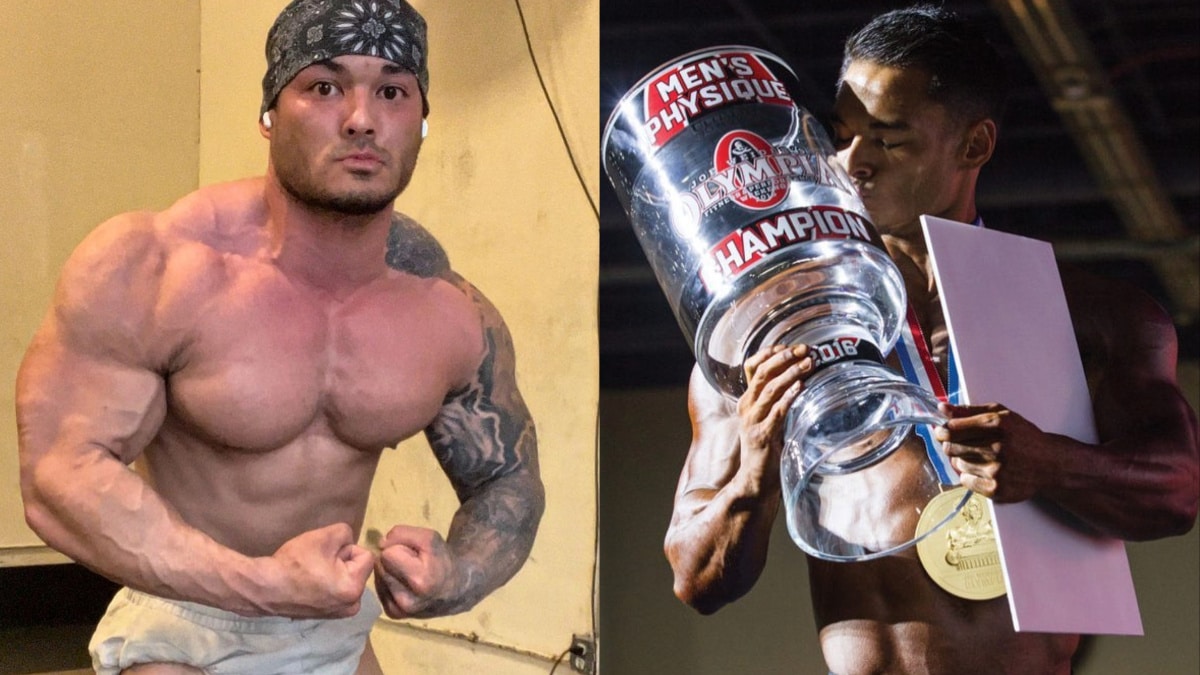
Jeremy Buendia Announces Comeback Battle for 2023 Olympia
American bodybuilder Jeremy Buendia boasts one of the most impressive records of any competitor in the Men’s Physique class. Although he stepped away from professional competition a few years ago, he never ruled out the possibility of a return. In a recent Instagram post, Buendia announced his plans to make his comeback at the 2023 Olympia and teased a battle with reigning champ Erin Banks on June 8 with a special collaboration.
Jeremy Buendia grew up playing football in his high school days. He found his passion for bodybuilding after suffering injuries to his neck and back. He earned his IFBB Pro card in 2013, the same year the Men’s Physique division was added to the Mr. Olympia competition. Buendia turned in a strong performance but fell short of the inaugural winner Mark Anthony Wingson.
Having narrowly missed out on the win, Buendia worked hard in the off-season and came back stronger than ever for the 2014 Mr. Olympia. He exacted revenge by dethroning Wingson to secure first. Then, Buendia managed to ward off the new crop of talent and went on a dominant run that saw him become a four-time Men’s Physique Olympia. His last appearance came at the 2018 Mr. Olympia, where he dropped the title to three-time winner Brandon Hendrickson.
Buendia teased a comeback to the Olympia stage in the final quarter of 2019. He teamed up with former Mr. Olympia Brandon Curry to get ready for the event. In July 2020, he offered a jacked physique update ahead of his anticipated return and later shared some of his best tips on training rear delts for muscle growth. Ultimately, his comeback was put on ice again.
The 32-year-old stunned with an impressive physique update in April last year. Buendia presented an improved package that sparked speculation about a potential move to the Classic Physique category. He confirmed his plan was to get back on stage bigger than ever before. Specifically, his goal was to bulk up to 225 pounds.
Jeremy Buendia and reigning Men’s Physique Olympia Erin Banks traded verbal jabs ahead of the 2022 Mr. Olympia last September. Buendia took issue with Banks disrespecting other contenders and Hendrickson stepped in to cool things down. As of late, Buendia opened up on his ambitions to win another Olympia contest following Banks’ victory in December. He believes the competition was razor-close and doubled down on his eventual return.
Jeremy Buendia announces comeback for the 2023 Mr. Olympia, teases battle with Erin Banks in June
In a recent Instagram post, Jeremy Buendia shared his plans to make a comeback for the 2023 Mr. Olympia. He also teased a battle with reigning Men’s Physique champ Erin Banks next month.
“I’m all in we are only 6 months away from the comeback!” he wrote. “Olympia Battle June 8th be sure to tune in to OlympiaTV.”
Jeremy Buendia gave his take on the current state of the Men’s Physique division four months ago. He recognized the danger presented by Banks’ height and believes that added size and conditioning could help him claim gold.
In addition, Buendia laid out a gigantic 4,600-calorie bulking diet he utilized to pack on 19 pounds in a span of two weeks last October. The off-season diet consisted of seven massive meals to keep him energized while still adding muscle mass.
RELATED: Jeremy Buendia to Flex Lewis: To Beat Erin Banks at 2023 Olympia, I Have to Bring a ‘Flawless Package’
It remains to be seen whether Buendia will follow through with his plan to step on the Olympia stage later this year, but all signs point to his return in November, where he’ll face off with Erin Banks.
Published: 4 May, 2023 | 11:12 PM EDT
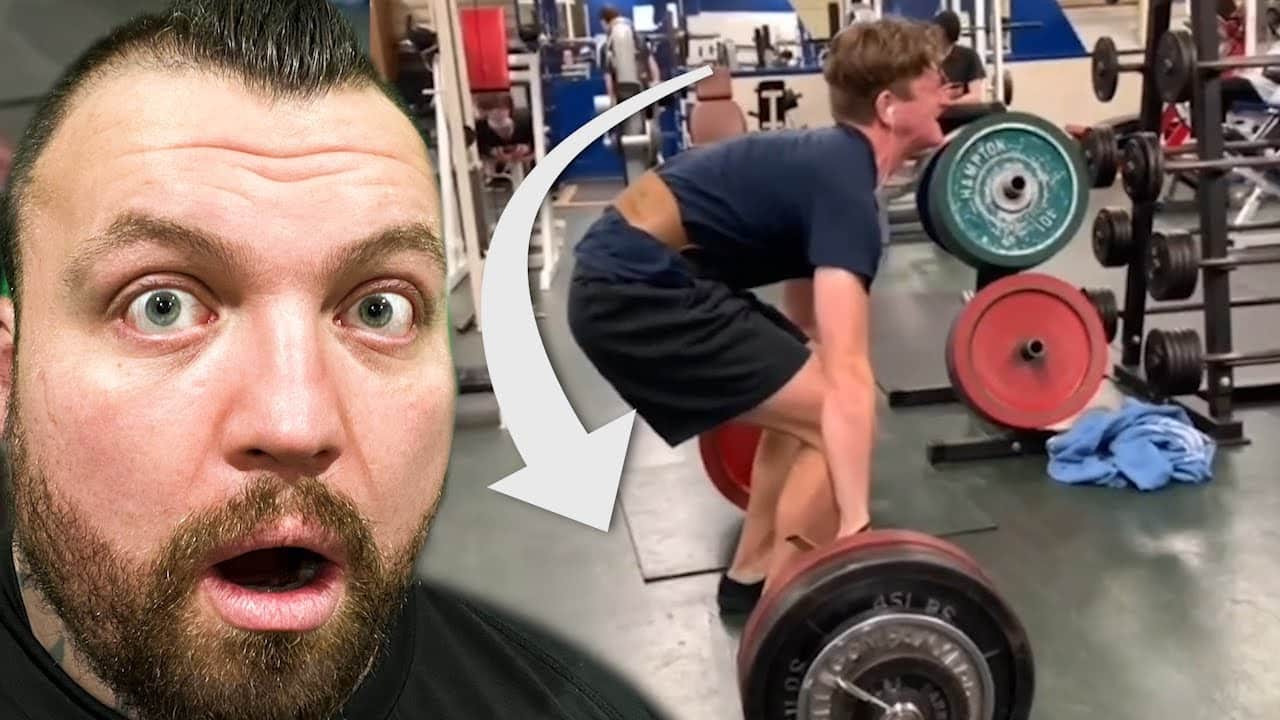
Eddie Hall Reacts to Hilarious Gym Fails: ‘Nearly Crushed Her Head & Died’
Strongman legend Eddie Hall carved his own space in strength sports and fitness-related activities. While he no longer competes professionally, he stays connected with the community as a revered figure. In a recent video posted on YouTube, Hall shared his reaction to some crazy gym fails.
Eddie Hall started out participating in regional and national Strongman shows in 2010. After coming out on top of his debut contest (England’s Strongest Man), Hall became confident about his chances in the sport. He dominated the British circuit, winning six UK’s Strongest Man titles and five Britain’s Strongest Man honors. He earned his maiden qualification to the World’s Strongest Man contest in 2012.
Hall set several World Records, including the 462-kg (1,019-lb) deadlift in Mar. 2015, the 465-kg (1,025-lb) Elephant Bar deadlift in Mar. 2016, and the epic 500-kg (1,102-lb) conventional deadlift in Strongman rules in Jul. 2016. He finally secured the World’s Strongest Man title by edging out fellow icon Hafthor Bjornsson in 2017. Following the win, Hall indicated his plans to move on from competition.
’The Beast’ switched to boxing for a single bout after getting challenged by Bjornsson, who broke his deadlift World Record. The rivals clashed inside the boxing ring with Bjornsson getting the nod on the judges’ scorecards. In Aug. 2022, Hall laid out his full day of eating ahead of a planned return for the 2022 Giants Live World’s Strongest Nation.
Earlier this year, Eddie Hall announced his ambitions to compete in bodybuilding in 2024 after taking inspiration from former two-time Mr. Olympia Mamdouh ‘Big Ramy’ Elssbiay and reigning four-time Classic Physique Olympia champ Chris Bumstead. He’s confident he could perform well if he cut down his body fat. He joined forces with Jamie Christian-Johal for an intense back training session weeks later. The duo struck a strong partnership and regrouped for another grueling chest workout three months ago. Then, he continued to improve his physique for bodybuilding with a fierce back workout.
Hall reflected on his glittering career a few weeks ago. He revealed consuming 20,000 calories in a single day while maintaining a diet of 12,500 to 15,000 calories every day at the height of his powers. He credited his recovery process for leading him to become the World’s Strongest Man.
Eddie Hall reacts to hilarious gym fails
In a recent YouTube video, Eddie Hall shared his reaction to some crazy gym fails, including accidents, mishaps, and dangerously improper reps.
“What’s going to happen here?” said Hall. “Oh my god! Literally her trainer came off the foot and she nearly crushed her head onto her knee, nearly died. That is horrendous.”
“Oh! Did you see that? Her whole knee broke. Her whole one came out the socket for a split second. I don’t know what went on there.”
“The most sketchy rep I’ve ever seen. Oh my god! Ewww, oh dear! Put it down. Put it down. Just put it down. No, let go!”
Eddie Hall partnered with bodybuilding legend and four-time Mr. Olympia Jay Cutler for a brutal upper-body training session two months ago. Cutler lauded Hall for his work ethic while mentoring him through the back workout. Then, Hall collaborated with powerlifting sensation Larry Wheels for a taxing shoulder workout two months ago. Both strength sports veterans are gearing up to make a splash in bodybuilding.
You can watch the full video below.
Published: 4 May, 2023 | 10:47 PM EDT
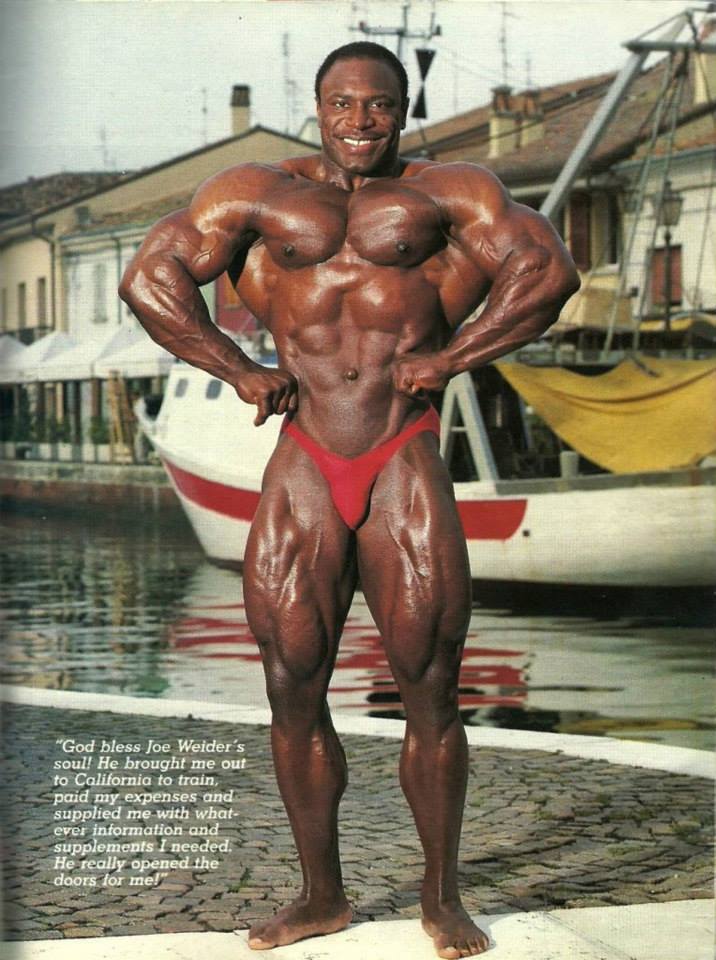
Lee Haney Shares Iconic Police Traffic Stop Photoshoot After First Mr. Olympia Win in 1984
Bodybuilding icon Lee Haney has a lot of strong memories he’s taken away from his time in the sport. Recently, he looked back on his ‘most iconic’ photoshoot shortly after winning his first Mr. Olympia title in 1984.
As an active IFBB Pro League competitor, Lee Haney was unique and well-rounded. Having possessed an aesthetic combination of mass, conditioning, and fullness, Haney extended his reign as Mr. Olympia from 1984-1991. While building his physique, he faced the who’s who of the bodybuilding world, defeating names such as Frank Zane, Lee Labrada, and six-time winner Dorian Yates.
In addition to discussing his rivalry with Yates, Haney has been critical of the standards present in today’s Men’s Open division. He continues to warn up-and-coming bodybuilders about the dangers of dehydration and poor coaching. In light of the growing problem, Haney recommended a set of safe contest prep tips which center around proper nutrition.
Lee Haney / Instagram
Haney isn’t the only bodybuilding veteran to take aim at dehydration recently. Samson Dauda’s coach, Milos Sarcev, has tackled the topic as well as 1990s standout Rich Gaspari. Sarcev believes dry conditioning should no longer be rewarded by judges as it encourages dangerous practices.
In his latest Instagram post, Haney was filled with nostalgia resharing a photoshoot after winning his first Olympia title. He explained that a nearby police officer was tasked with stopping oncoming traffic so they could capture the image.
Lee Haney Shares Iconic Photoshoot in New York Following 1984 Mr. Olympia Victory
Haney revealed that Mike Nevuea took the photo in the middle of New York City traffic.
“In 1984 after winning my first Mr. Olympia title and completing a indoor studio photo shoot, i was asked by the photographer to (Mike Nevuea) to step in front of a man hole for a out door shot. I said to him “who’s going to stop this traffic”? Low and behold, a police officer was standing near by and brought the traffic to a halt.
I removed my shirt and the rest is history. Thanks to Mike and one of New York City Finest this is one of my most iconic photos. I love New York” Lee Haney shared.
Some in the bodybuilding community reacted to Lee Haney’s post, like Gaspari, who remembered training with Haney before he went on a historic Mr. Olympia-winning reign.
Reflecting on his career, Haney thought about quitting after the seventh Mr. Olympia title. When he was actively competing, Haney struggled with motivation after reaching the top of the sport. Despite the pressures of being a champion, he returned for his final Mr. Olympia contest in 1991 where he defeated Yates to win his final Sandow trophy.
RELATED: Bodybuilding Legend Lee Haney Pleads With Bodybuilders To Be Open About Mental Health
While the Men’s Open has undergone major changes since Haney’s time in the spotlight, there’s no denying his impact on the category. He remains one of the most successful bodybuilders of all time and is tied with Ronnie Coleman with eight Mr. Olympia titles.
Published: 4 May, 2023 | 7:07 PM EDT