
Muscle Chemistry Archive
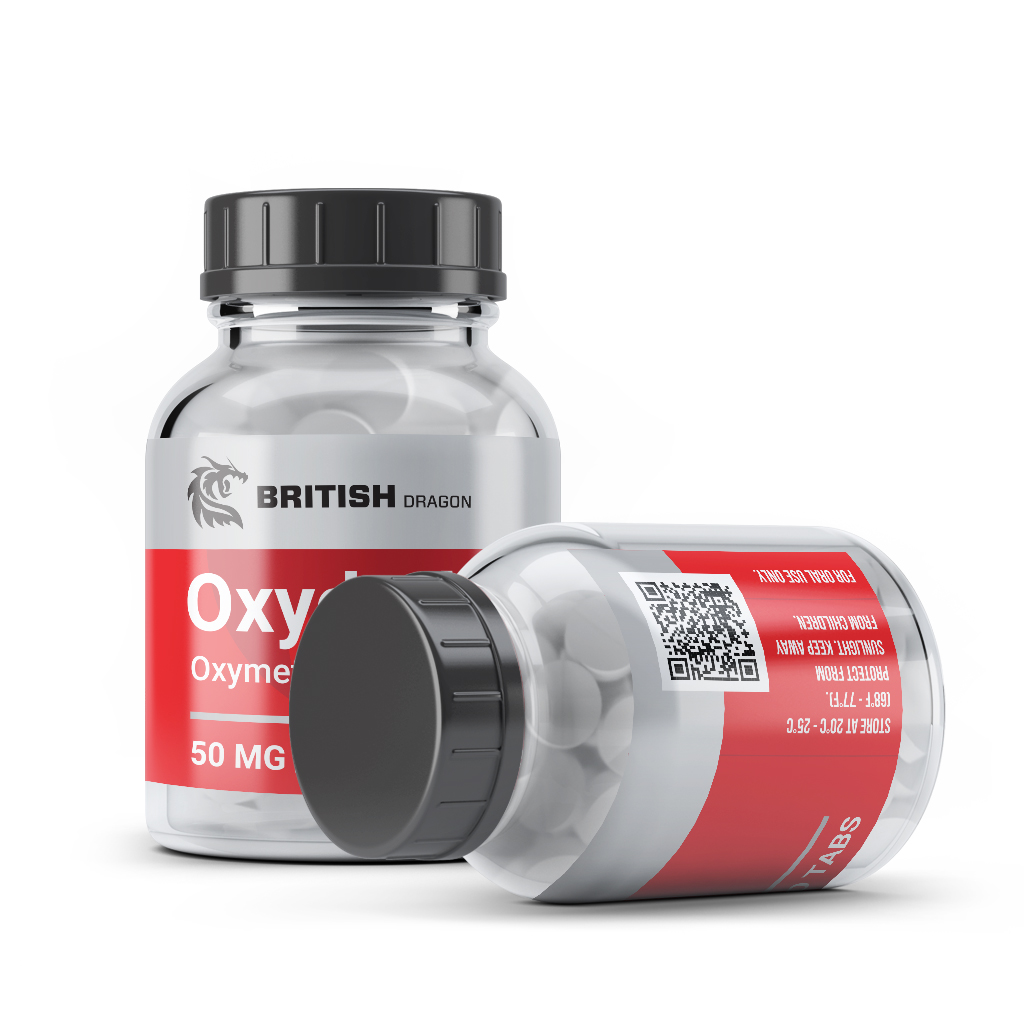
Deciding On The Oxydrol Optimum Dosage
As much as the right dosage of Oxydrol by British Dragon do vary, the safe amount of the drug can be put to be within the domains of around 0.5 and even 0.8 mg as per each pound of weight in a single day. In essence, the dose corresponds to about 1 to 4 tablets or between 50 to 200 mg each day. Experts have warned athletes never to thinks of taking more than a dosage of four tablets in a single day.
For those individuals taking Oxydrol, and more so for theirs being the initial dose in their life, they should contemplate on taking around 50mg tablet while the daily dosage could be under increase to around 2 tablets; every morning one tablet as well as in the evening, and taken in line with ones meals immediately after a single week.
For those athletes who have their weight exceeding the 220 pounds mark, they could increase their daily dosage to be around 150 mg within the 3rd week. In this dosage, it must never be used for more than two or three weeks. For this regimen, the dosage must be reduced through discarding a tablet each week. The Oxydrol steroid do saturate fast its receptors, thus it must never be taken for more than six weeks.
The most dramatic build up of body mass that is observed immediately after its administration rapidly goes down. In the next stage, the drug can be increased in terms of dose, which in essence could be really risky within the wake of harmful effects, or even be able to move a bit up as to the domain of another product. The steroid Oxydrol after being taken for around 4 to 6 weeks aids one to comprehensively gain around 20 to 25 pounds. This is good and it should be an encouragement to the bodybuilder or athlete to refrain from Oxydrol usage.
Immediately after the intake of Oxydrol has reached its end, it is quite important to further the steroid intake through the use of another compound, since a more reduction of an individual’s body strength and mass is seen in the return, firmly, into its original initial shape. There has been no other androgenic/anabolic steroid which leads to the cause of such a quick and serious loss in body strength as well as body mass, such as is the effect of Oxydrol.
Many athletes have been widely advised and in their best interest to just move ahead with the usage of the injectable steroid Sustabol or even the testabol enanthate for a couple of weeks.
Many bodybuilders have usually been combining Oxydrol and Decabol or even Testosterone enanthate in the build up of their bodies’ mass and body strength. A far much more effective steroid combination, which also favored by most professionals, do consist of the Oxydrol steroid at the capacity of 50 to 100 mg in a day, Sustabol at 350 to 700 mg within a day and Trenabol at 200 mg in each and every week.

Arash Rahbar: The Best Pump You’ll Ever Get Is From Sodium
Arash Rahbar reveals the misconceptions behind sodium for bodybuilders.
For the average person interested in fitness, one of the biggest things you’ll hear is to avoid sodium in your diet. Sodium can lead to high blood pressure and weight gains. If unchecked, it can lead to some serious heart problems long term. While this is true, removing sodium completely from your diet is also not the answer. Like many things, it’s all about moderation. This becomes even more complicated, though, for bodybuilders. In our latest GI Exclusive interview, Arash Rahbar details the misconceptions people have about sodium in a bodybuilding diet.
In the modern world, everything has added sodium. According to Arash Rahbar, this is for two reasons. The first is as a preservative. It helps keep food longer which is essential for our current era of canned goods and instant meals. The second reason for sodium is more simple – it makes things taste better. You’d be surprised how many processed foods actually contain sodium – even sweet food. It’s a key ingredient to making things taste better.
Of course, we know that relying too much on processed foods is bad for you. It all contains too much sodium and when eaten consistently can lead to high blood pressure, weight gain, and long term heart problems. But when it comes to bodybuilding, things get a little more complicated.
A competitive bodybuilder’s main goal is to appear as dry and conditioned on stage. This is to show off the massive muscle they have built. But sodium plays a key role in that process. If a bodybuilder were to remove sodium completely, not only would they feel worse, they would also appear “flat” on stage.
[embedded content]
Check out our latest GI Exclusive with Arash Rahbar above!
Without getting into the science or technical details, Arash Rahbar explains how sodium essentially regulates your blood pressure. This is why too much gives you high blood pressure (also known as hypertension). In fact, having high sodium is the best way for a bodybuilder to achieve the pump during a workout.
It might sound backwards, but it’s true. Arash Rahbar keeps himself on a high sodium diet. But he makes sure to stay as healthy as possible in his overall diet. His sodium isn’t coming from chips and snacks. Much like anyone, balanced sodium in your diet is important. For bodybuilders – what is considered “balanced” might be a bit different than the average person.
Arash Rahbar admits that he is no doctor or scientist. But he does know from years of experience and experimentation that no sodium in your diet is also bad for you. For bodybuilders it’s even worse. It can lead to bloating and when combined with fasting – can make your muscle look flat.
Of course, too much sodium can also lead to more water retention, which will make a bodybuilder’s muscle puffy and soft. It’s all about balance. What that balance is might be different for each bodybuilder.
You can watch Arash Rahbar go into even more detail about sodium in bodybuilding by watching our latest GI Exclusive interview segment above!

Struggling to Build Muscle? Here’s Why Your Muscle Fiber Type is Important
Genetics Play an Important Role in How Much Muscle You Build
Have you ever struggled with building muscle no matter how hard you try? If that’s you, then don’t be too hard on yourself. It’s because of your genetics, specifically, the muscle fiber type you were innately equipped with.
You see, your muscles are made up of muscle fibers, which consist of fast-twitch and slow-twitch fibers. Depending on which one you have more of, will determine how much muscle and strength you build and your capability to excel at certain physical activities.
Read the rest of this article to learn about the different muscle fiber types, and what they’re best for.
How to Build Muscle
To build muscle, you need to place your muscles under enough stress that causes them to grow. You do this via resistance training, a caloric surplus, and the progressive overload principle. Of course, you need to do resistance training via lifting weights to build muscle. It’s also important to eat enough calories and protein and follow the progressive overload principle, increasing the weight you’re lifting as often as possible.
These are the key principles to practice to build muscle, however, they’ll only get you so far, even if you’re doing everything right. That’s because a big culprit to the amount of muscle you’re able to build is based on your genes (1). That’s right! If you build muscle fairly easily, then it’s likely because you won the genetic lottery when it comes to weight training. On the contrary, if it’s hard for you to build muscle no matter how hard you try, it’s likely because you were dealt a bad hand in the gene pool.
In fact, a great portion of your strength and muscle mass potential has to do with your genetics.
Body Types
Before we dive into the specifics of the different muscle fiber types, let’s first take a look at the different body types, somatotypes. Your somatotype is more or less your body’s natural build, and there are three types: ectomorph, mesomorph, and endomorph.
Below, there’s a list of the difference between each one.
Somatotypes
Ectomorph: naturally skinny, hard to build muscle, but also hard to gain fat e.g., skateboarder.
Mesomorph: not too skinny, not too big, fairly easy to build muscle and lose weight if on a proper regimen e.g., NFL wide receiver.
Endomorph: big, builds muscle easily, hard to lose fat e.g., Bodybuilder.
You may have heard of these before, and they play a role in your body’s natural frame and your ability to lift weights. For example, an endomorph will likely be stronger than an ectomorph since they are more massive, however, ectomorphs can cheat more on their diet since it’s harder for them to gain weight.
Although your body type is important when it comes to your body frame, your muscle fiber type is a good determiner of how much muscle and strength you’ll be able to pack on your frame.
What Is Muscle Fiber?
Your skeletal muscle is made of muscle fibers, individual contractile cells within a muscle that is responsible for allowing the muscle to produce force and motion. Depending on the amount of each muscle fiber that makes up most of your muscle, will determine how much force and the power output they’re able to produce (2).
Muscle Fiber Types
There are two basic types of muscle fibers, slow-twitch, and fast-twitch. Depending on which one you have more of will determine your innate ability to lift weights and how much strength and muscle you build. Of course, following a structured program and doing everything right to maximize your muscle growth is a huge part of building muscle, however, everyone’s got a genetic potential, and unfortunately (or fortunately, depending on where you fall in the genetic pool and what your goal is), your genetics play an enormous role in how much strength and muscle mass you do gain.
Fortunately, even if you don’t fall on the end of having the right fiber type that’s churned to build you the most muscle and strength possible, you’ll have other benefits that the genetic freaks lack. Let me explain.
Fast-twitch muscle fibers are meant for short, explosive bursts e.g., sprinting, powerlifting, whereas slow-twitch muscle fibers types are for endurance activities e.g., marathon runners, long-distance swimmers. More specifically, there are three types of muscle fibers: slow oxidative, fast oxidative (fast-twitch IIA), and fast glycolytic (fast-twitch IIB).
Fast-twitch Muscle Fibers
Fast oxidative fibers use your anaerobic energy system to produce ATP and produce stronger contractions than slow oxidative fibers.
Fast-twitch Activities
Powerlifting
Sprinting
Jumping
Strength and agility training
These are activities important for many sports, including football, basketball, and UFC.
Specifically, fast-twitch type IIA fibers are best for the sports and movements that produce the most force e.g., powerlifting, 40 yard-dash, 100m sprint. Fast-twitch type IIB fibers, aka intermediate muscle fibers, are primed for activities that are explosive but not quite as explosive as fast oxidative fibers (think the 400m sprint, 200m sprint, or lifting medium-heavy weight within a medium rep range).
Researchers at Ball State University sampling muscle tissues of the world-record holder for the 60-meter hurdles in the 80s found his quad muscles to contain 71% fast-twitch fibers (3).
Slow-twitch Muscle Fibers
Slow oxidative fibers rely on your aerobic energy system to contract over long periods and are slow to fatigue.
Slow-twitch Activities
Cycling
Running
Rowing
Although elite sprinters have more fast-twitch fibers, elite endurance athletes, such as cross-country skiers have mainly slow-twitch muscle fibers — 60-80% of their muscle fibers (4).
Everyone’s born with a certain amount of both fiber types. Although you can train yourself to utilize more of one fiber type than the other, a good portion of your potential to maximize one is what you were innately born with (5). With that being said, both fiber types do have their drawbacks.
Pros and Cons of Different Muscle Fiber Types
If you’re a bodybuilder, powerlifter, weightlifter, or average gym-goer looking to build muscle, then you’ll benefit the most from having a lot of fast-twitch muscle fibers. If you don’t naturally have a lof fast-twitch muscle fibers though, it’s okay. You can train your body to maximize the most it’s capable of producing by training smartly. Also, you’ll have a lot more endurance since you’ll have more slow-twitch muscle fibers, which comes in handy for many tasks as well, including a pickup game of basketball, running, and other endurance sports.
If you’re an endurance athlete, then you’ll benefit the most from having more slow-twitch muscle fibers than fast-twitch ones. The con to this is obviously that you won’t be able to build as much strength or pack on as much muscle.
Genetic’s Role
Now that you know the differences in different muscle fiber types and their role in physical activities, you probably have a general idea of which one your body has more of. If you’ve generally struggled with building muscle mass and building strength, then likely you have more slow-twitch muscle fibers. So next time you see a freak of nature in the gym, just remember that it’s likely because they were blessed with more fast-twitch muscle fibers.
Although for most people, you’ll have a split of 50/50 fast-twitch muscle fibers and slow-twitch muscle fibers (6).
Conclusion
There’s a lot you can do to maximize your strength and muscle mass, however, it’s to a certain extent. Unfortunately, your genetics and the muscle fiber type you have more of naturally play a big role in how much strength and muscle you’re capable of producing.
You have both fast-twitch and slow-twitch muscle fibers. Fast-twitch muscle fibers are better for building muscle and explosive activities, including powerlifting and sprinting, while slow-twitch muscle fibers are better for endurance activities, such as rowing and swimming.
Not being able to build as much strength and muscle mass due to having fewer fast-twitch fiber types isn’t necessarily bad though. It means you’ll dominate endurance activities.
Which muscle fiber type do you have more of? Let us know and follow us on Facebook, Instagram, and Twitter.
References
1 – Verbrugge, S., Schönfelder, M., Becker, L., Yaghoob Nezhad, F., Hrabě de Angelis, M., & Wackerhage, H. (2018). Genes Whose Gain or Loss-Of-Function Increases Skeletal Muscle Mass in Mice: A Systematic Literature Review. Frontiers in physiology, 9, 553. https://doi.org/10.3389/fphys.2018.00553
2 –Wayne Scott, Jennifer Stevens, Stuart A Binder–Macleod, Human Skeletal Muscle Fiber Type Classifications, Physical Therapy, Volume 81, Issue 11, 1 November 2001, Pages 1810–1816, https://doi.org/10.1093/ptj/81.11.1810
3 – Trappe, S., Luden, N., Minchev, K., Raue, U., Jemiolo, B., & Trappe, T. A. (2015). Skeletal muscle signature of a champion sprint runner. Journal of applied physiology (Bethesda, Md. : 1985), 118(12), 1460–1466. https://doi.org/10.1152/japplphysiol.00037.2015
4 – Holmberg, H.‐C. (2015), The elite cross‐country skier provides unique insights into human exercise physiology. Scand J Med Sci Sports, 25: 100-109. https://doi.org/10.1111/sms.12601
5 – Jansson, E., Esbjörnsson, M., Holm, I., & Jacobs, I. (1990). Increase in the proportion of fast-twitch muscle fibres by sprint training in males. Acta physiologica Scandinavica, 140(3), 359–363. https://doi.org/10.1111/j.1748-1716.1990.tb09010.x
6 – Fry, A. C., Webber, J. M., Weiss, L. W., Harber, M. P., Vaczi, M., & Pattison, N. A. (2003). Muscle fiber characteristics of competitive power lifters. Journal of strength and conditioning research, 17(2), 402–410. https://doi.org/10.1519/1533-4287(2003)0172.0.co;2

Best Pull-Up Bars For At-Home Gains & Convenience 2021
These pull-up bars are great for beefing up your home gym to see real gains.
Table of Contents
For those looking to continue to beef up their home gym, pull-up bars are an essential. Able to fit in your doorframe or other spaces, this piece of equipment is convenient and can result in worthwhile gains for strength, size, posture, and physique. Pull-ups in particular are a timeless upper body challenge, designed to work for increased grip strength, promote lat growth, and aid in lengthening the spine for better posture and support. What you will get out of a high-quality pull-up bar is a great fitness tool designed to improve all of your goals.
We’ve put together a list of the Best Pull-Up Bars so you can choose between some seriously amazing options. We know the choice can be difficult, but this list may have brought a little more clarity to your decision.
Best Overall: MUSCOACH Pull-Up Bar
MUSCOACH Pull-Up Bar brings a multi-purpose and ergonomic angle grip to this pull-up bar for maximum muscle engagement and wrist support. The soft and thickened sponge handle allows for solid grip and no slippage and this bar allows for 4 grip positions: normal grip, close grip, wide grip, and hammer grip. The large hook design makes this an easy to assemble bar with no screws to fit in almost any doorway. With solid durability and versatility for movements, this is a great pull-up bar overall.
Pros: Convenient and allows for variety in your pull-up/chin-up style workouts. Easy assembly and no screws make this a worthwhile purchase.
Cons: It doesn’t fit all doorways and the bar may be too wide for some. Versatility comes into question with chin-ups and the lower stabilization bar.
Price: $69.90
Click here for the best price
Check out our individual review for MUSCOACH Pull-Up Bar here!
Best Mounted: X Mark Multi-Grip Pull-Up Bar
X Mark Multi-Grip Pull-Up Bar is uniquely engineered with parallel and angled hand grips to allow you to target your muscles as best you can. This wall mounted bar offers knurled hand grips to ensure a great grip even in the most grueling of workouts. With a solid support frame and one that can be easily mounted on your wall, this pull-up bar is great for its functionality and mounting ability.
Pros: Built well and mounts easily. Great grip options to get a seriously effective workout. Knurled grips are somewhat unique for pull-ups bars which is a nice touch.
Cons: Could use less bolts to secure or make the bolts more sturdy, as some have broken during assembly.
Price: $174.00
Click here for the best price
Best Adjustable: SIEBIRD Doorway Pull-Up Bar
SIEBIRD Doorway Pull-Up Bar is the one you need if you want no screwing or drilling. In just minutes, you can set this anti-skid device on both sides of the doorframe and firmly stick it on the wall. Despite the quick set-up, it will offer great support and safety to you. The patented security lock makes sure the bar doesn’t loosen during training and thick silicone pads allow for enhanced stability against slippage. With soft foam grips providing for extra comfort, this will increase grip strength and minimize hand fatigue. For its easy to assemble to put in place qualities, this is a great adjustable pull-up bar for you.
Pros: No screwing or drilling makes for easy set-up. Patented security lock is a nice touch for that added sense of support and stability. Foam grips provide comfort and help avoid hand fatigue.
Cons: Does slide down the door or wherever you place this bar. The design is great in theory but there are better ones out there for a more secure fit.
Price: $29.99
Click here for the best price
Best Multifunctional: STOZM MultiEx Chin-Up Bar
STOZM MultiEx Chin-Up Bar can be installed in seconds and works great for functionality. Built from heavy steel, this bar can withstand rigorous training and ensures safety and efficiency to allow for the most out of that training. Compact and can be installed by adjustable hooks, the smart locking mechanism allows for stability. Grip options include wide-grip, close-grip, and other pull-up grips, as well as capabilities to perform dips. For its many uses and great exercise options, this is a really nice multifunctional pull-up bar.
Pros: Great for multifunctional use in terms of pull-up grips and dip options. Easily adjustable hooks allow for instant locking.
Cons: Rubber hand grips are not great and need to be replaced as they will start to slide out.
Price: $99.99
Click here for the best price
Best Free Standing: KT KNANH TRINH Power Tower
KT KNANK TRINH Power Tower is a unique take on the pull-up bar but we wanted to give you a free-standing option. This power tower will unfold to allow you to perform any number of exercises including pull-ups, chin-ups, vertical knee raises, or a number of stretches. It is well-built and has a quality structure for great stability and can withstand close to 771.6 lbs. Foldable and versatile as well, it allows for easy storage and set-up for whenever you want to use it.
Pros: Interesting idea and great for performing a number of exercises. Can hold a lot of weight and is foldable and versatile for easy storage.
Cons: Not as stable as advertised and may move slightly when you are on it.
Price: $279.99
Click here for the best price
Benefits Of Pull-Up Bars
The benefits of pull-ups bars are great and should give you the best chance at seeing progress with whatever your goals may be. Benefits of pull-up bars include:
Increased strength: Performing pull-ups and chin-ups are great ways to build strength and size for a shredded aesthetic, but also build functional strength to use for everyday activities (1).
Enhance grip strength: Grip strength is very important for functional movements, as well as those big lifts, and pull-up bars can help you get there (2).
Better posture: Posture is everything and by working muscles that support better posture you will sit upright, walk taller, and have more confidence (3).
Get that V-shape: Pull-ups work the lats to a great extent which have great control in forming in that desired V-shape we all know and love.
Convenient: With a pull-up in your home, you can enjoy a workout whenever you want to really boost your gains.
Key Features & How To Choose
When looking to choose a pull-up bar, it can be challenging to find the right ones but there are some things to look for.
Grip options: Many pull-up bars offer a variety of different grips to use, whether it be traditional, wide grip, or neutral grip to challenge you differently.
Versatility: This is important because often times pull-ups can be used for other exercises like dips as well. You want a product that will be multifunctional if possible to help boost gains.
Padding: We know your home matters to you and padding can offer support so as to not damage wherever you choose to put your pull-up bar.
How We Decide
When it comes to choosing the right pull-up bars, we look at a number of factors when putting together this list. First is quality and durability of the product, for you deserve to have the best when it comes to build. A good pull-up bar will last a while and allow you to not only use for a long time, but also be durable to hold your weight, especially after repeated abuse. We also look to fit and functionality. Many of these will fit into any doorframe or won’t take up too much space in your home or apartment. The benefit of a pull-up bar is that it’s a great piece of equipment for you to use whenever you want. Of course, price matters. A lot of fitness equipment tends to be very expensive and we wanted to give you options to not break the bank but allow you to still have a great product at a reasonable price.
FAQ Section
What is the best pull-up bar?
MUSCOACH Pull-Up Bar. This is a multi-purpose and ergonomic angle grip pull-up bar to provide for maximum muscle engagement and wrist support. The soft and thickened sponge handle allows for solid grip and no slippage and this bar allows for 4 grip positions: normal grip, close grip, wide grip, and hammer grip. With solid durability and versatility for movements, this is a great pull-up bar overall.
Are pull-up bars safe?
A good quality pull-up bar with proper care and attaching parts is absolutely safe to use. This is where research is important as you look to see other customer reviews and simply what it takes to attach the respective pull-up bar to whichever part of your home you choose.
Will this fit in my doorframe?
This is where you will have to check the measurements because every product is different. Measure out the desired space you choose and check the measurements of your desired product. Also, these options allow for adjustability so you do have some versatility with where to put them.
Can I keep moving my pull-up bar around?
Depending on the specific product, potentially. Some are easy to unhook and reattach at a different point in your house. Others require a more stable fix with screws and can create holes and havoc on your home if you constantly move. Make sure you know what you want out of the pull-up bar from the start to avoid any issues.
Wrap Up
Pull-up bars have the potential to really beef up our home gyms by allowing us to perform a host of exercises and stretches to really maximize growth and recovery. Finding the right pull-up bar can be challenging and with so many on the market, its no wonder the choice causes a major headache. This list should provide you with some great options to really increase your chances at seeing real strength and size, as well as a shredded aesthetic. Check this list out today and see which pull-up bar works best for your goals.
Generation Iron may receive commissions on purchases made through our links. See our disclosure page for more information.
Let us know what you think in the comments below. Also, be sure to follow Generation Iron on Facebook, Twitter, and Instagram.
References
Ronai, Peter; Scibek, Eric (2014). “The Pull-up”. (source) The Pull-up : Strength & Conditioning Journal (lww.com)
Lee, Julia-Ann; Sechachalam, Sreedharan (2016). “The Effect of Wrist Position on Grip Endurance and Grip Strength”. (source) The Effect of Wrist Position on Grip Endurance and Grip Strength – ScienceDirect
Harvard Health Publishing Healthbeat (2015). “Why good posture matters”. (source) Why good posture matters – Harvard Health

The 30-Minute Summer Shred Workout To Get You In Shape
30-Minute HIIT Workout For Fat Loss
Summer is here, and it could be bad news for you if you’re carrying over the extra kilos from the winter bulk. The good news is, you could get rid of your moon face in a few weeks by following a 30-minute HIIT cardio workout.
The key to a successful summer shred is to stick to the workout and keeping your diet under control. You could do the workout mentioned in the article at a gym or at your home. All you need are an exercise mat, a stopwatch and a willingness to transform your body.
Jumping Jacks – 1 Minute
You’ll be starting the workout with the jumping jacks. Your goal should be to keep the intensity as high as possible throughout the workout. Don’t just do the exercises for the sake of completing the one-minute target.
Rest – 30 Seconds
You’ll be taking a 30-second rest after every one minute of high-intensity training. Make sure you don’t prolong your resting time. Keep the stopwatch running throughout the workout and make sure you keep up with it.
Burpees – 1 Minute
Burpees are an incredibly effective fat killer. Follow a full range of motion while performing all the exercises in the workout. The only person you cheat by doing cheat reps is you. Maintaining high intensity while doing the burpees isn’t for the weak-hearted.
Rest – 30 Seconds
Crunches – 1 Minute
After performing the burpees, you need to lie down on the exercise mat and get into a crunching position. Keep your feet flat on the floor and your hands placed at the back of your head. Elevate your upper body until it is perpendicular to the floor. Return to the starting position and repeat for a minute.
Rest – 30 Seconds
Pushups – 1 Minute
Pushups are the next exercise on the rooster. After resting for 30-seconds on the floor mat, roll over and get into a pushup position. Place your hands slightly wider than shoulder width and squeeze your pecs at the top of the movement.
Rest – 30 Seconds
Mountain Climbers – 1 Minute
Mountain climbers are great for burning the fat in your lower abs and building a strong core. Get in a pushup position with your arms fully extended and toes placed together. Bend at your right knee to bring it close to your chest while your left leg stays planted on the floor. Return to the starting position and repeat with your left leg.
Rest – 30 Seconds
Standing Side Bends – 1 Minute
Standing side bends help with getting rid of your love handles. Stand with an upright torso and place your left hand on your side while your right arm is arched over your head towards the left side. Bend at your torso towards your left side while keeping your lower body stationary. Perform the exercise for 30 seconds on one side and then switch to the other.
Rest – 30 Seconds
Lunges – 1 Minute
Place your hands on your side as you get into the lunging position. At the bottom of the movement, the lower leg of the front leg should be parallel to the upper leg of the rear leg. Switch legs after 30-seconds of performing the lunges on one leg.
Rest – 30 Seconds
Lying Toe Taps – 1 Minute
Lie down on the exercise mat after performing the lunges. Lying toe taps are one of the easiest exercises to perform but can prove brutal for your sides. Your feet should be placed flat on the floor and your arms should be extended at your sides. Alternate between reps while you perform the exercise for a minute.
Rest – 30 Seconds
Squats – 1 Minute
If you maintain the high intensity, you should start feeling the heat by now. Squatting for a full one-minute will set your lower body on fire and will fill it with blood and lactic acid. The body fat will be asking you for mercy.
Rest – 30 Seconds
Planks – 1 Minute
Planks are incredibly effective at building core strength. Get into a prone position on the floor, supporting your weight on your toes and your forearms. Your arms should be bent and directly below the shoulders. Make sure your body is in a straight line throughout the exercise and you don’t slouch your hips or form a bridge to take the tension off your core.
Rest – 30 Seconds
Reverse the Exercise Flow
You’ll be 15 minutes into the workout after you complete the 10 exercises (10 minutes) and 10 rest periods (5 minutes). You need to reverse the exercise flow without taking any extra rest by starting from the planks and ending at the jumping jacks.
What is your target body fat percentage goal for the summer?
Let us know in the comments below. Also, be sure to follow Generation Iron on Facebook and Twitter.

Tips To Get Rid Of Stubborn Body Fat
Strategy is important if you want to be rid of annoying body fat.
A bodybuilder’s chief enemy is definitely the dreaded stubborn body fat. It’s that extra layer of fat around your lower abdomen. It’s the love handles of doom that cause you constant worry. How the hell do I get rid of that muffin top look. It’s something that many a bodybuilder has asked themselves.
They lift heavy, they have a decent diet and they do just enough cardio to burn fat without burning their muscle. Yet the love handles, obliques, and abdomen still look as flabby as ever. So what the hell can you do to lower your body fat percentage in order to make your muscles pop? Well take a look at a few of these tips to appear ripped in no time.
Diet
We’ve mentioned it before, but we can’t emphasize enough how important dieting is to making your abs pop. You can work the abs constantly, do a thousand sit ups, use that ab roller like crazy, but as long as your diet remains crappy then that extra layer of fat is likely going nowhere.
You have to build a diet around your macro nutrition. It’s all about percentages, so if you want to start seeing a change – then start shaping up your diet. Let’s dive into two different methods: ELEL and EMEM and see how you can utilize both to start making some major changes.
Eat Less, Exercise Less
Eat less?! Exercise less?!?! Why the hell would I do that?! Trust us when we say that it may sound like a risky proposition, one that would see you losing all of your gains. But you have to take in mind that if you want to drop body fat then you’ll have to take in less calories.
You’ll also have to understand that if your calorie intake is lower then performing the same amount of activity is likely going to result in you burning yourself out. Cut back on the weight and exercise at a moderate pace that will keep you functioning. Out of your three meals for the day One meal should be based around protein, another around vegetables, and only one containing starch.
Eat More, Exercise More
Now this is the method that everyone should be down with. The idea of eating light and working out light could be a bit of a turn off for some lifters. So after taking a few weeks to lighten the load, eventually it will be time to push hard again. Your calorie level should increase above your norm and you should start lifting again like crazy.
Three meals a day as well as two protein based snacks and twice the amount of starch intake post workout. This approach is based on burning stubborn fat by keeping your metabolism ticking and working out at a high pace.
Constantly sticking to the same diet can get your body programmed to one thing. Every once in awhile it’s good to change things up to keep the metabolism working instead of plateauing.
So what’s your thoughts on this method? Let us know in the comments below and be sure to follow Generation Iron on Facebook and Twitter.

Reach New Levels With The 5×5 Training Routine
Looking to switch things up? This popular routine is the ultimate answer.
Okay, so you’ve been hitting the gym for a while; six months or maybe a few years. Suddenly things are starting to feel repetitive. Sure you love the release, the intensity, the way your body is transforming – but the routine is just getting stagnant.
That’s where the 5×5 training routine comes in. This is one of the most popular bodybuilding workouts in the business and for good reason. Ever since it was popularized by Arnold Schwarzenegger by writing about it in his book, The New Encyclopedia of Modern Bodybuilding, the world has gone nuts for 5×5 training.
But what makes it so different? Let’s take a look and break it down so you can start reaping the benefits of the 5×5 method.
A quick word of caution though; this is a workout routine for experienced trainers only. You should have a solid foundation of base training before starting something like this. Between the high intensity and the high volume required of the workout – you can run the risk of overtraining or injuring yourself. Just keep that in mind.
Now onto the breakdown:
What is the 5×5?
So what makes the 5×5 so different from your usual routine? To start, you aren’t lifting to failure. The goal is actually very simple: you perform five sets of five reps for every exercise in your workout. The workout should consist of full body free weight exercises. The ultimate goal to this routine is to add weight and continue to push up the amount of weight as you progress.
You want the amount of weight to really challenge and test your limits. Traditionally the first two sets at a lower amount and then the last three on the higher end – WITHOUT hitting the point of failure. It is very important to hit all five sets and reps or the program will not be successful. It’s a delicate balance that will take some prep and testing at first – but the results will be mind blowing.
How to Get Started
During the first week or so you should be feeling out exactly how much weight your body can handle. This might mean you will have to start off on the cautious side. If you hit all 5 sets too easily then you know to up the weight next time.
Once you find that perfect balance for the weight – lift at this amount for the first two weeks. At that point, try bumping up the weight about 10 lbs. You should be able to complete all 5 sets with the added weight at this point. If not, jump down 5 lbs until you can move up in weight again.
You should only be performing this workout three times a week (usually Mon, Wed, Fri) so you can have a full day of rest in between to properly recover. You should also be aiming to do three exercises per workout (usually compound exercises like squats, bench press, overhead press, barbell rows, and deadlifts). But if you want, you can add supplement workouts with fewer sets to really focus in on a certain muscle area.
A quick note about rest times: you normally want to have your rest between sets at about 1.5 to 3 minutes – depending how much you are struggling to complete the 5 sets. It’s very important to get the right amount of rest so you can complete them in full.
Getting stronger/Sample Workout
Now that you’ve gotten into the groove you should start to notice an incredible increase in strength and muscle gains. Remember to constantly increase the weight every week that you perform the full five sets successfully. This way you will continue to increase your max reps and constantly challenge yourself.
If you get to a point where you start missing a rep, don’t worry; just keep at the same weight for the next week’s workout until you can successfully complete the whole thing. Soon you’ll find yourself hitting new levels so consistently that you’d wonder why you hadn’t used this method before.
To give you a full picture of exactly what this workout will look like – here’s a sample workout so you can really wrap your brain (and muscles) around it:
MondayFlat Bench Press – 5×5Bent-Over Barbell Rows – 5×5Standing Military Press – 5×5
WednesdayDeadlifts – 5×5Weighted Chin-Ups – 5×5Barbell Squats – 5×5
FridayStanding Military Press – 5×5Dumbbell Rows – 5×5Incline Dumbbell Bench Press – 5×5
Thinking about using the 5×5 method? Or have you already joined the many ranks in using this popular workout? Let us know in the comments below and make sure to hit us up on our Facebook and Twitter pages too!

Maximize Growth With Resistance And Time Under Tension
Really see gains by adding an extra challenge to your workouts.
When we hit the gym, we all want to see those big gains come to life as quickly as possible. Our workouts are most likely centered around a number of reps inside a number of sets, but little do we think of speed or intensity when it comes to our lifts. Spending time in the gym can be great, some would say cathartic, others necessary. But with busy lives and schedules, most of us can’t afford to set up shop all day in a gym and pump away. Adding extra challenges and various approaches to our workouts are ways to shorten the time in the gym while maximizing our full gains.
Time under tension (TUT) is one such way to do that. Playing a vital role in muscle development, this works to perform a kind of resistance training on your muscles to add increased tension. With so much research on the best ways to train your muscles, there is by no means just one way to do so. Time under tension is simply one of many ways to do so, but the benefits of time under tension will be enough for you to want to include it in your workout regimen.
What Is Time Under Tension?
Time under tension refers to how long a muscle is under a certain amount stress and strain during an exercise, or put in a different way, the amount of time the muscle is under tension (1). By lengthening the phases of the movement, you are enforcing the idea that your muscle will work harder to optimize strength, growth, and endurance.
By slowing down the whole movement, you not only work the muscle under tension longer, but also create opportunities to work on other aspects of your workouts like mind-muscle connection to really get your body in sync with your brain. This will ultimately improve form and allow for bigger lifts and more gains.
Benefits Of Time Under Tension
Time under tension is one way to help break through any training plateau that can hurt your overall gains by flatlining your progress. By contracting your muscles longer, they not only work to break plateaus, but also improve daily functioning and overall athletic performance (2).
Working to enhance muscle size and strength, you will look more toned and feel great while experiencing less muscle soreness and increased confidence. Slowing down movements with time under tension will also help work mind-muscle connection to not only increase growth but also relax your mind and provide for a sense of awareness and concentration.
How To Do TUT
Hold Reps At Both Ends Of The Movement
One very effective way to work time under tension is by pausing at both the top and bottom of your movement. By providing a pause, you really get that good squeeze through the muscle before engaging the lengthening movement really working for muscle pumps. The only caution is to not pause for too long because the overload on your muscles can lead to unwanted pain and injury. Just add enough to get the squeeze and the pump, but not enough time for the muscle to rest.
Change Tempo
By changing your tempo, you play around with various points of time under tension. While some of the faster reps may see that time under tension fade slightly quicker, the slower reps will trick your muscles and make them think one way about what you’re doing really enhancing the growth (3). More with this is add a pause at the top and bottom while changing tempo and your muscle may just have enough for the day.
Use More Advanced Techniques
Try and spice up your workouts with advanced training techniques to really work your muscles differently to provide for a big gains. Stretching in between sets, forced reps, or negatives are solid advanced techniques to really try and work towards serious growth. Drop sets are one great way to really finish off a workout with. By working to get muscles deeper than just the surface, you really enhance strength and size for maximum gains (4). When performing more advanced techniques, it is important to practice safe measures so a small mistake doesn’t lead to injury.
Best Exercises To Perform Time Under Tension
Bench Press: By lowering the weight to your chest and with the nature of this movement, it allows for full extension at the top with room to pause at both the top and bottom. You can also experiment with different weight and you don’t have to go too heavy.
Tricep Extension: Feeling control as you pull down, but also as you return to the top. More of a slower tempo with pauses at either end would work wonders for this exercise with time under tension.
Pushups: These are great to begin experimenting with because it is all bodyweight and low risk. Tempo control or increased reps with pushups will really work to enhance your overall benefit.
Hamstring Curl: Great isolation exercise that you can do with maximum control to really work the hamstring. Something like tempo control with this would really work to maximize time under tension.
Wrap Up
Time under tension is just one way to really work those muscles and that all around muscle development. As a form of resistance training where you put your muscles through various time under tension, you really work to enhance size, strength, and functionality as well as really making that physique pop. Change up your routine and really work to benefit your gym time by working more efficiently with something like time under tension to make every lift truly count.
Let us know what you think in the comments below. Also, be sure to follow Generation Iron on Facebook, Twitter, and Instagram.
*Images courtesy of Envato
References
Rathleff, Michael Skovdal; Thorborg, Kristian; Bandholm, Thomas (2013). “Concentric and Eccentric Time-Under-Tension during Strengthening Exercises: Validity and Reliability of Stretch-Sensor Recordings from an Elastic Exercise-Band”. (source)
Bolanos, Fernando (2016). “Overcome strength-training plateau with accentuated eccentric loading”. (source)
Headley, Samuel A.; Henry, Kelley; Nindl, Bradley C.; Thompson, Brian A.; Kraemer, William J.; Jones, Margaret T. (2011). “Effects of Lifting Tempo on One Repetition Maximum and Hormonal Responses to a Bench Press Protocol”. (source)
Kravitz, Len (2007). “Training to Failure”. (source)

2021 California Night of Champions Pro Scorecard
This website uses cookies so that we can provide you with the best user experience possible. Cookie information is stored in your browser and performs functions such as recognising you when you return to our website and helping our team to understand which sections of the website you find most interesting and useful.

2021 St Louis Pro Scorecards
This website uses cookies so that we can provide you with the best user experience possible. Cookie information is stored in your browser and performs functions such as recognising you when you return to our website and helping our team to understand which sections of the website you find most interesting and useful.