
Muscle Chemistry Archive
Best BCAA For Bodybuilding Health & Performance Goals
Maximize your muscle gains and minimize muscle breakdown with an all-natural BCAA stack.
Protein, creatine, and N.O. boosters—these are the big-name workout supplements preferred by bodybuilding newcomers and veterans alike, and they have remained a staple of bodybuilding supplementation for decades now as the best pre-workout, intra workout, or post workout enhancers.
However, one class of supplements that distinguishes the professionals from the amateurs: Branched-Chain Amino Acids (BCAAs).
Generally, amino acids are micronutrients required to build protein, which, in turn, helps build muscle tissue (1). Specifically, branched-chain amino acids are comprised of three essential amino acids (leucine, isoleucine, and valine) that are particularly conducive to muscle growth, development, and repair. Leucine, isoleucine, and valine are the secret weapons to seeing big gains come to life from a great supplement.
Taken during (intra) exercise or post-workout, a BCAA supplement can significantly boost both acute performance and long-term anabolic growth as well as muscle protein synthesis leading to fat loss.
Unlike standard protein powder supplements, branched-chain amino acids (BCAAs) rapidly digest and absorb into muscle tissue, offering acute “intra-workout” performance benefits in the here-and-now—as well as the now-and-later.
Briefly, the reasons to take a BCAA supplement include boosting:
Muscle Growth and Recovery
Strength and Endurance
Insulin-Activated Amino Uptake
Immune Defenses Against Gym Pathogens
Protection Against Muscle Breakdown and Soreness
Below, we will get into greater detail on the performance advantages and health benefits of taking branched-chain amino acids as an intra workout or post workout supplement. But before we do, let’s read a full analysis on the Performance Lab® SPORT BCAA, the Best BCAA Supplement for bodybuilding.
Best BCAA For Bodybuilding: Performance Lab SPORT BCAA
Performance Lab BCAA is a versatile and muscle boosting supplement perfect for optimizing growth. A ratio of 2:1:1 makes this easy to absorb and all around effective.
Performance Lab® BCAA is an ultramodern BCAA stack delivered in unique, clean, green NutriCaps® capsules for rapid delivery and absorption in exercising muscle tissue. Whereas many standard BCAA supplements fail to efficiently absorb—and often come in improper ratio forms— Performance Lab® BCAA’s Ajipure® and NutriGenesis® amino acids are optimized for enhanced potency and bioavailability in a great supplement.
Performance Lab® BCAA works by:
Accelerating muscle growth and slowing down muscle catabolism (breakdown) for maximum anabolic muscle capacity and muscle protein synthesis.
Energizing athletic endurance by inhibiting fatigue-inducing brain chemicals during exercise for increased training duration.
Combating muscle soreness and fatigue by reloading exercising muscle tissue with anabolic amino acids for quicker, healthier recovery.
Bolstering healthy immune defenses against heightened athletic exertion and gym-related pathogens.
Taken post-workout or intra-workout (during exercise), Performance Lab® BCAA acutely nourishes and protects muscle tissue, reorienting your muscle metabolism towards growth rather than breakdown.
Try Performance Lab SPORT BCAA Here
Performance Lab® BCAA Formula Analysis
Branched-Chain Amino Acids (BCAA) 2:2:1 Ratio of:
L-Leucine+ (Ajipure® and NutriGenesis®),1500 mg
L-Isoleucine+ (Ajipure® and NutriGenesis®),750 mg
L-Valine+ (Ajipure® and NutriGenesis®),750 mg
Performance Lab® BCAA supplies a muscle-optimized 2:1:1 ratio of L-leucine, L-isoleucine, and L-valine as easy-to-absorb Ajipure® and bio-enhanced NutriGenesis® amino acids.
Two mistakes many BCAA supplements make: 1. They often supply low-grade BCAA forms that fail to fully and efficiently absorb, and 2. They supply their BCAAs at skewed ratios unbacked by clinical research.
Muscle tissue is naturally comprised of a 2:1:1 ratio of L-leucine, L-isoleucine, and L-valine; however, because L-leucine is the most anabolic of the BCAAs, many supplements overdo it by rationing their formulas at 4:1:1 and even 10:1:1 composites in favor of L-leucine.
Instead, designed for rapid delivery and performance for an intra workout or post workout boost, Performance Lab® BCAA supplies a research-backed 2:1:1 ratio of L-leucine, L-isoleucine, and L-valine in a blend of two advanced ingredient forms:
Ajipure®: manufactured by Ajinomoto, a world leader in amino acid supplementation, Ajipure® offers pure, bioavailable BCAAs made from non-GMO, gluten-free vegetable carbs using patented Ferment-A-Pure technology.
NutriGenesis®: nature-identical BCAAs complexed with natural cofactors, such as probiotics, fibers, enzymes, and antioxidants, that promote nutrient absorption for optimal BCAA bioavailability.
As a mix of pure BCAAs and a lab-grown BCAAs complex, Performance Lab® BCAA’s Ajipure® + NutriGenesis® combo has set the new high standard of clean, yet powerful BCAA muscle enhancement.
Uniquely, Performance Lab® BCAA comes in capsule delivery form instead of powder, encapsulating its formula in clean, additive-free NutriCaps®, a patented, prebiotic-infused capsule constructed out of fermented tapioca (pullulan). The use of artificial additives is another mistake many BCAA supplements make, considering how synthetics can disrupt gut health and nutrient absorption.
Inside and out, Performance Lab® BCAA supplement is a potent, powerful, plant-based muscle booster formula optimized for maximum bodybuilding strength, development, and performance.
Shop Performance Lab SPORT BCAA Here
Stack With Performance Lab SPORT Maintain & Performance Lab SPORT Post
Performance Lab SPORT Maintain
Performance Lab Maintain contains three great ingredients and an ultramodern design to tackle all of your bulking needs. Easy to swallow capsules allow for better digestion so these nutrients hit you much faster.
This supplement from Performance Lab can restore depleted muscles on your rest day with 12 hours of steady anabolic nourishment. It can reload your muscles with key sport nutrients, provides extended-relief muscle growth support, and promotes strength, power, focus, and endurance. With three ingredients, creatine monohydrate being the biggest, this has the power to upgrade your rest day to new heights. The ultramodern design and easy to swallow capsules are great for digestion and bulking and comes from the best in sports nutrition technology on the market.
Shop Performance Lab SPORT Maintain Here
Performance Lab SPORT Post
Code GENIRON10 For 10% Off
Transparent Labs CoreSeries Post is a great supplement to optimize recovery and muscle repair with 6 great ingredients. Paired well with any protein supplement, this can ensure big gains are met.
Post is the world’s cleanest and smartest muscle-restoring post-workout supplement designed to meet all of your recovery and muscle-building needs. While working out causes damage to your muscles and inflammation, this can limit growth. SPORT Post works to counter these effects by pumping your body full of those depleted nutrients in efforts to optimize muscle growth and repair. For recovery, it works to give you faster support so you come back stronger to take on the next session.
Shop Performance Lab SPORT Post Here
To learn more about why you should take a BCAA supplement, the bodybuilding benefits of taking BCAAs, and other frequently asked questions about BCAA supplementation, keep reading our guide on the Best BCAA for Bodybuilding.
The Beginner’s Guide On Branched-Chain Amino Acids (BCAAs) For Bodybuilders
Though we almost exclusively discuss them in the context of exercise and endurance enhancement, branched-chain amino acids (BCAAs) are fundamentally important to your metabolic and muscular health, whether you exercise or not (2).
To illustrate the importance of BCAAs, here are a few figures to chew over:[4]
BCAAs account for 35-40% of the dietary essential amino acids (EAA), meaning the aminos consumed via diet, in body protein.
BCAAs comprise 14-18% of the total aminos in muscle protein.
Roughly 40% of body weight is comprised of muscle mass.
Given the predominance of muscle mass in total weight, as well as how much of muscle mass is comprised of BCAAs, the total amount of BCAAs in the body is not an insignificant amount. Because they’re essential amino acids, BCAAs must be consumed to maintain sufficient, healthy levels. It’s for this reason that BCAA supplementation is not only key to sustaining athletic growth but to help with metabolic health as well.
However, to better understand the role of BCAA supplements, it’s perhaps important to note here the differences between protein, amino acids, and branched-chain amino acids:
Protein: composed of amino acids, protein is a macronutrient required to build and develop muscle mass, as well as enzymes and other body tissues (3).
Amino Acids: the micronutrient substructures of protein that not only help compose various protein structures but also possess their own vital bioactivities.
Branched-Chain Amino Acids: a distinct class of amino acids that specialize in the synthesis of protein and the production of insulin.
Okay, But What Exactly Are BCAAs?
Altogether, your body requires 20 different amino acids to grow, develop, and function properly. Of those 20 amino acids, only 9 are classified as essential, meaning that you have to acquire them through your diet. And of those 9 essential amino acids, only 3 are classified as Branched-Chain Amino Acids (BCAAs), a subset of essential amino acids identified by having unique protein-synthesizing properties.
Branched-chain amino acids (BCAAs) are comprised of three amino acids—L-leucine, L-isoleucine, and L-valine—and their respective bioactivities include:
L-Leucine: Leucine is the most anabolic—and, thus, most important—BCAA for bodybuilding, L-leucine assists with muscle protein synthesis, muscle growth, and post-exercise repair. Leucine promotes growth hormone while combating catabolism (breakdown) (4).
L-Isoleucine: Isoleucine assists with oxygen utilization, enables red blood cells to transport oxygen to exercising muscle tissues; additionally, isoleucine promotes tissue healing, energy production, and immunity.
L-Valine: Valine works as a key source of muscle energy. Valine also helps with protein synthesis and formation, muscle tissue growth, repair, and energy and endurance.
Though L-leucine is viewed as the most anabolic BCAA, all three BCAAs contribute to muscular health, development, and performance.
Their anabolic effects on lean muscle mass and protein synthesis and the ability to provide a source of energy during exercise make BCAAs incredibly effective tools – at promoting lean muscle mass and several other aspects of athletic health and fitness.
The Bodybuilding Benefits Of Taking BCAAs
Around the time that bodybuilders start to drag their asses due to muscle soreness and fatigue is typically around the same time that their interest in BCAA supplements takes off. However, you don’t have to wait until the soreness kicks in to start supplementing BCAAs.
Essentially, the earlier you take BCAAs in your workout regimen, the earlier you can enjoy those gain-boosting benefits. Specifically, BCAA supplements can help you maximize your muscle and strength gains by improving:
1) Post-Exercise Muscle Growth
Anabolic muscle growth occurs after the gym, not during exercise. And much of post-exercise muscle growth is facilitated by the stimulation of protein synthesis during the body’s rest and repair phase, a phase greatly aided by BCAA supplementation.
Demonstrating the post-exercise anabolic potential of BCAAs, one placebo-controlled study found BCAA supplementation among resistance trained athletes to be effective at boosting:
Myofibrillar-MPS, or muscle protein synthesis (MPS) within myofibril, the elongated contractile threads that compose striated muscle tissue.
Phosphorylation Status of mTORC1 Signaling Proteins, which is basically a lab measurement of one of the steps that regulates protein synthesis (5).
2) Muscle Damage and Soreness
Delayed onset muscle soreness, or the DOMS, refer to the muscle soreness that peaks roughly 24 to 72 hours after exercise (6). Typically, unless you had a totally killer workout, you rarely feel the painful consequences of exercise the day of the workout. The pain and stiffness incurred by leg-day isn’t fully felt until chest-day—or whichever day comes after your leg-day.
And, of course, if you’re feeling the painful consequences of leg-day on chest-day, you’re not going to enjoy chest-day as much as you’d prefer.
Fortunately, BCAA supplementation can help. On the effects of BCAAs on muscle damage and soreness, two studies stand out:
Study 1 – in one small crossover double-blind study, BCAAs were administered before leg squat exercise to determine the benefits of BCAAs on squat-exercise-induced delayed-onset muscle soreness. The researchers’ conclusion: “muscle damage may be suppressed by BCAA supplementation.” (7)
Study 2 – in this systematic review, a couple researchers compiled data from 11 studies to determine whether or not BCAA supplementation is an efficient nutritional strategy to alleviate skeletal muscle damage. Their results suggested that BCAA supplementation can be efficacious in deterring exercise-induced muscle damage, and that it’s “especially effective if taken prior to the damaging exercise.” (8)
This second study suggests improvements on muscle damage and soreness given the timing of BCAA supplementation, which is something we address below in the “Other Frequently Asked Questions” section.
3) Cognitive Fatigue During Exercise
Unlike DOMS, exercise-induced cognitive fatigue more immediately affects exercise performance via pathways that are more acutely responsive to physical activity. With regards to exercise-induced fatigue, the key neurotransmitters of interest are serotonin and dopamine to keep energy high.
Respectively, each neurochemical relates to performance in the following ways:
Increased serotonin negatively impacts physical performance.
Increased dopamine is associated with increased performance.
However, higher levels of BCAAs have been associated with lower activity of L-tryptophan, the “sleepy” precursor to serotonin (9). This limiting effect on the entry of tryptophan into the brain may help ward of exercise-induced fatigue, contributing to greater exercise stamina and performance.
4) Intra-Workout Energy and Endurance
Though glucose acts as our body’s primary source of ATP-fueling energy, glucose doesn’t have a total monopoly on our body’s energy reserves and BCAA energy can be a real aid here with endurance.
Under conditions of heightened physical activity, endurance, and stress (i.e., during exercise), BCAAs serve as both a key energy source and as a precursor for the synthesis of protein and other amino acids. The combination of these effects on energy and endurance, as supplied by additional BCAAs via BCAA supplementation, may significantly improve your intra-workout energy and endurance.
This also partly explains how BCAAs minimize muscle damage and soreness: by substituting your muscular BCAAs as a readily available source of BCAA energy fuel. In fact, BCAA supplementation may decrease whole-body proteolysis (protein breakdown) even in tissues other than skeletal muscle (10).
5) Exercise-Related Immunity
In the long run, exercise can help bolster your immunity. However, strenuous exercise and energy expenditure may also acutely impair your immunity, potentially due to the exercise-related depletion of glutamine, an amino acid associated with immune health.
BCAA supplementation may help boost exercise-related immunity by optimizing (11,12):
Peripheral Blood Mononuclear Cell (PBMC) Activity
Plasma Glutamine Concentration
Cytokine Production
mTOR Signaling Pathway
And more…
With that in mind, it’s worthwhile to consider BCAAs as a useful sports nutritional tool for both post-exercise muscle recovery and immune regulation.
Which Is Better: Amino Acids Vs. Protein Powder?
If you’re already taking a protein powder, do you really need to add a BCAA supplement to your workout stack? After all, don’t protein powder supplements already supply a decent amount of BCAAs?
Yes, an effective, comprehensive protein powder should supply all the essential amino acids, including branched-chain amino acids. However, unlike straight BCAAs, protein powder takes longer to fully absorb, missing your intra-workout window of opportunity to acutely mitigate muscle breakdown and promote protein synthesis.
Ideally, you should take both protein powder and BCAAs for the following bodybuilding purposes:
Protein– to supply your muscle tissue with a hefty supply of post-workout protein with which to grow new muscle tissue through protein synthesis.
BCAAs– to lessen the negative consequences of exercise, namely muscle fatigue and soreness, while maximizing the anabolic capacity of your post-workout muscle metabolism.
Together, protein powder and BCAAs may work synergistically to boost your muscle and strength gains, as well as your endurance, motivation, immunity, and general fitness.
Other Frequently Asked Questions
Will BCAAs break my fast (or kick me out of ketosis)?
This is a common question among intermittent fasters, or those who train on an empty stomach (fasted training) to encourage their body’s use of stored fat for energy during exercise. Considering that BCAA products do have a spiking effect on insulin—and that BCAAs are associated with protein, which, as a macronutrient, is a no-go while fasting—intermittent fasters are naturally cautious with their use of BCAAs.
However, some research suggests that BCAAs may actually act synergistically with a ketogenic diet. Again, we’re dealing with a small preliminary study here, yet the findings of this small study on the effects of BCAA in conjunction with the ketogenic diet suggested that “branched chain amino acids may increase the effectiveness of the ketogenic diet and the diet could be more easily tolerated by the patients because of the change in the ratio of fat to protein” (13).
Speaking of the fat-to-protein ratio, if fat loss is your ultimate goal, taking BCAAs will ultimately help you on that end more than not, considering that most long-term fat loss occurs as a result of increased lean muscle mass more so than acute exercise-related calorie-burning. Given BCAAs’ pro-anabolic, anti-catabolic effects on lean muscle growth, they’re likely to help with your lean body composition goals either way.
Why is the 2:1:1 BCAA ratio considered as “muscle optimized”?
The 2:1:1 BCAA ratio of L-leucine to L-isoleucine to L-valine is often referred to as the “muscle optimized” BCAA ratio because it roughly matches the natural BCAA ratio of skeletal muscle tissue. This is ideal in terms of balanced BCAA delivery, as it supplies all the diverse muscle benefits of all three BCAAs at their natural ratio bioactivities.
Because L-leucine is generally considered to be the most anabolic of the three BCAAs, many BCAA supplement manufacturers tend to overemphasize their L-leucine content with ratios of 4:1:1 upwards to even 10:1:1. However, the problem with this is that as BCAA ratios go up, research and safety data goes down, as the 2:1:1 ratio isn’t only naturally “muscle optimized” but also the most evidence-backed BCAA ratio available.
Do BCAAs have any side effects?
Generally, no. BCAA products encompass one of the safest types of workout supplements available. Yet, of course, as with any supplement you take, there are potential risks. This is particularly true if you’re taking a BCAA “hybrid” formula.
Essentially, because many people tend to take their BCAA formulas during exercise, many supplement manufacturers offer BCAA “hybrid” formulas that come stacked with other non-BCAA intra-workout ingredients, namely stimulants (such as caffeine). With a smartly formulated BCAA “hybrid” stack, you may potentially achieve greater results than you would with a vanilla BCAA formula; however, the greater the ingredient count, the more difficulty your body will have in rapidly absorbing BCAAs especially if artificial flavors and ingredients are present.
In general, it’s best to take a BCAA supplement that only supplies BCAAs, so as to lower your risk of negative ingredient interactions and poor BCAA absorption and work to support muscle.
Which is better: BCAA pills vs BCAA powders?
Of primary concern is the quality of your BCAAs. After that, how your BCAA formula is delivered—whether by, say, pill, capsules or powder—should take secondary concern.
With that in mind, the respective advantages of BCAA pills vs. powders are:
BCAA Pills: purity, convenience, cleanliness—capsules tend not to come stuffed with gut-demolishing artificial sweeteners and additives common to powder supplements, and, as such, BCAA pills tend to absorb more fully and efficiently than BCAA powders.
BCAA Powders: dosage and taste—no doubt, those artificial sweeteners are …well, they’re sweet, and that’s not a totally trivial advantage; plus, with powdered scoops, you can ramp up the BCAA dosage, which compensates for the potential absorption issues attendant upon BCAA powder’s reliance on unnatural flavors, sweeteners, thickeners, preservatives, etc.
Each delivery system has its Pros and Cons. For a quick, clean shot of BCAAs, taking an all-natural BCAA pill is superior to guzzling down additive-heavy BCAA powders. However, if you’re looking for a super fat dose of BCAAs, the powder might have more of what you’re looking for.
Who, other than bodybuilders, should take BCAAs?
In this article, we’re primarily covering the sports nutrition advantages of BCAAs for bodybuilders. However, virtually all athletes and exercisers of all types may benefit by adding a BCAA supplement to their daily workout supplement stack – it can definitely be considered as one of the best health supplements in the UK, US, and around the world.
Whether active or not, everyone needs BCAAs in some quantity. Because dairy and red meats contain the highest amounts of dietary BCAAs, vegans and vegetarians in particular should focus on upping their BCAA intake. And this is especially true for vegans/vegetarians whose exercise routines are frequently hindered by muscle fatigue and soreness.
In short, everyone should focus on their BCAA intake, and everyone who works out should consider adding a BCAA supplement to their workout routine.
Performance Lab BCAA is a versatile and muscle boosting supplement perfect for optimizing growth. A ratio of 2:1:1 makes this easy to absorb and all around effective.
Check out our list of the Best BCAA Supplements for more amazing intra-workout products!
Wrap Up
High-intensity resistance training breaks muscle, and high-intensity resistance training builds muscle. However, with Performance Lab® BCAA, you can expect less muscle breakdown and greater muscle building with your weight-training.
No doubt, one of the most frustrating things about working out is feeling like you’ve hit a plateau—or worse: that your physique is actually worsening, despite how much time and effort you feel like you’re putting into the gym.
Perhaps, truth be told, you’re not hitting the weights as hard or as fast or as long as you used to, and, in the back of your mind, you know that you could be working harder. Exercise is as much a mental game as it is a physical one, which is why revamping your exercise with an intra-workout performance enhancer like Performance Lab® BCAA not only feels great on the body but on the mind as well making this a great BCAA product and BCAA formula.
With an all-natural, muscle-optimized 2:1:1 ratio of pure, nature-identical BCAAs, Performance Lab® SPORT BCAA’s formula may help bodybuilding newcomers hit the ground running and bodybuilding veterans bound over mid-routine barriers and plateaus.
The goal of taking BCAAs isn’t solely to get those muscle and strength gains (although, that is the key prize we’re eyeing here) but to also feel good while getting them. After all, if you’re spending a significant amount of your time—your precious grains of sand from the proverbial hourglass of the sands of time—in the gym, you owe it to yourself to make that experience as enjoyable and fulfilling as possible.
Granted, a BCAA stack won’t do that entirely on its own, but it’ll definitely help, especially with a powerful, all-natural BCAA stack like Performance Lab® BCAA.
Shop Performance Lab SPORT BCAA Here
Generation Iron may receive commissions on purchases made through our links. See our disclosure page for more information.
Let us know what you think in the comments below. Also, be sure to follow Generation Iron on Facebook, Twitter, and Instagram.
*Images courtesy of Envato
References
Wolfe, R. (2017). “Branched-chain amino acids and muscle protein synthesis in humans: myth or reality?”. (source)
Blomstrand, E.; Eliasson, J.; Karlsson, H.; Kohnke, R. (2006). “Branched-chain amino acids activate key enzymes in protein synthesis after physical exercise”. (source)
Pasiakos, S.; McLellan, T.; Lieberman, H. (2015). “The effects of protein supplements on muscle mass, strength, and aerobic and aerobic power in healthy adults: a systematic review”. (source)
Mero, A. (1999). “Leucine supplementation and intensive training”. (source)
Shimomura, Y; Murakami, T.; Nakai, N.; Nagasaki, M.; et al (2004). “Exercise Promotes BCAA Catabolism: Effects of BCAA Supplementation on Skeletal Muscle during Exercise”. (source)
VanDusseldorp, T.; Escobar, K.; Johnson K.; Stratton, M.; et al (2018). “Effect of Branched-Chain Amino Acid Supplementation on Recovery Following Acute Eccentric Exercise”. (source)
Shimomura Y et al. (2010). “Branched-chain Amino Acid Supplementation Before Squat Exercise and Delayed-Onset Muscle Soreness”. (source)
Fouré A, Bendahan D. (2017). “Is Branched-Chain Amino Acids Supplementation an Efficient Nutritional Strategy to Alleviate Skeletal Muscle Damage? A Systematic Review”. (source)
Asor E et al. (2015). “The Role of Branched Chain Amino Acid and Tryptophan Metabolism in Rat’s Behavioral Diversity: Intertwined Peripheral and Brain Effects”. (source)
Ferrando AA et al. (1995). “Oral Branched-Chain Amino Acids Decrease Whole-Body Proteolysis”. (source)
Negro M et al. (2008). “Branched-chain Amino Acid Supplementation Does Not Enhance Athletic Performance but Affects Muscle Recovery and the Immune System”. (source)
Nie C et al. (2018). “Branched Chain Amino Acids: Beyond Nutrition Metabolism”. (source)
Evangeliou A et al. (2009). “Branched Chain Amino Acids as Adjunctive Therapy to Ketogenic Diet in Epilepsy: Pilot Study and Hypothesis”. (source)

Colin Congo Answers: Are All Pro Sports Riddled With Steroids?
[embedded content]
Colin Congo compares pro bodybuilding to other sports when it comes to steroid use and policing of PEDs.
Colin Congo is a pro natural bodybuilder and also an active member in the FBI. This creates an interesting intersection between his personal beliefs about steroid use in bodybuilding – and the legal reality behind policing illegal steroid use in bodybuilding and other sports. The sport of bodybuilding is a strange beast in this way. Most leagues don’t actively test for illegal steroid use. That being said, it’s a general understanding that most pro bodybuilders use PEDs in order to reach the shocking level of muscular and size on display during contests. This fact, it’s argued, is what prevents a more mainstream version of success for the sport – such as being televised on mainstream broadcasts.
But there are those who point out that bodybuilding really isn’t any different from other pro sports. While different sports have different degrees of testing – it can be argued that almost all pro sports have athletes that use steroids and PEDs. The fact that Olympic teams such as Russia were the subject of wide spread steroid use seems to be proof that not everything can get caught (even if they do get caught eventually). That’s why we ultimately pulled on Colin Congo’s expertise as both a natural bodybuilder and a member of the FBI – do all pro sports really engage in consistent use of steroids? In our latest GI Exclusive interview, Colin Congo shares his take on steroid use across all pro sports, how it’s policed, and if it can ever really be stopped.
No matter the sport, it seems at some point in time the greatest athletes in sporting culture ultimately get caught for steroids or other PED usage. Lance Armstrong is a famous example, as well as MMA legend Jon Jones. Most recently, the entire Russian Olympic team was the subject of a in-depth documentary exposing wide-spread steroid use among its athletes. Different pro sports handle drug testing in different ways. But one thing that seems to remain true is this – pro sports cannot 100% police PED use. Even for the most lucrative leagues – it’s too expensive and too logically complicated to regularly test all athletes.
With this in mind, how often are pro athletes really using steroids? Pro bodybuilding often gets a bad rap for steroid use and its unwillingness to test for it. But is bodybuilding really any different to other pro sports that are far more popular? Baseball, Basketball, Football – all major sports have their own steroid scandals. Is steroid use simply unavoidable on a pro level?
We asked this very question to Colin Congo – a bodybuilder who has dedicated his life to being all natural and also is an active member in the FBI. While he has no way of knowing the truth behind all key athletes across all pro sports – he is able to use his anecdotal experiences between the FBI and natural bodybuilding as a foundation for the bigger picture. As far as Congo is concerned, the logic is sound – steroid use is most likely far more used in pro sports than many fans realize.
Colin Congo says that a combination of massive money on the line and an uneven playing field contribute to steroid use in pro athletes. If an athlete knows some are using steroids, that puts them at a disadvantage. So why not close the gap by using PEDs as well? On top of that, many pro athletes have their income directly related to their ability. When hundreds of thousands of dollars are on the line – the risk is suddenly becomes more worth it.
Colin Congo points out the irony for how reviled athletes become upon being caught for steroids. For example, Congo recounts Lance Armstrong having his entire reputation destroyed by being caught for PED usage. A friend and colleague of Congo’s took a look at the stats for other cyclists during Armstrong’s time. All of them were hitting close levels to Armstrong. After he was caught, in the years after those times and stats dropped significantly.
Congo’s take on that data? Many more cyclists were using the same drugs – but didn’t get caught. The reality is that Lance Armstrong was doing the same thing as all other athletes on his level. He got caught, his reputation is sullied, but really the entire sport’s reputation should take a hit. The problem is more endemic than media makes it out to be.
You can watch Colin Congo go into full detail about his thoughts on steroid use across all pro sports in our latest GI Exclusive interview segment above.
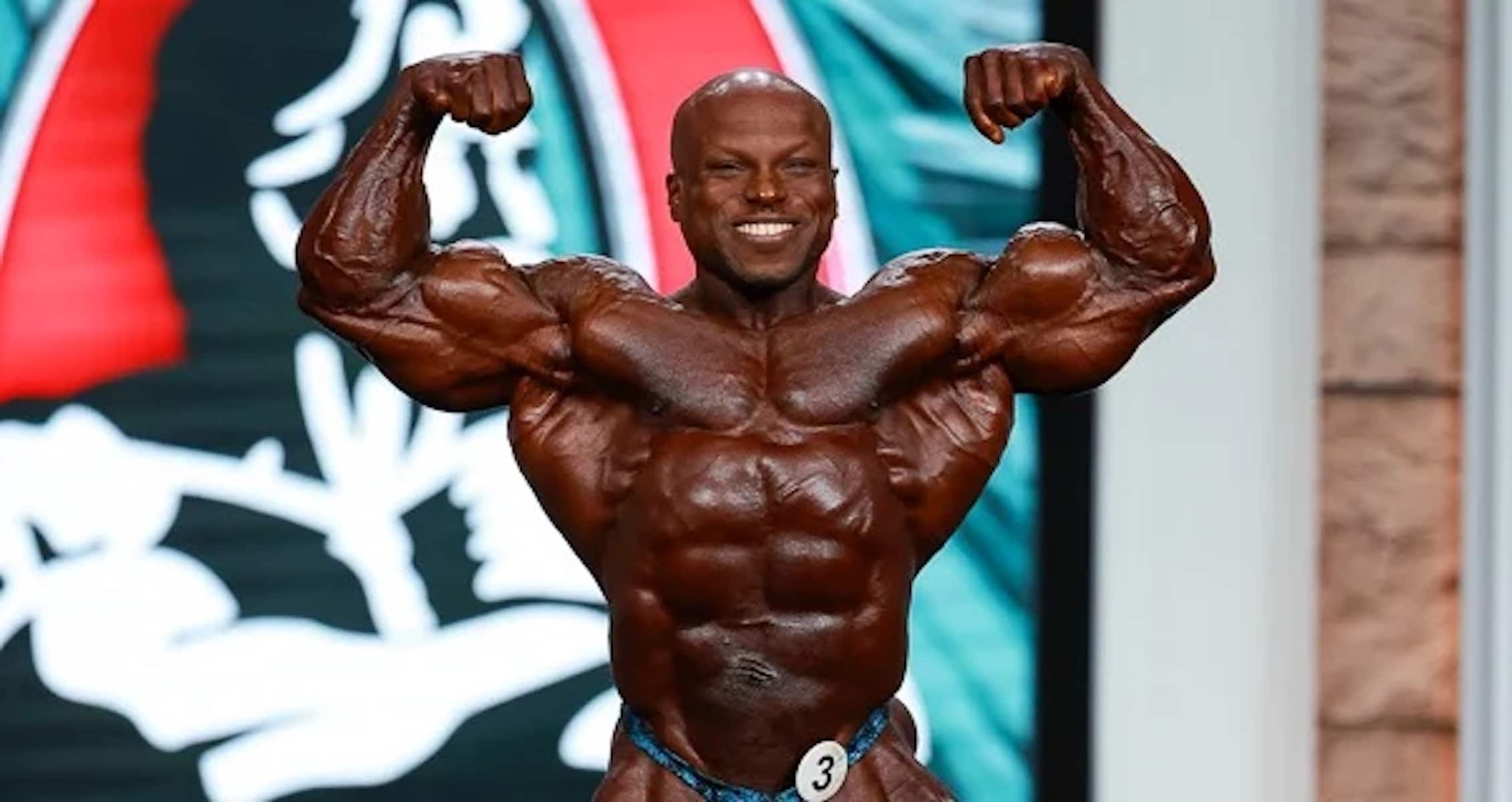
Former 212 Olympia Champ Shaun Clarida To Compete In Men’s Open This Month
Shaun Clarida is prepared to venture into a new category of bodybuilding.
Shaun Clarida has been one of the top competitors in the Men’s 212 division for years now. After reaching the pinnacle of 212, Clarida announced that he will venture into a new world of bodybuilding and compete in Men’s Open later this month.
Clarida took to Instagram on Tuesday morning to make the announcement. He will appear on stage during the Legion Sports Fest in Reno, NV. This event will take place from Oct. 22-24 with some elite competitors scheduled to make an appearance.
“? SURPRISE SURPRISE!!?
They said I wasn’t a GIANT KILLER because I never competed in the open, well, ask and you shall receive! #ChallengeAccepted“
Shaun Clarida is coming off a second-place finish at the 2021 Olympia in the 212 division. This comes one year after his championship during the 2020 competition. Clarida has finished in the top three in each of the last three years. This year, Derek Lunsford was able to get over the hump and defeat Clarida in the Olympia.
Clarida acknowledges the challenge that competing in Men’s Open will be and this is something that drew him to the competition. He wants to prove that he can hang with some of the biggest athletes in the sport. While addressing his intention to compete in Men’s Open later this month, Clarida made it clear that he is not leaving the 212 division.
“*It’s always been my plan to do an open show to give myself a new challenge and ultimately just have fun. I’ve always said timing is everything, so after placing 2nd at the Olympia, already being in shape and having absolutely nothing to lose and everything to gain, this is a great opportunity to show that I’m not just a good 212 bodybuilder but a good bodybuilder period!,” Shaun clarida wrote.
(P.S I’m NOT leaving the 212 Division)”
In his Instagram post, Clarida shared the list of competitors scheduled to compete at the Legion Sports Fest. Cedric McMillan and Patrick Moore are on the list and will give Clarida immediate competition. Regan Grimes is also set to appear along with Maxx Charles. The list continues with the likes of Sergio Oliva Jr., who continues to be one of the best posers in the game.
After looking at the list of competitors, there is no doubt that Clarida will be challenged. This is something that the New Jersey native is looking for.
Clarida competed in his first Olympia 212 back in 2015. He has not missed one since that night and it seems like he will continue to be a force in the division moving forward. This venture into Men’s Open will only continue to strengthen Clarida’s game and his physique.
Shaun Clarida will look to prove that he can hang with the big boys in Men’s Open. This will be an event to watch to see how the 212 competitor matches up.
For more news and updates, follow Generation Iron on Facebook, Twitter, and Instagram.
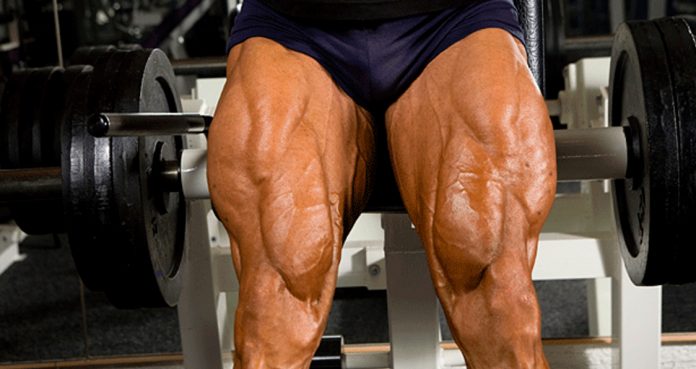
5 Exercises for Shredded Legs
Get Shredded Legs with these 5 Exercises
Shredded legs are what separate the men from the boys. You need to have strong and muscular wheels as your legs are the foundation of your body. While legs are one of the most important muscles to train, many people around the world skip training them.
You need a combination of compound and isolation exercises in your workouts to take your wheels to the next level. Time under tension, volume and intensity play a major role in developing your legs.
Hack Squats – 3 Sets 15 Reps
Hack squats are one of the most underutilized exercises when it comes to leg training. The hack squat machine helps you to tweak your movement to target your quads from different angles.
Arnold in his book ‘Encyclopedia of Bodybuilding’ said that you are supposed to maintain a full range of motion while performing the hack squats. Place your feet under your body and push your knees forward on the negative motion. Pause at the bottom of the movement and explode back to the starting position.
Leg Extensions – 3 Sets 15, 12, 10 Reps
Most people perform the leg extensions incorrectly. They load the extension machine with more weights than they can handle and use momentum and a jerking movement to lift the weights. The most effective way of doing the leg extensions is to pause for a couple of seconds at the top of the movement.
The positive movement should take one second, hold the weights on the contraction for two seconds, take four seconds on the negative movement and take no rest by racking the weights at the starting point.
Good Mornings – 4 Sets 8 Reps
Since your Hamstrings are at the back of your legs, it is harder to train and develop them as compared to your quads. It also becomes harder to establish a mind-muscle connection with your hams since you can’t see them in the mirror.
Good mornings are a hard exercise to execute and you need to keep the movement slow and controlled to get the best results. If you perform the good morning in a squat rack, set-up safety bars at your belly button level and bend until the barbell touches the safety bars.
Nordic Curls – 3 Sets 15 Reps
[embedded content]
Chances are you might not have seen anybody perform the Nordic curls exercise in your gym. Nordic curls can set your hamstrings on fire and you will need a spotter if you have weak hams.
The lat pulldown machine is the best place to perform this exercise. Put your ankles between the knee pads and the seat and place your knees on the seats. Bend your back so it is parallel to the floor. This will be your starting position. Lower yourself using your hamstrings without moving your back, so your face is 8-10 inches away from the floor.
Cannonball Squats – 3 Sets 15, 12, 10 Reps
Perform the squats at the end of your workouts when your legs are completely exhausted. This way you won’t have to lift super heavy weights and your legs will be warmed up so you will have a better range of motion.
While performing the cannonball squats, you need to stand with the balls of your feet placed together and your toes facing outwards. The cannonball squats is a compound exercise which helps in developing the inner sweep of your quads.
Which is your favorite leg exercise? Let us know in the comments below. Also, be sure to follow Generation Iron on Facebook and Twitter.

The Arnold-Approved Training Program You Need to Try This Week
Try this Arnold-approved workout
If you’ve been around the fitness scene for some time, chances are, you would have come around Arnold’s Encyclopedia of Bodybuilding. In his book, The Governator, among many things, lists his experiences and results using various training programs.
One of the programs Arnold recommends in his book is the antagonistic superset training. Arnie considered them to be better than the usual supersets where you switch from one exercise to the other without any rest in between sets.
Antagonistic Training
In the antagonistic training, you train opposing body parts in the same workout. For example, Schwarzenegger liked to train his chest and back, biceps and triceps, quads and hams in the same workout.
Although there were no studies or research to prove it, Arnold claimed the antagonistic supersets help him gain muscle mass and improved his strength. Researchers have since backed this technique with data and have given Arnold’s claims a clean chit.
Things to Know About Antagonistic Training
You can use the antagonistic training principle of training opposing muscle groups as a superset or take a 2-3 minute rest before alternating the exercise.
Antagonistic training can help you in building pressing strength by alternating the exercise with pulling movements.
It helps in maintaining muscle balance as you’ll be doing the same amount of work on the opposing muscles.
Alternating sets with a 2-3 minute rest in between sets can increase muscular strength as compared to super-setting which annihilate the muscles.
While following the antagonistic training plan, you need to train your opposing muscles in the same plane to get the best results. For eg. – follow bench press with the bent over barbell row.
Develop Symmetry with Antagonistic Training
The antagonistic training is better at developing symmetry and eliminating muscle imbalances than most other training methods. If you’re already suffering from a muscle imbalance, train the lagging muscle before the stronger muscle in the alternate sets.
Antagonistic training ensures you’ll be doing enough work on both sides of the bone to build and maintain muscle symmetry. Alternating between pulling and pushing movements will keep you from overdeveloping some muscle groups which can cause a poor posture.
You could also perform supersets as opposed to the alternate sets in the antagonistic training program but be ready for a hard and grueling workout. Make sure you’re following the same intensity in the pulling and the pushing movements.
Use the Same Angles
A major aspect of antagonistic training is to use the same angles while performing the antagonistic exercises. If you’re performing dumbbell chest presses on an incline bench, turn around and perform dumbbell rows as the alternate set for your back.
In the same fashion, follow up the standing military presses with chin-ups. Using the same angles will ensure the muscles in direct opposition to the prime movers are trained more effectively.
The Arnold-Approved Antagonistic Training Program
Day 1 – Chest / Back
Set 1
Barbell Bench Press – 3 Sets 15-12-10
Bent-Over Barbell Rows – 3 Sets 15-12-10
Set 2
Incline Dumbbell Flyes – 3 Sets 15-12-10
Chest Supported Dumbbell Rows – 3 Sets 15-12-10
Set 3
Chest Cable Flyes – 5 Sets 15
Rear Delt Cable Flyes – 5 Sets 15
Day 2 – Biceps / Triceps
Set 1
Cable Bicep Curls – 5 Sets 15-12-10-8
Cable Tricep Presses – 5 Sets 15-12-10-8
Set 2
Incline Bench Spider Curls – 3 Sets 15-12-10
Incline Bench Skullcrushers – 3 Sets 15-12-10
Set 3
Bent Over Concentration Curls – 3 Sets 15-12-10
Leaning Dumbbell Tricep Kickbacks – 3 Sets 15-12-10
Day 3 – Shoulders / Back
Set 1
Barbell Military Presses – 3 Sets 15-12-10
Weighted Chin-ups – 3 Sets 15-12-10
Set 2
Plate Front Raises – 3 Sets 15-12-10
Straight-Arm Lat Pulldowns – 3 Sets 15-12-10
Set 3
Arnold Presses – 3 Sets 15-12-10
Upright Rows – 3 Sets 15-12-10
Day 4 – Quads / Hams
Set 1
Leg Extensions – 5 Sets 15-12-10-8
Seated Leg Curls – 5 Sets 15-12-10-8
Set 2
Leg Press (Feet Low on Platform) – 3 Sets 15-12-10
Leg Press (Feet High on Platform) – 3 Sets 15-12-10
Set 3
Squats – 3 Sets 15-12-10
Set 4
Stiff-Legged Deadlifts – 3 Sets 15-12-10
Have you ever tried the antagonistic training principle? Let us know in the comments below. Also, be sure to follow Generation Iron on Facebook and Twitter.
*Header image courtesy of Jamie Wyeth under the CC BY-NC-SA 2.0 license.
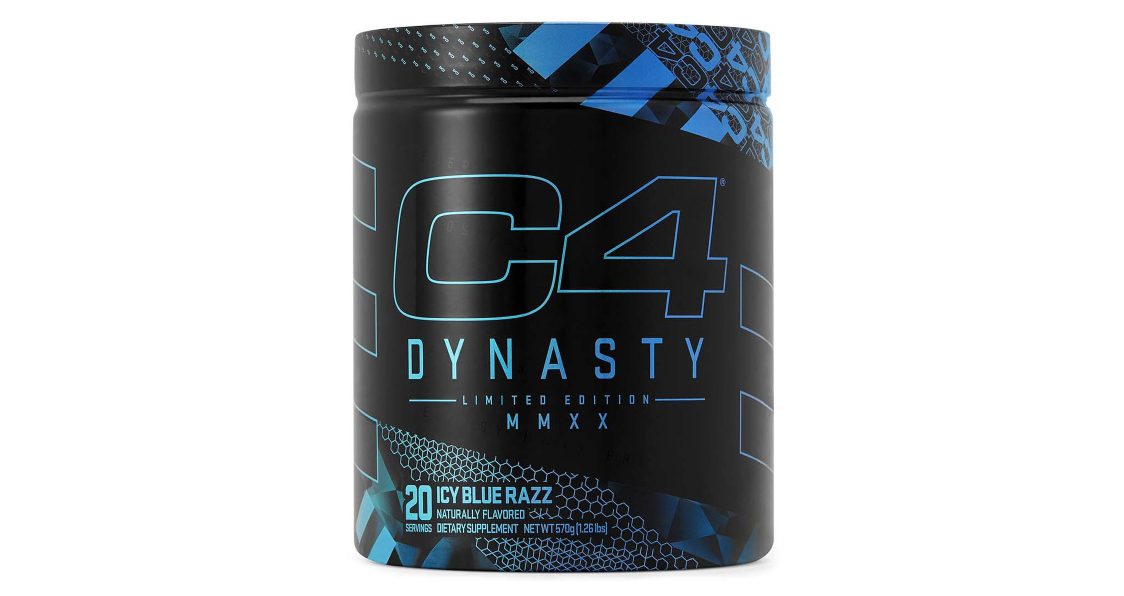
Cellucor C4 Dynasty MMXX Review For Explosive Performance
This pre-workout supplement is uniquely powerful built to transform results.
Product Overview
How many pre-workout supplements have you tried that just haven’t cut it? There are so many on the market and with such saturation, it can be difficult to tell who is telling the truth and who is in it for just profit. The right pre-workout supplement will give you everything you need and then some to take your workouts to the next level. And with our busy schedules, we want a product that will work for us, not against us. Cellucor C4 Dynasty MMXX is built to transform your results so you get only the best when it comes to unique power and serious gains.
A good pre-workout, and one worth taking, will of course give you energy and burst through any fatigue that may get in your way, but when it comes to building strength and increasing stamina, a pre-workout should also help you here. Clean ingredients work to benefit your health as well as performance, so don’t settle for anything less than great. C4 Dynasty can do this and much more as a powerful and supercharged pre-workout able to take your gains to new heights.
Cellucor C4 Dynasty MMXX is a supercharged formula with 18 active ingredients to offer unique power, extra pump support, and better muscular endurance.
Cellucor is a leading sports nutrition brand creating award winning products that are quality you can trust in. With a focus on creating the best supplements for athletes everywhere matched by prompt customer service, Cellucor is on a mission to better the lives of their consumers with top tier supplements, amazing benefits and results, and quality care.
C4 Dynasty MMXX Highlights
Cellucor C4 Dynasty MMXX is a uniquely powerful and supercharged formula engineered to transform your gains to see those desired results. This pre-workout combines cutting-edge innovation and leading industry research and expertise to send your performance to the next level. With 18 active ingredients, including 10 patented ingredients, one scoop of this pre-workout will offer explosive energy, powerful muscle pumps, and amplified muscular endurance to lead the way when it comes to pre-workout supplements.
Ingredients
Dynasty Triple Citrulline Complex
Citrulline Malate: Can improve strength and power while working to decrease muscle fatigue (1).
L-Citrulline: Will increase L-arginine in the blood which in turn increase nitric oxide (2).
Citrulline Nitrate: Improves vascular function and exercise performance.
Dynasty Triple Creatine Complex
Creatine Monohydrate: Great for building muscle mass and plays a role in cellular energy metabolism (3).
Creatine Hydrochloride: Can increase strength, power, and muscle mass while also aiding in recovery.
Creatine Nitrate: Enhances power output, oxygen flow, and endurance (4).
Beta-Alanine: Improves muscle strength and aerobic endurance while also reducing acid build-up from exercise (5).
Taurine: Boosts exercise performance while supporting and protecting your metabolism and skeletal system.
N-Acetyl-L-Tyrosine: Increases cognition and alertness while improving mood and weight loss.
Caffeine Anhydrous: Works to increase energy and your level of alertness while decreasing fatigue. Can also stimulate weight loss by kickstarting your metabolism (6).
Other Ingredients
Adenosine 5’-Triphosphate Disodium Salt, 50% A-GPC, Ancient Peat & Apple Extract, Hydrolyzed Casein Lactotripeptides, Theacrine, AstraGin, Toothed Clubmoss, Rauwolfia vomitoria root extract, Calcium Silicate, Natural Flavors, Silicone Dioxide, Sucralose, Acesulfame Potassium, Citric Acid, Spirulina Extract
Stim Or No Stim
Stim
Calories
5
Carbs
Less than 1
Sugar
0g
Number Of Servings
20
Flavors
Violet Crown, Icy Blue Razz, Fruit Punch, Strawberry Lemonade
Best Way To Take
Take 1 scoop with your desired beverage of choice.
Price, Flavors & Effectiveness
Cellucor C4 Dynasty is that supercharged formula with amazing ingredients to increase energy, muscle pumps, and muscular endurance so you only get the best when looking to boost your workouts and see those desired results. With 20 servings per container, 1 scoop of this powerful pre-workout will pump you with these powerful ingredients so your gains increase ten-fold. Four great flavors in Violet Crown, Icy Blue Razz, Fruit Punch, and Strawberry Lemonade ensure you never grow bored with the taste.
Pros
Supercharged formula with unique power
18 active ingredients, 10 of which are patented
Cutting edge innovation and a decade of industry leading research and expertise
Great benefits to energy, power, muscle pumps, and muscular endurance
Cons
Premium priced option
Does contain caffeine for those sensitive or avoiding it
Price: $69.99
Featured Cellucor Athlete
Erin Stern
Erin Stern works with Cellucor and their amazing supplements to take her training and performance to the next level. A former professional track and field athlete, she turned her attention to bodybuilding and has had an extensive career with notable finishes like two-time Figure Olympia Champion, Madrid Arnold Classic Champion, and 12 IFBB titles. Using Cellucor supplements, Erin trusts that her training and performance, as well as her health and wellness, are the number one priority.
Check out our list of the Best Pre-Workout Supplements for more great pre-workout products!
Overall Value
Cellucor C4 Dynasty MMXX is a supercharged pre-workout formula designed to give you the best when it comes to energy, muscle pumps, muscular endurance, and power. With amazing ingredients and a company like Cellucor backing it, this pre-workout is exactly what you need to see those gains come to life. What you are really getting is an innovative and powerful pre-workout supplement from a reputable company who knows the needs of athletes. Try C4 Dynasty MMXX and watch your gains take off today.
Try Cellucor C4 Dynasty MMXX Today
Generation Iron may receive commissions on purchases made through our links. See our disclosure page for more information.
Let us know what you think in the comments below. Also, be sure to follow Generation Iron on Facebook, Twitter, and Instagram.
*Images courtesy of Cellucor and Envato
References
Perez-Guisado, J.; Jakeman, P. (2010). “Citrulline malate enhances athletic anaerobic performance and relieves muscle soreness”. (source)
Gonzalez, A.; Trexler, E. (2020). “Effects of Citrulline Supplementation on Exercise Performance in Humans: A Review of the Current Literature”. (source)
Kerksick, C.; Wilborn, C.; Campbell, C.; Harvey, T.; et al. (2009). “The Effects of Creatine Monohydrate Supplementation With and Without D-Pinitol on Resistance Training Adaptations”. (source)
Galvan, E.; O’Connor, A.; Goodenough, Y.; Dalton, R.; et al. (2015) .“Effects of 28 days of two creatine nitrate based dietary supplements on bench press power in recreationally active males”. (source)
R.; Saunders, B.; Ball, G.; Harris, R.; et al. (2012). “Effects of B-alanine supplementation on exercise performance: a meta-analysis”. (source)
McLellan, T.; Caldwell, J.; Lieberman, H. (2016). “A review of caffeine’s effects on cognitive, physical and occupational performance”. (source)
Combining Classic and Modern Eras, Hunter Labrada Could Be a Future Mr. Olympia
Could Hunter Labrada one day reign as Mr. Olympia.
With a classic style mixed with a modern physique, Hunter Labrada has all the tools necessary to make him a top contender for the Olympia crown. His impressive performance could just be a prelude to what’s to come for the young bodybuilder.
No one can remain on top forever. Everyone has their time in the sun and must do with it what they can. Once your time is up, it can be nearly impossible to reclaim your glory, particularly where sporting ventures are concerned. Ask Ronnie Coleman and Phil Heath, two long reigning Mr. Olympia champions. It’s hard to become champion, even harder to defend the title, and basically impossible when their reign has come to an end.
New Blood
But with the ending of a reign comes new blood. Fresh faces are coming to the forefront of bodybuilding. A new era is beginning. While Mamdouh “Big Ramy” Elssbiay reigns as the current Mr. Olympia, he won’t hold the title for all time. There are other young, hungry contenders who are up to the task of taking on the best of the best to earn the right to be crowned Mr. Olympia. One of the top contenders to potentially hold that coveted title is none other than the up and coming Hunter Labrada.
The son of the legendary Lee Labrada, Hunter Labrada has all the tools necessary to become a future Mr. Olympia champion. Hunter came in fourth place at the 2021 Olympia, even outpointing top bodybuilder and fellow fresh faced contender Nick Walker. Hunter clearly has some attributes that will make him an ideal Mr. Olympia.
At 29 years of age, Hunter Labrada is in that sweet spot in terms of bodybuilding. Many bodybuilders come into their own in their 30s meaning that Hunter has yet to hit his prime. That means that we haven’t even seen his full potential as of yet. From what we can see, Hunter has a well balanced physique, symmetrical and well muscled. If he can mange to dial in his conditioning even more and fine tune his posing routine, he could easily find himself in the top three at next year’s show.
A Modern Classic
What we saw was Hunter Labrada being able to marry the classic and modern eras of bodybuilding. He has a classic influence from his father while maintaining a well muscled and massive frame we’ve come to know as the standard of modern bodybuilding. His routine at the 2021 Olympia showed just how deadly the combo can be when well executed together.
With Lee Labrada helping him every step of the way, it’s very possible that we could see Hunter make further strides in his posing ability. He has the kind of balanced physique that has seen champions like Brandon Curry, Shawn Rhoden, and Phil Heath outduel the competition. While he still may have some years before he can actually ascend to the thrown, Hunter Labrada has all the ingredients necessary to usher in a new era of bodybuilding.
Do you think Hunter Labrada will one day be an Olympia champion?
For more news and updates, follow Generation Iron on Facebook, Twitter, and Instagram.
News and Editorial Writer at Generation Iron, Jonathan Salmon is a writer, martial arts instructor, and geek culture enthusiast. Check out his YouTube, Instagram, Twitter, Facebook, and Sound Cloud for in-depth MMA analysis.

Analysis & Review of Popular Pre Workout Supplements
I started to analyze and review some of the pre workout supplements that are on the market. Keep in mind that I don’t recommend the use of caffeine and other stimulants pre workout. They are counterproductive when used consistently. Used once for a sporting activity or trying to beat one’s lifting max is O.K. But to use large amounts of caffeine found in most pre workouts that I have analyzed is, in my opinion, not a very smart idea if one’s objective is to increase muscle mass and lose body fat. If one takes caffeine daily then one is “taking a ride” on the cortisol train.
Alex Rogers is a supplement manufacturing expert. He has been formulating, consulting, & manufacturing dietary supplements since 1998. Alex invented protein customization in 1998 & was the first company to allow consumers to create their own protein blends. He helped create the first supplement to contain natural follistatin, invented whey protein with egg lecithin, & recently imported the world’s first 100% hydrolyzed whey.
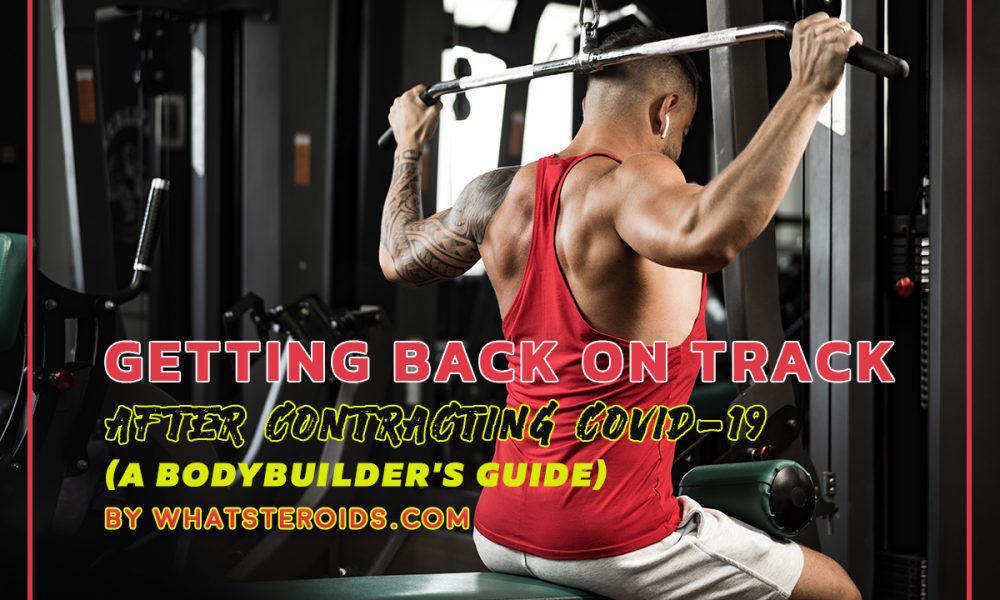
Getting Back on Track After Contracting Covid-19 (A Bodybuilder’s Guide)
Coronavirus Disease of 2019 (Covid-19) is considered to be one of the most dangerous viral infections to affect mankind. The disease has left an ugly scar in the world of sports that may take decades to erase. Towards the end of 2020, the virus had brought the entire world to a standstill. Every sport was curtailed and participants and respective management were confined to their homes in worldwide lockdowns of biblical proportions. The level of inconvenience was unprecedented in recent history and Covid-19 seems to have changed our world forever. Whether you’ve been infected or not, everyone has been affected in some way. Back on Track After Covid-19 is not very difficult.
Related Article:: Covid-19: Advices to Steroid Users
Sportsmen and women, bodybuilders included, had their careers hanging in the balance, especially those who contracted Covid. Consequently, all were asked or forced to train from home. Everyone had to improvise to keep their form and trust me, it came with many sacrifices. Fast-forward to the beginning of 2021, reality started hitting hard and we decided the virus won’t continue holding us at 00000ransom. Normalcy started returning albeit with difficulty. Restrictions were relaxed gradually and we’re now halfway towards complete normalcy. However, just like how people struggled to adapt to the new normal, we’re having a rough time getting back on track. Humans are incredible creatures; we can always adapt to any change as long as the conditions can be endured.
Here is how bodybuilders who have contracted Covid-19 can get up on their feet again and resume their careers. Strong!
Get Medical Clearance
Ensuring you’re free from the virus is the first step towards resuming your career as a bodybuilder. However, some scary discoveries continue to be made about this virus. Several recovered patients have continued to experience certain complications even after testing negative for Covid-19. These include lungs and other organs that don’t work in their normal capacity. As a bodybuilder who wants a successful career, this discovery could be quite devastating. Furthermore, some people report to have died suddenly death days or weeks after making a full recovery. It is for this reason that you must get medical clearance from the doctor before resuming any bodybuilding activity. These are the tests you should undergo first to determine whether you’re fit to resume training after recovering from Covid.
Cardiovascular Evaluation
Covid-related sudden deaths have been reported among athletes since the pandemic began. Sudden death is caused by a condition known as myocarditis. Recovered patients may have had an injury in their cardiovascular system which may cause death, eventually. A cardiovascular evaluation by a professional medical practitioner will reveal whether the person is fit to resume training and the kinds of exercises they should perform. Tests performed to determine cardiovascular fitness include heart sounds, chamber dilations, pressure at lower extremities, and more. If any of these cardiovascular activities are found to be below or above normal, then it means the athlete is not fit enough to resume full training.
Related Article:: What Impact Have Anabolic Steroids Taken On Your Heart and Blood Cells?
Additionally, the doctor will prescribe appropriate medication and suggest other ways to help you make full recovery. It is also important to note that Covid-19 affects people differently. People who have had severe cases of the disease are more likely to experience complications after testing negative. Mild cases, on the other hand, don’t come with any additional complications post-recovery.
Hypertensive Evaluation and Medication
If it is determined by a medical doctor that you’re susceptible to hypertension post-Covid, then you need to take antihypertensive drugs. These drugs are helpful because they help stabilize blood sugar levels among recovering patients. However, medication such as renin-angiotensin-aldosterone inhibitors may cause adverse side effects. In such a case, you should discontinue the medication and concentrate on other non-medical recovery methods, but only if the effects are severe.
Pulmonary Evaluation
Coronavirus affects the lungs more than any other organ in the human body. That means the lungs take longer to recover and some people report to have permanent lung damage. Therefore, a pulmonary evaluation is essential to determine the extent of damage to the lungs if any. Acute respiratory syndrome, a condition seen in recovered Covid patients, may impact a bodybuilder’s career negatively if not detected. A lung examination by a qualified physician should indicate if you’re lungs are still in distress. The following findings should prompt additional more examination on your respiratory system:
Crackles
Dullness to percussion
Egophony
Dyspnea
Any other signs of respiratory failure
Not that the lungs play a crucial role in bodybuilding training and any complication may end your career.
Return to Training Progression
Once the evaluation of various organs and systems is complete, it is now time to resume training. You should know that training will be progressive; you won’t start from where you left. Being a new disease, clinicians and sports managers have not come up with clear guidelines on how to resume training after infection. However, we know that the body may not work in full capacity, hence the need to start with light exercises.
Must Read:: Running and Bodybuilding: Is it a Good Idea to Mix Them?
Stage 1: Low-Intensity Exercises
A body that has been battling Covid-19 needs time to make a full natural recovery. Light exercises are part of that recovery but will only work under one condition – must be slow. In the first week of training after testing negative, ensure to do the following only:
Walking
Jogging
Simple stretches
Do this for 10-15 minutes every day. It should be enough to prepare your body for what is coming in the second week.
In the second week of training, increase the pace of walking and jogging. Also, double the time so you now do 20-30 minutes of exercising every day. If you feel strong enough to do more stretches, go ahead. Most importantly, monitor how your body is responding to the exercises and make necessary adjustments. Please note that the rate of recovery differs in people so you should strictly do everything at your pace. Keep doing exercises for as long as you feel comfortable and don’t rush to perform strenuous workouts yet.
Stage 2: Moderate Activity
This is the stage where you start toying around with your training equipment. Technically, no serious training is taking place, just you checking out your stuff. Pick that barbell and feel the weight. How does using the treadmill feel now compared to the pre-Covid period?? Grab that rope and do a couple of skips then toss it over.
Stage 2 is when to maximize the low-intensity exercises you did in the first week of training. Perform more stretches and cover a bigger distance in running or jogging. By now you should be doing up to two hours of training every day of the week. It will prepare you adequately for what is coming in stage 3.
Stage 3: High-Intensity Exercises
Once you have bonded with the equipment, it is now time to do some serious training. At this point, you’re recovered completely and are hungry for it. However, you must be sure that your body can endure intense training before hitting the gym. Exercises in this stage should involve every gym equipment and workout you’re used to. These include bench-presses, treadmills, barbells, push-ups, among others. High-intensity exercises are necessary to compensate for losses in terms of muscle mass and general form. You may not be able to resume normal training if the body is not returned to its normal state before the pandemic struck.
Stage 4: Resumption of Normal Training
The body is now ready to resume normal training after successfully going through stages 1, 2, and 3. Stage 4 is where you go back and pick where you left. This stage should begin in the second month of training and involve full play. Depending on the kind of exercises, you can always increase the pace and do longer to compensate for lost time.
The table below summarizes various types of activities and planning in every stage.
Stage
Activity Level
Objective
Duration
Exercises Involved
Stage 1
Rest & Low Intensity
· Facilitate full recovery
· Introduce the body to training
10-15 minutes
Jogging
Walking
Simple stretches
Stage 2
Moderate Training
Prepare the body for high-intensity workouts
20-30 minutes
2-3 km run or jog
Stationary bicycle ride
Less than 50% weight training
Light resistance training
Stage 3
High-Intensity Training
Restore and develop endurance for full play training
2-3 hours
Intense aerobic workouts
At least 4 km run/jog
Stationary bicycle at up to 140 watts
Full bodyweight training
Advanced resistance exercises
Stage 4
Normal training
Standard fitness and return to normal training
As determined by yourself or your trainer
Pre-Covid (normal) training
Conclusion
Training and bodybuilding in general after contracting Covid-19 may not be a walk in the park. One must prepare psychologically and mentally as physically before hitting the gym. The power of a positive mind is the greatest weapon you have against this virus. Waking up every day and deciding that it won’t change your life for the worse is the first step towards a comeback. But even as you resume training, be careful not to strain the already-compromised body. Most importantly, ensure a well-balanced diet and appropriate because it goes a long way in ensuring you resume training fast. Good luck!
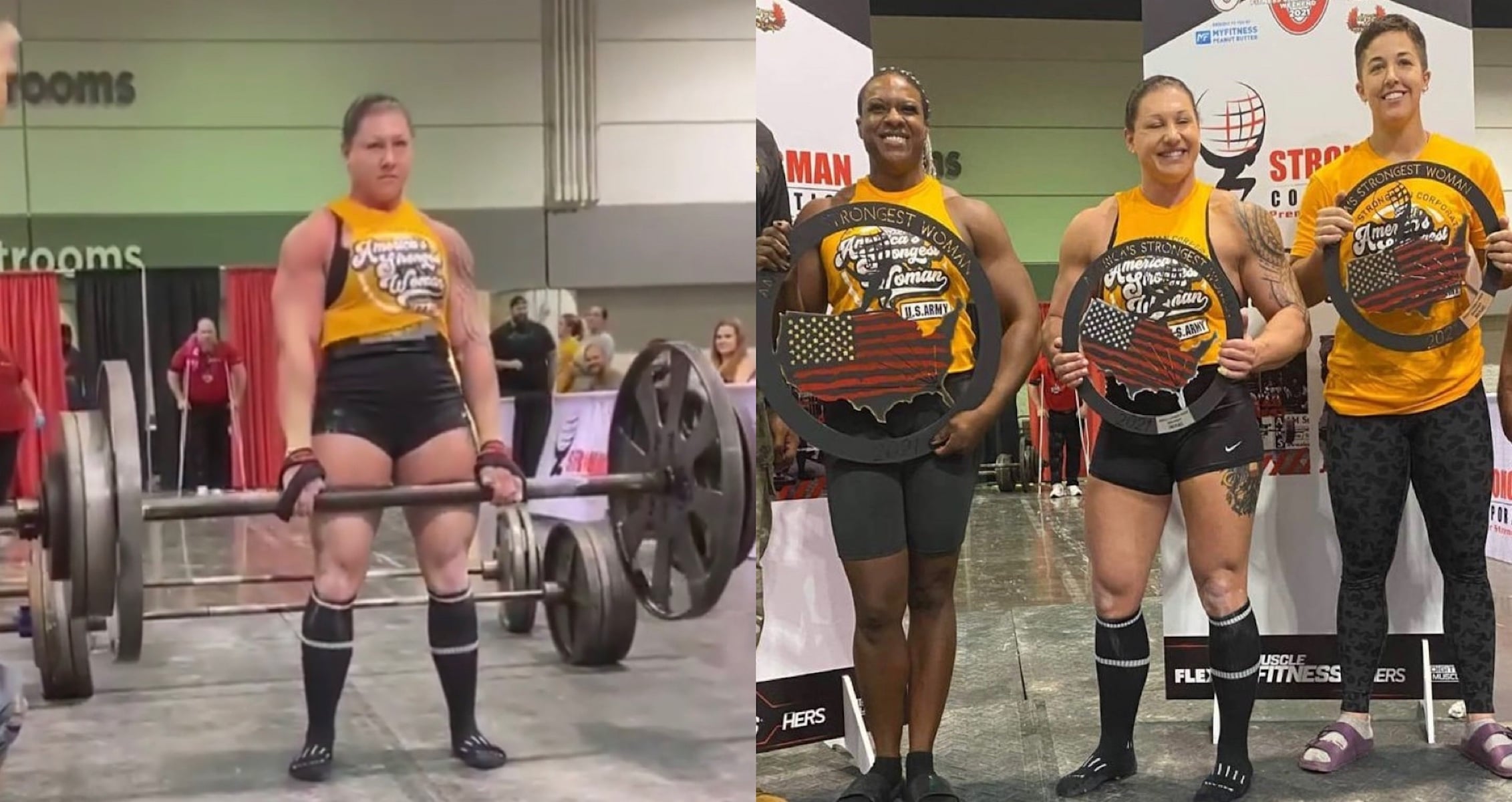
2021 Strongman Corporation Open Results
Here are the full results from the 2021 Strongman Corporation Open.
The 2021 Strongman Corporation Open took place this weekend with competitors vying for qualification to the 2022 Arnold Strongman World Championships. The event took place from Oct. 15-16 in Salem, VA at the Salem Civic Center.
There were a total of 13 divisions in the men’s and women’s lightweight, middleweight, and heavyweight sections. Competitors battled for qualification in six events — the rogue max log press, rogue bag toss, gorilla strength wheelbarrow deadlift, rogue axel clean & press, rogue yoke walk, and gorilla strength wheelbarrow race.
At the end of the event, there were 15 competitors who earned their proceeds. The full results have been announced and you can find the full breakdown below!
Lightweight Women
The top four competitors in the up to 120 pound division earned qualification to the Arnold Strongman World Championships while the top five in the up to 140 pound division earned theirs.
Up To 120 Pounds
Cynthia Martinez — 22 points
Kiara Medina — 14.5 points
Aimee Clickner — Eight points
Nicole Recchia — 5.5 points
Up To 140 Pounds
Kira Wrixon — 175.5 points — Earned Pro Card
Emma Pruitt — 163 points — Earned Pro Card
Jessica Helms — 161 points — Earned Pro Card
Jamie Navarro — 155 points
Nadia Morrison — 150.5 points
Middleweight Women
The top five competitors in both the up to 160 pound and 180 pound divisions earned qualification to the Arnold Strongman World Championships.
Up To 160 Pounds
Nancy Johnson — 64 points — Earned Pro Card
Mary Colasanto — 60 points — Earned Pro Card
Christy Senay — 46 points
Evelyn Valdez — 44 points
Jenny Draper — 37 points
Up To 180 Pounds
Jessica Mitchell — 88 points — Earned Pro Card
Cassandra Moore — 76.5 points
Katie Gutwald — 74 points
Kendra Danzer — 73 points (T-fourth)
Jamie Schamma — 73 points (T-fourth)
Heavyweight Women
The top two competitors in the up to 200 pound division earned qualification to the Arnold Strongman World Championships while the top five from the over 200 pound division earned the honor.
Up To 200 Pounds
Ashley Sorensen — Eight points
Katherine “Kitty” Cross — Seven points
Over 200 Pounds
Shaun Hairston — 109 points — Earned Pro Card
Pauline De Pinto — 98.5 points — Earned Pro Card
Colleen Meredith — 95.5 points — Earned Pro Card
Leilani Brown — 95 points
Jennifer Lyle — 94 points
Lightweight Men
The up to 150 pound division had just two competitors. The up to 175 pound division had 27 competitors vying for the top five spots.
Up To 150 Pounds
Peter Herguth — Eight points
Lauren Cohen — Three points
Up To 175 Pounds
Andrew Hanus — 158 points
William “Cody” Abell — 147 points
Quinn Romanasko — 128 points
Nicholas Boyce — 126 points
Sebastian Kluger — 125 points
Middleweight Men
The top five athletes in each of the next two divisions gained qualification to the Arnold Strongman World Championships.
Up To 200 Pounds
Charles Pierce — 92.5 points
Daniel Zimmer — 79 points
John Robinson — 69 points
Andrew Pepiot — 69 points
Marshall Buckler — 61 points
Up To 231 Pounds
Daniel Hughes — 274.5 points — Earned Pro Card
Tyler Young — 265.5 points — Earned Pro Card
Mark Jones — 264.5 points — Earned Pro Card
Matthew McQuiston — 256.5 points
Ryan Saxton — 256 points
Heavyweight Men
The top five athletes in each of the next two divisions gained qualification to the Arnold Strongman World Championships.
Up To 265 Pounds
James Ortmann — 56.5 points
Sean Deem — 54.5 points
David Elmore — 53 points
Garrett Payne — 50.5 points
Steven Spencer — 37 points
Up To 300 Pounds
Clayton Desilva — 107 points
David Tinsman — 94 points
Brian Kichton — 93.5 points
Thomas Sroka — 90 points
Alex Stults — 88 points
Over 300 Pounds
Jack Plankers — 278.5 points — Earned Pro Card
Thomas Evans — 269.5 points — Earned Pro Card
Nick Davis — 242.5 points — Earned Pro Card
Lucas Hatton — 237 points
Matthew Webb — 235 points
For more news and updates, follow Generation Iron on Facebook, Twitter, and Instagram.