
Tag: Bodybuilding
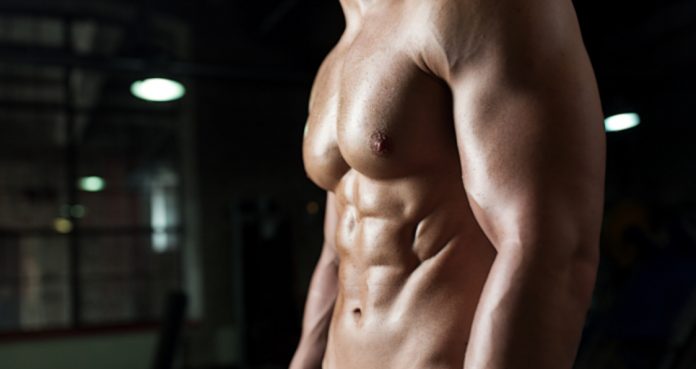
Build Six-Pack Abs at Home With This Workout
Ab Workout You Can Do at Your Home
The desire for obtaining a chiseled midriff is what gets many people to join a gym. What most people don’t realize is you don’t need to get a gym membership to build a six-pack. You can get the midsection of your dreams from the comfort of your home.
While many people train their core at home, a majority of them make the mistake of sticking to the good old crunches. You need to have a variety of exercises in your ab workouts to train your midriff from all angles.
Leg Raises – 3 Sets 15 Reps
In this workout, we won’t leave any stones unturned. We will focus on the upper and lower abs along with the obliques. If you have a hard and sturdy elevated surface at your home, perform the bench leg raises.
Otherwise, you can perform the floor leg raises. While performing the leg raises, make sure your knees are bent at a slight angle and hold the position throughout the exercise. You can also perform the hanging leg raises if you have access to a hanging bar.
Feet Elevated Crunches – 3 Sets 20 Reps
Feet elevated crunches are a variation to the normal floor crunches. In the feet elevated crunches, you can better isolate your upper abs. Lie down with your back placed on the floor and place your lower legs on an elevated surface like a bed or chair.
Your upper legs should be perpendicular to the floor and your hands placed at the sides of your head. Raise your upper body by pushing your lower back into the floor and squeeze your abs at the top of the movement as you exhale. Return to the starting position and repeat for the recommended reps.
Russian Twists – 3 Sets 15 Reps (Each Side)
A midriff can’t be deemed complete without well-carved obliques. Obliques are the fish gill-like muscles present at the sides of your abs. Most people overlook training their obliques and hence lack the definition in their mid-sections.
Sit on the floor with your knees bent so your feet are placed flat on the floor. Lean back your upper body so it forms a 60-degree angle with the floor. Extend your arms straight forward so your hands are above your knees. As you exhale, turn to your right side by twisting your torso. Return to the starting position and repeat on the left side.
Reverse Crunches – 3 Sets 20 Reps
Reverse crunches are the exact opposite of the orthodox crunches. While the crunches work the upper abs, the reverse crunches train the lower abs. Lie down with your back on the floor and place your arms at your sides.
Bend at your knees so only your heels are touching the floor. As you raise your legs, breathe in and bend your knees so that your upper legs touch your torso at the top of the movement. Return to the starting position while breathing out.
Heel Touches – 3 Sets 20 Reps Each Side
Training for toned sides can be detrimental in building a perfectly crafted midriff. The heel touches are one of the easiest exercises on this list. Lie down with your back on the floor and place your arms at your sides.
Bend at your knees so your feet are placed flat on the floor. Lift your head off the floor so that there is tension on your upper abs. Crunch at your ride side to touch your right feet. Return to the starting position and repeat on the left side.
Planks – 3 Sets 2 Minutes
Planks are an incredibly effective core strengthing exercise. Performing the planks are must for anyone who wants to train at home. A strong core not only makes your abs rock hard but also helps in performing compound movements by improving and strengthening your body stabilizers.
Get into a prone position on the floor, supporting your weight on your toes and your forearms. Bend your arms so that your elbows are directly below your shoulders and your forearms are parallel to each other. Your body should remain in a straight line throughout the exercise. Don’t let your hips sack down or form a bridge to take off the tension from your abs.
Which is your favorite exercise to perform at home? Let us know in the comments below. Also, be sure to follow Generation Iron on Facebook and Twitter.
*Header image courtesy of Envato Elements
Gorilla Mode Pre-Workout Review | Comprehensive Supplement Breakdown
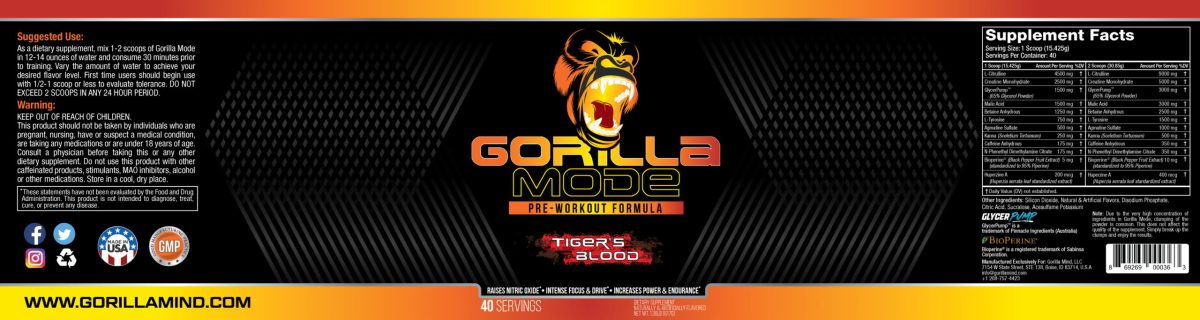
Gorilla Mode Pre-Workout is the most potent and comprehensive pre-workout on the market in ALL aspects. Pump, strength, endurance, cognitive enhancement, and overall performance. [embedded content] Table of Contents Gorilla Mode Supplement Facts Per Full Daily Dose: L-Citrulline – 9000 mg Creatine Monohydrate – 5000 mg GlycerPump™ (65% Glycerol Powder) – 3000 mg Malic Acid – 3000 mg Betaine Anhydrous – 2500 mg L-Tyrosine – 1500 mg Agmatine Sulfate – 1000 mg Kanna (Sceletium tortuosum) – 500 mg Caffeine Anhydrous – 350 mg N-Phenethyl Dimethylamine Citrate – 350 mg BioPerine® (Black Pepper Fruit Extract) (standardized to 95% Piperine) – 10 mg Huperzine A – 400 mcg
Gorilla Mode Vs. Other Pre-Workouts On The Market This is the most maxed out formula on the market in all aspects. The full daily dose is 2 scoops. Even a half dose (1 scoop) is still far more potent than the majority of other pre-workouts out there at their max dosages. Basically, I just included exactly what I would want to see in a pre-workout, even at the obvious detriment of our margins. I’ve talked about how this is going to be an industry disruptor quality product. I shake my head every time I see some massive fitness influencer launch their own supplement company and then talk about why their company is better and different than the rest. The reality is, they don’t even know what they’re selling half the time. They employ others to manufacture their products, or use a pre-made formula their manufacturer uses for every company where they just slap a different label on it and sell it for a huge margin. At the end of the day, most fitness influencers have no idea what goes into making an effective product. They don’t know how their products work, they probably wouldn’t even use them if they didn’t sell them, they didn’t formulate them, and they have to pay the overhead involved with having a team under them who is responsible for all of that. As you’ve already experienced with Gorilla Mind Nootropics, it is me formulating the products, and they work because I actually put in them what I would want in a product and buy myself if I didn’t have a company. The same applies with Gorilla Mode. If I didn’t have this product, I would be using a pre-workout with a fat dose of L-Citrulline, a solid hit of stims, a saturation dose of Creatine, and all of the standard ingredients that you and I both know work, but companies will still skimp out on so then you either have to buy more, or buy their other “stacks” that will only yield an effective dose if you combine them. For example, why is it that pre-workouts never just have 5 grams of Creatine Monohydrate per serving? It’s not hard to do, and it is actually pretty cheap to put in there. The reason is, they want you to go buy their creatine product, and will intentionally manipulate their ingredient profile to be deficient in several areas to make you buy more stuff from them. With my products, everything is turnkey. You don’t need to go buy a separate creatine product from us, you don’t need to go buy our pump product (which I will probably eventually make because I want a stimulant-free pre-workout) to get a maxed out dose of L-Citrulline, you don’t need to stack extra stims on top of it, everything you need is in this one product for you. Flavor And Mixability The flavor we chose to start with was Tiger’s Blood, which is a mixture of watermelon, strawberry and coconut. We also developed a fruit punch flavor and a mango peach flavor, both of which were very good. We might add these flavor options to the Gorilla Mode product line in the future as they were probably more mainstream appealing flavor choices. *January, 2020 Update: We now have Mango Peach available. The branding for Tiger’s Blood was just too good for us to pass up though, and the flavor is still probably a 7 or 8/10 so we ran with it. Mango Peach is easily a 9 or 10/10 flavor, even for the pickiest of tongues. As there’s such a high concentration of ingredients in this formula we were really happy with how the flavor systems turned out. We were expecting something this potent to be nearly impossible to avoid tasting like ass. Fortunately, that wasn’t the case. It also mixes very well considering the concentration of L-Citrulline, GlycerPump, and all of the other ingredients in this product. You will just have to use a bit more water than you would with your standard pre-workout because there are simply more active ingredients in this product that will require more liquid to mix well. How To Dose Gorilla Mode: Mix 1-2 scoops of Gorilla Mode in 12-14 ounces of water and consume 30 minutes prior to training. Vary the amount of water to achieve your desired flavor level. First time users should begin use with 1/2-1 scoop or less to evaluate tolerance. DO NOT EXCEED 2 SCOOPS IN ANY 24 HOUR PERIOD. Just like with other stimulant based products, if you want to really feel the stimulants hit hard, the less food in your stomach the better. The difference between using stimulants on an empty stomach vs. a full stomach is night and day. You will still get the performance enhancing benefits from the ingredients in the formula if you take Gorilla Mode on a full stomach, but you will almost undoubtedly feel less cognitive enhancement the more food is in your stomach. That’s just how stimulants work and applies to any stimulant based product, not just Gorilla Mode. Gorilla Mode Ingredients Breakdown L-Citrulline – 9000 mg L-Citrulline is the most effective supplement you can use to boost nitric oxide (NO) in the body. Why Nitric Oxide (NO) Is Important Nitric oxide (NO) is made naturally in our bodies and plays a significant role in cardiovascular health. It dilates blood vessels (vasodilation), which lowers blood pressure and increases oxygen in the blood. [embedded content] Nitric oxide (NO) acts as a messenger to signal blood vessels to dilate, or contract and relax. Sufficient nitric oxide is needed to signal blood vessels to contract or relax to ensure blood is able to flow to and from the heart effectively. Nitric oxide production decreases with age, consequently reducing the elasticity of the cardiovascular system, and impairing the body’s ability to ensure sufficient amounts of oxygenated blood are reaching vital organs. Eating enough nitrates and/or supplementing with nitric oxide precursors is very important to ensure that your cardiovascular system maintains optimized function as you get older. In addition, maintaining optimal nitric oxide levels will make you more vascular, allow you to get a much better pump, and improve physical performance. Increased Muscular Endurance Citrulline has also shown to significantly increase muscular endurance, with one study finding that compared to placebo, a single 8000 mg dose of Citrulline Malate increased the number of reps performed per set, on every set after set 2 [R]. The impact Citrulline had on performance increased the more sets were performed. During the last set performed, the group that took Citrulline had a 52.92% increase in the number of reps they could perform relative to placebo. It also decreased muscle soreness by 40% at 24 and 48 hours after the training session compared to placebo. Effect On Body Composition There isn’t much data on the direct effect Citrulline has on muscle growth and fat loss in humans. However, a rodent model assessed the effect Citrulline had on body composition and found that 20 month old rats that were given a diet that included the human equivalent dose of 160 mg/kg per day for 12 weeks had 13% less body fat and 9% more lean body mass relative to the rats fed a standard diet without Citrulline supplementation [R]. Visceral fat mass was also reduced by 32%. The mortality rate of the rats taking Citrulline was 0%, while the standard diet fed rats had a mortality rate of 20%. L-Citrulline is one of the most promising supplements on the market and has significantly more upside above and beyond its increase in vascularity and pumps in the gym. The Maximum Effective Dose Of L-Citrulline Citrulline is found in watermelons. You would need to eat 1.5 kg of watermelon every day to get 3 grams of L-Citrulline though, which is the minimum effective dose [R]. To get the maximum effective dose of L-Citrulline from your diet, you would need to eat 5.0 kg of watermelon per day to get 10 grams of L-Citrulline [R].
Obviously, nobody is going to eat that much watermelon, nor is it a good idea to begin with in my opinion when there are far better ways to allocate your macronutrient/micronutrient intake allotments. This is why L-Citrulline supplementation could actually be worthwhile. The Problem With Citrulline Malate In The Supplement Industry While L-Citrulline is a great supplement to have in your daily regimen, there is a red flag around L-Citrulline supplementation that you need to know about. I’m sure you’ve seen that some supplements have L-Citrulline in them, and some have Citrulline Malate. Some even say “L-Citrulline Malate”. This is a cheap trick companies use to deceive customers. Citrulline Malate is composed of 50% Malic Acid, unless the ratio states otherwise. Authentic Citrulline Malate is produced by chemically bonding free-form L-Citrulline to DL-Malic Acid. When L-Citrulline is chemically bonded to DL-Malic Acid, the end result is Citrulline Malate, which has unique properties. But the problem with the Citrulline Malate in the supplement industry is that it doesn’t have this chemical reaction. It’s just Citrulline mixed with malic acid in a big mixing vat in the manufacturing facility. There is no chemical bond like there should be to create authentic Citrulline Malate. It’s just the two ingredients being mixed together in a cheap blend, and it’s sold as “Citrulline Malate”, or “L-Citrulline Malate”. The reality is that it’s just Citrulline stirred up with malic acid. While this isn’t a huge deal in itself, the problem lies in the labeling practices companies use to artificially inflate the perceived potency of their product. 6-8 grams is seen as the max clinically proven efficacious dosage in the supplement industry in general. At least, that’s what companies will tell you in their marketing. First of all, we already know that the actual maximum efficacious dosage of L-Citrulline is 10 grams per day [R].
In addition, the main issue is that the “L-Citrulline” in their product is actually as low as half of the stated label claim. As mentioned, Citrulline Malate is just a mixture of Citrulline and malic acid. Somehow, companies are getting away with labeling their products with the chemically bonded form Citrulline Malate and claiming they have 6-8 grams per serving in their pre-workout, when they actually just have 3-4 grams of Citrulline and 3-4 grams of malic acid per serving. Instead of labeling the following: L-Citrulline – 3 grams Malic Acid – 3 grams These companies are labeling their products like this: Citrulline Malate – 6 grams Or like this: L-Citrulline Malate – 6 grams Making you think you are getting a high dose, when in reality you are getting the bare minimum efficacious dose per serving of 3 grams. Sometimes, companies will tweak the ratio to be a bit more in favor of a higher Citrulline content relative to malic acid, but this is rarely higher than a 2:1 ratio. So, if you see the following: Citrulline Malate (2:1) – 6 grams That just means that the company has 4 grams of L-Citrulline and 2 grams of malic acid per serving. This is the exact manufacturing process involved in producing the L-Citrulline and “Citrulline Malate” you get in pre-workouts in the supplement industry:
As you can see, the Citrulline Malate manufacturing flowchart on the right literally just says, “mix”. If this was authentic Citrulline Malate, you wouldn’t need to mix L-Citrulline with malic acid, it would be chemically bonded together by the end of the manufacturing process. You’re not really getting what you’re paying for, and most don’t realize this is a tactic in the industry to get better margins and artificially inflate a products perceived efficacy. Even if a pre-workout had what on paper appears to be a top end efficacious dose of 8 grams per serving, how much L-Citrulline are you actually getting out of that serving? 4-6 grams at most. I have yet to see a pre-workout formula actually hit a top end L-Citrulline dosage, and of the ones that get close, they use Citrulline Malate to inflate their label. In addition, even if you had the bonded version (which supplements don’t), reacted Citrulline Malate will break apart into L-Citrulline and malic acid right away after its mixed in water. It’s all just a trick to artificially inflate a products perceived potency on a label, as each ingredient should be listed separately. Most supplements have malic acid anyways in the “other ingredients” section, which is still an active ingredient that does have some potential performance benefits that you would get from the “Malate” portion of Citrulline Malate. L-Citrulline and malic acid work via a different mechanism of action. Citrulline bypasses the liver and gets converted to arginine, which increases NO levels in the body. Malic acid is a Krebs cycle intermediary that counters lactic acid buildup. How much do you need of each though? With Citrulline, we know where the top end data lies. Malic acid, we don’t. There is research on Citrulline and Citrulline Malate, but not much data on supplementing with malic acid to replenish depleted levels as a Krebs cycle intermediary. I don’t think we can make a generalized overview on how effective the malic acid component was in the Citrulline Malate research either because we can’t determine if the results were derived from the malic acid, the L-Citrulline, or both. After giving this some consideration, I ended up tweaking the Gorilla Mode formula after the first batch and including enough malic acid that I felt was more than justified to include it as a separate active ingredient in the main ingredients panel. As mentioned, malic acid is most commonly used as a filler in supplements, and will be found in small amounts in many product “other ingredients” sections. The only other time it is used is by companies artificially inflating their perceived L-Citrulline dosage. After our initial product launch I started to consider what potential benefit malic acid may have in the gym. If there was some sort of benefit to having a high dose of malic acid, I didn’t want to be missing out on that. Considering this, I added 3000 mg of malic acid per full dose to Gorilla Mode. At the end of the day, for vasodilation you should concern yourself with is how much pure L-Citrulline is in your pre-workout supplement. I have yet to see a product with more than 6000 mg of PURE L-Citrulline. I have only seen a handful of products with 6 grams of L-Citrulline, and another handful of products with 8 grams of Citrulline Malate (which only yields 4-5 grams of actual L-Citrulline, with the remainder as malic acid). I put 9 grams of pure L-Citrulline in Gorilla Mode, as well as 3 grams of malic acid separately, so you can get the full benefits of the max dosage of each ingredient and transparently see exactly what you are actually getting in the product. Even if you decide to only use a half dose of this product you will still get 4500 mg of pure L-Citrulline, and the formula is still top notch even when cut in half. Once we put out our stim-free pump pre-workout I will probably put 10 grams of L-Citrulline in that one because I will be able to shave a bit of the manufacturing price off from the stims we won’t be including in that formula. Citrulline Vs Arginine One of the most well-known pump ingredients is Arginine. The problem with L-Arginine is that it is very ineffective at increasing Nitric Oxide synthesis. Logically, you would assume that taking Arginine would be the most effective way to increase Arginine levels in the body. However, this is not the case. Oral L-Arginine is taken up and metabolized by the liver so much that it does not actually effectively increase Arginine levels, and it may even be unsafe to use because of how much excessive urea it yields [R]. L-Citrulline bypasses the liver and passes freely to the kidneys where it is metabolized to Arginine [R]. The most effective supplement that can be used to increase Arginine levels in the body to improve cardiovascular and metabolic health outcomes is L-Citrulline [R]. L-Citrulline supplementation has shown to lower blood pressure and provide atherogenic-endothelial protection [R]. When it comes to NO precursors that significantly improve pumps, nothing beats an efficacious dose of pure L-Citrulline. Creatine Monohydrate – 5000 mg Creatine is the best studied and most effective performance enhancing supplement outside of exogenous hormones and drugs. Creatine’s Effect On Muscle Size And Strength Supplementing with creatine has shown time and time again to significantly improve strength, power output and muscle size [R]. Creatine’s effect on strength is facilitated by increasing the body’s stores of phosphocreatine, which is then used during high intensity exercise to produce ATP [R, R]. Creatine’s effect on muscle size is facilitated by drawing water into the muscle via osmosis, consequently increasing body weight and muscle size. In addition, with the increased strength creatine provides, heavier weights can be used in the gym which provide more stimulus for growth, consequently increasing muscle accrual in the long-term. Creatine supplementation also appears to increase the number of myonuclei that satellite cells will donate to damaged muscle fibers, which increases the potential for growth of those fibers [R]. A typical omnivorous diet provides about 1 gram of creatine per day, which isn’t enough to get the benefits you would from supplementation, and also isn’t nearly enough to support health status and methylation in those with genetic polymorphisms. Creatine’s Effect On Methylation And Health Status About 1 gram of creatine is endogenously produced in the body naturally in young healthy adults [R]. Most of the human body’s total creatine and phosphocreatine stores are found in skeletal muscle, while the remainder is distributed in the blood, brain, and other tissues [R]. While there are a host of processes in the body that rely on creatine to be carried out optimally (and are often completely neglected), one of the most notable functions of creatine is neurological support [R]. In addition, the endogenous synthesis of creatine relies on a process called methylation. Arginine and Glycine are combined by an enzyme to form guanidinoacetate, which is then methylated into creatine. The problem is that this process is dependent on a mechanism of action that is commonly inhibited in the general population via endogenous Arginine deficiency, Glycine deficiency, or MTHFR polymorphisms. The MTHFR gene codes for an enzyme called methylenetetrahydrofolate reductase or MTHFR. This enzyme is needed for the production of DNA and methylation pathways that are essential for all bodily functions. Genetic variations in this gene results in reduced activity of the enzyme and has been associated with cardiovascular disease, neurological defects, some forms of cancer, and a myriad of other diseases and disorders [R, R]. Personally, I am homozygous for C677T of MTHFR, which results in a 80-90% decrease in my efficiency in processing folic acid.
The direct reflection of that in blood biomarkers can be high homocysteine and low B12 and folate levels. I determined this via a simple 23andMe genetics test.
Upwards of 45% of your body’s methylation demands are used to synthesize creatine. For someone with a MTHFR polymorphism, you can put a significant amount of stress on your methylation pathway and deplete far more methyl groups than you should be just to create the 1 gram per day that you endogenously synthesize. We lose up to 2-3 grams of creatine per day because it converts to creatinine and is then passed out of the body via urine. As you can see, adequate replenishment of creatine is probably not being accomplished if you aren’t consistently eating a fair bit of meat or fish. And for those with impaired methylation pathways, supplementing with exogenous creatine is likely the only way creatine replenishment can be achieved. One study found that supplementing with 5 grams of creatine per day lowered plasma homocysteine levels by almost 50% in the subject who is homozygous for C677T of MTHFR [R]. Creatine supplementation can significantly lower the body’s demands for methylation and prevent the depletion of methyl groups. This is why I personally supplement with 5 grams of creatine per day. Do You Need To Cycle Off Of Creatine? No, you do not need to cycle off of creatine. Your body does not get used to it, and long-term use has shown to be safe in healthy adults [R]. GlycerPump™ (65% Glycerol Powder) – 3000 mg Glycerol significantly enhances pumps and performance by hyper-hydrating the muscle with water. Glycerol’s Effect On Hydration, Pumps And Endurance If you drink a lot of water with nothing else in hopes of hyper-hydrating your muscles, the fall in osmolarity in your body stimulates the kidneys to remove most of the excess water within an hour. If you add glycerol to the water, this prevents the drop in osmolarity and can extend the hyper-hydration of your muscles by up to four hours. By adding Glycerol to your pre-workout, you can hold upwards of an extra liter of water via this hyper-hydrating effect. Hydration is one of the most critical factors when it comes to performance. Aside from massive pumps, Glycerol use has shown to increase endurance by as much as 24%, as well as improve aerobic and anaerobic power and performance [R, R]. Only a 2% loss in fluids can result in as much as a 20% decrease in exercise performance. GlycerPump™ Vs Other Forms Of Glycerol We chose the trademarked GlycerPump because it doesn’t clump up nearly as much as other forms of Glycerol powder and it’s more stable. Glycerol is normally a liquid at standard temperature and pressure, and many supplement companies have attempted to create a powder form of Glycerol that is stable. Glycerol products get clumpy, have horrible viscosity and have a short shelf life. Because of this, most companies avoid this ingredient entirely, as it can cause severe clumping within just a couple months of being manufactured. Regular glycerol containing products only yield as low as 10% glycerol, which makes them ineffective, and higher yielding glycerol products can be unstable within complex formulas like ours and result in a clumpy product, or complete product failure. GlycerPump™ is created using unique spray drying technology, yielding a stable powder form of glycerol standardized to 65%. With that being said, I’ve seen firsthand that even GlycerPump isn’t clump-free in high doses when mixed with high concentrations of other ingredients. However, it is MUCH better than other alternatives, and that is why I was able to include it in my formula, albeit with hesitation. Keep in mind, while it is manageable, this is not a clump-free product, and there’s nothing I could do about that if I wanted to include the high concentration of ingredients that I did in Gorilla Mode. Store Gorilla Mode in a cool dry place, and if it clumps, that’s just what comes with the territory with a product dosed like this. I was considering including a complementary Gorilla Mind mini pickaxe with this product partially as a joke and partially being completely serious that you might need it if you don’t finish the product quick enough and it ends up clumping. If it clumps, just get out a knife or spoon and chop it up, and it will still mix fine once it hits the water in your cup. Betaine Anhydrous – 2500 mg Betaine, also called Trimethylglycine, acts as a methyl donor and an osmolyte in the body. Earlier in the creatine breakdown, I briefly outlined the importance of having a sufficient amount of methyl donors available for methylation processes in the body, including the endogenous synthesis of creatine. For some individuals (depending on PEMT gene variations) Betaine can substitute for folate and B12 in the regeneration of methionine and can be choline sparing via this mechanism. It can also provide additional needed methyl donors when over-depletion occurs in genetically predisposed individuals that do not supplement with creatine, or have other deficiencies. As an osmolyte, Betaine helps balance fluid levels inside and outside of cells. The main reason I included Betaine in this formula is for its ability to induce intracellular hyper-hydration. By improving hydration status in cells, Betaine increases the pump you get in the gym, and can help prevent dehydration during exercise. Research has also shown that Betaine supplementation may reduce the risk of cardiovascular disease, as well as improve digestion and liver function [R, R, R, R]. In a performance enhancing context, Betaine supplementation has also shown to increase power, endurance, muscle growth and fat loss [R, R, R]. How significant will this effect on body composition be in practical application? Negligible in my honest opinion, but the enhanced pump made this ingredient worthwhile to add into the formula. L-Tyrosine – 1500 mg L-Tyrosine is an amazing cognitive enhancing amino acid that acts by balancing neurotransmitter levels in the brain. Its primary role is as the direct precursor to thyroxine and to the neurotransmitters dopamine, epinephrine, and norepinephrine. L-Tyrosine shines in its ability to improve mental sharpness, focus, energy levels, and cause mood elevation [R, R]. L-Tyrosine Vs N-Acetyl L-Tyrosine L-Tyrosine is the most bioavailable form of Tyrosine. In short, N-Acetyl L-Tyrosine is very inefficiently converted by the body to Tyrosine [R]. Even IV’ing N-Acetyl L-Tyrosine can’t elevate plasma Tyrosine levels to a significant degree, let alone via oral ingestion. Claims of increased water solubility are all marketing hype and were disproved easily by showing just how poorly N-Acetyl L-Tyrosine is at converting to Tyrosine in the body.
The graph above depicts arterial concentrations of N-Acetyl-L-Tyrosine (NAT) and Tyrosine (Tyr) during intravenous infusion of N-Acetyl-L-Tyrosine. As you can see, Tyrosine levels barely even budge. This is the same kind of tactic used to try and market new and “improved” forms of creatine that at the end of the day do not yield any additional benefit, and just feature an inflated price tag. In our first batch of Gorilla Mind, we actually had N-Acetyl-L-Tyrosine in the formulas based on these claims of improved water solubility by our manufacturer at the time. After delving into the data further, I realized the massive difference in bioavailability and swapped out the N-Acetyl-L-Tyrosine for straight L-Tyrosine, found a better manufacturing facility, and all batches of Gorilla Mind products since then have featured L-Tyrosine instead. Agmatine Sulfate – 1000 mg Agmatine has shown to induce NO production via the same processes as arginine, but does it far more effectively [R]. This results in even bigger pumps in the gym and improved overall performance. Agmatine is also neuroprotective against excitotoxicity and stroke, and also has anti-anxiety and anti-depressant effects that may enhance state of well-being and mood elevation with supplementation. Agmatine has also shown to manipulate pain receptors, which may result in an increased pain tolerance during intense training. Kanna (Sceletium tortuosum) – 500 mg I’ve had a fair bit of experience with Kanna as one of my business partners Chris has had it available for sale via Happy Hippo Herbals for years now. Kanna supplementation has been found to effectively lower stress, elevate mood and increase focus. I noticed it had started to make its way into the pre-workout industry within the past year or so, and I thought it was an excellent idea to add in as a complementary cognitive aid. Kanna is not the same as Kratom, despite being commonly lumped into the same category. Kanna works mainly via increasing the amount of serotonin available in the brain, and is typically utilized for its anti-anxiety and mood elevating effects [R]. Anecdotally, a dose between 200-500 mg of Kanna has shown to be ideal for oral ingestion in a mixed drink. Higher dosages between 1-2 grams have been associated with unwanted side effects like dizziness. Kanna has no addictive properties, and it is not hallucinogenic [R, R]. One thing to keep in mind with Kanna use is that it has a high affinity for the serotonin transporter. Therefore, it is plausible that Kanna can interfere with SSRI pharmaceuticals. Caffeine Anhydrous – 350 mg Caffeine is the most well-known central nervous system stimulant on earth. Aside from the obvious cognitive benefits of Caffeine, it also has shown to increase power output and training volume, as well as lower fatigue. How Much Can Caffeine Increase Workload, Even When Sleep Deprived? In a double-blind, crossover study, 16 professional rugby players ingested either a placebo or 4 mg/kg caffeine 1 hr before exercise [R]. The effects of caffeine were assessed on well slept (8 hours or more) and sleep-deprived athletes (6 hours or less). Athletes were asked to perform as many repetitions on each set as possible without failure. Sleep deprivation produced a very large decrease in total load in the placebo group, but caffeine ingestion in the sleep deprived group was able to completely offset that loss of performance. Caffeine also resulted in a moderate increase in total load in the well slept group. Notably, Testosterone response to exercise increased with caffeine compared with placebo. Caffeine Increases Energy Expenditure (Calories Burned) Per Day Single-dose oral administration of 100 mg caffeine increased the resting metabolic rate of both lean and post-obese human volunteers by 3-4% over 150 minutes [R]. Repeated caffeine administration of 100 mg every 2 hours over a 12 hour span increased energy expenditure of both subject groups by 8-11%. The net effect was a significant increase in daily energy expenditure of 150 calories in lean volunteers and 79 calories in post-obese subjects. Commonly consumed doses of caffeine can have a significant impact on energy balance and staying lean. Stacking Caffeine With L-Theanine To Help You Get To Sleep And Smooth Out The Jitters If you get jitters even with low doses of caffeine, L-Theanine is definitely worth looking into. L-Theanine works by targeting four key neurotransmitters: GABA, Serotonin, Dopamine, and Norepinephrine. These neurotransmitters are responsible for feelings of attention, stress, arousal, and pleasure. By mitigating the over-activity of neurons, L-Theanine helps to calm down the brain, reduce stress, and get rid of anxiety. This is why L-Theanine complements stimulants like caffeine so well, as it takes the edge off of stimulants that can cause jitters and over-stimulation in some individuals. One notable rodent model even showed that L-theanine can partially counteract caffeine-induced sleep disturbances [R]. L-Theanine can also significantly improve memory, focus and attention to detail [R]. Stacking Gorilla Mind Smooth with Gorilla Mode will provide you with a large dose of L-Theanine that will take the edge off of the stims in the pre-workout if you are very stimulant sensitive. Caffeine Dosage In general, healthy adults can safely consume up to 400 mg of caffeine per day [R]. However, that doesn’t mean that you should use that high of a dosage. Use caffeine as needed relative to your individual tolerance. For some, starting with as low as half a scoop of Gorilla Mode (87.5 mg caffeine) may be more than enough to achieve topped out cognitive stimulation without getting jitters and other caffeine induced side effects. For those with a much higher caffeine tolerance, the maximum daily dose of Gorilla Mode includes 350 mg of caffeine. If that isn’t enough caffeine for you to feel it pre-workout, you probably need to cycle off of stimulants for a week or two. N-Phenethyl Dimethylamine Citrate – 350 mg Phenylethylamine (PEA) is popularly known as the “love drug” in the brain. PEA increases the release of serotonin, adrenaline, dopamine, and norepinephrine (noradrenaline). These neurotransmitters can significantly impact cognitive function, state of well-being, energy levels and overall mood [R, R]. PEA is called the love drug because it promotes the same feelings of infatuation experienced during the early phases of love. Exhilarating things like skydiving, using certain psychoactive drugs, and eating large amounts of chocolate also raise PEA levels. Orally ingested PEA only has a half-life of 5-10 minutes, which is why it is nearly useless in most supplements. This is because Monoamine Oxidase (MAO) quickly breaks it down. MAO is an enzyme in the body that breaks down PEA, dopamine, as well as other neurotransmitters. This is why effective PEA based products almost always feature some sort of MAO inhibitor. By using MAO inhibitors like Hordenine with PEA, you can effectively prevent MAO from breaking down PEA as quickly, consequently allowing PEA to exert its full effects in the body and significantly increasing its active life. The PEA + Hordenine stack is one of the components of the Gorilla Mind Smooth formula. I wanted to go in another direction with this pre-workout formula and include a compound that is harder hitting, as the effects of the PEA and Hordenine combo are a bit subtle for a pre-workout, hence why it is in our Smooth (less aggressive) Nootropic formula. This is why I decided to include a very high dose of N-Phenethyl Dimethylamine Citrate in Gorilla Mode. N-Phenethyl Dimethylamine Citrate mimics the actions of adrenaline, noradrenaline, dopamine, and serotonin and keeps levels elevated throughout the duration of a full workout. The reason it lasts longer than PEA is that it has 2 methyl groups connected to the Nitrogen in the molecule, which acts as a safeguard to prevent it from being broken down by MAO as quickly as PEA, and doesn’t require a MAO inhibitor to be stacked with it to last throughout a workout. This is the chemical structure of Phenylethylamine (PEA).
The nitrogen atom in PEA is known as the amine, and needs to be protected from MAO in order to prolong its effects in the brain. As you can see, there is nothing attached to the Nitrogen atom to protect it from being cleaved by the MAO enzyme. This is the chemical structure of N-Phenethyl Dimethylamine Citrate.
The 2 methyl groups attached to the Nitrogen atom prevent MAO from cleaving the amine as quickly, consequently increasing the duration of its cognitive enhancing effects for the majority of your workout. In conjunction with the 350 mg dose of caffeine, the high dose of N-Phenethyl Dimethylamine Citrate in this formula can significantly increase focus, intensity, energy levels, and overall performance. BioPerine® (Black Pepper Fruit Extract) (standardized to 95% Piperine) – 10 mg Bioperine is a trademarked form of black pepper extract standardized to 95% Piperine. Black pepper extract is a very effective CYP3A4 and P-glycoprotein inhibitor [R]. These enzymes break down molecules like caffeine and noradrenaline in the body. By prolonging the breakdown of the cognitive enhancing ingredients in this formula, Bioperine extends how long they work for, and can also significantly increase their bioavailability. Basically, Bioperine makes the stimulants hit harder and last longer. In addition, Bioperine has MAO inhibiting properties, thus further potentiating the effects of N-Phenethyl Dimethylamine Citrate. Huperzine A – 400 mcg Huperzine A works by inhibiting acetylcholinesterase in the brain, which is an enzyme that breaks down the neurotransmitter acetylcholine. Acetylcholine is not only a major regulator of cognitive performance, but it is also an important neurotransmitter needed for optimal muscular contractions during exercise. Huperzine A has shown to promote neurogenesis (the birth of new neurons in the brain) and act as a neuroprotective agent for existing neurons in the brain. In turn, Huperzine A has shown to enhance memory, focus and overall cognitive function [R, R]. Huperzine A is one of the most potent Nootropics that you can really “feel” and it complements the other stimulants and Nootropics in this formula perfectly. Ingredients I Didn’t Include In The Formula And Why Beta Alanine Beta Alanine is the ingredient that makes your skin itchy and has you sitting there scratching your face between sets. I assume it is included in pre-workouts because you can blatantly feel something when you take it, so people associate feeling something with the product being potent. Personally, I can’t stand the itchy skin effect it has, and it can be bad enough that it ruins a pre-workout just based on that. In addition, it doesn’t have more than a negligible effect on performance at best. Acute sporadic bumps in Beta Alanine will do next to nothing if you are only getting your Beta Alanine dosage from your pre workout supplement a few times per week. If you were to take it correctly, dosing it multiple times per day, for weeks on end, at a high enough dosage, the impact on performance is notable, although still fairly insignificant at the end of the day. “The median effect of β-alanine supplementation is a 2.85% (-0.37 to 10.49%) improvement in the outcome of an exercise measure, when a median total of 179 g of β-alanine is supplemented” [R]. 179 grams (an amount nobody would end up getting in) for a 2.85% improvement in performance, and a ton of itchiness… “Although some laboratory-based studies show an ergogenic effect with beta-alanine supplementation, there is a lack of field-based research in training and competition settings.” “There was an unclear effect (0.4%; ± 0.8%, mean, ± 90% confidence limits) of beta-alanine on competition performance compared to placebo with no meaningful changes in blood chemistry. While there was a transient improvement on training performance after 4 weeks with beta-alanine (-1.3%; ± 1.0%), there was an unclear effect at ten weeks (-0.2%; ± 1.5%) and no meaningful changes in blood chemistry. Beta-alanine supplementation appears to have minimal effect on swimming performance in non-laboratory controlled real-world training and competition settings” [R]. Leucine Taking Leucine post-workout promotes muscle growth. However, taking Leucine in your pre-workout has shown to diminish muscular performance via the inhibition of glycogen to glucose conversion within muscle cells and insulin signaling. On top of that, Leucine can prevent the uptake of Tyrosine into the brain, consequently inhibiting dopamine production, which is the opposite of what we are trying to accomplish via our cognitive enhancing Nootropics. Antioxidants/Vitamins One of the worst things you can do is take antioxidants before your workout. The stress and damage induced by weightlifting or exercise is needed to facilitate muscular recovery and progress. The reactive oxygen species produced during intense training assists with that process, and is also why drugs like Ibuprofen can inhibit muscle growth so severely. The inflammatory response to training is what we want in order to recover, and by inhibiting that with antioxidants or anti-inflammatory drugs, you prevent your body from breaking down and recovering the way it needs to in order to grow. A pre-workout formula with a bunch of vitamins in it is more likely to hinder your gains than help. Sodium Sodium is one of the most critical and overlooked components of a diet designed to optimize exercise performance. But, keep in mind, you’re not going to get enough sodium in a pre-workout without it tasting terrible, and I wouldn’t insult your intelligence by putting a suboptimal amount in this pre-workout. Toss and wash a half-teaspoon of salt pre-workout alongside Gorilla Mode, and another half teaspoon post-workout. If I ever put out a product with sodium in it, it will be in a high enough dose to actually be beneficial for you, and it will very negatively impact the taste of the product. But, I will be transparent about why my product tastes like sh*t, unlike other companies who will put a tiny dose of sodium in their product and then claim you will get all of the benefits of it. Yohimbine And Rauwolscine Both of these stimulants are great fat burning agents, and you can definitely feel them hit hard. But, the way they hit doesn’t feel good at all in my opinion, and both of these stimulants can easily ruin an otherwise good pre-workout formula. Every time I take Yohimbine or Rauwolscine, I feel like I’m hypoglycemic mid-workout, and it actually negatively impacts my performance. The only time I’ll use Yohimbine or Rauwolscine is on their own fasted before low intensity cardio. Pre-workout I steer clear of these ingredients. L-Carnitine Oral L-Carnitine is useless. It is not bioavailable, and using it orally is a waste of money in my opinion [R]. Isopropylnorsynephrine This is a newer stimulant that hits hard. The problem is that it feels like you’re going to have a heart attack whenever you use it. Even at moderate doses, Isopropylnorsynephrine literally just jacks my heart rate through the roof to the point where I’m actually worried, and it doesn’t improve my focus or energy very much at all. Should You Ever Cycle Off Of Gorilla Mode? I advise that you always cycle off of stimulant based products for at least 5-7 days straight every month. During this time, you can use Nootropics (or a stimulant-free Nootropic formula) to support enhanced cognitive function in the absence of your standard stimulant cocktail. How To Combine Gorilla Mode With Gorilla Mind Rush If you use the maximum daily dose of Gorilla Mind Rush or Gorilla Mode on any given day, do not use the other product at all. However, the formulas are designed in a way that you can stack them together if you wish for an enhanced level of focus. The only way you can do that though is if you keep your total daily dosage no higher than what would equate to the max total daily stimulant dosage provided by either product. To simplify things, in terms of a stimulant strength context, treat 3 capsules of Gorilla Mind Rush like 1 scoop of Gorilla Mode. If you can handle 6 capsules of Gorilla Mind Rush or 2 scoops of Gorilla Mode, on days where you want to combine them, you can use 3 capsules of Gorilla Mind Rush with 1 scoop of Gorilla Mode. Or, 1.5 scoops of Gorilla Mode with 1-2 capsules of Gorilla Mind Rush. Or, a half scoop of Gorilla Mode with 4-5 capsules of Gorilla Mind Rush. And so on. In general, look at the caffeine content of the amount of Gorilla Mind Rush you want to use, and the caffeine content of the amount of Gorilla Mode you want to use, and ensure that your total combined dosage does not exceed 350 mg per day, regardless of how you combine them together. The combination of stimulants in Gorilla Mind Rush results in a bit more tunnel vision-like focus, but can be more vasoconstrictive than the stimulants in Gorilla Mode. So, if you are willing to compromise a little bit of pump in order to mix Rush with Mode to get a deeper level of laser focus, then by all means you can do that as long as you don’t exceed a total combined dosage of over 350 mg of caffeine per day between the two products. Conclusion – What To Expect From Gorilla Mode In general, you can expect a massive increase in nitric oxide (NO) levels, intramuscular hydration, energy, focus and as significant of a boost in muscle strength and endurance as you can get from a legal non-hormonal pre-workout. This product is maxed out in the pump and performance category, as well as in the cognitive enhancing category. It has a massive dose of L-Citrulline, GlycerPump, Agmatine, Creatine and Betaine to saturate your muscles with blood and intracellular hydration. It also has a potent stimulant complex comprised of a high dose of Caffeine and N-Phenethyl Dimethylamine Citrate. The high dosed Nootropics L-Tyrosine, Kanna and Huperzine A top off the cognitive enhancing component of Gorilla Mode and contribute to a significant increase in energy, focus and overall mental sharpness. Try Gorilla Mode for yourself here and let me know what you think. Related

Bodybuilder Kyle Kirvay Squats an Incredible 310.7 kg (685 lbs) Raw For 5 Reps
IFBB Pro bodybuilder and powerlifter Kyle Kirvay recently squatted a massive 310.7 kg (685 lbs) on Duffalo Bar for five reps in the Gym. This bar is designed by a strength coach and powerlifter Chris Duffin of Kabuki Strength. Kirvay earned the IFBB Pro card in two different divisions by winning the 2018 NPC Universe Championships in the…
Kayla Rowling Profile & Stats
The biography, life, and accomplishments of Kayla Rowling
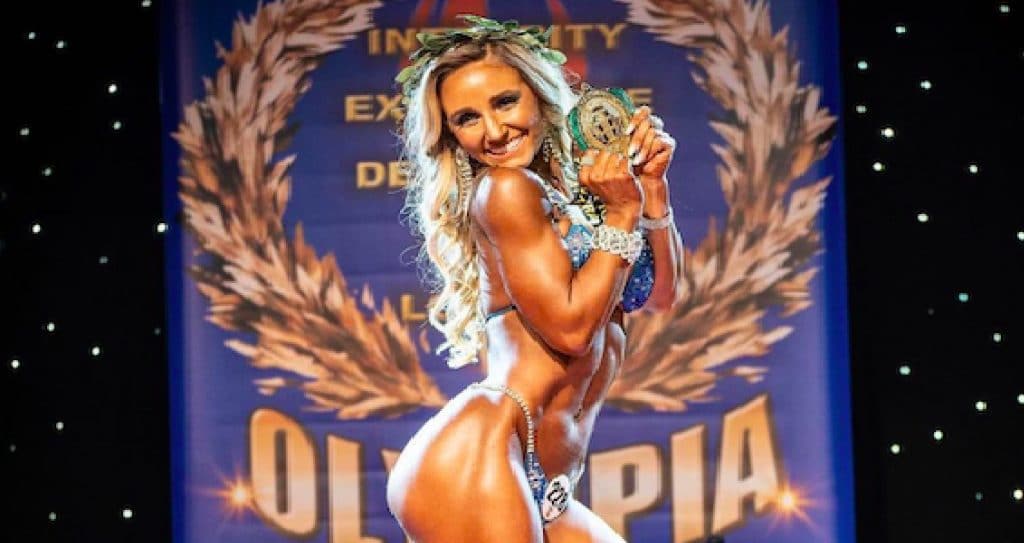
Kayla Rowling is an American professional International Natural Bodybuilding Association (INBA)/Professional Natural Bodybuilding Association (PNBA) Bikini Divas athlete born on May 6, 1993. Rowling is a 2x Natural Olympia champ, including 2021 Natural Olympia.
Kayla Rowling has also signed a multi-media contract with Generation Iron, Iron Man Magazine, and the INBA PNBA.
Below is a complete breakdown of Kayla Rowling’s profile, stats, biography, training, and diet regimen.
Full Name: Kayla Rowling
Weight
Height
Date Of Birth
135 lbs
5’2″
05/06/93
Division
Era
Nationality
Bikini Divas, Evening Gown
2010
American
Biography
On May 6, 1993, Kayla Rowling was born in Alton, IL. Kayla Rowling has a background in dance and gymnastics, and she was a college cheerleader at Northern Illinois University. She also competed in a few pageants. Her acrobatic experience helped merge her way to competing in natural bodybuilding.
When she was 25 years old, she spectated a bodybuilding competition and fell in love with the sport. Her coach, Anthony Badejo, is her most significant influence as a natural athlete.
Rowling stated that she loves bodybuilding because:
“There is so much in the world that we can’t control, but what we can control is ourselves. I believe bodybuilding gives you the opportunity to practice how to use self-control and build discipline so you can apply it to other areas of your life.
If you master yourself, then you can master anything. This is only one of the many reasons why I love it!”
Competition History
Below is Kayla Rowlings’s complete competition history.
2021 Natural Olympia Bikini Divas – 1st
2021 Pro Chicago AM – 1st
2021 Team USA – 3rd
2020 Natural Olympia Bikini Divas – 1st
2020 Pro Chicago North American – 2nd
2020 Minnesota Mayhem – 5th
2019 Natural Olympia – 15th
2019 Chicago North American Novice and Bikini Division – 1st
2019 Chicago North American – 1st
Kayla Rowling’s Training
Kayla Rowling works out twice a day. She does fasted-cardio in the morning (time varies), and five hours or more later, she’ll weight train. Rowling follows a 6-day split routine, isolating each muscle group into different days, and has one rest day a week. And her reps and sets will vary depending on her goals. Rowling stated, “My weight fluctuates a lot.”
https://www.instagram.com/p/Cbc_5Bcu-2W/?utm_source=ig_web_copy_link
In the Instagram clip above, she’s performing various dumbbell chest exercises, including incline dumbbell bench press and incline dumbbell fly.
What Are Kayla Rowling’s Favorite Exercises?
When it comes to her favorite exercises, she stated:
“I don’t have a favorite. I love them all.”
Nutrition
Regarding nutrition, Kayla Rowling said:
“My intake in and off-season is a blanched diet which consists of protein, fiber, and carbs in every meal, six meals a day, every three hours, based on my goals.”
Supplements
These are the supplements that she takes below.
Personal Life
When it’s the fall or winter, Kayla Rowling loves to read, especially books written by Robert Greene and books about stoic philosophy or spirituality. Rowling also likes drinking hot black coffee. If it’s spring or summer, you might find her rollerblading outside or at the beach in a bikini tanning, and working out – she enjoys working out outside!
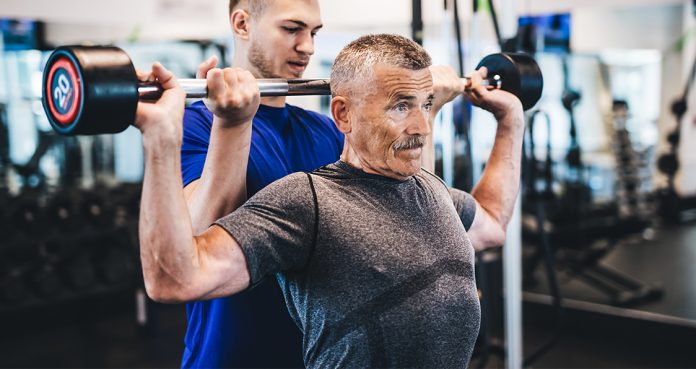
How To Approach Your Workouts After 40
How Your Training Needs To Change After You Turn 40
Your training method is going to be significantly different when you’re in your 40s as compared to your youth. Why is that, you ask? All the stair climbing, doing the monotonous chores, running after the kids takes a toll on the body and it starts to show after you’re 40.
To begin with, you want to stay away from people who generalize everyone over 40 and want them to believe that every individual is in the same condition all across the spectrum. The next time you hear someone say “age is just a number” – punch them in the face.
A Change in Priority
If you’re a muscle junkie, your best bet would be to build as much muscle as you can before you turn 40. Sarcopenia hits in when you’re around the 40-year-old mark. You will lose muscle naturally as you get older. While there are no health hazards associated with muscle loss, you can control how much muscle you lose, and when you start losing it.
With age, your workout intensity will drop and you shouldn’t be lifting heavy weights if you want to maintain your joint, muscle, and bone health. Focus on starting big and maintaining the muscle mass rather than trying to add on weight as you get older.
Basic Movement Patterns
Unlike most other sports, an individual can pursue bodybuilding for life. Bodybuilding also has the possibility of improving at ages when most athletes in other sports have called it quits. Don’t be surprised if you find a person who started bodybuilding at 15 and peaked at 40 or beyond.
Bodybuilding is a thinking person’s pursuit and everyone can work from the same basic set of principles. Some of the basic movement patterns that should become the cornerstone of your training are:
Horizontal push (pushup, bench press, fly)
Horizontal pull (row)
Vertical push (overhead press)
Vertical pull (chin-ups, pullup, lat pulldown)
Squat (squat, lunge, leg press)
Hinge (deadlift, back extension)
A Shift in Exercise Preference
While we agree compound (multi-joint) exercises like squats, lunges, deadlifts, presses, and rows are great for building strength and muscle mass, they can put you at a greater risk of an injury as you grow older.
Isolation (single-joint) exercises like curls, press downs, flies, and lateral raises are a much better option for people over 40 as they don’t consume a lot of energy, which means you can push yourself harder and recover faster.
Switch-Up the Intensity
Once you hit the 40-year mark, forget about hitting PRs on the bench press or deadlifts. Your workout program should have a higher number of reps. You’ll get better muscle growth in the 8-15 rep range, with less risk to your joints and easier recovery.
How would you know if you’re making improvements? Look for an improved form and a better mind-muscle connection. You should have shorter workouts and a better pump, or a better overall sense of well-being when you leave the gym after a workout.
Things NOT To Do
While we can go endlessly about the things you should be changing in your workouts after you turn 40, knowing about the things you shouldn’t do in the gym will set a better groundwork. These are the things you should avoid –
Exercises that put your shoulders in mechanically risky positions (dips, behind-the-neck presses, barbell upright rows)
Exercises that put your elbows under uncomfortable stress (elbow injuries always take longer to heal)
Ballistic or explosive exercises (kipping pullups, Olympic lifts)
Heavy barbell lifts (barbell squats, bench and shoulder presses, deadlifts)
How old are you? Let us know in the comments below. Also, be sure to follow Generation Iron on Facebook and Twitter.
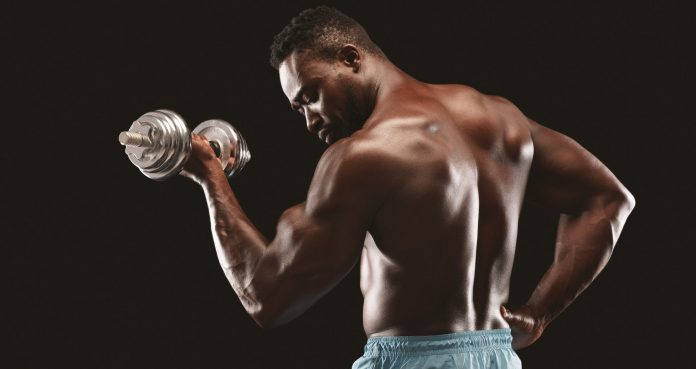
Hammer Curl Vs. Bicep Curl: Which Will Grow Bigger Arms?
Both will enhance the strength and size of your arms, but which one is better for your goals?
The ability to enhance your arm strength while increasing size is not something we typically stress about. With so many exercises to jack up your biceps and get that blood pumping through, it doesn’t seem as challenging as one would think when trying to bulk up our biceps. If anything, we stress about the amount of time spent working our arms, for like any exercise, we want to get the most efficient gains out of every workout.
This is where the debate around the hammer curl vs. bicep curl comes into play. While both are unbelievable at giving your biceps some serious attention, is one better than the other when it comes to building those gains we wish to see most?
Let’s dive into these exercises and see just what makes the hammer curl or bicep curl really effective in bulking up your biceps. From what each of them is, to the specific biceps muscles worked, and how to perform them, we will ultimately work towards our conclusion as to which of these biceps brutalizers is most effective for your gains.
Anatomy Of The Biceps
Before we jump right into these exercises, let’s break down the bicep muscle to understand just what these exercises are working. There are four muscles that make up the upper arm being the biceps brachii, brachialis, brachioradialis, and coracobrachialis. The biceps muscle consists of a long head and a short head, each serving its own function for your arm and its movements.
We will see that each of these exercises either works the biceps brachii or brachialis, which works to provide for the lifting and lowering motion of our arms, as well as assisting the forearms when it comes to lifting and other movements. Using different grips and varying resistance will work each of these differently and start to give you some great well-rounded growth (1).
Hammer Curl Breakdown
Hammer curls are a variation of the biceps curl that uses more of a neutral grip with the weight held vertically, as opposed to the horizontal direction of a biceps curl. These are a great way to work your grip strength while also putting less stress on your wrist given the way the vertical grip is held (2). As you increase in weight, you will start to protect your forearm which will prove to be effective during bigger lifts.
Muscles Worked: Long head of biceps brachii and bicep brachialis, as well as your wrists, forearms, triceps, deltoids, and traps
How To: With a tight core and stance around shoulder-width apart, grip the dumbbells and hold them vertically with a neutral grip. Keep your elbows tucked towards your torso and really work to isolate with just the biceps to get great work done. Gently lower back to the starting position and repeat for your desired number of reps.
Bicep Curl Breakdown
The biceps curl is arguably the most recognizable arm exercise out there. With so many variations and different equipment to try, this is a staple in virtually everyone’s arm day routine. Building basic arm strength will help with a number of everyday activities while also working to build around that shredded physique.
Muscles Worked: Short head of biceps brachii, forearms, and delts
How To: With an engaged core and feet around hip-width apart, curl the dumbbell towards your shoulders while keeping your elbows close to your ribs. Lower back to the starting position and repeat for your desired number of reps.
Which Is Better For Bigger Arms?
When it comes to deciding on which exercise to perform for your bodybuilding goals, it is honestly wise to choose both. Placing these in your arm day routines will prove to be a big pay off for that arm growth and increased strength. With that said, let’s break down some differences so you can make the best choice for your personal workout routine.
The biceps curl is the easiest and most recognizable biceps exercise to do. It will work to really increase strength while allowing you to cheat, although we don’t recommend that. To cheat around this exercise would be straying from form which can lead to injury, but you can still see growth with the biceps curl. With so many variations, what you get is a solid foundation to move onto more advanced curls. The biceps curl does put some extra strain on your wrists and forearms so that is something to keep in mind especially if you have a weaker grip.
The hammer curl on the other hand is a great arm exercise to target not just the biceps, but also your brachialis and other arm muscles. This will work for increased strength and stability as you move onto those bigger lifts. Since the neutral grip is easier on your wrists, these can be done with slightly heavier weight and are great for additional tactics like drop sets, which can target deeper into your muscle for that insane growth (3), all while working to get an aesthetically pleasing arm. Ultimately, hammer curls are more effective in building forearm and wrist strength over biceps curls.
Wrap Up
Both the hammer curl and biceps curl will effectively target your arm growth and really work to provide for that stellar physique you want. Both are fairly easy to learn, simple to do, and convenient while at the gym to target your biceps and give you the results you want most. Placing both of these in your arm day routine will prove to pay off in the long run as you target more than just the biceps and, when mixed with a stellar triceps routine, can show off that horseshoe shape we all know and love.
Regardless of what you choose, making sure you don’t cheat yourself is something to really look for because you will get more out of these with proper form and the right amount of weight. See where you can place the hammer curl and biceps curl into your workout routine so those bulging biceps become a reality.
Let us know what you think in the comments below. Also, be sure to follow Generation Iron on Facebook, Twitter, and Instagram.
*Images courtesy of Envato
References
Bharambe, Vaishaly K.; Arole, Vasanti; Kanaskar, Neelesh (2015). “A study of biceps brachii muscle: Anatomical considerations and clinical implications”. (source)
Lee, Julia-Ann; Sechachalam, Sreedharan (2016). “The Effect of Wrist Position on Grip Endurance and Grip Strength”. (source)
Schoenfeld, Brad; Grgic, Jozo (2018). “Can Drop Set Training Enhance Muscle Growth?”. (source)
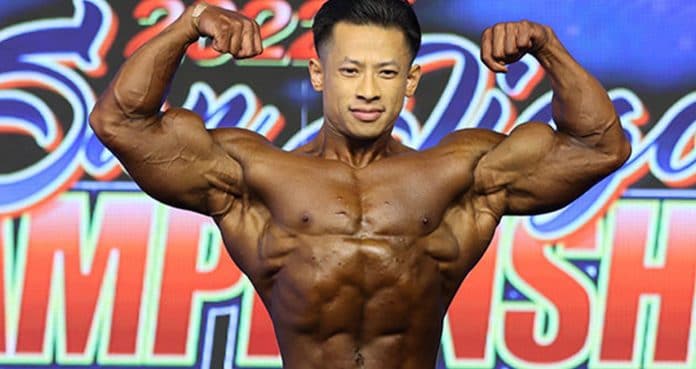
2022 San Diego Pro Championships Results
Tony Duong wins Classic Physique at the 2022 San Diego Pro Championships!
The 2022 San Diego Pro Championships took place on Saturday in San Diego. Classic Physique competitors had a chance to gain qualification to the Olympia by winning the show. In the end, it was Tony Duong who took home the title and will not have a chance to compete on the biggest stage in bodybuilding.
Classic Physique is a division that is taking the sport by storm. It is growing in popularity because of the stars that at the top and the overall depth. This includes Tony Duong, who put on a championship-caliber performance on Saturday. Jason Strayhand and Jeremy Dutra also came in with hopes of earning qualification but still have time before December rolls around.
The full results from the show have been announced! Checkout the full breakdown of each division below along with who has earned their qualification to the 2022 Olympia!
2022 San Diego Pro Championships Breakdown
Classic Physique
First Place – Tony Duong
Second Place – Jason Strayhand
Third Place – Jeremy Dutra
Fourth Place – Damien Patrick
Fifth Place – Bartley Weaver
Sixth Place – Muhammed Alzidan
Seventh Place – Johnathan Jimenez
Eighth Place – Noel Thompson
Ninth Place – Kasey Housmans
Generation Iron wishes to congratulate all the great athletes who earned a win at the 2022 IFBB San Diego Pro Championships. Make sure to check out our full IFBB Pro results page from this year and previous years right here to catch up on any action you may have missed!
Greg has covered the four major sports for six years and has been featured on sites such as Sports Illustrated, Fox Sports, SB Nation, NJ.com, and FanSided. Now, he is transitioning into the world of bodybuilding and strength sports.

2022 Thailand Pro Results
Greg has covered the four major sports for six years and has been featured on sites such as Sports Illustrated, Fox Sports, SB Nation, NJ.com, and FanSided. Now, he is transitioning into the world of bodybuilding and strength sports.

Binge Eating – Causes and How To Overcome It
The cause of binge eating and how to get past it.
What is binge eating? Binge eating is defined as the consumption of an unusually large amount of food in a short period accompanied by a sense of loss of control. An eating disorder can lead to obesity, depression, hypertension, and many other physical and mental problems.
Overweight people give various reasons for their weight gain like having heavy bones, bad genetics or some unique disease which is limited to them but they never admit that they are binge eaters.
The Causes of Binge Eating
Self-judgment
A negative self-image is largely based on one’s shape, weight, and self-control. When an individual starts believing that they can never lose weight and get in shape, they start to take comfort in binge eating.
Mood Fluctuations
The more volatile your mood, the more you’re prone to binge eating. The reason for this is that eating highly palatable foods makes us feel better during that brief moment of sadness, happiness, loneliness, frustration. Binge eating also serves as a temporary distraction from negative emotions.
Many people also fall upon binge eating because eating acts as an escape from their current situation. Finally, there are some people who can’t tell the difference between being hungry and being bored.
Following a Barbaric Diet
There is a high probability that you know someone who got in shape for a brief period before returning to their old selves. These people can’t keep the weight off because they follow too strict a diet to achieve their goal. Once their program ends, they tend to eat everything they can get their hands on.
Overcoming Binge Eating
Eating Small and Frequent Meals
If your goal is to lose weight, you should consider switching to a diet plan where you eat 5-8 small meals in a day as compared to the usual three big meals. These meals should come at a gap of three hours.
Eating frequent meals will not only limit your chances of binge eating by keeping you full throughout the day, but it can also help you in your weight loss journey by spiking your metabolic rate. It means that you’ll be burning fat even while you’re Netflix and chilling.
A Little of Everything
While on a diet, many people make the mistake of having a forbidden food list. These foods turn into “trigger foods” in that their consumption can cause considerable anxiety and can prompt binge eating.
Instead of going cold turkey on them, you should limit them to cheat days or a couple of days a week – if your diet plan allows. Once there are no forbidden foods, you don’t have to worry about random binge eating encounters.
Join a Physical Activity
Don’t worry, we’re not asking you to get a gym membership or train for a marathon. Research shows that working out for at least three days a week can help improve and maintain your health.
When you put in the effort to improve your physique, you’re less likely to let that hard work go to waste by picking up a donut with the coffee. Make a list of physical activities that bring you some pleasure and follow them for at least three days a week.
What is your favorite cheat meal? Let us know in the comments below. Also, be sure to follow Generation Iron on Facebook and Twitter.

2022 Caribbean Grand Prix Bermuda Pro Results
Here are the full results from the 2022 Caribbean Grand Prix Bermuda Pro!
The 2022 Caribbean Grand Prix Bermuda Pro took place over the weekend with athletes looking for qualification to the 2022 Olympia. Hamilton, Bermuda was the place where Bikini and Wellness competitors got a chance to show what they can do. It was highlighted by victories from Eli Fernandez in Bikini and Barbara Cesar in Wellness.
Casey DeLong highlighted a small group of Wellness competitors in this event. She competed at both the 2021 Olympia and 2022 Arnold Classic. They both ended in top-10 finishes setting up for a big 2022 season. Lorena Ragusa were also considered contenders in this small but talented division.
In Bikini, it was Alessia Facchin who was expected to perform well. She finished sixth at the Arnold Classic at the beginning of March. This would give her a chance to compete at the Olympia and test her physique against some of the best in the world.
The full results from the show have been announced. Checkout the full breakdown from the show below and find out who earned qualification to the Olympia!
2022 Caribbean Grand Prix Bermuda Pro: All Division Winners
Bikini: Eli Fernandez
Wellness: Barbara Cesar
2022 Caribbean Grand Prix Bermuda Pro Breakdown
Bikini
First Place – Eli Fernandez
Second Place – Ashlyn Little
Third Place – Alessia Facchin
Fourth Place – Elisangela Angell
Fifth Place – Nittaya Kongthun
Sixth Place – Samantha Kucera
Wellness
First Place – Barbara Cesar
Second Place – Lorena Ragusa
Third Place – Mariela Peres Carvalho
Fourth Place – Casey DeLong
Fifth Place – Nerilde Garcia Strey
Sixth Place – Celeste Morales
2022 Caribbean Grand Prix Bermuda Pro Official Scorecards
Generation Iron wishes to congratulate all the great athletes who earned a win at the IFBB Caribbean Grand Prix Pro. Make sure to check out our full IFBB Pro results page from this year and previous years right here to catch up on any action you may have missed!