
Tag: Bodybuilding
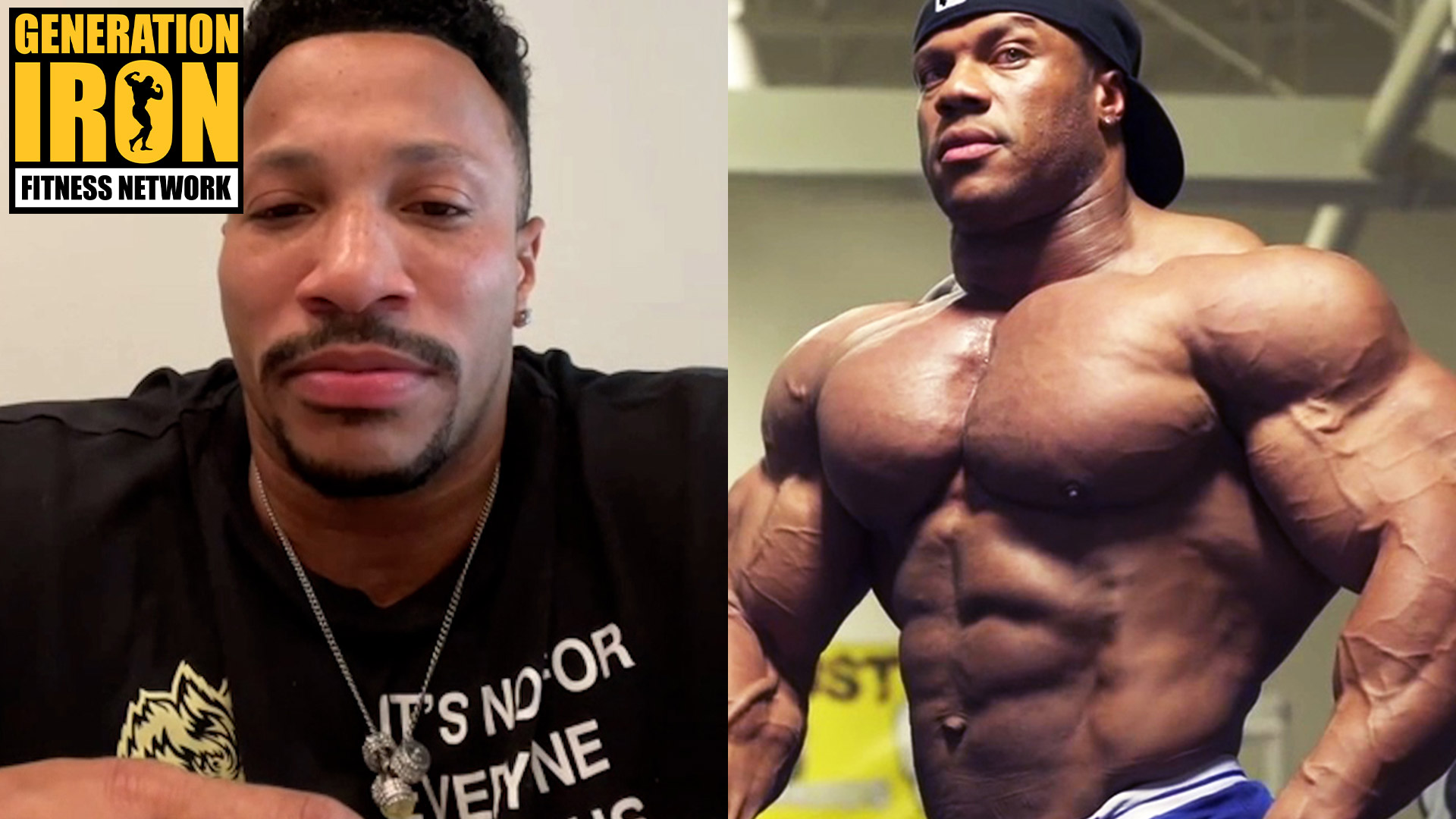
Patrick Moore Reveals The Game-Changing Advice He Received From Phil Heath
[embedded content]
Phil Heath gave Patrick Moore some powerful advice that may have affected Patrick Moore’s decision to sit out of the 2022 season.
Patrick Moore is a pro bodybuilder that has gained a lot of attention and hype over the past few years. So it came as somewhat of a shock when Moore announced he would not compete in 2022 and focus on growing and improving his physique. During our conversation with Moore right before the Olympia 2021, he revealed some key advice he received from Phil Heath. Looking back, that advice might play into Moore’s 2022 decision. In our latest GI Exclusive, Patrick Moore details the valuable advice he received from seven time Olympia champion Phil Heath.
Patrick Moore considers himself lucky to call Phil Heath a friend. They exchange texts and talk somewhat regularly. That’s a powerful friend to have in the bodybuilding world. Moore is able to pick the mind of one of the greatest Olympia champions in the history of the sport. During our conversation with Moore, we asked him about that friendship and if it’s provided insight into his own training and contest prep.
Patrick Moore reveals that he, in fact, trained with Phil Heath not too long before the Olympia 2021. During that training session, Moore also received sage advice from Heath. Our conversation took place before the Olympia and well before his announcement to not compete in 2022. But looking back at our discussion and the details of Heath’s advice – it seems that perhaps he had some strong influence on Moore’s recent decision to focus on growth and not compete next year.
During our interview, Patrick Moore explains that Phil Heath strongly urged Moore not to compete in the Olympia 2021. This ultimately didn’t happen. While Moore has not publicly confirmed this – it seems a combination of his recent Olympia experience and his conversation with Phil Heath ultimately led to his new direction going into the 2022 season.
“The biggest thing that he told me was in line kind of what I wanted to do already. He told me to take my time,” Patrick Moore stated in our interview. He continued:
“And he actually advised me to entertain the idea of sitting out of this Olympia. Which I 100% understand because he was saying, ‘Man, I want you to be successful. I want you to crack the top spots…’ He told me, ‘If you want to be the best you’re really going to have to go to another level with your dedication.”
Patrick Moore goes on to explain that Phil Heath went into more detail about exactly how Moore could improve to get to the next level. Moore was lucky enough to have Heath sit down and go over every aspect of living the life of a pro bodybuilder. While Moore did not reveal the exact secrets, he made it clear that Phil Heath broke down exact areas where Moore needed to improve – not only his tactics but his dedication.
While this might sound like a slight on Patrick Moore’s passion, the reality was far from it. Moore admits that he is extremely passionate and dedicated to the sport. In fact, speaking with Heath opened up his eyes to just how far beyond greatness a competitor needs to be in order to become the absolute best in the world. Heath shared advice on not only how to win one Olympia – but to be a consistent champion for years to come.
The hard part, of course, is taking that concept and turning it into reality. Patrick Moore ultimately decided to compete at the Olympia 2021. Now, shortly after that competition, his announcement of staying off stage for 2022 seems to be a direct reaction to Phil Heath’s advice. He’s taking a long needed break. Not from bodybuilding but from the stage. So he can dig deep and focus on upgrading to the next level.
With Patrick Moore already an impressive bodybuilder and now with Phil Heath’s occasional advice in his corner – we believe that it’s very possible we see an even further transformed Moore in 2023 and beyond.
You can watch Patrick Moore go into full detail about Phil Heath’s advice in our latest GI Exclusive interview segment above!
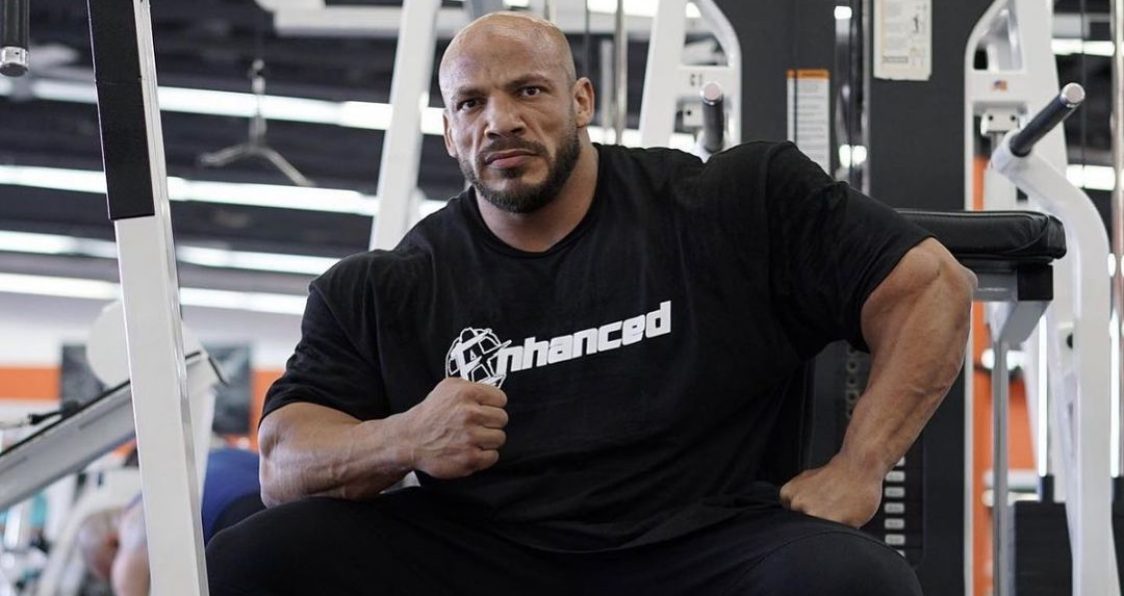
Post Competition Q&A With Mr. Olympia Big Ramy
Today we’re sitting down with Big Ramy to find out how he transitions out of a grueling contest prep.
Today we have a great Q&A with your 2021 Olympia champ, Big Ramy, to chat about his post-competition routines as he phases out of that grueling and tough contest preparation. We’ll talk about training, nutrition and supplement strategies to prevent post competition water retention and bloating in efforts to stay as healthy as possible and carry over this great momentum coming off his big win.
About Big Ramy
Mamdouh “Big Ramy” Elssbiay is an Egyptian professional bodybuilder who had a rapid rise to fame in the pro bodybuilding world. With a past as a fisherman, he spent years working in Kuwaiti waters before starting to train. Once that happened, he fell in love with bodybuilding and perfect genetics allowed him to thrive in the sport. As someone who wants to improve his physique and compete in competitions, his desire to be unstoppable has not only made him a big name but earned him the title of Mr. Olympia at the 2021 contest, giving him back to back wins at Mr. Olympia.
Q&A With Big Ramy
We sat down with Big Ramy, your 2021 Olympia champ, to discuss life post-competition. Let’s dive right into this and see what Big Ramy has to say!
Generation Iron: Hi Big Ramy. Thanks for taking the time to talk with us today. Before we get into the Q/A session, I wanted to complement you on how great you looked on the Mr. Olympia stage!
Big Ramy: Thank you for the kind words but that’s already in the past and it’s time to focus on the next competition!
Generation Iron: Let’s get right into it then! How do you transition out of a contest prep? Do you slowly add in calories, or do you go straight into bulking mode?
Big Ramy: I’ve learned through trial and error that it’s best to slowly add in calories and ‘reverse diet’ yourself into a bulk. I’ve tried going full out bulking mode immediately after competitions in the past and my weight would shoot up 30 pounds in less than two weeks! I would experience terrible bloating and water retention too.
Generation Iron: 30 pounds! Wow!
Big Ramy: Yes. It’s important to slowly ease out of a grueling contest prep. Each week I reduce the amount of cardio by 25% and add a couple hundred calories back into my diet.
Generation Iron: That makes a lot of sense. I imagine it must be hard to be so regimented right after a long contest prep.
Big Ramy: It is but I do still allow myself some flexibility with my diet. If I’m craving a food; I eat it! I’m just mindful of the portion size. Instead of eating an entire pizza, I’ll only have a slice or two.
Generation Iron: What are your favorite cheat foods after a competition?
Big Ramy: I’m used to eating like a bodybuilder, so my cravings are never too bad but one thing I always crave after a long contest prep is fruit! After a competition I’ll have one or two servings of fruit every single day. I’m also a sucker for pizza, mac n’ cheese and nachos!
Generation Iron: Fruit? I wouldn’t even consider that junk food!
Big Ramy: It isn’t but to get to single digit body fat levels my diet becomes very strict. Even fruit isn’t allowed.
Generation Iron: How about your training? How does that change?
Big Ramy: I slowly reduce the cardio by 25% each week so that by week 4 I’m no longer doing any cardio. I also lower my training frequency from 6 days a week to 5 days a week. I typically train 5 days per week throughout my offseason. I will take extra days off here and there if my body needs it.
Generation Iron: How about your workouts? Does your training style change as well?
Big Ramy: I always train hard and heavy but during a contest prep I do more machines to prevent injury. In the offseason I base my training around the big compound lifts like squats, deadlifts, and bench press.
Generation Iron: Last question before we close off; how do your supplements change from pre-contest to offseason?
Big Ramy: Great question. I slowly transition off the fat burners. I’ll reduce the dosage in half for a couple weeks before coming off them completely. When I stop taking the fat burners is when I add in bulking supplements like creatine and carbohydrate powders. One supplement I always utilize during the offseason is CarbTech by Enhanced Labs. It’s a high molecular weight carbohydrate supplement with creatine and lactic acid buffers. It tastes really good too!
Generation Iron: That’s good advice! Do you have any closing remarks for our fans before we sign off?
Big Ramy: Remember that your body needs time to slowly transition out of a contest prep. Going from one extreme to another isn’t good. Slowly transition into an offseason by reverse dieting and slowly reducing cardio. It will take discipline, but it will prevent you from gaining unwanted fat and bloating. You just spent all that time dieting; you might as well enjoy single digit body fat levels for a while!
Generation Iron: You heard it from Big Ramy himself. Have a productive offseason and good luck on your next competition!
Wrap Up
You’ve heard it all here from Big Ramy himself. A devoted and accomplished athlete, and best in the field, Big Ramy knows exactly what it takes to win and how to properly adjust post-competition to give himself an even better chance at seeing serious gains and repeating for a third time come next year. With the caliber of competition at Olympia each and every year, Big Ramy knows what it takes to succeed and only gives himself room to grow as he seeks to take down fellow giants that walk amongst him come competition time.
Let us know what you think in the comments below. Also, be sure to follow Generation Iron on Facebook, Twitter, and Instagram.
*Images courtesy of Enhanced and Big Ramy Instagram
Nathan De Asha Provides Physique Update 3 Days Out Of Prague Pro
Nathan de Asha is looking insane just three days away from the Prague Pro.
Nathan de Asha has been on a roll lately and he is looking to continue that trend during the 2021 EVLS Prague Pro. De Asha will be one of the top competitors on stage in the Czech Republic and he has been showing plenty on social media. His most recent physique update came on Wednesday via Instagram.
De Asha posted a recent video of a posing routine just three days out of the Prague Pro. In his caption, he explains that conditions have not been ideal leading up to the show but he still looks like he is in top shape.
“70% loading.SEASON FINALE!!After 3 days of shit sleep. On my feet all day at expo. N minimal food. We still coming. ??praying for 10.”
Nathan De Asha did not compete in this year’s Olympia because of travel issues but has been performing well since. He recently appeared on stage during the 2021 Yamamoto Pro, where he took home gold in Men’s Open. He has also claimed victories in the 2021 Arnold Classic UK and 2021 Europa Pro, which took place back in August.
The Prague Pro is an event that De Asha knows well. He has two previous appearances in the competition and has performed well. In 2017, De Asha finished fourth and earned a second-place finish one year later.
De Asha has showed plenty of workouts leading up to the event as he prepares to take on some other top competitors. This begins with Regan Grimes. After a victory at the 2021 KO Pro Egypt, Grimes earned his qualification to the 2022 Olympia but felt the need to get back on stage to see how he stacks up.
Roelly Winklaar is also scheduled to appear in the Czech Republic. Winklaar finished second to De Asha during the Europa Pro. Samson Dauda will also return to the stage after an appearance in the Egypt Pro while Rafael Brandao makes his return to action.
Nathan de Asha has run into some legal trouble over the years but he has been able to maintain an elite physique and win some competitions. This is a chance for De Asha to continue to shine and earn qualification to next year’s Olympia.
Since he was unable to compete this year, it is important for De Asha to get back on stage at the biggest competition of the year. By the looks of his recent update, it seems as though De Asha is ready to put on a show during the Prague Pro.
For more news and updates, follow Generation Iron on Facebook, Twitter, and Instagram.
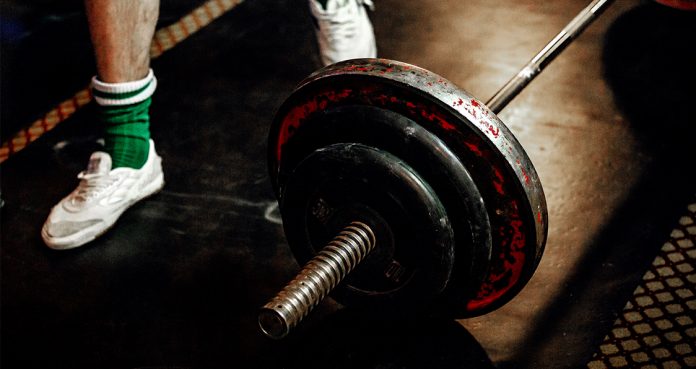
How To Perfect The Trap Bar Deadlift
The Deadlift Variation for Maximizing Strength and Hypertrophy
Considering the number of muscles engaged, the deadlift has to be regarded as one of the most effective resistance exercises for developing full-body strength.There are many functional deadlift variations that can be utilized to develop specific muscle groups and components of fitness.One such variation is the trap bar deadlift which uses a hexagonal-shaped barbell rather than a straight bar that is used in the conventional or sumo deadlift.This article will cover the muscles worked and the technique required to execute the trap bar deadlift before moving onto review the benefits of the exercise.
Trap Bar Deadlift Technique
While this exercise is a deadlift variation, be aware that the trap bar actually places the body in a slightly different position than the conventional deadlift which changes the mechanics of the movement (1).To effectively perform the trap bar deadlift, use the following 4-step guide.
1) Setting Up
Start by standing in the trap bar, assume a hip-width stance and keep the toes pointed forward.While a hip-width stance is recommended, physical attributes will dictate your stance. Some lifters with long limbs may find that a wider stance is required to allow them to take up the correct position.Rather than simply reaching down to the bar, drop down by pushing the hips back while keeping the chest lifted as this will prevent any movement occurring through the spine.If the correct position is assumed, the shins should be perpendicular to the floor, the back neutrally aligned and the shoulders directly over the bar.
2) Bracing
Before initiating the lift, with the bar still in contact with the floor, grip the bar hard, lift the chest, pull the shoulder blades together and actively squeeze the core muscles.
The purpose of this is to protect the body from injury and to facilitate an efficient lift. If appropriate bracing is not applied, it is possible that form will breakdown thus increasing the risk of injury.
3) The Drive
To lift the bar from the floor, avoiding thinking about picking the bar off the floor and instead focus on driving the feet through the floor.
Sometimes those who view the deadlift as simply picking the bar from the floor round their spine instead of maintaining a neutral position which can increase the risk of injury.
Therefore, concentrate on the feeling of the knees and hips extending as the feet are firmly driven into the floor.
4) Finish Strong
As you reach the top of the exercise, remember to squeeze the glutes tight and drive the hips forward. At the same time, maintain a core brace to prevent any spinal flexion or extension.
In the standing position, the body should be entirely vertical with the shoulders pulled back and down and the chest lifted high.
Upon reaching this position, reverse the movement in a controlled fashion ensuring that the back remains flat as the bar drops down to the floor.
Trap Bar Deadlift Muscles Worked
The trap bar deadlift targets a multitude of muscles throughout the body and therefore can be considered a highly effective full-body developer.This section will detail the major muscle groups that are targeted during the trap bar deadlift.
1) Glutes
The glutes are the most powerful muscle group in the human body and therefore play a crucial role in a number of strength and power exercises.Due to the degree of hip flexion performed during the deadlift, the glutes are placed under great demand and play an influential role in bringing the bar up from the floor to the hips.Therefore, the trap bar deadlift can be considered an effective exercise for developing glute function, strength, and size.
2) Hamstrings
While there are other deadlift variations that more specifically target the hamstrings, such as the Romanian and straight-leg deadlift, there is no doubt that the trap variation effectively works the hamstrings.The hamstrings are responsible for bringing about hip extension and knee flexion and are heavily involved in the trap bar deadlift as a result. However, it must be noted that because the trap bar typically places more demand on the quads (due to increased knee flexion), the stress placed on the hamstrings is slightly reduced.
3) Quadriceps
In a similar fashion to the sumo, the trap bar variation targets the quadriceps to a greater degree than a conventional deadlift.As touched on, a greater amount of knee flexion is typically required for a trap bar deadlift which causes this increased quadriceps activation.The increased flexion of the knee in the setup causes the trunk to be held in a more upright position which reduces the demand on the hamstrings and lower back.
4) Erector Spinae
The majority of deadlift variations will highly activate the erector spinae; this is because these muscles, which run the length of the back, contract in order to keep the back flat.The mechanics of the trap bar deadlift does contribute to a decreased demand on these muscles in comparison to other deadlift exercises. As a result, those who wish to limit the amount of stress placed on the lower back, while still regularly performing pulling exercises, may find it beneficial to use the trap bar variation.
5) Back Muscles
While the decreased back angle has a substantial impact on reducing the load placed on the erector spinae, having the torso in a more upright position may place more of a load on the traps, specifically the mid and upper traps.The lats are another muscle group of the back that are recruited during the deadlift in order to stabilize the spine.
Trap Bar Deadlift Benefits
The trap bar deadlift can easily be incorporated into a training problem and makes a great substitute for the conventional or sumo deadlift.Powerlifters, weightlifters, strongman athletes, crossfitters, sports athletes and those looking to improve their general health can experience significant benefits by adding this exercise to their training.This section will highlight five benefits to allow you to understand why the trap bar deadlift is such an effective exercise for strength, function, and hypertrophy.
1) Improved Pulling Strength
The trap bar deadlift is an excellent exercise choice for developing pulling capabilities or for adding in additional pulling volume.It can be used as a primary or accessory lift and can contribute towards a better performance with the conventional deadlift, sumo deadlift, front squat and back squat.In addition, a recent study suggests that the trap bar may be more beneficial than the straight bar for developing force, power, and velocity (2).The trap bar deadlift is also a great place to start for the beginner and it requires less of a hip hinge – a movement that some beginners can find challenging to begin with.
2) Weightlifting Benefits
For Olympic lifters, the trap bar deadlift can prove to be an effective exercise for facilitating a better clean or snatch as it will effectively build total-body strength.There are similarities between the first pulls of both the clean and snatch and the trap bar deadlift. The main similarity is in terms of trunk position as all of these exercises place the trunk in a more upright position. While it should not be used as a replacement for the clean or snatch, adding it into your training as a supplemental lift can be highly beneficial.
3) Reduced Lumbar Stress
The conventional deadlift places a great demand on the spinal erectors, hips, and hamstrings due to the reduce flexion at the knee in the setup.As reflected on, this makes the trap bar deadlift an effective choice for those who are looking to reduce the demand placed on these muscles. Many individuals struggle with lower back issues and pain, therefore, there may be times where you need to use the trap bar deadlift in order to reduce the loading on the lower back.
4) Glute and Quad Development
For those who are looking to develop muscle size, the trap bar deadlift will apply a large amount of stress to the quadriceps and glutes.With appropriate nutrition, these muscles will adapt to the training stimulus and significantly increase in strength and size.Once again, the reason that the quadriceps and glutes are subject to the greatest amount of stress in the trap bar deadlift is due to the upright position of the trunk.
5) Supramaximal Lifting
For those who are at an advanced level of training, the trap bar deadlift can be loaded supra-maximally and research suggests that a greater load can typically be lifted with a trap bar deadlift (3).There may be a number of reasons for incorporating supramaximal training. It may allow you to become more accustomed to dealing with heavier loads and overload the nervous system.This can have a consequent positive impact on your strength capabilities and allow you to more safely and effectively lift heavy loads.
Final Word
While there are a number of useful deadlift variations, the trap bar deadlift is an excellent exercise for a variety of reasons.Not only will it significantly develop strength and size, but it can also be a practical choice for those who need to reduce lower back loading.
References:
1 – Swinton, Paul A.; Stewart, Arthur; Agouris, Ioannis; Keogh, Justin W. L.; Lloyd, Ray (2011-07). “A biomechanical analysis of straight and hexagonal barbell deadlifts using submaximal loads”. Journal of Strength and Conditioning Research. 25 (7): 2000–2009. doi:10.1519/JSC.0b013e3181e73f87. ISSN 1533-4287. PMID 21659894.
2 – Camara, Kevin D.; Coburn, Jared W.; Dunnick, Dustin D.; Brown, Lee E.; Galpin, Andrew J.; Costa, Pablo B. (2016-05). “An Examination of Muscle Activation and Power Characteristics While Performing the Deadlift Exercise With Straight and Hexagonal Barbells”. Journal of Strength and Conditioning Research. 30 (5): 1183–1188. doi:10.1519/JSC.0000000000001352. ISSN 1533-4287. PMID 26840440.
3 – Lake, Jason; Duncan, Freddie; Jackson, Matt; Naworynsky, David (October 24, 2017). “Effect of a Hexagonal Barbell on the Mechanical Demand of Deadlift Performance”. Sports. 5 (4). doi:10.3390/sports5040082. ISSN 2075-4663. PMC 5969032. PMID 29910442.
How To Gain Muscle Mass Quickly – A Guide On What To Eat And How To Train
Put On Muscle Mass Using This Technique
Many people quit the fit lifestyle when they join a gym to put on muscle mass but can’t see the weight scale budge in the right direction. Most people want to get results in the shortest time.
If you want to put on muscle on a timeline, you can’t afford to go wrong with the training, diet, and recovery. In this article, we’ll show you the way by telling you everything you need to know about gaining muscle on a deadline using a technique.
Setting The Right Target
Before you begin your transformation, you need to make sure you’re setting achievable goals. To keep your bulking phase sustainable, we suggest not wanting to put on more than 2lbs weight every week.
Whatever your diet is right now, add 500 calories to it if you want to put on 1lbs weight in one week. Adding 1,000 calories to your diet can speed up the bulking process and help you gain up to 2lbs a week.
How To Train To Put On Muscle Mass
Earlier, people used to overlook their diet when it came to building muscle but now a personalized training program has taken its place. Many people think that they will put on muscle mass irrespective of how they train unless their diet is right.
You can’t afford to put the training program on the back seat. If training routines were so inconsequential, the pros wouldn’t be spending thousands of dollars every month on their coaches trying to fine-tune their exercise routines, numbers of sets and reps they perform.
Designing The Right Training Program
If you’re a beginner or want to do a transformation, you should give your body at least 12 weeks to show major improvements. We would suggest you divide the 12 weeks into 3-week training routine splits.
3-weeks is the right amount of time for your body to get the most out of your workouts without letting it adjust to your routine. Change the intensity of your workouts week-on-week to push your muscles as you get closer to the 12-week mark.
For example – start your training program with a vanilla training program where you perform five exercises in a workout and do 3 sets of 10-12 reps. In the second week, switch to the German Volume Training (GVT) where you do 10 sets of 1 exercise before moving on to other exercises.
In the last week, you should increase the intensity of your workouts in a way that you’re only doing 3 exercises but are performing 5-7 sets and 15-30 reps on each lift. The increase in intensity will help in conditioning your muscles.
What And How Much To Eat To Put On Muscle Mass
If you’re planning to build muscle mass, your goal should be to eat around 3,000 calories a day. Of these 3,000 calories, 40% should come through carbs and the remaining 30% from proteins and fats each.
If your weight (muscle mass) isn’t increasing at the required pace, bump up your calories by 500 every time. We would suggest you wait for three weeks before modifying your diet. You need to give your body enough time to respond to your diet and training program.
You also need to make sure your recovery is on point. None of the diet and training improvements will do you any good until you’re recovery well. You should be sleeping between 7-8 hours every night.
How many calories a day do you eat currently? Let us know in the comments below. Also, be sure to follow Generation Iron on Facebook, Twitter, and Instagram.
Header image courtesy of Envato Elements
What Is Wave Loading & How Can It Lead To Muscle Growth?
Add intensity to your workouts for serious gains.
You work hard in the gym with plenty of quality routines, but wave loading may be something you are missing. We all seek the best intensity for our workouts and research the heck out of the Internet to find ways to boost our gains, but sometimes to no avail. We want to bring this great form of training to you so you fully understand some of the top ways to see that desired growth.
Wave loading is something to add to your routine for it will increase intensity, something we unfortunately find is lacking. With the right approach, we can see our muscle building and power output goals come to life and adding intensity and overload to our workouts is a sure fire way to make this happen.
Let’s take a look at wave loading and see what this form of training is all about. From what it is, to the benefits of it, and an example of what it looks like, you’ll be well on your way to getting a great workout with wave loading. We all seek added intensity and a drive to perform at our very best. Trying something new is just one way to switch things up and really see that change in our training and performance we want most.
What Is Wave Loading?
Wave loading is a great form of training to add intensity and variety into your lifting routine for increased strength and size. Wave loading works with a progressive rep and intensity format where you perform a series of sets all while increasing in weight and decreasing in reps for each wave. However you choose to structure your format will depend on the amount of waves, but typically it will be around two to three. The point is to maximize your training for the best in terms of strength and size all while seeing increased performance results (1).
Wave Loading Benefits
When it comes to wave loading and the benefits around this form of training, it’s important to realize that with the increased intensity comes a great deal of strength and power potential. You no longer are dealing with straight sets which can seem rather flat, meaning you stick to one weight, bang out three sets, and call it a day. What you will find is that the benefits below are all a result of more intense movements with greater load.
Benefits of wave loading include:
Increased strength for better workouts and performance (2).
Bigger muscles to add to our massive and shredded physiques others will envy.
More muscular speed and endurance to allow us to push harder in other workouts.
Improved power for either performance or other sport specific movements that require it (3).
Good variation to change up our workouts and give us something new to try.
Examples Of Wave Loading Routines
Let’s take a look at some wave loading examples to fully understand how to structure this type of workout. The right approach means you know exactly what needs to get done so you’ll never have any questions left unanswered. It may require some math on your part to figure the right percentages but this is where a training journal can come into play so you know exactly what is needed in order to train harder and perform better.
A simple wave loading format would look something like this:
What you’ll find above is the weight used to perform 3 reps then gets moved down as you cycle back to 4 reps. You are increasing weight ever so slightly, but it works as a way to physically challenge your muscles with the increased load and mentally allow you to not even think about the increase in weight.
Potential Risks
If done correctly, and of course safely as all lifts should be, the potential risks are actually slightly low. However, with the increased load, you will find that you may fatigue faster, so recovery and managing the amount of weight should be high on your priority list. Stretching and other forms of recovery, like yoga, are great to throw in, but using a foam roller can be an easy way to achieve serious recovery and increased gains.
Wave Loading Vs. Straight Sets
You may be wondering what the benefit is to wave loading versus something like straight sets. With straight sets, you can certainly see gains to muscle growth, muscular endurance and power, among other lifting benefits, but the intensity is something to heavily consider. When it comes to something like higher intensity work, whether that be with lifting or even HIIT workouts for that cardio boost, you start to build a solid base for power and explosivity. Depending on your goals, whether you are a powerlifter or bodybuilder, or an athlete where explosive movements are a priority, this can serve you well. So, we aren’t saying throw straight sets out the window, just to consider wave loading as part of your routine to mix things up.
For those of you looking for a serious pump before your workout, check out our list of the Best Pre-Workouts for some awesome products. Post-workout gains come with a great protein powder for increased muscle growth and recovery so definitely look at our list of the Best Protein Powders for some seriously effective products!
Wrap Up
Wave loading is an effective and worthwhile form of training to consider. A great way to promote explosivity and power, while also aiding in muscle growth and increased muscular endurance, the added intensity is sure to mix things up and improve all your gains. Give this a try to see just what it can do for you, for you won’t be disappointed by the results. And be sure to add in some premium supplements to ensure you don’t sacrifice any of those hard-earned gains.
Let us know what you think in the comments below. Also, be sure to follow Generation Iron on Facebook, Twitter, and Instagram.
*Images courtesy of Envato
References
Morton, R.; et al. (2019). “Training for strength and hypertrophy: an evidence-based approach”. (source)
Mangine, G.; et al. (2015). “The effect of training volume and intensity on improvements in muscular strength and size in resistance-trained men”. (source)
Sarabia, J.; et al. (2017). “The effects of training with loads that maximise power output and individualized repetitions vs. traditional power training”. (source)
The Anabolic Doc Answers: What Defines Actual Steroid Abuse In Bodybuilding?
[embedded content]
Use it, don’t abuse it: Where is the actual line drawn when it comes to steroid abuse in bodybuilding?
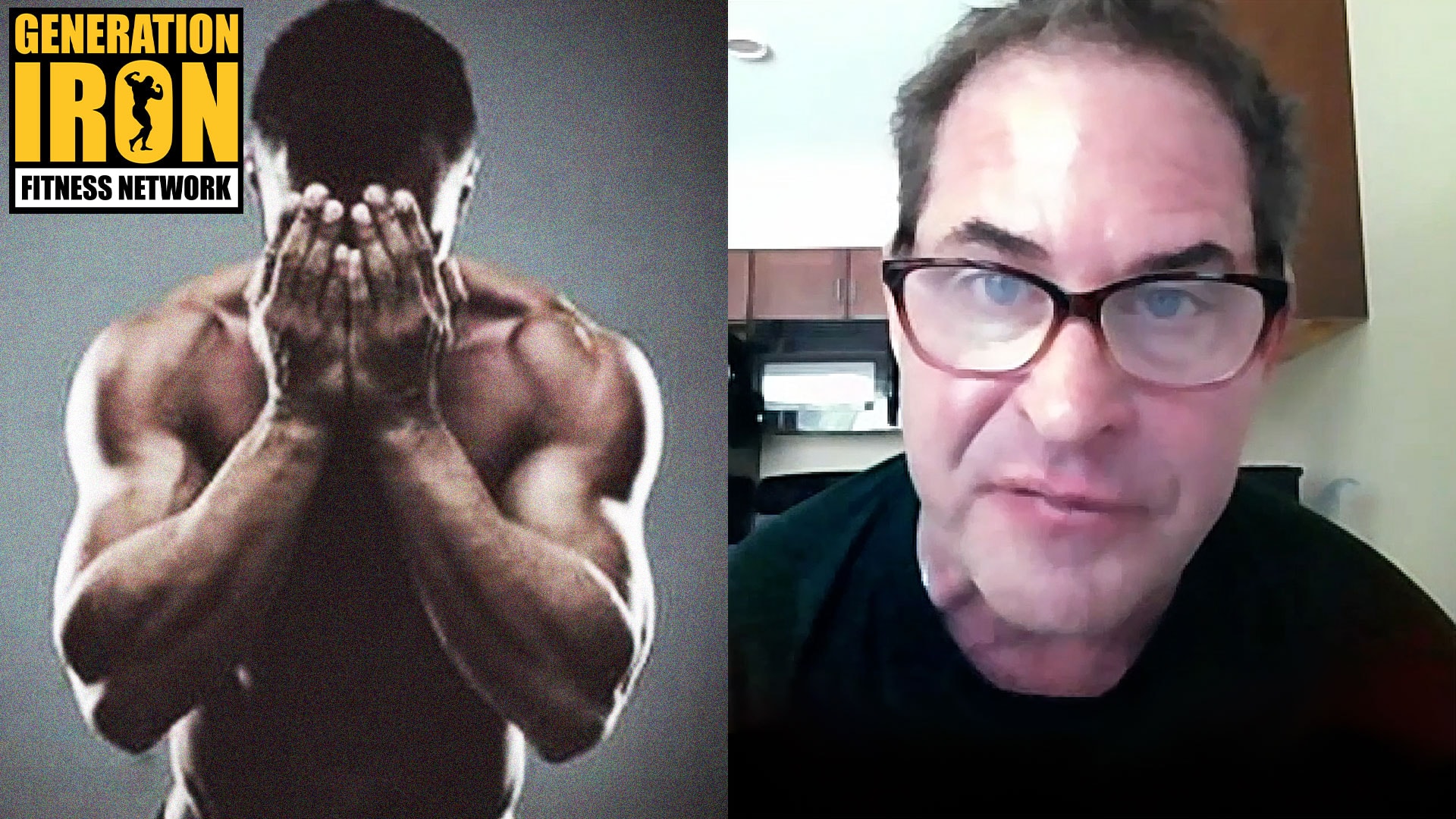
Steroid use has been a constant controversial issue in most professional sports – but the spotlight is particularly shined on bodybuilding throughout the decades. While not endorsed by any leagues – it’s widely considered common knowledge that the size of muscle seen in pro bodybuilding is impossible without the use of steroids. It’s also well documented that steroid abuse can lead to serious medical problems in the long term. But where is the line drawn between use and abuse? Is it possible for bodybuilders to use steroids safely? In our latest GI Exclusive interview, the Anabolic Doc attempts to break down the distinction between safe use of steroids and abuse of steroids in bodybuilding.
First thing’s first, recreational use of steroids for athletic enhancement is illegal in the United States and not endorsed by pro bodybuilding leagues. That doesn’t stop athletes from finding ways to use it. For many professional athletes (not just in bodybuilding), there is a choice that needs to be made. Is the athlete willing to take a potential health risk to achieve athletic greatness? If an athlete does indeed choose to go down the path of steroids – is it possible to still gain benefit and be safe? We asked Dr. Thomas O’Connor, aka the Anabolic Doc, this very question.
There is somewhat a limit on what the Anabolic Doc could say on this topic to avoid danger of losing his medical license. But he was able to touch upon the confusion behind the “use it, don’t abuse it” sentiment with steroid use. We’ve spoke to other experts who claim that bodybuilding steroid use is always abuse in order to achieve the physiques we see on stage. Is this true? Or can some bodybuilders gain benefit from steroids and PEDs safely?
The Anabolic Doc admits that low doses of certain steroids can be safe – but the doses are so low that they would barely help with athletic performance. At least, in the way that bodybuilders and many star athletes aim to achieve. The doctor also admits that the definition of abuse in bodybuilding is very confusion. A big part of that confusion comes from lack of research.
The truth is, as it currently exists right now, there is no clear answer on what is safe and what is not in recreational steroid use. Due to its illegal status in the United States, there have been limited studies on the real effects happening in sports where steroids are used regularly. While the Anabolic Doc cannot advocate for legalizing steroids – he does raise the question. Would legalizing steroids lead to a healthier society? Much like the slow legalization of marijuana, it may actually be better for society’s health to provide safe and legal access to these drugs.
Oregon, for example, has decriminalized all drugs ranging from marijuana all the way to heroine. It’s still in the early stages but it would be interesting to see if this has a negative or positive effect on the health of Oregon residents who use drugs. Theoretically, if steroids were made legal for use in sports, individuals could get safer access to drugs and safer access to medical help. It could actually lead to pro athletes being monitored, preventing serious health issues.
So where is the line drawn under the “use it, don’t abuse it” motto? The sad truth is that there is no line. Each individual is different and there is not enough research to safely prove these kinds of definitions. The Anabolic Doc sees medicine and views on drug use/abuse improving over the decades, however slowly, he is optimistic that these questions will one day have real answers. It will simply take time.
You can watch the Anabolic Doc go into full detail about the definition of steroid abuse in real world practices by watching our latest GI Exclusive interview segment above!
*DISCLAIMER: Generation Iron does not recommend or condone the use of steroids or other PEDs. The views and opinions expressed in this video are not that of Generation Iron.
Mohamed Shaaban Unhappy With Judging Following 2021 KO Pro Egypt
Mohamed Shaaban went off on judging following his second-place finish at the 2021 KO Pro Egypt.
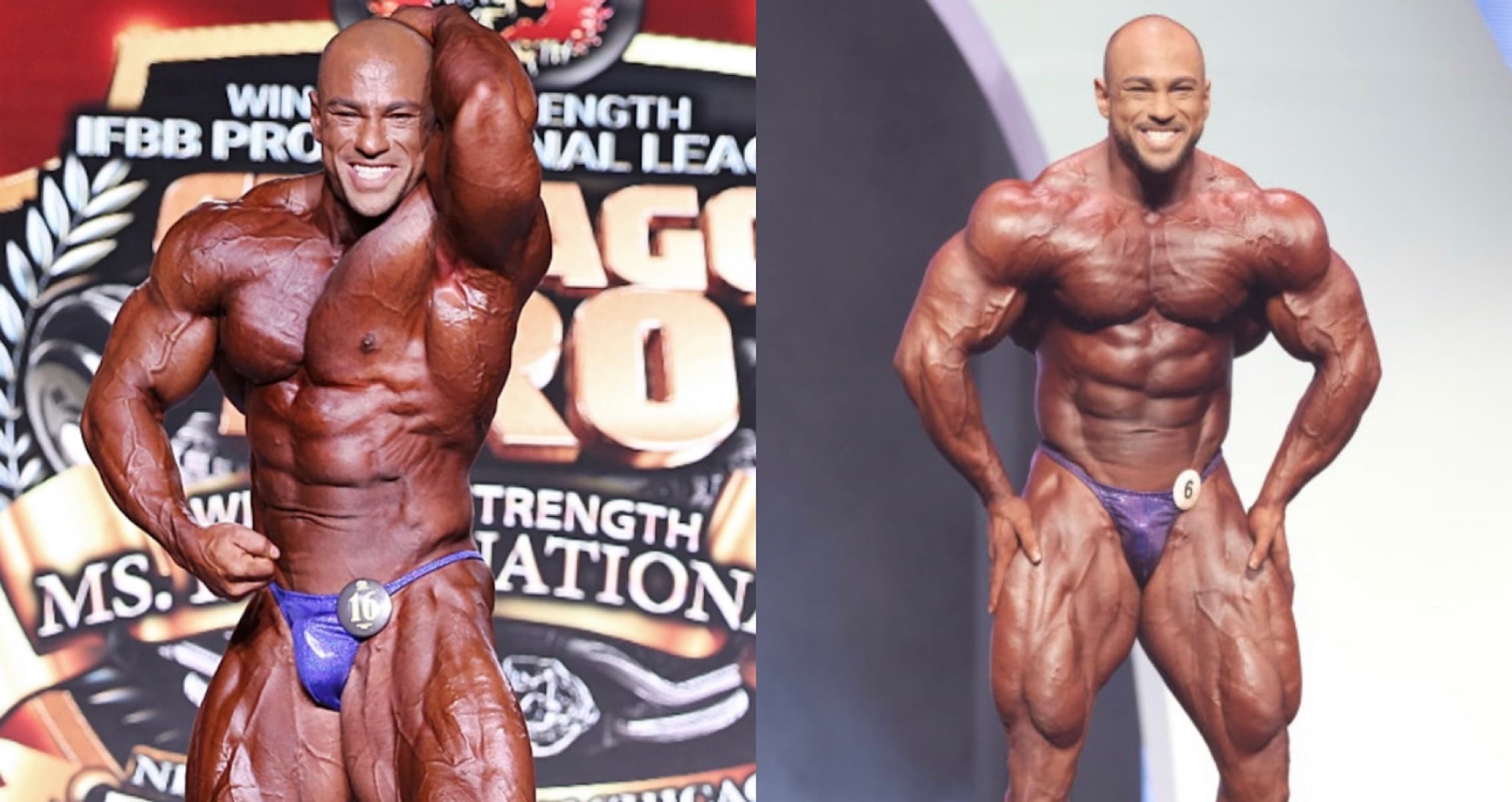
The 2021 KO Pro was one of the biggest post-Olympia shows to date and saw plenty of top competitors take the stage. Mohamed Shaaban was one of the athletes to watch and put on a great performance finishing second behind Regan Grimes. This was an outcome that Shaaban was not happy with and he did not hide his feelings.
Shaaban was critical of the judging following the event. This is not the first time that an athlete or trainer spoke out on judging in recent years. Shaaban’s comments came after an event he feel he should have won. During the 2021 Olympia, Shaaban finished 10th while Grimes came in at 15th. Just a few weeks later, Grimes was able to jump Shaaban on stage.
Shaaban took to Instagram to make his comments. This included some critical remarks about judges and that he believes they have something against him.
“I have no words…. I should have listened to my wife @mzdang_ifbbpro when she told me not to compete. I’m sorry baby….”
“This lost truly hurts more than anyone can understand. I usually accept all my placings…. but this 2nd feels like a last call out at Olympia.
I’m going to take some time off social media and come back with a clearer mind, spirit, and physique for 2022,” Shaaban continued.
“I’m sorry I failed you all. I’m sorry I failed you again @andrew_vu87
Show after show. I feel like they just don’t want me up there…. like how much I can lose before they see me give up….” Shaaban added.
“Thank you my ig family for all your love and support.
One of those shows…. You will remember forever @kosquadegypt”
This is clearly plenty of frustration coming from Mohamed Shaaban. His finish in Egypt was his best since coming in second during the 2021 Puerto Rico Pro. Shaaban now has three second-place finishes in his career and has not picked up a victory since 2019, when he won the Portugal Pro. He has performed in just two Olympia’s and this year was his best outcome.
Brandon Curry finished second at the Olympia and this caused some disgruntled feelings from his coach Abdullah Alotaibi. He was unhappy with Curry’s second consecutive loss to Big Ramy and was not shy about making comments on judging. This could be the new trend around the sport and Shaaban is the latest to comment.
It will be interesting to see what happens next time Shaaban steps on stage. If he has a new chip on his shoulder, this could be some more motivation that he has to prepare and train the right way to make any necessary improvements.
For more news and updates, follow Generation Iron on Facebook, Twitter, and Instagram.
The Dumbbell Row Side Plank for Developing the Abdominals
Unconventional Core Training for Effective Strength Gains
When it comes to selecting core development exercises, there are a number of popular exercises that are often chosen – crunches, side bends, Russian twists & planks. There is no denying that these exercises are highly effective when performed correctly. However, after some time it may become necessary to find alternative core exercises. It may be necessary to change them as a method of progressive overload or because there is a need to freshen up your training to maintain motivation or adherence.Whatever the reason for performing new abdominal exercises, the dumbbell row side plank can present a real challenge, not just for the abdominals, but for the entire body.
Dumbbell Row Side Plank Technique & Muscles Worked
In terms of the muscles recruited in the exercise, there are many muscles must engage either to cause movement or stabilize the body.The muscles which are primarily involved in the dumbbell row side plank are the abdominals, obliques, lats, rhomboids, adductors, and glutes.There are a number of secondary muscles that assist in the exercise including the quads, hamstrings, traps, deltoids, and triceps.Judging by the number of muscles listed, it should be evident that the dumbbell row side plank is a full-body exercise.
1) The Side Plank Position
When setting up for the dumbbell row side plank, it is imperative that the body is set in the right position before the rowing phase of the exercise can take place. When assuming the side plank position, start on your side. Place your hand flat on the floor, and extend the arm fully ensuring that the hand is directly under the shoulder. Keeping the core muscles engaged, lift the hips off the floor while extending the legs fully so that the body is held in a straight line – ankles, knees, hips, and shoulders should be aligned.
2) Locking the Shoulder
Prior to picking up the dumbbell, it’s important to ensure that the shoulder of the rowing arm is “locked” in position. To effectively do this, retract the shoulder and pull it downwards.Allowing the shoulder to rise upward or pull forward will not only negatively impact the movement mechanics but may also place excessive strain on the shoulder joint thus increasing the risk of injury.In addition, look to keep the supporting arm straight throughout the duration of the exercise. Allowing the elbow to bend may compromise stability and affect the side plank position.
3) Rip the Dumbbell
To allow you to reach the dumbbell on the floor it will be necessary to rotate the trunk slightly. Keep the chest up and core tight while you rotate in order to maintain alignment and protect the spine.Once you pick up the dumbbell, rotate the trunk and simultaneously row the dumbbell powerfully into the body and maximally squeeze between the shoulder blades.In the row, ensure that the elbow is kept slightly down from the height of the shoulder as the dumbbell is pulled into the body. Allowing the elbow to rise up can place strain on the shoulder joint.
4) Control the Descent
As you begin to lower the dumbbell back down to the floor, avoid dropping the dumbbell too quickly as this will only increase the risk of pulling the body out of position.Instead, squeeze the abdominals, reverse the rowing action in a controlled manner and slowly rotate through the trunk in order to bring the dumbbell back down. Lowering the dumbbell in a controlled fashion while maintaining core engagement will effectively facilitate a solid side plank position thus reducing the risk of sustaining of injury.
Dumbbell Row Side Plank Benefits
The dumbbell row side plank can prove to be a highly effective exercise for a range of lifters and athletes. This section will expand on a select number of benefits associated with the dumbbell row side plank.
1) Enhanced Full-Body Stability
As mentioned, the dumbbell row side plank places a large demand on the core. Often the function of the core is misunderstood – the core works to stabilize the body as it moves (1).The core maximally engages during the side plank in order to hold the body in the correct position. The addition of the dumbbell row places even more demand on the core to work and maintain stability.Furthermore, proprioceptive abilities such as balance and coordination will also improve with regular practice thus enhancing full-body stability further.
2) Improved Ab Strength & Definition
The abdominals are often mistaken to be just one muscle; however, there are four individual muscles that make up the abdominal muscle group – the transverse abdominis, rectus abdominis, internal oblique & external oblique (2).All four of these muscles must isometrically contract in the side plank to successfully hold the side plank. The obliques must also concentrically and eccentrically contract to cause the trunk to rotate in the row.Regularly performing the dumbbell row side plank will place a large demand on the abdominal muscles and cause them to increase in both size and strength.
3) Improved Pulling Strength
The lats are wing-like muscles found in the back that are predominantly responsible for all upper body pulling exercises. The row phase of the exercise will place great stress on the lats, as well as a number of other back muscles (3), consequently causing a significant adaptation in back strength and size. Having bigger and stronger lats, rhomboids, traps, and rear delts will improve your pulling capacity and build your back.
4) Performance Facilitation
Finally, a combination of the aforementioned benefits associated with the dumbbell row side plank can have a positive impact on athletic performance and injury risk.Having a stronger and more stable core can notably impact compound lifts such as the squat, deadlift, presses, and Olympic lifts, and may facilitate a safer, more effective lift.Increasing the strength of the back and your pulling capacity may also transfer into a greater performance with all upper body pulling exercises such as the lat pulldown and row.
Dumbbell Row Side Plank Variations & Alternatives
This section will highlight a number of variations that can be utilized to advance the dumbbell row side plank and add demand to maintain a steady rate of adaptation.There are also three dumbbell row side plank alternatives listed that will allow you to regress the exercise if necessary.
Variations
Alternating Dumbbell Row Side Planks
The alternating version involves switching sides after each rep. On completion of a row on one side, immediately move into a side plank on the alternate side and complete a row.Continuously switch from side to side until you have completed the prescribed number of reps.Constantly switching arms will not only add a challenge in terms of stability and coordination, but it will also place an increased demand through the shoulders.
Eccentric Dumbbell Row Side Planks
For the eccentric variation, complete the movement as normal, however, look to slowly the dumbbell back down to the floor with each and every rep.Using a descent of 3-5 seconds will add mechanical tension and increase the degree muscular damage sustained – both of which are principles of muscular growth (4).As a result, eccentric exercises can be considered an effective method for bringing about muscular hypertrophy.
Archers Row Side Planks
The archers row variation starts in a full plank position rather than the side plank. Grip the dumbbell and as you begin to row, simultaneously rotate the body into a side plank.From that position, keep the core tight and gradually reverse the movement by extending the arm and rotating the trunk until you assume the full plank position once again. Switch sides and repeat for the designated number of reps.
Alternatives
Dumbbell Fly Side Planks
The dumbbell fly side plank is very similar to the original exercise and it works the body in a similar fashion.The only difference between the two exercises is that a fly in performed rather than a row. For the fly, maintain a straight arm and drive the dumbbell up until it is directly over the shoulder joint.The fly will place more of a stress on the rear delts (back of the shoulder) and typically a lighter weight will be used for this variation.
Renegade Rows
The renegade row is exactly the same as the dumbbell row side plank however, it places the body in a full plank rather than a side plank. For the renegade row, start in a full plank position while holding onto two dumbbells. Row one dumbbell into the body while maintaining a full plank, control the descent and then swap sides and repeat.
Plank Pull Through
For the plank pull through, assume a full plank position and place a weight to the right side of the body. Keeping the core tight, lift the left hand from the floor, reach under the body, grab the weight side and pull it through. Alternate hands and repeat.
Final Word
It is clear that the dumbbell row side plank is an effective developer of abdominal strength, core stability, and pulling power, all of which contribute towards improving athletic performance. As a result, all lifters and athletes should seriously consider incorporating this exercise into their training regime.
References:
1 – Kibler, W. Ben; Press, Joel; Sciascia, Aaron (2006). “The role of core stability in athletic function”. Sports Medicine (Auckland, N.Z.). 36 (3): 189–198. doi:10.2165/00007256-200636030-00001. ISSN 0112-1642. PMID 16526831.
2 – Services, Department of Health & Human. “Abdominal muscles”. www.betterhealth.vic.gov.au.
3 – Fenwick, Chad M. J.; Brown, Stephen H. M.; McGill, Stuart M. (2009-03). “Comparison of different rowing exercises: trunk muscle activation and lumbar spine motion, load, and stiffness”. Journal of Strength and Conditioning Research. 23 (2): 350–358. doi:10.1519/JSC.0b013e3181942019. ISSN 1533-4287. PMID 19197209.
4 – Franchi, Martino V.; Reeves, Neil D.; Narici, Marco V. (July 4, 2017). “Skeletal Muscle Remodeling in Response to Eccentric vs. Concentric Loading: Morphological, Molecular, and Metabolic Adaptations”. Frontiers in Physiology. 8. doi:10.3389/fphys.2017.00447. ISSN 1664-042X. PMC 5495834. PMID 28725197.

This Is Why You Should Never Date A Bodybuilder
Reasons You Should Never Date A Bodybuilder.
The idea of dating a muscular man can be tempting. Having a big man around you can make you feel safe and secure. This is also the reason many men join a gym so they could get more girls.
Just like with most things, dating a bodybuilder can have its pros and cons. And in this case, the cons can be a little heavier than the pros. In the end, it is your decision to make.
1. You Don’t Like Making Food
No matter who you are or where you’re from, if you’re going to date a bodybuilder you should be ready for this. Diet is one of the most important aspects of bodybuilding, and no bodybuilder will ever compromise on it.
If you happen to find a lazy partner, you could end up cooking all his meals. Pro tip: if you’re starting to date a bodybuilder, give him no clue you can cook. Pretend as if you have no idea how it is done and you can spend the rest of your life in peace.
2. Bodybuilders Can Be Self Centered
Bodybuilding is a sport where an athlete has to focus on himself. This is where bodybuilders can end up being selfish and self-centered. It can be even more prominent if he is prepping for a contest.
Fitness athletes are known to skip family and friends time to work on their art. You should be ready if this happens to you. Let us break this for you, if you like having all the attention, things might not work between you two.
3. You Don’t Like Working Out
Having a ripped partner and being fit yourself are two different things. You can expect your better half to ask you to start working out. If you’re not into the fit lifestyle, it will be better to set the expectations from the beginning.
You will also have to bear with him if he’s always talking about the gym or if he’s spending most of his time in the gym. Some bodybuilders can tend to have a small world which revolves around fitness and staying in shape.
4. Protein Farts
It is no secret bodybuilders eat a lot of protein. Protein can also be one of the hardest nutrients for your body to digest, and this can lead to farts, protein farts. If you have no idea what we’re talking about, just google it.
Trust us; you don’t want to be anywhere near protein farts. And at the same time, you can’t ask or expect your better half to stop eating protein. This will be a part of your life, and you will have to live with it.
5. Steroid Use
If your boyfriend looks anything like the guys on the Mr. Olympia stage, he’s on steroids. This might come as a surprise to you since most bodybuilders don’t like to share this part of their lifestyle with the world.
If you have reservations about drug use, you should stay away from dating a bodybuilder. It is better to clear this out before you start dating a bodybuilder. Don’t be surprised if you still find out about it later after he has denied using it.
Have you ever dated a bodybuilder? Let us know in the comments below. Also, be sure to follow Generation Iron on Facebook and Twitter.
*Header image courtesy of Envato Elements