
Tag: Bodybuilding
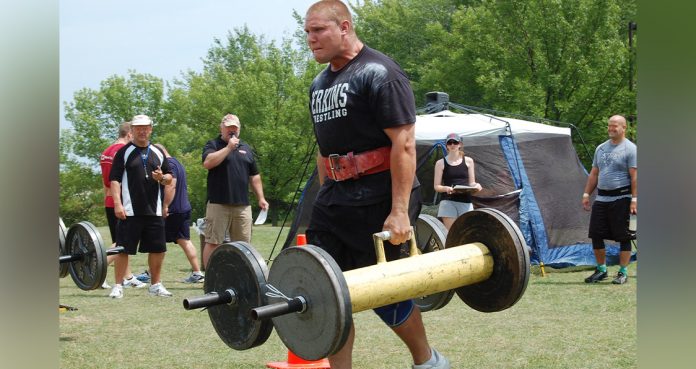
The Ultimate Guide to the Farmers Walk
One of the Best Exercises for Developing Full Body Strength and Size
In terms of full-body development, there are few resistance exercises that can compare to the farmers walk.Not only is it a highly effective exercise it is also one of the most basic exercises to perform as all that is required is picking up heavy weight and walking with it.Often due to its simplicity, the farmers walk can be overlooked and more technically challenging exercises are selected instead.However, if you aspire to build full-body strength, size, and stability, then it is worthwhile considering the farmers walk.
Farmers Walk Technique
Although the exercise is very simple in both principle and execution, it is always worthwhile paying specific attention to a number of areas.First and foremost it is important that the weight is picked up safely from the floor. Therefore, squat down, lift the chest, flatten the back, grab the weight and then drive through your heels to stand.Before taking your first step, ensure that the shoulders are back & down, the chest is lifted and the core muscles are braced.As you take forward steps, it is crucial that you keep the head up and don’t allow it to drop down as this may encourage the shoulders to move out of position.Having this forward head position and allowing the shoulders to round should be avoided as it will place a great amount of strain through the neck, shoulders, and upper back.The length of the strides you take depends on the weight being used as with lighter loads you may be able to safely take longer strides whereas heavy loads typically require shorter strides.
Be aware that the farmers walk can be performed using a range of equipment; depending on which piece of kit you are using the technique may be subtly altered.Consider your training goals and experience to determine whether to use heavy loads and short distances or lighter loads and longer distances.If your goal is to improve raw strength, there is no denying that a heavy load and a short distance will be of the greatest benefit (1).It is possible to use the farmers walk to facilitate changes in the cardiovascular system too by utilizing lighter loads and increasing duration. Sets of 2 minutes or more are recommended for cardio improvements.If you have never performed the farmers walk or are a beginner to resistance training, start with light loads to allow you to master the technique first – specifically maintaining the upright position.
Farmers Walk Muscles Work
As mentioned, the farmers walk recruits muscle groups throughout the body and can be considered a full-body exercise. The following muscles are all engaged in the farmers walk:
Arms
Holding heavy weight in both hands puts a great deal of stress through the arms and the muscles of the biceps and triceps must isometrically contract in order to stabilize the shoulder and elbow joint.In addition, forearm muscles are heavily recruited in the farmers walk so that a solid grip on the weight is maintained. As a result, grip strength will drastically improve with regular practice.
Back & Shoulders
A great load is also placed on an array of muscles found in the back and shoulders with the trapezius muscle being specifically targeted.The traps must stay contracted throughout the farmers walk to keep the shoulders back and down. Doing this effectively will enhance the stability of the shoulder joints.
Core
For core development often too much emphasis is placed on ab-specific exercises rather than heavy compound exercises.The core muscles are highly activated during the farmers walk as they must support the trunk and work to keep the body upright throughout the duration of the exercise.Squeezing core muscles through bracing is imperative to protect the spine & lower back from shear stress and for enhancing farmer walk performance.
Legs
While all other listed muscle groups isometrically contract, the muscles of the legs must constantly concentrically and eccentrically contract to cause locomotion.Walking primarily requires effort from the glutes, quads, hamstrings, and calves. There are also a number of other muscles in the legs that must contract either to stabilize or cause movement.
Farmers Walk Benefits
Regardless of your level of experience, the farmers walk can be of substantial benefit for the majority of athletes and lifters. It is undoubtedly one of the most “functional” exercises going and its benefits extend far beyond the confines of the gym walls and into day-to-day life.This section highlights 3 of the biggest benefits associated with the farmers walk.
Core Strength
Although performing the farmers walk regularly will generally work to enhance full-body strength, there are two areas that are particularly targeted – core and grip strength.The muscles of the core must contract powerfully and maintain this contraction throughout the walking phase of the movement in order to enhance stability (2).When thinking about engaging your core, imagine that you are about to be punched in the stomach. Automatically you will activate all the muscles in the trunk to withstand the impact.Working the core in this fashion will place great stress on the core muscles thus causing a significant adaptation in strength & consequent stability.Building core strength is highly recommended as it can assist with day-to-day activities, facilitate better performance in the gym and reduce back pain.
Grip Strength
The second evident area that will be strengthened through the farmers walk is your grip. Typically you will find that your grip is what goes first, rather than the muscles of the legs or core.Routinely performing heavy lifts (such as the farmers walk) will apply a great force through the hands and forearms which will cause them to increase in strength.As with developing core strength, improving grip strength will not only facilitate a greater performance with other lifts in the gym, it can assist in everyday duties and tasks.You may have seen straps being used by many gym-goers for a variety of heavy lifts. The purpose of the straps is to support the wrists and reduce the overall strain they experience (3).Some argue that going strapless with the farmers walk will increase grip strength to a much greater degree whereas others believe that straps are essential for performance and injury reduction.The recommendation is to avoid using straps until you reach a certain point. If you are lifting 50% or more of your bodyweight in one hand, start using straps to lower the risk of sustaining injuries like tendonitis.
Facilitates Performance
The farmers walk is an excellent choice to improve full-body strength and stability; therefore, performing the farmers walk may lead to a better performance with many other compound exercises.As touched on, improved core strength and grip strength can lead to a direct improvement with any and all exercises which place a demand on the core and grip.Any exercise that involves pulling serves as a prime example. Deadlift, pull-ups, bent rows, shrugs, and lat pulldowns all require a large degree of core and grip strength.Improved bracing and breathing may also have a significant knock-on impact on resistance training generally (4). Being capable of bracing effectively will enhance stability and consequently facilitate a better performance throughout a range of free weight exercises..
Farmers Walk Variations
There are a number of farmers walk variations that can be utilized. The type of equipment you use or the manner in which you use it will slightly alter the demand of the farmers walk.Standard – Using heavy farmers bars, dumbbells or kettlebells, grab the individual weights, stand up tall and walk as far as you can. Single – Grab one heavy weight, rather than two. This will place a greater demand on the core muscles as they must work harder to keep you upright and stable as you walk.Barbell: Grip a heavy bar and perform and deadlift to lift it from the floor before commencing the farmers walk.Overhead Dumbbell: Grab two dumbbells and drive them up and lockout so that they are in the overhead position and walk with them. The overhead position places an increased demand on the core and shoulders.Overhead Barbell: In the same fashion, press a heavy barbell overhead and lockout. Keeping the bar directly overhead, begin to walk with it.Uneven Farmers Walk: Select two different weights – one heavier than the other – and hold them in either hand. Carry the weights for a determined length and then switch the weights to the opposing hand and repeat.Trap Bar: Stand in a loaded trap bar, grab the handles and deadlift so that you are standing with it. Walk as far as you can with it, taking moderate strides so not to make contact with the bar.
Final Word
Although the farmers walk is often underutilized in strength training due to its simplicity, it has real potential to significantly build full-body strength & stability. Therefore, the majority of people will find that the farmers walk is a worthy addition to their strength training.
*Header image courtesy of stu_spivack under the Creative Commons Attribution-Share Alike 2.0 Generic
References:
1 – Schoenfeld, Brad J.; Contreras, Bret; Vigotsky, Andrew D.; Peterson, Mark (December 1, 2016). “Differential Effects of Heavy Versus Moderate Loads on Measures of Strength and Hypertrophy in Resistance-Trained Men”. Journal of Sports Science & Medicine. 15 (4): 715–722. ISSN 1303-2968. PMC 5131226. PMID 27928218.
2 – Clark, David R.; Lambert, Michael I.; Hunter, Angus M. (July 16, 2018). “Contemporary perspectives of core stability training for dynamic athletic performance: a survey of athletes, coaches, sports science and sports medicine practitioners”. Sports Medicine – Open. 4. doi:10.1186/s40798-018-0150-3. ISSN 2199-1170. PMC 6047949. PMID 30014195.
3 – Coswig, Victor S.; Machado Freitas, Diogo Felipe; Gentil, Paulo; Fukuda, David H.; Del Vecchio, Fabrício Boscolo (2015-12). “Kinematics and Kinetics of Multiple Sets Using Lifting Straps During Deadlift Training”. Journal of Strength and Conditioning Research. 29 (12): 3399–3404. doi:10.1519/JSC.0000000000000986. ISSN 1533-4287. PMID 26595133.
4 – Tayashiki, Kota; Maeo, Sumiaki; Usui, Seiji; Miyamoto, Naokazu; Kanehisa, Hiroaki (2016-09). “Effect of abdominal bracing training on strength and power of trunk and lower limb muscles”. European Journal of Applied Physiology. 116 (9): 1703–1713. doi:10.1007/s00421-016-3424-9. ISSN 1439-6327. PMID 27377782.

Pro Figure Athlete Melissa Bumstead Accused & Arrested For Receiving Steroids In Mail
Melissa Bumstead was arrested on Friday.
Melissa Bumstead, professional bodybuilder and social media influencer, was arrested on Friday after being linked to a package from Canada containing multiple anabolic steroid medications, according to TC Palm.
The Martin County Sheriff’s Office investigators listed Bumstead as an “importer” of the drugs being shipped from Montreal, Quebec. She was arrested on six felony counts of possession of controlled substance without a prescription.
A package being delivered to Bumstead was flagged on Sept. 1 and received an extensive exam by U.S. Customs and Border Patrol officials. This is where the investigation began. This package contained steroids and prescription medications. On Sept. 8, a Homeland Security Investigations agent contacted the sheriff’s office when another package was being delivered to Bumstead. This one contained testosterone propionate, drostanolone propionate, and oxandrolone.
The package was delivered to the 5400 block of Southwest Landing Creek Drive in Palm City by a detective. After opening the package, a powder was left on Bumstead’s hands as evidence that she did, indeed, open the tracked shipment.
The home address where the package was sent was linked to an LLC of Bumstead’s brother, Chris Bumstead. Chris, of course, is the current and two time Classic Physique Olympia champion. It is unclear if any charges will be pressed against him at this time. Melissa Bumstead was released from Martin County Jail on Sept. 11.
Bumstead has been in Florida with her brother, Chris, preparing for the 2021 Olympia, which is set to take place on Oct. 7-10 in Orlando.
This story is still developing and Generation Iron will provide updates as more information becomes available. For more news and updates, follow Generation Iron on Facebook, Twitter, and Instagram.
Lukas Osladil On Bodybuilding Since 10 Years Old: I Have Taken No Real Breaks For 31 Years
[embedded content]
Lukas Osladil’s Rise: From Bodybuilding At 10 Years Old To Mens Open Olympia Threat
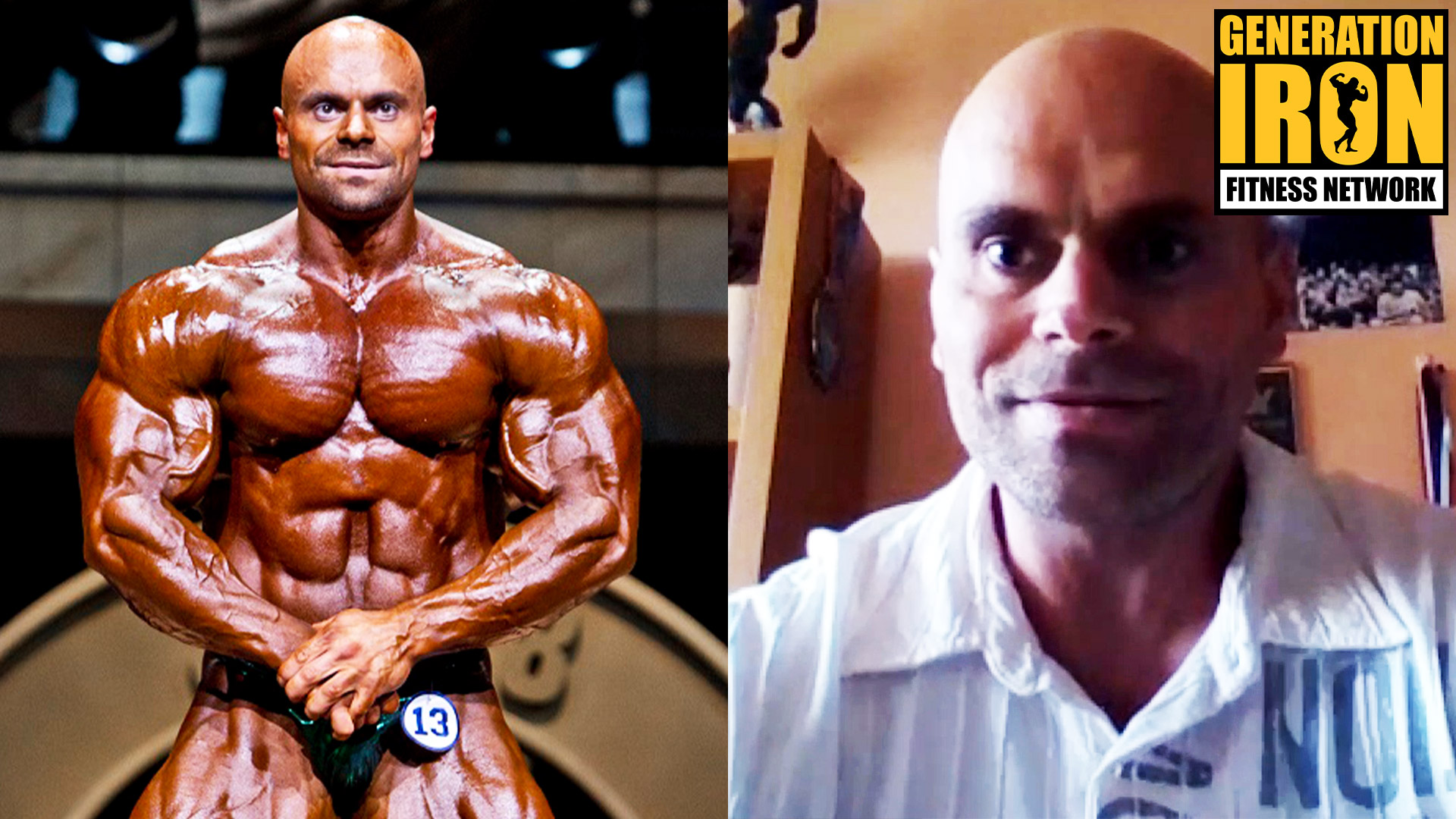
Lukas Osladil is a pro bodybuilder that epitomizes the saying, “slow and steady wins the race.” He’s a true threatening competitor in the top contenders at the Mr. Olympia. But it took him a journey of 31 years to get where he is today. He decided to become a bodybuilder at the young age of 10 years old. Since then he’s never looked back and taken nearly no breaks in his journey towards improvement and success. In our latest GI Exclusive interview, Lukas Osladil details his origins in bodybuilding at 10 years old and the rigorous journey to becoming pro.
Lukas Osladil is a bodybuilder with an incredible physique that has been competing as a pro since 2011. But his journey in bodybuilding started much earlier than that. Bodybuilding has been his passion since 10 years old. As if it was almost fate, Osladil woke up one morning and quickily decided that he wanted to dedicate his life to being a bodybuilder. He knew nothing about the sport, what was required, or even how to train and diet. He simply knew that he would do whatever was in his power to build muscle mass – starting out by simply doing push ups every day.
“But I don’t know why did I make the decision to start bodybuilding but I think it must have been from some dream I had the night before,” Lukas Osladil states in our interview. He continues:
“Because I don’t know why – why would I decide so quick after I woke up? At the time I was 10 years old and my weight was 28 kilograms [61 pounds]. I just knew to build muscles you need to start using weights many times a week or something and then it will grow. But that’s all I knew about it.”
It of course took Lukas Osladil many years to eventually learn the true techniques and practices of competitive bodybuilding. But his heart and spirit remained dedicated from that moment forward every single year. He grew up in a town with no bodybuilding outlet. He hadn’t seen a bodybuilding show before. He simply used willpower to turn this into his life’s work.
Lukas Osladil proudly can claim that he has been bodybuilding in some capacity for 31 years. He had never taken a break and always put bodybuilding as his main priority. From what we can tell – this will remain his tactic until he retires – hopefully with a Sandow trophy under his belt.
Lukas Osladil details his dedication speaking with Vlad Yudin in our interview:
“And since the day I decided to do bodybuilding, I have been doing it until now and I’ve never stopped. The biggest break I’ve had was maybe like two weeks in the 31 years. And then one week maybe every year or every other year. So no big break or something.”
It’s often said bodybuilding is a lifestyle. Lukas Osladil is a pure embodiment of that motto. Before it was a sport he competed in. Before it brought him any money or possibility of a career. Osladil dedicated his entire waking life towards self improvement in bodybuilding. He has since won the Arnold Classic South America and placed in the top 10 of the Mr. Olympia.
He may still be some steps away from becoming an Olympia champion – but based on his dedication over the past three decades, we can imagine a future of continued slow and steady improvement. A championship title might still be in the cards.
You can watch Lukas Osladil go into full detail about his bodybuilding origins in our latest GI Exclusive interview segment above!
Jay Cutler Will Be Part Of International Sports Hall Of Fame Class of 2021
Jay Cutler will receive the honor after his legendary career in bodybuilding.
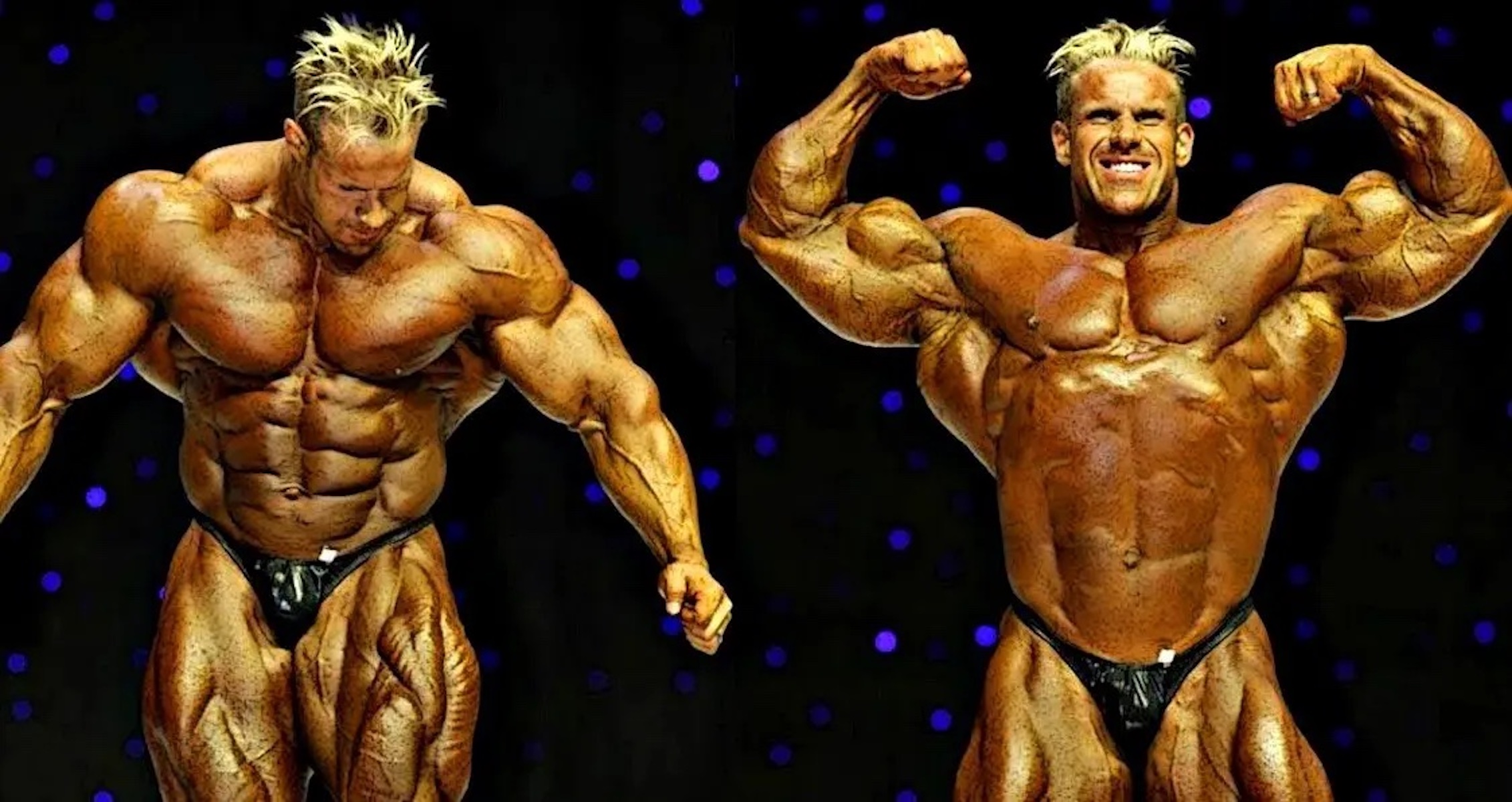
Jay Cutler put together a legendary career as a bodybuilder and he will be honored for his accomplishments. Cutler will be inducted into the International Sports Hall of Fame as part of the Class of 2021. Chairman Dr. Robert Goldman took to Facebook to announce the incoming class.
The ceremony will take place on Oct. 9 during the 2021 Olympia in Orlando. In 2020, Goldman hosted the ceremony along with Arnold Schwarzenegger during the 2020 Arnold Sports Festival. The post by Goldman featured all information on the upcoming awards along with the other names that Cutler will join as part of the class.
Cutler will join NFL Hall of Fame Marcus Allen, WWE’s Stephanie McMahon, seven-time World Karate Champion Billy Blanks, World Fencing Champion Peter Westbrook, and US National Tae Kwon Do Champion Ernie Reyes.
Jay Cutler began training for competition when he was 18 years old. He earned his pro card in 1996 after winning the NPC National and this was the beginning of one of the best careers in the sport.
Cutler immediately made an impact on stage. He earned three victories at the Arnold Classic in 2002, 2003, and 2004. This set up what would be years of dominance in the biggest competition of the year.
Despite Cutler’s success in the Olympia, it was not easy to get to the top. He placed second in four times behind Ronnie Coleman, who still holds the record with eight victories. Cutler was able to get over the hump in 2006 when he defeated Coleman and won his first Olympia. He would then go back-to-back in 2007 before being topped in 2008 by Dexter Jackson.
Cutler would get back on top in the very next competition and win his fourth in 2009. He returned to stage in 2011 and was defeated by seven-time champion Phil Heath. Cutler would retire following a sixth place finish in the 2013 Olympia.
There is no doubt that Jay Cutler competed in one of the best eras of bodybuilding against some of the top competitors in the world. He has put together one of the best careers in the sport and will now be honored for the work he has put in.
For more news and updates, follow Generation Iron on Facebook, Twitter, and Instagram.
Dr. Testosterone: “Diuretics Are An Instant Danger And Can Kill You Right Away”
[embedded content]
Dr. Testosterone details why diuretics and insulin are the two most dangerous drugs used in bodybuilding.
Dr. George Touliatos, aka Dr. Testosterone, has often been outspoken about his support for steroid use in the sport of bodybuilding. In fact, he believes that steroids, while causing long term health issues, are no where near the biggest threat to a bodybuilder’s health. According to Dr. T, diuretics and insulin are the two riskiest drugs commonly taken by competitive bodybuilders. In our latest GI Exclusive interview, Dr. Testosterone focuses on diuretics and how quickly that can turn dangerous.
Over this past summer, there was a sudden series of bodybuilder deaths that made headlines in the industry. Many of the deaths were competitors under the age of 50. It was a sad stretch of time in bodybuilding. While there were no direct links between the various deaths – the news reignited a conversation about health in bodybuilding. Jake Wood, owner of the Mr. Olympia, even made a comment lobbying for healthier standards in the sport.
We recently had a chance to reconnect with Dr. George Touliatos, also known as Dr. Testosterone. We decided to take this opportunity to ask him about the health dangers in bodybuilding. Most specifically, if diuretics were a real danger in the sport – and just how necessary they are for success as a pro bodybuilder.
There are many experts and athletes who have begun to speak out about the use of diuretics in bodybuilding. Legendary bodybuilder Ronnie Coleman went on the record to say that he thinks they should be completely banned from the sport. So just how dangerous are these drugs really?
Dr. Testosterone makes it clear that diuretics are one of the riskiest drugs a bodybuilder can take. When used correctly, they are harmless. But the consequences for misusing diuretics are fast and have a high change of being fatal. Misuse of diuretics can lead to a bodybuilder to pass out quickly after use – and if not treated fast enough can lead to death.
Dr. Testosterone stresses that this is only the case when misused. But compared to other drugs used in the sport – the cost for accidentally overdosing can be swift and deadly.
“Diuretics are an instant danger and can kill you right away,” Dr. Testosterone states in his interview. Other PEDs can have long term health effects but very few can lead to sudden major health consequences like diuretics. The only other drug with that kind of sudden danger is insulin.
So how prevalent is diuretic use in the sport. Is it a “mandatory” aspect for athletes to achieve the quality of physique we are familiar with on stage? Dr. Testosterone flip flops on this question for a moment – then seems to ultimately say that, as it stands right now, they seem to be a required aspect of bodybuilding contest prep.
“When you want to have ripped glutes, you know, this is the final touch. The ripped glutes. To be shredded,” Dr. Testosterone states in our interview. He continues:
“Because the Christmas tree, the hams, and the pecs are striated even four weeks out. But the glutes, which is what they see from the rear, you know? And they judge the conditioning out of this. I guess, they [diuretics] are mandatory. It depends on how you use them.”
You can watch Dr. Tesosterone go into full detail about diuretics in bodybuilding by watching our latest GI Exclusive interview segment above!
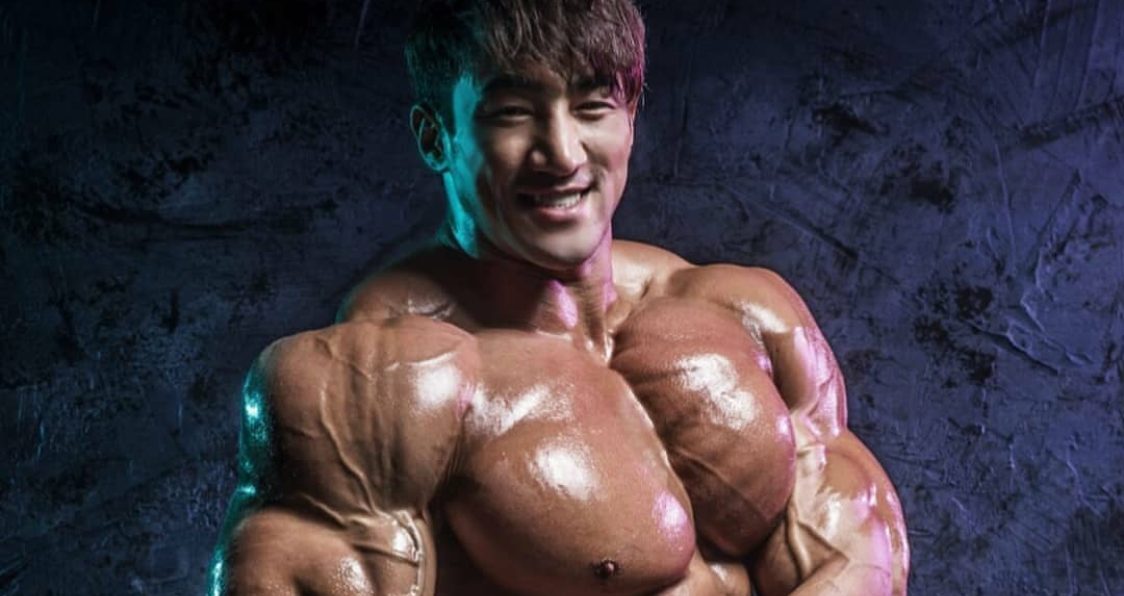
How Chul Soon Hwang Works Out For A Classic & Chiseled Physique
This workout from Chul Soon is one to give you a great classic physique.
Chul Soon Hwang is a Korean Bodybuilder with a chiseled physique that gives him the classic, old school look. As a successful bodybuilder winning numerous contests, he has also appeared in commercials and TV shows and is a national and international sensation.
When it comes to our workouts and the inspiration we need to see a shredded and classic physique we will love, we need to look to bodybuilders and professional athletes who have done these workouts before. They are living proof of what can happen when you put your mind to it for they’ve done all these workouts before. With so many websites and influencers claiming to know exactly what works, looking to those professional bodybuilders for advice will prove worthwhile for all your gains.
Chul Soon Hwang has made a name for himself both at home and abroad and this classic, old school physique reminds those bodybuilding fans of the older days when that massive aesthetic was chiseled and beyond defined.
Full Name: Chul Soon Hwang
Weight
Height
Date Of Birth
215-225 lbs.
5’10’’
09/01/1983
Profession
Era
Nationality
Bodybuilder, Celebrity Personal Trainer, Fitness Model
2010
Korean
As someone who understands the importance of nutrition and training, Chul works hard to stay in those strict guidelines, but enjoys diversifying things so they stay interesting. That old school physique is cool and one to certainly envy and this workout from Chul can get you on your way to that chiseled aesthetic.
About Chul Soon Hwang
Chul began weightlifting at a young age for the main reason of respect. He wanted those around him to see him as something admirable. At first, his long training sessions of nearly 2-3 hours were not as efficient as they could have been. Once he realized this, Chul began to follow a structured workout program, focused on his diet, and changed his mindset so he could see the gains he wanted most.
Once that physique began to take shape, he started competed in bodybuilding competitions and shows, and would soon become a well-known force, working as a celebrity personal trainer and appearing in commercials, magazines, and TV shows. Using his platform, Chul seeks to better the lives of those around him and inspire others to get as big and defined as they want.
Chul Soon Hwang Training Routine
When it comes to his training, Chul focuses on compound movements to work many muscle groups and save time. His exercises reflect those of the Golden Era which give him that classic and old school look. Strength and size are beyond important and the balance between those should never be overlooked.
Day #1: Back
Exercises
Sets
Reps
Wide-Grip Cable Pulldown
3
10
Close Grip Rows
3
10
Seated Rows (Normal Grip)
3
8
T-Bar Row
3
8
Rack Pull
3
10
Pull-Ups
3
Until Failure
Day #2: Chest
Exercises
Sets
Reps
Dumbbell Chest Press
3
10
Incline Machine Press
3
10
Cable Chest Fly
3
12
Pec Deck Machine
3
12
Dumbbell Fly
3
10
Day #3: Legs
Exercises
Sets
Reps
Hack Squat
3
10
Leg Press
3
10
Hamstring Curl
3
12
Leg Extension
3
12
Standing Calf Raise
3
15
Day #4: Biceps & Triceps
Exercises
Sets
Reps
Single Arm Triceps Extension
3
10
Preacher Curl with EZ Bar
3
10
Close-Grip Bench Press with Triceps Focus
3
10
Barbell Curl
3
12
Single Arm Preacher Curl
3
8
EZ Bar Skullcrushers
3
12
Day #5: Shoulders
Exercises
Sets
Reps
Standing Overhead Press
3
10
Dumbbell Alternating Front Raise
3
12
Lateral Raise
3
12
Reverse Pec Deck Machine
3
10
Dumbbell Rows
3
10
Featured Supplement For A Chiseled Aesthetic
For those looking to get a massive and chiseled aesthetic, having the right supplements on your shelf can be a game changer. Things like pre-workouts, which can boost energy and provide for muscle pumps, and intra-workout BCAAs, which can burst through fatigue and enhance recovery, are great for those pre- and mid-workout needs. Something like a protein powder can work to boost growth and recovery and others like creatine, super greens, mass gainers, and multivitamins will each work in their own respective way so you get the most out of your training and nutrition routines.
But a fat burner is something that can work to kickstart your metabolism and shed that unwanted fat so you get a lean and shredded aesthetic others will certainly envy. The best part is, this fat burner from Kaged Muscle is stim-free, so you get all the benefits minus the side effects of stimulants.
Kaged Muscle Clean Burn
Code GENIRON10 For 10% Off
Kaged Muscle Clean Burn is a great stim-free fat loss solution to tackle any weight loss needs. With great fat burning ingredients and a powerful formula, this is great for weight loss or weight management.
Kaged Muscle Clean Burn is a great stim-free fat loss solution to help tackle any and all weight loss needs. Designed with cutting edge and premium ingredients, this will work to offer thermogenic weight loss and is loaded with active ingredients. An effective supplement for losing weight, as well as weight management, Clean Burn offers the best fat burning benefits in a special blend with the right combination of powerful ingredients. Getting lean and ripped has never been more possible with clean burn.
Use code GENIRON10 for 10% off! Also, check out our individual review for Kaged Muscle Clean Burn here!
Check out our list of the Best Fat Burners for more great fat burning products!
Wrap Up
This workout from Chul Soon Hwang is certainly one to give you that chiseled and shredded aesthetic bodybuilding fans will admire. That old school look reminds fans what the sport used to be and this workout from Chul is great for seeing the gains you want most. The right training routine can greatly influence your gains so you see the best when it comes to your training and performance goals. Having a solid supplementation shelf can also give you the best when it comes to pumping your body with the essentials to grow. Give this workout from Chul Soon Hwang a try and see what it can do for all your gains today.
Let us know what you think in the comments below. Also, be sure to follow Generation Iron on Facebook, Twitter, and Instagram.
*Images courtesy of Chul Soon Hwang Instagram
7 Unhealthy Foods That Are Surprisingly Good For You
Dietary Myths That Need Busted
When it comes to health, it often feels like nothing is simple. There seems to be a never-ending stream of conflicting recommendations from a number of health writers.Far too often the advice they provide comes in the form of blanket recommendations based on science from years gone by which is often riddled with inconsistency.The main demonstration of this is seen in the way that many foods are labeled “bad” or “unhealthy” when in actuality, a number of these unhealthy foods may be beneficial to our health.This article will look beyond much of the 2-dimensional thinking of many of the writers and highlight 7 unhealthy foods that could actually be good for your overall health.
The 7 “Unhealthy” Foods
This section will provide details on the health qualities associated with the 7 unhealthy foods – a number of the foods on the list may surprise you!
1) Fried Food
The recommendation for years has been to avoid fried food as far as possible due to its perceived negative impact on health.While cooking food in oil will certainly add calories, a number of fat-soluble vitamins (vitamin A, D, E & K) and substances such as beta-carotene, lutein, and lycopene require fat to be absorbed (1).While consuming fat is important, it is crucial that a number of guidelines are followed when cooking with fats and oils.Look to use oils that have a high smoke point; this is simply the temperature at which the oil will begin to smoke.Allowing the oil to smoke will negatively alter the chemical make-up of the oil and the food that is then fried be detrimental on health (2).Ideally use olive, avocado, peanut, walnut or sesame oil for frying as they all have a high smoke point.Butter, coconut, and extra virgin olive oil are three examples of oils that have a lower smoke point and therefore are not a great option for cooking at high temperatures.It must be stated that for low-temperature cooking, butter, coconut oil, and extra virgin olive oil are perfectly suitable options.Some have suggested that cooking oil at high temperatures can change the chemical composition so much that oil becomes an unhealthy trans fat.It is important not to reuse your oil time & time again as this is more likely to cause this change into trans fat.
2) Trans Fats
Trans fats, which are a type of unsaturated fat, are very uncommon in nature and are typically formed during the manufacturing process of specific foods.Trans fats are commonly found in our favorite junk foods and many believe that they can clog the arteries and onset a host of medical problems.In particular, there is an association between consuming trans fats and the lowering of good cholesterol (HDL) & the increase of bad cholesterol (LDL).However, it is not commonly known that trans fats can have a positive impact on your heart health. Furthermore, it has even been suggested that trans fats may have fat-burning and cancer-fighting qualities!There is a particular type of trans fat, known as conjugated linoleic acid or CLA which is believed to be responsible for these positive effects.CLA is found in a number of food sources, such as meat and dairy, and our bodies produce a small amount of it too.Studies looking at the impact of CLA have found the substance to be effective for reducing the risk of heart disease, type 2 diabetes and even reducing the growth of tumors (3).
3) White Rice
Over the years, brown rice has emerged as the ultimate food choice for the health-conscious individual, believing it to be a better option than white rice.Brown rice is consumed by many as it contains more protein and fiber than white rice. Furthermore, white rice is associated with a large blood sugar spike whereas brown is not.While it is true that brown rice contains more protein than white, it is an insignificant amount difference.In terms of fiber, brown rice does contain more but you’d be better of getting your fiber through more nutrient-dense sources such as fruit and vegetables.And while brown rice doesn’t raise blood sugar levels as much as white rice, once again this is not significant or detrimental to health in any way.The final consideration that should be made with brown rice is phytic acid which is the acid which gives the rice its color.The issue with phytic acid is that it can inhibit enzymes that are required for the breakdown of food and prevent the absorption of key minerals (4).White rice meanwhile has an abundance of easily digestible vitamins and minerals which are essential for maintaining health.
4) Ketchup
There was once a day were ketchup was classed as a portion of veg however, nutritionists didn’t take this well.Ketchup was quickly given “junk food” status and that is where it has remained since. Providing you use a brand of ketchup that is low in sugars (like fructose), ketchup has good properties for health.Ketchup may be specifically healthy due to the high amounts of lycopene it contains which is an antioxidant found in tomatoes.It is easily absorbed by the body when tomatoes have been cooked and therefore, products like ketchup are a great source of bioavailable lycopene.Lycopene is associated with reducing the chances of developing a stroke, diabetes, heart disease, infertility, osteoporosis, and prostate cancer.
5) Bacon
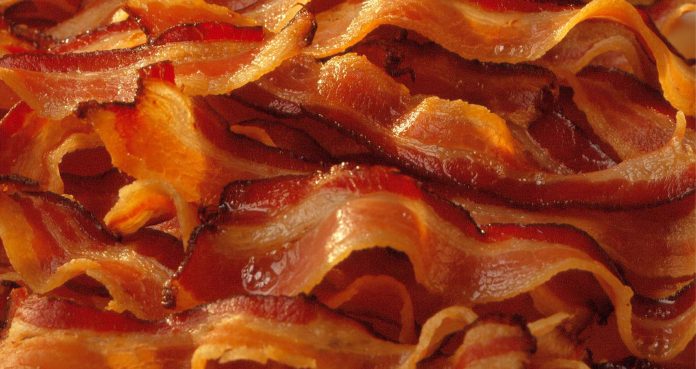
There is no doubt that bacon is one of the most heavily demonized foods in existence as a result of the amount of saturated fat associated with it.Considering that recent research has busted a number of myths surrounding saturated fat and quelled many fears about it, it’s time to revisit bacon.The fat contained within bacon is mostly healthy saturated and mono-saturated fats, primarily in the form of oleic acid which is the same type of fat found in olive oil.Furthermore, when you consider the nutrients that are most important in human health, many of them come from organ meats as well as fruits, vegetables, nuts, herbs, and seeds.In addition, pork is also well known to contain a range of important nutrients for improving health and maintaining function.
6) Potatoes
A study by Harvard University first cast doubt on the consumption of potatoes. The research investigated a large population of individuals and their disease rates.One of the many conclusions that the researchers came to was that eating potatoes regularly causes spikes in blood sugar levels and therefore contributes to being overweight.The issue with this research is that the study included potato products such as french fries and potato chips which evidently skewed the results.No other studies on this topic have found a link between potato consumption and being overweight.Potatoes contain a large number of phytochemicals, carotenoids, flavonoids, vitamins, and minerals which all have an important role to play in promoting health (5).
7) Beer
When it comes to alcohol and health, many focus on the negative impact that overconsumption of alcohol can have on health rather than the positives.Wine and beer both contain polyphenols which may have heart-protective qualities. Furthermore, both drinks contain an array of vitamins and minerals.Beer has been found to have a higher amount of niacin, B5, B12, selenium, folate, silicon and selenium than wine does.When selecting a beer, the darker, full-tasting beers tend to be greater in nutrients rather than light and watered-down beers. Wine, on the other hand, has a greater amount of calcium, zinc, potassium, magnesium, iron, and manganese than beer does.Beer is typically lower in calories than wine which is due to the fact that wine generally has greater alcohol content than beer – therefore, if weight loss is the goal, beer may be the better choice.
Key Points to Take Away
1) By using the right type of oil or fat, fried foods are not necessarily bad for your health2) Although demonized, trans fats can actually promote cardiovascular health, leanness and fight cancer 3) White rice may make a better choice than brown rice as a number of nutrients found in brown rice are not bioavailable.
4) Providing that ketchup has not been sweetened with sugars (such as fructose), it is an excellent source of lycopene.
5) The majority of fat found in bacon is oleic acid which is a mono-saturated fat. This is the same kind of fat that is found in olive oil.6) While wine and beers both contain a number of nutrients, beer may be a slightly more advantageous choice as it contains fewer calories than wine.
Final Word
While many will continue to label produce as either “good foods” or “bad foods”, hopefully, this article has highlighted that often foods that are considered unhealthy actually may have a positive impact on health.
References:
1-Albahrani, Ali A.; Greaves, Ronda F. (2016-2). “Fat-Soluble Vitamins: Clinical Indications and Current Challenges for Chromatographic Measurement”. The Clinical Biochemist Reviews. 37 (1): 27–47. ISSN 0159-8090. PMC 4810759. PMID 27057076.
2-Vieira, Samantha A; McClements, David Julian; Decker, Eric A (May 7, 2015). “Challenges of Utilizing Healthy Fats in Foods123”. Advances in Nutrition. 6 (3): 309S–317S. doi:10.3945/an.114.006965. ISSN 2161-8313. PMC 4424769. PMID 25979504.
3-Lehnen, Tatiana Ederich; da Silva, Marcondes Ramos; Camacho, Augusto; Marcadenti, Aline; Lehnen, Alexandre Machado (September 17, 2015). “A review on effects of conjugated linoleic fatty acid (CLA) upon body composition and energetic metabolism”. Journal of the International Society of Sports Nutrition. 12. doi:10.1186/s12970-015-0097-4. ISSN 1550-2783. PMC 4574006. PMID 26388708.
4-Gupta, Raj Kishor; Gangoliya, Shivraj Singh; Singh, Nand Kumar (2015-2). “Reduction of phytic acid and enhancement of bioavailable micronutrients in food grains”. Journal of Food Science and Technology. 52 (2): 676–684. doi:10.1007/s13197-013-0978-y. ISSN 0022-1155. PMC 4325021. PMID 25694676.
5-King, Janet C.; Slavin, Joanne L. (May 6, 2013). “White Potatoes, Human Health, and Dietary Guidance12”. Advances in Nutrition. 4 (3): 393S–401S. doi:10.3945/an.112.003525. ISSN 2161-8313. PMC 3650512. PMID 23674809.
Clean Up Your Form: Performing The Power Clean
The Olympic lift of champions.
Anyone who is anyone in the bodybuilding community has incorporated the power clean at least once in their training routine. The exercise is a classic amongst athletes who require strength and the building of muscle groups. But are you performing the lift correctly?
The key to seeing results in the gym is performing an exercise multiple times with good technique and avoiding injury at all costs. We’ve already touched on the keys to avoiding injuries in the gym and coupled with learning the proper technique, you’ll be performing the power clean and press with general ease, turning yourself into a beast in the process.
Front Squats from Racked Position
A great way to learn proper technique for the power clean is to start off in the racked position and perform front squats with the bar. By placing the barbell in a squat rack the user can walk up to the bar until it touches their neck, lift it from the rack and perform front squats while the bar rest on the deltoids.
This motion is essential to performing the lift once you’re confident with the technique. Wrist flexibility will prove to be another essential to performing the technique correctly. If the wrists remain stiff the likelihood of injury raises exponentially. Warming up the wrists by doing wrist circles will prove beneficial to maintain wrist health.
Once the bar is resting on the delts and your grip is secure, lift the bar and step back away from the rack and begin performing squats. Keep the hips back and bend down, being sure that your knees don’t move forward in front of your toes. Performing such an action would put added stress on the knees which could prove pretty damaging.
Complete the squat by standing back straight being sure to keep the back straight to avoid putting unneeded pressure on the back. Performing this action continuously will help you get into the proper motion when it comes time to performing the entire lift.
Grip
There are two grips used for the power clean: the hooked grip and the close grip. The hooked grip requires you to put the thumb over the bar while the fingers hook around the some. The closed grip is a normal overhand grip on the bar with the thumbs on the outside of the fingers like making a fist. Like everything there’s a give and take with every different technique. Though the closed grip is much more comfortable and natural for most, beginners and advanced alike, the hooked grip allows you to lift more weight.
The Lift
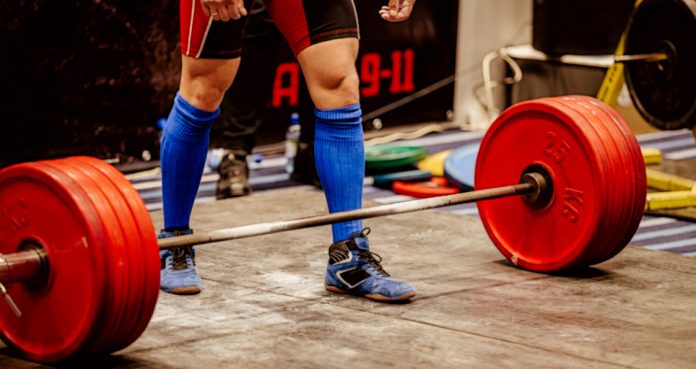
Remember the front squats explained before? Well this is where you can put that technique to good use. There are a few specific motions that must be followed when you’re going to perform the entire power clean. Firstly, the initial pull will give you the leverage needed to perform the catch. Approach the barbell, close enough for your shins to touch the metal, being sure to stand at the center of the bar. Bend at the waist, then bend the knees and grab hold of the bar with a overhand grip.
The key to the initial pull is to keep the bar close to your thighs once you lift for added leverage. The lift should be an explosive motion from squatting position, knees bent, back straight, elbows flared, and hips back. You then push up from squatting position and lift with your legs. Once the bar is past your knees, push forward with the hips in order to stand in a more straightened position, keeping your arms loose all the while.
The Catch
Once the bar is lifted up, use your toes, ankles, knees, and hips to carry the bar up past the hips, past the stomach and up to the shoulders. The key to completing the catch is by squatting down again and positioning yourself under the bar, spreading your feet a bit wider for stability.
Remember to maintain a sturdy grip and to perform all of this in a quick motion. Bending the elbows and being sure that the upper arms are parallel to the ground, the bar will fall into the palms completing the catch. Once the bar is caught it’s all a matter of using your legs to stand up straight and complete the lift.
The power clean is an impressive exercise for bodybuilders, power lifters, and other athletes looking to gain functional strength. Remember, it’s all in the technique. You can’t use just one body part or the other to pull off this lift, it’s all in a matter of using your entire body all at once to pull off things off without a hitch.
What’s your opinion on this Olympic lift? Let us know what you think in the comments below and follow us on Facebook and Twitter.
Iain Valliere On The Risk Vs Reward Of Competing In The Arnold Classic & Olympia Back To Back
[embedded content]
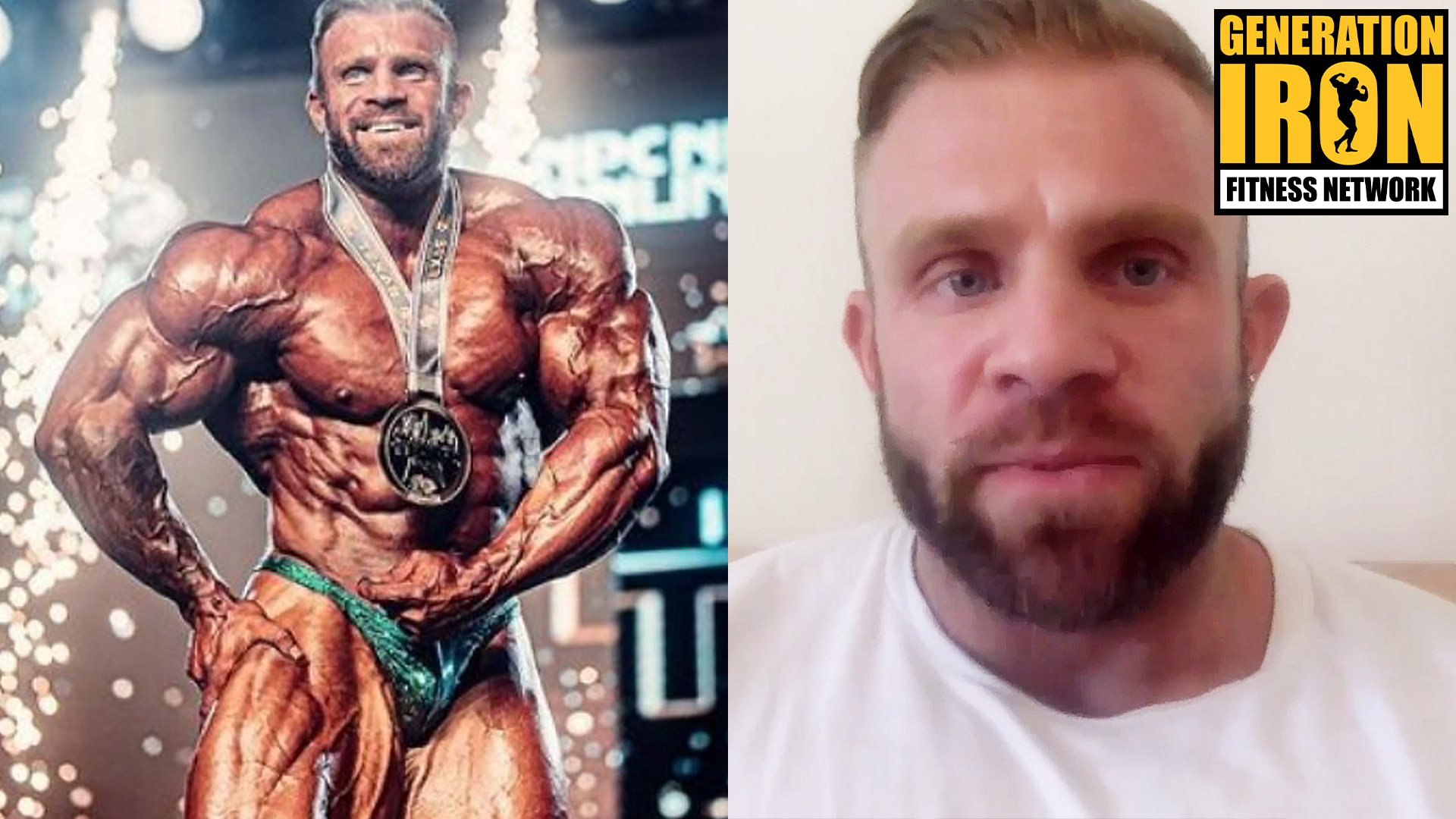
Iain Valliere explains why he is doing the Arnold Classic right before the Mr. Olympia – even though he has already qualified.
Iain Valliere has become a big part of the bodybuilding conversation in 2021. He’s had near back to back wins at the Tampa Pro and the Texas Pro. This earned him qualification to the Mr. Olympia. It’s also notable as he knocked out powerhouse Steve Kuclo at the Texas Pro. Despite having already qualified for the Mr. Olympia, Valliere is still set to compete at the Arnold Classic before facing off for the Sandow trophy. Why? In our latest GI Exclusive interview, Iain Valliere explains why he wants to compete in both the Arnold Classic and Mr. Olympia.
Typically, when a pro bodybuilder earns Olympia qualification for the year – they stop competing and focus solely on the Olympia competition. This is normally done to preserve all energy on being as perfect as possible for the biggest competition of the year. Iain Valliere is bucking this trend. He’s already competed at the Texas Pro after qualifying for Olympia previously at the Tampa Pro this year. Not only that – but he’s still set to compete at the Arnold Classic.
Competing in many shows within one year – especially close to the Mr. Olympia can be a huge risk. This is for a variety of reasons. Athletes can burn out. They can get thrown off mentally by placing low in a show just before the Olympia. They can also have their physique and conditioning timing thrown off by focusing on one show – only to be a few days off with their conditioning by the time they hit the Olympia weekend.
During our conversation with Iain Valliere, we asked him to explain why he decided to do the Arnold Classic. Did he consider skipping the show to focus solely on the Mr. Olympia? Iain Valliere is not oblivious to the importance of this decision – and he certainly considered skipping the Arnold Classic to focus on Olympia. Ultimately, he decided to stick the course.
“It was a discussion especially after winning Texas it’s like, you know, I knew my stock was high,” Iain Valliere stated in our interview. He continued:
“And I knew that I had a lot of moment going into the Olympia. Basically the last two shows of the season I had won… But at the end of the day I know that I get better as shows go on. I think Tampa right to Texas one week apart is indicative of that.”
There’s a risk vs reward aspect to competing at competitions so close to each other. It seems Iain Valliere is confident that this will actually help him stay focused and improve rather than throw him off. If it works out – we might see the best version of Valliere step onto the stage.
In fact, he believes the Arnold Classic being closer to the Olympia is better than it’s typical dates. For those looking to compete at the Olympia, the Arnold Classic falls right in off season. This, Valliere argues, is more damaging to prep than if the competitions were close together as they are this year.
You can watch Iain Valliere go into even more detail about his recent string of victories and his plans for the Arnold Classic and Mr. Olympia in our latest GI Exclusive interview segment above!
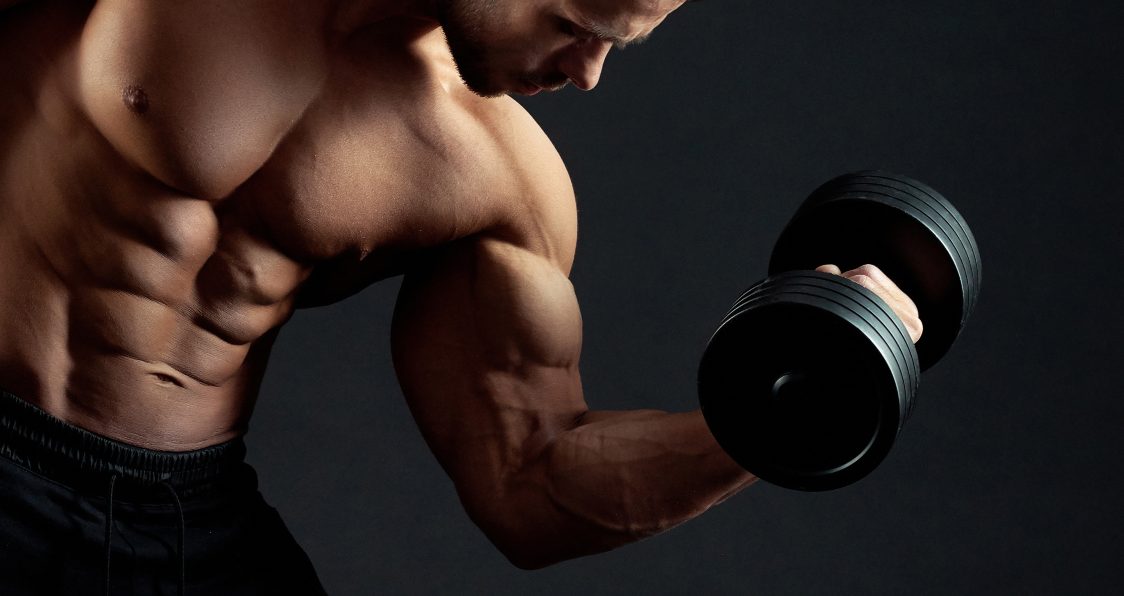
Use Negative Training For Positive Mass Gains
Are you robbing yourself of potential muscle gains by the way that you’re training?
If you are not purposefully incorporating negative or eccentric training into your workouts then the answer is a definite yes. Eccentric training is a powerful but too often underutilized technique to get stronger and to build more muscle that you need to be taking full benefit of. In this article, we’re about to show you how.
What is Negative Training?
Negative training is when you purposefully emphasize the lowering, or eccentric, part of the exercise that you are doing. Let’s say, for example, that you are doing pull-ups. Pulling from the dead hanging position up to the bar is the positive, or concentric, part of the exercise. During this phase, your working muscles, in this case, the latissimus dorsi, are contracting and getting shorter. When you come back and down, you are performing the negative, or eccentric, part of the rep. During this phase, your muscles are extending and getting longer.
There is a third phase of every exercise, which is the transition between the concentric and the eccentric. So, in the case of the pull-up, the transition is the slight pause at the top of the movement before you begin the descent.
Most people have a training tempo as follows:
Concentric phase – one second
Transition phase -zero seconds
Eccentric phase – one second
Negative training increases the eccentric phase up to 7 seconds.
Benefits of Negative Training
Greater Strength
We are all stronger in the lowering, or negative, part of an exercise. In other words, we can lower heavier weight than we can lift. The average differential is around 15 percent. So, if you can do a barbell curl with 100 pounds, you should be able to lower 115 pounds under control. Interestingly, research studies show that there is greater strength and muscle-building potential during the negative part of the rep than during the positive part. That potential to lift greater weight provides increased stress on the muscle fibers. This causes micro-tears in the muscle tissue which, when fed with protein between workouts, rebuilds to be bigger and stronger to be able to withstand the same stress in the future.
Unless you are proactively using negative training, however, you will not be benefiting from this muscle stress potential.
Increased Time Under Tension
There has been quite a lot of research done lately on the effects of time under tension on strength and muscle gains (1). Time under tension relates to the total amount of time it takes to complete your set. Studies confirm that the ideal time under tension for muscle growth and strength increase by around 45-55 seconds. However, most trainers are falling well short of this.
If we go back to the common training tempo that we identified earlier, we will find that a typical set of eight reps will take just 16 seconds, which is at least half a minute short of the ideal time under tension. However, when we add in negative training, we dramatically increase that time. Let’s just say that on every rep of our eight rep set we included a five-second eccentric phase. That would give us 40 seconds on just the negative part of the movement. Add in the eight seconds for the concentric phase and we are up to 48 seconds, which is within our ideal time under tension range.
Prevents Injury
When you strengthen your body through the eccentric part of a movement, you dramatically decrease the likelihood of injury, not just in the gym but also in real life. The majority of injuries that people sustain occur during the lowering, or eccentric, part of a movement. This could be when you are following through on a golf swing or slipping on ice and falling to the ground. When you are strong throughout the eccentric part of the movement, however, you can quickly counter the deceleration forces that are working on your body. This can prevent falls and other injuries.
3 Ways to Add Negative Training to Your Workouts
Use negatives to extend a set beyond positive muscular failure. Let’s say that you are doing a set of barbell curls. Perform your set until you reach positive muscular failure, where you can no longer do a concentric rep with proper form. Then have your training partner help you to get the weight through the concentric phase. Now resist the eccentric phase to a count of seven seconds. Do this for five or six reps and you will have reached negative muscular failure, where you can no longer control the eccentric phase.
Use negatives to boost your training poundages. If you have reached a training plateau, add an extra 10 percent of poundage onto the bar and have your training partner help you get the eight up through the concentric part of the rep. Now take five-seven seconds to lower through the eccentric phase. Do this for three sets of six-eight reps. Within two-three weeks, you should be able to move that weight through the concentric as well as the eccentric phase of the exercise.
Slow down during the eccentric phase of every set you perform. Set the goal to take three seconds to lower the weight. Depending on how many reps you perform, this will get you much closer to the ideal time under tension for maximum muscle and strength growth.
Incorporating Eccentric Training Into Your Routine
Slowing down on the negative part of a repetition will take some practice. Our natural tendency is to lower the weight quickly so you will have to resist the surge. Start by lowering to a count of three and then gradually extend from there.
Eccentric training is an intense technique that results in quite a bit of muscle soreness. It is something that needs to be transitioned into gradually. So, while you should consciously go slower on the eccentric part of every rep from now on, use extended eccentric reps, where you lower to a count of seven seconds, sparingly. I suggest beginning by adding one negative set at the end of your workout to take your final set beyond positive failure to negative failure. To do this, you will need your training partner to help you through the concentric part of the rep once you have reached positive muscular failure.
Conclusion
Negative training is one of the most powerful techniques you can use on the gym floor to maximally stress your muscle tissue. Now that you know how it works, make full use of it to get the maximum benefit from all of that hard work that you are investing into your body.
Looking for a pre or post workout boost? Check out Enhanced Labs the home of Big Ramy, Mr. Olympia 2020, Champion Big Ramy, 11x Olympia Competitor Dennis “the Menace” James, and hundreds of other professional bodybuilders, athletes, fitness enthusiasts, and bio hackers.
Also, use code geniron to get 15% off your order!
Let us know what you think in the comments below. Also, be sure to follow Generation Iron on Facebook, Twitter, and Instagram.
*Images courtesy of Enhanced and Envato
References
Vogt, M.; Hoppeler, H. (2014). “Eccentric exercise: mechanisms and effects when used as training regime or training adjunct”. (source)