
 All Posts By Presser
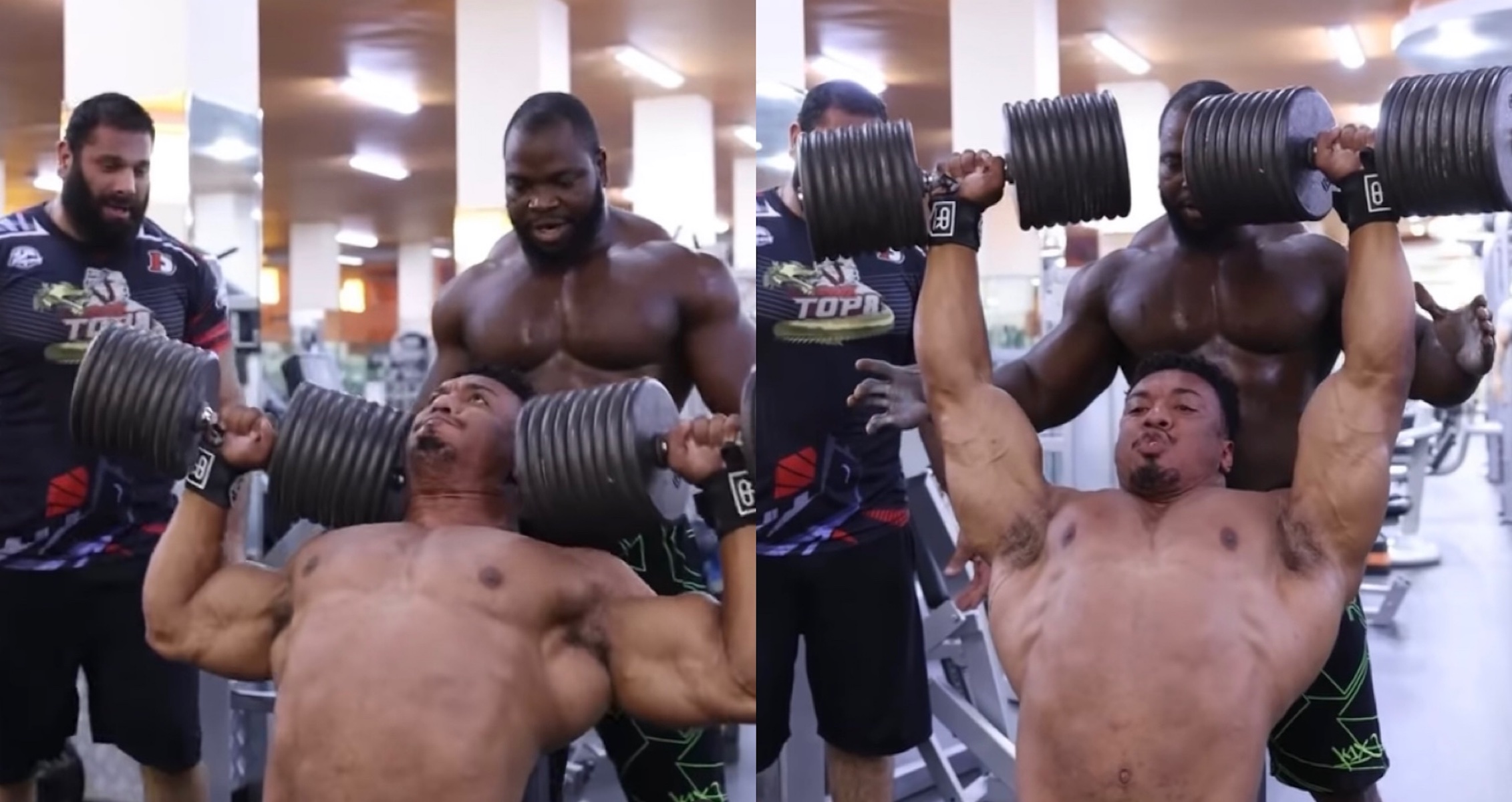
WATCH: Larry Wheels Completes Six Reps With 85kg Dumbbells
Larry Wheels displayed yet another impressive lift.
It seems as though Larry Wheels is accomplishing a new insane lift each day. That has certainly been the case since he returned from a quad injury back in September. The trend continued on Wednesday as Wheels returned to Instagram to show off his recent triumph.
Wheels decided to hit shoulders hard and completed six reps with an 85kg (187.4lb) dumbbell in each hand. This is the latest feat for what has been a incredible display over the last two months.
“187lb/85kg dumbbell shoulder press!It says 100kg but I weighed it and it’s actually 85kg.Black PR wrist wraps from @teampersonalrecordHUGE Black Friday sale 24-29!”
Larry Wheels explained that the dumbbells were labeled as 100kg but he weighed them to find out they were actually 85kg. This does not diminish the lift given the fact he was able to complete six reps.
Back in September, Wheels suffered a quad injury while performing an insanely heavy squat. He was forced to take some time off but it did not last long. This came one week after he was able to set a personal best with a 950-pound squat. This began what has been a stretch of different personal records being set.
Wheels is no stranger to big shoulder lifts. At the end of October, he set a new PR with 17 reps using 140-pound dumbbells. Other feats include a 585-pound bench press for four reps and a 765-pound deadlift for seven reps, which is another PR.
Larry Wheels has not competed in a sanctioned event since the 2020 Xtreme Powerlifting Coalition (XPC) Arnold. This is a competition where he finished first. Eddie Hall currently holds the world record for shoulder press with a 110kg (242.5lb) lift completed in January of 2020.
It is unknown if Wheels has his eye on any world records in the upcoming months but we do know that he is setting new PR’s daily. This is a trend that he has continued since returning from his injury and has gotten back into full gear when it comes to powerlifting. It is always something to watch when Wheels posts a new lift and he has done so frequently. It will be entertaining to see which life he goes to next.
For more news and updates, follow Generation Iron on Facebook, Twitter, and Instagram.
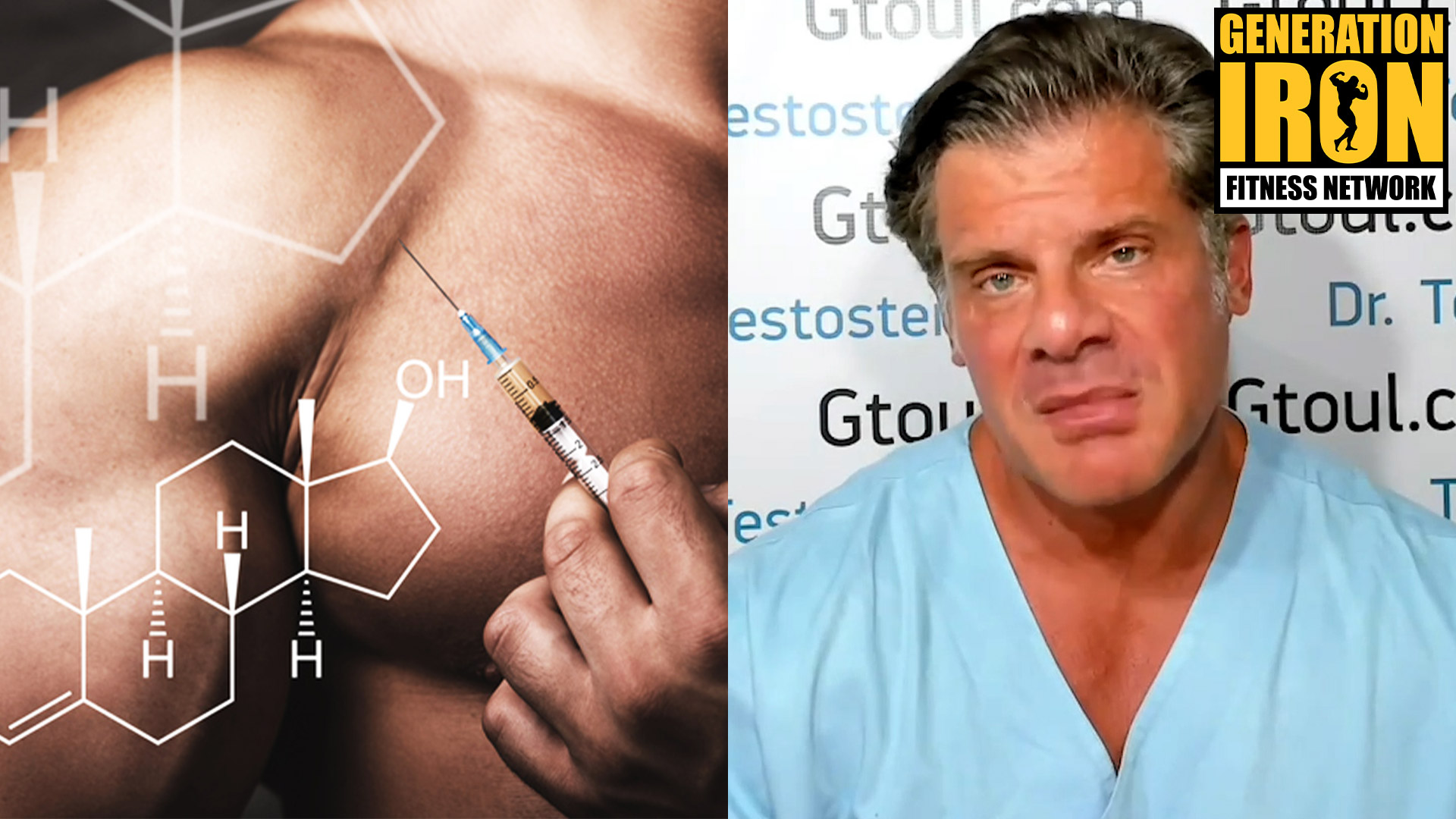
Dr. Testosterone: Young Steroid Users Will Have Low Natural Testosterone By Mid 30s
[embedded content]
Dr. Testosterone answers how long it takes for steroid use to deplete your natural ability to produce testosterone.
For those who have been following closely, it’s quite clear that continued steroid use leads to low natural testosterone levels. This long term use can have a very long term effect on testosterone after coming off PEDs for good. Usually, individuals will go into testosterone replacement therapy (TRT) for the remainder of their lives. This might beg the question – how long can someone use steroids without requiring TRT afterwards? In our latest GI Exclusive interview, Dr. Testosterone explains the factors that can affect how and when bodybuilders will require testosterone replacement therapy.
The topic of steroids in sports, including bodybuilding, is a hotly debated issue and has been for many decades. There’s no denying that long term steroid use can lead to serious health problems. But there are those who are skeptical of just how dire those health problems can become. One thing that is undeniable is its effect on natural testosterone production in the body.
During our conversation with Dr. George Touliatos, aka Dr. Testosterone, we asked him to go into detail about steroid use and testosterone replacement therapy. For how long can a bodybuilder use steroids before their body is unable to produce testosterone naturally? Is there a hard out moment that they can stop to prevent long term damage? Or will even the most casual of steroid users require TRT in their future?
Much like nearly all drugs, Dr. Testosterone explains it depends on a variety of factors. What kind of steroid the person is taking, what size of the dose, and how long of a break between cycles. Then add on top of it that each individual has their own genetic predisposition regarding testosterone production in the body. Some individuals who never use steroids still find themselves with low testosterone at a young age. It’s rare but it can happen.
So these varying factors make it hard to pinpoint an exact timeline for when a bodybuilder, or any steroid user, would face a permanent future on TRT. On average though, Dr. Testosterone seems to place the time limit at about 10 years.
“I guess it depends how early you start it. So if you start in your 30s, I think by your 30s you’ll be toast. And TRT is going to be inevitable,” Dr. Testosterone states in our interview.
He goes on to make clear that anything is possible on an individual level – and nothing is guaranteed. He’s known 30 year olds who have low testosterone and have never taken steroids in their lives. He’s also known 50 year olds with good natural testosterone despite typical aging factors.
Dr. Testosterone also goes into more detail about how testosterone works in the body as a whole. And how trying to artificially boost testosterone will always lead to eventual future issues. Even “kick starting” your testosterone via a booster shot will eventually lead to your body not only reverting back to normal levels – but perhaps falling even lower. It’s like a pendulum that gets more dangerous the more doses you take.
So how does one with naturally low testosterone boost it in a healthy manner? Unfortunately there is no easy trick. Dr. Testosterone explains that it takes time and a dietary habit changes.
You can watch Dr. Testosterone go into full detail about testosterone, TRT, and more in our latest GI Exclusive interview segment above!
Eight Best Dumbbell Exercises For Your Hamstrings
Check out some of the best dumbbell exercises to strengthen your hamstrings!
Generations of gym teachers and track coaches told kids to put one foot over the other, bend over and hold. Surely someone thought it made sense to limber up before a run by pushing against a tree.
Such stretch-and-hold moves are better than nothing, of course, and studies support the value of static stretching. But it takes more to loosen and strengthen the hamstrings, now more than ever in a world where we spend most of our time sitting, thus shortening our hamstrings, tightening our glutes, and rendering our bodies more susceptible to injuries.
Thankfully, there’s perhaps no body part that can be more effectively stretched and strengthened at the same time than the hamstrings. In this 30-minute dumbbell workout to build your hamstrings, we’ll work through four sets of these eight moves in a circuit fashion, resting only briefly between sets, to produce maximum results.
Pete Williams is a NASM certified personal trainer and the author or co-author of several books on performance and training.
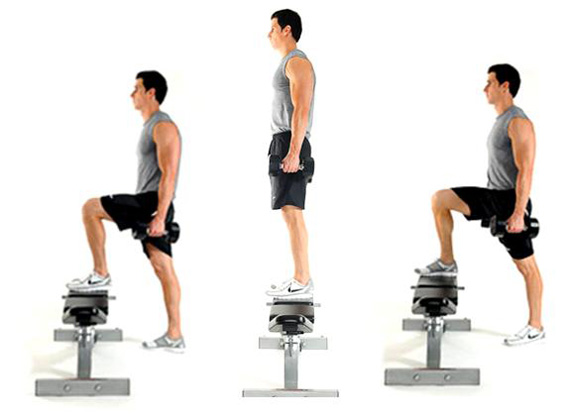
1. Dumbbell Step-Ups
What it does: It’s a simple but effective way to stretch the hamstrings while activating the glutes.
How to do it: Stand holding dumbbells with one foot on a box or step, leaning slightly forward. Squeeze your glute and stand tall, bringing your back foot to the step/box. Step back down and repeat.
How many? 4 sets of 10 reps per side.
2. Inverted Hamstring
What it does: This move forces you to fire (activate) your glutes and stretch your hamstrings. Practicing such movements becomes a habit in the gym and everyday life.
How to do it: Balance on your right foot, keeping tummy tight and shoulders back and down. Bend at the waist with both hands out to the sides and extend your left leg back as you fire the left glute. Your shoulder and heel should move together, forming a straight line. Return to starting position and switch legs, performing a set of 10 on each leg.
How many? 10 reps per side.
3. Dumbbell Squats
What it does: This simple but challenging weight room standby stretches and strengthens the hamstrings.
How to do it: Stand holding a pair of dumbbells on your shoulders with elbows pointing straight ahead. Squat until your thighs are parallel to the floor. Push through the hips to return to a standing position.
How many? 4 sets of 10 reps.
4. Bent-Over DB Row, One-Arm, One-Leg
What it does: Not only does this challenge you to work each side independently, as with a traditional one-arm row, but you work your hamstrings while inevitably lowering the dumbbell deeper.
How to do it: Stand on one leg, grasping a dumbbell rack or bench in front of you with one hand. Drop your chest and lift the leg opposite your free hand to create a “T” with your body. Grab a dumbbell with your free hand, pull it to the side of your waist and then lower it. Do 10 reps on one side and then repeat with the opposite arm and leg.
How many? 4 sets of 10 reps per side.
5. Romanian Deadlift
What it does: Start with a light set of dumbbells. Form is especially key to getting the full benefit from the RDL; don’t think of the exercise as bending forward but rather as sitting back with your torso moving forward instead of staying upright.
How to do it: Perhaps the most recognizable hamstring move, and for good reason; it’s effective in building the proper activation patterns in your hamstrings and glutes while also strengthening your back.
How many? 4 sets of 10 reps.
6. Lateral Lunges
What it does: Lateral movement is important to the motions of everyday life, but too often we ignore it in the gym. The lateral lunge hits the hamstrings, along with the glutes and quads.
How to do it: Stand holding a dumbbell in each hand at your sides. Step out to the right, keeping toes pointed straight ahead and feet flat. Squat down only your right leg, keeping the left leg straight. Squat as low as possible, keeping the left leg straight and holding for two seconds. Return to the starting position and repeat for a set of 10. Switch sides.
How many? 4 sets of 10 reps per side.
7. Split Squat – Back Foot Elevated
What it does: It requires a deep hamstring stretch to do properly while also working the glutes and quads.
How to do it: Holding dumbbells at your sides, place your back foot on a bench and step out into a split stance. Lower the hips by squatting back and down. Without letting your back knee touch the ground, push off the front leg to return to starting position. Complete set on one side before switching sides.
How many? 10 reps per side.
8. Romanian Deadlift – 2 Arm, 1 Leg
What it does: For all the reasons the traditional RDL is effective, along with the added challenge of instability.
How to do it: Stand on one foot holding dumbbells in each hand. Bend forward from the waist, lowering the weights as your non-supporting leg lifts behind you. Squeeze your glutes and contract your hamstrings to return to the starting position. Complete the reps on one side before switching sides.
How many? 4 sets of 10 reps per side.
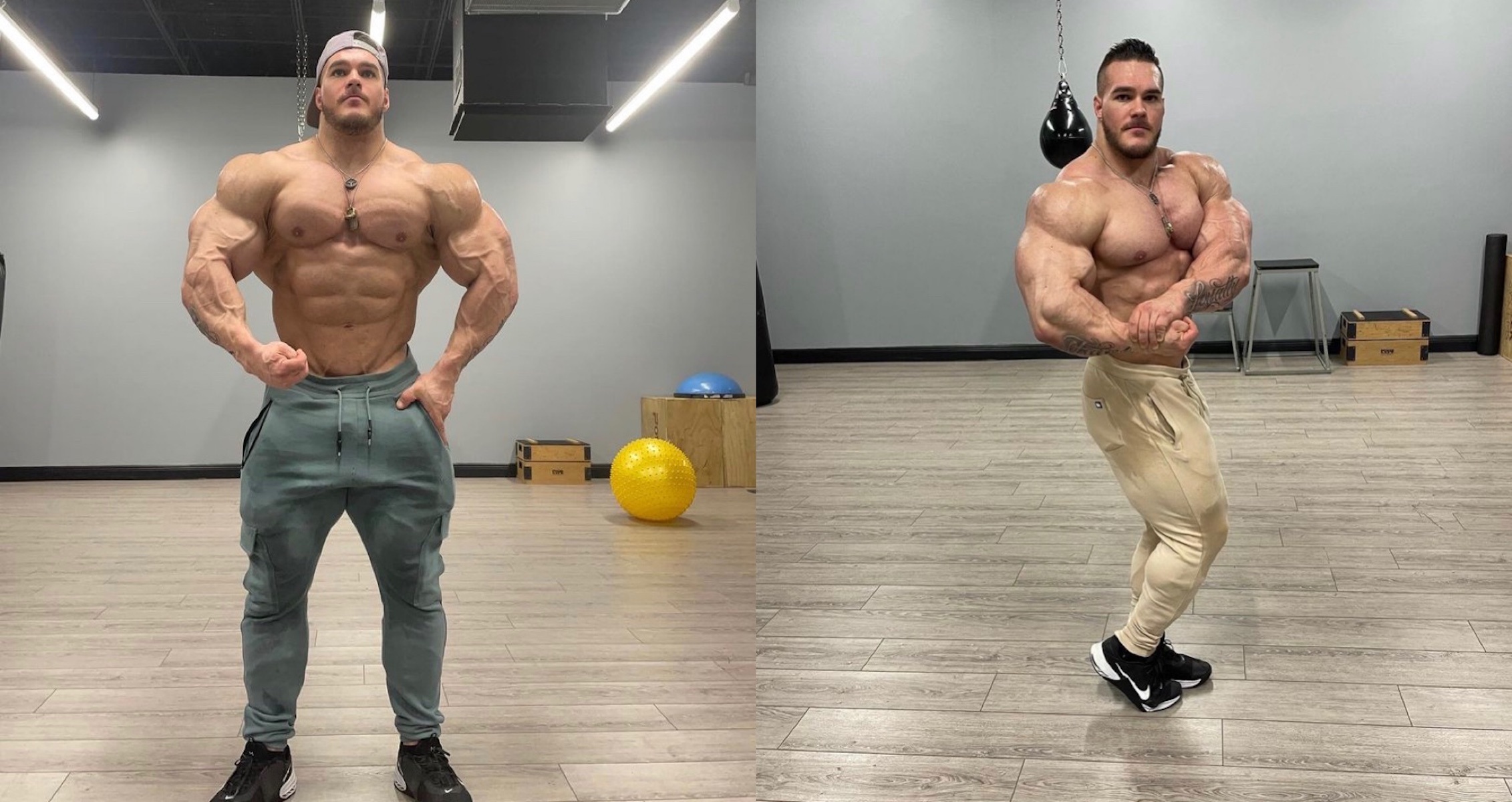
Nick Walker Shares Massive Offseason Physique Update, Leg Workout
Nick Walker has been hitting the gym hard during the offseason.
It was quite a rookie season for Nick Walker. He put together some big performances in the biggest shows of the year but admitted that he was unhappy with his finish at the Olympia. It is clear that Walker is continuing to train with a purpose and a recent physique update shows just that.
It is unlikely that Walker competes again until the 2022 Olympia. This gives him just over a year to get himself in prime shape in hopes of winning the biggest competition of the year. Walker has not been shy about sharing progress and workouts on social media. Recently, Walker released both.
Nick Walker took to Instagram to share a recent physique update following a chest and biceps workout. On his YouTube channel, Walker also shared a huge leg workout. There will be a new back routine released this week.
Walker burst onto the scene with one of the best physiques in the world this year. He took began by winning the New York Pro and followed it up with a title in his first Arnold Classic. He entered the Olympia with plenty of momentum and finished fifth. This was a strong finish for his first appearance but Walker was not satisfied.
“5th place to many is a huge accomplishment. 5th place to me is a loss…. a loss that I will make sure with this whole year of training never happens again. I know what needs to be improved and I know what needs to be fixed,” Walker wrote in an Instagram caption back on Oct. 11.
Early in the offseason, it seems as though Walker is beginning to makes those changes. He has been sharing workout videos for quite sometime now. Recently, it was a massive hamstring workout that he shared on his YouTube page.
This was a workout that consisted of five exercises. Walker began with seated leg curls and trap bar deadlifts. He then went to lying leg curls and hip thrusters before finishing up with weighted lunges. Up next will be a back workout. Walker said that the video would be released this week.
Nick Walker might not compete this year but that does not mean that he will not be a competitor to watch during the 2022 Olympia in Las Vegas. Walker has already sculpted one of the best physiques in the world and is continuing to improve, which is a scary thought.
Over the course of the offseason, Walker will likely continue to provide physique updates and different workouts. He has stated that he knows what changes need to be made and it will be interesting to see what is focused on most to improve.
For more news and updates, follow Generation Iron on Facebook, Twitter, and Instagram.
Jay Cutler Comments On Recent Deaths: “People Are Just Running Scared”
Jay Cutler comments on the passing of modern bodybuilding veterans.
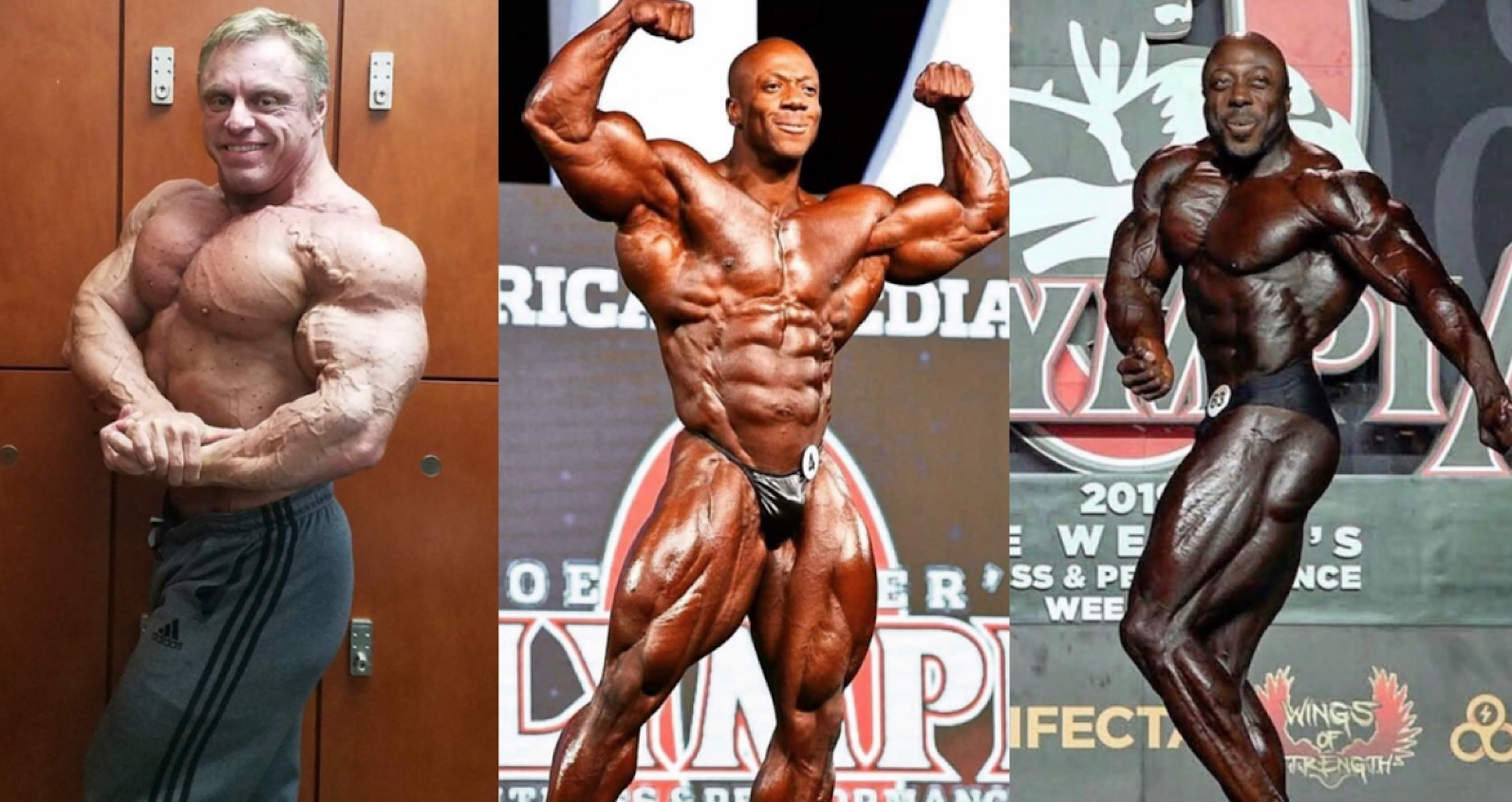
Jay Cutler recently commented on the string of deaths plaguing modern bodybuilding. In recent months former Mr. Olympia Shawn Rhoden, George Peterson, and John Meadows all lost their lives. The passing of these veteran bodybuilders sent shockwaves through the industry.
The modern era of bodybuilding has become an extremely controversial time for the sport. While bodybuilding has been more accepted into the mainstream, the reality is that the state of the sport has never been more precarious. Recent bodybuilding deaths have raised questions as to how much is too much. Modern bodybuilding standouts George Peterson, John Meadows, and now 2018 Mr. Olympia Shawn Rhoden have all recently lost their lives. It has sparked a very important conversation in the bodybuilding world.
John Meadows, Shawn Rhoden, and George Peterson all passed away untimely.
Dark Times
Four-time Olympia champion Jay Cutler had a lot to say on the subject. Competing at the highest levels of the game, Cutler has the kind of valuable experience that any bodybuilding enthusiast can find insightful. Cutler recently touched on the string of bodybuilding deaths that have hit the industry hard.
In his podcast, Jay Cutler expressed that many people are having concerns about the state of modern bodybuilding.
“I think people are just running scared at this point, think ‘Oh my gosh, bodybuilding is so dangerous,’” said Cutler. “I think anything in life is, nutrition and whatever else, and we obviously push ourselves. I think our biggest fear now is, when you’re 290, 5-foot-9 or 10, you’re considered obese. So it puts a lot of strain on the heart. Although I felt pretty good at 290, I knew I couldn’t maintain that for a long time, hence I walked away at 40 years old.”
Could Age Be The Cause?
It appears that Jay Cutler is inferring that age could be a factor in the recent deaths of veteran bodybuilders. Cutler continued bringing up examples of past bodybuilding champions and when they walked away from the sport.
“I look back, when I first started bodybuilding, and I watched Lee Haney retire at 31, Dorian Yates retired at like 37, Lee Labrada stepped away, Shawn Ray stepped away early in their careers, their early thirties or whatever.
“I just feel that this has transitioned to an older person’s game, which I don’t know if that’s the best thing for your health, to really be pushing yourself in your forties, to get in shape, up and down like a yo-yo, being depleted and being dehydrated to that extent…
“The truth is, when you start pushing limitations of your physique, it doesn’t matter what the age is, the amount of foods we eat is astronomical.”
To hear everything Jay Cutler had to say click here to see the full podcast.
Age could very well be a factor in the deaths of Shawn Rhoden, John Meadows, and George Peterson. Some may say that the true culprit is the amount of gear that modern bodybuilders take. Either way there’s clearly an issue, one that can’t be ignored.
Do you agree with Jay Cutler and his assessment of the recent bodybuilding deaths?
For more news and updates, follow Generation Iron on Facebook, Twitter, and Instagram.
News and Editorial Writer at Generation Iron, Jonathan Salmon is a writer, martial arts instructor, and geek culture enthusiast. Check out his YouTube, Instagram, Twitter, Facebook, and Sound Cloud for in-depth MMA analysis.
Gym Jerks Have These Things In Common
These are the things gym jerks have in common.
Every gym has a few people who are a pain in the ass. Some of these pricks can be so bad they could make you change your gym timings. The worst part is, you can do nothing about it. A single habit of these annoying people could be putting you off.
While some people could be a trouble on purpose, the others might have no idea they are doing something wrong. Even you are not safe from this. There is a probability people in your gym think you’re a jerk. Do you want to know if this is the case?
1. Loud Grunting
Let’s get this out of the way. Grunting doesn’t make you cool. We can understand you might be lifting heavy weights, but do you really need to grunt as if you’re in labor? We’re sure you could lift those weights while making much less noise.
The funny thing is, the number of men grunting in the free weights area is directly proportional to the number of women in the gym. And the loudness of the grunting is directly proportional to the proximity of the girls to the guys.
2. Taking Away The Weights Without Asking
Every single gym around the world has these people. These gym jerks take away the weights from the barbells or the dumbbells while people are resting between their sets. A little courtesy never hurt someone.
We get it, you saw one too many ‘thug life’ in the gym videos. Whenever you see a loaded barbell or dumbbells lying on the floor, it is always a good idea to ask around if someone is using them. Form a habit of asking otherwise karma isn’t too far away.
3. Too Badass To Re-rack The Weights
If the dumbbells at your gym are always racked, you’re in a heaven. People like lifting heavy weights but they hate putting them back. Unracked weights can make a complete mess of the gym. If you use any of the gym equipment, it is your responsibility to put them back.
“If you’re man enough to lift it, then you’re man enough to put it back.”
The next time you see someone not re-racking their weights, act responsible and ask him to put it back. Oh, and if he doesn’t listen, report it to the authorities. They surely will be on your side.
4. There To Pick Up Girls
Some people think of gyms as pick up spots. They are there to impress girls and almost no one of them is good at it. Just so you know, lifting heavy weights and flexing isn’t going to get you girls – unless you’re too good at it.
If you want to pick up girls, there are better places to do it. Have you ever heard of the club, maybe? Stop being a distraction for the ladies and the people around you in the gym. Do what you’re supposed to do in the gym.
5. The Broscientists
These are the biggest gym jerks. You will always find them giving training and nutrition advice to people. All their advice and methods have no science to back them up. Broscientists are the people who take it upon themselves to correct your form.
We have an advice for all these broscientists, refrain from giving advice to anyone until you feel they will hurt themselves. Everyone’s body is different and might respond to different styles of training.
People might have come to their current form of training and what works for them after years of trial and error. There is no ‘one solution fits all’ when it comes to working out.
Did we miss out any other types of gym jerks? Let us know in the comments below. Also, be sure to follow Generation Iron on Facebook and Twitter.
*Images courtesy of Envato Elements.
These Machines Are Better Than Free Weights
Use These Machines Rather Than The Free Weights
Machines can be incredibly helpful for some lifters, especially beginners. The machines are a form of isolation (single-joint) exercises that train a single muscle group. While using the free weights has its advantages, there are instances where you’d be better off using the machines.
You should consider using machines instead of performing the compound lifts if you’re recovering from an injury. On days when you feel tenderness or soreness (in a funny way) in your muscles, you should head straight towards the machine station.
Pec Deck Flyes
Many people waste their precious time and energy on performing the dumbbell flyes as they can’t feel any tension on their inner pecs. Establishing a mind-muscle connection can be harder while performing exercises with free weights.
Using the pec deck fly machine can give you a better pump as the range of motion is defined and all you have to do is focus on contracting your pecs with every rep. If you don’t end the exercise with a muscle tearing pump, you should try lowering the weights.
Machine Preacher Curls
Using machines takes away many moving parts from the equation like lifting with the right form, setting an appropriate range of motion, and the scare of hurting oneself if failure is hit during the exercise.
Cutting down these variables makes more space for the most important aspect of bodybuilding – focusing on the muscle under question. The machine preacher curls are a great exercise for training the peak of your biceps.
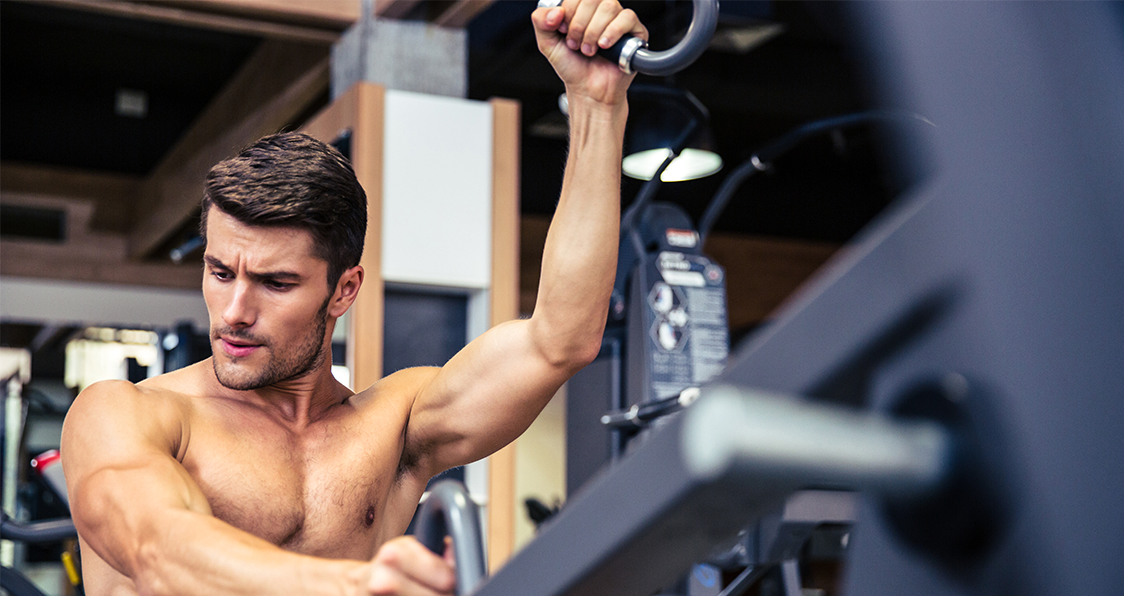
Lat-Pulldowns
Some people have trouble training their lats optimally. A good back workout should feel as brutal as an annihilating leg workout, if not more. Performing the pulling movements work the lats and build the width in your back.
The only real substitute to the lat pulldowns is the pull-ups. Lat-pulldowns are the perfect substitute for people who can’t perform bodyweight pull-ups or think that bodyweight chin-ups are too easy.
Tricep Cable Pressdowns
In exercises like the dumbbell kickbacks, skullcrushers, or any other free weight lift there are chances of the recruitment of secondary muscles like forearms and shoulders. The cable tricep pressdowns are an isolation exercise and can efficiently target the triceps.
You can get more tension on your triceps by performing the unilateral cable tricep extensions. In the unilateral version, you perform the tricep pressdowns with one arm before switching to the other. The unilateral exercises help in building symmetry and fixing muscle imbalances.
Ab Crunch Machine
Most people make the mistake of not treating their abs like they train all their other body parts. While they do 8-12 repetitions while training other muscles, they resort to doing 25-30 reps while working abs.
Using an ab crunch machine helps by defining a range of motion and gives you the freedom to focus on contracting your abdominal. Machines are better at helping you achieve a muscle pump as they provide the same amount of tension on the muscles throughout the range of motion.
Do you prefer compound or isolation exercises? Let us know in the comments below. Also, be sure to follow Generation Iron on Facebook, Twitter, and Instagram.
*Header image courtesy of Envato Elements

Meal Planning For Hardgainers
Here is plan for meal planning if you are a hardgainer.
Imagine how dumb it would be if people who struggle with weight loss called themselves hardlosers. That would be ridiculous and you would be just tell them there’s no such thing. They just eat too much food.
Well, that’s how ridiculous the term hardgainer is as well. It comes down to you not eating enough. I don’t care how much you swear you eat, if you don’t gain weight, you are simply not eating enough consistently.
It has nothing to do with your genetics. If you put more money in your bank account than you take out, your bank account will grow. If you put more food in your body than it can burn off, it will be forced to grow as well.
So when hardgainers struggle with eating enough, it’s because they’re not intentional enough. You’ve been trying to eat more your whole life and that’s not working. You have to get specific and plan out your meals. Get structured and get consistent, so the scale can finally tick up. You don’t want to go another year being a grown man at 130 pounds, so here’s how you meal plan for so called hardgainers.
Figure Out Your Surplus
First, you should figure out your surplus. This isn’t necessary, but is extremely helpful especially if you want to gain weight at a consistently healthy rate. When it comes to gaining, you gain both muscle and fat. If you gain too fast, you accumulate too much unnecessary body fat, so it’ better to be relatively precise.
You want a surplus of no more than 500 calories. Take your bodyweight and multiply by 15-20 The more active you are, the higher on that range you should aim for. Same goes for people who swear they eat like a food addict yet can’t gain weight.
So let’s say a self-proclaimed hardgainer weighs 135 pounds and is highly active. He would multiply 140 by 20. That gives him 2800 calories to aim for daily. You can subtract and add 100 to give yourself a flexible range to aim for. So in this case, he would aim for 2700-2900 calories daily.
If you don’t gain weight within 2 weeks, boost your calories by 200.
Figure Out Your Protein
Protein is by far the most important nutrient for building muscle. It literally turns on the signal to construct muscle while providing the building blocks needed to construct said muscle. You need enough to repair damage, maintain good health, and optimize hormones as well. Research finds this to be around 0.8-1 gram per pound of bodyweight as a safe range for all related benefits.
Once you figure out your protein, treat that as a minimum. I like to have hardgaining clients aim for 0.8 grams per pound of bodyweight per day. This gives them a minimum to target for that gives them maximum muscle growth, but it’s not so high that it limits their appetite because protein can be quite filling, not to mention expensive. If your protein limits your appetite, you can start utilizing more shakes instead of whole food.
But this brings me to my next point which is how to specifically construct your meals.
How Many Meals?
Research finds 3-4 meals per day can maximize the muscle building response assuming each meal has a decent dose of protein. This is what I generally recommend for hardgainers anyways. Higher meal frequencies are better to make eating more daily food feasible. Getting tons of calories within 2 meals is too difficult.
So if you’re skipping meals or practicing low meal frequency approaches like intermittent fasting, you’re not optimizing your eating structure to pack on mass.
3-4 meals is best. Aim for more if you prefer to, but that is usually too impractical as well.
Divide Up Your Nutrients
Calories drive weight gain and protein drives muscle growth. These will be your bread and butter as far as what to focus on each meal. Once you figure out your meal and snack structure, divide up your nutrients accordingly per meal.
This doesn’t have to be perfectly distributed, but keeping it relatively even is good for both muscle growth and more importantly simplicity sakes. In addition, if you struggle with your appetite, I would also put a meal or protein rich snack like a shake after your workout.
This will help muscle building efforts, but more importantly, it’s simply practical to help you get all your fuel down your throat. It’s also easier to consume some food in this window without it impacting your overall appetite much.
So for example, somebody aiming to eat 3000 calories per day would have something similar to the following:
Breakfast: 100 grams oatmeal, 1 serving of protein powder, a spoon of honey, mixed berries. (About 650 calories)
Lunch: 2 boneless skinless chicken thighs, 2 cups of cooked rice, spinach, bbq sauce, cooking oil. (about 900 calories)
Post workout: 1 serving of protein powder (about 150 calories)
Dinner: 5 scrambled eggs w/ veggies and olive oil, a banana, and half a pint of ice cream (about 1200 calories)
The above is just an example. You don’t have to copy that and it doesn’t have to be perfectly tracked, but it does need to be consistent and intentional.
As far as food volume, I don’t think the sample I’ve laid out above is unreasonable. Any grown man should be able to eat the above daily. Your manhood is honestly questioned if you think that’s too much food.
That being said, here’s how you adjust your meal plan in case your appetite is weak.
Adjusting Your Meal Plan For Hardgainers
The first step is to stay consistent with your meals. This means eating relatively the same foods and having set meal times. You can totally change things up, but continue to keep a strong account of everything.
This makes adjusting easier once you run into issues. With hardgainers, they often don’t realize they’ve been eating like little girls despite their memories swearing they’re eating phenoms. What you eat once in a while as a highlight is differently than your consistent ability to pound food.
So if you’re struggling, your first option is to simply keep going. Your appetite will adjust as the body is an excellent adaptation machine. It may seem daunting, but you can totally buckle down and push through until it feels more effortless.
Or you can also adjust your meal plan. You can swap out more filling food like fibrous starch, some protein, and fruit for less filling foods. Liquid calories are excellent replacements here. For example, you can simply turn one meal into a giant shake. Milk, smoothies, juices, and mass gainer shakes will be your best friend. Don’t overthink it.
There really is no excuse because there’s no limit. You don’t have to limit yourself to the typical clean foods. I encourage you to include a good base of whole nutritious foods, so you don’t become deficient in micronutrients, but beyond a relatively solid base, getting consistently sufficient calories down your throat is the priority if I haven’t already made that clear.
The second priority is getting sufficient protein, but this should be easy so long as each feeding starts with a protein source.
Get Consistent With It
We make fun of people who struggle to lose weight lacking consistency, but hardgainers often lack consistency too. They fail to face the reality that they don’t plan well, aren’t intentional enough, and struggle to eat more than High Schoolers.
This can all be solved by sitting down undistracted and planning out your week’s worth of meal. Go grocery shopping for what you need, prep what you can ahead of time, and set exact meal times, so you don’t skip calories.
If you do this consistently and adjust your calories when plateaus happen, there’s no reason you shouldn’t gain weight. The scale will trend up if you pound food consistently day in and day out.
The Best Workout Supplements For Teens To Boost Health & Training
These are effective and worth it for teen athletes.
We all know the value of supplements and what they can do for our training, performance, health, and wellness, but when it comes to teenage athletes, the best workout supplements for teens may be hard to find. Some of those supplements adults take without thinking can actually have adverse effects on teens, examples being pre-workouts, fat burners, and testosterone boosters. And while teens may be at the age of starting to drink coffee, pumping themselves full of caffeine, for example, just isn’t worth it.
So, where does that leave teen athletes? This is a perfect time to teach them about proper training and how to structure a well-thought out nutrition plan. By giving them these worthwhile tools now, you can better help them with healthier habits for longer into their fitness careers. But their gains should matter just as much as ours and having the right supplements backing you can make all the difference.
Let’s take a look at the best supplements for teens to give you highly effective products that will boost all areas of your health and training. With great ingredients, cutting-edge formulas, and amazing results, teen athletes can put together a great supplementation routine to boost all areas of their gains and see results safely.
Best Supplements For Teens
While you may be familiar with almost all on this list below, you will notice some essentials missing. Those being essentials for adults, teens don’t need to worry so much about fat burners and pre-workouts, among others. Setting teens up with a set list of appropriate and worthwhile supplements can still work wonders so they see those results they want most.
Protein Powder
A protein powder is one of those supplements perfect for providing you with quality protein to aid in a number of benefits. Coming in dairy forms, like whey isolate and whey concentrate, as well as plant-based proteins, made from things like brown rice and pea protein, the options for you to find the right supplement to suit your lifestyle and diet are possible.
What a good protein powder will do is work to boost muscle growth, since protein is the building block of all muscle, enhance recovery, and aid in things like weight loss through satiety (1). With great flavors and a supplement loaded with protein, this is safe and works well post-workout.
Multivitamin
Taking a multivitamin is an easy and convenient way to get all those important vitamins and minerals into your body that may be missed from whole foods. While we of course structure out meals to get the most benefits and proper nutrients, sometimes we just miss. But multivitamins can help with muscle maintenance, promote a healthy diet, increase energy and cognitive function, as well as boost your overall health and wellness (2).
For a great multivitamin, check out this supplement from Enhanced for an awesome product.
Enhanced Super Human Immunity is a 3-in-1 formula designed to maximize immunity and defeat sickness. Great ingredients include vitamins, minerals, botanicals, probiotics, and digestive enzymes.
BCAAs
BCAAs are an interesting supplement for this is a great way to change up your intra-workout routine and enjoy a tasty beverage while loading yourself with worthwhile benefits. BCAAs can work to increase muscle growth, reduce fatigue, decrease muscle soreness, and prevent muscle wasting, while also helping to burst right through fatigue (3). A way for teen athletes to change up their mid-workout routine, what these will really do is give you some energy when you start to fade while also kickstarting muscle protein synthesis for only the best results when it comes to growth.
Creatine
Creatine is a widely researched and studied supplement and will work in a number of ways to improve your overall strength and size to help with sculpting a physique and improving performance. This is a very popular supplement and is a staple in most athletes’ routines. For teens, following the right instructions and making sure you dose it properly can lead to seeing effective gains.
What you’ll find with a creatine supplement is an increase in strength, improved metabolism, better athletic performance, and assistance with mental capacity, all helping towards your goal of progressing farther with your fitness (4).
Fish Oil
Fish oil is a kind of omega-3 fatty acid with a host of benefits to your physical and mental health. Omega-3’s can be found in a few sources but fish oil is the most popular. What you’ll find with omega-3’s is that this will work to promote eye and cognitive health, fight inflammation, enhance heart health, increase bone and joint health, and boost immunity, all to give you a well-rounded health and wellness supplement you can rely on (5).
Why These Supplements Matter For Teens?
Teens deserve to see great gains as well and working with safe and effective supplements is an easy way to help boost your already well-thought out training and nutrition routines. By starting teens out with the right products and the right ideas around supplementation, you better set them up for their future when it comes to fitness and may excite them to want to learn more. After all, what we put in our bodies matters and we should do the proper research to make sure we understand what we’re taking. For teens, the right supplements can start them on a worthwhile path to gains and this list above is a great starting point to pull from.
Wrap Up
The best workout supplements for teens may seem like a challenge, and with so many options out there, the choice can be daunting. But knowing exactly what teens should take, and what they shouldn’t, can help make that decision a little bit easier. With the right approach and guidance, teens can find a quality supplementation routine in order to see the best gains come to life. Plus, they can do so safely and effectively to not jeopardize their health but fully optimize their gains.
Generation Iron may receive commissions on purchases made through our links. See our disclosure page for more information.
Let us know what you think in the comments below. Also, be sure to follow Generation Iron on Facebook, Twitter, and Instagram.
*Images courtesy of Envato
References
Cintineo, H.; et al. (2018). “Effects of Protein Supplementation on Performance and Recovery in Resistance and Endurance Training”. (source)
Harvard Medical School (2019). “Do multivitamins make you healthier?”. (source)
Blomstrand, E.; et al. (2006). “Branched-chain amino acids activate key enzymes in protein synthesis after physical exercise”. (source)
Kreider, R. (2003). “Effects of creatine supplementation on performance and training adaptations”. (source)
Magalhaes, J.; et al. (2016). “Fish oil supplements, longevity and aging”. (source)
Philip Ricardo Jr. Looks to The Future
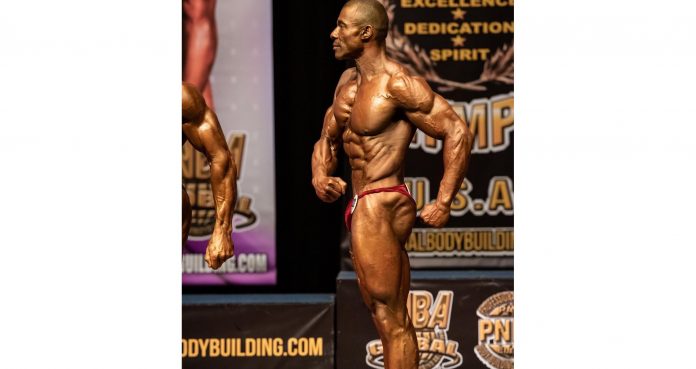
Philip Ricardo Jr. recognizes he has work to do.
Philip Ricardo Jr., a professional natural bodybuilder, had an outstanding performance in the 2021 Natural Olympia on the second weekend of November 2021. He left with a gold medal in Men’s Bodybuilding Grand Masters, and a bronze medal in Men’s Bodybuilding Open – Paul Krueger came out on top; however, Ricardo Jr. did walkaway with a Harley Davidson after winning the drawing, so he’s likely a happy camper.
Although Ricardo Jr. fell short of the gold medal in the 2021 Natural Olympia, he’s won on multiple occasions. He won back-to-back in 2007 and 2008 and again in 2015 and 2019.
Despite his incredible performances, he recognizes that the competition level has increased substantially since his earlier days in the sport. Here’s what he had to say on social media:
“Despite my placing (Gold in Grandmasters Bodybuilding & Bronze in Men’s Open) and winning the drawing for the Harley Davidson. (Thanks Douglas D Grant and the entire GainsInBulk Team) I recognize that I am definitely not the athlete I was years ago in this sport. The level of competition has increased leaps snd [sic] bounds and I feel fortunate to have done as well as I did. I have work to do if/when I ever compete again for sure.”
You can check out his full post below.
Training for Natural Olympia
Philip Rircardo Jr. put in work to prepare for the 2021 Natural Olympia, and in hopes of being victorious, he entered late into Mr. America 2021. Unfortunately, this competition shortened his preparation for the show. Still, it showed the length he’s willing to go to win – entering late into a competition does put the athlete at risk of being “off-peak” when performing. But, at the same time, it can catapult them into full preparation mode for the upcoming contest.
Below you can catch a video of Philip Ricardo Jr. training for the 2021 Natural Olympia.
How Philip Ricardo Jr. Got Into Bodybuilding
Philip Ricardo Jr. feels like he has a lot of work to do to compete at peak level in natural bodybuilding. Although this veteran has had an inspiring run so far in the past decades he’s been competing.
According to “Muscle and Strength,” Philip Ricardo Jr. got into natural bodybuilding when a co-worker secretly entered Ricardo Jr. into the 1992 Military Friendship Day Iwakuni Japan bodybuilding event. Admittedly, Ricardo Jr. lacked experienced and didn’t know how to pose, wore multicolored speedos, and didn’t shave his hair. Yet, despite being unaware of his admissions into the competition and his novice mistakes, he won that competition. The rest is history.
He’s considered to have one of the best natural physiques on the planet. To the point that his critics call him a “fake natural bodybuilder.” Ricardo Jr. takes the speculative remarks in stride and expresses that he sees them as a compliment in his latest GI exclusive interview.
Aside from competing at the highest level of natural bodybuilding, Philip Ricardo Jr. is a devout Christian, retired U.S. Marine, husband, and father. We can’t say for sure how his future will unfold. But we do know Philip Ricardo Jr. is an established veteran. And he’s earned many accolades in his natural bodybuilding career.
Generation Iron would like to congratulate Philip Ricardo Jr. on his performance at 2021 Natural Olympia and thank him for his service. We wish him the best of luck in what the future holds for him.
Follow us on Instagram, Facebook, and Twitter for more news surrounding natural bodybuilding!