
 All Posts By Presser
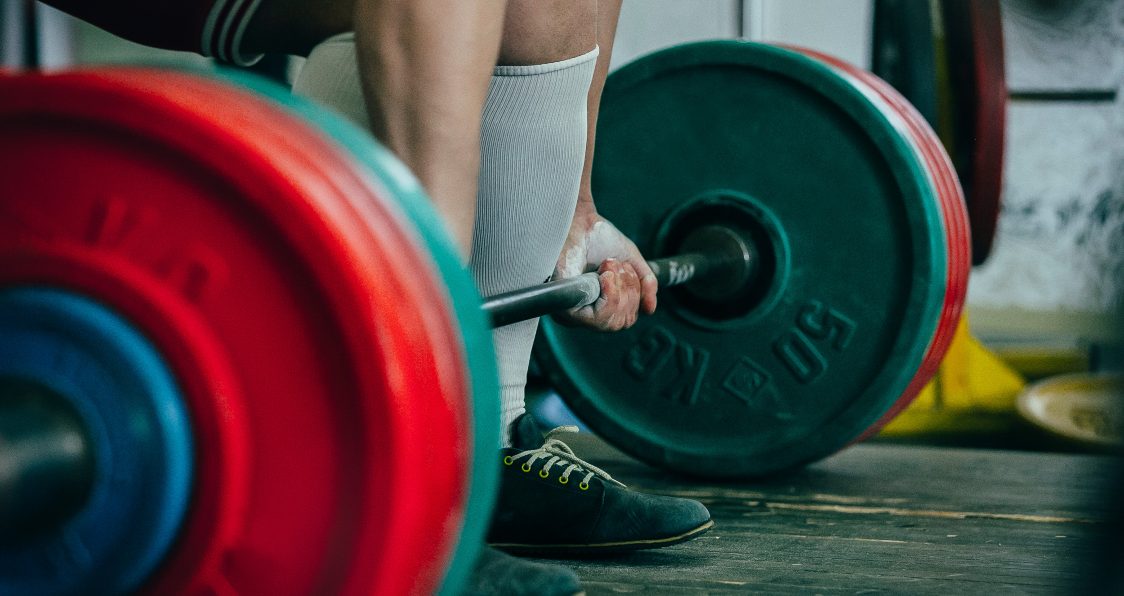
Best Deadlift Socks For Weightlifting & Powerlifts (Updated 2021)
These best socks for deadlifting are great for those weightlifting and powerlifting needs offering great support and compression.
When it comes to big lifts, the deadlift is a must and definite favorite of many bodybuilders, strongmen, and high-performance athletes and deadlift socks are what you need to see great gains. A beastly lift that tests strength, power, and overall body mass, this lift is not only a staple in the powerlifting world but also in many peoples’ training routines. The downside to this exercise is that proper form requires you to keep the bar as close to you as possible which can be problematic when it comes to suffering from abrasions that this can cause.
We’ve put together a list of the Best Deadlift Socks for 2021 so you can have the best support and compression for those weightlifting needs. Powerlifting socks are perfect for protecting your shins against the barbell and can greatly affect your lifting output for serious gains.
Best Deadlift Socks For 2021
Best Deadlift Socks Overall
The best deadlift socks will be of quality material and offer comfort and durability to withstand any repeated abuse from lifting. They will also offer support and protection against scraping as you lift big weight.
SBD Deadlift Socks
SBD offers these premium deadlift socks to cover the shin to assist with any pulling movements. This custom sock is designed to cover the shin without turnover and is manufactured with a tight knit from durable synthetic fiber to offer a high quality product to protect your shins from hitting the bar. Breathable, comfortable, and fitted for training and competitive use, these deadlift socks are manufactured in Great Britain and are USAPL, IPF, and USPA compliant.
SBD Deadlift Socks are premium long socks designed to protect your shins and offer support for any pulling movements.
Pros
High quality, breathable, and comfortable while being competition compliant
The tight knit and quality material provides for durability
From a reputable company in SBD
Cons
Only available directly through their website
Price: $19.50
Check out our individual review for SBD Deadlift Socks here!
Best Deadlift Socks For Compression
Deadlift socks can offer compression to help you feel more supported and provide for a snug fit. This will give you more confidence in your lower half as you look to lift that massive weight.
Hoplite Premium Lifting Compression Socks
Providing great protection are the Hoplite Lifting Compression Socks. Built to support and protect any tough workout, these socks offer graduated compression to stabilize the muscles, reduce fatigue and lessen impact. Offering breathability for coolness and knit in special areas to prevent scraping, these dense padded socks will provide that much needed protection but also plenty of comfort to really take on any big lift. Easy to take on and off, they provide great compression to increase blood flow and circulation making these a top choice for compression.
Hoplite Premium Lifting Socks are built for support and protection with gradual compression for all your lifting needs.
Pros
These provide for great compression to offer comfort and increased circulation
Still breathable and with added protection, these are nice and supportive
Cons
Protection lacks a little and the fit is slightly loose
Durability comes into question after a few uses as well
Price: $22.99-$24.99
Best Deadlift Socks For Bodybuilding
Bodybuilders should feel comfortable in knowing that good fitness equipment exists to really beef up their workouts. Deadlifting socks and those socks for weightlifting can greatly influence gains as you seek that shredded aesthetic.
MOXY Premium Deadlift Helix Fitness Knee-High Socks
MOXY brings these premium deadlift socks to the table offering great support for any impact. Premium arch support and ventilating mesh allow for comfort and breathability, while an extra cushion added from mid-calf to the knee ensures optimal protection from any bumping of the bar. The HELIX design is made from hexagons to maximize the stitching for durability and that added level of protection. High quality and guaranteed lifelong durability, these socks are truly great for impact and those tough lifts.
MOXY Premium Deadlift Helix Fitness Knee-High Socks offer premium arch-support and extra cushioning from your mid-calf to your knee for comfort and durability.
Pros
Ventilated and breathable, these still have that added cushion for comfort and protection
The HELIX design is unique in how it works for deadlifting socks
Cons
The extra padding could be better as advertised
They are slightly higher in price than the others
Price: $47.50
Best Deadlift Socks For Performance
When it comes to performance, you want the best working for you and all your goals. Achieving PRs and feeling good about your results requires the utmost care for your body and deadlift socks will provide for that comfort and support when lifting big.
TrendWell Elite Athletic Socks
TrendWell Elite Athletic Socks are designed to enhance performance in all sports or workouts. The arch and ankle support provide for comfort and the breathable mesh wicks moisture away to offer odor and blister control. Designed with durability in mind, these will hold strong through whatever sport or workout you put yourself through. Supportive and strong yet flexible, these are a great pair of socks to bring your performance to the next level.
TrendWell Elite Athletic Socks offer targeted gradual compression to reduce muscle fatigue and boost your performance for the best results.
Pros
Great for performance for being comfortable and breathable
Offer solid support while also being very flexible
Cons
The fabric is thin and durability comes into question with this pair
Price: $12.97
Benefits Of Deadlifting Socks
The best deadlifting socks will greatly affect your lifting ability and allow you to feel more comfortable especially when under so much weight. The right powerlifting socks will enhance those big three lifts and also offer support and compression for increased comfort. Benefits of deadlift socks include:
Prevent scraping and bruising: Protect your shins against the rough barbell when deadlifting close to your body. Proper form forces you to keep that barbell close to your shins which can cause bleeding.
Good arch support: Give your feet good support for better balance and overall comfort when lifting such big weight.
Absorb sweat and provide ventilation: Give yourself room to breathe during those grueling workouts with nice ventilation and good sweat absorption.
Good compression for increased lifting confidence: With a nice, snug fit, you can increase confidence and feel more comfortable lifting such big weight (1).
Why Powerlifting Socks & Lifting Socks For Weightlifting Matter
Deadlifting socks matter because they can give you support and comfort for those big lifts, especially the deadlift. With proper form, the bar tends to rub against your shins as you keep it close to your body. Unfortunately, this causes scraping and unwanted pain that you just don’t really need. Deadlifting socks can protect you so you don’t suffer from bleeding and those annoying scrapes. They also can provide good grip for your feet to provide for a more grounded, more stable lift as you will feel more balanced and supported. When lifting big weight and seeing PRs, you want the best to see those gains.
How We Choose
Choosing this list of the best deadlifting socks was important because these can greatly affect your training and overall performance. Powerlifting socks and those socks for weightlifting should be made of great material that is comfortable and versatile as you seek the best for your goals. We focus heavily on the durability as well because you want to get used to a pair that can really help. We also look at compression and support since these two factors will increase your confidence especially when you’re under so much weight. Of course, price matters and these options can get expensive. Looking at those affordable options are important and can save you stress and money.
FAQ Section
What is the best pair of deadlift socks?
SBD Deadlift Socks. These deadlifting socks offer protection to cover the shin to assist with any pulling movements. This custom sock is designed to cover the shin without turnover and is manufactured with a tight knit from durable synthetic fiber to offer a high quality product to protect your shins from hitting the bar.
What should I look for in deadlifting socks and those socks for weightlifting?
You should look for comfort, versatility, and support. You want the most comfort possible especially when under so much weight but also the versatility for these to be used for other exercises. The added support will allow you to thrive and lift that big weight for PRs.
Are deadlift socks necessary?
Deadlifting socks are not necessary but they can greatly affect how you lift. When it comes to the deadlift, the bar can cause scraping and unwanted pain on your shins so the added protection is nice. Also, having support and comfort is huge when it comes to lifting and pushing your body to the limit.
Wrap Up
When looking to enhance your goals and really elevate performance in the gym, certain equipment can really help get you there. Deadlift socks provide for protection and comfort while also allowing you to perform the deadlift to peak capacity, really reaping the benefits of that great exercise. These best deadlift socks can really help get you to where you want to be and are worth checking out. Look into a quality pair of deadlift socks today and see your performance take off.
Generation Iron may receive commissions on purchases made through our links. See our disclosure page for more information.
Let us know what you think in the comments below. Also, be sure to follow Generation Iron on Facebook, Twitter, and Instagram.
References
Armstrong, S.; Till, E.; Maloney, S.; Harris, G. (2015). “Compression Socks and Functional Recovery Following Marathon Running”. (source)
Top 5 Exercises For Bulging Biceps
Buy some tickets to this gun show.
If there’s one thing that draws people to weightlifting and maybe even bodybuilding as a whole – it’s getting bigger muscles to show off. Biceps are one of the top muscles that people want to have bulging and flexing at all times. It’s one of the main muscles that people can always see – so when you catch someone checking them out, you can wink and give a little nod of satisfaction.
To help you get those massive biceps that you crave or maybe just to help you make them a little bigger than they already are – here is our list of the top five exercises to boost bicep mass.
#5. Preacher Curls
Preacher curls are a fantastic exercise to help boost the building of muscle mass in your biceps. This exercise isolates your biceps allowing for full range of motion without the additional involvement of your shoulder muscles – thus maximizing work done to your biceps.
Simply sit on a preacher bench and rest the back of your arms on the pad. Adjust the seat so that your armpits are in line with the top of the pad. Grab onto the bar with your hands shoulder-width apart and palms facing outward – then start to curl.
#4. Reverse Grip Rows
Reverse Grip Rows will place a greater stress and pressure on the biceps as opposed to straight rows – this makes them better at targeting the bicep muscles. Once again, isolating the biceps specifically is the best way to maximize muscle growth – making this another excellent addition to your bicep workouts.
To perform Reverse Rows, stand erect while holding a barbell with the palms facing up. Bend your knees slightly and bend at the waist (make sure to keep your back straight).Lift the barbell while keeping your torso stationary and keeping your elbows close to your body. At the top contracted position, squeeze your back muscles and hold for a second – then slowly lower the weight back to starting position.
#3. Cable Bicep Curls
Cable curls are an excellent way to take care of that deep tissue muscle fiber. Because of the constant tension from the cable – hitting that area of your biceps is a perfect way to really bulk up those muscles as you train. You can also use a rope attachment to mix up the workout and really maximize how you pump your arms up.
Make sure to slightly bend your knees to take the stress off of your back. Curl and bring your hands towards your shoulders until you reach maximum contraction of the biceps. Then slowly return to the original position.
#2. Concentration Curls
If you do this exercise while sitting, you will strongly prevent the amount of moment that goes into the execution of the exercise – one again isolating and emphasizing the bicep muscle (getting the point yet?).
While holding your upper arm stationary, curl the weight forward while contracting the biceps. Make sure only the forearms move. Continue this movement until the dumbbells are at shoulder level. Then slowly return to the original position.
#1. Barbell Bicep Curls
The classic and king to bulking up your biceps. The key to this exercise is to make sure you get the full range of motion and don’t let momentum cause you to lean back as you lift. This common mistake will prevent the biceps from truly getting the workout you want them to have. Barbell curls will allow you to lift much more weight than many of the other exercises we put on the list – allowing you to really power up those biceps with this exercise.
While standing, hold the barbell at shoulder width grip. Palms facing forward and elbows close to the torso. Curl the weights up until shoulder level and then slowly lower the bar back down to original position. Easy as pie.
Between these five exercises you should already be on the path to truly mammoth biceps. Once you start to notice the difference – feel free to show them off. Find any excuse to show off those arms you worked so hard for.
What is your absolute favorite bicep workout? Sound off in the comments below and share your thoughts. You an also share with us on Facebook or Twitter as well. Stay pumped.

4 Best Post Workout Meals To Ensure You Make Healthy Gains
Consuming the right nutrients after a workout can make or break your gains in the gym, so don’t let poor planning hurt you.
We all think hard about what we eat before a workout, right? We need energy and fuel to lift big and maintain the gains we worked hard for. After all that effort under the bar, it would be a shame to lose it all due to a poorly planned pre workout or post-workout meal. Eating carbs and protein after your workout are the keys to rebuilding the glycogen stores and repairing those strained muscles. With the right nutrients, you will decrease the breakdown of your muscle protein, increase growth, and ultimately enhance recovery all while seeing your hard work come to fruition with what you eat after a workout.
Often times in our busy lives, we just do not have the time to sit, plan, prepare, and cook a full dish from scratch. This causes us to resort to supplements and replacements to get all of those vital nutrients. While this may be enough to get us through the day, we may not be maximizing our gains to the fullest extent of what they could be. By working to plan post workout meals ahead of time, we will be able to eat well and enjoy a wonderful dish we took time to create for ourselves. Don’t throw away your protein supplements or replacements just yet. Use them sparingly for those times you really don’t have enough energy to cook to eat after a workout.
Timing, timing, timing. Many suggest eating your post-workout meal within 45 minutes upon completion of your workout as your window for protein restoration begins to diminish after that. Of course, this depends on person to person, but that 45 minute window will help your body rebuild the glycogen stores faster, thus ensuring those gains do not fall short. This also gives you enough time to get home and prepare a solid dish without feeling rushed to get something done. For bigger gains, have a protein shake immediately after to really flood your muscles with those nutrients and then top it off with a solid home cooked meal as a good idea for your muscles to use those nutrients.
Thinking of fun and easy ways to create healthy options all while enjoying the meal can be difficult. The benefit is that there are so many alternatives and new ways to try different dishes with other variations which can make for fun and interesting dishes. Don’t let the same old monotony bore you into eating the same foods or not enough of the foods you really need. Here are 4 easy post-workout meals to ensure those gains keep rolling and your hard work does not go unnoticed. Oh, and they taste good too.
Benefits Of Meals After Training
You should be sure you eat a post workout meal because the benefits are undeniable for a host of physical and mental reasons. All of your hard work in the gym will go completely unnoticed if you decide to not eat properly post your workout and what will be the point if that all goes to waste. Getting these vital nutrients can improve recovery and lessen the amount of muscle soreness you may feel, thus keeping you primed for whatever workout comes next and enhancing your sports nutrition and diet.
By improving bone mass and building muscle, you will start to get that toned aesthetic you have been seeking and will be able to properly lose body fat to use it for energy in the process of muscle protein synthesis. This will help change your body composition. With other benefits like assisting in immunity, it is no wonder why these meals post training are so important with some of the best foods to eat for pre and post workout nutrition to build muscle and assist in weight loss.
#1 High Protein Peanut Butter Cup Milkshake
Who doesn’t love a Reese’s Peanut Butter Cup? This milkshake will curb that sweet tooth all while giving your body the proper nutrients to recover. Blend this up at any time of the day for that sweet treat feel minus all the sugar. Take on the go or enjoy on the couch, but either way, this milkshake is sure to be right up everyone’s alley. For an added bonus, toss in your favorite protein powder and combine a post training meal with your protein shake into the perfect meal for your post workout nutrition or post workout snack for weight loss and muscle growth.
Ingredients:
¼ cup peanut butter
2 medium bananas
1 ½ cup of low fat milk or almond milk
1 Tbsp cocoa powder
¼ tsp vanilla extract
Method:
Add ingredients in a blender with desired amount of ice. Blend until smooth or desired texture.
Top with any desired topping of your choice such as mini dark chocolate chips, chopped nuts, or cinnamon.
Nutrition Info:
Calories: 250
Protein: 11g
Fat: 12g
Carbs: 29g
#2 Protein Pancakes
Everyone loves a good, thick pancake, but that burden put on by carbs can be quite the deterrent. These protein pancakes are sure to give you all the feels of those thick, fluffy pancakes we all know and love without the guilt attached. Packed full of protein, these are great for those trying to get lean without sacrificing all the gains. For that extra love, find some sugar free syrup (or cheat a little) and enjoy pancakes the way you used to as a kid, just with a little extra health boost. The bonus: add whatever toppings you love on top for that sweet craving and high quality meal.
Ingredients:
4 eggs whites
½ cup of oats
½ cup of cottage cheese
1/8 teaspoon of baking powder
½ tsp of vanilla extract
Method:
Place all ingredients in a bowl and mix together. Add mixture to a frying pan and cook on medium heat. Once the pancake reaches a golden color with bubbles on top, flip over to the other side. Once cooked through, add whatever desired topping on top and enjoy.
Nutrition Info:
Calories: 421
Protein: 51g
Fat: 6g
Carbs: 39g
#3 Black Bean Egg White Omelette With Avocado
A good omelette is the perfect post-workout meal to ensure those gains stay right where they are. Everyone has their favorite add-ins to an omelette, whether it be peppers, onions, spinach, or a host of any desired topping. This black bean omelette is great because with the added protein of the beans, your overall protein intake is met without a second thought. Feel free to add whatever else to this hearty meal for your favorite omelette.
Ingredients:
4 eggs whites
¼ cup of black beans
1 cup chopped tomato
1 avocado
1 ounce of low-fat cheese
Method:
Pour egg whites into a frying pan on medium heat. Add black beans, diced tomatoes and low-fat cheese (or whatever desired toppings) on top of the egg whites. Once cooked through, flip half of your egg whites over to create the perfect omelette. Add diced or sliced avocado to your dish and enjoy.
Nutrition Info:
Calories: 431
Protein: 29g
Fat: 24g
Carbs: 31g
#4 Beef and Squash with Marinara
For those who enjoy a workout later in the day, this dish is sure to satisfy your afternoon, or even dinner, cravings. Satiate your desire for a hearty protein with beef and add that perfect pasta substitute of butternut squash or zucchini to feel great while enjoying this fun spinoff of pasta and meat sauce. Between the beef and the squash, your energy stores will feel recharged and your hunger will be suppressed offering a great post-workout meal.
Ingredients:
8 oz of lean grass-fed beef
1 butternut squash
4oz marinara sauce
Salt and pepper for taste
Method:
Preheat oven to 350 degrees. Cut one whole butternut squash in half and place in oven for 45 minutes, or until soft. Cook 8oz of lean grass-fed beef with salt and pepper if desired for taste. Once squash is done, carve out into a bowl. Add your beef inside and pour desired amount of marinara on top to create the perfect post-workout dish.
Nutrition Info:
Calories: 628
Protein: 70g
Fat: 18g
Carbs: 38g
Wrap Up
So, while these post-workout meals are sure to keep your hunger at bay, provide the much needed nutrients for recovery, and ensure big gains, it is important to remember to eat within a 45 minute window upon completion and to load up on carbs and protein for maximum benefit. If you are someone who has to have a protein shake after every workout, that is fine as well. You can do both. Having a protein shake right after will get you all those much needed nutrients and keep you full while you prepare and cook a quality meal for yourself instead of just a workout snack after training.
Fat is not bad to consume post-workout either, and although it may slow the absorption of the meal, the benefits still stand. It is best to maintain a 3:1 carbs to protein ratio, but if some fat happens to find its way into your post-workout meal, so be it. Your gains will not be disrupted. The idea that fat will ruin you should not deter you or keep you from enjoying certain foods because it isn’t true. Everything in moderation is just fine for your health and fitness goals. This macronutrient is just as important as the other two for your diet.
Whether it be a quick snack like tuna and crackers or pita and hummus, or something more elaborate like beef and squash with marinara, the important thing is to give your body ample recovery so as to not lose the hard work you put in. Hydration and nutrition are key to a healthy body and a healthy mind so give these post-workout meals a try and let us know what you think. You should love the food you eat and love the process of making something you love to eat, especially if on a diet. Do not just suffer through a meal because you have to. Treat it as part of your training and really work to better your health, fitness, and performance overall as you drink plenty of water and eat the best foods.
Let us know what you think in the comments below. Also, be sure to follow Generation Iron on Facebook, Twitter, and Instagram.
*Images courtesy of Envato
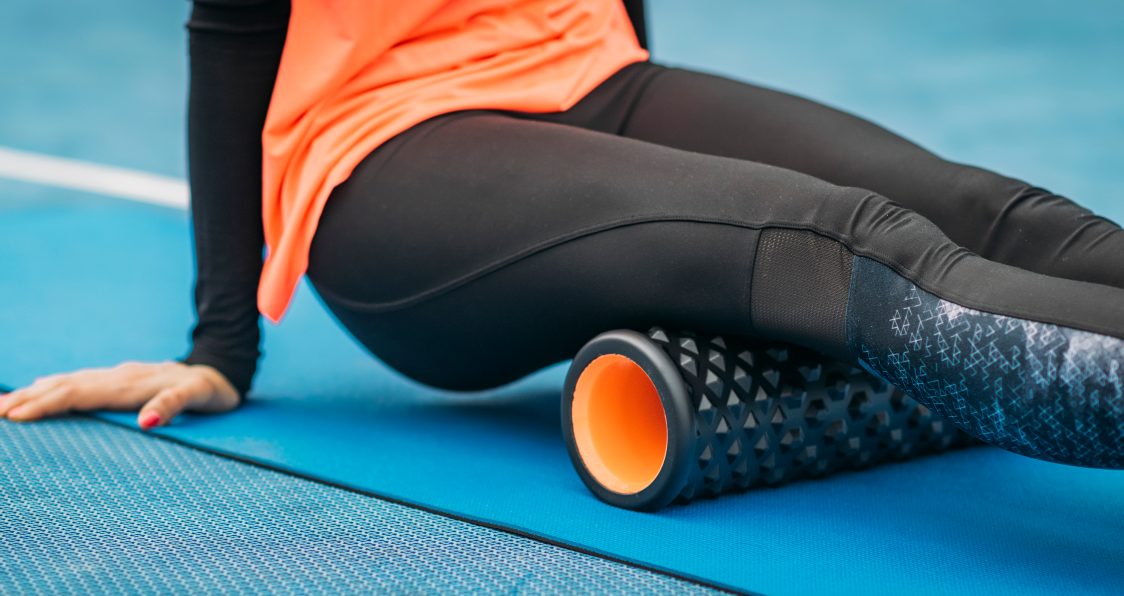
Best Foam Rollers For Muscle Recovery & Back Pain (Updated 2021)
These best foam rollers for muscle recovery are the ultimate recovery tools for pain relief and less stress.
While we would all love to get a massage or see a specialist to aid in our recovery process, that tends to be expensive and simply unrealistic. Thankfully there is an alternative to this self-care dilemma in foam rollers and the ultimate back roller can work for muscle recovery and back pain. While massages work to release tight and sore muscles, so too do foam rollers but they offer the benefit of being affordable and easy to use. Great muscle recovery tools for back pain and stress relief, the benefits of foam rollers can greatly influence your training and performance, but also your overall health and wellness.
We’ve out together a list of the Best Foam Rollers for 2021 so you can get great muscle recovery tools to increase all your gains. The right roller can target your specific needs so you never suffer from unwanted pain or strain after a grueling workout.
Best Foam Rollers For 2021
Best Foam Roller Overall
The best foam roller will be high-quality and durable to withstand repeated abuse as you look to maximize recovery. It will offer unique features to target certain spots so you get the most out of your recovery and rehab.
TriggerPoint GRID Foam Roller
TriggerPoint makes the first foam roller to feature a multi-density exterior built around a hollow core and is one of the best travel foam roller devices around. Tested for durability and effectiveness, this product is trusted by athletes and professionals alike. The design built around a hollow core allows this roller to keep its shape and integrity so it can better serve you. By decreasing muscle and joint pain, increasing circulation, improving flexibility and range of motion, and promoting better balance, this dense, firm foam roller allows you to target certain spots for pain to really attack all of those unwanted painful areas.
TriggerPoint GRID Foam Roller is designed for superior rolling made from durable and quality material to target any muscle pain.
Pros
Constructed well and seems to last a while for the best travel foam roller
Can target those stubborn spots of targeted pain
The durable design and hollow interior will allow it to keep its shape
Cons
It is on the more expensive side
May cause more pain for those not used to such a dense foam roller
Price: $59.99
Best Foam Roller For Bodybuilding
Bodybuilders work their bodies hard as they seek that desired physique. Keeping your body loose and relieving those muscles will prove to be very beneficial for those on a strict bodybuilding routine.
Theragun Wave Roller
Theragun Wave Roller is a great roller for full body support thanks to its innovative material and wave-shaped grooves. With five speed settings, you can control the vibration of this foam roller great for stimulating blood flow. High density foam is quality and durable for repeated abuse and a Bluetooth enabled connecting device offers the ability for customized routines and Therabody app integration. Perfect for accelerating recovery, stimulating blood flow, enhancing mobility, and releasing tension, this is one of the top muscle recovery tools that is innovative and worthwhile.
Theragun Wave Roller offers full body support with high-density foam that offers five speed settings for the best rolling options.
Pros
Provides an effortless and powerful back massage
Vibrating ability is awesome for relieving tension and stimulating blood flow
Innovative material and wave-shaped grooves are great for full body support
Quality and durable material to withstand repeated abuse
Cons
May not be able to support entire body weight
App can be hard to navigate as well
Price: $149.00
Best Foam Roller For Deep Tissue
Getting deep into the tissue will really loosen up all those sore spots. A good foam roller for deep tissue work can break up any tight spots for the best recovery results.
321 STRONG Foam Roller
This high density foam roller from 321 STRONG is comfortable to use and is great for all levels. The alternating bumps on this roller mimic the fingers, palms, and thumbs of a therapist to effectively penetrate the soft tissue layer of sore, tired muscles. As a great recovery tool, it will treat muscle pain, increase performance and flexibility, promote blood flow to those worn down sites, and flush away built-up lactic acid. Used for a warm-up or a cool down, this foam roller will really benefit all of your muscular needs. Patented, durable, and made from high-quality material, this roller can support up to 500 lbs. and offer a high-density option for your at-home needs.
321 STRONG Foam Roller offers a high density foam roller with 3D massage zones to mimic the fingers, palm, and thumbs of a therapist.
Pros
The unique bumps design gives you great feel for different types of treatment
Allows for great soft tissue penetration
Very dense, this will work great for muscle relief
Cons
Durability comes into question
For those not used to a hard, dense foam roller, this won’t be for you
Price: $23.98
Best Hand-Held Foam Roller
A hand-held foam roller allows you to target spots that traditional ones may not. Having the flexibility to really work out the kinks is great when it comes to seeing those gains you want most out of the best muscle roller stick.
TheStick Travel Stick
Rolling sticks are also great rolling options and TheStick provides the same benefits as a foam roller but with more portability and is the best muscle roller stick. As a more flexible option, the core bends and allows you to treat a much larger area, and while it is primarily used on the legs, it can be used for other muscles groups, although it may be harder. As a pre-workout tool, it can improve strength, flexibility, and endurance by priming those muscle for whatever workout is ahead. Post exercise, this can accelerate muscle recovery by squeezing out lactic acid and its unwanted effects. For a great hand-held option and the best muscle roller stick, try TheStick and see what it can do for you.
TheStick Travel Stick is a flexible 17” roller to target larger areas to improve strength, flexibility, and endurance for the best results.
Pros
Very portable and flexible, it allows for a great surface massage and is the best travel foam roller
Since the core bends, it also allows for a larger area to be hit
Cons
Really only effective on the legs
Not great for targeting deeper muscles given the design and density
Price: $27.45
Best Foam Roller For Beginners
Those just starting out may want a slightly less dense foam roller as you get used to the movement. The right foam roller can set you up for when you need to move on to a more dense one.
Gaiam Foam Roller
Gaiam Foam Roller is a semi-firm density foam roller designed to relieve muscle soreness and tension to improve flexibility, mobility, and circulation. With two sizes, these foam rollers come in 18-inches or 36-inches each with their own respective benefits. The 18-inch roller is versatile and can work to soothe soreness effectively, while the 36-inch roller is better suited for balance and full body work. This foam roller also comes with a digital workout that will teach you great routines and help aid any soreness.
Gaiam Foam Roller is a semi-firm density roller that is perfect for loosening tight muscles and relieving stress.
Pros
Two sizes are great for versatility and variety and this is the best travel foam roller
Perfect for improving flexibility, mobility, and circulation
Digital workouts are great for teaching you techniques to further recovery
Cons
Not as hard as higher density foam rollers for those looking for deeper tissue work
Price: $24.98
Best Specialty Foam Roller
Specialty foam rollers allow for that advanced level of recovery which can greatly influence gains. The right specialty roller will relieve pain and work for muscle recovery in unique ways that a traditional one cannot.
The Ultimate Back Roller
An interesting rolling and muscle recovery tool, The Ultimate Back Roller is unique in that it is the first chiropractor invented foam roller with a spine gap to enhance overall spinal mobility and flexibility. A flat roller can often times do a disservice by jamming the spine, but this wheel contours nicely into your spine and offers great relief. Used on the floor or the wall, the ultimate back roller can help target back, shoulders, glutes, hamstrings, and quad muscles and is perfect for athletes of all experience levels. Firm but therapeutic, this design keeps your spine in mind by having a no pressure gap over your spine and offering four rows of alternating bumps to offer wide and stable relief. For back pain, The Ultimate Back Roller will provide great relief.
The Ultimate Back Roller is a great back roller and yoga wheel with a spine gap and therapeutic bump pattern great for posture and reliving tightness.
Pros
The spinal gap is great for avoiding spinal contact and pain
Four rows offer a nice amount of pressure
Unique to target back and lower body pain, it is portable for wherever you go
Cons
Only useful for your back, as you cannot get full use like a traditional foam roller
The ultimate back roller is expensive despite being a niche recovery tool
Price: $64.95
Benefits Of Foam Rollers
Using a foam roller has many benefits, especially when it comes to your overall training and performance, but also your physical health and wellness. Staying loose and limber will help avoid injury and keep you moving as efficiently as possible and the best foam rollers for back pain can help greatly. Benefits of foam rollers include:
Improve recovery and rehab: Using a foam roller can loosen up those tight muscles and work to improve recovery and rehab so you get the most bang for your buck. This will ensure you feel better and increase muscle growth without tight muscles (1).
Increase range of motion: By loosening up those muscles, you get the best out of increased range of motion so you can lift more and see better growth (2).
Offer better flexibility and mobility: Keeping those muscles loose and those joints limber will offer better flexibility and mobility for better posture and decreased pain (3).
Bounce back faster for better workouts: Using top muscle recovery tools will give you the best chance at bouncing back faster for your next workout so you can tackle everything that comes your way (4).
What To Look For In A Foam Roller
When choosing the best foam rollers for back and muscle recovery, there are some key things to look for to decide ultimately which one is best for you.
Size & Shape
Many come in different lengths and other rolling tools are out there like a massage stick or ball. Length matters for the intended use and a longer one will be more versatile. A traditional roller is one we all know of, but a massage stick or ball can provide for unique ways to target the muscle to really help with relief and recovery.
Intensity Level & Density
Each provides a different level of intensity in terms of design and material for intended use. Density is something to pay attention to for more intense recovery will require a more dense roller. Semi-dense and lighter density foam rollers will work better for more rehab oriented recovery. Certain features like grooves are also important to look for because some rollers work to mimic the hands of a massage therapist for added relief.
How Active You Are
If you will use it regularly, make sure it is durable and will handle your frequent needs. Using a foam roller every day is certainly something that will prove to be worthwhile and the more active you are, the more you will use it.
How We Choose
When looking at the best foam rollers for back pain and muscle recovery, we consider many factors when it comes choosing this top list, especially for those looking for the best travel foam roller or those used at home. We look at the quality of the roller overall and the durability of the product. You deserve to have a product that will last a long time and be worthy of withstanding abuse every day as you will most certainly use this every day. We then look at the density and other features, like if it vibrates or not, because that will influence what the roller is used for. The more dense, the deeper it will penetrate the muscle and relieve more pain. Other features like vibration can help stimulate blood flow and work to provide additional relief. Lastly, we look at price. We know fitness equipment can get expensive and having affordable options that are still high-quality is very important for your gains.
FAQ Section
What is the best foam roller?
TriggerPoint GRID Foam Roller. This foam roller features a multi-density exterior built around a hollow core tested for durability and effectiveness to target all those sore spots for the best muscle recovery. For your travel needs, this is the best travel foam roller as well.
How often should you foam roll?
You can use a foam roller every day. How often you use it is up to you and your workout routine, but recovery and a good rehab routine is advised after every workout. This is the perfect time to use a foam roller.
What is the best way to use a foam roller?
Finding those spots that hurt and targeting those specifically is the best way to use one. For general recovery, lying on a muscle group and gently rolling around will loosen up those muscles so you feel relief.
Wrap Up
Foam rollers are extremely useful tools and for anyone who works out they are a must to have in your gym bag or at home. Able to provide solid muscle relief, rid the body of pain and tension, increase flexibility, mobility and blood flow, and promote a better overall lifestyle, the best foam rollers for back pain, along with the best muscle roller stick or roller balls, are all much needed recovery tools. Look at these top foam rollers and other rolling tools and see which one is right for you. Feel good in knowing that there are affordable options to help you handle all of your muscle recovery needs from the comfort of your own home is a huge plus for your gains.
Generation Iron may receive commissions on purchases made through our links. See our disclosure page for more information.
Let us know what you think in the comments below. Also, be sure to follow Generation Iron on Facebook, Twitter, and Instagram.
References
Macdonald, G.; Button, D.; Drinkwater, E.; Behm, D. (2014). “Foam rolling as a recovery tool after an intense bout of physical activity”. (source)
Yanaoka, T.; Yoshimura, A.; Iwata, R.; Fukuchi, M.; Hirose, N. (2021). “The effect of foam rollers of varying densities on range of motion recovery”. (source)
Junker, D.; Stoggl, T. (2015). “The Foam Roll as a Tool to Improve Hamstring Flexibility”. (source)
Cole, G. (2018). “The Evidence Behind Foam Rolling: A Review”. (source)
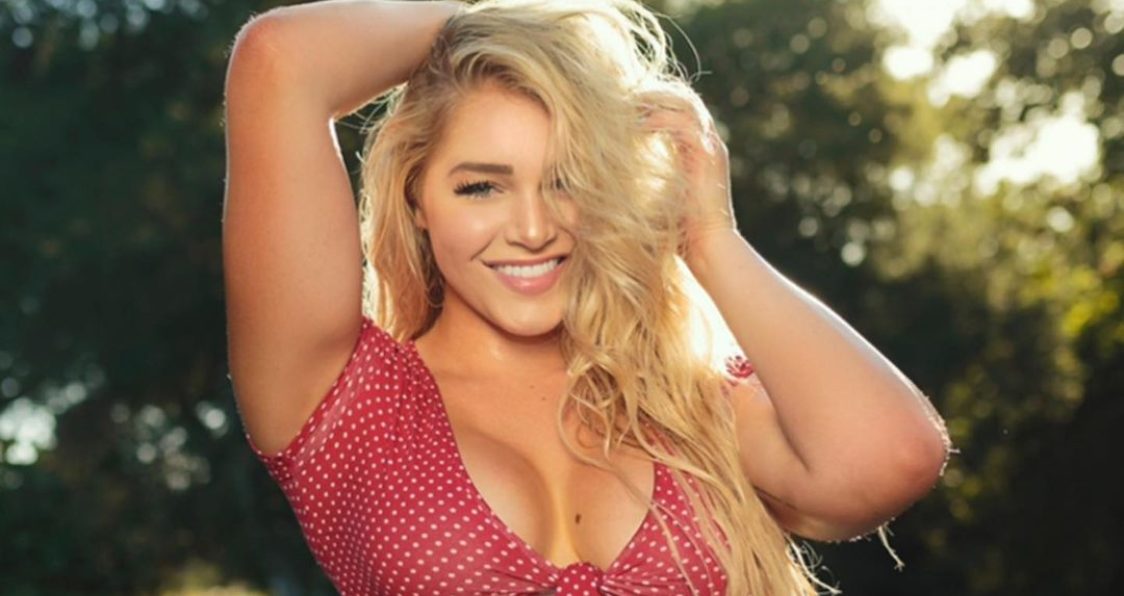
Courtney Tailor Profile & Stats
The biography, life, and accomplishments of Courtney Tailor
Courtney Tailor is a model, actress, and Bikini Competitor who starred in film and TV, along with notable finishes in bodybuilding competitions. With a large social media following, Tailor has become a fitness sensation for fans everywhere to live more healthy lives.
Below is a complete breakdown of her profile, stats, biography, training, and diet regimens.
Full Name: Courtney Tailor
Weight
Height
Date Of Birth
115-125 lbs.
5’8”
04/21/1996
Profession
Era
Nationality
Model, Actress, Bikini Competitor
2010
American
Biography
Courtney Tailor grew up in Texas and was very active as a child, participating in sports like soccer, volleyball, gymnastics, and diving. With a lot of talent as a diver, she had her sights set on diving, and at the professional level.
But Tailor had other passions as well. She loves to entertain and as a young teenager, she fell in love with acting and began attending classes. Fairly soon after, she landed some commercial roles and would star in the film American Psycho at only 14-years old.
Since staying fit was a priority for her, she began to focus on her fitness and truly took to sticking with a well-planned diet and a good training routine. With icons in the fitness and bodybuilding world, she began a new journey, one with her sights set on competing in a bodybuilding competition. In 2016, she did just that and walked along the stage, determined to succeed on this fitness journey she chose to follow.
After notable finishes in these competitions and a rising career in entertainment, Tailor began to see a massive social media presence, one that admired her physique and her mindset towards fitness. Now, Tailor uses this platform to better the lives of others as they seek a physique to be proud of just like she did for herself.
Training
Courtney first began her fitness journey by only performing cardio, but soon realized that keeping that shredded physique required her to start lifting. She will put an emphasis now on weights and will sprinkle in cardio to remember where she started.
Glutes, Legs & Abs Workout
Warm-Up
Jumping Jacks: 30 reps
Plank Step Outs: 30 reps
Plank Rotations: 20 reps
Jump Squats: 20 reps
Bodyweight Squats: 15 reps
Band Kickbacks: 15 reps each side
Workout
Leg Raises: 3 sets, 15 reps
Reverse Lunges with Barbell: 3 sets, 10 reps
Reverse Lunges with Dumbbells: 3 sets, 10 reps
Plank Raises: 3 sets, 15 reps
Reverse Crunches: 3 sets, 12 reps
Barbell Squats: 3 sets, 10 reps
Bench Lunge: 3 sets, 10 reps
Hip Dips: 3 sets 15 reps each side
Nutrition
Courtney’s nutrition mainly centers around lean proteins, vegetables, and healthy fats with minimal carbs, at least on those days designated as low carb days. Her lower carb days include foods like egg whites, chicken, fish along with vegetables and nuts. The days where carbs are more present will include foods like oatmeal, brown rice, and sweet potato along with vegetables, egg whites, chicken, and fish. A clean diet allows her to thrive inside and out of the gym and keep that lean and shredded physique she works so hard for.
Supplementation
While Courtney uses her own supplements of choice to power her through those grueling workouts, it is important to have your own shelf fully stocked with the essentials. For your workouts, a pre-workout can offer energy and muscle pumps while a protein powder will work to ensure better growth and recovery. Intra-workout BCAAs and creatine will also work to influence strength while bursting through fatigue. Other supplements to consider are a premium fat burner to shed that unwanted fat and a multivitamin to pump you with essential nutrients so you can keep going no matter what comes your way.
Competition Results
2016 NPC Brew City Bikini: 1st place
2016 NPC West Coast Classic Bikini Class F: 9th place
2016 NPC West Coast Classic Bikini Novice Class C: 6th place
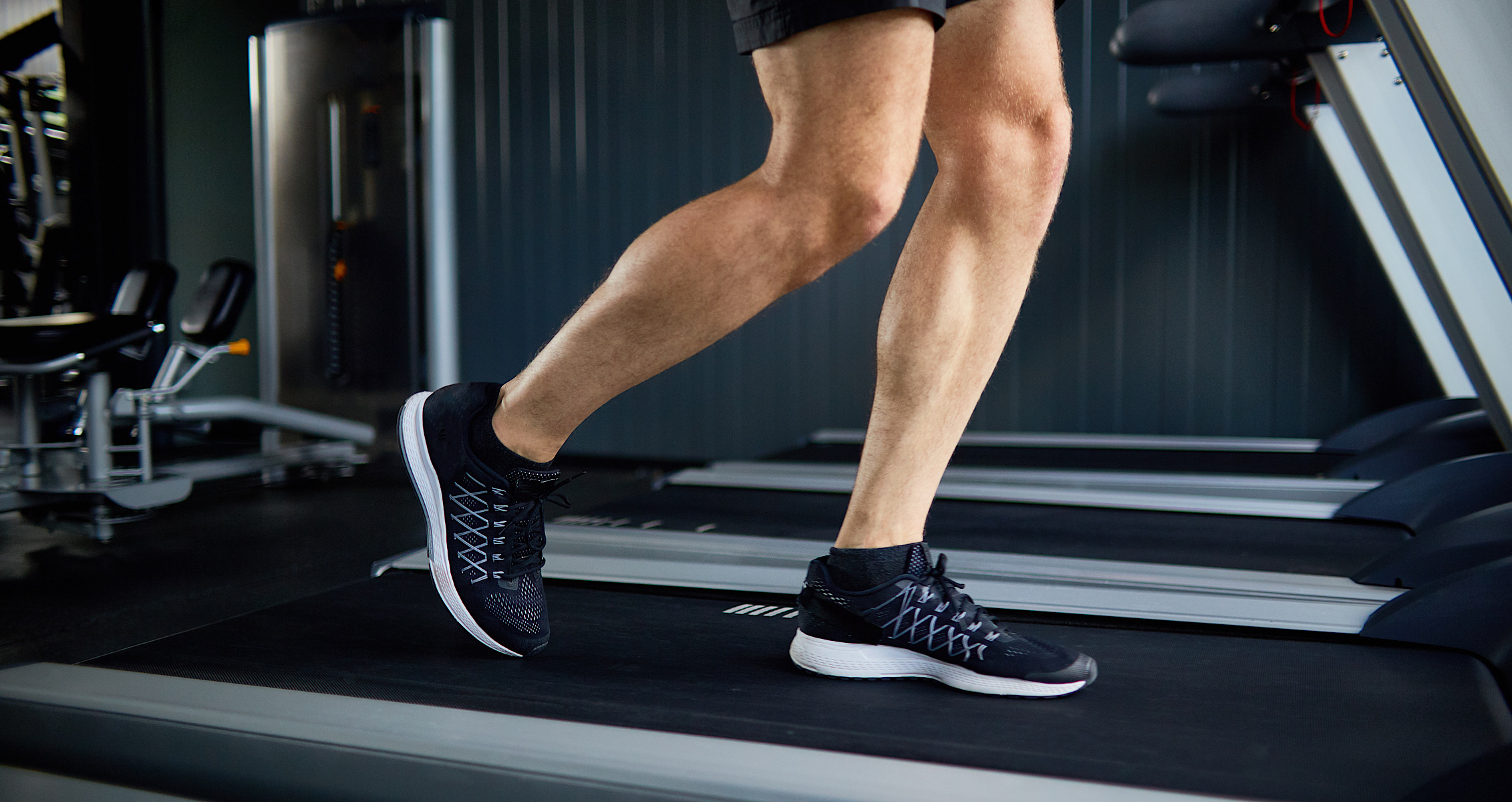
How Cardio Impacts Your Gains
How Cardio Impacts Your Gains
Cardio, the thing that meatheads love to avoid. It’s become some badge of honor to avoid it. We joke about cardio robbing you of your gains, but I think many lifters take that to heart too closely.
So as the years progress, cardio has gathered quite the bad reputation in some circles. I partially get it because nobody wants the physique of a marathon runner. Those guys can’t get a date if their life depended on it. All jokes aside though, I think cardio is misunderstood.
Let’s explore how cardio impacts your precious gains, so bro-science stops spreading like wildfire.
Understanding Cardio and Muscle Loss
Bodybuilding circles often teach us that cardio causes muscle loss. Touching a treadmill will make you look weak and strip of your juicy biceps. On a purely physiological level, this is somewhat true. In trained lifters, cardio has no anabolic effects meaning it doesn’t grow muscle tissue despite the potential for muscle damage and muscle stress.
The mechanical tension is not specific enough for muscle tissues to produce hypertrophy triggering force.
So by nature, cardio is catabolic, not anabolic. This means cardio inherently breaks down instead of builds up. Fortunately, in most cases, cardio doesn’t breakdown muscle tissue, but rather stored and circulating sugar/lipid. It essentially metabolizes carbs/fat to fuel the act of cardio.
In fact, most studies where people consume sufficient calories/protein, cardio doesn’t cause any muscle loss. So while cardio is catabolic in nature, it’s not sufficient alone to strip you of muscle tissue.
Now if your lifestyle is extremely catabolic, then that’s a different story. If you get no sleep, have astronomical stress, don’t lift weights, poorly nourish yourself, and avoid protein like the plague, sure adding cardio will only make muscle loss worse. But for most lifters with a decent lifestyle, this isn’t the case.
The Interference Effect
However, cardio isn’t all innocent either. It doesn’t cause muscle loss, but it possesses what researchers call the interference effect.
To explain the interference effect, let me take you back to freshman Kinesiology class. Here’s the basic of how exercise changes you. What you impose on the body is a stimulus which is essentially a signal. This signal tells your body to adapt to the stimulus.
The signal that cardio sends is in slight opposition of the muscle building signal of strength training. This means that the adaptations or benefits of strength training like strength, hypertrophy, and power all get compromised when done within a lifestyle that also contains cardio.
It’s like spending time with your bros vs spending time with your wife. Sure, both relationships can coexist, but spending too much time with one relationship will impact the growth of the other.
So picture somebody doing a bunch of strength training throughout the week while also doing many sessions of cardio during the same week. The body is constantly getting opposing signals to adapt.
It will still adapt because the human body is amazing, but making some gains is different than maximizing your gains. Soit’s important to understand that cardio can limit the rate you build muscle.
Fortunately, we live in 21st century where we have smartphones, movie memes, and apps that let strangers pick you up. With our modern world also comes ample research on how to mitigate the interference effect.
How to Minimize the Interference Effect
So the most powerful way to minimize the interference effect is to simply reduce cardio volume. If you can reduce the volume, you’ve grabbed the low hanging fruit to make more gains from strength training.
You’ve also added more time and recovery capacity that can be devoted to lifting.
The modality and timing of cardio matters too. Extremely light and low intensity work like walking can be done at any time and in any amount as it shouldn’t have any interference.
But as you raise the intensity of cardio, the interference signal is stronger. In other words, if you can’t breathe through your nose or keep a conversation going, interference is present.
But interestingly, extremely high intensities beyond this point may be better. High intensity interval training may have less interference because it resembles strength training more from a molecular level. However, HIIT is more fatiguing than most training modalities which isn’t great for gains either. This will dip into recovery resources and lower strength training volume.
It’s no surprise many bodybuilders opt for low intensity steady state cardio. Their recovery capacity is maxed out from their high volume strength training.
In addition, lower impact cardio tends to have less interference as well. For example, cycling beats sprinting in this regards.
Timing wise, doing cardio and strength training in separate sessions is best. If you can’t do that, it’s best to do cardio after your lifting. This allows strength training to be at it’s highest.
If you’re doing lower intensity cardio like steady state cycling or rowing, you can also sandwich your strength training. So instead of doing an hour of lifting followed by 20 minutes of cardio, you do 10 minutes of cardio, then an hour of lifting followed by another 10 minutes of cardio.
The theory behind this is that by splitting your cardio up, you’re not doing any one bout that’s too significant in volume thus reducing the chance of interference.
Lastly, interference seems to impact trained lifters more than beginners. Trained lifters are closer to their genetic ceiling and need ridiculous levels of mechanical tension for further hypertrophy only achieved by strength training. On the other hand, a complete newbie who came off the couch can do as much cardio as they want. They’re so out of shape, even cardio can build them muscle thus contributing to hypertrophy instead of interfering with it.
But anyways, below are some cardio modalities that are low impact in which a hardcore lifter can choose from to minimize the interference effect.
– Walking
– Bodyweight circuits
– Incline treadmill walk
– Cycling
– Elliptical
– Erg rower
– Swimming
Most the options above can be done for lower intensities for longer durations or for short bursts of higher intensities.
Should You Skip Cardio?
Then comes the obvious question. Why waste all this thought on how to mitigate the interference effect when you can simply skip cardio?
It’s a valid question and the answers for heart health is overrated. Lifting weights is also excellent for heart health in every study metric, although the impact is arguably smaller. Most lifters lift quite a bit though and their heart is working deeply hard to do so.
However, cardio still has it’s merits. Aerobic is not a bad word my friend.
You need a certain level of fitness to support strength training. This doesn’t mean you need to be in shape to complete a triathlon, but your VO2 max shouldn’t be limiting you and muscle capillarization is needed to maximize blood flow and nutrient delivery.
Your blood flow network can limit your rate of muscle gain. Somy general rule of thumb is to always include cardio in your week or periodize in and out of your life, but never neglect it for too long and never overdo it.
Any amount of formal cardio below the time devoted to lifting can likely still maximize your gains. Men can lean on the higher end of cardio compared to women because female physiology is naturally more endurance based. They have fantastic work capacity and recovery capabilities.
Don’t believe me? Train with a girl of similar training experience. You’ll be winded between sets of squats and deadlifts while she can start a new set minutes sooner. In fact, from my experience, many women can maintain excellent aerobic capacity without any formal cardio. Ironically though, women tend to gravitate towards doing more of it while men avoid it.
But regardless of sex, many people still find cardio enjoyable, so feel free to include it in your program. It’s encouraged and shouldn’t compromise your gains unless you do an excessive amount.
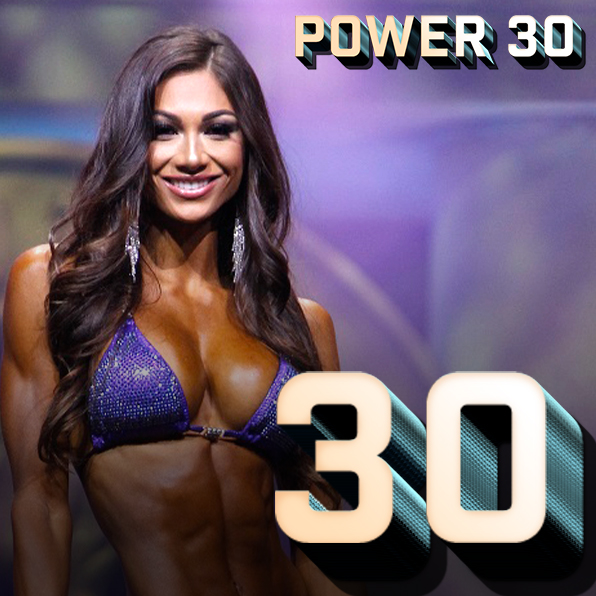
POWER 30: The Most Powerful People In Bodybuilding, Fitness, & Strength Sports (2021)
Presented by Generation Iron, the bodybuilding, strength sports, and fitness world is filled with a whose who of talented athletes, businessmen, and personalities, all of them leaving their own impact on the health and wellness industry. Generation Iron’s Power 30 honors thirty unique and important individuals who have left their mark on the bodybuilding, fitness, and strength sports industry this year.
The Power 30 is our annual attempt to create a ranking, through in depth discussions amongst our editorial staff, of the 30 athletes, CEOs, and personalities that have made an impact on bodybuilding this year.30Janet Layug
After spending years on the scene looking to pick up a dominant victory, Janet Layug got her chance to shine at the 2020 Olympia. A long time competitor with a beautiful physique, Layug was able to rise to the occasion and win the Ms. Bikini Olympia title. She blew the competition out of the water and made good on her incredible potential. While she won’t be defending her title in 2021, her 2020 victory will stand as a truly memorable one to say the least.
29George Farah
One of the greatest trainers in bodybuilding today, George Farah has been a great influence on the modern game. Training athletes like Kai Greene, Farah clearly has a ton of knowledge on how to build an impressive physique. With a recent health scare and his acquired knowledge, Farah has shifted his focus to the health and wellness of bodybuilders. He’s been using his supplement company and extensive knowledge to create a healthy space for bodybuilders to become the best versions of themselves.
28Edwin Mejia Jr.
Edwin Mejia Jr. has become a very influential figure in the industry. Over the past 10 years, he has helped the careers of some of the top fitness pros and bodybuilders in the industry such Kai Greene, Calum von Moger, Zac Perna and Zac Aynsley. Mejia has also been responsible for producing and managing the distribution of an extensive content slate which includes the award winning film, “Generation Iron,” the ‘Generation Iron’ series installments, ‘Ronnie Coleman The King’ (Netflix), ‘CT Fletcher My Magnificent Obsession’, Calum von Moger Unbroken’ and the ‘Dorian Yates Mass Monster’ life story biopic. Most recently he executive produced #1 debut releases such as Generation Iron: Natty 4 Life and Strength Wars: The Movie.
27Nick Walker
One of the young guns in modern bodybuilding, Nick Walker has cemented himself as one to watch on the scene. Already being touted as the second coming of Dorian Yates, Walker has the kind of size, development and potential that could see him become a future Olympia champion. His big win at the New York Pro 2021 seems to have cemented him as the most hyped pro bodybuilder rising in the sport. It will be exciting to see what he brings later this year at the Mr. Olympia.
26Joey Swoll
Joey Swoll is one of the most popular Instagram fitness celebrities. With an impressive physique and a unique personality, Joey Swoll has become one of the most recognized figures in the fitness and bodybuilding space. Recently releasing his own brand of low-calorie sauces, Joey Swoll continues to make waves as a budding entrepreneur. Beyond these many accomplishments, Swoll also struggled with pain killer addiction during the pandemic lockdowns. He has since recovered and made his experience public to help reach out to struggling individuals and athletes. With a goal to let those with addictions know they are never alone – he has further expanded his goals and endeavors in the fitness world.
25Shaun Clarida
Shaun Clarida made good on his potential as a top bodybuilding competitor this past December 2020. Clarida became the new 212 Olympia champion by bringing a truly impressive, chiseled, and well muscled frame. His physique has been called a “once and a career achievement” by many fellow athletes. Beyond division – his physique has been touted as one of the best of the past year… and might be the start of a Men’s 212 Olympia reign for years to come.
24Brandon Hendrickson
After failing to defend his Men’s Physique Olympia title back in 2019, Brandon Hendrickson was able to make a strong comeback in 2020. Motivating himself to overcome his weaknesses and improve upon them, Hendrickson was able to push himself to once again reclaim his title and do so in impressive and dominant fashion. He has now proved that this 2018 victory was no fluke and will perhaps be the dominant Men’s Physique champion for the foreseeable future.
23Mark Bell
Powerlifter, gym owner, former professional wrestler, Mark Bell has worn many different hats throughout his career. With his highly regarded Sling Shot brand helping lifters around the world, Mark Bell is an entrepreneur who has fully embraced the strength lifestyle. His popularity only continues to grow and he remains one of the most inspiring figures in the industry today.
22Julius Maddox
One of the strongest humans on the planet, Julius Maddox has yet again proven why he’s the king of the bench press. On a mission to conquer the 800lbs bench press, Maddox has once again broken the world record, breaking his previous record with a 782lbs lift. With another contender hot on his heels ready to contend for the world record, you can bet Julius Maddox will be in the gym doing what he does best.
21Brandon Curry
The 2019 Olympia champion acquitted himself well in 2020. While he was upset by Big Ramy, Brandon Curry was able to defeat the once dominant Olympia champion Phil Heath. His incredible physique can’t be denied and we could easily see him reclaiming his title in 2021 with just a few tweaks. Since his 2019 Olympia victory – he has become one of the key faces and voices of the IFBB.
20Jake Wood
Acquiring the Olympia brand back in 2019, Jake Wood was forced to undergo the impossible task of putting on the 2020 show amidst a pandemic. While it seemed like a truly impossible situation to overcome, Wood and his staff were able to deliver a truly impressive show. With less restrictions handicapping him and his team this year, Wood is likely to put on quite the show in 2021.
19Phil Heath
After failing to defend his title Phil Heath took time away from competing. In 2020 he made a triumphant return taking third at the Olympia after years away from being on stage. He cemented that despite becoming more advanced in age that he still has plenty left in the tank. After placing 3rd at the Olympia 2020, he has released a series of photo physique updates in 2021 with what seems like a further improved physique. With his recent improvements to his physique there’s still a possibility we could see Phil Heath bring an incredible package to the stage in the near future. And the buzz around his updates still prove he is one of the more powerful athletes in the sport.
18Michelle Lewin
A former bikini competitor, Michelle Lewin has seen it all in the fitness and bodybuilding industry. She has risen to become one of the most recognizable faces in the world with her over thirteen million Instagram followers and continues to grow her fan base with well constructed social media posts. Michelle showed great poise and heroism as she stood by her husband’s side through sickness. Even in their toughest hour, she was still able to stay strong and continue to keep her brand flourishing.
17Mike Rashid
One of the most influential fitness personalities on the web, Mike Rashid has proven to be a multifaceted talent. Not only has he ventured into professional boxing, Mike Rashid has also runs a successful supplement brand, Ambrosia, and continues to diversify his resume with a budding new podcast. It’s clear that he is one of the most charismatic and motivating figures in the fitness and bodybuilding industry.
16Mike O’Hearn
While many have questioned the legitimacy of his natural status, there’s no question that Mike O’Hearn is one of the hardest working bodybuilders in the business. His recent appearance in Generation Iron: Natty 4 Life offered an in-depth perspective on the life long bodybuilder and demonstrated just how much passion and energy he puts into being an ambassador for fitness and bodybuilding.
15Dorian Yates
One of the most influential bodybuilders of all time, Dorian Yates has completely reinvented himself in recent years. Dorian Yates: The Original Mass Monster captured the legendary champion in his days of yore. Since his reign as Olympia champion, Yates has gone on to be an advocate for psychedelics, yoga, and has even gone back to his bodybuilding roots with his own online training program. With a curious and entrepreneurial spirit, Dorian Yates continues to get better with age.
14Steve Weinberger
One of the most powerful figures in the IFBB, Steve Weinberger continues to be the example of the premiere bodybuilding judge. With the responsibility of deciding who will be Mr. Olympia, Weinberger is the one person with the most extensive knowledge of what a top champion should look like on stage. A powerful figure with a ton of influence.
The top judge in the IFBB Pro League, Steve Weinberger has cemented himself as one of the most powerful individuals in the industry. Working with high level talent on a daily basis, Steve Weinberger continues to push athletes to the next level with his intricate insight into building the human body into something only few can achieve. He is also the owner of the Bev Francis Powerhouse Gym – also known as the East Coast Mecca. A gym that remains to this day one of the most famous and historic bodybuilding gyms int he world.
13Ronnie Coleman
One of the most loved and respected bodybuilders in the history of the game, Ronnie Coleman took bodybuilding to heights never seen before. Always in high spirits despite the injuries he’s suffered throughout his career, Ronnie Coleman is a vision of determination and embodiment of never giving in no matter the difficulties faced.
12Tom Stoltman
Potential can only get you so far in the competitive strength space. After awhile, execution is necessary to standout. Tom Stoltman finally made good on his potential by dominating at the 2021 World’s Strongest Man. As champion, Stoltman has proven that he’s the real deal and now has the opportunity to build an even greater legacy for himself in the strongman space.
11Kai Greene
While many try to write off Kai Greene it’s still abundantly clear that he’s a powerhouse in the industry. The rumors of his return to action, variety show launch, numerous acting and business ventures show just how impressive, powerful, and influential Kai Greene is in the business. Since selling Dynamik Muscle and joining RedCon1, Kai Greene shows that he still has plenty of pull in the industry.
One of the hardest working people in the business, Kai Greene has proven himself to be a man of many talents. While he may not have stepped onto a competitive bodybuilding stage in quite some time, Kai Greene has remained relevant with his entertaining content and recent appearance in Generation Iron: Natty 4 Life.
10Bradley Martyn
A budding entrepreneur who got his start on the competitive scene, Bradley Martyn has turned his passion for bodybuilding into a multifaceted fitness empire. From opening up his own gym, Zoo Culture, to launching apparel lines, a supplement brand, and a podcast, Bradley Martyn has certainly become the picture of success in the bodybuilding and fitness industry. Keep your eye on this man as he continues to grow in the world of fitness!
9Jeff Cavaliere
A pro athlete trainer and popular YouTuber, Jeff Cavaliere has established himself as a powerhouse in the fitness industry. With his comprehensive knowledge on training and athletic performance, Cavaliere has and continues to make waves in the fitness space.
8Jay Cutler
One of the most successful businessmen in the bodybuilding and fitness industry, Jay Cutler has translated his impressive dedication for building muscle to building his supplement company and other ventures. The four-time Olympia champion looks to continue to thrive in his post pro bodybuilding career, and from the looks of things, Cutler will only continue to have tremendous success.
7Calum Von Moger
Calum von Moger went through some harrowing experiences in his career. The injuries he suffered would have stopped many in their tracks. Instead, Calum battled through the odds and was able to successfully attain his IFBB pro status back in November 2020. Building his Staunch brand into a powerhouse and now a certified pro, the future continues to look bright for the Generation Iron athlete.
One of the top fitness influencers in the world, Calum von Moger has been a great motivation for many facing adversity. While being a major force in the fitness and bodybuilding community in the online sphere, Calum has also made waves in spaces outside of the industry. Calum has appeared in a massive Gucci campaign, has continued to grow both his Staunch Nation Nutrition line and his training program, as well as starring as a young Arnold in the movie Bigger alongside Tyler Hoechlin and Julliane Hough. The documentary Calum von Moger: Unbroken showcased the kind of will, determination, and incredible mental fortitude the talented bodybuilder possesses – turning what could have been a career-ender for many into new challenge overcome with an even brighter future ahead of him.
6Hafthor Bjornsson
While he may not be going to battle with Eddie Hall this fall, Hafthor Bjornsson has accomplished a great deal in the calendar year. With his world record breaking 501kg deadlift and his consistent boxing competitions, Hafthor has cemented himself as one of the most adventurous strength athletes in the game today.
The 2018 World’s Strongest Man, Hafthor Bjornsson has proven himself to be a force in the strength community. The Game of Thrones actor proved he’s still one of the strongest humans on the planet after crushing the deadlift record with 501 kg lift. With strongman competitions now in his rear view, Hafthor Bjornsson has put all his focus on preparing for his battle against rival Eddie Hall in 2021.
5Larry Wheels
A strength athlete who has his hands in many ventures, Larry Wheels is not only an entrepreneur, but a man with a sense of adventure. His appearance in Strength Wars: The Movie further cemented the athlete as a man willing to take on any challenge in the strength field.
A man who constantly looks to better himself one lift at a time, Larry Wheels has come to be known as Mr. Personal Record. With hopes to compete in strongman events in the future, Larry Wheels is becoming one of the most influential and recognized figures in the strength community. He’s done powerlifting, he’s done bodybuilding. Can he make a name for himself in strongman?
4Chris Bumstead
Chris Bumstead showcased just how dominant of a champion he is with his victory at the 2020 Olympia. After a close victory in 2019, Bumstead would bring one of the most stellar physiques to ever step onto a bodybuilding stage. What we saw could be the beginning of a truly impressive reign as Classic Physique Olympia champion.
3Jim Manion
Undoubtedly one of the most powerful individuals in bodybuilding, Jim Manion continues to be a major influence in the industry. His sharp mind, business savvy, and leadership has taken the IFBB Pro League to all new heights. The mastermind behind all the machinations in the IFBB Pro League, Jim Manion has proven to be the glue that keeps the bodybuilding world together.
2Arnold Schwarzenegger
The Godfather of bodybuilding, Arnold Schwarzenegger continues to be an inspiration to most anyone who’s stepped onto a bodybuilding stage. Recent controversial statements withstanding, Arnold has been an advocate for not only strength sports, but other sporting endeavors as well. When faced with the harrowing circumstances of the last two years, Arnold has risen to the occasion. He was still able to put on one of the best bodybuilding shows in 2020, the Arnold Classic acting as a template for other shows to follow for over a year and a half now.
Considered by many to be the GOAT, Arnold Schwarzenegger is a not simply just an icon in bodybuilding, fitness, and entertainment, he’s a force of nature. Throughout 2020 Schwarzenegger has been a source of positive motivation and continues to encourage his followers despite the dark times we find ourselves in.
1Big Ramy
With his unexpected win at the 2020 Olympia, Mamdouh “Big Ramy” Elssbiay tops the list of this year’s Power 30 list. Big Ramy impressed with not only his incredible size that the bodybuilding world has come to know well. Big Ramy was able to maximize his potential by getting in some otherworldly condition. If he is able to come in the same great shape in 2021, this could be the beginning of a truly impressive reign as champion. After claiming the long sought after victory – he was signed on as the key sponsored athlete for Enhanced Labs. Big Ramy started from the bottom and has now risen to the top of bodybuilding. So too does he deserve to be at the top of this list.
Be Sure to follow Generation Iron on Facebook and Twitter.
Regan Grimes Looks Massive Ahead of the Olympia at 300lbs
Regan Grimes is looking super jacked and Olympia ready at 300lbs.
It looks like Regan Grimes spent his off season very wisely. After earning his spot at the 2021 Olympia at the end of last year, Grimes has been hard at work in the gym. Grimes has been on a mission to boost his gains and gain a ton of muscle. From his recent updates to social media it appears that he’s done just that.
Regan Grimes has always had a great deal of potential. Since he hit the bodybuilding scene it was clear that he had the kind of physique that could take him to the top. Despite that, a few missteps in his career has delayed Grimes rise through the division. Grimes had a stint in the Classic Physique division, but the cut was just too much for his body and forced him to reevaluate which division was right for him. Now that he’s decided to stay in the Men’s Bodybuilding division, his sights have been focused on one goal, put on size to be able to contend with the best in the world.
Since making that decision Regan Grimes has put on some solid muscle. But his recent updates show a man who has outdone himself in regards to his incredible gains. His recent post shows Grimes tipping the scales at 300lbs.
300lb
Not only is Regan Grimes 300lbs, he appears to be tight, jacked and well defined. This version of Grimes is something we’ve never seen before. He could potentially break into the top 8 with this kind of physique.
What do you think of Regan Grimes and his current physique?
For more news and updates, follow Generation Iron on Facebook, Twitter, and Instagram.
Managing Editor at Generation Iron, Jonathan Salmon is a writer, martial arts instructor, and geek culture enthusiast. Check out his YouTube, Instagram, Twitter, Facebook, and Sound Cloud for in-depth MMA analysis.
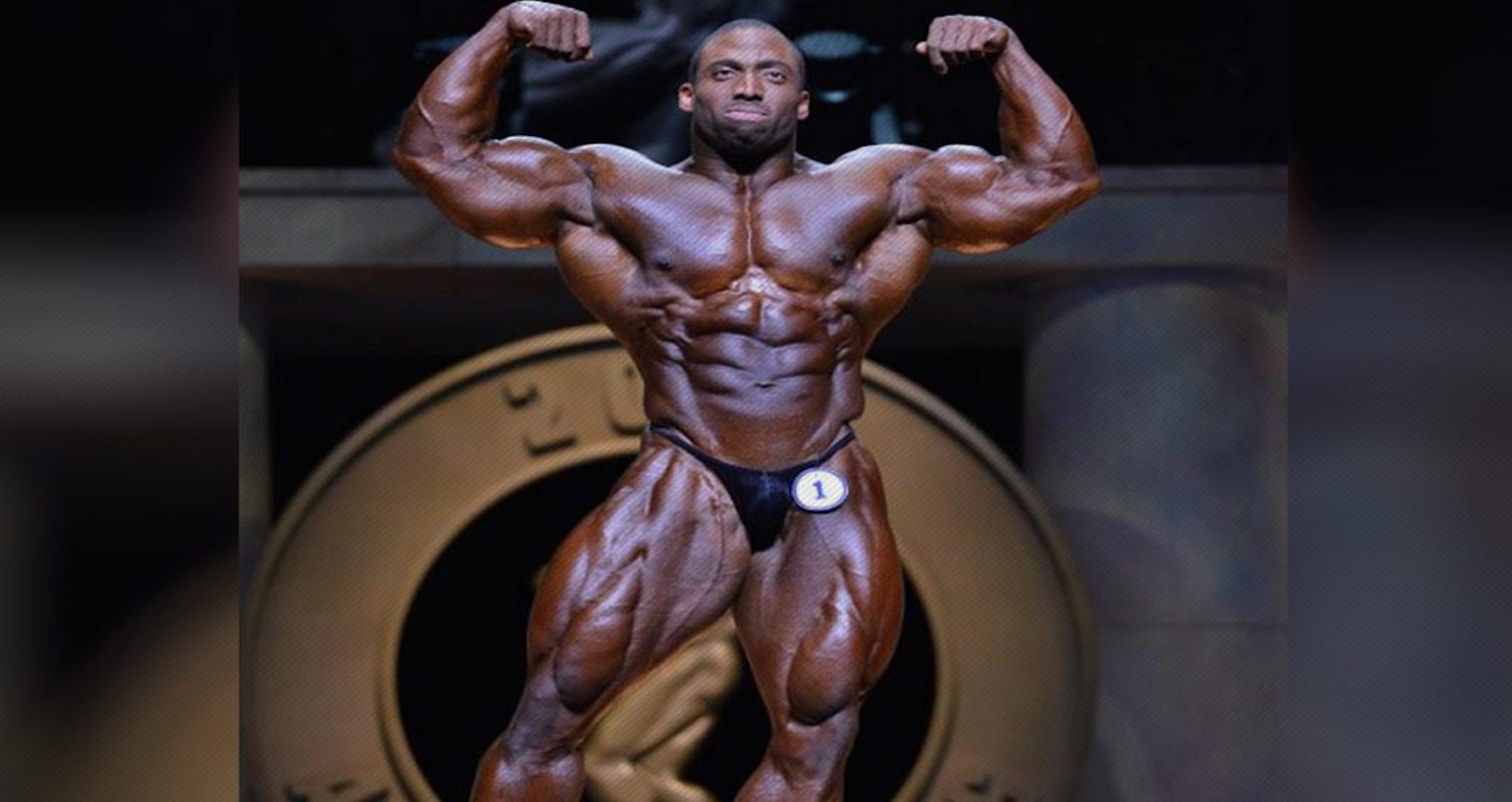
Cedric McMillan Withdraws From 2021 Arnold Classic
Cedric McMillan will miss the event while still recovering from injuries.
Cedric McMillan was forced to miss the 2020 Olympia because of different injuries and operations. He was expected to make his return during the 2021 Arnold Classic in September in Columbus, Ohio. McMillan recently announced that his plans for a return will have to be put on hold.
McMillan shared a post on Instagram detailing his most recent setback. He is still recovering from surgery to repair a broken hand. McMillan received this operation back in February and has been unable to train. Unfortunately, fans will have to wait to see McMillan back on stage.
“Just wanted to let everybody know I won’t be able to compete at the Arnold this year as I’m still recovering and the docs were like “uhh nope Mr McMillan”, this is the first year I’ve missed since my first one in 2013. I can’t wait to get back on that stage. But guess what, I will be there as part of the broadcast team!,” Cedric McMillan wrote.
“Hopefully me and Arnold can call the show together, that would be an honor for me. I hope to help bring a different feel and experience to all of you that will be watching the show online. Pray for me that I don’t say to many curse words haha”
The Arnold Classic has an impressive lineup for the event and McMillan was set to be one of the biggest names. This also impacts McMillan’s status for the 2021 Olympia. It is now likely that he will have to miss his second-straight competition unless he receives a special invitation and can accept it.
Cedric McMillan last competed during the 2020 Arnold Classic, where he placed sixth. His last victory came during the 2019 Romans Muscle Fest Pro Men’s Bodybuilding. McMillan has competed in each Arnold Classic since 2013 with his best finish coming in 2018 when he placed third.
McMillan did not provide any specific details on his latest setback but it is likely that he will not be back on stage for awhile. Fans are hoping that he can get healthy and back to competing soon enough.
For more news and updates, follow Generation Iron on Facebook, Twitter, and Instagram.
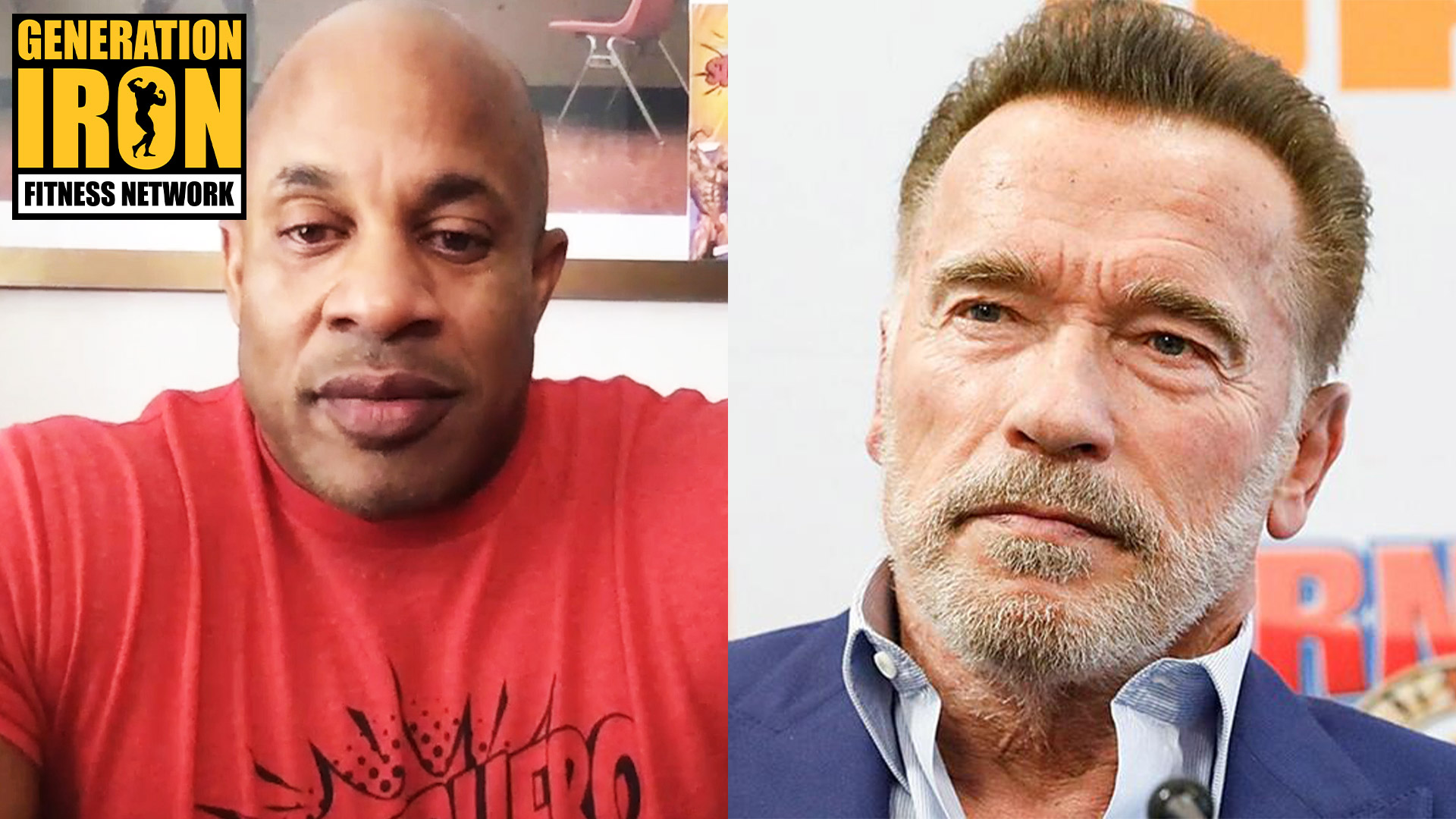
Victor Martinez Defends Arnold Schwarzenegger’s Freedom Comments
[embedded content]
Victor Martinez reacts to Arnold Schwarzenegger’s “Screw Your Freedom” comments.
Victor Martinez is a pro bodybuilder who is not afraid to speak his mind – but he’s also someone who likes to make sure he’s critically analyzed all the facts before he cements his opinion. That’s why he’s taken some time thinking over Arnold Schwarzenegger’s controversial freedom comments and the bodybuilding communities reaction to it. In our latest GI Exclusive interview, Victor Martinez explains his defense of Arnold Schwarzenegger’s freedom comments.
On August 13th, 2021, an interview with Arnold Schwarzenegger went viral across the bodybuilding, strength sports, and fitness community. Speaking on CNN, Schwarzenegger stated, “Screw your freedom” in response to Americans who were anti-mask mandates. You can see his full statement here. Schwarzenegger was stressing, albeit aggressively, that community health was more important than individual freedom where dangerous consequences could be endured.
The bodybuilding, strength sports, and fitness community ignited with many making statements on social media condemning Schwarzenegger’s statement. Some pulled down posters. In the biggest move, supplement company RedCon1 pulled out of sponsoring the Arnold Classic 2021 set to occur on September 25th.
Last week, we were able to reconnect with Generation Iron alum and pro bodybuilder Victor Martinez. During our catch up, Arnold Schwarzenegger’s comments were brought up. Perhaps somewhat surprisingly, Martinez defended Schwarzenegger and his statements. He also weighed in on the bigger fitness community’s angry reaction to the statement.
“You don’t need to explain it to me. I saw it. I saw it one time. I saw it one time and for some reason, yes, I know what he said, you know – ‘Screw your freedom.’ That became the focus,” Victor Martinez states in our interview. He continues:
“…There’s certain things you say where you think you can say them and right now a lot of people are too soft. They’re too soft on words. They’re too soft on what they hear. They jump the gun on smallest thing that really is irrelevant to what the person really is. I mean, I think Arnold is more American than most Americans actually.”
Not only does he think that people as a whole have become too sensitive. He also thinks they are misinterperating what Schwarzenegger really meant when he stated, “Screw your freedom.” Martinez goes further to try and explain his viewpoint:
“He didn’t say screw your freedom like when America became free in 1776 on July 4th and they declared their freedom… that’s not the kind of freedom Arnold said you know. Be responsible with your freedom, you know? Yes you are free but that doesn’t mean be carelessly free, you know? Wear your mask.”
Ultimately, Victor Martinez still holds extreme respect for Arnold Schwarzenegger. He finds that he has not only given back to the bodybuilding community throughout his entire life – but he’s also given back to America since becoming a citizen. This is a trying time for many people across the world. It’s causing gut reactions and bold statements that might be a bit too black and white.
It seems that Victor Martinez is trying to see the grey and the nuance during these troubling times. He believes Arnold Schwarzenegger believes in freedom but he also believes in responsibility. Do you agree or still find Schwarzenegger’s comments a step too far?
You can watch Victor Martinez’s full comments in our latest GI Exclusive interview segment above and decide for yourself!