
Muscle Chemistry Archive
2019 Pro Card Winners
This website uses cookies so that we can provide you with the best user experience possible. Cookie information is stored in your browser and performs functions such as recognising you when you return to our website and helping our team to understand which sections of the website you find most interesting and useful.
Rich Gaspari Full Interview | Strengths & Weaknesses Of Bodybuilders In Men’s Open & Men’s Physique
Over the past few months we’ve released multiple GI Exclusive segments from our interview with Rich Gaspari. Now we’re releasing the full length interview including topics such as the strengths and weakness of top bodybuilders in Men’s Open and Men’s Physique, the biggest difference in bodybuilding training today, and the future generation of competitors.Our full length interviews are now also in podcast form! Subscribe to the Generation Iron Podcast for candid, full length interviews with the biggest names in bodybuilding, fitness, combat, and strength sports.
During our recent conversation with Rich Gaspari, who was a commentator of the Mr. Olympia 2020, we went into detail about the results. Specifically, Gaspari believed that both Brandon Curry and Phil Heath had specific glaring weaknesses that ultimately led them to fall behind Big Ramy.
We asked for him to give us analysis and Rich Gaspari held nothing back. He also notes that he made these same observations during the actual competition before the results were called. While it was a close race, Gaspari knew what would lead to the downfall of both Curry and Heath.
According to Rich Gaspari, Phil Heath still had trouble with his stomach area. Not only that, but he had trouble preventing himself from fading as he was put through the comparison rounds. Gaspari points out that Phil is usually used to being brought out, being the obvious winner, and then being left alone by the judges. Here he had to fight harder and was put through far more comparison rounds than he is used to.
For Brandon Curry, Rich Gaspari points out that he had made many solid improvements in his upper body. When seen from the front, Curry looked unstoppable. But when he hit a side pose, Gaspari saw weaknesses in his lower half. His hamstrings and glutes just couldn’t compare to the likes of Big Ramy.
Based on the consistent improvements and hunger of Brandon Curry, Rich Gaspari isn’t counting him out to make a comeback at a future Olympia. He’s open to the fact that Curry just might return as an Olympia champion if he could further improve. For Phil Heath, Gaspari believes that it might be time to hang up the towel.
[embedded content]
Watch our full GI Exclusive interview with Rich Gaspari above!
What Men’s Physique Needs To Change To Gain More Respect From Critics
During our interview we decide to ask Gaspari, what can the Men’s Physique division change in order to win over the respect of old school guys like Rich Gaspari? In his response, Gaspari had an idea. And surprisingly, it had nothing to do with the board shorts. Instead, he thought it had everything to do with the core of how Men’s Physique competitions work.
The Men’s Physique division doesn’t have traditional poses. Instead, their poses are more a natural standing position. The key goal of Men’s Physique is to showcase a stellar physique and conditioning in a natural state. No front double biceps or most muscular poses. While the athletes do tighten up and flex slightly in their natural pose – they cannot hide any weakness with a good angle on a mandatory pose.
Rich Gaspari respects that in theory. He understands how much harder it is to be a Men’s Physique athlete without being able to use angles to hide weaknesses like other divisions often do. Instead, a Men’s Physique athletes needs to bear it all out. They have to solely rely on the power of their physique.
And while Gaspari finds this impressive, he doesn’t find it exciting. He believes that allowing traditional mandatory poses similar to Men’s Open will make for a better competition. It brings drama and excitement to the stage. Rich Gaspari doesn’t have lack of respect for the athletes. Instead, he simply has lack of excitement for the competitions themselves.
Wrap Up
Rich Gaspari discussed far more topic than can be covered in one article. That’s why you can watch the full uncut hour long interview above. Get an in-depth look on Rich Gaspari’s insights and opinions on the recent trends in bodybuilding in our latest GI Exclusive!
You can also listen to our entire full length interviews on the Generation Iron podcast. Visit our official GI podcast landing page right here for the full list of episodes and platforms to subscribe!

Complete Guide To Creatine Supplements
Creatine supplements can boost muscle mass and strength to take your gains to new heights.
Creatine supplements have increasingly become more popular as athletes everywhere want bulk up and really add to that muscle density. As a great supplemental aid to adding some serious gains, the effect creatine’s benefits can have on you is immense and should not be overlooked. For many, creatine is considered one of the most popular and effective supplements for building muscle. As a smart and safe way to see gains, creatine supplements are a must have in your routine.
With so many supplements and supplement companies claiming they know everything and that their product is the best, it can be challenging, and quite frankly, overwhelming as you search for the best supplement to boost your goals. With creatine being so popular and widely used, finding the right product for you is not as hard as you may think. With proper care and a serious work ethic, creatine can give you gains like the best of them.
So, while this decision can be difficult, this complete guide to creatine supplements will hopefully help change the way you view and shop creatine products. With so many choices yet such great benefits, the right supplement is out there.
What Is Creatine?
Creatine is an amino acid found in your muscles and your brain. The stores of creatine your body has are primarily used for energy which is why so many people take creatine supplements to improve performance and increase strength and size. During heavy lifting or exercise, these stores are vital for keeping you powered through, but then of course, become depleted.
By taking a supplement, you work to restore those fuel stores so you’re ready to tackle any workout that comes next. With similar properties to other amino acids, creatine is great for muscle growth and recovery while also working towards a host of other bodily functions.
Check out our list of the Best Creatine Supplements for some great muscle building products!
How It Works In The Body
Your body’s energy source of ATP allows you to focus on taking down any grueling workout. During that workout, you use all that energy and potentially dip into those vital energy stores. A byproduct of using this energy then becomes ADP, which is essentially useless for the body. Enter creatine. By taking a creatine supplement, you are working to, in a way, recycle that useless ADP into reformed ATP, which if we go back to the top of this paragraph, is our body’s energy.
Benefits Of Creatine
Let’s take a look at some of the great benefits creatine has to offer.
Promote strength and size: By causing your cells to inflate, you provide for more muscle pumps and increased blood flow through those overworked muscles (1).
Boost performance: By refueling those energy stores and enhancing your power output, you support growth and recovery to allow for better overall performance (2).
Improve metabolism: Through the control of insulin sensitivity and glycemic control, it provides fuel and helps lead to fat loss.
Increase cognitive function: Increasing oxygen utilization in the brain, you can boost memory and processing speed during those grueling workouts (3).
Types Of Creatine
Let’s take a look at creatine in some of it’s forms.
Creatine Monohydrate: Since this is a pure form of creatine, it can work to increase endurance and remove lactate from your muscle more efficiently. On top of that, it will aid in muscle growth and calorie burn (4).
Creatine HCL: This is creatine bound to hydrochloric acid which will work towards increased bioavailability and reduce side effects (5).
Creatine Anhydrous: The most potent of forms, it can increase muscle mass and enhance performance.
Tri-Creatine Malate: A combination of creatine and malic acid, this will help your body absorb more creatine, thus leading to higher ATP levels (6).
Creatine Pyruvate: A great mix of creatine and pyruvic acid, it’s good absorption properties are great for growth and recovery.
Magnesium Creatine Chelate: A unique combination of creatine and magnesium, this will enhance endurance and reduce muscular fatigue to keep intensity high.
Safety & Effectiveness
Creatine is one of the cheapest, most effective, and safest supplements around. With so many studies supporting these finding and many athletes gravitating towards creatine to beef up their strength, size, and performance goals, creatine is widely accepted as a great supplement for those looking to improve. With this occurring naturally in the body, you are only lending a helping hand to make sure those fuel stores stay stocked and your gains are taken care of (7).
Best Time To Take It
For many, taking creatine after a workout is the general consensus among many experts. This is because it will work to restore those depleted energy stores while aiding in recovery for that increased growth. However, some say before a workout will allow your muscles to put out maximum effort. Regardless of what you decide, whether it be pre- or post-workout, creatine can work wonders for your gains.
Featured Supplement
Many creatine supplements exist and many of them are actually great products. But for your gains, you should only be looking for the best of the best because your body works hard and needs proper fuel. This creatine supplement from Transparent Labs is an awesome product to help get you to where you want to be.
Transparent Labs StrengthSeries Creatine HMB
Transparent Labs StrengthSeries Creatine HMB is well worth the price and is one of the best creatine products for pure creatine. It has no added artificial flavors, fillers, preservatives, or coloring, which means the body isn’t wasting energy metabolizing useless chemicals — just pure creatine. Transparent Labs creatine is infused with HMB, or β-Hydroxy β-Methylbutyrate, which has been proven to increase muscle strength and lean body mass while decreasing fat mass. At a good price, this is a one of the best creatine products to buy for athletes.
Price: $39.00/ 30 servings
Click here for the best price
Use the promo code GENIRON10 for 10% off! Check out our individual review for Transparent Labs StrengthSeries Creatine HMB here!
Check out our list of the Best Creatine Supplements for some great creatine products!
Wrap Up
Creatine has the power to really work wonders for our training and performance goals. As a widely researched and popular supplement, it is no wonder why so many have gravitated towards creatine. With many benefits, scientifically backed research, and incredibe safety and effectiveness, creatine can work absolute wonders for you. This complete guide will hopefully help you navigate the world of creatine so the choice for you becomes a little easier. Look into a good creatine supplement today and see what this can do for all of your goals.
Let us know what you think in the comments below. Also, be sure to follow Generation Iron on Facebook, Twitter, and Instagram.
*Images courtesy of Transparent Labs and Envato
References
Francaux, M.; Poortmans, J. R. (1999). “Effects of training and creatine supplement on muscle strength and body mass”. (source)
Kreider, Richard B. (2003). “Effects of creatine supplementation on performance and training adaptations”. (source)
Avgerinos, Konstantinos I.; Spyrou, Nikolaos; Bougioukas, Konstantinos I.; Kapogiannis, Dimitrios (2018). “Effects of creatine supplementation on cognitive function of healthy individuals: A systematic review of randomized controlled trials”. (source)
Kerksick, Chad M.; Wilborn, Colin D.; Campbell, William I.; Harvey, Travis M.; et al. (2009). “The Effects of Creatine Monohydrate Supplementation With and Without D-Pinitol on Resistance Training Adaptations”. (source)
De Franca, Elias; Avelar, Bruno; Yoshioka, Caroline; Santana, Jeferson O.; Madureira, Diana; et al. (2015). “Creatine HCL and Creatine Monohydrate Improve Strength but Only Creatine HCL Induced Changes on Body Composition in Recreational Weightlifters”. (source)
Sterkowicz, Stanislaw; Tyka, Anna K.; Chwastowski, Michal; Sterkowicz- Przybycien, Katarzyna; et al. (2012). “The effects of training and creatine malate supplementation during preparation period on physical capacity and special fitness in judo contestants”. (source)
Jagim, Andrew R.; Stecker, Richard A.; Harty, Patrick S.; Erickson, Jacob L.; Kerksick, Chad M. (2018). “Safety of Creatine Supplementation in Active Adolescents and Youth: A Brief Review”. (source)
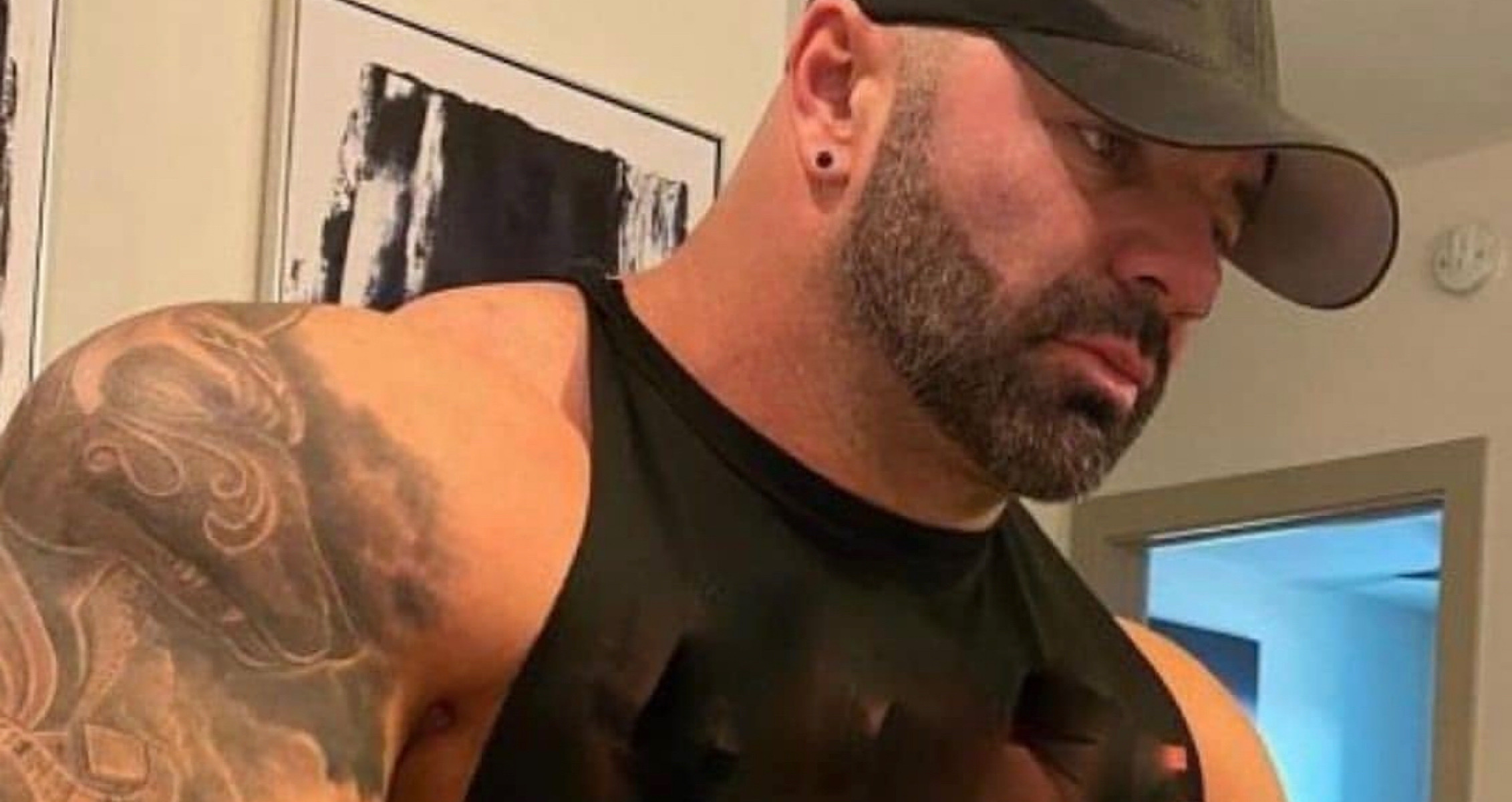
Dusty Hanshaw Has Been Hospitalized and is Fighting For His Life
Dusty Hanshaw is fighting for his life.
Some sad news to report as bodybuilding veteran Dusty Hanshaw is reportedly fighting for his life. A GoFundMe has been started by his mother in hopes of helping with the medical bills.
In a freak accident it appears that Dust Hanshaw is fighting to survive. While eating steak, a piece of the meat got stuck in his esophagus, obstructing his breathing. He was eventually able to get it down but it appears that he obstructed his esophagus in doing so.
From Bad to Worse
Dante Trudel, a close friend of Hanshaw, stated that the bodybuilder was coughing up blood after the incident. Hanshaw is now in the hospital due to the incident.
Via GoFundMe:
Hi this is Dante Trudel, I am writing this on behalf of Dusty’s mom Julie, his family, his close friends and honestly to all of you. Why? Because I asked to do it, its that important to me. I am going to get right to the point. On the 13th of May almost two weeks ago, Dusty was eating steak and a piece got lodged in his esophagus and he started choking badly.
After a struggle he finally got it down, but something was definitely wrong. Sometime later he started to cough up blood, so much so that he went to the hospital as he knew something was not right. At the hospital things quickly snowballed out of control….and it looks like he suffered an esophageal rupture. They had to utilize a balloon in his esophagus to stop the massive bleed and everything went into a tailspin.
There was a tremendous amount of blood from this injury and one thing led to another with the doctors having to sedate him and put a feeding tube in. Over the first 48 hours Dusty not only developed pneumonia but also a serious staph infection. It has been a very trying time and they have been unable to bring him out of sedation because of all these dire events happening at once.
He has been under sedation for the last two weeks and dependent on the vent to breath. They have been trying to bring him out from sedation but at this time, again, he is not able to breath on his own. So he is still on paralytics, the feeding tube and the vent. It is going to be a long process of recovery.”
Brad Rowe Sends His Support
Brad Rowe who himself is currently in the hospital lent his support to Dusty Hanshaw and his family and friends.
This is all truly sad news. To think such a freak occurrence would befall Dusty Hanshaw. But if one thing is certain, anything can happen at any time so exercising caution is always a must. It’s unfortunate Hanshaw and his family find themselves in this current position.
For more news and updates, follow Generation Iron on Facebook, Twitter, and Instagram.
Managing Editor at Generation Iron, Jonathan Salmon is a writer, martial arts instructor, and geek culture enthusiast. Check out his YouTube, Instagram, Twitter, Facebook, and Sound Cloud for in-depth MMA analysis.
Lou Ferrigno Fixes Hearing With Implant: Calls It “Life Changing”
Lou Ferrigno can hear like never before due to new hearing aid implant.
Lou Ferrigno is most known for two things. He was an iconic bodybuilder and star in Pumping Iron. He was also the Incredible Hulk on television for many years. It is also well documented that Ferrigno has suffered hearing loss since a young age. It’s partially the reason for his now iconic cadence of speaking. Now at 69 years old, he’s starting to hear like never before due to a specialized implant. In our latest GI Exclusive interview, Lou Ferrigno details his new hearing implant and what it was like to be a pro bodybuilder with severe hearing loss.
The world may know Lou Ferrigno as the original Incredible Hulk. But the bodybuilding world also remembers him as a legendary bodybuilder and star of the iconic film Pumping Iron. What some might not know as well is that Ferrigno also suffers from hearing loss. Since a young age, Ferrigno had lost 75% of his hearing. Due to this, he relied on a hearing aid for most of his life.
Technology changes at an alarming pace. And now Lou Ferrigno is experiencing the world of hearing in a whole new light due to a cochlear implant. The implant, over time, has allowed him to hear without the use of a traditional hearing aid. More importantly, it has also allowed him to hear on a level he had never experienced in his life.
[embedded content]
Check out our GI Exclusive segment with Lou Ferrigno above!
“Over the age of 65, one out of three people were having hearing loss,” Lou Ferrigno states in our interview. He goes on:
“There are some bodybuilders out there who have had hearing loss. But the reason why I’m talking about this is because I’m going to give a lot of people hope. That this is not a dreadful thing. It’s a very positive experience because the surgery is really minor. Especially if they can have a life changing experience. Especially even now I heard different people. I can appreciate hearing people talk. Hearing the ‘S’ sound. The final consonant… People would say I have a slight lisp to my speech but now I’m overcoming that because of the cochlear implant.”
Lou Ferrigno goes on to detail what his life was like growing up with limited hearing. How he was bullied due to his massive hearing aids. That bullying, in part, was why Ferrigno eventually turned to bodybuilding. He wanted to prove he was strong in the face of bullies.
He also goes into detail about what training was like as a bodybuilder with limited hearing. Due to the intensity of his workouts, he wouldn’t wear a hearing aid during training. This made it harder for him to full engage in the social experience of the gym. He even admits that there have been times gym patrons thought he was being rude and ignoring them. But in reality, he couldn’t hear them. He relied mostly on reading lips in the gym.
Now all of that has changed. Lou Ferrigno will be able to full hear in the gym. Every clank of the weights and grunt of lifters. It’s an entirely new experience. As he stated in the quote above. It was not only a life changing experience for him – but he hopes to spread the word for others so they can have that life changing experience as well.
You can watch Lou Ferrigno go into full detail about his hearing loss and new implant in our latest GI Exclusive interview segment above!
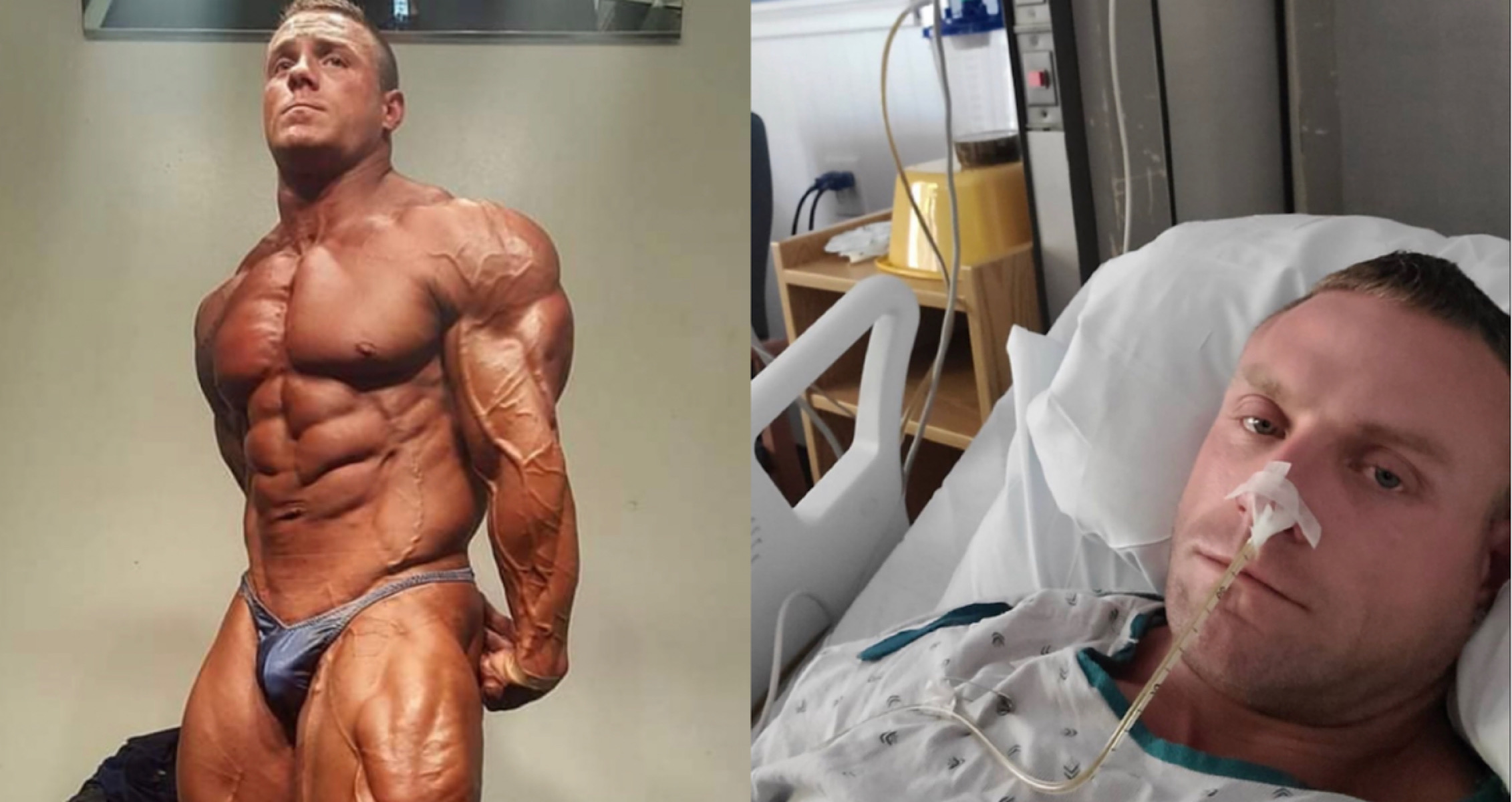
Brad Rowe Hospitalized With Intestinal Obstruction
Brad Rowe has been hospitalized.
It appears that Brad Rowe is facing some tough adversity. The bodybuilder recently reported that he’s been hospitalized with intestinal obstruction. It has proven to be a pretty rough week for the bodybuilding veteran indeed.
We often speak on injuries being a major issue for athletes. But internal health is something else many don’t consider until there’s signs of an issue. Unfortunately Brad Rowe has fallen pray to a nasty condition that has rendered him bedridden.
But besides the intestinal problems it appears that Brad Rowe is also facing other issues as well. The bodybuilder also reported that he’s suffering from knee issues as well. After spending a week in the hospital it’s clear that Rowe is at his wits end.
In the Instagram post below, Brad Rowe gives the full details on his current situation.
Its been one of those weeks!
Intestinal obstruction forced me to come to the ER this morning. They inserted a tube in my nose to my stomach to suction out in hopes the blockage releases. I may need surgery if it doesn’t or the surgeon feels there is a mechanical issue which caused the first obstruction last Thursday then this one that started to form yesterday. I’m here till late Friday night minimum they told me ?♂️
Monday I had an MRI on my knee and there is an area that isn’t healing efficiently. I have a nerve that is causing sharp shooting pain in that same area. We are hoping that after seeing a nerve specialist to freeze the nerve that there will be less inflammatory responses and allow the tissue to heal properly. If not I go under the knife to clean out some of the unhealthy tissue.
Add onto all that a few personal and professional roadblocks/challenges and it’s been an extremely trying week. But just keep my head down and take it moment by moment and I’ll get through it all like I always do and learn some things in the process.
I truly appreciate everyone that has reached out ? sorry if I’m not getting back to everyone but the messages are seen and appreciated!
This is certainly a tough break for Brad Rowe as he hints at both professional and physical hardships making his life a living hell at the moment. Hopefully he’ll get some good news and makes a full recovery.
For more news and updates, follow Generation Iron on Facebook, Twitter, and Instagram.
Managing Editor at Generation Iron, Jonathan Salmon is a writer, martial arts instructor, and geek culture enthusiast. Check out his YouTube, Instagram, Twitter, Facebook, and Sound Cloud for in-depth MMA analysis.
How Much Protein Do You Actually Need to Build Muscle
So gym legend has it that you need to be consuming anywhere between 1.5-2.5 grams of protein per pound of bodyweight in order to build lean muscle mass.
So if you are a 180 lb guy or girl you need to be consuming anywhere between 270 grams – 450 grams of protein.
But where did this figure come from, is this scientifically proven? Or just pure bro science?
I am going to investigate if this legend is actually true of if it is just pure gym floor folklore.
The Role of Protein and Amino Acids
Firstly, let’s take a step back and look at protein, why is it so crucial in building muscle?
So protein is one of the three macronutrients we need, the other two being fats and carbohydrates.
Protein makes up 15% of a person’s body weight, and from a calorific perspective 1 gram of protein equates to 4 calories.
When we eat a meal with protein the protein provides the body with amino acids, and essential amino acids must be obtained through your diet (protein).
The protein is then broken down into amino acids which then helps with repair, recovery and regulating immune function.
Now there is an old saying that goes that, ‘amino acids are the building blocks of life’, well technically this is true. As amino acids are made from carbon, nitrogen, hydrogen oxygen or sulfur.
Amino acids help repair and maintain muscle tissue, and this is especially crucial for any gym goer who is trying to build muscle, as post workout protein will enable you to recover from workouts.
Does Protein Increase Muscle Mass?
Simple answer is yes, and there is plenty of evidence supporting the fact that protein does increase muscle mass, one study’s results found that, ‘For untrained individuals, consuming supplemental protein likely has no impact on lean mass and muscle strength during the initial weeks of resistance training.
However, as the duration, frequency, and volume of resistance training increase, protein supplementation may promote muscle hypertrophy and enhance gains in muscle strength in both untrained and trained individuals. Evidence also suggests that protein supplementation may accelerate gains in both aerobic and anaerobic power.’
Do I Reduce My Protein Intake if I Want to Lose Body Fat?
Answer here is a resounding no, as one study conducted a review of dietary protein during caloric restriction in resistance trained lean athletes, when trying to reduce body fat. And there was ‘evidence that protein needs increase when athletes restrict calories or have low body fat’.
The study concluded that the body fat percentage decreased for all the study groups, it also made a case for higher protein as the ‘protein needs for energy-restricted resistance-trained athletes are likely 2.3-3.1g’ (per kg of body weight) / 1 – 1.4g per lb of bodyweight.
It is worth remembering that protein reduces levels of the hunger hormone ghrelin, while it boosts appetite-reducing hormones, which leads to an automatic reduction in calorie intake.
So we know that protein does indeed increase muscle mass, and if on a calorie restrictive diet more protein is more beneficial, but what is the figure you need if you just want to add muscle?
The Recommended Daily Allowance (RDA) for protein is listed at 0.8 grams per kg of bodyweight.
According to the American College of Sports Medicine (ACSM), ‘to increase muscle mass in combination with physical activity it is recommended that a person that lifts weights regularly, eat a range of 1.2-1.7 grams of protein per kilogram of bodyweight per day, or 0.5-0.8 grams per pound of bodyweight.’
As 1 gram of protein equates to 4 calories, you would also be increasing your calories from protein four fold in order to gain muscle mass.
The Case for More Protein
One study from 2007 found that the participants, who took part in their 11 week training program, who were taking 1.5g of whey protein per kg of body weight per day concluded that whey protein seemed to ‘promote greater strength gains and muscle morphology during RE (Resistance Exercise) training.’
Another study from 2006 showed ‘that protein supplementation’ of 1.5g per pound of body weight ‘during resistance training, independent of source, increased lean tissue mass and strength over isocaloric placebo and resistance training.’
Another study from 2001 found that participants who were taking 1.5g of protein per pound of bodyweight per day, compared to the subjects who were taking 0.5 grams per lb of bodyweight found that, ‘males that supplemented with whey protein while resistance training demonstrated greater improvement in knee extension peak torque and lean tissue mass than males engaged in training alone’.
The Case for Less Protein:
One study from 1992 increased participants’ protein from ‘1.35 to 2.62g / kg (0.64 to 1.10g per lb), but did not enhance muscle mass/strength gains, at least during the 1st mo of training. Whether differential gains would occur with longer training remains to be determined.’
A 2006 study concluded that ‘the results of this study do not provide any support for protein intakes greater than recommended levels in collegiate strength/power athletes for body composition improvements, or alterations in resting hormonal concentrations’,
It goes onto state that ‘although elevated protein content did not produce significantly greater strength improvements, results suggest that further study is warranted on the effect of high ( > 2.0 g·kg / 0,9g per lb) protein intake on strength and lean tissue accruement’.
So there seems to be a plethora of team more protein versus team less protein. So the takeaway here is that go with the science but when the science contradicts itself, go with trial and error and see what works best for you.
References:
https://www.ncbi.nlm.nih.gov/pmc/articles/PMC5852756/#:~:text=To%20maximize%20muscle%20protein%20accretion,~0.4g%2Fkg%20protein.
https://pubmed.ncbi.nlm.nih.gov/22150425/
https://www.ncbi.nlm.nih.gov/pmc/articles/PMC6710320/
https://medlineplus.gov/ency/article/002467.htm
https://pubmed.ncbi.nlm.nih.gov/22958314/
https://pubmed.ncbi.nlm.nih.gov/25169440/
http://europepmc.org/article/MED/19927027
https://jissn.biomedcentral.com/articles/10.1186/1550-2783-11-20
https://pubmed.ncbi.nlm.nih.gov/24092765/
https://pubmed.ncbi.nlm.nih.gov/19301095/
https://www.acsm.org/docs/default-source/files-for-resource-library/protein-intake-for-optimal-muscle-maintenance.pdf
https://pubmed.ncbi.nlm.nih.gov/26817506/
https://pubmed.ncbi.nlm.nih.gov/26778925/
https://pubmed.ncbi.nlm.nih.gov/17277594/
https://vuir.vu.edu.au/1447/1/CurrOp2008_%284%29.pdf
https://pubmed.ncbi.nlm.nih.gov/11591884/
https://pubmed.ncbi.nlm.nih.gov/20798660/
https://pubmed.ncbi.nlm.nih.gov/22958314/
https://pubmed.ncbi.nlm.nih.gov/26778925/
https://pubmed.ncbi.nlm.nih.gov/1400008/
https://www.ncbi.nlm.nih.gov/pmc/articles/PMC2129168/
How Nicotine Can Affect Weightlifting & Muscle Growth
While nicotine is a stimulant, the negative impact on our fitness may deter you from using this as an “aid”.
Nicotine is one of those drugs so many wish they could put down. That “buzz” you briefly experience can be one of the most addicting things people chase. Since nicotine comes in the form of so many different products, it is impossible to not be around it. From cigarettes, to vapes, to chewing tobacco and the many alternatives that now exist, nicotine is just always around. As bodybuilders and athletes, we take our health and wellness seriously but sometimes we cave and those vices creep in. Nicotine may just be one of them for you.
Since we take our health and fitness seriously, drinking tends to not be an option as a way to calm down. The excess calories and, of course, that terrible hangover, tends to deter us from partaking in this form of enjoyment. Smoking is obviously out of the question for it would simply kill all the goals you’ve worked so hard for. But with so many alternatives around, it can be easy to get our nicotine fix without totally killing all of our gains.
Let’s take a look at nicotine and what it does to our bodies. The affect it has on weightlifting and muscle growth can make or break whether or not we decide to use it. While it is addicting, it is still possible to get off it and find a new vice, potentially something that will work for our gains. But, here, regardless of your decision, there’s no judgement.
What Is Nicotine?
Nicotine is a highly addictive chemical compound found in the tobacco plant. Common misperceptions surround nicotine in terms of what is bad and what is not bad for you. Nicotine is the addictive substance but tobacco is what causes much of the health complications with people. Nicotine is a stimulant that has an effect on both your body and mind.
Through ingesting nicotine, your brain releases dopamine, a neurotransmitter which makes you feel good. It will also jack up your heart rate and increase blood pressure and blood flow and while these sound like what you want out of your stimulant products, there are other ways to get this done (1).
Negative Effects On Our Fitness
Despite this substance being a stimulant, with many people telling you to mix caffeine in your routine before you start, there are downsides to putting this into your body, especially before a grueling workout (2).
Increasing Heart Rate & Blood Pressure
By increasing your heart rate, you do put more strain on your heart to pump blood, and when mixed with a hard workout, this can really add to that strain. With an increase in blood pressure, it can make it difficult for blood to get around your body, thereby offering your body less nutrients (3).
Appetite Suppression
Nicotine tends to suppress our appetite, giving us the out when it comes to eating, and eating well at that. For those us looking to put some real strength and size, eating a well-balanced diet is exactly what we need to make that happen. If we suppress our appetite then we are doing ourselves no favors (4).
Breathing & Endurance
This may go without saying, but depending on the form you ingest nicotine, it can seriously start to affect your breathing and endurance when it comes to activities. With less desire for cardio, and making cardio harder at that, you take away one element to help you get more shredded than before.
Decrease Testosterone
To stick with smoking and ingesting nicotine that way, the chances of this lowering your levels of testosterone have been studied, and while results vary, some say this to be true. Lower testosterone leads to less drive, decreased libido, but worse, less natural muscle building and fat burning potential (5).
But Nicotine’s A Stimulant…
While this is true, there are other stimulants you can take to boost your workouts and provide for that much needed energy. For those who stay away from supplements, or feel something like a pre-workout is unnecessary, you should rethink that strategy to start, but also look to caffeine, whether that be coffee or green tea, to kickstart your workouts. Looking into a great pre-workout can give you energy, pumps, and get the blood flowing without you worrying about any health risks that may come from nicotine.
Featured Supplement For Energy & Muscle Pumps
Transparent Labs PreSeries BULK
Backed by science with clinically effective dosages, this pre-workout is most effective for those looking to increase in size and muscle mass. BULK contains 6,000 mg of citrulline malate, 4,000 mg of beta-alanine, 4,000 mg of BCAAs, and 2,500 mg of betaine to boost your workouts, blood flow, and muscle growth. BULK will reduce fatigue and increase your energy to give you a more impactful and longer lasting workout. Transparent Labs prides themselves on a 100% label and there are artificial additives, colorings, or preservatives to ruin this clean product.
Price: $49.00
Click here for the best price
Check out our individual review for Transparent Labs PreSeries BULK here! Also, use the promo code GENIRON10 for 10% off!
Check out our list of the Best Pre-Workouts for more stim, and even some non-stim, pre-workout supplements!
Wrap Up
Nicotine is a highly addictive substance and sometimes with our busy lives and hectic schedules we just need a break to unwind. But for those of us who take our bodybuilding and workout goals seriously, this can really hurt us and start to affect everything we want most out of our fitness goals. While nicotine may be a stimulant, it is important to remember that there are other stimulants out there and ways to get our heart rate going and blood pumping to maximize our workouts. Looking to a great pre-workout can help us get there, as well as simply just a cup of coffee, for example. So, while nicotine may seem like the easy option, looking for some alternatives will help pay off in the long run.
Let us know what you think in the comments below. Also, be sure to follow Generation Iron on Facebook, Twitter, and Instagram.
*Images courtesy of Transparent Labs and Envato
References
Benowitz, Neal L. (2010). “Nicotine Addiction”. (source)
Mishra, Aseem; Chaturvedi, Pankaj; Datta, Sourav; Sinukumar, Snita; et al. (2015). “Harmful effects of nicotine”. (source)
Gajewska, M.; Worth, A.; Urani, C.; Briesen, H.; et al. (2014). “The acute effects of daily nicotine intake on heart rate – A toxicokinetic and toxicodynamic modelling study”. (source)
Jessen, A.; Buemann, B.; Toubro, S.; Skovgaard, M.; Astrup, A. (2004). “The appetite-suppressant effect of nicotine is enhanced by caffeine”. (source)
Hruskovicova, H.; Duskova, M.; Simunkova, K., Hill, M.; et al. (2012). “Effects of Smoking Cessation on Hormonal Levels in Men”. (source)
5 Exercises Required to Boost Bicep Growth
Best Exercises For Building Your Biceps
“I don’t like training my biceps,” said no one ever. For many gym bros, their self-esteem can be directly proportional to the size of their guns. Countless people around the world spend hours working on their arms but only a few of them have some well-chiseled guns.
If you’re determined to grow your pythons, choosing the right exercises is half the battle won. The exercises on the list are a mix of isolation and compound lifts so you can get the best of both worlds.
Barbell Curls
Barbell curls are a great compound (multi-joint) exercise which can help in developing muscle mass and strength. To make the most of this lift, use an Olympic barbell. Doing so will recruit your core stabilizers.
Using the Olympic barbell can result in adding inches to your biceps. Make sure you don’t use momentum by jerking or swinging back and forth to lift the bar. Keep your torso upright and your elbows pinned to your sides.
Hammers Curls
Hammer curls are an incredibly effective exercise in improving the length of your biceps. Performing the dumbbell hammer curls also recruits your forearms as you hold the dumbbells with a neutral (palms facing each other) grip.
You can target your biceps from different angles while performing the dumbbell hammer curls. Curling the dumbbells straight forward will target the medial biceps. You can work the outer bicep heads by curling the dumbbells in a crossbody motion and curling with your arm pointing outwards will hit your inner bicep heads.
Machine Preacher Curls
The machine preacher curls are a great isolation exercise as it’s a combination of the preacher bench and cables. If you want to work on your bicep peak, you can’t go wrong with the machine preacher curls.
Most people make the mistake of lifting heavier weights than they can handle in this exercise. Letting their egos get in the way gets the better of them and they leave gains on the table by not following a full range of motion.
21’s
21’s are one of the most underutilized bicep exercises. You haven’t experienced the nastiest bicep pump of your life until you’ve done the 21’s. 21’s can help add size and definition to your guns.
Stand with an upright torso with a barbell in hands extended at arm’s length. Hold the barbell with a shoulder-width grip. Start the lift by performing seven reps from the bottom to the middle of the movement (like half barbell curls). Without resting, lift the barbell so it is next to your shoulder (top of the barbell curl movement).
Perform the next seven reps from the top to the middle. After completing the second mini-set of seven reps, perform the last seven repetitions with a full range of motion. The three mini-sets of 7 reps form a single set, and you need to complete it without stopping for rest.
Overhead Cable Curls
If you’re like most people, you like to show off your pythons with the front double bicep pose. Performing the overhead cable curls will polish your guns by working on the peaks and developing definition and separation.
Stand in the center of a cable pulley machine while holding a D-handle attachment in each hand with a supinated (palms facing the roof) grip. At the starting position, your arms should be fully extended at your sides so your upper arms are parallel to the floor.
While keeping your upper arms stationary, curl the weights by flexing at your elbows. Hold and squeeze your biceps at the top of the movement. Return to the starting position and repeat for the recommended reps.
Which is your favorite bicep exercise? Let us know in the comments below. Also, be sure to follow Generation Iron on Facebook and Twitter.
*Header image courtesy of Envato Elements

Best Foods To Help You Sleep To Maximize Growth & Recovery
Sleep is so important to our growth and recovery, but too often do we forget that.
How many hours a night do you sleep? No, really think about it? Some nights may see 8 hours, some 7, maybe the occasional sleep in with 9 hours. But if you start saying 4, 5, even 6 hours of sleep a night, you may be hurting all of your gains you worked so hard for. While it is true that some people can run on a full tank of gas with continually 5-6 hours of sleep, it is safe to say that the majority of us cannot. Don’t let this stigma of getting “too much” sleep stop you from getting enough sleep.
How many times has someone said to you, “You sleep too much. You need time to get things done”. Remember how annoying that is? Changing your mindset to say sleep allows you to do more in less time is only stating the facts about sleep. The more recovered you are, the better you will perform.
And that goes for our bodybuilding and fitness goals as well. The more recovered you are, the better you will perform. The gym might be where the gains are created, but recovery is where they actually come to life. When you lift, you are tearing the muscle fiber, thus making space for new muscle to form. But that muscle forms with proper rest and recovery, and a healthy nutrition plan, and sleep should be priority number one.
Let’s talk about sleep and how it helps with muscle growth, then of course, everyone’s favorite topic of which food is best for promoting sleep. Help yourself feel great by taking sleep more seriously.
The Sleep Cycle
There are 5 stages of sleep that scientists categorize during your sleep cycle. Stages 1-4 are considered non-REM and stage 5 is considered REM (1). We’ve all heard of REM and non-REM, but let’s jump into this a little more. It is important to note that changes in brainwave frequencies and amplitudes are what differentiate each stage.
Stage 1: The lightest stage of sleep, your brain frequency is just slightly lower than when you are awake.
Stage 2: Deeper than Stage 1, you are starting to fall into a state where its harder to be awakened.
Stages 3-4: Entering into a deeper sleep, these stages are known as slow-wave sleep and as we age, we spend less time in these stages.
Stage 5: You’ve now entered REM sleep and this is where dreams start to happen. The skeletal muscles don’t move and breathing is elevated.
It is Stage 3 where your muscles are most relaxed, blood supply starts to flow through the muscles more and tissue growth and repair occurs. Energy is restored and growth hormone is released starting to do its magic. REM sleep is where that energy for your brain and body starts to charge up for the next day’s performance (2).
Importance Of Sleep For Growth & Recovery
When paired with a healthy diet, sleep is that vital piece of recovery to really work to repair muscle and see an increase in your muscle growth. When you sleep, your body enters into a higher anabolic state that means your body has more time to repair those torn muscles. Your body also has a higher rate of protein metabolism than when you are awake. Protein is essential for muscle growth and by processing more protein, you allow for more build up which in turn increases muscle strength and size. As human growth hormone spikes, it plays a role in the productions and regeneration of cells to help fix any damage caused by your workout (3).
In terms of cognitive function, adenosine is sent to the brain to signal that it needs rest. During sleep, these levels of adenosine start to decline which in turn make you slightly more alert. This would seem like the brain is recharging and refueling to ensure alertness and focus for whatever the next day brings (4). We all know how it feels to operate the next day after a poor night’s sleep and the ability for its physical growth and recovery should be equally matched by its cognitive recovery as well.
Foods To Help You Sleep
While there are ways to help you sleep like meditation or quality supplements, some foods may help with this as well for a more natural source.
Almonds: A great healthy source of fat, almonds can boost sleep quality by serving as solid sources of melatonin and magnesium, both highly effective for sleep enhancing properties.
Walnuts: Packed with nutrients, aside from multiple benefits of walnuts, when it comes to sleep they are a great source of healthy fats and melatonin. They provide the omega-3 fatty acids ALA and DHA to increase serotonin.
Turkey: Turkey is a popular food source for promoting sleep because it contains tryptophan, an amino acid that encourages sleepiness and increases the production of melatonin (5). Also a great source of protein, turkey can improve your quality of sleep and really aid with muscle growth.
Fatty Fish: Filled with vitamin D and omega-3 fatty acids, both of these have serious benefits when it comes to improving your overall quality of sleep.
Beans: High in fiber, beans can help you spend more time in that vital slow-wave sleep of Stages 3-4. They can control glucose levels to stunt arousals that may come from sugar (6).
Tart Cherry Juice: Can improve sleep and lead to a longer sleep. Filled with melatonin, this works great but just be sure to get 100% juice with no additives.
Chamomile Tea: Has benefits to boost your immune system, reduce anxiety and depression, and improve sleep. It contains an antioxidant called apigenin which promotes sleepiness and reduces insomnia.
Wrap Up
Sleep and its value to our overall growth and performance is more than important when it comes to our training and performance success. Too often do we overlook sleep but we all need it. Getting adequate sleep should not make you feel lazy or unproductive, but quite the opposite. Getting good sleep clearly promotes cognitive functioning and allows for that much desired muscle growth to finally appear. Try these foods before bed and see how they can really boost your sleep to keep you looking and feeling great.
Let us know what you think in the comments below. Also, be sure to follow Generation Iron on Facebook, Twitter, and Instagram.
*Images courtesy of Envato
References
Cell Press (2018). “How REM and non-REM sleep may work together to help us solve problems”. (source)
Waterhouse, Jim; Fukuda, Yumi; Morita, Takeshi (2012). “Daily rhythms of the sleep-wake cycle”. (source)
Dattilo, M; Antunes, H. K. M.; Medeiros, A; Neto, M. M.; Souza, H. S.; de Mello, M. T. (2011). “Sleep and muscle recovery: endocrinological and molecular basis for a new and promising hypothesis”. (source)
Saini, Ekjyot K.; Gillis, Brian T.; Elmore-Staton, Lori; Buckhalt, Joseph A.; El-Sheikh, Mona (2020). “Longitudinal relations between sleep and cognitive functioning in children: Self-esteem as a moderator”. (source)
Hartmann, E. (1982). “Effects of L-tryptophan on sleepiness and on sleep”. (source)
Zhang, Duqin; Wang, Liping; Tan, Bin; Zhang, Weiqing (2019). “Dietary fibre extracted from different types of whole grains and beans: a comparative study”. (source)