
Muscle Chemistry Archive
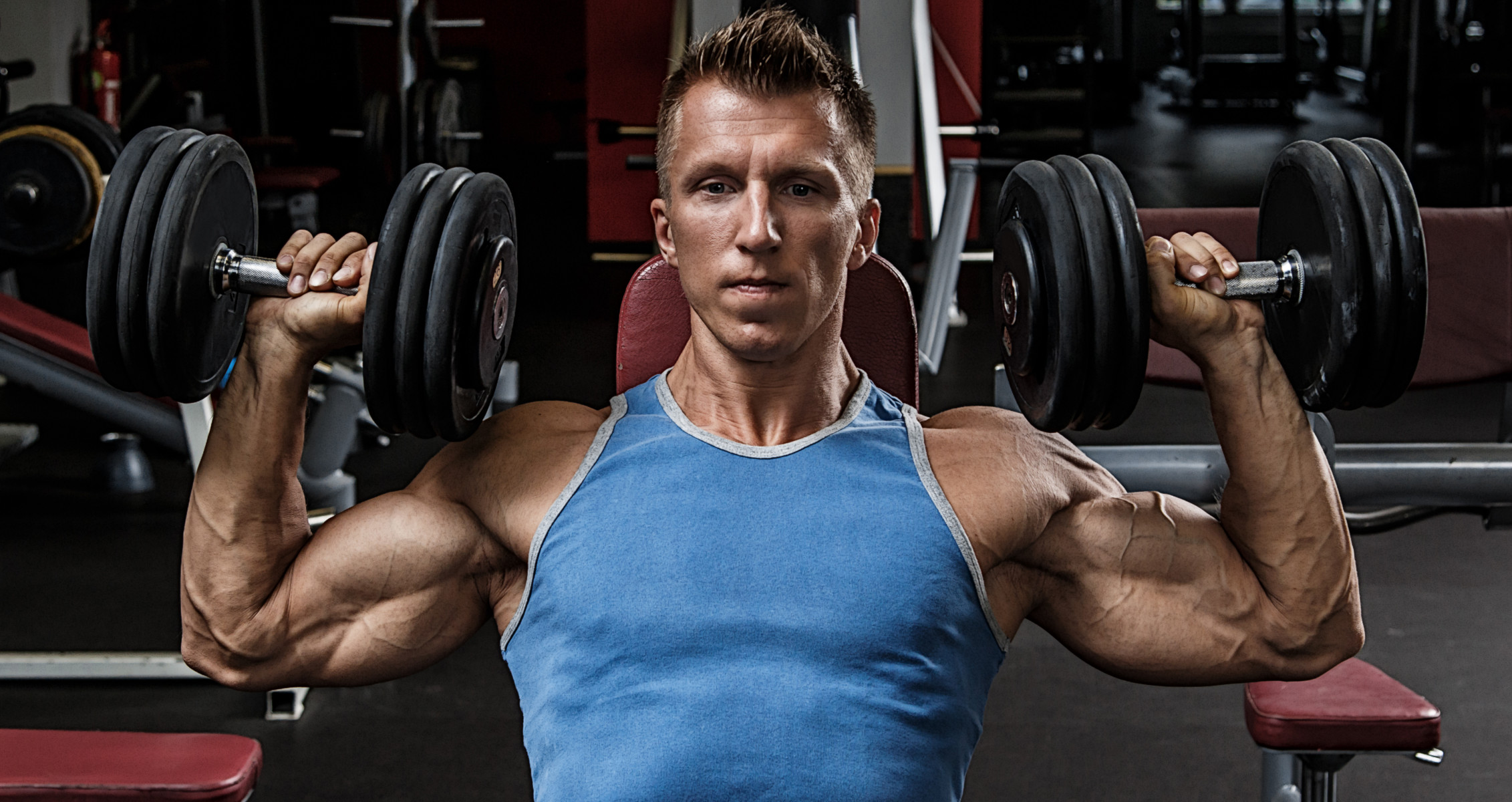
5 Ways to Make Your Shoulder Workouts Even Better
They say the shoulders make the physique. Here are five tips to fine tune your shoulder workouts to avoid any potential injury while growing cannonball delts.
1 – Warm-up with a bottoms-up press
Your workout starts with what you’re doing before those muscle-stimulating sets. To get the most from your shoulder workouts then warming-up with a few shoulder circles just won’t cut it. Instead, try a 2-3 sets of bottoms-up kettlebell presses (BUP’s). Sets of 8-15 work well.
[embedded content]
Why they work
Sure they look weird, but just a few minutes of BUP’s will result in more stable, well-greased and press-ready joints. BUP’s work through the principle of irradiation. In short, you’re forced to grip the bottoms-up kettlebell hard to stop it from falling. This increased tension in your grip and forearms irradiates down your entire arm to create more stability at your shoulder. It’s not only a way to “switch on” your shoulder stabilizers for literally any heavy press you want to throw at it, but also a good way to test your overall workout readiness.
2 – Switch your shoulder press grip
Some of the best delts are build with a hefty dose of overhead pressing. The problem is that most people just aren’t built to press straight overhead with a barbell. In the long-run this can cause pain and inflammation that can hold you back from making consistent and steady progress. If this is you then one option is to opt for dumbbells instead of a barbell, and use neutral (hammer) grip variations a much as possible.
[embedded content]
Why they work
Dumbbells offer more freedom and natural movement at your shoulder joints. One of the reasons why so many have shoulder issues is because it’s a very tightly packed joint. That space underneath the acromion process gets even more tightly packed when you go overhead, especially when your shoulder is in more of an internally rotated position as with any overhead press using a pronated (palms-down) grip. That’s not to say you shouldn’t do them, but some of you will be more tolerant of them than others based on your shoulders anatomy. Since a neutral grip helps to drive more external rotation at your shoulder joint and more “space” within the joint, it can be a better shoulder pressing option for many.
3 – Swap basic lateral raises for these
Basic lateral raises can become boring. Plus, doing them all the time will reduce how effective they are in helping build cannonball delts. Instead, try this eccentric variation to shock some new growth.
[embedded content]
Why they work
Eccentric lateral raises are one of the many exercises frequently credited to the late Coach Charles Poliquin. Bending your elbows on the concentric (lifting) portion shortens the lever arm from the dumbbell to your shoulder, making the dumbbells easier to handle. This also gives you the chance to focus on lifting with your elbows for pure delts isolation. On the way down the lever arm lengthens to a more disadvantageous position which provides an eccentric overload to your medial delts. Eccentrics are great for building muscle when applied correctly, as well as promoting tendon strength and the overall health of your shoulders. Start lighter than you think and take about 4-seconds to lower down on each rep.
4 – Do more Y-raises for medial delts
Lateral raise variations aren’t the only option to work your middle delts. To add more width to your shoulders then try doing y-raises on a bench using a palms-down grip. You’ll program these in much the same way you would your lateral raises.
[embedded content]
Why they work
Using an incline bench to support your chest works to maximize your stability and focus on the area you’re trying to hit hardest. The angle of the bench, dumbbells and arm path work to recruit more of your medial delts. It’ll take some practice to find the correct arm path here as it’ll vary individually, so don’t be afraid to experiment a little to find the angles that feel best to you. The focus should be on feeling it through your middle delts without any clunkiness going on in your shoulders. You can also do these similar to what are commonly termed a “trap 3 raise”. With that you’ll use a thumbs up grip and have a greater degree of external rotation at your shoulder. However with those it’ll target more lower traps and anterior delts.
5 – Build and bulletproof with “Y” Cuban presses
You already know that your rotator cuff muscles are important, and that it’s good practice to throw in strengthening exercises now and then. The problem with these is you don’t feel you’re getting a lot from them — You’re training to build bigger delts, not to work the little muscles you can’t see! Well, unfortunately these muscles are pretty darn important, and without them you wouldn’t have any shoulders to speak of. The more you work you delts the more important it is to strengthen your rotator cuff muscles, too. Here’s a good option that’ll not only strengthen your shoulder external rotators, but will also pump up your delts at the same time.
[embedded content]
Why they work
Fair warning: you won’t need much weight at all here. Some even find just holding a couple of Fat Gripz or baby pink dumbbells are enough! Y Cuban Presses are a 3-phase movement with various advantages to each. Whereas the basic Cuban press is essentially a wide upright row, external rotation and overhead press, with this variation you’re pressing outward more like a “Y” at the top. This makes the press portion even harder on your delts. If you want to drive up your bench press poundages or bulletproof your shoulders then throw in a few sets of 8-10 of these towards the end of your workouts.
For more news and updates, follow Generation Iron on Facebook, Twitter, and Instagram.
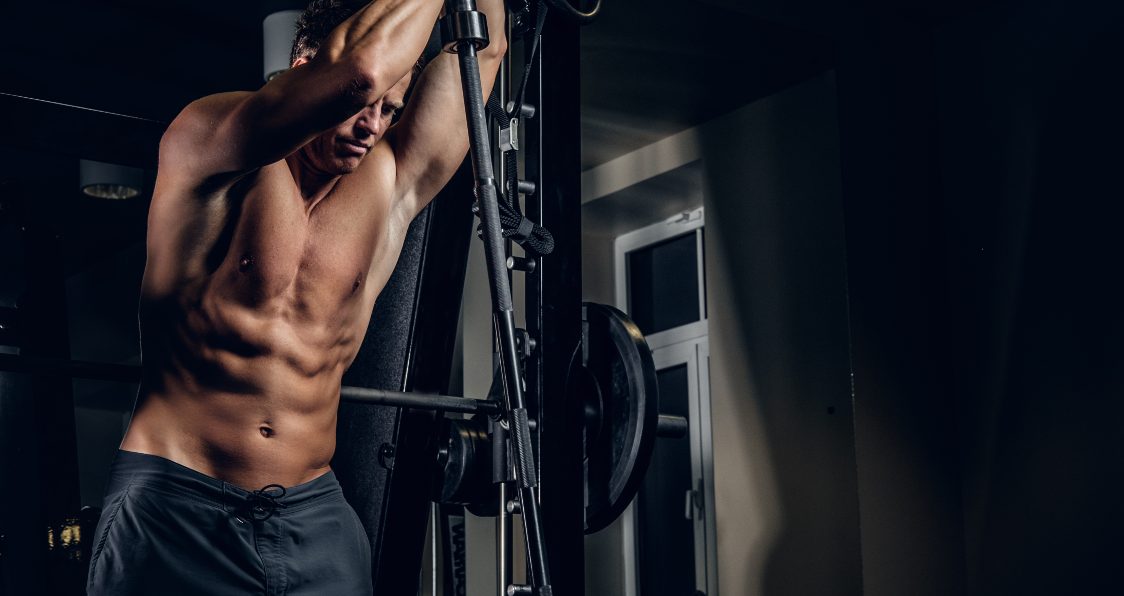
How The Landmine Press Boosts Strength Training
The landmine press has potential to seriously boost your pushing and pressing power.
When it comes to those exercises that require us to really push and press, we look to those we know best. These could include anything from the bench press, to the overhead press, and a host of others designed to give us the most when it comes to strength training in this regard. But there is one exercise you may have potentially overlooked and that is the landmine press. This exercise requires a barbell and is one to seriously provide some awesome gains that people will envy. As a comfortable and relatively simple movement to learn, you won’t be disappointed by the results.
Looking at exercises that especially work our pressing and pushing motions, it is important for us to consider the fact that we are putting so much extra strain on often times vulnerable areas of our body. Our shoulders, elbows, and wrists, although they may be strong, tend to be a bit more vulnerable than most other muscles and joints. For pushing and pressing exercises, it is important that we focus heavily on making sure we take care of these areas so as to not cause unwanted pain and injury that can effectively leave us out of the gym. The landmine press is one to offer a comfortable movement while still giving us benefits to see great growth.
Let’s jump into the landmine press and see what this is all about. From what it is, to muscles worked, the benefits involved, and how to perform, this guide will help prepare you to tackle this great exercise. We’ll offer some alternatives and other exercises to help see growth while also giving you the benefit of some potential supplements to help you see that massive growth we know you want and need.
What Is The Landmine Press?
The landmine press is a unilateral movement that is unique compared to others out there. This weightlifting exercise involves a barbell and a piece of equipment that attaches to the opposite end to hold the barbell in place on the ground. The pressing motion will see you lift the barbell overhead from around chest-level to give you a good range of motion as you work those upper body muscles (1). A great benefit to this exercise is that it will ease the pressure put on your shoulders and back to allow you to reduce strain and stay physically healthy while really promoting huge gains.
Muscles Worked
The landmine press is one to really aid in overhead pressing strength by working those upper body muscles to really make your physique pop. Your shoulders, triceps, and chest get some great work done with this movement, but one important group worked are your scapular stabilizers, which work to keep your shoulder joint as healthy as possible. By working these smaller muscles, you build a solid foundation for increased support and a chance to really stay healthy overall. Along with these muscles, you core will also get work done given the fact it needs to stay as engaged as possible throughout this exercise.
Benefits Of The Landmine Press
The benefits of the landmine press are great and work to build strength for sport specific exercises and other functional movements. What you’ll find is other benefits to support and stabilization as well which will aid in keeping you physically healthy throughout your training routines. Benefits include:
Increased pressing strength: By moving the barbell overhead and working on that pressing motion, you will build strength in the shoulders, triceps, and those smaller stabilizer muscles. This can work to tackle any imbalances and instability you may have (2).
Promote core strength: With the engagement of you core, you will work to stay grounded with increased support and stabilization to really keep you grounded and offer some assistance to that six-pack aesthetic (3).
Shoulder friendly: While many pressing exercises tend to put a lot on those shoulder joints, the landmine press works to be kind to your shoulders to avoid any unwanted pain and strain caused by potentially heavier lifts.
Great variations: Any exercise that offers a multitude of variations is one to include in your routine because you can constantly change your routine to stay engaged with your workouts.
Simple to learn: This exercise is fairly simple to learn and will prove to be more than beneficial in the long run as a convenient exercise for growth.
How To Perform It
Here are the steps for performing the landmine press:
Set your barbell up into the holder. On the end of the barbell you are lifting from, place your desired amount of weight using plates.
With your feet around shoulder-width apart, hold the barbell with both hands at chest height. Engage you core and place one hand on top of the other.
With a strong, stable pressing motion, extend your arms overhead, really working to maximize pressing power.
Pause at the top and slowly lower back down to your chest.
Repeat for you desired amount of reps.
What To Use As A Holder
If you are unable to or don’t have access to a landmine holder, you can use a 45-pound plate or the corner of a rack instead. Essentially, all the holder does is keep the bar in place so you don’t have to worry about it coming loose and slipping out from under you. The barbell should be secure, so as long as you have something to do that, you will be okay.
Landmine Press Tips & Advice
When look to maximize the effectiveness of the landmine press, here are some helpful tips to follow, or at least consider:
Keep your core engaged: This will prove to be vital as you lift more and more weight to keep your body stable.
Switch up your stance: If you desire, you can perform this exercise with different stances including the split-stance using the opposite leg and arm, a split-stance using the same side leg and arm, or a parallel stance which is similar to that of a squat or deadlift.
Programming: Look into sets and reps for whatever your goals may be. If your looking to gain muscle, something like three to five sets of mid-level reps will work wonders. For more endurance driven workouts, higher sets and reps with potentially lighter weight will work to your benefit.
Landmine Press Variations & Alternative Exercises
As mentioned before, the landmine press has many alternatives to try in order to keep you engaged and working those muscles differently to see increased growth.
1. Landmine Single-Arm Press
This will performed similar to the two arm press, but with a staggered stance, choose one arm to work. This can be done with the same side as the leg in front, or opposite to that leg.
2. Landmine Lateral Press
For those looking to target those lateral delts, this variation is similar to a lateral raise only you use the barbell. It will change up the muscle engagement and movement slightly.
3. Landmine Pinch Press
This is will be very similar to the plate pinch, only you squeeze the barbell at chest level with both hands and push the bar in and out, offering a nice chest workout and variation.
4. Landmine Shoulder To Shoulder Press
This will see the same movement as the landmine press, only you will alternate arms as you push the bar overhead and back down. Continuing to alternate will allow you to target both arms and their respective muscles at once.
5. Kneeling Landmine Press
The exact same movement as the standing press, you will be on one knee. This can be performed using one arm or both, depending on preference.
Supplements To Aid In Landmine Press Growth
We all know supplements are important to use to see increased growth and with a great exercise like the landmine press, you want to capitalize on those gains as much as possible. Using a protein supplement or pre-workout are staples for athletes looking to increase strength and size, but other supplements like testosterone boosters can work wonders, especially for those athletes suffering from low testosterone. With the right testosterone booster, your gains are just around the corner and your health improves greatly (4).
Improve your landmine press with these great testosterone boosters here!
Wrap Up
For those of us looking to increase our pressing and pushing ability, looking toward the best exercises to help us get there is vital. While we all know some of the essentials like the bench press and overhead press, some exercises with great potential may have been eluding us for quite some time. The landmine press is one to not take for granted as it can really work for your overall benefit, especially as you seek to lift that massive weight. By increasing strength and also working on support and stability, you can’t go wrong with the landmine press and the many benefits attached. Give the landmine press a try today and really see what it can do for your gains.
Let us know what you think in the comments below. Also, be sure to follow Generation Iron on Facebook, Twitter, and Instagram.
*Images courtesy of Envato
References
Waller, Mike; Piper, Tim; Miller, Jason (2009). “Overhead Pressing Power/Strength Movements”. (source)
Williams, Martin R. Jr.; Hendricks, Dustin S.; Dannen, Michael J.; Arnold, Andrea M.; Lawrence, Michael A. (2020). “Activity of Shoulder Stabilizers and Prime Movers During an Unstable Overhead Press”. (source)
Hibbs, Angela E.; Thompson, Kevin G.; French, Duncan; Wrigley, Allan; Spears, Iain (2008). “Optimizing performance by improving core stability and core strength”. (source)
Storer, Thomas W.; Magliano, Lynne; Woodhouse, Linda; Lee, Martin L.; Dzekov, Connie; et al. (2003). “Testosterone dose-dependently increases maximal voluntary strength and leg power, but does not affect fatigability or specific tension”. (source)

Conor McGregor Tops Forbes Highest Paid Athlete List
Conor McGregor is Forbes’ highest paid athlete.
There was a time when names like Lebron James, Floyd Mayweather, and Manny Pacquiao dominated Forbes’ highest paid athlete list. While James still made it onto the list it’s clear that there’s a new king in town. It appears that former two-division UFC champion Conor McGregor has topped the list.
One of the most popular and polarizing figures in sports today, Conor McGregor has come a long way. In 2013 he was still collecting welfare to make ends meet. Now he has seen his net worth skyrocket in the past 12 months.
Hard Work Pays Off
Besides his massive fights with Donald ‘Cowboy’ Cerrone and Dustin Poirier, Conor McGregor would earn a tremendous amount of money outside of fighting. Getting inside the octagon once paid the bills for McGregor. Now his entrepreneurial ventures have earned him the lump sum of his millions in the last calendar year.
His sale of his majority stake in his Proper No. Twelve whiskey brand to Proximo Sports saw Conor McGregor earn a cool $150 million. Not too shabby for the Irishman who didn’t know how he’d manage to pay his bills just eight short years ago. His total earnings tally in at $180 million.
So now that Conor McGregor has made tons of money from his fighting career, businesses, and endorsements, does that mean he’s hanging it up?
Well apparently not.
Conor McGregor is still scheduled to have the trilogy match with Dustin Poirier this summer. The two are one and one heading into the third fight. In fact, McGregor’s loss this past January is likely to make this third match with Poirier even bigger. Both men are set to earn a ton of money in this third match. The amount will easily eclipse their first to two bouts.
While Conor McGregor may have all the money he could ask for, the fact that he’s still competing says something about his yearning to leave a legacy. There’s no reason for him to compete outside of getting revenge and cementing himself as the better man in this rivalry. Most other people who have earned as much as him would kick their feet up and chill out, enjoy the good life and retire. But the fact that he still wants this fight shows that his competitive fire is still burning bright.
What do you think of Conor McGregor topping the Forbes’ highest paid athlete list?
For more news and updates, follow Generation Iron on Facebook, Twitter, and Instagram.
Managing Editor at Generation Iron, Jonathan Salmon is a writer, martial arts instructor, and geek culture enthusiast. Check out his YouTube, Instagram, Twitter, Facebook, and Sound Cloud for in-depth MMA analysis.
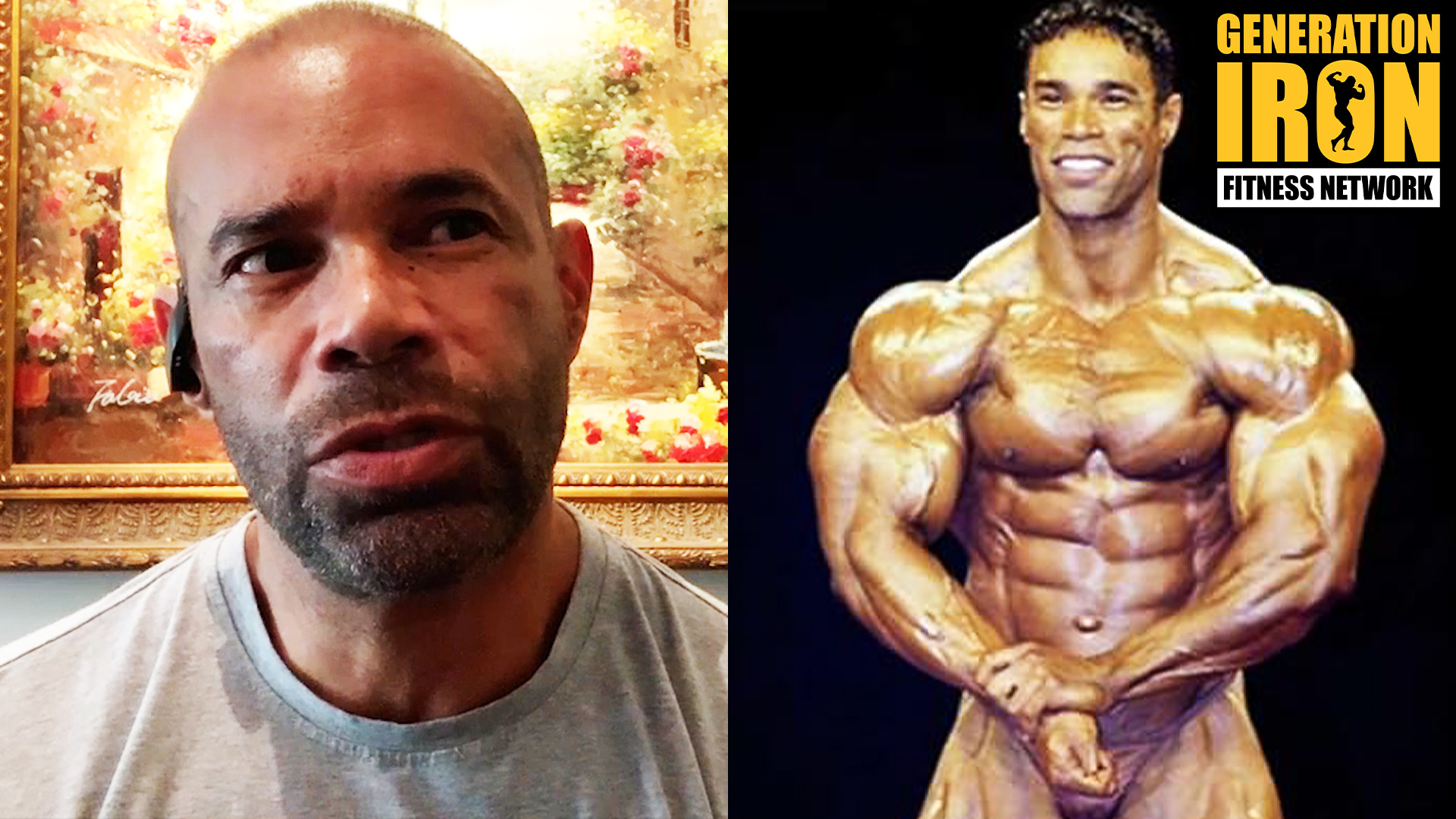
The Reason Kevin Levrone Drank Jack & Coke And Improvised Posing Routines At Shows
Kevin Levrone describes his unusual tactic for “feeling the mood” just moments before competing on stage.
Kevin Levrone is known for being one of the best bodybuilders of the 90s and perhaps even of all time. Beyond his impressive physique, part of his fame came from his stellar posing routines. Bodybuilders traditionally practice their posing routine for weeks on end. But Levrone would completely improvise his posing. He didn’t even pick his music until just minutes before stepping on stage.
That tactic might seem reckless. But Kevin Levrone put extreme importance on “feeling the mood” of the audience and the venue location. Syncing in to that mood would help him elevate his posing routine. It’s likely part of what made him so legendary to this day. In our latest GI Exclusive interview, Kevin Levrone goes into detail about his last minute posing routines and his tactics for connecting with the audience.
During our video conversation with Kevin Levrone, we touched briefly on the topic of alcohol and bodybuilding. Can a bodybuilder drink alcohol and be successful on a pro level? This question quickly spiraled into an interesting discussion about Levrone’s posing routines and his tactics on the night of a competition.
Kevin Levrone admits that he never prepared his posing routines in advance. In fact, he would bring multiple tapes of music and not submit them until just moments before he stepped on stage. The reason? He wanted to “feel the mood” of the audience and the venue location.
[embedded content]
Check out our latest GI Exclusive with Kevin Levrone above!
This is where the alcohol comes in. By no means did Kevin Levrone drink alcohol as part of his regular bodybuilding diet. But on the night of a show, he would make himself a Jack and Coke backstage. Levrone states that this was simply to help loosen him up. This, in turn, would help him feel out the vibe being emitted from the audience.
Kevin Levrone believes that every single competition venue has a different atmosphere and feeling. Vegas is different than New York. New York is different than a competition in Europe. Each night is different due to the energy of the audience. Levrone wanted to tap into that energy so he could be fully in-sync with the judges and the crowd.
So Kevin Levrone would make himself a Jack and Coke, relax, and feel the vibe. He would bring multiple tapes of music and then decide his song last minute based on that vibe. This would often get him in trouble and even fined for submitting his music so late. But to Levrone, this was a small price to pay to elevate his routine to the next level.
This tactic is quite different than the usual messaging you receive from pro bodybuilders. Posing is certainly important. It can create an illusion through angles and flexing that makes your physique look even more impressive that it really is. This vital when being judged.
Due to this, many pro bodybuilders stress the importance of consistent training and practicing of posing routines before a show. While Kevin Levrone most likely still practiced his mandatory poses – his improvised posing routines seemed to give him an edge. Living in the moment helped showcases his physique more than prepping in advance and getting too stuck in his head.
Of course, that’s simply what worked for Levrone. It’s part of what makes him a rare and legendary athlete in the sport. It’s not a tactic that might work for everyone. It might not even work for most.
You can watch Kevin Levrone go into full detail about his competition tactics in our latest GI Exclusive interview segment above!
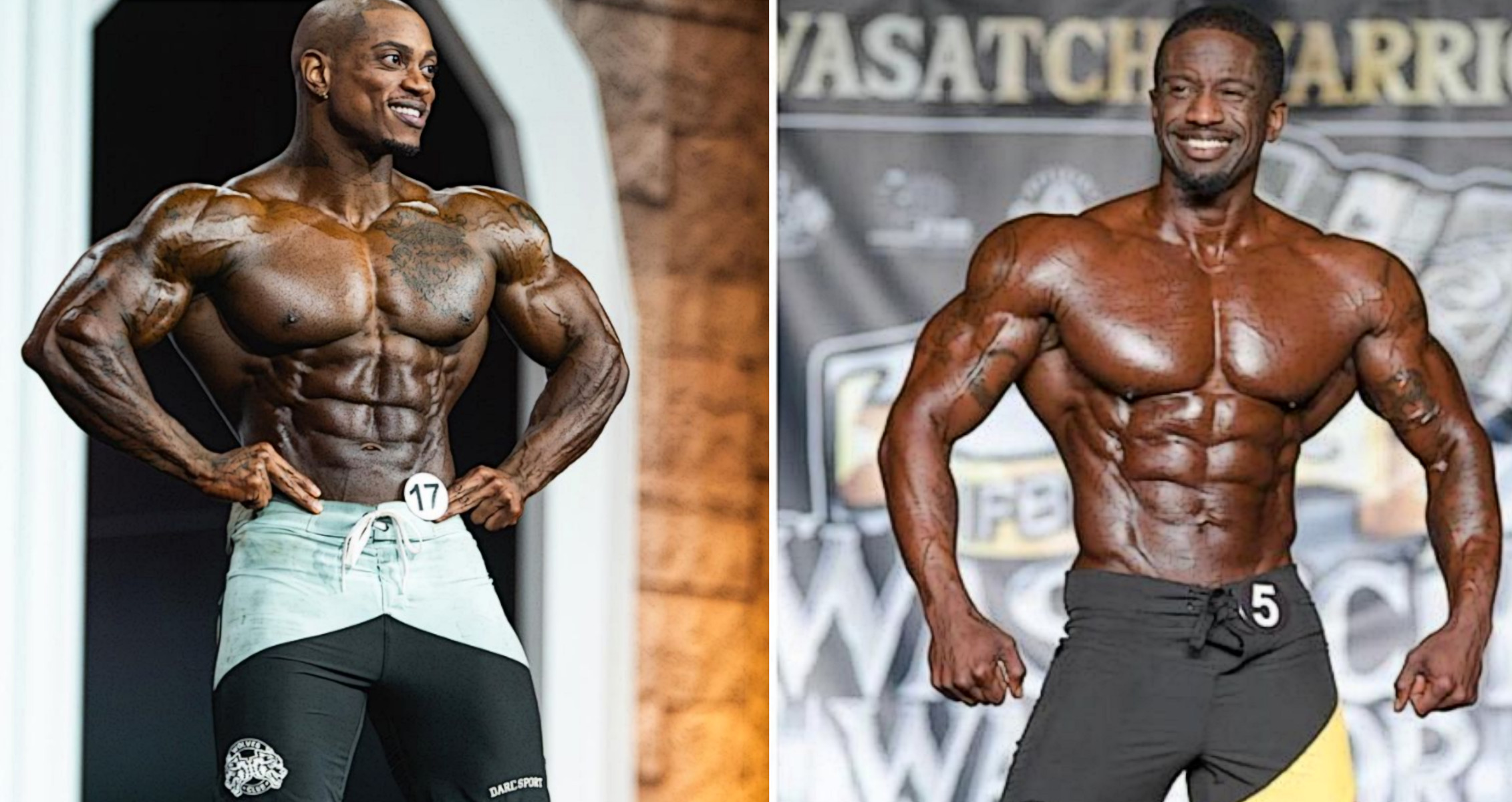
Brandon Hendrickson Alleges He Was Assaulted By George Brown Ahead of Olympia
Brandon Hendrickson alleges he and George Brown had a less than friendly run in at the 2020 Olympia.
So it appears that Men’s Physique Olympia champion Brandon Hendrickson had a pretty interesting time at the 2020 show. Not only did he pick up a major win, but it appears that Hendrickson had a bit of an altercation with a fellow competitor. According to Hendrickson, he was physically assaulted by George Brown.
While these are merely allegations at this moment, this is nothing to scoff at. Brandon Hendrickson was pretty vehement about his claim. According to him and George Brown had a less than friendly run in at the 2020 Olympia this past December.
During a recent interview, Brandon Hendrickson went in depth about the alleged altercation he had with George Brown. Hendrickson alleges that the altercation with Brown was over a dispute with their (former) mutual coach, Mandus Buckle. In the interview Brandon Hendrickson speaks in detail on his dispute with Mandus as well as Brown.
A Not So Friendly Encounter
“Two days out from the 2020 Mr. Olympia, I get assaulted,” said Hendrickson. “Nobody knows this, but I get assaulted by (Brown) two days out from Mr. Olympia. I had to call Jim Manion, I had to call Dan Solomon. They all know about this.”
“I was physically assaulted. If it goes to court, we’re going to go get video from the hotel. If it goes to court. It was at the host hotel.
“I left Mandus, and George is with Mandus,” explained Hendrickson. “After the show, after all my shows I give Mandus money for whatever, just to be my coach. He doesn’t ask me for anything, I just give it to him. So I left him, now he’s asking for the money two weeks out. He’s asking me to pay him whatever I owe him…some $700.
“My lawyer’s like ‘Leave Brandon alone, he needs to do his show. We’ll focus on the money after the show.’ George Brown, two days out at the meet and greet, the Thursday, he bumps my elbow. He was like ‘You know you owe that n-word Mandus money, $700.’
“So I looked at George and I’m like ‘You have nothing to do with this. This money that I owe Mandus is about me and Mandus, it’s not me you.’
“That night we go to the Uber pickup, George is there. Me and my wife are there, and I see George. He walks up and literally checks me with his elbow in my arm. So I had to put a defense up. He checks me, and he says ‘Get the eff out of my way, stay the eff out of my way,’ and walks off.”
These are some pretty serious allegations by Brandon Hendrickson. While no serious injury occurred, should these allegations be proven true, it still must have been a lot to deal with ahead of competing at the Olympia.
While nothing has has been confirmed by the other parties involved, this allegation is sure to stir up trouble for Mandus Buckle and George Brown.
The Generation Iron team will continue to follow this story as it develops.
For more news and updates, follow Generation Iron on Facebook, Twitter, and Instagram.
Managing Editor at Generation Iron, Jonathan Salmon is a writer, martial arts instructor, and geek culture enthusiast. Check out his YouTube, Instagram, Twitter, Facebook, and Sound Cloud for in-depth MMA analysis.
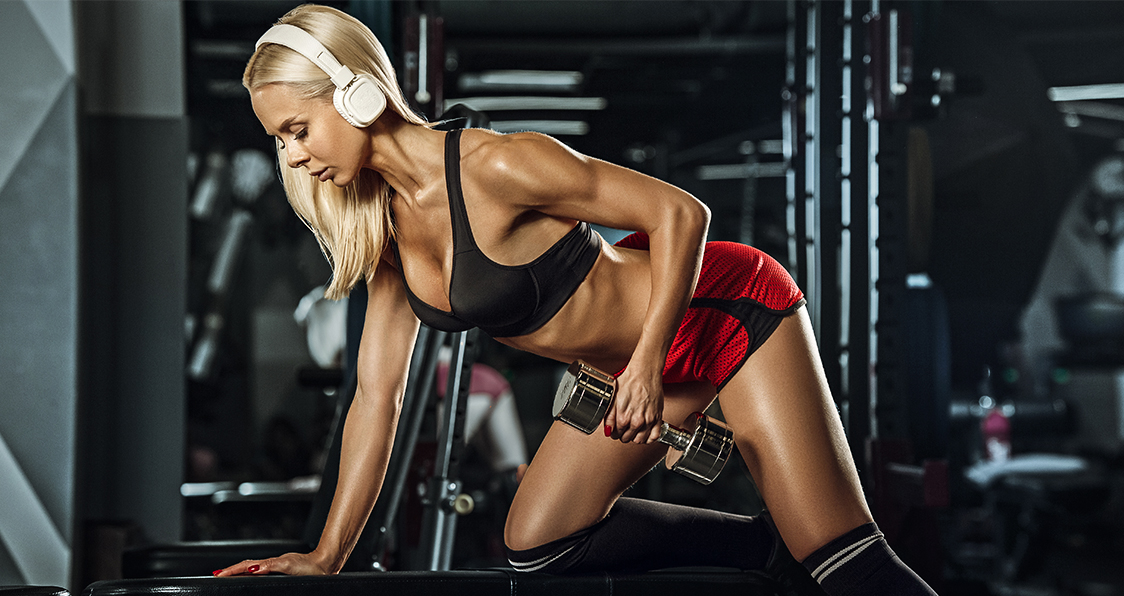
Top 10 Things Every Woman Should Know About Strength Training
Women tend to keep a distance from the gym – especially the weights – because of the myths that have been pelted by broscientists for decades. Most of the ill-things that are said about women’s strength training are either incorrect or unproven.
Through this article, we want to put an end to the obnoxious myths and list a few benefits of strength training for women. You’ll surely be shocked – in a good way – to know some of the advantages of hitting the gym.
What All Should You Do?
If you want results, you should follow a structured plan that must include compound, isolation and isometric exercises. Sticking to one form of training will make you hit a plateau sooner or later.
You Won’t Become Manly
Most girls shy away from the weights because they have been told that it can make them look manly. Women don’t generate enough testosterone to build muscles like boys. Training with weights, on the other hand, will help you tone, sculpt and tighten your muscles.
Spot Reduction Doesn’t Work
If you always shake your head unapprovingly while watching ads about sauna fat reduction belts but go to the gym and solely rely on crunches to lose belly fat, you’re in the same boat with the people who buy spot reduction products. Spot reduction is a myth. If you want to shed weight, you’ll be better of doing HIIT cardio.
Lifting Weights is Not Necessary
Many people have the misconception that strength training can’t be done without lifting weights. Lifting weights is a small part of resistance training. If you don’t like to pump iron, you could use resistance bands, medicine balls, do bodyweight exercises, etc.
You Don’t Have To Train Every Day
A busy schedule and the inability to hit the gym every day shouldn’t stop you from starting your transformation. Design your workout program around your hectic schedule and not the other way around.
What Should Be Your Intensity?
Many people are confused about the weights they should be lifting, the number of reps they should be doing and the amount of time they should be spending in the gym. There is no short answer to this question. Your intensity will depend on your goals and current experience level.
A beginner who wants a chiseled physique should be spending at most an hour in the gym, doing 12-15 reps per set and using moderate weights. A pro should be spending the same amount of time in the gym as the beginner, lifting heavier weights and doing a lesser number of reps.
How To Get Better?
Like other things, you can only get better at fitness by putting in the time. Malcolm Gladwell, an award-winning writer, thinks that you need to dedicate 10,000 hours to a subject to achieve mastery. We’re sure you can transform your physique by putting in a fraction of this time.
You Won’t Gain Weight After Quitting
Some people believe that once you quit working out, you go back to your old self. They use this myth as an excuse to never start working out. While you might lose your peak conditioning after you quit training, you won’t go back to ground zero if you control your diet and engage in some kind of physical activity.
One Fitness Plan Works For Everyone
Googling “the best fitness program for beginners” is the first thing most of the noobs do when they start their fitness journey. Remember – there is no one-program-fits-all solution for physical transformations. For desired results, design a fitness program that suits your lifestyle and schedule.
Consistency is Key
Discipline and consistency are the names of the game when it comes to fitness. If you can’t stick to a diet, training or recovery program, you should never start a transformation program in the first place. Save yourself the time, energy and money.
How often do you work out? Let us know in the comments below. Also, be sure to follow Generation Iron on Facebook and Twitter.
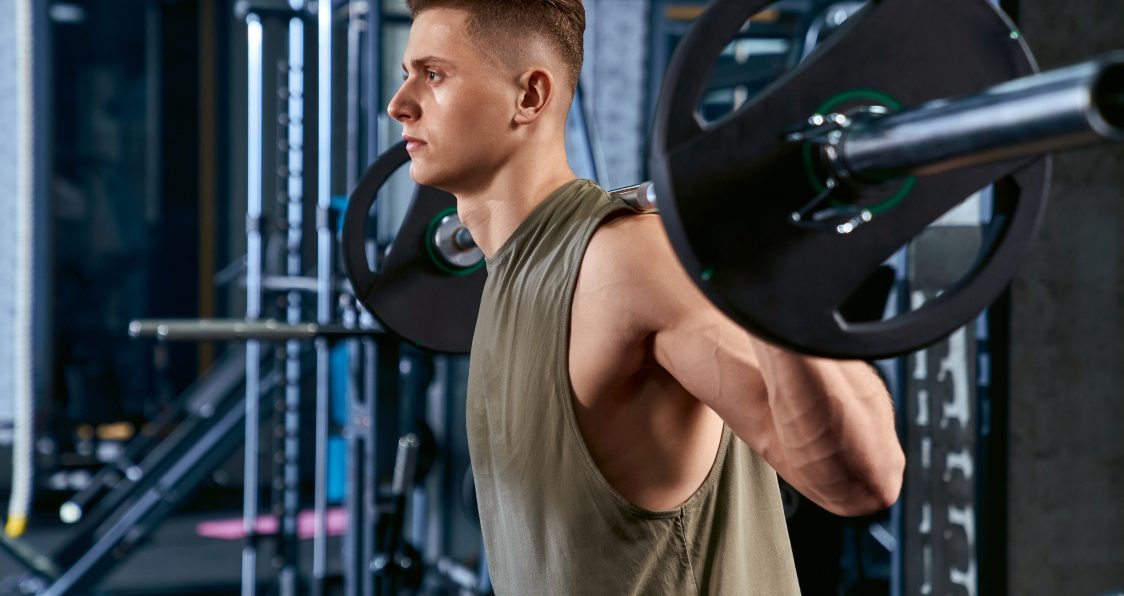
What Is The Steinborn Squat & Is It Worth It?
This squat may look comical but it is no joke once under so much weight.
If you watch a video of the Steinborn Squat, you would think we were joking. We always preach about good form and how taking care of ourselves physically is vital for keeping us in the gym and keeping that mindset intact. Watching someone perform the Steinborn squat with 405 lbs. is like holding your breathe under water, as you question what could possibly be going through their head. The way the body contorts, the strange, sudden movement of the bar as it falls onto the shoulder blades, and the massive load taken as you perform the squat portion all make you think this lift is crazy. But people still do it.
A bit of a circus type lift, the Steinborn squat comes from a lifter Henry Steinborn, who is by all accounts, a real pioneer in the lifting world. As someone putting up huge numbers and breaking PRs at the time, Steinborn held a respected streak of feats and was a specimen for human strength at that time. This squat may be one to scoff at first glance but is no laughing matter once under such weight.
Let’s take a look at the Steinborn Squat and see what this lift is all about. From what it is, to muscles worked, the benefits, and how to perform it, we’ll explore if this lift is something to even try. Do the benefits outweigh the cons and just how vital is this lift for us to see growth. It’s all below, so let’s get into it.
What Is The Steinborn Squat?
The Steinborn squat is a challenging and unorthodox lift which sees the athlete lift the bar to the point it is parallel to the ground, then slowly roll it on their back as they perform a free standing squat. While it may look as though it is an injury waiting to happen, when done properly, it is an example of the human potential and the resilient nature serious lifters have so technique is key (1). One to impress anyone in the gym, it may not be the best exercise for you to perform. It’s almost like a game of chance with your low back and our guess is that your back wants no part in it. Yet still, for those who do partake in the Steinborn squat, when done properly, it can be a cool lift to try.
Muscles Worked
For the most part, this exercise is a lower body builder working your quads, hamstrings, glutes, and adductors. Given this has a massive squat component to the lift, it makes sense this lift would challenge your lower body in a great way. Aside from your lower body, this lift can give your back some work, as well as your obliques and delts.
Benefits Of The Steinborn Squat
This exercise will still see great benefits, it is important however to consider this lift needs proper form and the utmost care for your body before you undergo such a grueling lift. Benefits for this lift include:
Increased strength: This lift will definitely build strength and size as a seriously effective movement in your workout routine. It will work for both functional strength, as well as more sport specific, but either way, you get that great benefit (2).
Importance of form: To often do we take form for granted and this lift won’t allow for any nonsense. By performing this lift, we learn the true value of technique and just how important it is to really give your full attention to it.
Challenge stability: With this lift being performed outside a squat rack, it will really test your ability to stay balanced, especially under such a large load (3). Starting with the squat portion already at the bottom requires you to find stability under such weight, thus challenging your core strength as well.
Mental test: As mentioned earlier, this lift tests the human limits and ability to get work done. If you can properly perform this lift, your confidence will surely increase ten-fold, which is exactly what you want and need.
How To Perform It
Here are the steps for performing the Steinborn squat:
Set your bar up with the desired amount of weight. Squat down on one end of the barbell as if you were going to deadlift it.
As you lift the bar up, it will be perpendicular to the ground. Start to set your grip on the bar while keeping your body engaged, preparing to take on such a load.
Once your grip is set, start to get the bar into a squat position, slowly beginning to rest it on your back and rotating to the center once the bar is comfortably on your back.
Once in that deep squat, find your balance, engage your core, and perform a squat.
Once done, you can either reverse that movement back to get the bar on the ground, or you can simply place it in the rack.
Is It Worth Doing?
For those with vulnerable or more sensitive backs, this lift is not recommended. For those with poor form as well, this lift is probably not for you. The amount of load put on your body is immense and if not done properly, it can lead to some real issues down the line. If you do try this lift, it is a great test of the human capacity for mental will and resilience and who knows, you may end up really liking it.
Wrap Up
The Steinborn squat is definitely not one of those conventional lifts but what it can do is more than you may think. While it will build strength and enhance stability, it is more so a test of the human will to lift massive weight. Starting back with Steinborn himself, this lift is one for all to envy and not one to be taken lightly. If you’re willing to try, give the Steinborn squat a go and see what it can do for you.
Let us know what you think in the comments below. Also, be sure to follow Generation Iron on Facebook, Twitter, and Instagram.
*Images courtesy of Envato
References
Comfort, Paul; Kasim, Peter (2007). “Optimizing Squat Technique”. (source)
Gullett, Jonathan C.; Tillman, Mark D.; Gutierrez, Gregory M.; Chow, John W. (2009). “A Biomechanical Comparison of Back and Front Squats in Healthy Trained Individuals”. (source)
Chandler, T. J.; Wilson, G. D.; Stone, M. H. (1989). “The effect of the squat exercise on knee stability”. (source)
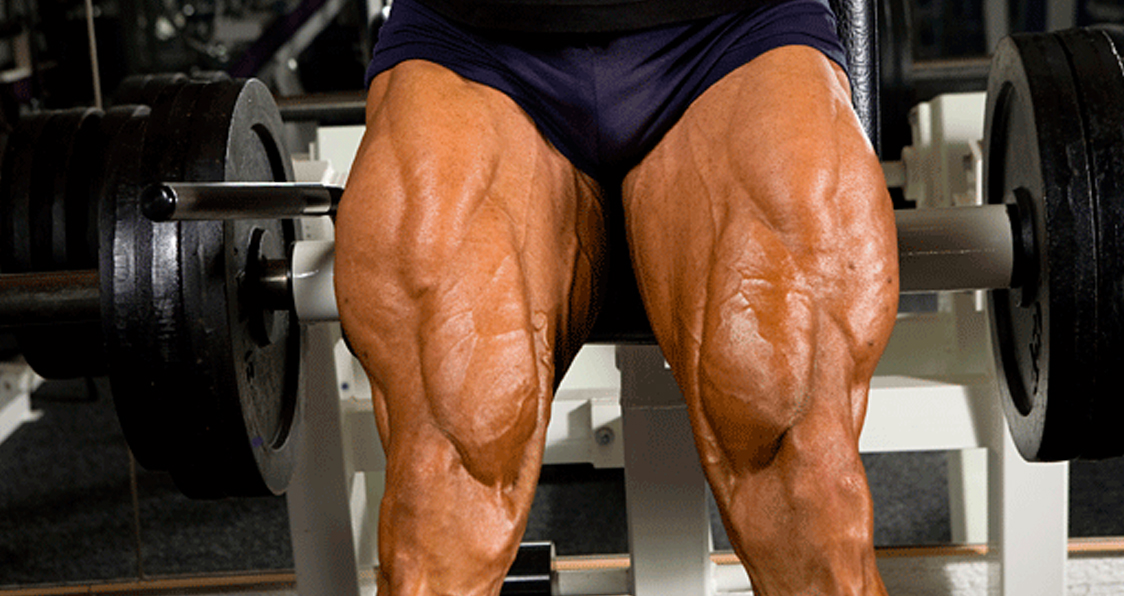
The Key To Massive Legs
Raise your very own quadrasaurus.
Having gigantic ripped legs are things of legend. Sure, everyone loves having massive biceps and chests – but that’s the obvious choice. When you see someone with truly massive legs it’s a sight to behold.
But why don’t you have legs like that? (Unless you do, then congratulations!) We’re here to help you out with that. Many people tend to take it easy on their leg workouts or even skip it all together. This is mostly because legs are one of the harder areas to make look lean and massive.
But instead of giving your legs the silent treatment, here are some ways that you can improve your leg workout game and hopefully build some truly massive muscles.
Your Deadlift and Squat Form Really Sucks
Let’s start off with a simple one. Almost everyone knows that deadlifts and squats are essential workouts for bodybuilding and a great way to strengthen your legs. But it’s not that simple if you are slacking off and screwing up your form. If you curve the crap out of your back on squats or slam the weight down onto the floor for every deadlift rep – you are doing something wrong. This leads to ineffective muscle building. It leads to an inflated sense of how much you can lift. It leads to weak legs. The opposite of what you want.
Use Isolated Movements as Accessory Exercises
This is where a lot of people make mistakes. All of those machines like Leg Extensions and Leg Curls should not be the main focus of your leg workout. These are not go to machines that will make your legs look like bulging monsters.
But don’t ignore these exercises completely. You can work with these machines at high repetitions and medium resistance to really isolate and tone your quads and hamstrings. While the compound exercises will really bulk up the muscle – these exercises will perfectly tone them into incredible definition. Think of these as accessories and not the main meal.
Make Sure to Work Unilaterally
No matter who you are, almost everyone is either right or left dominant. This goes for any body part. This means that when you work your muscles one is always doing a little bit more work than the other.
In order to prevent this, you need to include unilateral workouts into your routine. Exercises like lunges, single leg squats, and single leg deadlifts are surefire ways to make sure your muscles develop evenly.
We suggest that you perform these exercises at the beginning of your workout rather than the end. It’s very common to see these kinds of exercises as something you just sort of tack on at the end of the day. This leads to a half-hearted performance on your sets. Try to hit these exercises while you are fresh to improve the balance between your muscles.
Exercises You Should Add to Your Arsenal
With all of these helpful tips to help you move towards bigger and stronger legs, let’s put all of the essential workouts that you should use in your workout arsenal. Try mixing and matching these different exercises to create something that really maximizes your muscle gains.
Major Exercises
Squats
Traditional Deadlifts
Stiff Leg Deadlifts
Sumo Deadlifts
Romanian Deadlift
Power Clean
Single Leg Squats
Single Leg Deadlifts
Accessory Exercises
Lunges
Leg Extensions
Leg Curls
Standing Calf Raises
Are you a master of meaty legs? Share your tips with us in the comments section below. You can also give us a shout out on our Facebook and Twitter pages too.
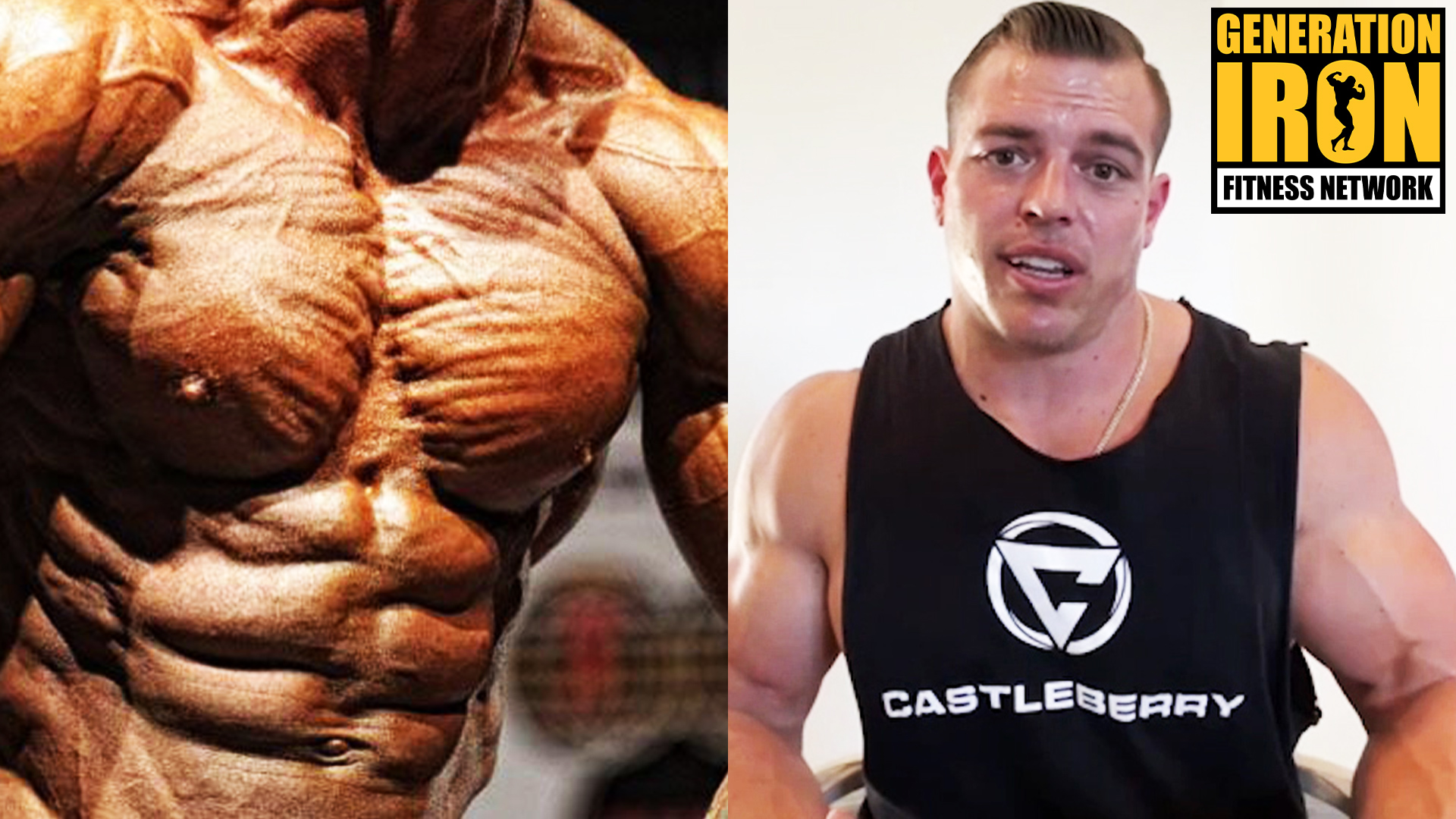
Brad Castleberry Explains: Is 24 Hour Intermittent Fasting The Key To A Shredded Physique?
Brad Castleberry explains how 24 hour intermittent fasting can be an extra tool to create a lean and conditioned physique.
Brad Castleberry has his fair share of controversies but one thing that can’t be denied is his fantastic and consistently lean physique. He’s the kind of bodybuilder that maintains great conditioning all year. This can be a true challenge given the twists and turns life throws our way every single day. So how does he do it? We asked Castleberry that very question. In our latest GI Exclusive interview, Brad Castleberry details his tactics, including intermittent fasting, for maintaining a shredded physique year round.
Brad Castleberry is the kind of bodybuilder who can throw off his shirt any day of the week at any point of the year and look shredded. While genetics play a big part of that ability – Castleberry doesn’t want to be written off just for good genetics alone. The truth is that maintaining a consistent conditioned physique takes a lot of work. The kind of work you can never take a break from.
In our new video conversation with Brad Castleberry, we asked him how he stays shredded all year round. He explained that it’s all in the diet. Most importantly, it’s about being extremely strict in your diet every single day, 365 days a year. That’s the part that’s a challenge for almost everyone. There’s no days off. There’s no breaks. There’s no turning on and off the diet. If you want to look like Castleberry throughout the year – you need to work throughout the year.
Of course, this isn’t the answer people want to hear. They want to know tips and tricks to make that hard work easier. Or how to optimize their diet habits to make the goal more obtainable. For Brad, his key additional tactic is 24 hour intermittent fasting.
[embedded content]
Check out our latest GI Exclusive with Brad Castleberry above!
Brad Castleberry details how he fasts for a full 24 hours one day per week. Absolutely no food or carb filled drinks for a full day. He swears by it and he claims it’s a helpful tool to bringing in your physique to truly shredded levels. Though he does warn that this is just a cherry on top. It’s not the end-all be-all way to become shredded. If you’re eating like a slob but intermittent fasting – it won’t work.
Beyond helping his physique – Castleberry also shares the benefits of doing a full 24 hour fast once per week. He claims that it actually helps your energy levels rather than depletes them. Many people think that fasting will make you drained and tired. But the opposite is true if you do it intermittently. It detoxes your system and the hunger can help keep you focused. That focused energy can help you stay on track with your goals. This includes eating healthy and keeping your strict diet the rest of the week.
While this advice is purely anecdotal, it’s no secret that intermittent fasting has been proven to help with weight loss (if paired with a healthy diet). Fasting for a full 24 hours is not the only way to intermittently fast. You can also fast for 16 hours and eat within an eight hour window every single day. There are a variety of intermittent fasting tactics available. They all work. For Castleberry, going all in on a 24 hour fast works best for his lifestyle.
If you’re the kind of person who already eats well but has trouble getting your physique to that next level of shred. Consider intermittent fasting as a helping hand to your routine. It might just be the edge you need to become a lean mean bodybuilding machine. Just don’t use it as an excuse to scarf down an extra cheat meal after you fast.
You can watch Brad Castleberry breakdown his full tactic for staying as lean as possible all year in our latest GI Exclusive interview segment above!
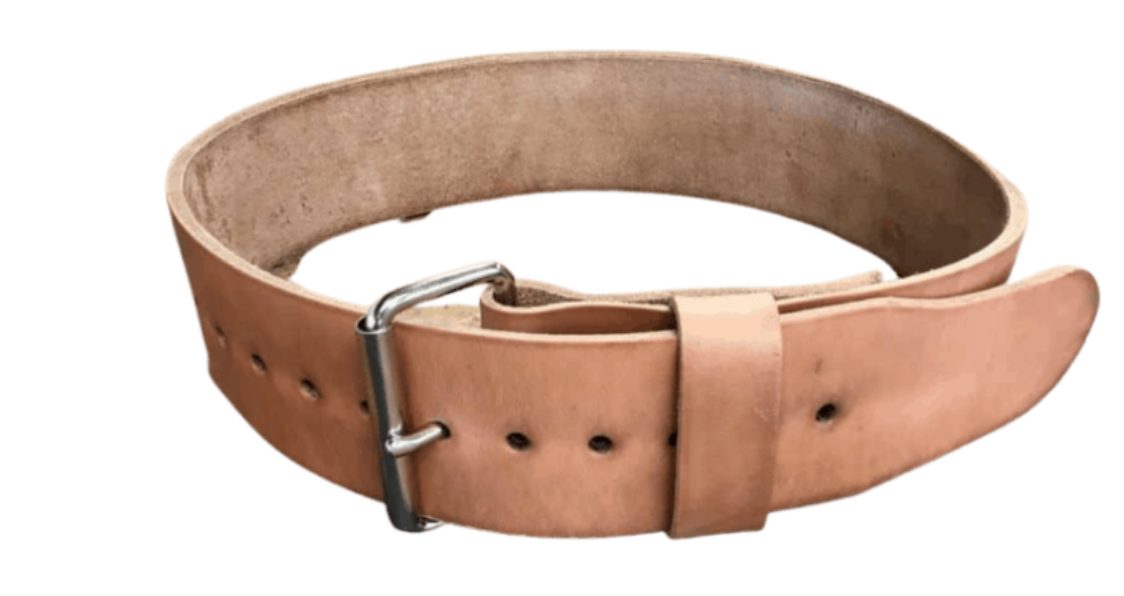
Pioneer Leather Deadlifting Belts Review For Strength & Quality
These options from Pioneer are sure to protect and support you as you deadlift insanely massive weight.
Product Overview
Time and time again, you’ve heard people rant and rave about weightlifting belts. You’ve thought to yourself that you don’t need it, that it’s probably a waste of money, or that you don’t lift heavy enough to deserve to wear one. Its time to rethink however you view weightlifting belts because the benefits far outweigh any excuse you can come up with. For those of you who love wearing lifting belts and can’t go without them, help us out and try to convince the others to hop on board. Pioneer Leather Deadlifting Belts are great products for strength and support while being ultra-high quality and they just might change your mind for us.
What you will find out of a good lifting belt is a host of benefits designed to keep you physically healthy in the gym. By putting pressure on your abdominal cavity, you work to stabilize the spine and take pressure off the low back, thus adding great support (1). With better stabilization, you now have a solid foundation to increase strength and power, as well as promote better form and technique. With a reduced chance of injury, you’ll keep grinding away for days (2). Pioneer products are designed to give you the edge when it comes to growth and support and these deadlifting belts are no different.
Shop at Pioneer
Pioneer is a division of General Leathercraft Manufacturing, Inc., a premiere company creating high-quality leather products including weightlifting belts and other exercise accessories and aids. With a great product line dedicated to assisting the needs of athletes everywhere, Pioneer has made it their mission to keep active individuals healthy and safe, especially as they lift big weight. Along with an amazing line of lifting belts, Pioneer also produces top tier knee wraps, wrist wraps, elbow wraps, and other equipment to keep athletes safe overall. Their mission is to provide great customer service and a product you will love to have and use. A company full of integrity and quality, Pioneer is a standout in the exercise equipment community.
Pioneer Leather Deadlifting Belts Highlights
Pioneer Leather Deadlifting Belts are made from full grain sole leather to allow for repeated abuse and the prevention of wear and tear over time and are 6.5mm thick. The nickel-plated rivets and buckles hold this belt together and show true craftsmanship both in terms of look and quality. The beveled edges are put in place for added comfort, giving customers a sense of ease that Pioneer cares about the smaller details as well in their quest to make a great belt. Strong enough to be durable and last a long time while also allowing for comfort and versatility, you will feel great about any workout that comes your way. Made right here in the United States, this belt is an all around great addition to your gym bag and workout routine. And a wise choice at that.
3 Pioneer Belt Options
With these deadlifting belts, Pioneer has designed three options so you can find the best fit for you. For something you need to rely on to help keep you safe and lifting big, you want something comfortable and versatile, yet one you can trust.
3’’ Leather Deadlift Belt
The 3’’ belt is great for those looking for that middle of the road option. It will offer nice support and a snug fit, without feeling too suffocating or not as tight. A comfortable option for those unsure of their size, meeting in the middle is always a solid first step before experimenting with what works best for you.
4’’ Leather Deadlift Belt
Pioneer’s 4’’ belt is great for those who feel they need a bit more support with a bit bigger of a belt. This will allow for a tighter, more compressed feel, yet with Pioneer’s high quality and well built belt, you will still have comfort and versatility to move freely and perform any big lift you desire. For those on the bigger end of size, this may be a great belt for you as well.
2’’ Leather Deadlift Belt
The 2’’ belt is an interesting one for it is rather skinny compared to its counterparts. For those looking to move even more freely while still having some sort of compression against them, the 2’’ belt is a good option. If you are typically bothered by things feeling snug around the waist or potentially digging into your hips, this belt may be a good option for you in terms of fit.
Price & Effectiveness
Pioneer Leather Deadlifting Belt is made from high quality leather and will allow for durability and support, while also providing comfort and versatility. With three great options in 2’’, 3’’, and 4’’, you can’t go wrong with finding the best fit for you.
Pros
Three great size options with all being 6.5 mm thick
Nickel plated rivets and buckle are durable look great
Full grain sole leather allows for great strength and pliability
From a reputable and honest company in Pioneer
Cons
Unknown if belts are approved for competition or not
Check out our list of the Best Weightlifting Belts for more awesome products!
Overall Value
Pioneer Leather Deadlifting Belts are great lifting tools to really boost all areas of your physical health and wellness. By providing support and stabilization for those massive lifts, you start to see the results you want in terms of increased strength and size while protecting yourself against injury and stress on the low back. Pioneer has designed and created some amazing workout products and these lifting belts are no different. High quality leather matched with a sleek look and attention to the smaller details, this belt has the potential to seriously enhance all areas of your lift. What you are really getting is a top tier lifting belt made from quality material with three size options from a company who knows the needs of athletes. Check out Pioneer Leather Deadlifting Belt today and see what this can do for those deadlift PRs.
Check Out Pioneer Leather Deadlifting Belts Here
Generation Iron may receive commissions on purchases made through our links. See our disclosure page for more information.
Let us know what you think in the comments below. Also, be sure to follow Generation Iron on Facebook, Twitter, and Instagram.
*Images courtesy of Pioneer and Envato
References
Miyamoto, K.; Iinuma, N.; Maeda, M.; Wada, E.; Shimizu, K. (1999). “Effects of abdominal belts on intra-abdominal pressure, intra-muscular pressure in the erector spinae muscles and myoelectrical activities of trunk muscles”. (source)
Finnie, S. B.; Wheeldon, T. J.; Hensrud, D. D.; Dahm, D. L.; Smith, J. (2002). “Weight Lifting Belts: Motivations For Use”. (source)