
Muscle Chemistry Archive
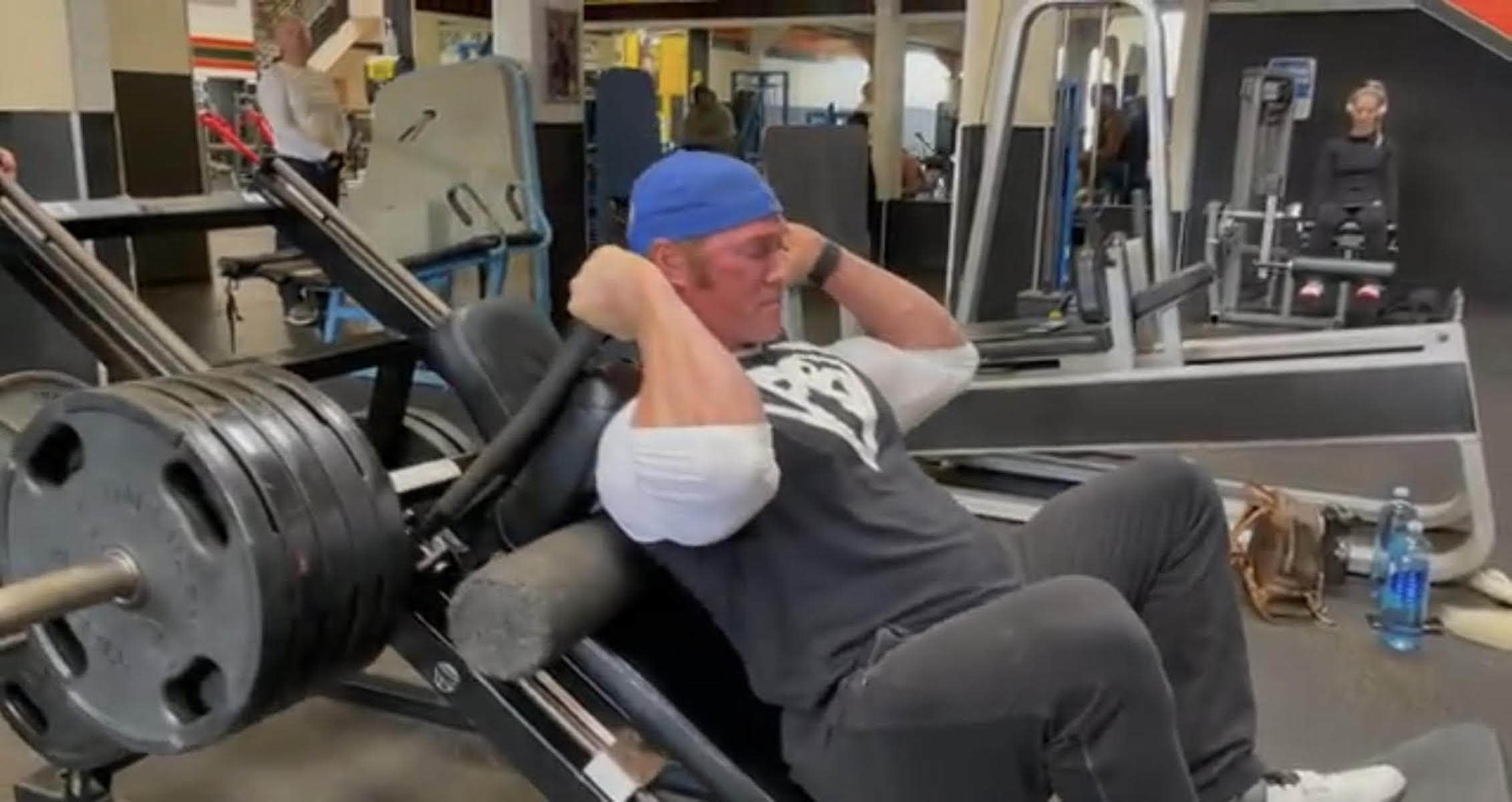
Mike O’Hearn Shares Tactics To Build Massive Quads
Mike O’Hearn recently shared some tips on building huge legs.
Mike O’Hearn is a legend in the fitness industry so when he gives out some advice, it is beneficial to listen. This is exactly what he did when he went to the gym and completely a massive leg workout recently. O’Hearn shared some tips on how to build bigger quads using his overall knowledge of different muscle groups.
O’Hearn took to his YouTube page to shared his workout tips on quads. He began practicing two-a-days and this is not something that is usually implemented. This is when someone trains twice a day — in the morning and later in the day. This does not always have to be different body parts. O’Hearn explained how he likes to perform compound movements and bigger lifts in the morning followed by secondaries later in the day.
While this might work best for him, O’Hearn says that each lifter will figure out what works best for them.
“You learn, do the roadmap and at the end of fit after you become somewhat of a master at it, no rules apply.”
Mike O’Hearn begins his leg day workout on the hack squat machine. This is one of the best when building big quads. This is because it can handle a lot of weight while not having to focus on stabilization as much. This is one of the machines that is beneficial but there are some that might not help much.
When finding machines to use, O’Hearn suggest finding ones that are not easy because of the counterbalance.
“Find awkward ones. There should always be pressure on you.”
When training quads, there are plenty of machines that can help. In the video, O’Hearn hops on the leg press machine. This one makes you turn and pull the knee out. This emphasizes the outer portion of the leg and the quad muscle. This was a new machine for O’Hearn to use and one that he liked immediately.
Mike O’Hearn also explained the importance of focusing on the negatives in order to get a good stretch and ensure that you are activating the muscle through a slow movement.
“There’s so much value in the negative you have to understand. If you pull the muscle down correctly in the negative it will activate that way out of the positive.”
The session finished with leg extensions. Throughout the workout, O’Hearn wanted to make sure that this is an advanced way of training. This is a way for experienced lifters to take it to the next level but also a base for beginners. Mike O’Hearn continues to have an impressive physique and has plenty of knowledge to share.
For more news and updates, follow Generation Iron on Facebook, Twitter, and Instagram.
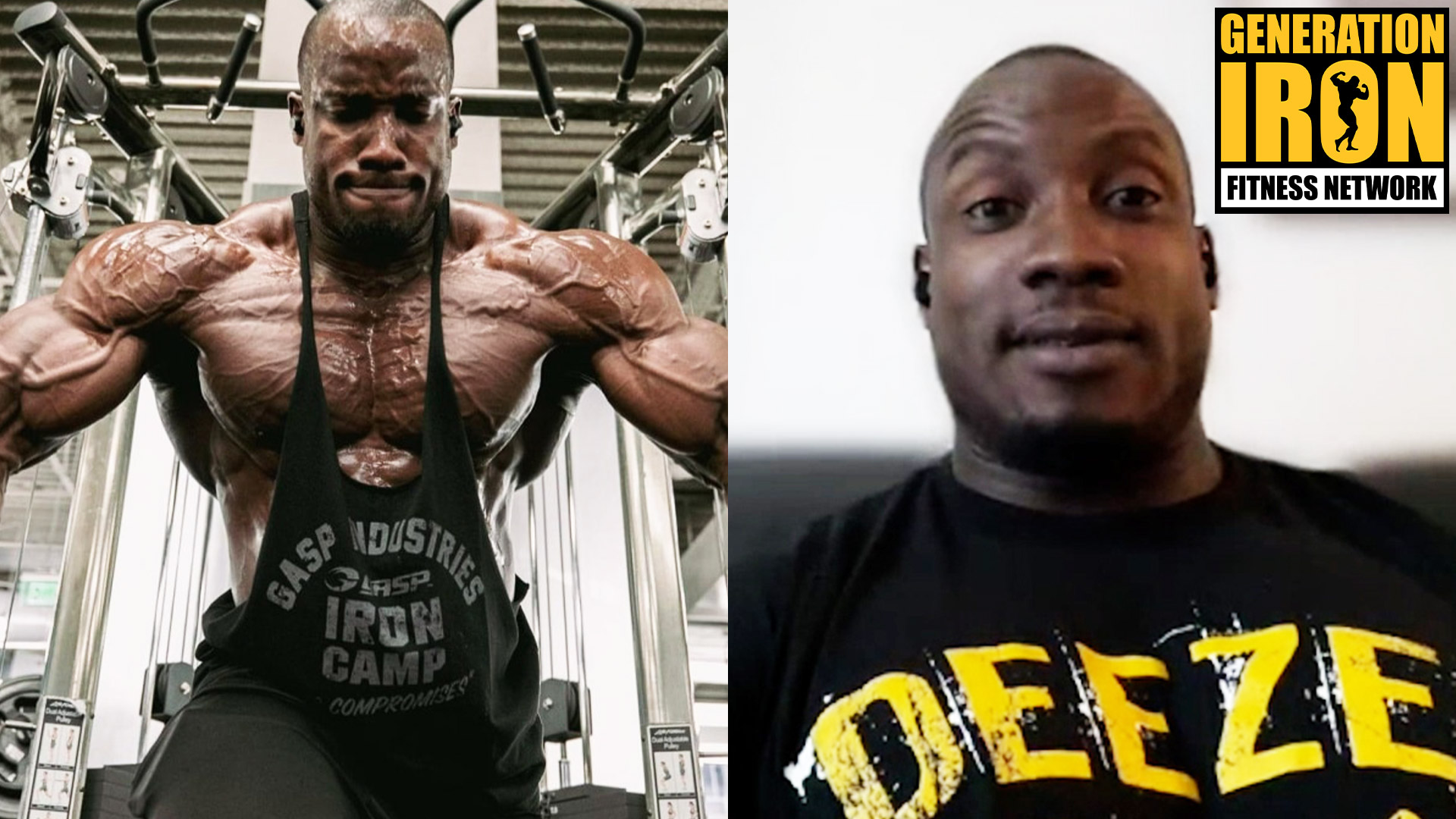
Robert Timms Details The Experience Of Training In Afghanistan
[embedded content]
During Robert Timms military tour – he discovered bodybuilding while training in Afghanistan gyms.
Robert Timms, also known as Mr. Classic Physique, is a standout Classic Physique competitor who showcases a lot of promise in the division. He also has had a rollercoaster past including a cancer diagnosis and some time spent in the military – including a tour abroad in Afghanistan. It’s actually during his tour in the middle east that Timms discovered his love of bodybuilding. In our latest GI Exclusive, Robert Timms explains his experience discovering bodybuilding and what it was like to train in Afghanistan.
For many of us here in the United States, Afghanistan seems like an entire different world. While some of those perceptions are likely based in stereotypes – there’s no denying it’s a country with a completely different culture. One, of course, with a very complicated history involving the US. Robert Timms was a soldier who was stationed in Afghanistan (many years ago before the complete pullout this past year). It’s in Afghanistan that he actually discovered his love of training in the gym and bodybuilding.
During our most recent video conversation, we asked Robert Timms what it was like to train in Afghanistan while touring in the military in comparison to his training life now in the United States. Timms explains how there were two gyms on base. There was the NATO gym and then the “prison gym” as he calls it.
“The prison gym was the gym that was like the old school – like it was rough. It was a rough gym,” Robert Timms states in his interview. He goes on to say that he was 175 pounds upon arriving at the base in Afghanistan.
Through his training in the prison gym – he started developing a love of the process and picked up a lot of basics and tips from his fellow soldiers. But he quickly realized that the way they trained wasn’t enough for what he was seeking. Robert Timms describes himself as a man who likes to deeply understand the very fabric on how things work. This included his body while training.
So after a small rough patch of training where he was plateauing – he decided to stop following along his fellow soldiers and start doing his own thing. While it wasn’t perfect and didn’t lead to a sculpted physique that could win shows – Timms ended up gaining 60 pounds. Bringing his weight to 235 pounds. His body instantly responded to his new actions in the gym as he broke off to explore training on his own terms.
It’s through that isolation on base that Robert Timms was able to, essentially, change his life. He found a new passion that ended up driving his entire life upon returning to the United States. He’s now a pro Classic Physique bodybuilder – and one that is still actively working to become an Olympia champion.
You can watch Robert Timms’ full comments on his experience discovering bodybuilding and training in Afghanistan by watching our latest GI Exclusive interview segment above!

WATCH: Tyson Fury Shows Some Intense Training With His Father
Tyson Fury does not take his training regimens lightly.
Tyson Fury has turned into one of the best boxers in the world. The current WBC Heavyweight Champion is coming off an 11th round knockout of Deontay Wilder in their trilogy fight and is training for his next bout. Fury has recently shown off some intense training methods with his father, John Fury, assisting.
Fury is seen laying on the floor while his father slamming a medicine ball off his midsection. The boxer is intense throughout the workout and flips on both sides so he could be hit in his obliques as well.
“when you hit that Friday feeling,& someone trying to put a dampener on it. @gypsyjohnfury #spartans#undefeated #champ @wbcboxing ?”
Tyson Fury had been hoping to face Oleksandr Usyk next but has been ordered to defend his title against Dillan Whyte. There have been recent talks that Whyte might not be the next opponent. This means Andy Ruiz Jr. or Joseph Parker could step in. There is nothing set in stone just yet but the current champ has been training to stay ready.
The current exercise seen is a way to strengthen core muscles by pounding them constantly. This makes the athlete flex and strain their core in order to absorb the hit. This is a popular workout used by boxers to maintain the necessary core strength. Some other methods include taking punches to the core with boxing gloves.
This is a video from back in November and Tyson Fury is only intensifying his workouts. John Fury has been part of his training and has made some recent comments regarding his other son, Tommy Fury, and Jake Paul.
Tommy was forced to back out of a scheduled bout with Paul because of an injury. Paul had some choice words about Fury’s decision and his father did not take lightly to them. John Fury did not like the words that were being said about his son and their family name. He challenged Paul to reschedule the fight to March 2022 or he would handle it himself.
There has been no news related to this rematch just yet. Paul is coming off a knockout victory over Tyron Woodley, who stepped in for Fury once he was removed.
Tyson Fury is worrying about bigger things heading into 2022 as the heavyweight champ. While there is no fight scheduled just yet, it is clear that Fury will return to the ring next year looking to make some more noise.
For more news and updates, follow Generation Iron on Facebook, Twitter, and Instagram.
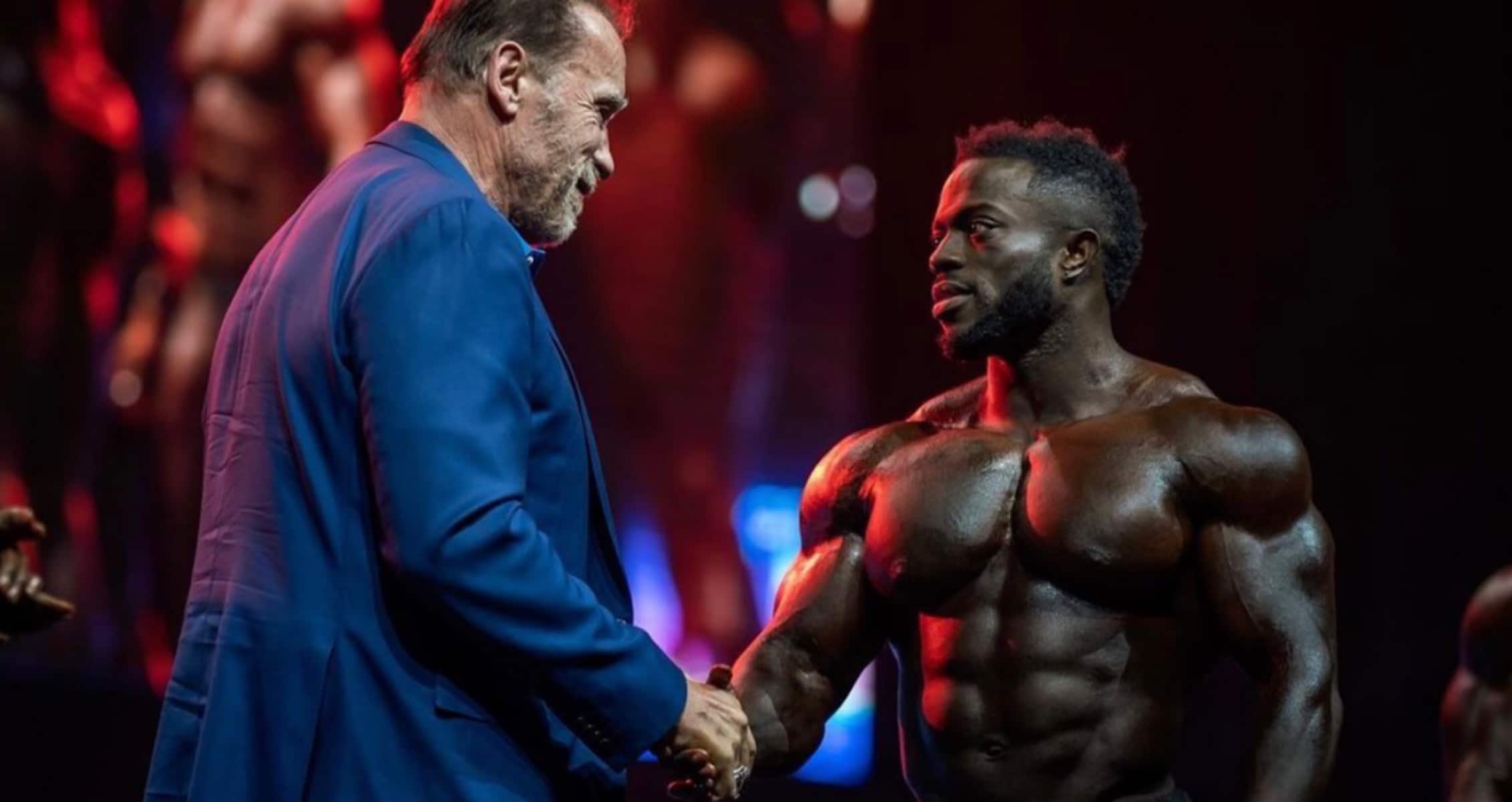
Arnold Classic Raises Classic Physique Prize Money Higher Than Olympia
The Arnold Classic raises prize money higher than the Olympia.
The Arnold Classic has raised the prize money for the Classic Physique. This change comes as a major surprise particularly since the payout is higher than that of the Olympia.
Bodybuilding has notoriously paid out a relatively light amount to competitors seeking glory. While winning a show may grant a person prestige, it certainly never paid out as much as it could. As a result many bodybuilders have had to take jobs that pay out far less than effort required. This meant bodybuilders would often train hard and push themselves to the brink while receiving very little money in return.
But now it appears the Arnold Classic is addressing that very issue. According to Terrence Ruffin, the Arnold Classic will indeed be paring out far more than even the Olympia for the Classic Physique division.
According to his recent Instagram post, Terrence Ruffin confirmed that the prize money for taking first in the Classic Physique division has gone from $7,000 to $60,000. Talk about a massive upgrade. Finally it appears that the competitors are getting what they deserve. Ruffian’s post details the increase in prize money with the following.
Guess the cats out of the bag lol. I’ll be defending my title at the 2022 Arnold Classic. I want to give a special thanks to @schwarzenegger and the entire @arnoldsports team. I made it clear that I had no intentions of doing the show if the prize money stayed the same as this year. Thankfully they saw the value that Classic Physique brings and stepped up to the plate. From 7k to 60k for first place is a huge win for the division.
It’s clear that the show runners at the Arnold Classic are trying to set a new precedent. They are trying to pay the athletes what they deserve. It’s about time that these athletes earn a prize more fitting for the amount of dedication they put into their preparation.
For more news and updates, follow Generation Iron on Facebook, Twitter, and Instagram.
News and Editorial Writer at Generation Iron, Jonathan Salmon is a writer, martial arts instructor, and geek culture enthusiast. Check out his YouTube, Instagram, Twitter, Facebook, and Sound Cloud for in-depth MMA analysis.
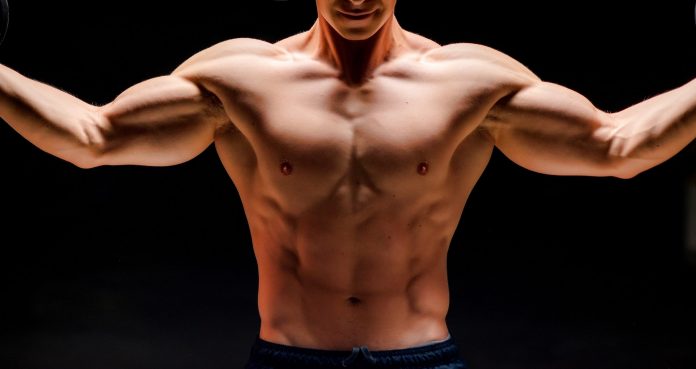
Bodybuilding Vs. Powerlifting: Strength Or Physique?
Although complimentary, most find training for both simultaneously quite hard.
Both bodybuilders and powerlifters take extremely good care of their bodies. Of course, they both have insane routine workouts to keep improving muscle mass and each has a respective diet to keep them moving as efficiently as possible on top of whatever supplementation they include. For many of us, we don’t actually know the different between these two sports.
On first hearing each word, your mind jumps to a conclusion of what you think, or have been told, of what each sport entails. Bodybuilding is known as the physique sport, the toned aesthetic full of poses to make those muscles pop. Powerlifters prove that strength has no limits by picking up incredible amounts of weights and putting them back down.
While these are true, there is definitely more there than meets the eye, both in similarities and differences. For someone on the edge of starting one or the other, you should consider which training plan you enjoy more, as well as what your goals are. If you want to build sheer strength or tone your physique, each requires its own certain diet as well.
While the stereotypes in everyday people’s minds exist around these two, even within the fitness world bodybuilders and powerlifters have different ideas of one another. Bodybuilders look at powerlifters and think they just eat whatever to bulk up and not care for the proper etiquette of what it takes to conduct yourself in a gym, while powerlifters look at bodybuilders and see ego-driven competitors who don’t spend enough time in the gym. While these are certainly not true, the common bond between these two unique sports is hard work, both in the gym and out of it.
What Is Bodybuilding?
Bodybuilding primarily focuses on building muscle and shedding fat to maintain size and prepare for contests. Humans are obsessed with the ideal physique and bodybuilders try and create that making this an appearance-focused sport. It’s all about symmetry, so while muscle size is important, the muscle groups need to be balanced to create that aesthetically pleasing look. Overall performance is not the intended goal and while strength and fitness may come as a result of their time in the gym, bodybuilders are judged in competition on how they look.
Well known bodybuilding competitions include the Arnold Classic, Mr. World, and of course, Mr. and Ms. Olympia. These competitions have seen the likes of great bodybuilders like Lou Ferrigno, Lee Haney, Flex Wheeler, Arnold Schwarzenegger, and Ronnie Coleman.
What Is Powerlifting?
Powerlifting is a strength sport and the intended goal is to be as strong as possible in order to lift the heaviest weights for a single rep. While maintaining a healthy lifestyle is important, a powerlifter seeks overall size and strength as opposed to a symmetrically toned physique. They are judged only for the rules and competition events include the big three exercises: the squat, the bench press, and the deadlift (1).
Each continent has a series of competitions and the World Championships include a variety of competitions from the IPF Classic Powerlifting World Championships and the IPF World Open Powerlifting Championships. As an Olympic sport, athletes seek the gold medal to claim top sport in the entire world. Some of the great powerlifters include Eddie Hall, Brian Siders, Mark Henry, Zydrunas Savickas, and Ed Coan.
Similarities
At their respective cores, the values of each sport are actually very similar. A solid work ethic is key in being both a successful powerlifter and bodybuilder and experimenting with various aspects of your routine is crucial for growth. Whether that be with workouts, dieting, or supplementation, experimenting and failing only leads to you getting better. Both use similar exercises and pay attention to smaller muscle groups within their bodies. Bodybuilders may do it for symmetry and powerlifters may do it for support (2), but nonetheless, it gets done.
When it comes to performance and training, both sports require athletes to under go what is called a “peaking phase”, where each athlete looks to up the intensity of their workouts, subsequently increasing their caloric intake as well (3). Bodybuilders start the bulking program where they will eat well over the caloric maintenance levels and their lifts will greatly intensify. A powerlifter will do the exact same thing, where they focus extensively on the core lifts and overall conditioning while ramping up the caloric intake. Although powerlifters may consume more calories on the whole, both athletes follow the exact same principle.
Differences
The main overall difference is that bodybuilders train for size and symmetry while powerlifters train for sheer strength. For bodybuilders, appearance is everything and a strict, consistent diet is their main concern for keeping their gains in the gym at the right level for competition. Powerlifters care about their diet, but need many more calories to continue seeing growth and physique is not their main goal. For muscle building and exercises, powerlifters focus on full body workouts to build overall strength to support their competitive lifts of “the big three”. Bodybuilders will do the same type of workouts, but will target muscles with accessory lifts to continue their mission of perfect symmetry.
Wrap Up
While it is possible to be both a powerlifter and a bodybuilder, it can prove to be difficult in the long run given the different demands in training and diet required for each respective sport. While bodybuilding focuses on overall appearance, powerlifting tends to drift more to sheer strength. Knowing your intended main focus is key for fully understanding what you want to get out of each. For those finding it difficult to choose, look into powerbuilding workouts which combine both strength-based workouts along with ones for muscle-building. At the end of the day, if you want to do well in competitions, you have to give one hundred percent of your time and dedication to one. If your goal is to look strong and toned, then try a hybrid and maybe one will catch on.
Let us know what you think in the comments below. Also, be sure to follow Generation Iron on Facebook, Twitter, and Instagram.
*Images courtesy of Envato
References
Ferland, Pierre-Marc; Comtois, Alain S. (2019). “Classic Powerlifting Performance: A Systematic Review”. (source)
Simao, Roberto; Spineti, Juliano; de Salles, Belmiro F.; Oliveira, Liliam F.; Matta, Thiago; Miranda, Fabricio; Miranda, Humberto; Costa, Pablo B. (2010). “Influence of Exercise Order on Maximum Strength and Muscle Thickness in Untrained Men”. (source)
Henderson, Zachariah J. (2016). “Peaking and Tapering in Endurance Athletes: A Review”. (source)
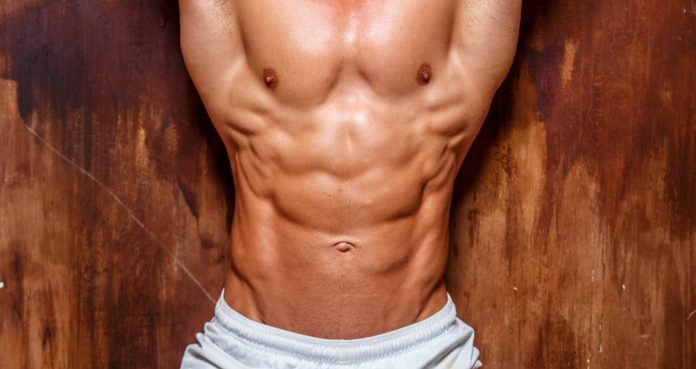
The Velocity Diet: Is It Worth It For Bodybuilding Goals?
This low calorie, high protein diet is a game changer for physique, but is it worth it?
We all look towards our nutrition and dietary routine when looking to make those changes to our physique. While working out and lifting big does enhance our muscle growth, what happens in the kitchen is first and foremost when looking towards our bodybuilding goals.
We know what to eat, we know how to eat it, and we know great supplements to pair with our workouts to enhance not only gains, but other aspects of our health and performance as well. With so many diets and “lifestyles” to adopt, it can hard to choose one. Each claims to be the best and it leaves us wondering just what it is we need to do to get that shredded aesthetic we desperately seek.
The velocity diet is one of those diets that seems like the missing link, the key we’ve all been looking for. Also known as the V-diet, this is a rapid transformation for those gains to shine and our physique to really pop.
Before starting any diet, it is important to know the drawbacks that something like this can cause. While we all know the pros, the cons are equally as important before embarking on some grueling diet. And the velocity diet certainly is by no means easy.
Let’s take a look at the velocity diet and see what this can do for your bodybuilding goals. It claims to be the silver bullet we all seek, but whether or not its worth it for your bodybuilding goals is something worth exploring. After all, we do want the best for our bodies when it comes to the overall package.
What Is The Velocity Diet?
The velocity diet is a way to get a shredded, lean body in only a number of days. It is a rapid transformation of your body composition and is for those willing to commit to 28 days of a low calorie, high protein diet. With the discipline and strict mindset required, it should be said that this diet can help control your habits as you lose fat and start to see that lean muscle grow.
Being high in protein, the diet consists of a lot of shakes, taken from high-quality protein supplements. Since these supplements have carbs, fats, and other essentials ingredients included, you are not totally sacrificing everything, but this diet is by no means for those who cave easily (1).
What’s Included In The Diet
If you choose to embark on the velocity diet, be aware that you will only have one solid meal a week. It will be protein based with your meat of choice and may contain some good carbs, fruits, and vegetables. Other than that, you are drinking protein shakes. Lots of them. While losing roughly 1-2 pounds per week is the healthy amount to lose, a diet that exceeds more than 2 pounds can have serious effects on your body for not getting enough of these essentials can really start to hurt your gains, especially for those of us bodybuilders (2).
Advantages To The Velocity Diet
Fast Results
With this diet, if you hold to it strictly, you will find those results you want will come very fast. The key with this would be to keep it as best you can. Since you do exercise on this diet as well, that also contributes to the speed at which these results occur.
Potentially Preserve Muscle Mass
This is a potential because while you are consuming high amounts of protein and lifting, you also miss out on other essentials that can help with preserving muscle mass. Protein does serve as the building block for all muscle, but with such a restrictive diet, it can be hard to tell just how much muscle is actually preserved.
Fast Meals & Convenience
Since most of, if not all, your meals are shakes, the prep time is minimal. This allows for a fast on the go option to bring with you wherever and requires no prep or clean-up for a very convenient option.
Disadvantages To The V-Diet
Losing Out On Essential Nutrients
With such a restrictive diet, this low calorie, high protein option may limit the amount of essentials that your body gets. While taking a multivitamin and other supplements is a good idea when on this diet, it isn’t the same as getting those nutrients from whole foods.
Extremely Limiting
Based off everything said already, this diet is extremely limiting and your chances to eat whole foods is virtually not an option. A good home-cooked meal should not be underestimated and while you may see fast results, you would have to weigh out just how worth it this diet is.
Does Not Provide Long-Lasting Results
This diet is difficult to keep up and the sustainability is just not there. You will have to be strict and very disciplined with yourself when it comes to this diet and that can be challenging for anyone. As you continue to lift, your body will need those essential nutrients and aside from the external physical benefits of a lean body, the daily functions your body needs to thrive will start to suffer (3).
Wrap Up
When it comes to the velocity diet, your bodybuilding goals may be achieved, albeit for a short while. This diet does have the ability to lean you out so you see a great physique, but you’ll find this to be very limiting and not sustainable. For bodybuilders looking for career longevity and for those serious about competing, getting a body fast may not cut it against the best in the world.
For that, you need a solid nutritional plan, strict workout schedule, and clean supplements. A get lean fast diet will work to get that beach body ready quickly, but keeping that weight off will prove to be challenging. You are better off finding a safer, more long-lasting way to keep this weight off, one where you can still see that shredded physique and be confident in it.
Let us know what you think in the comments below. Also, be sure to follow Generation Iron on Facebook, Twitter, and Instagram.
*Images courtesy of Envato
References
Barrows, K.; Snook, J. T. (1987). “Effect of a high-protein, very-low-calorie diet on body composition and anthropometric parameter of obese middle-aged women”. (source)
Howell, Scott; Kones, Richard (2017). “‘Calories in, calories out’ and macronutrient intake: the hope, hype, and science of calories”. (source)
Weigle, David S.; Breen, Patricia A.; Matthys, Colleen C.; Callahan, Holly S.; et al. (2005). “A high-protein diet induces sustained reductions in appetite, ad libitum caloric intake, and body weight despite compensatory changes in diurinal plasma leptin and ghrelin concentrations”. (source)
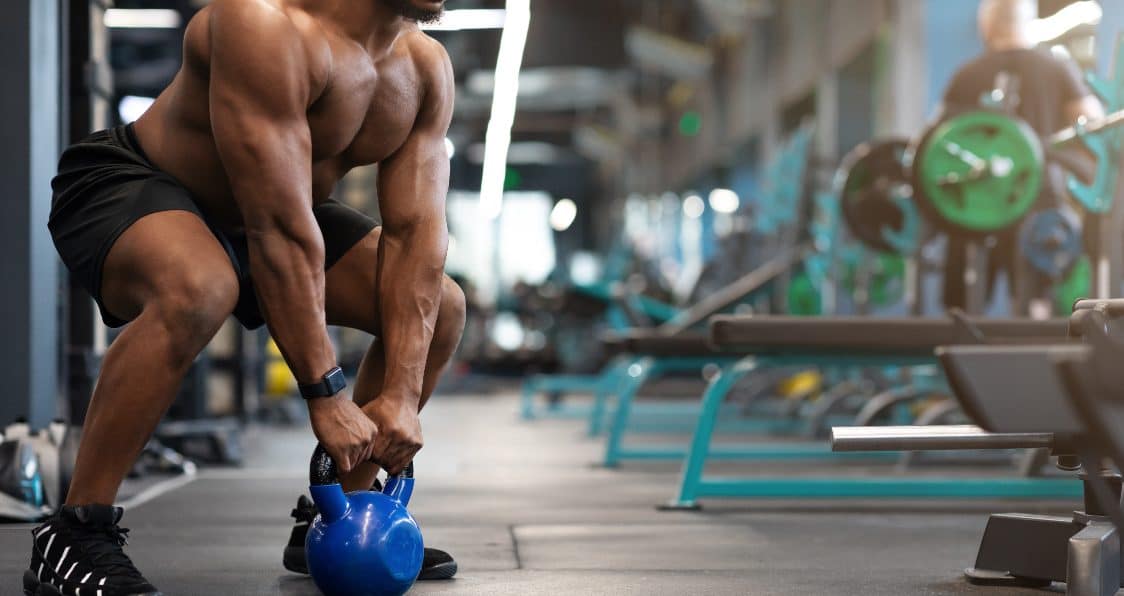
How Kettlebell Rows Work To Optimize Pulling Movements
Give your lats a great workout with kettlebell rows.
Working our back muscles can be hard, but absolutely possible with great exercises like kettlebell rows. While it can be easy to want to perform a haphazard back day routine, the benefits to having a strong back can prove to be unmatched. Working for better posture, increasing strength and size, and optimizing any pulling movements, a strong back is essential for those functional and sport specific movements. Plus, you will only add to your physique as your lats will certainly pop.
Kettlebells are effective pieces of workout equipment and can provide for compound movements to work many muscles, as well as offer the ability to perform isolation exercises as you seek to build up one specific muscle. Convenient and versatile, kettlebells are definitely something to have in your home gym or gym routine and kettlebell rows are the perfect exercise to see gains.
Let’s take a look at kettlebell rows and see what makes this workout so great for increasing strength and size while also optimizing those pulling movements. From what it is, to muscles worked, the many benefits of doing it, and how to perform it, you will have a solid foundation for seeing gains and taking advantage of kettlebell rows.
What Are Kettlebell Rows?
Kettlebell rows are a compound pulling movement designed to increase strength in your back while also building muscle in other areas as well. A test of balance, coordination, strength, and pulling ability, the benefits of what this exercise can do are unmatched. Perfect for athletes who require pulling movements for their sport, or for those who want to better their functional pulling strength, this exercise is not hard to perform once you nail down the proper form (1).
Check out our list of the Best Kettlebells for some amazing lifting products!
Muscles Worked
Kettlebell rows work many muscles as this exercise will prove to be a great workout. This exercise focuses mainly on your lats, but what you will find is that your delts, traps, and biceps all play a major role in the actual engagement of the entire movement, thus assisting with either stabilizing or pulling. For balance and stabilization of your entire body, your hips, core, glutes, and hamstrings will work to keep you grounded so you can efficiently complete the exercise without a risk of injury or an imbalance.
Benefits Of Kettlebell Rows
The benefits of kettlebell rows are hard to ignore and can greatly affect all your gains. For those looking to give themselves the best chance at success, definitely consider what this exercise can do.
Benefits of kettlebell rows include:
Increase lat strength: As an effective pulling movement, this will work to build strength and size in your lats so you see only the best gains (2).
Full body exercise: This exercise is one of those compound exercises that will work many muscle groups and can be a full body strengthener.
Core and stability: By relying on your core to stay stable, this will work to build better balance and stability as you enhance mind-muscle connection and overall technique (3).
Reduce injury: With your muscles all working together, this exercise can build better connection throughout your body allowing it to work in unison and reduce the overall risk of injury.
Just a kettlebell: The nice part about this exercise is that you only need a kettlebell for equipment, thus allowing this to be a fairly versatile exercise.
Many variations: Other alternative exercises work to mimic what kettlebell rows can do so you have the opportunity to shake things up and add variety to your workouts.
How To Perform It
Here are the steps for performing kettlebell rows:
Choose your desired kettlebell and place it on the floor in front of you.
Step one leg back and bend over at your hips so your torso is parallel to the ground. From here, reach down and grab the kettlebell with the hand of the leg that is stepped backwards. A neutral grip is fine.
To start the movement, engage you core and lift through your elbow in a pulling motion until the kettlebell reaches your body.
Once at the top, give a good squeeze before lowering back to the ground in a controlled motion.
Repeat for your desired number of reps and sets.
Kettlebell Row Variations
This exercise is great for it has many variations that can greatly affect your workouts and gains for the better. With so many alternative exercises to try, what you really get with this is the ability to try your hand at different exercises while also working to confuse your muscles so they have no choice but to grow.
Alternative exercises for kettlebell rows include:
Staggered Stance Row
Lateral Row
Clean Row
Bent Over Row
Half-Kneeling Row
Kettlebell Plank Row On Bench
Kettlebell Renegade Row
Best Supplements To Take With Kettlebell Rows
With an exercise like kettlebell rows, having the right supplements can work to give your body those nutrients it needs to see gains. Taking a pre-workout supplement will give you energy and allow for better blood flow, allowing you to better perform the exercise. For those post-workout gains, a protein powder will prove to be imperative as this will pump you with that vital protein for increased muscle growth, enhanced recovery, and overall better weight loss or management (4). Also, taking something like creatine or a mass gainer can really give you a boost to increased strength, size, and overall mass.
Wrap Up
Kettlebell rows have the ability to give us great gains when it comes to strength, size, power, pulling, and stabilization. A well-rounded exercise working many muscles, this is what you need to thrive both with sport specific movements and those more functional ones. Give kettlebell rows a try and work to optimize those pulling motions for whatever your sport specific or functional needs may be.
Let us know what you think in the comments below. Also, be sure to follow Generation Iron on Facebook, Twitter, and Instagram.
*Images courtesy of Envato
References
Manocchia, P.; et al. (2013). “Transference of Kettlebell Training to Strength, Power, and Endurance”. (source)
Beardsley, C.; et al. (2014). “The Role of Kettlebells in Strength and Conditioning”. (source)
Meigh, N.; et al. (2019). “Kettlebell training in clinical practice: a scoping review”. (source)
Pasiakos, S.; et al. (2015). “The effects of protein supplements on muscle mass, strength, and aerobic and anaerobic power in healthy adults: a systematic review”. (source)

Logan Paul Answers: Does Boxing Need “Super Exhibition” Fights To Stay Relevant? | GI Vault
Logan Paul comments on the rise of “super exhibition” boxing matches and if they are necessary for boxing to succeed for a new generation.
GI VAULT – is an extension of our GI Exclusive interviews. The difference? These interviews come straight out of the Generation Iron vault from the cutting room floor of our feature film documentaries. With over hours of interview footage that doesn’t make it into our final films, we’re now releasing them out into the world.
Last year, Logan Paul faced fellow YouTube superstar KSI in what was called a “super exhibition” boxing match. The event was a massive hit and reminiscent of Floyd Mayweather Jr.’s spectacle fight against UFC superstar Conor McGregor. This was another massive boxing match unprecedented for the sport. Now in 2021, Mayweather will face off against Paul in another “super exhibition” match. In our latest GI Exclusive Vault interview, Logan Paul discusses his place in boxing’s future and whether or not these super fights hurt or help the sport.
When Logan Paul faced off in a sanctioned boxing match against KSI, we had the opportunity to speak with him in a sit down interview. During that interview, we talked about the future of boxing and if these super fights would become more and more common.
Now just about two years later, Logan Paul is entering back into the ring. This time to face off against boxing legend Floyd Mayweather Jr. Dubbed another “super exhibition” fight, we thought now would be an appropriate time to dive back into our GI Vault and pull out the extended interview we had with Logan Paul.
In the boxing fanbase, some have criticized the decision for sanctioned spectacle fights. While they bring in large numbers, there is a worry that the credibility of the sport is on the line. When Floyd Mayweather Jr. fought Conor McGregor – he was fighting an non-boxer. This wasn’t a traditional boxing match. It was a one-off super show. Does this devalue boxing as a legitimate sport and turn it more into stunt entertainment?
Logan Paul doesn’t think so. In fact, he thinks these kinds of super fights are necessary to breathe new life into boxing for a younger generation. He points out that while Conor McGregor is not a boxer, he is a top tier combat athlete. His skills might particularly lie in MMA, but that doesn’t disqualify him from being able to adjust to a new mode of combat.
Celebrity boxing is something that has existed for a while. These kinds of fights aren’t quite the same thing. Unlike celebrities who have never fought learning to box for a stunt show, these combatants are skilled athletes.
The same can be said for Logan Paul. While he’s primarily known as a viral YouTube sensation, he has been training in boxing for years at this point. While speaking in our interview, he comments that this kind of legitimate super event might not ever occur in the same way again. He has the YouTube millennial celebrity status – but he also has taken boxing seriously.
This time however, he’s not facing off against another YouTuber who knows how to fight. He’s fighting one of the most legendary boxers in the world. It will be interesting to see how he holds up in the ring.
One thing is for certain, his comments about entertainment being important to boxing’s survival seem to remain intact. His decision to fight Floyd Mayweather Jr. is in line with his comments in our GI Vault interview from over a year ago. His hopes are not to devalue boxing but to take it seriously. By taking his training seriously, he hopes to bring more excitement and credibility to the sport.
Perhaps super exhibition fights are truly the way of the future – but only if the individuals involved take it seriously. So far, that seems to be the case.
You can watch Logan Paul’s full comments on his boxing training, the concept of super fights, and entertainment vs athleticism in our GI Exclusive Vault interview above.
2021 Vancouver Pro Qualifier
/* custom css */
.tdi_86{
color: #eaeaea;
}
IFBB PROFESSIONAL LEAGUE®, IFBB PRO LEAGUE®, IFBB PRO® and the IFBB Professional League logo are registered trademarks owned by the IFBB Professional League.The IFBB Professional League logo cannot be altered in any way, shape or form without the expressed written approval of the IFBB Professional League. Where such approval is granted, the IFBB Professional League will provide the altered logo.
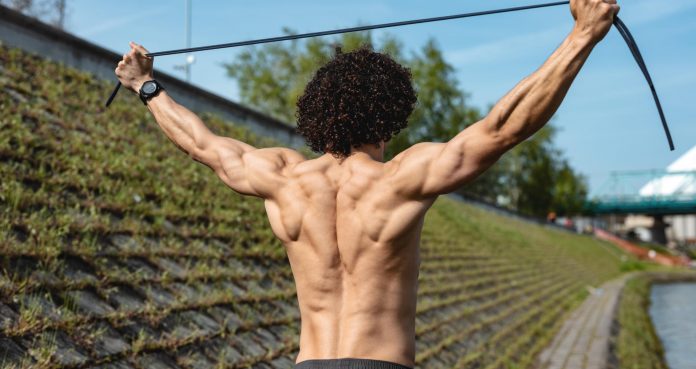
5 Stretches For Bodybuilders To Optimize Growth & Size
Don’t skip out on stretching and lose muscle growth.
Stretching is one part of a workout that is easy to ignore. For whatever reason, many bodybuilders jump into the workout, get it done, and leave without a second thought as to offering our bodies some relief. Or worse, we know we should stretch but find some excuse to leave the gym before our guilt takes over.
For those who want those big muscles and toned aesthetic but hold out on stretching and don’t bother, you’re missing out on the opportunity for big gains with your muscles in and out of the gym to aid in your overall bodybuilding and flexibility goals.
What stretching actually does is stretch a connective tissue, known as fascia, that surrounds your muscles and expands the space around them allowing for more room for your muscles to grow. So without doing a simple routine before and after a workout, you are only limiting the gains you worked so hard the last hour for. Forget muscle size for a second.
Stretching primarily aids in recovery and can help avoid injury while also aiding in range of motion, keeping you in the gym and not stuck on the couch. What starts as pain and tightness can lead to a host of unfortunate possibilities resulting in injury or worse for bodybuilders from a lack of range of motion.
With the ability to increase flexibility, range of motion and muscular strength, and avoid injury, stretching should be at the center of your pre- and post-workout even before touching a weight. That tightness and pain can be uncomfortable in the gym, limiting your body’s ability to work at maximum capacity, and can bleed over into your everyday life. Don’t let careless procrastination or a stigma stop you from achieving those gains. A simple static stretching routine can lead to you looking and feeling great proving to the naysayers who is in charge.
The Role Of Fascia
Fascia is a tough connective tissue that encloses the muscles keeping them in place in your body. Fascia hugs the muscle tight and can restrict muscle growth, hence why stretching is important. The best time to stretch is right after working a muscle group because the muscles are full of blood, pushing on the fascia and creating pressure. That tight, swollen feeling after a good set of bicep curls or a mean bench press is an example of this.
By stretching this muscle group right after training them, you add more pressure to the fascia, leading to expansion and ultimately big gains. Stretching is great for a pre-workout warm up, a post-workout recovery session, or mid-workout expansion to ensure you stay on top of your game and looking bigger than ever, either with static stretching or dynamic stretching, to help with posture as well.
Shoulder Stretch
Shoulder stretches are great for relieving muscle tension, pain, or tightness in both your shoulders and neck. As an important point of connection between your arms and upper body, your shoulders should be a focal point of stretching to keep you nimble and loose to really enhance your training routine.
This basic shoulder stretch starts with your right arm across your chest. With your left hand, pull gently toward your body and hold for a brief pause. Repeat by following the same idea for your left arm and this stretching exercise will work wonders for your training routine.
Another great shoulder stretch requires a towel or a band but can be really beneficial. Using a band, place your left arm above your head and grasp the band, letting it hang down your back. Grab the lower end with your right hand and slowly raise your left hand. Start slow with this and as you develop more flexibility, feel free to push it a little more. Repeat the same steps and switch arms with a comfortable position.
Biceps/Chest/Shoulder Stretch
This stretch is great to target your chest, shoulders, and biceps. As a focal point for many bodybuilders, these three muscle groups tend to take a beating in the gym and a good, solid stretch can alleviate much of the discomfort and tension that comes with working so hard and stretching for flexibility to promote better exercise.
A stationary object is required for this workout to enhance your training. Holding onto whatever object you are using, extend your arm. Rotate your body gently away from the object while keeping a solid posture. You will feel the stretch and it is important to not push it too hard. Only do what your body allows. Hold for however long you desire, but ideally around 30-60 seconds. Repeat the same process with the other arm muscles.
Triceps/Lats Stretch
Two commonly overlooked muscle groups for stretching are your triceps and lats. Triceps stretching can prevent tightness, increase circulation, and aid in flexibility. Your lats are the largest muscle in the upper body and stretching is crucial for injury prevention and increasing your range of motion for your muscles and exercise.
This simple stretching technique is great for both groups. Start with both arms extended overhead. Bend one arm down behind your head and with the opposite hand, grab your elbow. Gently pull on the elbow until you feel the stretch in your triceps and lats. Hold for however long you desire and repeat with the other side to really stretch your muscles.
Upper Body Stretch
This upper body stretch may seem silly at first, but it is great for giving that all around stretch. With nothing truly required except a chin-up bar, this stretch is more than easy and can give your upper body everything it needs for your muscles, like your back, to succeed.
Grab the chin-up bar with both hands and hang for as long as you desire. Try different grips and relax with your breathing. You should feel this stretch in the entire upper torso.
Quads/Hips Stretch
While the upper body usually gets most of the attention, you should never neglect your legs. Those two limbs that keep you grounded are vital and should never be taken for granted. For tight quads and hip flexors, this exercise is a great two-in-one stretch to really work your hips, lower body, and aid in better workouts.
Start in a kneeling lunge position. Your front knee should be bent at 90 degrees and your back leg should be extended behind you. With a tight core and glutes, gently reach back and grab your back foot, pulling it toward your hip. You will be able to go deeper into the stretch by relaxing and breathing into it. Repeat the same process for the other side and feel the great effects stretching has to offer for your muscles.
Wrap Up
While stretching may seem boring and potentially useless, it is quite the contrary. Stretching provides a host of benefits to your daily workout routine and will make you feel great. Whether it be injury prevention, increased flexibility, mobility, and circulation, or muscle expansion, stretching will allow those gains to be made with no extra work. Try these simple stretches pre- and post-workout for a warm-up and recovery, or mid-workout for that serious muscle size expansion we all work hard for. Start stretching and see those gains in action.
Let us know what you think in the comments below. Also, be sure to follow Generation Iron on Facebook, Twitter, and Instagram.
*Images Courtesy of Envato