
 All Posts By Presser
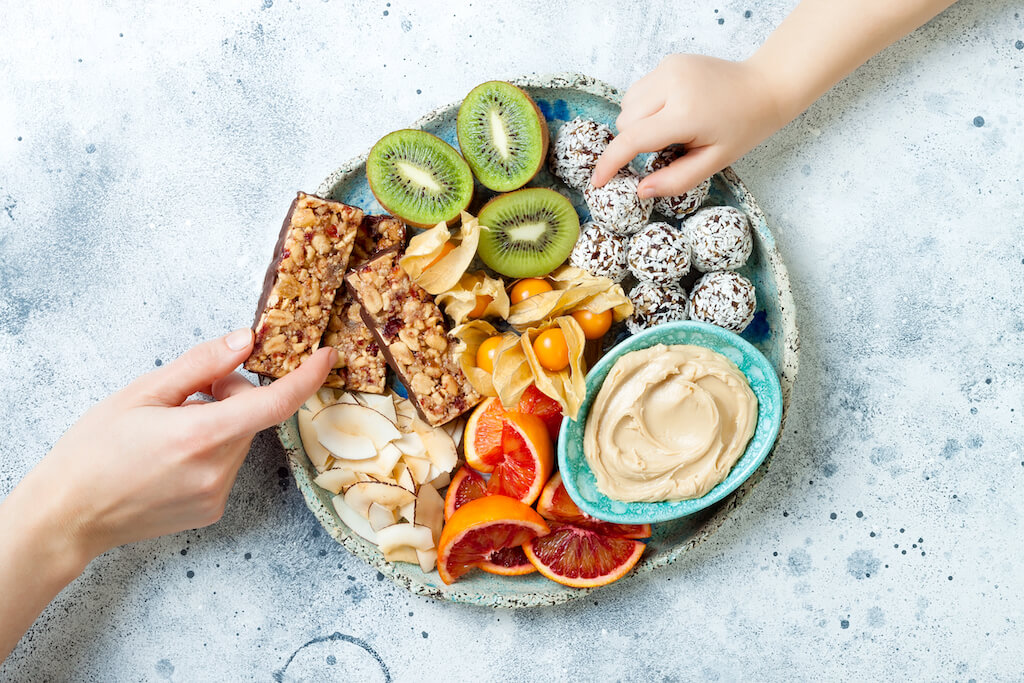
Is It Better To Eat Treats In Moderation Or To Avoid Them Completely
What is the best way to approach snacks and treats?
The fitness and nutrition industry is full of extremes. One moment, it says breakfast is the most important meal. The next, it says fasting and skipping breakfast will turbocharge you into a fountain of youth.
The true answer usually lies somewhere in the middle. Processed foods, junk food, or treats are a similarly polarizing topic. They have so many terms to them that I will use interchangeably, but we all know what they are. They’re the super fun high calorie foods that everybody loves. You know, foods like donuts, ice cream, acai bowls, nachos, pizza, onion rings, cheesecake, and lasagna. The list goes on.
These fun foods can have some nutritional value, but they are often highly caloric for a small volume. They also taste so good that they stimulate further consumption. It’s easy to stop eating after one apple. It’s much harder to stop after eating one cookie.
And because these foods are so relevant in our culture, everyone has an opinion on how to handle them. And as usual, the extreme voices reign the loudest.
You’ll have people who say that you don’t need any restraint and that you can include these foods into your diet all the time as long as you make it work. And if you can’t, well who cares, body image, food relationship, keep being flexible, blah, blah, blah.
Conversely, you’ll also have people who say these foods are demons that ruin your health, give you cancer, and must never touch your lips or else you’re a despicable person. Only losers eat chips right?
You’ve probably heard both extremes above. Let’s find a more appropriate middle ground to things while applying context to the many different types of people that may be reading.
What Flexible Dieters Got Right
Flexible dieting has many definitions and variations. Generally, flexible dieters track their calories and macros, ensuring they stay within their macros limits. As long as these targets are met for protein, carbs, and fat, they can eat whatever they want.
The beauty of flexible dieting is that it helps you understand energy balance which is basically the law of thermodynamics that dictate human’s long term weight loss/gain. If you eat more energy aka calories than you can burn off over time and you’ll gain weight. This is called an energy surplus.
Contrarily, if you eat less energy aka calories than you burn off over time and you’ll lose weight. This is called an energy deficit.
Tracking holds you accountable to the energy balance you set whether your intentions are to gain, maintain, or lose. It doesn’t restrict your food choices which is huge breath of fresh air, especially if you’ve yo-yo dieted on needlessly restrictive diets. In fact, if you look at the terrain of common diets out there, the restriction makes you feel like dieting jail.
Vegan: No animal products which means no meat, fish, eggs, dairy, honey, etc.
Keto: Practically, there’s no starch or fruit sources which means you can’t eat grains, potatoes, rice, pasta, bread, flour, sweeteners, any traditionally made dessert, and most fruits.
Paleo: No dairy, grains, bread, legumes, sugary sweetener, zero calorie sweetener, processed foods, protein powders, etc.
Carnivore: No plants, fruits, vegetables, grains, or anything that’s not meat
Somehow, the American public was like, “Let’s make the dumbest, most arbitrary rules we can come up with to create diets. Then let’s popularize those diets to turn eating from a pleasurable experience to a miserable one.”
It sounds absurd, but that’s basically what we’ve done and guess what? The vast majority has bought into all these diets. It seems the more extreme the diet is, the more novelty it presents which causes people to chase them.
So flexible dieting literally smashes all of these rules. Want fatty meat? Make it fit your macros.
Want carbs? Make it fit your macros.
Want chips? Make it fit your macros.
It’s great, but even flexible dieting has it’s pitfalls.
What Flexible Dieters Got Wrong
There’s an inherent level of flexibility with flexible dieting which is great, but in some cases, a degree of freedom that is mishandled. You technically can eat whatever you want, but not everyone can and should.
Some flexible dieters don’t seem to grasp this concept as they’re obsessed with eating their daily pop tart or having a few squares of chocolate from time to time. That’s because these people are usually moderators instead of abstainers.
Moderators are people who can eat high calorie, high rewarding foods in moderation. They’re able to fit it into their macros and stop at appropriate points. Abstainers on the other hand can’t. They have trigger foods where certain treats will inevitably cause them to overeat despite them being aware of their macro limits.
Like if you gave me a dozen of assorted Krispy Kreme Donuts and put on a good show for me, that dozen would be gone within the opening intro. Repeat the same scenario with 2 dozens and I’d smash that too. You might be the same way. It doesn’t mean you’re broken or not good enough to have complete food flexibility.
It simply means you’re wired differently. In fact, the deck is often stacked against you. What do I mean? Well, think about food processing. We live in a time, where we can engineer food every which way. Many food and restaurant companies do rigorous testing to create not just good food, but irresistible foods. Foods that are so good, every bite makes you want more.
So despite how often you hear that you can just cut portions and have whatever you want, it doesn’t always play out that way in a world of mind blowing foods that our ancestors didn’t have. These should be labeled trigger foods and they can be different for everyone who has trigger foods.
Finding a Balance
When you’re dieting, especially if your calories are low, you simply can’t have anything and everything. Furthermore, life stress and personal responsibilities make it difficult to simply have whatever all the time. Your food menu is not an endless streaming service like Netflix.
Unless you have a personal chef, you have to plan ahead, pick your battles, and repeat certain meals.
This doesn’t mean flexible dieting is bad. It simply means many people out there don’t understand the true essence of it.
Flexible dieting is successful not because you do eat whatever, but because you can eat whatever. The option is there. It nurtures a mindset of being able to swap things out and allows you to be in the driver seat. Thus, your mind should be flexible. If you mess up, you should be flexible. If your circumstances change, you should be flexible.
But despite all this flexibility, you should also have structure, meal planning, and for abstainers, you also need a clear game plan on how to avoid certain foods. The key point is that when you abstain, you’re choosing to abstain to be wise about your goals. You’re not forced to abstain. That’s how you set up clear structure while still having a flexible mindset.
How to Avoid Treats
So once you get real with how to make your diet practical. You’ll realize, it’s in your best interest to eat mostly whole nutritious foods and repeat the same meals often. Furthermore, there’s not always enough practicality to fit certain treats in.
To identify these treats, you need to ask yourself, can I fit this in daily, weekly, or within the week in portions that allow me to maintain my diet? If the answer is yes, figure out which frequency works best for you, so you don’t feel deprived, but also don’t overconsume.
However, if the answer is not, that’s a trigger food. Continually attempting to fit in trigger foods will make you run in circles and never see the scale drop.
So the first step is to maintain your flexible mindset. Understand that this trigger food is only gone for a little bit while you diet. It’s not gone forever. It will exist till the end of time.
Next is to setup your environment. If it’s a trigger food, it has no business being in your house. Having trigger foods in your pantry is like saying I have no intentions of getting back with my ex, but I’ll invite them over tonight.
Extremely illogical.
Once your environment is rid of the trigger food, you’ll need to buy foods that you do intend to eat. Research finds that when cafeterias cut back on vending machines and have more stations for healthier options, workers naturally eat healthier and cut back on processed food purchases without even knowing about the experiment.
Your environment is everything. This brings me to my next point.
Avoiding Triggers at Social Events
Unfortunately, you’re not home 24/7. You enjoy going out as every human does. However, outside environments can quickly sabotage your diet. Many social events have lots of free tasty food. Your flesh wants to take advantage, but your spirit is intending not to.
Here’s how to outsmart the environment and stick to your goals.
Come well satiated. If you are fuller, cravings are less noticeable.
Bring your own dish if you can. Bring a lower calorie dessert too if you can.
Avoid looking at any trigger foods and don’t hang around them. People who hang by the snack table, snack all night. Don’t be that person.
Have someone hold you accountable. This could be a spouse or a friend at the party.
If you get hungry or bored, bring zero calorie sparkling water and gum to munch on. It’ll keep your mind and tastebuds occupied, so it does wander towards that bowl of chips. Better yet, socialize and play games. Find enjoyment with people as opposed to food. If you have to eat to have fun, is the party even worth attending anyways?
How to Reintroduce Trigger Foods
Remember, trigger foods may trigger you now, but they may not do that forever. That’s some light at the end of the tunnel. To understand how to reintroduce such rewarding foods, it’s important to understand the model of why we’re abstaining in the first place.
You’re ultimately choosing to abstain because the food is not worth it’s cost of calories and the fact that your self control won’t hold up to your intended portions.
However as you starve away certain foods, you crave them less. You will even start enjoying more nutritious foods more than before. The brain’s reward response is being rewired.
Once you’ve gone long enough without a certain treat and have finished dieting, you can reintroduce your previously triggering food. It’s also best to reintroduce it when you’re full. Being hungry increases your reward response which we don’t want to reintroduce to your brain to associate with that food.
Nuanced
So the world of nutrition is not as simple as this food is good and this food is bad. It’s also not as simple as all foods are good, so eat whatever. There is lots of individualizing to be done when it comes to specific food choices, proximity, location, and the brain’s response to certain flavors.
Ultimately, it comes down to, will I be able to succeed in my diet with this food and will this food not make me feel deprived? If so, then include that food.
But if that food is more like a, “If this exist in my life, I will fail continuously and never lose weight,” it’s probably best to abstain from it for a while.

Best Fat Burner For Intermittent Fasting & Fat Burning
For those into intermittent fasting, this is the best fat burner to see gains.
Maybe it’s because you’ve found yourself with more time on your hands to cook, or you’re no longer up and out the door at 6 AM. Maybe you haven’t been able to go to the gym as usual, or you’re just ready to kick off a new, healthier lifestyle.
Whatever your case, you’ve come here with intermittent fasting in mind.
Completely revamping your diet takes courage, discipline, and preparation. We all come into it with a certain expectation or end goal. Inevitably, that means you’ll experience both frustration and jubilation along the way. If your goal is fat loss, intermittent fasting is a huge first step. It can control insulin levels, regulate your body’s natural cycles, reduce unnecessary snacking, and, in the end, restrict caloric intake.
But that’s just one piece of the puzzle. You probably understand that what you eat, not just when you eat it matters too. And that brings us to fat burners.
If you want the quick answer, then go straight to our #1 Fat Burner For Intermittent Fasting…
Burn Lab Pro
Burn Lab Pro is a great all-around fat burner with an innovative design and research-backed benefits. It is 100% natural, safe, and caffeine free giving you the best option on the market.
As an oft-touted supplement for instant results, do they really work? Could/should you take the best fat burner for intermittent fasting?
That depends. Combined with a well-adjusted diet, fat-burners accelerate fat loss by enhancing metabolism, reducing cravings, and increasing intra-workout energy. The best ones even go the extra mile to protect against muscle breakdown.
The right fat burner can:
Accelerate metabolism
Increase mobilization of stored body fat (to be used as energy)
Fight against hunger and cravings
Reduce muscle breakdown
Improve lean body mass
Keep you healthy overall
Unfortunately, the wrong fat burner is loaded with stimulants such as caffeine, substandard ingredients, and flat out lies. Buyer beware of anything that guarantees completely unrealistic results. While, on the surface, these fat burners might sound good and make you feel like they’re working, they’re not necessarily effective at the cellular level. Sometimes, they can even make matters worse.
So, what should you look for?
Well, here’s the hard truth. There is no magic pill.
You’re going to have to work for it – and that means combining daily exercise with a healthy dose of lean proteins, lots of fiber, good fats, and fruits and vegetables. 8 hours of sleep. Lots of water, especially during a fast. You know the drill. A good fat burner simply accelerates those efforts, making your life a little easier. It’s like hopping on a bike vs running somewhere. You still have to pedal, but you’ll get there faster than if you just ran.
With that being said, how do you pick through the weeds to find one that works during intermittent fasting? Fortunately, we did the hard work for you.
In this article, we’ll take a look at the science behind both fat burners and intermittent fasting, and how combining the two could work for you, including:
A brief overview of intermittent fasting
The science behind combining fat burners and intermittent fasting
Which ingredients to look for
….AND ultimately, our pick for the best fat burner for intermittent fasting
A Short Overview Of Intermittent Fasting
What’s the point of intermittent fasting?
Everything in our body runs on some sort of rhythm, including our sleep/wake cycles [1], thermoregulation, hormones, and more. If you think about it, even without intermittent fasting, your digestion does as well. That’s how breakfast got its name – you’re not eating for hours while you sleep.
However, how often do you sleep in on weekends, or go to bed later than you planned, finishing up work? Even if our sleeping hours remain the same, sometimes we skip breakfast or eat a big lunch and miss dinner. Eating affects all of our activity, energy levels, hormonal responses, and sleep included. By restricting our feeding to a specific window, we gain better control of our function. Optimal function leads to optimal results.
To be honest, most people are already intermittently fasting, even without trying. Eight hours of not eating? If you’re getting even close to enough sleep, you’re likely already fasting at night. Hence the term break-fast. By simply extending that fast, you’ll not only spend fewer hours eating but add more hours of activity to counterbalance it. The simple awareness of when and what you’re eating compared to your activity is enough to make a difference at the start.
How it works
As mentioned briefly, diligence and an eating schedule prevent snacking or unintentional overeating. The main takeaway from intermittent fasting is as simple as any other diet – caloric restriction.
Even a slight calorie reduction, over the long-term, will yield results. But, since “eat less, move more” isn’t enough for most people, we’ll introduce another smaller, yet still significant, benefit of IF.
Even if you were to eat the same amount of calories (just shrunk to a certain window), IF hacks your hormonal response. This patterned eating works along with existing cyclical patterns, such as insulin, ghrelin, and leptin release. It also affects cortisol and other endocrine regulators. Normally, when you eat something, your insulin spikes in an attempt to move sugars from the bloodstream into the cells. However, when we’re not immediately working out (and our glycogen stores are full), that spike in blood sugar is useless for energy. So we’re left with a ton of elevated insulin with no job to do.
Eventually, your cells start resisting insulin, as it’s basically the hormonal version of crying wolf. Insulin resistance is associated with obesity, heart disease, and diabetes. Science has shown that intermittent fasting [2] raises insulin sensitivity to stave off weight gain and other more serious conditions.
To make matters worse, you can also become leptin resistant. Leptin, a hormone secreted from adipose tissue and other areas, actually decreases hunger. Yay! Good sign if you’re concerned with fat loss, right? Well, the problem is the more fat you have, the more leptin you make. And, much like the insulin case above, with too much overeating, especially of processed foods and fructose [3], your brain just ignores it. On the contrary, lean body mass helps you burn calories without leptin resistance, but we’ll get to that a bit later.
Leptin’s counterpart, ghrelin, increases hunger. As the two represent opposite ends of the scale, you need a healthy dose of both for balance. They should be released, do their job (signal “eat now” when you’re low on energy or “stop eating” when you’ve had enough), and that’s the end of it.
Now, it’s worth mentioning that this is a vastly oversimplified explanation [4] of a small piece of the endocrine system. Which brings me back to the point – the main benefit of intermittent fasting is that it helps you eat less. And, instead of wasting away muscle like you were on a deserted island, there are a few tricks to get that lean look you’re looking for. One of them obviously, is weightlifting and bodybuilding. Another is proper macronutrient balance.
And finally, there are fat burners.
The Science Behind Fat Burners & Intermittent Fasting
Fat burners (the ones that work, at least) mobilize fat from adipose tissue to metabolize for energy. Supplement companies design fat burners with ingredients to trigger certain enzymes and hormones. For example, the enzyme adenylate cyclase increases the concentration of cAMP, a compound that regulates metabolism and activates downstream fat breakdown. Good fat burners include natural compounds that turn on these keys to weight loss.
But before we get into the science behind combining a fat burner and intermittent fasting with exercise, let’s get one thing out of the way…
…The myth that a specific diet burns more fat than anything else.
This may be hard to hear, given that we’re talking intermittent fasting. Yes, intermittent fasting can help immensely with cravings control, lowering caloric intake, timing nutrients around activity (and therefore postprandial hormonal response), and more.
Yet no diet actually burns fat. By definition, eating adds nutrients and calories to your body. How you control that intake relative to your activity and overall health makes the real difference. Often when utilizing intermittent fasting, you have to literally fight through signals of “I’m actually starving” for long periods of time, somehow function at work and as a family member, and keep it that way. It can work for those who are willing and able, but it’s absolutely not necessary for fat loss.
Remember back above?
Your body is already burning fats during regular existence. The real trick is limiting intake. Sure, you might be able to extend the threshold of exercise during which you burn fat. But you could also just eat clean, control portions, build some muscle, and actually enjoy food every once in a while.
Fancy names like “intermittent fasting” confuse people into thinking it’s a magical fat burning solution. While it can shift the energy source toward actual utilization, it can also limit muscle growth at the start. It works for some, and it doesn’t for others. It’s all about working with your lifestyle instead of battling against it. And that’s where a fat burner can help.
Taking Fat Burners While Intermittent Fasting
For intermittent fasters, one of the most important roles of a fat burner isn’t even torching fat. It’s muscle preservation. Molecules like beta-hydroxy-beta-methylbutyrate work to prevent the aforementioned protein breakdown during fasted training. Beta-oxidation [5], a big step in fat metabolism, occurs within the mitochondria. As muscle cells are chock full of mitochondria, it’s pretty important to keep your muscle tissue in order to lose fat. Not to mention that most of us want to be toned as well as lean.
When the powers combine – fasted training
If you haven’t caught on by now, a good combination of Intermittent fasting, sleep, and regular exercise is your best bet. But once you have all of those ducks in a row, if you want to maximize fat loss/lean body mass, there’s fasted training.
Again, this goes back to our friend insulin. When fasted, insulin levels are low and so is blood sugar. That means your body will go hunting for fuel, often in the form of fat. Training at the end of your fast both helps your body use fat for energy during a workout and refeeds your hungry muscles immediately afterward. In an absence of elevated blood sugar, you’ll dig into other resources to generate ATP. Then, after you get a great workout, it’s time for a meal. Eating elevates blood sugar and spikes insulin, moving the much-needed nutrients directly to your tired muscles. That way you’re not only restricting calories, but you’re building muscle while burning fat as well.
In summary, experts recommend training on an empty stomach for two primary reasons:
For one, most people don’t feel great working out just after eating, BUT…
It’s a hormonal hack that allows you to burn fat. Since there’s not any food in your bloodstream, the body goes looking into the fat stores for energy. You need lots of energy for a tough training session, so that’s where the fat-burning effect arises.
Unfortunately, there’s another source of energy during a perceived metabolic emergency – muscle tissue [6]. Yes, you can generate blood sugar from protein in a process called gluconeogenesis. Through catabolizing existing proteins within muscle, you can recreate usable glucose to feed your mitochondria.
Yet most of us would like to keep our muscles, thank you, and a good fat burner can help.
Benefit Of Fat Burners
1. They Help Preserve Muscle
We’ve already been over the benefits and drawbacks of training in a fasted state. Yet supplemental fat burners can work against the enzymes that catabolize muscle so that you can focus on the benefits part.
Research confirms that taking HMB, an ingredient in some fat burners, before a workout decreases muscle cell damage.
As a leucine metabolite, it’s a big trigger for muscle protein synthesis. However, even if you haven’t just eaten a bunch of leucine-rich foods, taking HMB combats muscle degradation, leaving you free to train hard on an empty stomach. Then, when it’s time to eat again, you can pack on the physique.
2. They Mobilize Fat
Ideally, a good fat burner stimulates lipase, a protein that helps us absorb fats.
As the “essential worker” in fat transportation, it catalyzes the breakdown of triglycerides, AKA the building blocks of body fat.
Ingredients such as capsaicinoids release adrenal hormones, shown to promote fat mobilization and oxidation for energy. You could also achieve this result from synthetic stimulants, but those come with a whole host of side effects.
3. They Make Eating A Workout
There’s one more target of fat burner supplements that we haven’t mentioned – thermogenesis.
As the name would suggest, thermogenesis involves creating heat. That heat has to come from somewhere, and why not your fat?
Studies have shown that thermogenesis [7] is associated with weight loss.
Thermogenesis becomes even more important in cases of intermittent fasting. That’s because food has its own thermic effect [8].
It takes energy to digest food and distribute nutrients across the body. During a fast, we miss that signal altogether. That’s why a fat burner can make a difference.
Top Fat Burning Supplements During Intermittent Fasting
One charred hot red chili burning fire isolated on black glass. Now that you understand how they work, which supplements should you look for in a fat burner? Here’s a list of research-backed ingredients to help you avoid snake oil.
HMB (ß-Hydroxy ß-Methylbutyrate)
When the branched-chain amino acid leucine is broken down for use within the body, part of it becomes HMB. BCAA’s like leucine are found in dairy products, eggs, poultry, meat, and fish. HMB is also present in other foods, such as avocado, grapefruit, and cauliflower. Unfortunately, whether a byproduct or food ingredient, it’s not enough to cause any noticeable, immediate effects.
However, when researchers started investigating larger quantities of HMB directly, things got interesting. They found that HMB in larger doses can itself exercise recovery, muscle mass retention, muscle strength, and more. By skipping the leucine phase and extracting HMB, supplement companies and consumers alike were able to capitalize on one of the more potent compounds.
Cayenne pepper
More than just a spice, cayenne pepper is a superfood. Featuring compounds called capsaicinoids, cayenne pepper is a powerful biological stimulant. By working its magic, cayenne pepper consumption can put you in a negative caloric balance.
Research shows that capsaicin intake stifles appetite and reduces intake. It also helps mobilize lipids by activating hormone-sensitive lipase [9], an enzyme that breaks down fat. Finally, in one of its most well-known benefits, it enhances thermogenesis, or the production of heat within the body. A calorie is a measure of heat, so the more heat you use, the more calories you lose.
Overall, adding cayenne pepper (and all of the capsaicinoids within) to your diet helps increase energy expenditure and reduce caloric intake.
Hailing from black pepper, piperine adds its own little kick. It, too, increases metabolism through thermogenesis, without triggering insulin secretion and breaking your fast. But what’s even cooler about piperine is its bioenhancement qualities [10]. Essentially, adding piperine to other supplements and foods helps your body to absorb them. Rather than literally tossing half of your fat burner down the toilet, piperine makes sure it gets into your body where it belongs
Another natural ingredient, forskolin [11] comes to the supplement shelves from an herb called Coleus forskohlii. If you’ve never heard of it, you’re not alone. Its popularity has just started to rise in the West, but it’s been used in ayurvedic medicine for centuries to lower blood pressure.
However, another one of its benefits is activating adenylate cyclase, an enzyme that mediates metabolic reactions. It gives the green light to stimulate cyclic AMP and lipolysis. For best results, combine forskolin with other fat-burning agents, as well as regular exercise and a controlled diet.
…And you’ve already got that diet part down, thanks to intermittent fasting.
Our #1 Fat Burner During An Intermittent Fasting Diet
Here’s the thing – just by reading this article, by showing interest in intermittent fasting, and by making it to the bottom of this page, it shows you’re invested. You could have fallen prey to any random, synthetic fat burner on the internet, but you didn’t. Instead, you invested in taking something that’s effective, healthy, and targeted. You value things that combine high-quality ingredients with a proven track record. Why would you scrape the bottom of the barrel when you could have the best?
Without further ado, we recommend…
Burn Lab Pro
Burn Lab Pro is a great all-around fat burner with an innovative design and research-backed benefits. It is 100% natural, safe, and caffeine free giving you the best option on the market.
The company rules the supplement game as far as purity, quality, and safety go.
They third-party test their supplements within a lab to ensure you only get what’s on the label, and nothing more.
More importantly, their individual ingredients are all-natural, free of synthetics or additives, and come in plant-based capsules.
It’s also more potent than most. Performance Lab Burn contains 1000mg of HMB, which has been tested to be the minimally effective dose for fighting muscle breakdown.
Look for a supplement that offers HMB as a free acid (some companies attach a calcium salt). Studies show that our bodies absorb the free acid version better, and quicker results follow. And most importantly, understand why you’re taking it. It’ll definitely limit protein breakdown, but that’s only one piece of the puzzle.
HMB might be able to help, but it won’t reach your goals on its own. Fat burning supplements can feature a supporting cast of ingredients, more catalysts to speed up your own hard work.
In theirs, Burn Lab Pro includes black pepper AND cayenne pepper to maximize uptake of capsaicinoids and piperine. The full list of ingredients in their fat burner is as follows:
1500 mg of ß-Hydroxy ß-Methylbutyrate
3.75 mg Black Pepper Extract, standardized for at least 95% piperine
75 mg of Cayenne Pepper Extract, with a minimum of 2% capsaicinoids
90mcg of Chromium
375 mg of Coleus Forskohlii, at least 10% forskolin
These ingredients can definitely help you lose weight during intermittent fasting on their own. Just scroll back up to get a reminder. But by combining them, Burn Lab Pro becomes four times as powerful, without having to add any harmful synthetics.
PLUS – they include chromium, a natural mineral found in foods such as broccoli, whole grains, poultry, milk, and more.
Research shows that chromium enhances insulin for a healthy metabolism, thus staving off insulin resistance. As such, it can also reduce appetite and promote a lean body composition. While it isn’t a huge factor on its own (read: you don’t need to go out now and stock up on chromium pills), it makes a difference as part of a powerful stack.
Final Thoughts
Intermittent fasting can be hard, especially at the start. But a little fat burner supplement can go a long way to make sure your efforts aren’t in vain. Remember – a disciplined diet and hard work in the gym are the foundation, but a fat burner is the cherry on top. A fat burner with HMB and thermogenic ingredients can work well with intermittent fasting and regular exercise.
Overall, fat burners can be effective… if you choose the right one. Beware the gimmicks and false promises. Choose natural ingredients that will enhance your body’s natural ability to breakdown fat. And continue to train! Again, nothing works unless you do.
Try Burn Lab Pro Today
Generation Iron may receive commissions on purchases made through our links. See our disclosure page for more information.
Let us know what you think in the comments below. Also, be sure to follow Generation Iron on Facebook, Twitter, and Instagram.
*Images courtesy of Burn Lab Pro and Envato
References:
[1] https://www.ncbi.nlm.nih.gov/pmc/articles/PMC3375033/
[2] https://professional.diabetes.org/abstract/intermittent-fasting-increases-peripheral-not-hepatic-insulin-sensitivity
[3] https://www.ncbi.nlm.nih.gov/pmc/articles/PMC2584858/?tool=pmcentrez
[4] https://pubmed.ncbi.nlm.nih.gov/12727973/
[5] https://www.sciencedirect.com/topics/biochemistry-genetics-and-molecular-biology/beta-oxidation
[6] https://pubmed.ncbi.nlm.nih.gov/7380688/
[7] https://pubmed.ncbi.nlm.nih.gov/16652130/
[8] https://pubmed.ncbi.nlm.nih.gov/8561055/
[9] https://www.ncbi.nlm.nih.gov/pmc/articles/PMC5414451/
[10] https://pubmed.ncbi.nlm.nih.gov/30817985/
[11] https://pubmed.ncbi.nlm.nih.gov/17345261/

Ryan Terry: How To Prepare For Long Distance Travel Before A Bodybuilding Competition
[embedded content]
Ryan Terry shares the tips and tricks of preparing for long distance travel without ruining your bodybuilding diet and retaining too much water.
Ryan Terry is a pro bodybuilding competitor in the United Kingdom. Due to this – he often has to travel long distances for the biggest competitions of the year. The Arnold Classic and the Olympia, two of the biggest bodybuilding shows each year, both are held in the United States. This creates a mandatory 10 hour flight for Terry anytime he wants to compete at a major show.
This kind of long distance travel does not fit in with the structure needed for the daily bodybuilding lifestyle. When trying to look perfect for a competition – one 10 hour flight can throw off your peak timing right before a show. So how does a pro bodybuilder prevent disaster before appearing on stage? In our latest GI Exclusive interview, Ryan Terry breaks down his tactics for maintaining the necessary bodybuilding diet during long distance traveling before a competition.
It can’t be emphasized enough, a pro bodybuilder runs his or her body like a well oiled machine. Just like a machine, or say a car engine, everything must be kept in perfect condition to prevent issues down the road. This comes down to a daily level for bodybuilders – especially during the final weeks of contest prep. One wrong move can throw off peak timing. This means the athlete’s physique is off and a year of hard work is thrown out the window.
So when it comes to travel, a long flight can be a death knell for a pro bodybuilder right before a competition. Unfortunately, many pro bodybuilders must travel, sometimes across the globe, in order to compete in the best shows of the year. This is certainly true for Ryan Terry – who must usually travel at least 10 hours via plan to arrive in the states. During our video conversation, we asked for his personal tactics on maintaining his pinpoint diet and training alongside a flight throwing a wrench in traditional daily planning.
Ryan Terry acknowledges that a long flight can be disastrous for a bodybuilder. The 10 hours sucks up any time he could have been training and food options are limited. Also – staying seated on a flight for 10 hours can build up water retention in the body. This is the worst thing that can happen to a pro bodybuilder right before a show. That’s why Terry works backwards from landing in the United States – and plans out every single step of his travel plans well in advance.
It’s important to arrive early before a show – so that any problems that arise can be dealt with once settled in the competition location. Beyond this, Ryan Terry plans out his meal prep and his actions after landing off the plane by the minute. He looks up where nearby grocery stores are that fit his diet needs (usually Whole Foods), and plans out his trip step by step. He knows when he will land, when he will arrive at the grocery store, when he can get his first training session in a nearby gym.
By working backwards, he can then plan out the necessary meals to bring on the plan with him. Know if he needs to squeeze in a meal right before getting on a flight. He ensures that he eats the right kind of food to avoid water retention on the flight as much as possible. If it sounds like a lot – that’s because it is. The day of traveling requires the laser focus of a bodybuilder diet cranked up to 11.
You can watch Ryan Terry break down his travel prep in even more detail by watching our latest GI Exclusive interview segment above!

Former World’s Strongest Man Mariusz Pudzianowski Will Fight at KSW 64 This Weekend
Mariusz Pudzianowski returns to battle at KSW 64.
Former World’s Strongest Man champion Mariusz Pudzianowski is ready to make his return to action at this weekend’s KSW 64. The strongman and mixed martial artist is set to make his return after a fifteen month lay off against the undefeated Serigne Osumane.
MMA has always been a wild and crazy world. Filled with fighters from all walks of life, you can always expect to see something different in the cage or ring. Athletes from a myriad of different backgrounds all come together to see who is superior on the night of the fight. It may be the only sport where you can see a high level athlete from a totally unrelated background compete at a high level.
Enter former World’s Strongest Man champion Mariusz Pudzianowski. The Polish strongman made the transition to mixed martial arts back in 2009 and has never looked back.
Mariusz Pudzianowski possesses the kind of otherworldly strength that has put the world on notice. You don’t win five World’s Strongest Man titles simply by luck. Mariusz clearly has always been a hard worker and his strongman victories prove that much.
Now twenty-three matches deep into his MMA career, we can firmly say that Mariusz Pudzianowski is a combat sports veteran.
Preparation
The former strongman competitor is now looking to compete for the twenty-fourth time at KSW 64. With hopes of dominating his foe, Senegalese heavyweight Serigne Ousmane, Mariusz has been putting in some serious training.
*Via Google Translate
Evening training fun done 60 minutes and you can go back to the cottage. Old Pudzian still gives advice. Well, experts are waiting for criticism ????? push the punches-I know, I am free, I know. I don’t know how to box – I know too??? and what else ???? ???
Well, I am old and it has been for a long time.
The two powerhouses set to clash at KSW 64 were supposed to meet at a prior event, but the fight was scrapped. Now both men will have the opportunity to battle it out at this weekend’s event. Take a look at the preview below and get hyped for this heavyweight showdown.
[embedded content]
Will Mariusz Pudzianowski be victorious or will Serigne Osumane maintain his undefeated record?
For more news and updates, follow Generation Iron on Facebook, Twitter, and Instagram.
News and Editorial Writer at Generation Iron, Jonathan Salmon is a writer, martial arts instructor, and geek culture enthusiast. Check out his YouTube, Instagram, Twitter, Facebook, and Sound Cloud for in-depth MMA analysis.

Achieve Mind Boggling Shoulder Gains With These 4 Exercises
A Complete Shoulder Workout
Broad shoulders are a sign of strength and power. Imagine what would Superman look like with tiny shoulders. A study from the University of Albany found that a woman’s sexual satisfaction is strongly linked to her partner’s attractiveness and shoulder breadth.
Going by this research, who wouldn’t want to have a nice set of shoulders. This is easier said than done. Shoulders are one of the hardest muscle groups to develop. Building round shoulder caps requires a combination of compound and isolation exercises.
Shoulders consist of three heads; medial (middle), anterior (front) and posterior (rear). Most people have lagging shoulders because they fail to train all the three heads equally. The rear deltoids are usually the most stubborn among the three.
We have designed this workout keeping in mind an overall development of your shoulders. If you’re stuck on a plateau, you should also experiment with advanced training techniques like supersets, drop sets, rest-pause sets, etc.
1. Military Presses – 3 Exercises 12 Reps
Military presses are a compound exercise which works the medial and the anterior shoulder heads. You should start your shoulder workout with the military presses as they are one of the most taxing exercises.
Since this is an overhead movement, you need to be extra careful while performing it. Ask someone for a spot if you’re going for a PR. You should also be using lifting equipment like a weightlifting belt and wrist wraps for support.
2. Dumbbell Front Raises – 3 Exercises 12 Reps
Dumbbell front raises work the anterior (front) deltoids. Most people make the mistake of going too high while performing this exercise. Raise the dumbbells to your eye level without using any momentum.
Negatives are an important part of the dumbbell front raises. Don’t drop the weights like a bomb, keep the negatives slow and controlled. If you want a better pump, perform unilateral sets. Unilateral sets are when you perform all the reps on one side before moving on to the other.
3. Pec Deck Rear Flyes – 3 Exercises 15 Reps
Most people lack in the rear delt department. They make it even worse by not training their rear deltoids often enough. Since your rear delts are at your back, it is hard to establish a mind-muscle connection with them as you can’t see them in the mirror.
Pec deck rear flyes are an isolation exercise. Using cables help in maintaining constant tension on your rear delts throughout the movement. Pause for a second at the top of the movement and squeeze your rear delts.
4. Cuban Presses – 3 Exercises 12 Reps
[embedded content]
Cuban Presses are an incredibly effective exercise which helps in building overall muscle mass. Hold dumbbells in both hands and place them in front of your quads. Perform an upright row and at the top of the upright row, switch to the shoulder press position.
Complete a shoulder press and return to the starting position by performing a negative on the upright row. Use moderate weights while performing this exercise as it is more brutal than it might look like.
5. BONUS: Barbell Shrugs – 3 Sets 15 Reps
Don’t leave out your traps while training your shoulders. The trapezius is one of the major muscles of the back and is responsible for moving, rotating, and stabilizing the scapula (shoulder blade) and extending the head at the neck.
While performing the barbell shrubs, most people put more weights on the bar than they can handle. Bring your shoulder to your ears and hold them there for a second. You can also perform this exercise using dumbbells.
What day of the week do you train your shoulders? Let us know in the comments below. Also, be sure to follow Generation Iron on Facebook and Twitter.

Bodybuilding Muscle Anatomy Explained
Bodybuilding Muscle Anatomy Explained
Show us your guns? You don’t have to actually; we can’t see you. But if you did just move up your arm and flex your bicep, then your body has gone through a structured process to achieve this motion. In fact, right now your eyes are using muscles to read this. Anyway, tense your bicep…
You just fired messages from your eyes to your brain, and down your spine through your CNS to your PNS, firing up motor neurons which control motor units, releasing ATP and shortening and lengthening sarcomeres (sections of muscle fibres) caused by of a nodding motion in actin which pulls itself over the thicker myofibril in the middle of your muscle cells myofilaments (individual fibre of muscle). This is the rough process of tensing your little bicep.
So, what does all that mean?
Muscles 101
So, you have over 600+ (the exact number is disputed) muscles in your body. Your muscles are divided into 3 key types, smooth, cardiac and skeletal, you can read more about that here.
Skeletal muscle is what allows you to lift weights (and so does cardiac in a sense) and is what you want to grow through a process called hypertrophy. Your skeletal muscle is attached to your…we don’t need to explain that.
It is attached to your bones via your tendons, and only moves voluntarily when you consciously want it to. This stimulus comes in the form of an electronic signal. Normally from your brain, however a tazer or other external electronic stimulus can also cause muscle tissue to contract.
What is Muscle?
Muscle is made up of muscle cells, or myocyte.
Remember told you to tense your bicep, what you need to picture when you do that is your bicep is layered. Imagine a thick cable, with smaller and smaller cables inside it. First you have the tendon, which is the connective tissue between the bone and the muscle.
Your whole muscle is surrounded with a dense piece of connective tissue called the epimysium. This is essentially what you’d call the glue which keeps your muscle tissue grouped together.
If you were to split away a grouping of tissue from within this, you’ll find your fasciculi (groups of individual muscle fibre), which are held together by the perimysium (connective tissue). If we pull out the fasciculi, we’d find the single muscle fibres grouped together within it. The connective tissue around these groupings is called endomysium.
Then (yeah, sorry there’s more), if we pulled out a single muscle fibre, we’d find it made up of a group of myofibrils. And these are where the magic happens.
Your myofibrils are like ropes, made up of segments called sarcomeres which connect to one another down the myofibril with a sort of devils teeth zig zag at every connection. These tiny sarcomeres are where contraction and relaxation takes place.
Now, here’s that in reverse. Tensing your bicep, causes your sarcomeres to shorten, which shortens each individual muscle fibre in that group. This then works up through all the bundles of fibres which get bigger and bigger until that particular muscle is tense.
Sarcomeres and the Sliding Filament Theory
So let’s strip back to the myofibril and it’s string of sarcomeres, in order to contract and move the muscle, the theory, and we stress theory here as there’s still some debate surrounding muscle anatomy, is that the with the contraction of a muscle, each sarcomeres myofilaments, or working parts, made up of actin and myosin, move. The actin, which is a thin filament on both sides of a thicker middle filament (myosin) will make a backwards wave motion over the thicker middle filament, pulling itself together over each side.
Imagine two dogs eating the same sausage. The myosin is the sausage, and the tops and bottom jaws of the dogs are the actin. As they eat the sausage, they move down it in a sort of chomping or nodding motion. This is what myofilaments do when your muscle contracts. Obviously, if you relax your muscles, then the dogs are going the opposite way. Weird comparison, if you’ve got a better one comment below.
This is all the theory anyway.
How Do Your Muscles Move?
When you tense your bicep then, what triggers this movement? And how is it controlled?
It all starts with sensory neurons; these are inside your muscle. They send a message telling your brain the location of the muscle essentially, through your peripheral nervous system to your central nervous system and up spine. This goes up to your brain. Where your brain then fires the electrical signal back down, through the CND to the motor neurons. Your motor neurons then send impulses to the motor units, controllers of muscle fibres and your sarcomeres will contract. And again, your bicep is tense.
One key part of this is that as you train, you’ll develop more connections and eventually be able to recruit more motor units. Which makes you stronger and more efficient. If you’re inactive for long periods, then this whole process will slow down.
You can improve these connections with supplements, but generally training them is what works best. As you grow older, you’ll experience a natural decline in these connections and also in other areas of growth. This is natural. But regular training can offset this, and it’s entirely possible to continue growth as long as you are training correctly.
Training is vital as you get older to slow this decline.
Bodybuilding Muscles Conclusion
We hoped we helped with your understanding a little. As with anything, the world of muscle physiology and theory is constantly evolving. But here’s the answer what your muscles are made from, what’s inside your muscles and how your muscles move.
In order to maintain muscle and performance, it’s vital that you pick the right program for your goals. You can check out all our training articles here.
Complete Guide To Casein Protein Supplements For Overnight Repair
Casein protein is that slow-digesting protein you need most to capitalize on overnight growth and repair.
How many supplements do you have on your shelf? Probably a lot. You want to maximize your gains and supplements are the best way to do that. We get it. But how many of those could be replaced by something you may not have? Ah, we found our answer. Yes, it’s true that each and every supplement has the potential to boost your gains, but casein protein may be one you haven’t tried, and maybe have never heard of, but is one you need on your shelf, especially if you are someone looking to enhance growth and recovery right now.
Let’s take a look at this complete guide for casein protein to see what this is all about. We’ll tell you all about it so by the end, you’ll want nothing more than to add this supplement to your shelf to optimize your gains.
What Is Casein Protein?
Casein is a slow-digesting protein, meaning it releases amino acids slowly to optimize growth, recovery, and a host of other benefits. This is why it is so common for people to take overnight. It is a milk protein, along with whey, but is much slower than whey when it comes to digesting. A great supplement to boost training, enhance performance, and aid in your overall health, casein is certainly one supplement to look into (1).
Benefits Of Casein
Taking a casein protein for your gains is massive. You already take a protein powder, so why not try and maximize your gains as much as possible? If you’re going to shell out money on other supplements, take a good look at what they’re doing for you. You may get way more out of casein protein than some of the other pills and powder you’re taking.
High-Quality Protein
A high-quality protein source like casein protein is exactly what you need to optimize that overnight repair. A source of protein that will give you what you want in a safe and effective way can greatly work for your benefit and not only build muscle but also enhance recovery.
Support Muscle Retention
With the continue flow of fuel for your muscles, even while you sleep, you give yourself the best chance at retaining that hard-earned lean muscle so you work for body composition changes and serious definition either for competition or to simply look good (2).
Aid In Weight Loss
Like whey or non-dairy protein powders, casein can help keep you full and curb those unwanted cravings to eliminate useless snacking that unfortunately packs on the pounds. It will also keep your body active while you sleep to boost your metabolism to keep burning those calories.
Enhance Recovery
With the benefit of muscle growth comes that of recovery and repair. Casein can repair those damaged muscles so they grow back stronger and faster allowing you to take your training to the next level. Faster bounce back time also means you have the ability to see more gains more often (3).
Check out our list of the Best Casein Protein for more awesome growth and repair supplements!
Casein Vs. Whey Protein
You might be wondering about the difference between casein and whey protein. The benefits are fairly similar, they’re both protein powders- what gives? Whey protein tends to be more of a fast-digesting protein, hence why you take it fairly close to after a workout. Casein is more slow-digesting, making this great for overnight repair. At their core, they are both proteins, perfect for growth, recovery, weight loss, amongst other things. But how you use it will really determine how your gains will go. The right approach means you can optimize growth with both whey protein and casein protein on your shelf (5,6).
Safety & Effectiveness
Casein protein is safe to take and highly effective as a protein supplement. Since this is derived from dairy, those sensitive to dairy may want to avoid. While it may help your gains, the discomfort may not be worth it. For your growth and recovery needs, especially overnight, casein is exactly what you need to succeed.
Featured Casein Supplement
With so many casein powders on the market, finding the right one for you can be a challenge. You want to make sure you’re getting only the best when it comes to your supplements and your casein should be no different. With a clean and effective powder, you’re gains are more likely to happen and in a much safer way.
Transparent Labs ProteinSeries 100% Grass-Fed Casein Protein
Code GENIRON10 For 10% Off
Transparent Labs ProteinSeries 100% Grass-Fed Casein Protein is the cleanest casein protein powder with 25g protein and only 120 calories.
Transparent Labs ProteinSeries 100% Grass-Fed Casein Protein is the cleanest casein powder around providing essential amino acids to keep you anabolic up to 8 hours. Micellar casein works great to support muscle growth and recovery throughout the night and this powder is gentle on your stomach and tastes great. A fully transparent and honest label, this supplement contains no artificial sweeteners, colors, or preservatives and has 25g protein with just 120 calories.
Price: $59.00
Check out our individual review for Transparent Labs ProteinSeries 100% Grass-Fed Casein Protein here!
Check out where Transparent Labs ProteinSeries 100% Grass-Fed Casein Protein fell on our list of the Best Casein Protein!
Wrap Up
Casein protein is a highly effective protein designed to increase overnight growth and repair by working as a slow-digesting protein to boost all gains. A safe and effective supplement, this does differ from whey in that it is slow-digesting, where as whey is much faster, but the benefits are fairly similar. For those looking to really increase in strength and size, with added benefits like weight loss and management, casein protein is the supplement for you. This complete guide has everything you need to get you started so you see only the best gains and even better results.
Let us know what you think in the comments below. Also, be sure to follow Generation Iron on Facebook, Twitter, and Instagram.
*Images courtesy of Envato
References
Tipton, K.; Elliott, T.; Cree, M.; Wolf, Steven; et al. (2004). “Ingestion of Casein and Whey Proteins Results in Muscle Anabolism after Resistance Exercise”. (source)
Stark, M.; Lukaszuk, J.; Prawitz, A.; Salacinski, A. (2012). “Protein timing and its effect on muscular hypertrophy and strength in individuals engaged in weight-training”. (source)
Cintineo, H.; Arent, M.; Antonio, J.; Arent, S. (2018). “Effects of Protein Supplementation on Performance and Recovery in Resistance and Endurance Training”. (source)
Pesta, D.; Samuel, V. (2014). “A high-protein diet for reducing body fat: mechanisms and possible caveats”. (source)
Res, P.; Groen, B.; Pennings, B.; Beelen, M.; et al. (2012). “Protein ingestion before sleep improves postexercise overnight recovery”. (source)

Chris Hemsworth Looks Shredded In Preparation For The Extraction Sequel
Chris Hemsworth has remained in his best shape preparing for this role.
Chris Hemsworth is an actor that is known for many things. His work in action movies keep him in top shape and that is the case once again in preparation for The Extraction sequel. Hemsworth has not been shy about sharing his recent progress on social media.
On Monday, Hemsworth posted his latest update heading into filming of his next movie. Hemsworth took to Instagram to share his recent update with his 50.9 million followers. It has been much like the others where the Australian actor is looking shredded and this has been the goal heading into his role.
“Six weeks out from shooting on Extraction 2 feelin good and ready. Shout out to my team at @centrfit for giving me all the tools I need for a bulletproof rig?????”
Chris Hemsworth took the time in his caption to thank his team at CentrFit. This is an app that Hemsworth launched last year to help give some different workout options. This includes at-home options which helped when gyms were closed due to the COVID-19 pandemic. Hemsworth credits the help he was given to reach his goals and come out with an incredible physique.
This is not the first update that Hemsworth has given. In September, shared a workout that he was using to prepare for his new role. This was another intense workout that tested the body in many different ways. For Hemsworth, the results have been visible.
“3 minute boxing round (cardio)50 squats (lower body)40 sit thrus (mobility)20 reps for each (core)exercise25 push ups (upper body)Rest 2 minutes 4 sets in total”
Hemsworth detailed the workout above. He has become known for his physique thanks to films such as Thor and The Avengers. This film is a sequel to an action movie that kept viewers on the edge of their seats.
The Extraction highlights mercenary who is hired to bring back the kidnapped son of an international crime lord. This has to happen despite being up against drug traffickers and weapons dealers. Hemsworth returns as Tyler Rake and will be back on the big screen to take on a new mission.
Chris Hemsworth has been taking his body to new heights and it has given great results to this point. He has been active n social media throughout it all and this will certainly continue as he is interested in helping others achieve their goals. This is the purpose of his app and the reason he has put together some intense workouts.
For more news and updates, follow Generation Iron on Facebook, Twitter, and Instagram.
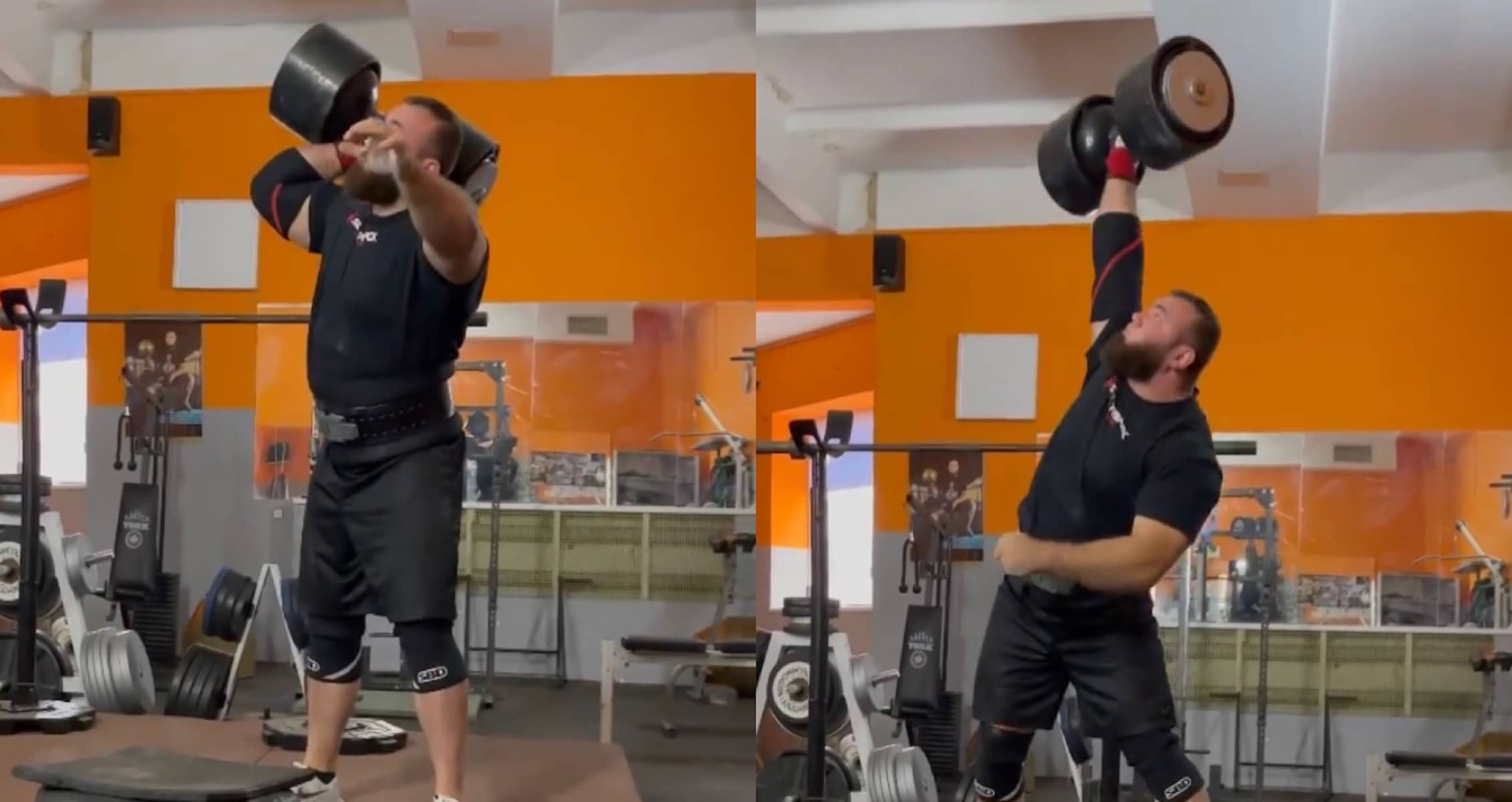
Oleksii Novikov Completes 140-kg Dumbbell Lift In Training Session
Oleksii Novikov could have his eye on the heavy dumbbell world record.
Oleksii Novikov has done plenty to cement himself as one of the best strongmen in the world. He is only continuing to improve and he shows it during training sessions. Most recently, Novikov tackled an impressive lift with a dumbbell.
The heavy dumbbell has been dominated by two athletes. Novikov and Mateusz Kieliszkowski have been at the top of the game over the years. Both competitors have their own records when it comes to heavy dumbbell. Novikov currently holds the world record with 11 reps of a 100kg (220.5lb) weight in 75 seconds. Kieliszkowski holds the world record in Cyr Dumbbell with a 145.2kg (320lb) lift. This was completed at the 2020 Arnold Strongman Classic.
In a recent training session, Novikov completed a lift that was close to that of Kieliszkowski’s record. The 2020 World’s Strongest Man winner took to Instagram to show off a 140kg (308.6lb) lift.
Oleksii Novikov referenced the 2021 Rogue Invitational in his caption. This event will take place from Oct. 29-31 in Austin, TX. This will be the first time a strongman competition will be featured at this event and it will be headlined by two of the best. Kieliszkowski is a two-time runner-up in the World’s Strongest Man competition.
There will be plenty of talent present at the event along with Novikov and Kieliszkowski. Tom Stoltman, along with his brother Luke Stoltman, are scheduled to compete. Brian Shaw will also be present at the competition looking to take home the inaugural championship.
This is the second time that these two athletes will be competing against each other since Kieliszkowski returned from a triceps injury. The first time was during the 2021 World’s Ultimate Strongman competition, where Novikov won the prize and Kieliszkowski came in second place.
The 2021 Rogue Invitational will feature five events — rogue elephant bar max deadlift, cyr dumbbell ladder, the wheel of pain, yoke carry & overhead log lift medley, and stone over hitching post. The fact that there is just five events means that competitors will have to be their best right from the start. There is not much time to take an event off.
Novikov will not have a chance to break the world record here because of the event that is scheduled. It is a speed ladder and not an event where lifters will have a chance to max out. This has not stopped Novikov from training appropriately — and making it look easy. In the video, Novikov seems to pull off the lift and have plenty left in the tank.
Oleksii Novikov has put together a winning streak against in head-to-head battles and it will be interesting to see if he can put another win together. He will certainly be one of the favorites entering the weekend looking to make an impact.
For more news and updates, follow Generation Iron on Facebook, Twitter, and Instagram.
Best BCAA For Bodybuilding Health & Performance Goals
Maximize your muscle gains and minimize muscle breakdown with an all-natural BCAA stack.
Protein, creatine, and N.O. boosters—these are the big-name workout supplements preferred by bodybuilding newcomers and veterans alike, and they have remained a staple of bodybuilding supplementation for decades now as the best pre-workout, intra workout, or post workout enhancers.
However, one class of supplements that distinguishes the professionals from the amateurs: Branched-Chain Amino Acids (BCAAs).
Generally, amino acids are micronutrients required to build protein, which, in turn, helps build muscle tissue (1). Specifically, branched-chain amino acids are comprised of three essential amino acids (leucine, isoleucine, and valine) that are particularly conducive to muscle growth, development, and repair. Leucine, isoleucine, and valine are the secret weapons to seeing big gains come to life from a great supplement.
Taken during (intra) exercise or post-workout, a BCAA supplement can significantly boost both acute performance and long-term anabolic growth as well as muscle protein synthesis leading to fat loss.
Unlike standard protein powder supplements, branched-chain amino acids (BCAAs) rapidly digest and absorb into muscle tissue, offering acute “intra-workout” performance benefits in the here-and-now—as well as the now-and-later.
Briefly, the reasons to take a BCAA supplement include boosting:
Muscle Growth and Recovery
Strength and Endurance
Insulin-Activated Amino Uptake
Immune Defenses Against Gym Pathogens
Protection Against Muscle Breakdown and Soreness
Below, we will get into greater detail on the performance advantages and health benefits of taking branched-chain amino acids as an intra workout or post workout supplement. But before we do, let’s read a full analysis on the Performance Lab® SPORT BCAA, the Best BCAA Supplement for bodybuilding.
Best BCAA For Bodybuilding: Performance Lab SPORT BCAA
Performance Lab BCAA is a versatile and muscle boosting supplement perfect for optimizing growth. A ratio of 2:1:1 makes this easy to absorb and all around effective.
Performance Lab® BCAA is an ultramodern BCAA stack delivered in unique, clean, green NutriCaps® capsules for rapid delivery and absorption in exercising muscle tissue. Whereas many standard BCAA supplements fail to efficiently absorb—and often come in improper ratio forms— Performance Lab® BCAA’s Ajipure® and NutriGenesis® amino acids are optimized for enhanced potency and bioavailability in a great supplement.
Performance Lab® BCAA works by:
Accelerating muscle growth and slowing down muscle catabolism (breakdown) for maximum anabolic muscle capacity and muscle protein synthesis.
Energizing athletic endurance by inhibiting fatigue-inducing brain chemicals during exercise for increased training duration.
Combating muscle soreness and fatigue by reloading exercising muscle tissue with anabolic amino acids for quicker, healthier recovery.
Bolstering healthy immune defenses against heightened athletic exertion and gym-related pathogens.
Taken post-workout or intra-workout (during exercise), Performance Lab® BCAA acutely nourishes and protects muscle tissue, reorienting your muscle metabolism towards growth rather than breakdown.
Try Performance Lab SPORT BCAA Here
Performance Lab® BCAA Formula Analysis
Branched-Chain Amino Acids (BCAA) 2:2:1 Ratio of:
L-Leucine+ (Ajipure® and NutriGenesis®),1500 mg
L-Isoleucine+ (Ajipure® and NutriGenesis®),750 mg
L-Valine+ (Ajipure® and NutriGenesis®),750 mg
Performance Lab® BCAA supplies a muscle-optimized 2:1:1 ratio of L-leucine, L-isoleucine, and L-valine as easy-to-absorb Ajipure® and bio-enhanced NutriGenesis® amino acids.
Two mistakes many BCAA supplements make: 1. They often supply low-grade BCAA forms that fail to fully and efficiently absorb, and 2. They supply their BCAAs at skewed ratios unbacked by clinical research.
Muscle tissue is naturally comprised of a 2:1:1 ratio of L-leucine, L-isoleucine, and L-valine; however, because L-leucine is the most anabolic of the BCAAs, many supplements overdo it by rationing their formulas at 4:1:1 and even 10:1:1 composites in favor of L-leucine.
Instead, designed for rapid delivery and performance for an intra workout or post workout boost, Performance Lab® BCAA supplies a research-backed 2:1:1 ratio of L-leucine, L-isoleucine, and L-valine in a blend of two advanced ingredient forms:
Ajipure®: manufactured by Ajinomoto, a world leader in amino acid supplementation, Ajipure® offers pure, bioavailable BCAAs made from non-GMO, gluten-free vegetable carbs using patented Ferment-A-Pure technology.
NutriGenesis®: nature-identical BCAAs complexed with natural cofactors, such as probiotics, fibers, enzymes, and antioxidants, that promote nutrient absorption for optimal BCAA bioavailability.
As a mix of pure BCAAs and a lab-grown BCAAs complex, Performance Lab® BCAA’s Ajipure® + NutriGenesis® combo has set the new high standard of clean, yet powerful BCAA muscle enhancement.
Uniquely, Performance Lab® BCAA comes in capsule delivery form instead of powder, encapsulating its formula in clean, additive-free NutriCaps®, a patented, prebiotic-infused capsule constructed out of fermented tapioca (pullulan). The use of artificial additives is another mistake many BCAA supplements make, considering how synthetics can disrupt gut health and nutrient absorption.
Inside and out, Performance Lab® BCAA supplement is a potent, powerful, plant-based muscle booster formula optimized for maximum bodybuilding strength, development, and performance.
Shop Performance Lab SPORT BCAA Here
Stack With Performance Lab SPORT Maintain & Performance Lab SPORT Post
Performance Lab SPORT Maintain
Performance Lab Maintain contains three great ingredients and an ultramodern design to tackle all of your bulking needs. Easy to swallow capsules allow for better digestion so these nutrients hit you much faster.
This supplement from Performance Lab can restore depleted muscles on your rest day with 12 hours of steady anabolic nourishment. It can reload your muscles with key sport nutrients, provides extended-relief muscle growth support, and promotes strength, power, focus, and endurance. With three ingredients, creatine monohydrate being the biggest, this has the power to upgrade your rest day to new heights. The ultramodern design and easy to swallow capsules are great for digestion and bulking and comes from the best in sports nutrition technology on the market.
Shop Performance Lab SPORT Maintain Here
Performance Lab SPORT Post
Code GENIRON10 For 10% Off
Transparent Labs CoreSeries Post is a great supplement to optimize recovery and muscle repair with 6 great ingredients. Paired well with any protein supplement, this can ensure big gains are met.
Post is the world’s cleanest and smartest muscle-restoring post-workout supplement designed to meet all of your recovery and muscle-building needs. While working out causes damage to your muscles and inflammation, this can limit growth. SPORT Post works to counter these effects by pumping your body full of those depleted nutrients in efforts to optimize muscle growth and repair. For recovery, it works to give you faster support so you come back stronger to take on the next session.
Shop Performance Lab SPORT Post Here
To learn more about why you should take a BCAA supplement, the bodybuilding benefits of taking BCAAs, and other frequently asked questions about BCAA supplementation, keep reading our guide on the Best BCAA for Bodybuilding.
The Beginner’s Guide On Branched-Chain Amino Acids (BCAAs) For Bodybuilders
Though we almost exclusively discuss them in the context of exercise and endurance enhancement, branched-chain amino acids (BCAAs) are fundamentally important to your metabolic and muscular health, whether you exercise or not (2).
To illustrate the importance of BCAAs, here are a few figures to chew over:[4]
BCAAs account for 35-40% of the dietary essential amino acids (EAA), meaning the aminos consumed via diet, in body protein.
BCAAs comprise 14-18% of the total aminos in muscle protein.
Roughly 40% of body weight is comprised of muscle mass.
Given the predominance of muscle mass in total weight, as well as how much of muscle mass is comprised of BCAAs, the total amount of BCAAs in the body is not an insignificant amount. Because they’re essential amino acids, BCAAs must be consumed to maintain sufficient, healthy levels. It’s for this reason that BCAA supplementation is not only key to sustaining athletic growth but to help with metabolic health as well.
However, to better understand the role of BCAA supplements, it’s perhaps important to note here the differences between protein, amino acids, and branched-chain amino acids:
Protein: composed of amino acids, protein is a macronutrient required to build and develop muscle mass, as well as enzymes and other body tissues (3).
Amino Acids: the micronutrient substructures of protein that not only help compose various protein structures but also possess their own vital bioactivities.
Branched-Chain Amino Acids: a distinct class of amino acids that specialize in the synthesis of protein and the production of insulin.
Okay, But What Exactly Are BCAAs?
Altogether, your body requires 20 different amino acids to grow, develop, and function properly. Of those 20 amino acids, only 9 are classified as essential, meaning that you have to acquire them through your diet. And of those 9 essential amino acids, only 3 are classified as Branched-Chain Amino Acids (BCAAs), a subset of essential amino acids identified by having unique protein-synthesizing properties.
Branched-chain amino acids (BCAAs) are comprised of three amino acids—L-leucine, L-isoleucine, and L-valine—and their respective bioactivities include:
L-Leucine: Leucine is the most anabolic—and, thus, most important—BCAA for bodybuilding, L-leucine assists with muscle protein synthesis, muscle growth, and post-exercise repair. Leucine promotes growth hormone while combating catabolism (breakdown) (4).
L-Isoleucine: Isoleucine assists with oxygen utilization, enables red blood cells to transport oxygen to exercising muscle tissues; additionally, isoleucine promotes tissue healing, energy production, and immunity.
L-Valine: Valine works as a key source of muscle energy. Valine also helps with protein synthesis and formation, muscle tissue growth, repair, and energy and endurance.
Though L-leucine is viewed as the most anabolic BCAA, all three BCAAs contribute to muscular health, development, and performance.
Their anabolic effects on lean muscle mass and protein synthesis and the ability to provide a source of energy during exercise make BCAAs incredibly effective tools – at promoting lean muscle mass and several other aspects of athletic health and fitness.
The Bodybuilding Benefits Of Taking BCAAs
Around the time that bodybuilders start to drag their asses due to muscle soreness and fatigue is typically around the same time that their interest in BCAA supplements takes off. However, you don’t have to wait until the soreness kicks in to start supplementing BCAAs.
Essentially, the earlier you take BCAAs in your workout regimen, the earlier you can enjoy those gain-boosting benefits. Specifically, BCAA supplements can help you maximize your muscle and strength gains by improving:
1) Post-Exercise Muscle Growth
Anabolic muscle growth occurs after the gym, not during exercise. And much of post-exercise muscle growth is facilitated by the stimulation of protein synthesis during the body’s rest and repair phase, a phase greatly aided by BCAA supplementation.
Demonstrating the post-exercise anabolic potential of BCAAs, one placebo-controlled study found BCAA supplementation among resistance trained athletes to be effective at boosting:
Myofibrillar-MPS, or muscle protein synthesis (MPS) within myofibril, the elongated contractile threads that compose striated muscle tissue.
Phosphorylation Status of mTORC1 Signaling Proteins, which is basically a lab measurement of one of the steps that regulates protein synthesis (5).
2) Muscle Damage and Soreness
Delayed onset muscle soreness, or the DOMS, refer to the muscle soreness that peaks roughly 24 to 72 hours after exercise (6). Typically, unless you had a totally killer workout, you rarely feel the painful consequences of exercise the day of the workout. The pain and stiffness incurred by leg-day isn’t fully felt until chest-day—or whichever day comes after your leg-day.
And, of course, if you’re feeling the painful consequences of leg-day on chest-day, you’re not going to enjoy chest-day as much as you’d prefer.
Fortunately, BCAA supplementation can help. On the effects of BCAAs on muscle damage and soreness, two studies stand out:
Study 1 – in one small crossover double-blind study, BCAAs were administered before leg squat exercise to determine the benefits of BCAAs on squat-exercise-induced delayed-onset muscle soreness. The researchers’ conclusion: “muscle damage may be suppressed by BCAA supplementation.” (7)
Study 2 – in this systematic review, a couple researchers compiled data from 11 studies to determine whether or not BCAA supplementation is an efficient nutritional strategy to alleviate skeletal muscle damage. Their results suggested that BCAA supplementation can be efficacious in deterring exercise-induced muscle damage, and that it’s “especially effective if taken prior to the damaging exercise.” (8)
This second study suggests improvements on muscle damage and soreness given the timing of BCAA supplementation, which is something we address below in the “Other Frequently Asked Questions” section.
3) Cognitive Fatigue During Exercise
Unlike DOMS, exercise-induced cognitive fatigue more immediately affects exercise performance via pathways that are more acutely responsive to physical activity. With regards to exercise-induced fatigue, the key neurotransmitters of interest are serotonin and dopamine to keep energy high.
Respectively, each neurochemical relates to performance in the following ways:
Increased serotonin negatively impacts physical performance.
Increased dopamine is associated with increased performance.
However, higher levels of BCAAs have been associated with lower activity of L-tryptophan, the “sleepy” precursor to serotonin (9). This limiting effect on the entry of tryptophan into the brain may help ward of exercise-induced fatigue, contributing to greater exercise stamina and performance.
4) Intra-Workout Energy and Endurance
Though glucose acts as our body’s primary source of ATP-fueling energy, glucose doesn’t have a total monopoly on our body’s energy reserves and BCAA energy can be a real aid here with endurance.
Under conditions of heightened physical activity, endurance, and stress (i.e., during exercise), BCAAs serve as both a key energy source and as a precursor for the synthesis of protein and other amino acids. The combination of these effects on energy and endurance, as supplied by additional BCAAs via BCAA supplementation, may significantly improve your intra-workout energy and endurance.
This also partly explains how BCAAs minimize muscle damage and soreness: by substituting your muscular BCAAs as a readily available source of BCAA energy fuel. In fact, BCAA supplementation may decrease whole-body proteolysis (protein breakdown) even in tissues other than skeletal muscle (10).
5) Exercise-Related Immunity
In the long run, exercise can help bolster your immunity. However, strenuous exercise and energy expenditure may also acutely impair your immunity, potentially due to the exercise-related depletion of glutamine, an amino acid associated with immune health.
BCAA supplementation may help boost exercise-related immunity by optimizing (11,12):
Peripheral Blood Mononuclear Cell (PBMC) Activity
Plasma Glutamine Concentration
Cytokine Production
mTOR Signaling Pathway
And more…
With that in mind, it’s worthwhile to consider BCAAs as a useful sports nutritional tool for both post-exercise muscle recovery and immune regulation.
Which Is Better: Amino Acids Vs. Protein Powder?
If you’re already taking a protein powder, do you really need to add a BCAA supplement to your workout stack? After all, don’t protein powder supplements already supply a decent amount of BCAAs?
Yes, an effective, comprehensive protein powder should supply all the essential amino acids, including branched-chain amino acids. However, unlike straight BCAAs, protein powder takes longer to fully absorb, missing your intra-workout window of opportunity to acutely mitigate muscle breakdown and promote protein synthesis.
Ideally, you should take both protein powder and BCAAs for the following bodybuilding purposes:
Protein– to supply your muscle tissue with a hefty supply of post-workout protein with which to grow new muscle tissue through protein synthesis.
BCAAs– to lessen the negative consequences of exercise, namely muscle fatigue and soreness, while maximizing the anabolic capacity of your post-workout muscle metabolism.
Together, protein powder and BCAAs may work synergistically to boost your muscle and strength gains, as well as your endurance, motivation, immunity, and general fitness.
Other Frequently Asked Questions
Will BCAAs break my fast (or kick me out of ketosis)?
This is a common question among intermittent fasters, or those who train on an empty stomach (fasted training) to encourage their body’s use of stored fat for energy during exercise. Considering that BCAA products do have a spiking effect on insulin—and that BCAAs are associated with protein, which, as a macronutrient, is a no-go while fasting—intermittent fasters are naturally cautious with their use of BCAAs.
However, some research suggests that BCAAs may actually act synergistically with a ketogenic diet. Again, we’re dealing with a small preliminary study here, yet the findings of this small study on the effects of BCAA in conjunction with the ketogenic diet suggested that “branched chain amino acids may increase the effectiveness of the ketogenic diet and the diet could be more easily tolerated by the patients because of the change in the ratio of fat to protein” (13).
Speaking of the fat-to-protein ratio, if fat loss is your ultimate goal, taking BCAAs will ultimately help you on that end more than not, considering that most long-term fat loss occurs as a result of increased lean muscle mass more so than acute exercise-related calorie-burning. Given BCAAs’ pro-anabolic, anti-catabolic effects on lean muscle growth, they’re likely to help with your lean body composition goals either way.
Why is the 2:1:1 BCAA ratio considered as “muscle optimized”?
The 2:1:1 BCAA ratio of L-leucine to L-isoleucine to L-valine is often referred to as the “muscle optimized” BCAA ratio because it roughly matches the natural BCAA ratio of skeletal muscle tissue. This is ideal in terms of balanced BCAA delivery, as it supplies all the diverse muscle benefits of all three BCAAs at their natural ratio bioactivities.
Because L-leucine is generally considered to be the most anabolic of the three BCAAs, many BCAA supplement manufacturers tend to overemphasize their L-leucine content with ratios of 4:1:1 upwards to even 10:1:1. However, the problem with this is that as BCAA ratios go up, research and safety data goes down, as the 2:1:1 ratio isn’t only naturally “muscle optimized” but also the most evidence-backed BCAA ratio available.
Do BCAAs have any side effects?
Generally, no. BCAA products encompass one of the safest types of workout supplements available. Yet, of course, as with any supplement you take, there are potential risks. This is particularly true if you’re taking a BCAA “hybrid” formula.
Essentially, because many people tend to take their BCAA formulas during exercise, many supplement manufacturers offer BCAA “hybrid” formulas that come stacked with other non-BCAA intra-workout ingredients, namely stimulants (such as caffeine). With a smartly formulated BCAA “hybrid” stack, you may potentially achieve greater results than you would with a vanilla BCAA formula; however, the greater the ingredient count, the more difficulty your body will have in rapidly absorbing BCAAs especially if artificial flavors and ingredients are present.
In general, it’s best to take a BCAA supplement that only supplies BCAAs, so as to lower your risk of negative ingredient interactions and poor BCAA absorption and work to support muscle.
Which is better: BCAA pills vs BCAA powders?
Of primary concern is the quality of your BCAAs. After that, how your BCAA formula is delivered—whether by, say, pill, capsules or powder—should take secondary concern.
With that in mind, the respective advantages of BCAA pills vs. powders are:
BCAA Pills: purity, convenience, cleanliness—capsules tend not to come stuffed with gut-demolishing artificial sweeteners and additives common to powder supplements, and, as such, BCAA pills tend to absorb more fully and efficiently than BCAA powders.
BCAA Powders: dosage and taste—no doubt, those artificial sweeteners are …well, they’re sweet, and that’s not a totally trivial advantage; plus, with powdered scoops, you can ramp up the BCAA dosage, which compensates for the potential absorption issues attendant upon BCAA powder’s reliance on unnatural flavors, sweeteners, thickeners, preservatives, etc.
Each delivery system has its Pros and Cons. For a quick, clean shot of BCAAs, taking an all-natural BCAA pill is superior to guzzling down additive-heavy BCAA powders. However, if you’re looking for a super fat dose of BCAAs, the powder might have more of what you’re looking for.
Who, other than bodybuilders, should take BCAAs?
In this article, we’re primarily covering the sports nutrition advantages of BCAAs for bodybuilders. However, virtually all athletes and exercisers of all types may benefit by adding a BCAA supplement to their daily workout supplement stack – it can definitely be considered as one of the best health supplements in the UK, US, and around the world.
Whether active or not, everyone needs BCAAs in some quantity. Because dairy and red meats contain the highest amounts of dietary BCAAs, vegans and vegetarians in particular should focus on upping their BCAA intake. And this is especially true for vegans/vegetarians whose exercise routines are frequently hindered by muscle fatigue and soreness.
In short, everyone should focus on their BCAA intake, and everyone who works out should consider adding a BCAA supplement to their workout routine.
Performance Lab BCAA is a versatile and muscle boosting supplement perfect for optimizing growth. A ratio of 2:1:1 makes this easy to absorb and all around effective.
Check out our list of the Best BCAA Supplements for more amazing intra-workout products!
Wrap Up
High-intensity resistance training breaks muscle, and high-intensity resistance training builds muscle. However, with Performance Lab® BCAA, you can expect less muscle breakdown and greater muscle building with your weight-training.
No doubt, one of the most frustrating things about working out is feeling like you’ve hit a plateau—or worse: that your physique is actually worsening, despite how much time and effort you feel like you’re putting into the gym.
Perhaps, truth be told, you’re not hitting the weights as hard or as fast or as long as you used to, and, in the back of your mind, you know that you could be working harder. Exercise is as much a mental game as it is a physical one, which is why revamping your exercise with an intra-workout performance enhancer like Performance Lab® BCAA not only feels great on the body but on the mind as well making this a great BCAA product and BCAA formula.
With an all-natural, muscle-optimized 2:1:1 ratio of pure, nature-identical BCAAs, Performance Lab® SPORT BCAA’s formula may help bodybuilding newcomers hit the ground running and bodybuilding veterans bound over mid-routine barriers and plateaus.
The goal of taking BCAAs isn’t solely to get those muscle and strength gains (although, that is the key prize we’re eyeing here) but to also feel good while getting them. After all, if you’re spending a significant amount of your time—your precious grains of sand from the proverbial hourglass of the sands of time—in the gym, you owe it to yourself to make that experience as enjoyable and fulfilling as possible.
Granted, a BCAA stack won’t do that entirely on its own, but it’ll definitely help, especially with a powerful, all-natural BCAA stack like Performance Lab® BCAA.
Shop Performance Lab SPORT BCAA Here
Generation Iron may receive commissions on purchases made through our links. See our disclosure page for more information.
Let us know what you think in the comments below. Also, be sure to follow Generation Iron on Facebook, Twitter, and Instagram.
*Images courtesy of Envato
References
Wolfe, R. (2017). “Branched-chain amino acids and muscle protein synthesis in humans: myth or reality?”. (source)
Blomstrand, E.; Eliasson, J.; Karlsson, H.; Kohnke, R. (2006). “Branched-chain amino acids activate key enzymes in protein synthesis after physical exercise”. (source)
Pasiakos, S.; McLellan, T.; Lieberman, H. (2015). “The effects of protein supplements on muscle mass, strength, and aerobic and aerobic power in healthy adults: a systematic review”. (source)
Mero, A. (1999). “Leucine supplementation and intensive training”. (source)
Shimomura, Y; Murakami, T.; Nakai, N.; Nagasaki, M.; et al (2004). “Exercise Promotes BCAA Catabolism: Effects of BCAA Supplementation on Skeletal Muscle during Exercise”. (source)
VanDusseldorp, T.; Escobar, K.; Johnson K.; Stratton, M.; et al (2018). “Effect of Branched-Chain Amino Acid Supplementation on Recovery Following Acute Eccentric Exercise”. (source)
Shimomura Y et al. (2010). “Branched-chain Amino Acid Supplementation Before Squat Exercise and Delayed-Onset Muscle Soreness”. (source)
Fouré A, Bendahan D. (2017). “Is Branched-Chain Amino Acids Supplementation an Efficient Nutritional Strategy to Alleviate Skeletal Muscle Damage? A Systematic Review”. (source)
Asor E et al. (2015). “The Role of Branched Chain Amino Acid and Tryptophan Metabolism in Rat’s Behavioral Diversity: Intertwined Peripheral and Brain Effects”. (source)
Ferrando AA et al. (1995). “Oral Branched-Chain Amino Acids Decrease Whole-Body Proteolysis”. (source)
Negro M et al. (2008). “Branched-chain Amino Acid Supplementation Does Not Enhance Athletic Performance but Affects Muscle Recovery and the Immune System”. (source)
Nie C et al. (2018). “Branched Chain Amino Acids: Beyond Nutrition Metabolism”. (source)
Evangeliou A et al. (2009). “Branched Chain Amino Acids as Adjunctive Therapy to Ketogenic Diet in Epilepsy: Pilot Study and Hypothesis”. (source)