
 All Posts By Muscle Insider
Board Certified PHD
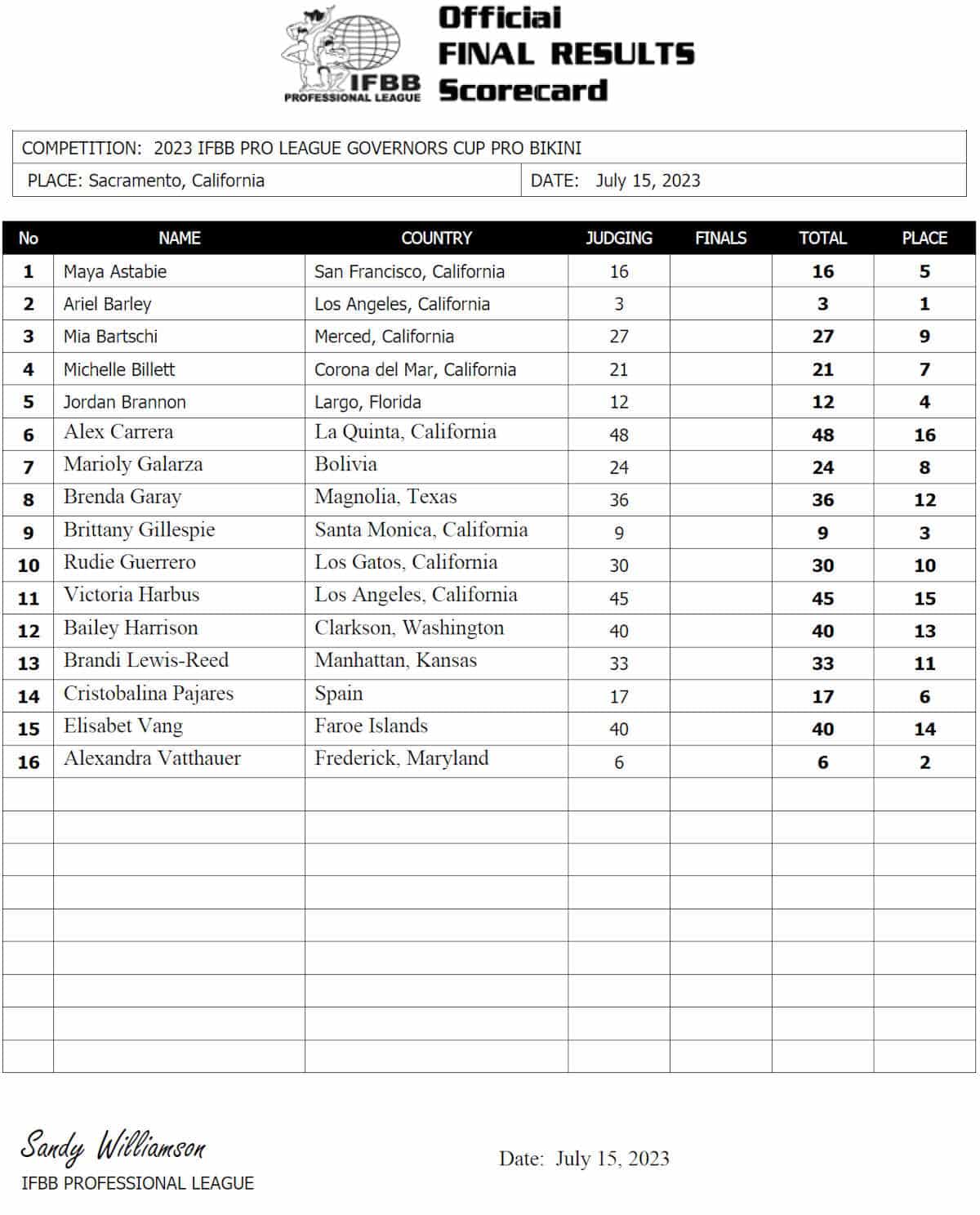
2023 Governors Cup Pro Results and Scorecards — Ariel Barley Wins
The 2023 Governors Cup Pro took over Sacramento, California on July 13, where competitors from the Bikini category battled for gold and an Olympia invite for later this year. This event served as an Olympia qualifier.
It’s more challenging to earn an invite for Olympia this year as the point system has been removed. As it stands, the 2023 Mr. Olympia competition will go down from Nov. 2-5 inside the Orange County Convention Center in Orlando, Florida.
It was an exciting show that saw plenty of comparisons. In the end, Ariel Barley won the Bikini title. She will have the opportunity to face reigning Bikini Olympia Maureen Blanquisco in just a few months. You can find the full results from the show below!
2023 Governors Cup Pro Winner
Bikini: Ariel Barley
2023 Governors Cup Pro Results
Bikini
Winner — Ariel Barley
Second Place — Alexandra Vatthauer
Third Place — Brittany Gillespie
Fourth Place — Jordan Brannon
Fifth Place — Maya Astabie
Sixth Place — Cristobalina Pajares
Seventh Place — Michelle Billett
Eighth Place — Marioly Galarza
Ninth Place — Mia Bartschi
Tenth Place — Rudie Guerrero
2023 Governors Cup Pro Scorecards
2023 Governors Cup Pro
FitnessVolt congratulates the winner. We look forward to seeing you shine on the Olympia stage.
2023 Lenda Murray Atlanta Pro Scorecards
/* custom css */
.tdi_86{
color: #eaeaea;
}IFBB PROFESSIONAL LEAGUE®, IFBB PRO LEAGUE®, IFBB PRO® and the IFBB Professional League logo are registered trademarks owned by the IFBB Professional League.The IFBB Professional League logo cannot be altered in any way, shape or form without the expressed written approval of the IFBB Professional League. Where such approval is granted, the IFBB Professional League will provide the altered logo.© 2022 IFBB Pro, All Rights Reserved.
2023 Governors Cup Pro Scorecard
/* custom css */
.tdi_86{
color: #eaeaea;
}IFBB PROFESSIONAL LEAGUE®, IFBB PRO LEAGUE®, IFBB PRO® and the IFBB Professional League logo are registered trademarks owned by the IFBB Professional League.The IFBB Professional League logo cannot be altered in any way, shape or form without the expressed written approval of the IFBB Professional League. Where such approval is granted, the IFBB Professional League will provide the altered logo.© 2022 IFBB Pro, All Rights Reserved.
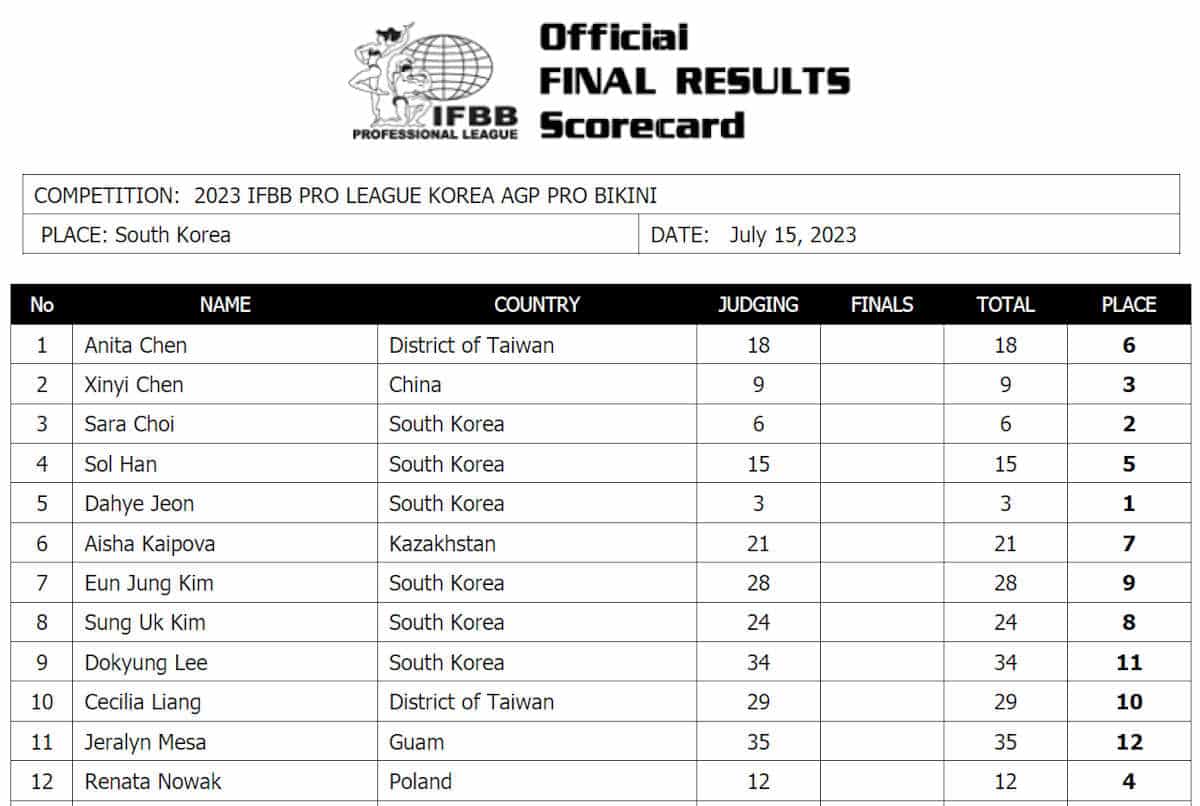
2023 Korea AGP Pro Bikini Results and Scorecards — Dahye Jeon Wins
It’s a busy bodybuilding weekend with a handful of shows happening worldwide. One of them was the 2023 Korea AGP Pro Bikini. Competitors from the Bikini division gathered in Gyeonggi State, Korea, on July 15, seeking an invite to the sport’s most prestigious show of the year, Olympia.
Athletes have until Oct. 9 to secure an invite to Olympia this year. There are fewer months than in 2022 to qualify, and the point system has been removed, making it even more challenging to earn a spot on the big stage.
Dahye Jeon came out on top this weekend, and she will now have the chance to face the reigning Bikini Olympia Maureen Blanquisco. Bodybuilding fans are counting down the days until 2023 Mr. Olympia, taking place Nov. 2-5, in Orlando, Florida.
2023 Korea AGP Pro Results
Bikini
Winner — Dahye Jeon
Second Place — Sara Choi
Third Place — Xinyi Chen
Fourth Place — Renata Nowak
Fifth Place — Sol Han
Sixth Place — Anita Chen
Seventh Place — Aisha Kaipova
Eighth Place — Sung Uk Kim
Ninth Place — Eun Jung Kim
Tenth Place — Cecilia Liang
Sara Choi, representing South Korea, has participated in three contests this year. She achieved second place in both the Musclecontest Japan Pro and the District of Taiwan Pro. However, at the 2023 Orchid Pro, she finished sixth. Despite being a favorite due to her experience and home advantage, Choi ultimately secured second place in the competition. In the end, South Korea’s Dahye Jeon clinch the victory.
2023 Korea AGP Pro Scorecards
2023 Ifbb Agp Korea Pro Bikini
FitnessVolt congratulates the winner and we look forward to seeing you shine on the Olympia stage!
Published: 15 July, 2023 | 5:15 PM EDT
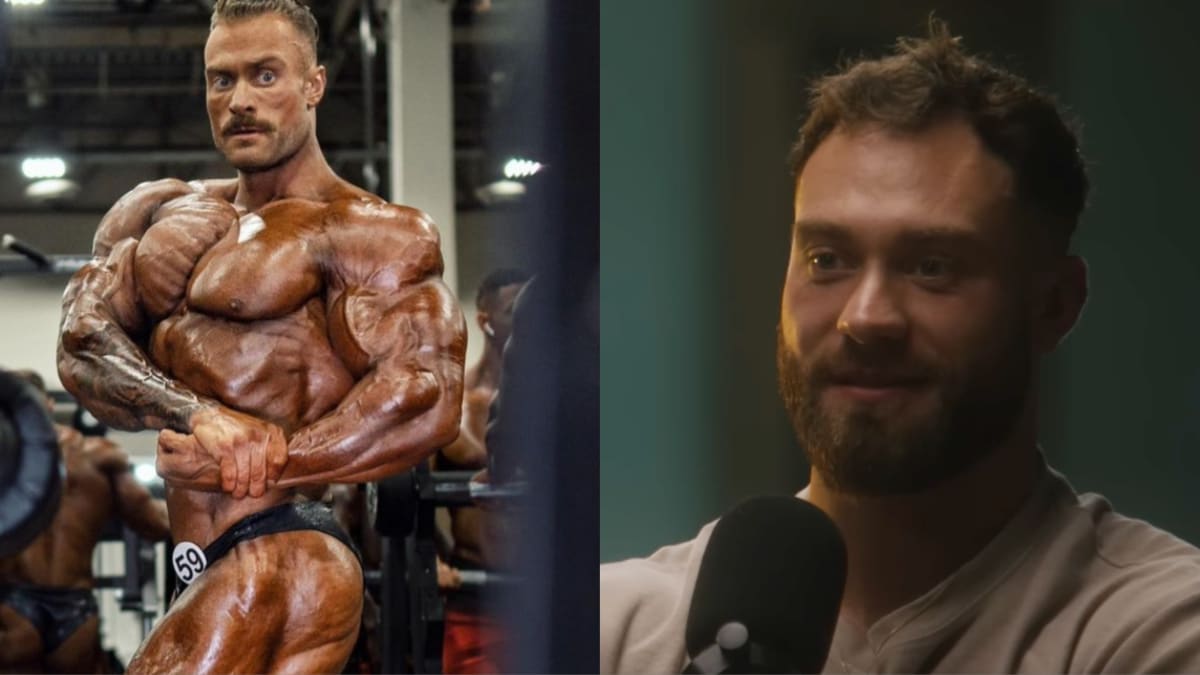
Chris Bumstead Reveals How Much Attention He Gets from Women as a Bodybuilder
Canadian bodybuilder Chris Bumstead is one of the most popular and successful competitors of any division. His impressive physique combined with his engaging social media presence has garnered him 18 million followers on Instagram. In a recent interview with Chris Williamson, Bumstead revealed how much attention he gets from women.
Chris Bumstead is coming off a sensational performance at the 2022 Mr. Olympia last December. The dominant champion managed to ward off rising Brazilian sensation Ramon Rocha Queiroz and German standout Urs Kalecinski to retain the title. The win marked his fourth consecutive Classic Physique Olympia title. Following the event, Bumstead made it clear he had no plans of slowing down anytime soon and would be returning for the fifth.
Earlier this year, Bumstead laid out his nutrition in the 2023 off-season and revealed the private gym he’s been working on. He plans to use this facility for his Olympia training about 18-20 weeks out from the show. While he used to eat six meals a day, he now consumes four along with a shake.
Considering how dominant Bumstead has been, he’s developed an aura of near-invincibility. However, renowned bodybuilding coach Milos Sarcev backed budding contender Stephane Matala to be a major force in the Classic Physique division. He even favored Malala’s overall muscularity but argued Bumstead had better structure.
Bumstead gave fans a look into his off-season back training for building muscle two weeks ago. Then, he detailed the only ten exercises he would use for muscle growth in prep and listed Trenbolone as the one steroid he doesn’t take due to its toxicity. Others have been critical of Trenbolone’s toxicity as well, such as powerlifting sensation Larry Wheels, who described his time on the compound as a ‘living hell.’
Chris Bumstead Reveals How Much Attention He Gets from Women
In a recent YouTube video, Chris Bumstead revealed the ratio of attention he gets from men and women.
“90-10 in favor of men, of course,” said Bumstead. “I think my Instagram statistics are like 91% men. Anyone who thinks that this life is going to get you girls, you get more men.”
“There’s a line of respect in that. Let’s say you start doing something for the attention of women and then in the end you don’t get it but you realize how much you love it so you keep doing it. You’re doing it now because you actually love to do it rather than just getting a girl. There’s a little bit more meaning in doing it for yourself.”
“At this point when I’m in prep, I mute everything, all notifications are off, I don’t look at my comments. I don’t really look at anything and I would just rather that not seep into me. Baseline I can always bring myself back to what I said, understanding these people don’t know me but I’m obviously still affected by certain things that hit me. But again, if something affects me it’s because of something I have unhealed inside of myself. It comes back to where I’m still hurting, and not much what other people think.”
Chris Bumstead showed off his massive biceps in a grueling arm training session for hypertrophy days ago. He followed up by laying out some of the recovery practices he utilizes for optimal performance. He also offered the different morning routines he follows throughout the year.
Bumstead stands as the winningest Classic Physique athlete in the history of Mr. Olympia contests and will target his fifth win at the 2023 Mr. Olympia later this year.
RELATED: Rich Gaspari: ‘Chris Bumstead Needs 40 Lbs to Win Open Mr. Olympia, No One Is Close to Him in Classic’
You can watch the full video below:
Published: 15 July, 2023 | 1:07 PM EDT

SARMS FOR SALE
SARMS for Sale: Unlocking the Potential of Ostarine MK-2866, Cardarine, and RAD-140 by SARM Sciences When it comes to SARMS (Selective Androgen Receptor Modulators), SARM Sciences stands as a trusted brand offering high-quality products. In this article, we will explore the benefits of three popular SARMS sold by SARM Sciences: Ostarine MK-2866, Cardarine, and RAD-140….
2023 Korea AGP Bikini Pro
/* custom css */
.tdi_86{
color: #eaeaea;
}IFBB PROFESSIONAL LEAGUE®, IFBB PRO LEAGUE®, IFBB PRO® and the IFBB Professional League logo are registered trademarks owned by the IFBB Professional League.The IFBB Professional League logo cannot be altered in any way, shape or form without the expressed written approval of the IFBB Professional League. Where such approval is granted, the IFBB Professional League will provide the altered logo.© 2022 IFBB Pro, All Rights Reserved.
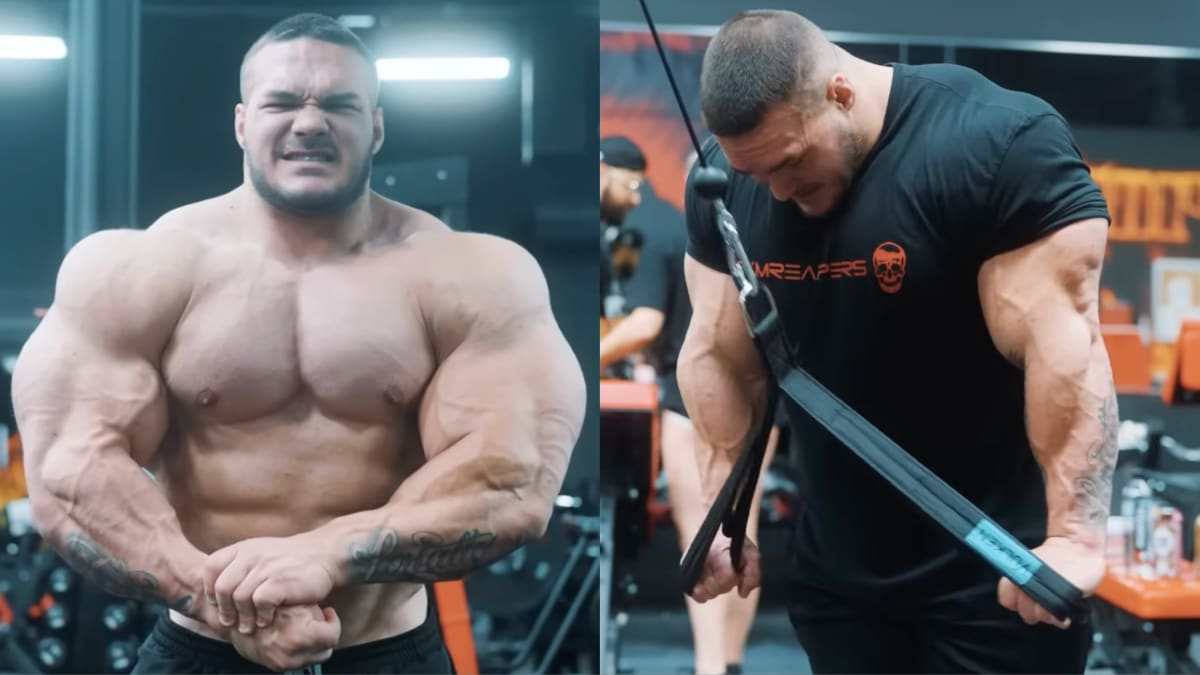
Nick Walker Reveals Secret to Building a Huge Chest in Push-Day Workout
American bodybuilder Nick Walker has emerged as a major force in the Men’s Open division over the last few years. He’s gained a lot of hype based on his freakish muscularity and strong performances. In a recent video uploaded on YouTube, Walker shared his secrets to growing a huge chest.
Nick Walker first gained attention for his crazy muscle mass, size, and conditioning after dominating the competition at the 2021 New York Pro. He followed up by taking home the top prize at the 2021 Arnold Classic and concluded one of the most impressive rookie seasons with a fifth-place finish at the Mr. Olympia. In 2022, Walker made significant improvements in the off-season and returned stronger than ever at the Mr. Olympia, where he took third place.
Walker was last seen in action at the 2023 Arnold Classic four months ago. He brought a massive physique but missed out on gold to Samson Dauda in a close-fought battle. Following the show, Walker opened up on the changes he made to his training and structure. He also made the case for himself to have placed runner-up at the 2022 Mr. Olympia instead of Derek Lunsford.
‘The Mutant’ offered his morning cardio routine, supplementation, and diet two months ago. He revealed he weighed 283 pounds and laid out a green shake he’s utilizing to improve gut health. Then, Walker smashed past a brutal push-day workout where he stressed the importance of not reaching muscle failure in training last month.
Nick Walker joined forces with fitness sensation Tristyn Lee and Jared Feather for a grueling back-day workout three weeks ago. Walker provided tips on maximizing volume training for the best results.
The fan-favorite faced backlash on an epic body transformation snap he posted on his social media over two weeks ago. While some were in awe of the massive amounts of muscle he put on his frame, others criticized him for allegedly overusing steroids to get there.
Walker gave his breakdown of the upcoming 2023 Mr. Olympia two weeks ago. He backed 2022 Mr. Olympia Hadi Choopan, Derek Lunsford, Samson Dauda, Hunter Labrada, and himself to form the top five and counted out the chances of Andrew Jacked and former two-time champion Mamdouh ‘Big Ramy’ Elssbiay.
Nick Walker Builds Massive Chest in Push-Day Workout
In a recent YouTube video, Nick Walker worked on his chest while crushing a push-day workout.
Incline Dumbbell Chest Press
He started with incline dumbbell chest presses using 130-pound dumbbells and explained why it’s important to choose the right weight for performing slow and controlled reps.
“I will dumbbell press the 130s,” said Walker. “I could probably go a lot higher but there is really no need for me to try and ego lift. I’ve done all that in my earlier days, 170s, 180s, 200, 225s for that matter. Problem was everything had a bump on my chest. So, I lowered the weight. I go from 100 to 120s, 140 doesn’t feel good. I really bring it down as far as I can, stretch the chest, slightly pause, and explode up and when I explode up I squeeze and act like I’m bringing my elbows together. That is one thing I don’t see people doing. They just kind of *go half range* which yeah creates stimulus I’m sure it works to a degree but get the most out of the exercise. All the way stretch, slight pause, even in the stretch is also very most beneficial and actually squeeze at the top. So, all the way down, pause, come up, pretend like you’re forcing your elbows together and squeeze the dumbbells, slow negatives.”
For Walker, focusing on the stretch and the squeeze is the most important part of a rep.
“It’s all about the stretch and the squeeze, contracting the muscle throughout every rep. make every rep count. I feel like ever since I started doing this, my chest has progressed tremendously.”
Hammer Strength Chest Press Machine
Walker got some work in on the chest press machine using a full range of motion and slow negatives. While he didn’t offer specific tips for the exercise, he followed his usual principle of controlling the movement and not lifting to satisfy your ego.
Chest Dip Machine
Walker ranked the chest dip machine as one of the more difficult exercises to perform on push days. He believes using body weight should do the job on the movement and that there’s no need to add any additional weight unless it’s the first exercise of the training regimen.
“This will f**k you up. Again, just another cue, all the way down and stretch. Come all the way up and squeeze it. You don’t need weight with this. If I started with this, yeah probably but this is the last movement for chest. You don’t need weight, focus on just contracting.”
Pec Deck Fly Machine
Nick Walker offered a tip on improving chest muscle development by placing your elbows outwards to get a bigger contraction.
“The secret to getting a big chest is on the elbows. Example, especially on the pec deck, you see people take it and *do a limited range of motion* like they try to hug a bear. There’s been many people that say that. Yes, it works to a degree but it’s in the elbow where you want to *bring them out* watch the difference, no contraction before and when I bring out with the elbows, big contraction. Stretch, contract, you almost want to close the elbows together. At least imagine it. The contraction will feel a lot bigger doing this than this. So that is one of my tips to building a bigger chest.”
Dumbbell Lateral Raises
Although the push day workout was more focused on the chest, Walker made sure to get a shoulder exercise in with dumbbell lateral raises before moving on to the triceps. He recommended bringing the weight all the way up and avoiding the use of traps while performing the movement.
“This day is specifically more chest. I’ll duo one shoulder movement which usually is side laterals and then I’ll move onto triceps.”
“It’s not your normal side lateral here. You come all the way up. Basically, you’re going to hit all the side delt but you won’t incorporate trap, which is fine, not the biggest issue but I just like it better because I feel like I can hit the delt harder than stopping here. I get a bigger pump and I’ve noticed massive improvements in my delts doing it this way.”
Cable Pushdown
Next, Walker did the cable pushdown as the first exercise of the regimen targeting mainly the triceps.
Seated Dip Machine
Walker reiterated the benefits of controlling the full movement and choosing a weight that you can properly squeeze and stretch the muscle with for optimal results. He also revealed he got the most gains in his arms using a rep range of 12 to 15.
“Don’t ego lift. Especially with this, if you do it right, it allows you to bring your elbows back and get a full stretch. Then it goes down for you in that type of motion and you can lock out and squeeze. That’s it. It’s the same like a pushdown you want to get the stretch at the very top holding and then control it. I do find with a higher rep the arms grow a little better. No less than 10 but I would say even no more than 20. Best range for arms for me to grow was like 12 to 15ish. You stay in that range, you’ll grow.
Machine Triceps Extension
Walker concluded his session with machine triceps extension, which is the one exercise he likes to go heavy on. He racked the full weight set as he believes the movement feels lighter than others.
“On this machine, I pretty much contradicted and racked the whole thing but anyone who has used this machine understands it’s not that heavy so it’s okay. I’m doing like 15 to 20 reps perfect control, even a pause at the bottom, slow down. It’s a great machine just a little light.”
Overall, the workout included:
Incline Dumbbell Chest Press
Hammer Strength Chest Press Machine
Chest Dip Machine
Dumbbell Lateral Raises
Cable Pushdown
Seated Dip Machine
Machine Triceps Extension
‘Stop ego lifting!’: Walker reveals the secret to growing a full chest
Walker highlighted the importance of proper technique and not trying to lift too heavy.
“The secret to growing a big chest, which primarily is the secret to growing a big anything is stop ego lifting. Stop thinking you can come up here and be macho man, control the weight, control the eccentrics, and explode up, contract that muscle as hard as you can. That’s what makes it grow.”
Nick Walker gives prep update 17 weeks out from the 2023 Mr. Olympia
Nick Walker shared updates on his progress 17 weeks out of the Olympia.
“Today, we’re going to be doing a push day,” said Walker. “This will be primarily for my chest. We are about 17 weeks out from the Olympia now and not too much has changed. We did lower the foods a little bit, increased cardio a bit, baby steeps that’s why we do long preps, just ease the body into it so we don’t have to rush and come all the way down. Goal is by the time we hit three to four weeks out, we’re going to pull back a little bit, let the body rest, recover, come back to life a little more.
“Overall, training’s been really good, strength still going up, food is still relatively high, no reason to be low right now, and cardio is good.”
Nick Walker is confident Hadi Choopan would not retain his title at the 2023 Mr. Olympia later this year. He plans to assert himself first and expects a fierce showdown with Derek Lunsford on stage.
Walker also provided tips on growing huge quads while crushing a lower body workout last week. Then, he gave his take on the game plan he was devising for Mr. Olympia. Based on the latest update, Walker is leaving no stone unturned in his pursuit of Olympia glory.
RELATED: Nick Walker Signals Intensity Shift in Training/PEDs for 2023 Mr. Olympia: ‘Growing Now, Strength is Up’
You can watch the full video below:
Published: 15 July, 2023 | 9:21 AM EDT
The 30-Day Arm Challenge for Dramatic Size & Strength Gains
Big arms demand immediate respect.
They are the body’s “show muscles,”; the most frequently displayed part. So the faster we can add size to our biceps, triceps, and forearms, the better.
However, most lifters fail to grow their arms. You might be one of them.
Are you having trouble making your forearms bigger? Have your biceps reached the height of their potential? Are you unable to get that amazing triceps horseshoe out?
What’s needed is an intervention — a short, sharp arms shock that will leave your bis, tris, and forearms no choice but to respond.
This 30-day arm challenge is designed to do just that.
Understanding the Arm Muscles
The arms consist of the following three muscle groups:
Biceps
Biceps Anatomy
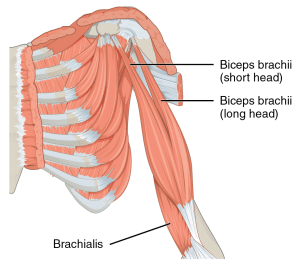
The biceps brachii muscle comprises two heads — long and short. The short head originates higher than the long head on the scapular. The radius, or forearm bone, is connected to the one tendon that traverses the elbow joint and receives both the long and short heads.
The biceps are responsible for extending the elbow. They also have a small impact on shoulder flexion, which occurs when the arm extends in front of the body.
Triceps
The triceps is situated behind the biceps, on the upper arm. The biceps and triceps are opposing muscle groups so that when one contracts, the other relaxes. Since its purpose is to straighten the arm, any exercise that requires you to do so while facing resistance will engage your triceps.
The triceps muscle has three heads:
Medial
Lateral
Long
The region immediately below the side of the shoulder is known as the outer or lateral head. This head gives the arm a thicker, more robust appearance when fully developed and originates at the shoulder socket on the scapula. The long and medial heads originate at the top of the humerus, or upper arm. The triceps tendon is attached to the olecranon process of the ulna, the bigger of the two forearm bones, where all three heads of the triceps insert.
When completely developed, the triceps give the back of the upper arm a horseshoe shape.
Forearms
The muscles of the forearms can be divided into four groups:
Flexors
Extensors
Rotators
Extrinsic muscles
The flexor muscles are located on the side of the palm. The extensor muscles are on the side of the back of your hand. The forearm rotators supinate the hand, rotating it externally. They also pronate it to move in internally.
The fingers are moved by very small muscles divided into extrinsic muscles on the forearm and intrinsic muscles in the hand itself.
The forearm is capable of six actions. These are:
Wrist Flexion
Wrist Extension
Wrist Abduction
Wrist Adduction
Forearm Supination
Forearm Pronation
Should Women Train Their Arms Differently?
No, women should not train their arms differently from men. Men and women should not only perform the same forearm, biceps, and triceps movements, but they also shouldn’t use different rep ranges. In the past, women have been advised to tone their arms by using those lovely pink lightweight dumbbells and focusing on high repetitions. That counsel, however well-intentioned it may have been, will not produce the outcomes that most women desire.
Any lady I have ever met with strong, athletic arms has managed to lift what seemed like a heavy object to them. These women’s lack of testosterone, rather than their training methods, was the main reason their arms didn’t get bulky.
The musculature of men and women is the same despite our hormones being different. As a result, this 30-day arm challenge is just as effective for women as it is for men.
30-Day Challenge Overview
The 30-day Arm Challenge is divided into four 7-day phases as follows:
Strength A
Hypertrophy A
Strength B
Hypertrophy B
Strength and size go hand in hand. You can’t have one without the other. Each week you will develop greater arm strength to propel muscle growth. You will train each body part (biceps, triceps, and forearms) twice to thrice weekly.
Let’s now drill down on each of the four training phases:
Phase One: Strength
Rep ranges: 4-6 & 6-8
Focus: Strength development / Balanced strength across arm muscles
Rep Style: Straight sets
Main Stimulus: Central nervous system
The exercises selected for this stage are those that most people struggle with. As a result, you can improve your arm strength and balance, preparing you for the hypertrophy phase.
You will gradually increase the weight with each set during each strength phase. Your final set will be the heaviest weight you can lift while maintaining perfect technique. As a result, if you are performing eight reps, a ninth rep would be impossible for you to complete with good form.
Phase Two: Hypertrophy
Rep range: 10-12, 12-15, 15-20
Focus: Muscular development (hypertrophy) / targeting muscle heads
Rep Style: Tri-sets
Main Stimulus: Muscular system
The goal of Phase Two is to build the various muscle heads. Tri Sets are a part of your Phase 2 exercises. You perform these three exercises back-to-back. You can rest for 10 seconds between exercises and 120 seconds before your next round.
Phase Three: Strength
Rep ranges: 3-5 / 5-7
Focus: Strength development / Balanced strength across arm muscles
Rep Style: Straight sets
Main Stimulus: Central nervous system
During your second strength phase, you will lower your reps slightly from Phase One. Your body has already adapted to the 4-6, 6-8 rep range, so you need to go lower to continue getting stronger. You will be alternating between biceps and triceps exercises over four exercises. Rest between sets ranges between 60 and 120 seconds.
Phase Four: Hypertrophy
Rep range: 12
Focus: Muscular development (Hypertrophy) / targeting muscle heads (double emphasis)
Rep Style: Supersets
Main Stimulus: Muscular system
During this phase, you will double down on a particular muscle head by performing supersets (i.e., Scott curls and prone incline curls for the short biceps head). This forces the body to recruit maximal muscle fibers. After each superset, you will rest for 90 seconds. The workout will consist of a bicep superset (A1 & A2) followed by a triceps superset (A3 & A4). Then, move on to your second biceps superset (B1 & B2) and a final triceps superset (B3 & B4).
The Workouts
Here’s what the workout split for the four phases looks like for this 30-day arm challenge:
Strength A: Days 1-8
Hypertrophy A: Days 9-16
Strength B: Days 17-23
Hypertrophy B: Days 24-30
You won’t train your arms daily, as it can lead to over-training. Instead, you will train them every 48 hours. Recent research shows this is the ideal time frame for optimal hypertrophy and recovery. [2]
Here is an overview of your training days:
Day 1
Workout One
Day 2
Day 3
Workout Two
Day 4
Day 5
Workout Three
Day 6
Day 7
Day 8
Workout Four
Day 9
Day 10
Workout Five
Day 11
Day 12
Workout Six
Day 13
Day 14
Workout Seven
Day 15
Day 16
Workout Eight
Day 17
Day 18
Workout Nine
Day 19
Day 20
Workout Ten
Day 21
Day 22
Workout Eleven
Day 23
Day 24
Workout Twelve
Day 25
Day 26
Workout Thirteen
Day 27
Day 28
Workout Fourteen
Day 29
Day 30
Workout Fifteen
Phase One Workouts: Days 1-8
Your phase one workout consists of a pair of superset exercises that have you alternate a biceps and triceps exercise. Moving between the superset exercises should take you at most 10 seconds. That means you must have each exercise set and ready to go before you begin your workout. Rest for 90-120 seconds between supersets.
Superset A
Optimized Exercise Form:
Preacher Cable Curls:
Take an underhand grip on the barbell or EZ curl bar before settling into a preacher curl bench position. Your chest and upper arms should be in touch with the arm pad once you adjust the seat.
Keeping your chin tucked the entire time, extend your arms down the pads with a slight bend in the elbows. Keep your wrists in a neutral position and use a relaxed grip.
Squeeze your biceps and bend your elbows to start the upward movement while keeping your upper arms in touch with the arm pad. Lift until your shoulders are in line with the barbell or EZ bar.
Squeeze your biceps in the top contracted position.
Slowly straighten your elbows to bring the barbell back to the beginning position.
Close-Grip Bench Press:
Lay down on a flat bench with your feet planted on the floor. Grab a barbell with a grip that is just inside your shoulder width.
Unrack the bar.
From a starting position with the bar hovering above your chest, slowly lower the bar to your lower chest while keeping your elbows close to your body.
Press the bar firmly back up to the starting position.
SuperSet B
Close-Grip Chin-Ups: 4 x 8,6,6,4
Dips: 4 x 8,6,6,4
Forearms:
Reverse Curls: 3 x 12,10, 8
Optimized Exercise Form:
Close-Grip Chin-Ups
Reach up and hold the bar with a supinated grip and your little fingers about six inches apart.
Pull your chin up to and over the bar by pulling with your biceps and back.
Holding your arms in the highest contracted position, squeeze your biceps as hard as possible for a two-second hold.
Lower back to starting position under control.
Dips
Grab parallel bars with a neutral grip, then lift yourself until your arms are completely extended. Maintain an upright body position with straight legs.
Now, descend by bending your elbows to bring your torso toward the floor (do not allow your elbows to flare out to the side).
Push through the triceps to return to the start position.
Reverse Curls
Stand with your feet shoulder-width apart and a pair of dumbbells held at arm’s length with a pronated grip in front of your thighs.
Maintaining a neutral spine and keeping your elbows at your sides, bring the weights up to shoulder level.
Lower under control and repeat.
Phase Two Workouts: Days 9-16
Your phase two workout consists of a pair of tri-sets. Moving between each exercise in the tri-sets should take at most 10 seconds. Rest for 120 seconds between tri-sets.
TriSet A
Alternate Dumbbell Curls: 3 x 20/15/10
Tricep Pushdowns: 3 x 20/15/10
Incline Dumbbell Hammer Curls: 3 x 20/15/10
Optimized Exercise Form:
Alternate Dumbbell Curl
Hold dumbbells at your sides with your palms facing inward towards your thighs while standing with your feet shoulder-width apart.
Turn your right wrist to the front while keeping your elbow at your sides. Curl the weight up until your bicep is fully contracted.
Lower under control reversing the wrist motion so that your palms face your thighs in the bottom position again.
Repeat with the other arm.
Tricep Pushdown
Stand in front of a high pulley cable with a rope attachment. Hold the bottom of the rope handles with your elbows pinned to your sides.
Your hands should be at mid-chest level at the start position. Extend your arms down and slightly outward to fully extend the triceps.
Return to the start position under control and repeat.
Triceps Kickbacks
Grab a light dumbbell in your right hand and stand with your torso at a 45-degree angle and your left hand resting on your thigh.
Fully extend your right arm back from the starting position.
Revere and repeat, making sure not to use momentum to lift the weight.
TriSet B
Skullcrusher: 3 x 20/15/10
Barbell Curl: 3 x 20/15/10
Triceps Kickbacks: 3 x 20/15/10
Forearms:
Zottman Curl: 3 x 20/15/10
Optimized Exercise Form:
Skullcrusher
Lie on a flat bench with your feet firmly set on the floor. Hold a pair of dumbbells in your hands and hold them above your chest. Angle your arms slightly toward your head.
Keeping your elbows in, bend at the elbows to slowly bring the weight down and over your head. Do not move the position of your upper arms as you lower the dumbbells.
Press through the triceps to return to the start position.
Barbell Curls
Grab a barbell with your hands at shoulder width.
Keeping your elbows at your sides, bring your forearms up while squeezing your biceps. Contract as strongly as you can in the top position.
In that position, your knuckles should be at the level of your shoulders.
Now, slowly lower the bar to the start position. This eccentric portion of the rep should take twice as long as the concentric lifting portion.
Zottman Curls
Stand with your feet shoulder-width apart and a pair of dumbbells held at arm’s length with a neutral grip.
Supinate the dumbbells during the eccentric motion. Your palms should face the ceiling when your hands are at your chest level.
Rotate your hands into a pronated (palms down) position.
Slowly lower the dumbbells to the start position.
Rinse and repeat.
Phase Three Workouts: Days 17-23
In phase three, you will do straight sets. Your total focus is on lifting maximum weight with perfect form. Rest as long as needed between sets to fully recover for the next set. At this stage, you should use a dip belt to add poundage to your bodyweight exercises.
Close-Grip Bench Press: (warmup 15 reps) 4 x 7,5,5,3
Close-Grip Chin-Up: 4 x 7,5,5,3
Barbell Curls: 4 x 7,5,5,3
Dips: 4 x 7,5,5,3
Reverse Wrist Curls: 4 x 12, 10, 8, 8
Optimized Exercise Form:
Reverse Wrist Curls
Sit on the edge of a bench with a pair of dumbbells held with a palms-down grip. Your hands should be about eight inches apart. Rest your forearms on your knees with your wrists hanging over the edge of your knees. Make sure your forearms are parallel to each throughout the movement.
Extend your wrists down all the way as you allow the dumbbells to roll down your fingers.
From the bottom position, flex your forearms to bring the dumbbells back to the start position.
Phase Four Workouts: Days 24-30
Your phase four workouts consist of nine exercises. They are divided into four supersets, two each for biceps and triceps and a standard set for forearms. Rest for 90 seconds after each superset.
Superset A1
Preacher Cable Curls: (warmup 15 reps) 4 x 12
Incline Dumbbell Curls: (warmup 15 reps) 4 x 12
Optimized Exercise Form:
Incline Dumbbell Curl
Set the angle on an incline bench to 45 degrees.
Grab a pair of dumbbells and sit on the bench with your arms hanging at your side.
Rather than starting with your arms hanging down in a fully vertical or neutral position, begin the exercise with your forearms about 10 percent from the vertical position. Your palms should be facing the ceiling.
Flex at the elbow to bring the right-handed dumbbell to the shoulder; contract the bicep in the top position.
Lower under control, again stopping 10 percent short of full extension.
Repeat with the left arm and continue alternating to complete your rep count.
SuperSet A2
Single-Arm Triceps Pushdown: 4 x 12
Reverse Dips: 4 x 12
Forearms:
Farmer’s Walk: 3 x 20 paces
Optimized Exercise Form:
Single-Arm Triceps Pushdown
Attach a single-handle attachment to a high pulley cable.
Stand in front of the pulley, facing it. Grasp the handle in your right hand and hold it at chest level with your elbows at your sides. Adjust your positioning so that the cable is taut in the start position.
Extend your arm and contract your triceps.
Reverse the motion to return to the start position, keeping your elbow at your sides.
Reverse Dips
Position yourself in front of a chair with your palms resting on the chair seat and feet on the ground about two feet in front of it. Your hands should be about six inches apart and your knees bent.
Lower your body toward the floor by bending at the elbows, going down all the way.
Push through the triceps to return to the start position.
Farmer’s Walk
Grab a heavy pair of dumbbells off the rack and hold them at arm’s length by your sides.
Walk around your workout area, taking 20 paces away from the dumbbell rack and then returning. This should take 3-60 seconds.
Replace the dumbbells on the rack.
SuperSet B1
Close-Grip Chin-Up – (warmup 15 reps) 4 x 12
Alternate Cable Curls – (warmup 15 reps) 4 x 12
Optimized Exercise Form
Alternate Cable Curls
Set the cable pulleys at their lowest level.
Stand in front of the machine, facing away from it, and grab the cable handles.
Adjust your position so the cables are taut, with your arms slightly behind your torso and elbows at your sides.
Flex the right elbow to curl your hand up to your shoulder. Squeeze the biceps tightly in the top position.
Lower under control and repeat with the left arm.
Alternate sides to complete your rep count.
SuperSet B2
Close-Grip Bench Press: 4 x 12
Triceps Push-Ups: 4 x 12
Optimized Exercise Form:
Triceps Push-Ups
Get down in the standard push-up position, but with your hands together under your body so that your thumbs and first fingers are touching. The gap between your hands will form a diamond shape.
Maintaining a tight core and a straight line from head to toe, lower your chest to the floor.
Push back to the start position.
30-Day Arm Challenge Nutrition
You will never grow your arms unless you eat a personalized nutrient-dense diet. Your body can only work with the building materials you provide it. Even if you are following the best arm workout on the planet, you will not add a single gram of muscle to your body without creating the right sort of caloric surplus.
Your workout places stress on your muscles. The type of workouts in this program will cause micro-tears in the muscle fibers. As a result, when you walk out of the gym, you will be weaker and smaller. Only when you feed the muscle with the protein and carbs needed to repair the micro-tears in your muscle fibers can you benefit from all your hard work. Besides repairing the muscle, your body will add a little bit more size to the muscle fiber to meet a similar challenge in the future.
You must create a daily caloric surplus to give your body the nutrients needed to build muscle. That means you are taking in more calories than you use.
To determine how many calories you need, multiply your body weight by 20. So, a 180-pound guy needs to consume 3,600 calories to give his muscle cells the building blocks for creating new mass.
Those 3,600 calories should be divided into six meals of equal size and spaced around three hours apart to get the most benefit from them. Each meal should have 50% carbohydrates, 30% protein, and 20% healthy fats as its macronutrient ratio. Aim for one gram of protein per pound of body weight.
These are the best protein sources to include in your mass gain diet:
Eggs
Dairy products
Whey protein powder
Lean beef
Chicken breast
Lean pork
Fish
You should also be consuming generous servings of these starchy and fibrous carbohydrates:
Potatoes
Yams
Brown rice
Corn
Pumpkin
Broccoli
Asparagus
Brussels sprouts
Cauliflower
Maintaining Your Gains
The week after you complete the 30-day arm challenge, you should take a break from training your biceps. Then follow a periodization program where you spread out each training phase from a week to a month. Here’s how it will look:
Month One: Hypertrophy 1
Month Two: Strength 1
Month Three: Hypertrophy 2
Month Four: Strength 2
Take a week off from training at the end of the second and fourth phases. You can follow this periodization program continuously to make ongoing gains.
Myths Around Arm Training
Several persistent myths surrounding arm training must be wiped away before every lifter can get the best bang for his lift. Let’s put straight the four most common arm workout fallacies:
Myth #1: You Can Build Arms with a Partial Range of Motion
Everywhere you look, whether in your local gym or on YouTube, you see guys doing partial reps, usually with weights that are far too heavy for them. Make no mistake; this is not a smart way to train. You need to work a muscle through its full range of motion for full development and maximum strength.
Myth #2: Standing Barbell Curls Are All You Need
The standing barbell curl has been the go-to exercise for the biceps since the beginning of organized weight training. As a result, you see a lot of guys rely on it as their sole bicep builder. That, however, is a mistake. Barbell curls allow you to use a lot of weight but have limitations. They do not allow for grip supination to target the different heads of the biceps.
When it comes to the triceps, a lot of guys spend their time on exercises of dubious value that do not allow for much weight, such as triceps kickbacks, when they could be doing moves that allow for a lot of weight, like close grip bench press and dips.
The bottom line is that you do not want to rely on just one or two exercises for arm development – variation is a must for overall development.
Myth #3: It’s All About the Weight
The standing barbell curl has got to be the most abused exercise in the gym. The reason is simple — people try to impress others with how much weight they can curl. As a result, they use so much body swing and momentum that their biceps are getting no stimulation at all.
Don’t be like those guys — leave your ego behind and focus on perfecting your exercise form and increasing your strength. Remember, 5 pounds curled perfectly is much better than 10 pounds with a bad form.
While we’re on the subject of weight, progressive overload should be gradual. So, rather than jumping from a 10-pound to a 15-pound dumbbell on the curl (a 50% increase), look to add just a single pound on the next set (a 10% increase). If your gym has microplates, you can make jumps of just 1-2%, which is even better.
Myth #4: You Can Wing It
The old saying that those who fail to plan, plan to fail is as true on the gym floor as anywhere else. You cannot turn up and train by feel if you are serious about getting results. Instead, you should record every exercise, set, rep, and weight in a training journal. That will allow you to know exactly how many sets, reps, and pounds to target on the next workout.
Most Common Arm Training Mistakes
There is generally no shortage of enthusiasm when it comes to arm training. There are, however, many common mistakes that tend to hold people back from getting anywhere near achieving their potential. Here are three of the common arm training mistakes and what to do about them:
Over-Reliance on Isolation Exercises
Which exercise will get you to bigger arms faster, curls or chin-ups? Pushdowns or triceps dips?
When you encounter someone who trains frequently but has poor arm development, they are usually weak for their body weight in the fundamental heavy compound pulling and pushing exercises.
All exercises can be divided into two main groups — isolation (single joint motions) or compound (gross motor activities). Compound movements often involve two joints, whereas isolation movements only involve one. Curls are single-joint exercises solely using the elbow, whereas chin-ups are compound exercises using both the elbow and the shoulder. Compound movements are the type of exercise that contribute the most to muscle growth. So, you won’t be able to add inches of thick, powerful muscle if you don’t focus on getting stronger at challenging pulling and pushing exercises like chin-ups or presses.
Lack of Arm Training Frequently
In the early stages of weight training, before drugs and protein powders, the training methods differed significantly from those employed today. They worked out their entire bodies three to five days a week, including their arms. Nowadays, training a body part more than twice per week is uncommon. In fact, the most popular bro split involves working out one body part per day and then working out every body part once weekly.
The introduction of steroids is credited with starting the tendency to train body parts sparingly. After bodybuilders began using steroids, training more than once weekly became unnecessary. All they had to do to gain muscle was pound a muscle group long and hard once every week. But for the vast majority of natural lifters, this simply does not work.
You transmit a signal to your muscles to grow when you lift weights. This signal can be measured using a process known as “muscle protein synthesis.” According to studies, this signal increases significantly after exercise, peaks at around 24-48 hours, and then rapidly declines. It reaches baseline and even deviates from baseline after 48 to 72 hours. [1]
This is not a concern for steroid users, but it is for natural lifters. Additionally, studies reveal that the duration of this muscle-building signal decreases with expertise. Only 14 hours may pass with an elevated signal for advanced lifters. You need to frequently send that muscle-building signal if you are like most participants in these trials. Maybe even every day. Sounds simple enough, but if you train and pound your arms daily, the cumulative damage will make you extremely sore, swollen, and over-trained. So, how can we circumvent this issue?
By adjusting the intensity.
Start by exercising your arms thrice weekly at a relatively high intensity. On these days, work out hard, but don’t lift to failure; instead, stop one or two reps shy of it. Divide the volume you currently perform for your arms each week into three workouts.
For most people, this translates to 12–21 sets overall per week for each muscle. For instance, if your objective is to complete 12 sets over the week, perform four sets on Mondays, Wednesdays, and Fridays.
Allowing Workouts to Get Stale
The saying “everything works, but nothing works forever” is certainly true when it comes to gaining muscle. No matter how great your training plan, exercise, and rep range, your body will eventually stop responding. People who find themselves in this scenario frequently increase the intensity or make minor adjustments, such as concentrating more on muscle contractions. They usually end up hitting the dreaded training plateau.
Unless you regularly alter your programming, your body won’t be able to build muscle consistently. Although switching up your workouts is crucial, switching up your rep range is even more important. Most rep ranges are beneficial for gaining muscle, but training in each one is a completely distinct experience.
Consider contrasting sets of 20 reps with sets of doubles. Both rep ranges create muscle, although being very different. Low reps (1–5 reps), moderate reps (8–12 reps), and high reps (15–20 reps) are the three main rep ranges for gaining muscle. Each one of them has been shown to increase muscle mass.
Use low rep ranges to maximize the development of grinding strength, use the low rep ranges. The traditional bodybuilder rep range for muscular development is the moderate rep range. In research, the 8–12 rep range consistently produces the highest muscle growth when other rep ranges are compared head-to-head. Most people undoubtedly get trapped in this rep range for this reason, and after being locked for a few months, their muscles cease reacting.
When used in a cycle with other rep ranges, going as high as 30 reps, this rep range is fantastic. Workouts with this rep range may seem like marathon sessions. They produce the craziest skin-bursting muscle pumps, but they are also draining. Remember that up to 70% of your arm’s volume consists of fluid and non-muscle fiber components. By increasing the ability of your arms to hold more non-muscle fiber structures and fluids, they will grow bigger if you train them to produce insane pumps with high reps. Start with a single rep range, then switch to a different range after a few weeks. Each time, observe how your arms respond.
Key Arm Training Principles
Here are five principles that need to form the foundation of your 30-day arm challenge:
1. Intensity + Volume
Many people who want to focus on arms development are relatively weak in terms of their arm strength. As a result, they cannot lift enough weight to build bigger arms consistently. You will not progress unless you combine intensity with volume.
2. Variety
If you repeatedly do the same thing, your body will adapt and stop responding. As a result, periodization has been a part of organized weightlifting from the beginning. That is why you must switch between intensification (strength work) and accumulation (hypertrophy work).
3. Targeted Stimulation
The key job of the arm muscles is elbow flexion and extension. The elbows flexors consist of four muscles:
The brachialis
The brachioradialis
The pronator teres
The bicep brachii (long head + short head)
Each of these muscles responds differently to stimuli. For example, the brachialis responds better to force, while the brachioradialis responds better to speed. Changing the grip also changes the focus of the exercise. A pronated grip targets the brachialis, while a supinated grip hits the biceps brachii. Even though the exercises may seem similar, they have a very different effect on the arm muscles.
4. Prioritization
To prioritize your arm development, you must train them at the beginning of the week. This applies to your training week cycle and your specific workout. So, arm training should be on Day One, and you should train your arms first during that workout. That way, you can pour all your training energy into your arm workout while you are fresh.
5. Progressive Overload
When you work a muscle, the stress leads to micro tears within the muscle fiber. Proper nutrition and rest allow the muscle to get bigger and stronger to meet that stress in the future. So the muscle can meet the previous stress level in the next workout. Unless you add extra stress in the form of either more weight or reps, it will not be overly stressed, and the micro-tears that lead to growth will not occur.
Read also: Progressive Overload: The Science Behind Maximizing Muscle Growth
Bonus Section: How To Improve Arm Vascularity
Nothing says badass like a pair of big and vascular arms. Vascularity refers to the clearly visible veins running throughout the body. A vast network of veins crisscross your body. These veins are typically not visible as they are covered by body fat that lies underneath the skin.
The pinnacle of fitness is having a muscular body that is also vascular. It announces that you are in excellent physical condition with little body fat. Of course, there are a lot of folks who have never set foot inside a gym but have visible veins. Some people are genetically predisposed to develop insane vascularity. There are also several medical problems that increase a person’s vascularity.
Even if you were born on the wrong side of the veiny genetic pool, there are definitely things you can do to improve your vascularity:
1. Reduce Your Body Fat Percentage
The more fat you have, the less noticeable your veins will be. Therefore, reducing your body fat percentage is the first thing you should do to highlight your vascularity.
Men must be in the 10 to 12 percent body fat range to have clearly visible veins. On the other hand, women must be even lower.
The first thing you need to do is enter a negative calorie balance. The difference between the calories you burn off and consume should ideally be 500 calories.
Second, drastically reduce your complex carb intake. The timeframe immediately following your workouts is the only time you should be eating carbohydrates. Approximately an hour after your workout, consume a meal or smoothie that is 50% carbs and 30% protein.
Add steady-state cardio to your weight training sessions if you’re trying to get vascular. Most of the calories you burn while exercising with high-intensity interval training (HIIT) will come from your glycogen stores. The calories you burn from steady-state cardio will come from your body fat reserves.
2. Strength Training
Contrary to popular belief, doing a lot of high rep sets with lesser weights is not the greatest approach to developing arm vascularity. The best technique to develop size and vascularity simultaneously is through heavy training in the 8–12 rep range. Blood pumps through the body more intensely the harder you train. The veins enlarge as a result, making them easier to observe.
You should end your workout with high-repetition sets to achieve a maximum pump. This will saturate the working muscle with blood, giving it the impression that it is about to explode. This kind of exercise is a component of Hany Rambod’s FST-7 program for bodybuilders trying to get into a super-ripped (and veiny) condition.
3. Include Isometrics
You should perform isometric holds during your recovery period and after your workout to further improve your vascularity.
4. Cut Water
A layer of fat beneath the skin will prevent your veins from peeking through. Water can also get between your veins and your skin. The bodybuilders on the Mr. Olympia stage appear so diced because they have removed most of the water from under their skin.
Wrap Up
The 30-Day arm challenge works. So long as you stick to the plan, you will develop significantly bigger and stronger biceps, triceps, and forearms. And those arms will not only be big but also defined. Put your all into this program with total dedication, belief, consistency, and grit, and you’ll be rewarded with arms to impress!
References
MacDougall JD, Gibala MJ, Tarnopolsky MA, MacDonald JR, Interisano SA, Yarasheski KE. The time course for elevated muscle protein synthesis following heavy resistance exercise. Can J Appl Physiol. 1995 Dec;20(4):480-6. doi: 10.1139/h95-038. PMID: 8563679.
https://www.patreon.com/posts/frequency-66701244
Intermittent Fasting Blueprint For Women Over 50
As people age, it becomes tough for them to maintain a healthy weight and a slender body. This is especially true for women over 50 experiencing menopause. During menopause, they encounter a sudden dip in estrogen levels and other hormonal imbalances that lead to increased abdominal fat, mood swings, rapid muscle loss, osteoporosis, a slow metabolism, sleep disturbances, depression, anxiety, and stress.[1]
Insulin resistance and loss of body and bone mass are the root causes of various health issues associated with aging in women over 50. Plus, a sedentary lifestyle is a major contributor to weight gain in women over 50.
In such a scenario, maintaining a healthy lifestyle that includes eating nutritious food, sleeping well, being active, and managing stress is essential to combating age-related issues. Time-restricted feeding or intermittent fasting has been shown to benefit seniors by improving insulin resistance and reducing body weight and inflammation.[2]
In this article, we will delve more deeply into what intermittent fasting is, its benefits, and how it works to retain muscle mass, improve metabolism, and keep weight in check in women over 50.
What is Intermittent Fasting?
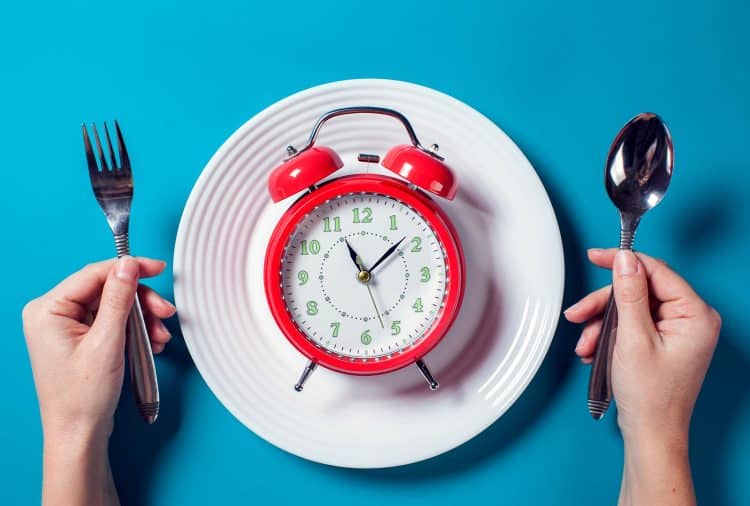
Intermittent fasting involves cycling between voluntary fasting and non-fasting over a given period. However, it does not focus on restricting calories; rather, it emphasizes how much time you abstain from eating. It encourages eating only in a specific time window, and you consume no calories for the rest of the day.
However, keeping yourself hydrated during the fasting period is crucial. So you must drink water and zero-calorie beverages like black coffee or tea (of course, without sugar or cream) throughout the fasting period.
You can eat normally at the end of the fasting window. A balanced diet consisting of healthful foods is always encouraged. It is recommended for women over 50 to eat a balanced diet, as it helps boost your metabolism, reduces insulin resistance, and alleviates other hormonal issues.
However, you must keep yourself away from inflammatory foods such as sugary and carbonated drinks, refined sugar and grains, fried food, processed meat, etc., as these can exacerbate the adverse effects of menopause, such as hot flashes.
There are several types of intermittent fasting, of which some of the most popular are:
Time-restricted eating (TRE): It involves alternating between periods of restricting calories and eating normally.[3] An example of TRE is the 16/8 method, which includes calorie restriction for 16 consecutive hours and consuming food within the rest of the eight-hour window. It is a popular method as it is the most doable and least restrictive, which can suit the schedule of most people.
The 5:2 method: This method includes eating normally for five days and restricting your calorie intake to 500 calories for two non-consecutive days of the week.
Alternate day fasting: It involves fasting on every alternate day and eating. However, you can consume a maximum of 500 calories on fasting days. Research says this method is beneficial for shedding weight, improving heart conditions, and lowering oxidative stress and inflammation.[4]
Benefits of Intermittent Fasting For Women Over 50
According to research, intermittent fasting can benefit women over 50 in various ways, including:
Improved metabolic and heart health [5][6]
Better weight loss [7]
Type 2 diabetes management [8]
Increased insulin sensitivity [9]
Preventing metabolic syndrome, which generally leads to neurological disorders [10]
Enhanced circadian rhythm [11]
Improved conditions such as anxiety, depression, and insomnia [12]
Improved fitness levels and athletic performance [13]
Reduced inflammation and improved liver and gut health [14][15][16][17]
Enhanced cognitive function [18]
Does Intermittent Fasting Work for Women over 50?
Yes, it does. Intermittent fasting has shown promising results in both premenopausal and postmenopausal women. A 2020 study indicated that intermittent fasting reduces fat mass, insulin levels, insulin resistance, and blood pressure, regardless of sex or menopausal status. It also reduces LDL cholesterol levels, a potential risk factor for heart disease in post-menopausal women [19].
Another study revealed that time-restricted feeding, or TRF, is beneficial in reducing fasting insulin, insulin resistance, fat mass, and oxidative stress in both pre and postmenopausal women. It also helps improve their metabolism. [5]
Since estrogen levels in women over 50 decline naturally, pre and postmenopausal women are at a higher risk of gaining weight, developing cardiovascular disease, and having problems with blood sugar regulation. Intermittent fasting helps alleviate these issues. [20]
Intermittent Fasting and Diet Quality
Although intermittent fasting is beneficial for overall metabolic health, you should exercise caution while choosing your food. Additionally, you must carefully watch your activity schedule, sleep quality, and stress management.
Your diet must include whole foods such as grains, legumes, vegetables, and fruits. Since women over 50 are at a greater risk of losing muscle mass and developing fat mass, your diet should also have enough protein (Paleo or Mediterranean diets are good options).
As people grow older, they naturally lose muscle mass. This problem increases if you don’t remain physically active or do not consume enough protein in your diet. Losing muscle mass causes metabolic dysfunction and fat gain.
Since intermittent fasting involves calorie restriction, it may lead to a lower protein intake. If women over 50 do not consume their goal protein within the eating window, they may lose muscle mass. Thus, you must carry out strength training and optimize your protein consumption to overcome this issue.
How Much Protein Do You Require?
Animal Protein Sources
The recommended dietary allowance (RDA) for protein is 0.8 grams per kilogram of body weight to maximize muscle health. However, your body does not efficiently use dietary protein as you age. Hence, you need more protein to maintain muscle health. [21]
Experts recommend elderly adults consume 1.2 to 2 grams of protein per kilogram of body weight daily. [22]
For example, if you are over 50 and weigh 55 kilograms (121.25 pounds), you must consume at least 66 to 110 grams of protein daily, or possibly more.
Optimizing Protein Intake When Fasting
Women over 50 that are intermittent fasting are more likely to fall short of their protein intake goal than women eating a normal diet. In such a scenario, you may maintain your muscle mass by engaging in strength training and optimizing your dietary protein intake.
Here is a list of some protein-rich foods and the amount of protein per serving.[23]
Protein Source
Serving Size
Amount of Protein (gm)
Whey protein
3 scoops
50
Chicken gizzard
1.0 cup chopped or diced
44
Yellowtail fish
0.5 fillets
43
Black beans
1 cup
42
Chicken breast
3 ounces
28
Turkey breast
3 ounces
25
Pork
3 ounces
23
Salmon
3 ounces
22
Tuna
3 ounces
22
Shrimp
3 ounces
20
Greek yogurt
6 ounces
18
Cottage cheese
4 ounces
14
Soy nuts
1 ounce
12
Lentils
½ cup
9
Pumpkin seeds
1 ounce
9
Milk
1 cup
8
Soy milk
1 cup
8
Almonds
1 ounce
7
Egg
1 large
6
Quinoa
½ cup
4
Chia seeds
1 ounce
5
It is evident from the above list that animal-based foods are packed with protein. But that does not mean you should only consume animal proteins. You must incorporate various foods into your diet to reach your protein target.
Is Intermittent Fasting Right For You?
Intermittent fasting not only benefits overweight people or folks with metabolic disorders, but it also benefits people who are of normal weight and are healthy. When you consider intermittent fasting, you must know whether it is right for you.
Intermittent fasting is good for you if you:
Feel good when eating a restricted diet
Don’t have a negative relationship with food
You feel better when you do short-term liquid-only fast
Intermittent fasting is not for you if you:
Feel dizzy, exhausted, irritable, and hungry upon skipping a meal
Always are constantly hungry
Feel uncomfortable during a fast
Fasting Tips for Women Over 50
Women over 50 can follow the following fasting tips when considering intermittent fasting.
Start Small
If you are new to intermittent fasting, keeping the fasting windows short is always recommended. You can start with overnight fasting, which is fasting from dinner to breakfast. If you feel comfortable with it, then increase your fasting hours gradually.
Don’t Restrict Your Calories Too Much
Intermittent fasting allows you to consume the required calories within the eating window. But most people restrict themselves and end up in a calorie deficit. Cutting down too many calories can impair your metabolism, and you will begin to lose muscle mass instead of gaining it. Your blood pressure may rapidly decrease, and you may encounter an electrolyte imbalance. Instead, you can maintain a minor calorie deficit to avoid these issues and obtain better results.
Prioritize Your Protein Intake
Insufficient protein can lead to sarcopenia, which is age-induced muscle loss. Insufficient protein can also impair your immunity and make you fall ill very often. It may also decrease your overall strength.
Focus on Strength Training
Complement intermittent fasting with strength training. It can help you retain muscle mass and strength.[24]
Retaining muscle mass as we age is difficult, eventually resulting in muscle loss and weight gain. However, regular strength training exercises and consuming sufficient protein can help overcome this issue.
Keep a Check on Electrolyte Imbalances
Extended intermittent fasting can lead to electrolyte imbalances by drastically dropping your sodium and potassium levels. This can lead to muscle cramps, headaches, and fatigue. Drinking electrolyte water, coconut water, and eating electrolyte-rich foods such as spinach can boost your electrolyte levels.
Always Focus on a Nutrient-Dense Diet
Although intermittent fasting focuses on when to eat only, what to eat is equally crucial to sustain fasting in the long run and maintain good health. Your diet should comprise whole grains, complex carbs, lean proteins, healthy fats, and enough fiber. Additionally, your water intake should also be intact. Eating a healthy and balanced diet can help combat many chronic diseases and keep you healthy. Skipping refined, deep-fried, excessively salty, sugary, and packed foods is highly recommended.
Frequently Asked Questions
1. How many hours should a woman over 50 do intermittent fasting?
If you are new to intermittent fasting, keeping the duration of fasting short is always recommended. You can start with an overnight fast of 12 hours. This refers to fasting from dinner to breakfast. If you feel comfortable with it, then increase your fasting hours gradually.
2. Is intermittent fasting safe for women over 50?
According to research, intermittent fasting is safe for women over 50 [25]. However, you must consult your healthcare provider if you encounter conditions like hypoglycemia, dizziness, weakness, fatigue, or muscle loss.
3. What is the best intermittent fasting method for menopausal women?
16:8 Intermittent fasting is believed to be the most convenient method for menopausal women, as it is much more flexible to follow.
Bottom Line
Women over 50 undergo several bodily changes, such as weight gain, increased blood glucose levels, insulin resistance, rapid muscle loss, a slow metabolism, mood swings, anxiety, etc., during menopause. These occur due to the decrease in estrogen levels and hormonal imbalances.
Although research is limited, some studies indicate that intermittent fasting can benefit women over 50 with weight loss, reduced insulin resistance, blood glucose, and LDL cholesterol. It may improve heart and metabolic health as well. Before starting any intermittent fasting plan, consult your healthcare provider, especially if you have any pre-existing health conditions.
References
Peacock, K., & Ketvertis, K. M. (2022, August 11). Menopause – StatPearls – NCBI Bookshelf. Menopause – StatPearls – NCBI Bookshelf. https://www.ncbi.nlm.nih.gov/books/NBK507826/
Lin, S., Oliveira, M. L., Gabel, K., Kalam, F., Cienfuegos, S., Ezpeleta, M., Bhutani, S., & Varady, K. A. (2020, October 31). Does the weight loss efficacy of alternate-day fasting differ according to sex and menopausal status? PubMed Central (PMC). https://doi.org/10.1016/j.numecd.2020.10.018
Soliman, G. A. (2022, October 28). Intermittent fasting and time-restricted eating role in dietary interventions and precision nutrition. PubMed Central (PMC). https://doi.org/10.3389/fpubh.2022.1017254
Johnson, J. B., Summer, W., Cutler, R. G., Martin, B., Hyun, D. H., Dixit, V. D., Pearson, M., Nassar, M., Maudsley, S., Carlson, O., John, S., Laub, D. R., & Mattson, M. P. (2006, December 14). Alternate Day Calorie Restriction Improves Clinical Findings and Reduces Markers of Oxidative Stress and Inflammation in Overweight Adults with Moderate Asthma. PubMed Central (PMC). https://doi.org/10.1016/j.freeradbiomed.2006.12.005
Changes in body weight and metabolic risk during time-restricted feeding in premenopausal versus postmenopausal women – PubMed. (2021, October 15). PubMed. https://doi.org/10.1016/j.exger.2021.111545
Intermittent fasting for the prevention of cardiovascular disease – PubMed. (2021, January 29). PubMed. https://doi.org/10.1002/14651858.CD013496.pub2
Effects of Intermittent Fasting in Human Compared to a Non-intervention Diet and Caloric Restriction: A Meta-Analysis of Randomized Controlled Trials – PubMed. (2022, May 2). PubMed. https://doi.org/10.3389/fnut.2022.871682
Effect of Intermittent Compared With Continuous Energy Restricted Diet on Glycemic Control in Patients With Type 2 Diabetes: A Randomized Noninferiority Trial – PubMed. (2018, July 6). PubMed. https://doi.org/10.1001/jamanetworkopen.2018.0756
Clinical Implications for Women of a Low-Carbohydrate or Ketogenic Diet With Intermittent Fasting – PubMed. (2021, April 1). PubMed. https://doi.org/10.1016/j.nwh.2021.01.009
Fasting as a Therapy in Neurological Disease – PubMed. (2019, October 17). PubMed. https://doi.org/10.3390/nu11102501
Longo, V. D., & Panda, S. (n.d.). Fasting, circadian rhythms, and time-restricted feeding in a healthy lifespan. PubMed Central (PMC). https://doi.org/10.1016/j.cmet.2016.06.001
Berthelot, E., Etchecopar-Etchart, D., Thellier, D., Lancon, C., Boyer, L., & Fond, G. (2021, November 5). Fasting Interventions for Stress, Anxiety, and Depressive Symptoms: A Systematic Review and Meta-Analysis. PubMed Central (PMC). https://doi.org/10.3390/nu13113947
Effects of fasted vs fed-state exercise on performance and post-exercise metabolism: A systematic review and meta-analysis – PubMed. (2018, May 1). PubMed. https://doi.org/10.1111/sms.13054
Effects of intermittent fasting diets on plasma concentrations of inflammatory biomarkers: A systematic review and meta-analysis of randomized controlled trials – PubMed. (2020, December 1). PubMed. https://doi.org/10.1016/j.nut.2020.110974
The effects of Ramadan intermittent fasting on liver function in healthy adults: A systematic review, meta-analysis, and meta-regression – PubMed. (2021, August 1). PubMed. https://doi.org/10.1016/j.diabres.2021.108951
Repercussions of intermittent fasting on the intestinal microbiota community and body composition: a systematic review – PubMed. (2022, February 10). PubMed. https://doi.org/10.1093/nutrit/nuab108
Changes in human gut microbiota composition are linked to the energy metabolic switch during 10 d of Buchinger fasting – PubMed. (2019, November 12). PubMed. https://doi.org/10.1017/jns.2019.33
Gudden, J., Vasquez, A. A., & Bloemendaal, M. (2021, September 10). The Effects of Intermittent Fasting on Brain and Cognitive Function. PubMed Central (PMC). https://doi.org/10.3390/nu13093166
Does the weight loss efficacy of alternate day fasting differ according to sex and menopausal status? – PubMed. (2021, February 8). PubMed. https://doi.org/10.1016/j.numecd.2020.10.018
Menopause, but not age, is an independent risk factor for fasting plasma glucose levels in nondiabetic women – PubMed. (2007, June 1). PubMed. https://doi.org/10.1097/01.gme.0000247014.56254.12
Protein Consumption and the Elderly: What Is the Optimal Level of Intake? – PubMed. (2016, June 8). PubMed. https://doi.org/10.3390/nu8060359
Baum, J. I., Kim, I. Y., & Wolfe, R. R. (2016, June 8). Protein Consumption and the Elderly: What Is the Optimal Level of Intake? PubMed Central (PMC). https://doi.org/10.3390/nu8060359
Nutrient Lists from Standard Reference Legacy (2018) | National Agricultural Library. (n.d.). Nutrient Lists From Standard Reference Legacy (2018) | National Agricultural Library. https://www.nal.usda.gov/human-nutrition-and-food-safety/nutrient-lists-standard-reference-legacy-2018
Keenan, S., Cooke, M. B., & Belski, R. (2020, August 6). The Effects of Intermittent Fasting Combined with Resistance Training on Lean Body Mass: A Systematic Review of Human Studies. PubMed Central (PMC). https://doi.org/10.3390/nu12082349
Domaszewski, P., Konieczny, M., Pakosz, P., Bączkowicz, D., & Sadowska-Krępa, E. (2020, June 10). Effect of a Six-Week Intermittent Fasting Intervention Program on the Composition of the Human Body in Women over 60 Years of Age. PubMed Central (PMC). https://doi.org/10.3390/ijerph17114138