
 All Posts By Muscle Insider
Board Certified PHD
Dana Linn Bailey Shares Physique Update at 40 Years Old, Post-Workout Shake + Lunch
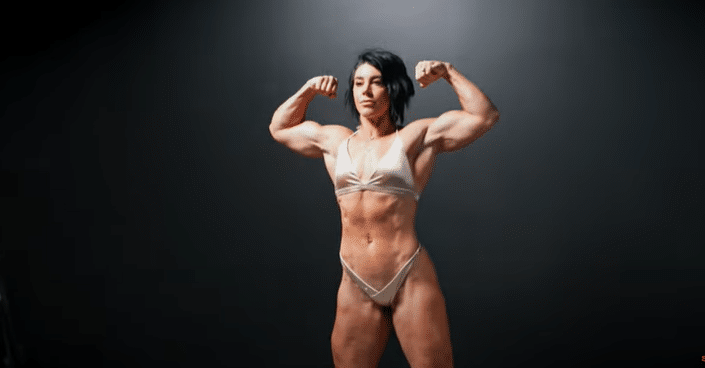
Women’s Physique trailblazer Dana Linn Bailey continues to make strides toward her latest body transformation. In a YouTube video, Bailey shared a physique update at 40 years old and offered fans a look into her post-workout shake and lunch.
“We’re doing a physique update because we just ended week three. We’re into week four of my challenge. I can’t say I’m happy. I’m not this happy. I’ve probably gained muscle if anything, so we’re going to do a little physique update,” DLB shared.
Within three years of starting her professional career, DLB became the inaugural Women’s Physique Olympia champion. She proved herself on the sport’s biggest stage with incredibly defined shoulders, a slim waist, and an equally balanced lower body.
Dana’s last Olympia show saw her take runner-up to Juliana Malacarne. And while she’s accepted life in retirement, she’s been tempted to come back and compete ever since. In a Cutler Cast Podcast, Dana opened up about her health issues and natural status. At the time, she made it clear to fans that she would undergo drug tests weekly if she in fact announced her comeback.
In June, Dana Linn Bailey decided to transform her physique, a challenge she has titled ‘Summer Shredded 4.0.’ DLB clarified that her challenge isn’t just a solution for weight loss but will also help with building muscle. This is her fourth workout challenge of this series.
Dana Linn Bailey Gives ‘Summer Shredded’ Physique Update at 40: “My Training Has Been Awesome”
Bailey explained that she’s had family in town so her weight loss isn’t where she’d like it to be. However, she plans to change that in the coming weeks.
“Honestly, I probably – my training has been awesome, haven’t missed a day of training but I have definitely missed cardio. We’ve had family in town for the last 10 days, we have you guys here and my day. Amazing.
So, I probably gained muscle, gained some, I didn’t lose any weight, let’s just say that. So, for the next five weeks, I’m going to focus, once these guys get out of here and my family leaves, I’m going to focus heavily on adding my cardio back in because I’ve only been doing it like once a week.”
Dana Linn Bailey/YouTube
Post-workout Shake
Bailey moved on to a post-workout shake to fulfill her protein requirements.
“Just finished up shoulder day so, we’re actually training after this, you just won’t see this until a later day. Getting my protein in. I did about 8-10 ounces of water. One scoop of Vanilla Isotope from REDCON1,” Dana said. “I did a heaping tablespoon of the Nuts ‘n More cookie dough. My other favorite from them is Oreo, so good.”
“There’s only one gram of fat per two tablespoons. So, you get the taste of peanut butter without all the fat so I love it. You can get PB2, Nuts ‘n More happens to be the best. They have awesome flavors. And I also added a half a banana for some carbohydrates, gains,” said Bailey.
Lunch
For lunch, Bailey had a bodybuilding staple: chicken and rice, but she jazzed it up with Japanese Barbecue Sauce.
“For lunch we have boring, not boring, it’s not boring at all, I actually grilled my chicken this time, it tastes amazing. Just some chicken and rice, and you’re like ‘What’s all that stuff on it?’ This [Japanese barbecue sauce], you might have seen this from another video, their hot and spicy happens to be fantastic.”
Despite stepping away from the sport, Dana’s commitment to working out is a top priority. She pushes herself through workouts with anyone and that includes bodybuilding royalty. Last July, Bailey and four-time Mr. Olympia Jay Cutler teamed up for a chest and triceps training session.
Months later, Dana Linn Bailey was led through an FST-7 workout by bodybuilding coach Hany Rambod. During the routine, Rambod emphasized the importance of controlling the eccentric motions in each repetition. Rambod is responsible for coaching a number of top-tier athletes, such as Derek Lunsford, Hadi Choopan, and Andrei Deiu.
Body transformations have become an immensely popular trend in fitness as of late. Cutler is currently in the middle of what he’s calling a ‘Fit-for-50’ challenge. He plans to get in the best shape possible since retiring 10 years ago. From training thoughts to workouts and nutrition, Cutler has been transparent with fans about his new goal.
Similar to Dana Linn Bailey, former seven-time 212 Olympia Flex Lewis is taking on a fitness challenge at 40 years old. He plans to collaborate with the best athletes from different sports. Flex shared that one of his biggest areas of focus will be cardiovascular health. Lewis’ first multi-sport workout video just went live, as he pushed the reigning World’s Strongest Man Mitchell Hooper through a brutal shoulders training session.
DLB’s physique is a testament to the time and effort she puts into healthy living and working out. Her plan for the future is to incorporate more cardio now that her schedule will allow for it.
RELATED: Video: Bodybuilder Dana Linn Bailey Goes Through A Gains Unlocking Push Day Workout
You can watch the full YouTube video below:
Published: 14 July, 2023 | 5:18 PM EDT
Derek Lunsford Shares Health Update 16 Weeks from 2023 Olympia, Expects Baby in 2024
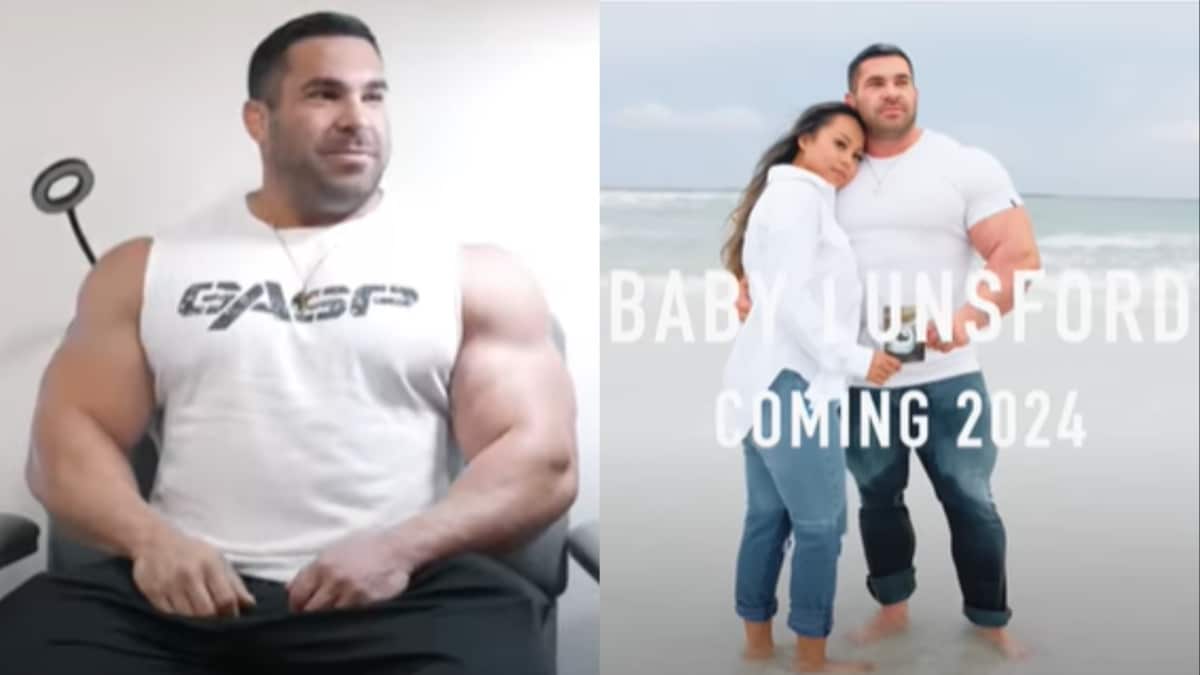
Bodybuilding star Derek Lunsford is entering his latest prep with a little extra motivation. In a recent YouTube video, Lunsford showed off his physique, shared a health update, and revealed he’s expecting a child in 2024.
“Probably not too much more size. We just started prep. I’m going to start re-comping at this weight. Right around 260 or right under that in the morning. So, I’ll probably stay at this weight and slowly bring it down,” Lunsford shared.
Last year, Lunsford dominated headlines following the statement he made guest posing at the Pittsburgh Pro. He held his own standing against major names in the category such as Nick Walker, Hunter Labrada, Brandon Curry, and Quinton Eriya. His exciting appearance in Pittsburgh in part convinced Olympia to extend him a special invite to compete in the Open division, which he accepted.
When the smoke cleared on Mr. Olympia’s stage last December, the finals saw Nick Walker, Lunsford, and his teammate, Hadi Choopan battle for gold. Mamdouh ‘Big Ramy’ Elssbiay was dethroned in a shocking upset. This paved the way for Choopan to win his first Sandow trophy.
Unlike in 2022, Lunsford was able to dedicate an entire off-season to his Olympia prep this year. He’s been open about his mindset heading into the show and is confident he has the tools and work ethic to take down the champ.
Derek Lunsford Shares Blood Work, Physical Therapy Session, Expects Baby in 2024
Lunsford received a blood screening to ensure his health markers were on point before his prep ramps up.
“I’m just starting my prep for Olympia officially, officially. I’ve been training hard all year you know, it’s the lifestyle so it’s year-round but now we’re about to really ramp things up for the Olympia. We’re just over 16 weeks out. I hit up Jimmy, I was like, ‘Hey man, I need to get my blood work done, and make sure my health markers are good.’ I feel good, but I want to know internally that I’m 100%,” said Derek Lunsford.
Lunsford underwent physical therapy next, which he said improved his overall mobility.
“Man my arms move way further than I thought they were going to,” shared Lunsford. “Already feeling better, for real. Listen, I know it doesn’t take just one time to fix a problem, because like I said, I’ve been feeling a little bit of – I need to increase my range of motion doing overhead presses, bicep curls, triceps extensions have kind of been bothering me and stuff lately. The thing is, first and foremost, you got to get it addressed. Preferably ASAP.
Me, I’ve kind of been letting it linger a little bit over these last couple of months. It’s not getting any better and it’s not getting any worse. I was like listen, enough is enough, let’s go see Tara and get it addressed immediately. I don’t expect it to be 100% perfect after one time. I think it’s important you consistently come back and get it worked on and stuff.”
Before the video concluded, Lunsford and his partner shared a touching moment on the beach where they announced that they are expecting a baby in 2024.
In addition to health and training updates, Lunsford has kept fans in the loop on his nutrition as he enters contest prep. He recently showed off a full day of eating and supplements. To ensure his physique is Olympia-ready, Lunsford is consuming five whole food meals a day with protein shakes.
Active bodybuilders and retired Pros have been vocal about their favorites ahead of 2023 Olympia. Nick Walker doesn’t believe Choopan will be a problem this year. He underlined that the next title will be claimed by either himself or Lunsford.
However, if you ask eight-time Mr. Olympia Ronnie Coleman about his biggest frontrunner, he’d say Derek Lunsford. Not only that, but Coleman dubbed Lunsford as his favorite bodybuilder of the current era. Meanwhile, William Bonac, who is taking a year off to focus on improvements, is confident Choopan will repeat as champion this Nov.
Given his ability to improve year-to-year, Lunsford remains committed to his goal of becoming the only man to win both the 212 and Open Bodybuilding Mr. Olympia titles.
RELATED: Derek Lunsford Builds Huge Back and Biceps With Legend Ronnie Coleman
You can watch the full video from Derek Lunsford’s YouTube channel below:
Published: 14 July, 2023 | 3:55 PM EDT

RIP Gustavo Badell + Is Hadi still the favourite ? Can Derek stop Hadi ? Logan looking on point
#MrOlympia , #Bodybuilding , #bodybuildingupdates RIP Gustavo Badell + Is Hadi still the favourite ? Can Derek stop Hadi ? Logan looking on point for Texas pro 2023 @HadiChoopanOfficial , @dereklunsford_ , @TexasOak , @NickWalker39 @FreakinRicanVids Timestamps 0:00 Gustavo Badell 0:31 History 1:51 Hadi Choopan 3:09 Derek Lunsford 3:53 Logan Franklin 4:42 top 6 ?…
Flex Lewis Takes Strongman Mitchell Hooper Through Insane Shoulder Workout for Max Gains
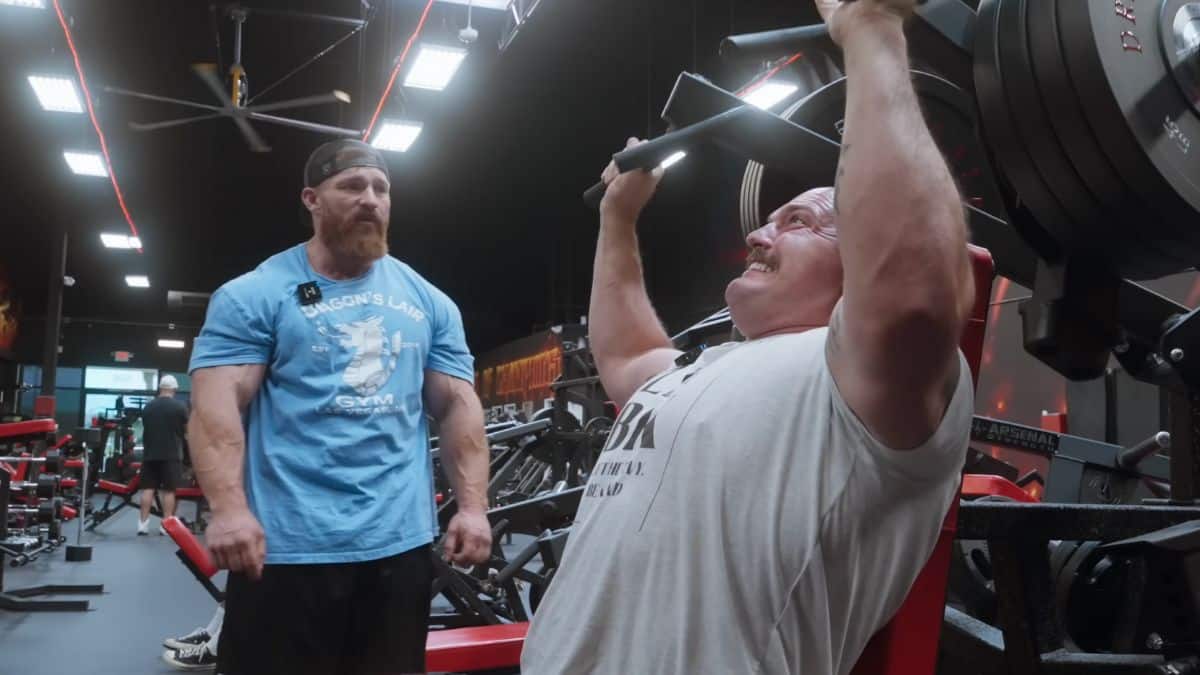
Despite his retirement from bodybuilding, Flex Lewis‘ love for the sport is undeniable anytime he’s inside his home gym, The Dragon’s Lair. In a recent bodybuilding/strongman collaboration, Lewis led the reigning World’s Strongest Man Mitchell Hooper through a challenging shoulders training session.
Lewis is a decorated IFBB Pro and the most successful 212 Bodybuilding athlete of all time. From 2012-2018, ‘The Welsh Dragon’ dominated his class at the prestigious Mr. Olympia competition. During his tenure, Lewis managed to defeat Hadi Choopan (current Mr. Olympia), Derek Lunsford, Shaun Clarida (current two-time 212 Olympia), and other veterans en route to building his legacy.
Last May, Lewis decided to retire. The decision was difficult for Lewis to accept considering he had been teasing a move into the Men’s Open division for some time. Instead, Derek Lunsford received a special invite last year, which he cashed in to take second place in his Open debut on the Olympia stage.
In the strongman world, Mitchell Hooper reigns supreme. Hooper won 2023 Arnold Strongman gold in March. Riding high, he took that momentum to the crown jewel of strongman competitions – The World’s Strongest Man. At the event in April, Hooper won first and defeated Tom Stoltman and Oleksii Novikov in an exciting battle. Currently, Hooper is in preparations to compete at the upcoming 2023 Shaw Classic, taking place Aug. 19-20.
This isn’t his first interaction with Flex Lewis either. Hooper joined Lewis for a deep Straight Outta the Lair Podcast earlier this month. Hooper was candid and spoke honestly about mental health. Switching gears, Lewis gave Hooper a look into the bodybuilding world with a brutal workout.
Flex Lewis Puts Strongman Mitchell Hooper Through Shoulder-Blasting Workout
Find a list of the exercises used by Lewis and Hooper below:
Standing Lateral Raise machine (dropset to failure)
Seated Shoulder Press Machine (2 sets to failure)
Forward Lean Pec Deck Fly (superset/ with Reverse Pec Fly)
Standing Lateral Raise machine (dropset to failure)
For machine standing lateral raises, Lewis said ‘spike at the top’ of the movement and prioritize control. He shared that bodybuilding legend Dorian Yates taught him that neglecting the negative is one of the biggest mistakes lifers make.
“Spike at the top, there we go. It feels like you’re driving through. There’s somebody inside that shoulder that’s trying to fucking punch through. That’s the connection at the top. Yes, control,” Flex Lewis explained.
“No [these are not working sets]. A lot of guys in general when they come to the gym it’s not me saying anything about, we’re talking about generalizations of guys that want to progress in bodybuilding. Almost always, they neglect the negative. There’s zero control. Dorian Yates told me that is going to be one of your best friends. Control the negative. You’re truly fighting that negative mindset of zoning out. In this case, sideways, up, hold, control, 3, 2, 1, up.”
Lewis believes ‘fighting the negative’ is essential to unlocking shoulder gains.
“I’m zoned out completely and truly fighting the whole negative and I can feel everything fighting themselves, every little muscle tissue,” added Lewis. “Let’s do a little drop set, we’ll do 200, down to 140, down to 100 [pounds].”
Seated Shoulder Press Machine (2 sets to failure)
On the seated shoulder press machine, Hooper was impressed with Lewis’ endurance and strength. He believes strongmen can ‘take a page’ from bodybuilders inside the gym.
“You guys [bodybuilders] when you take everything and make it strict. You would beat us [strongmen] in a lot of things. That would beat anyone in strongman but if you took it and put it to a log where you actually use your body to drive,” said Mitchell Hooper. “There’s a page we can take from your guys’ book though. If you get that strong training bodybuilding. You train bodybuilding as a 10-15% of your workout, there’s good evidence to say that muscle thickness is just going to win at a certain stage.”
“I was going to help you, but he didn’t fucking help me so I thought fuck this guy. What I find is what a lot of people do especially with rear delts, they will put an ungodly amount of weight on and everything just goes to shit. You’ll see there’s no correct form. Everything is not fluent,” said Lewis.
Forward Lean Pec Deck Fly (superset/ with Reverse Pec Fly)
Lewis and Hooper finished with a forward lean pec deck fly before calling it a day. Hooper was toasted after the workout and impressed with the pump.
“For us bodybuilders when we are doing a back double biceps, this is what’s going to be lighting up every last separation. Superset. Killer,” said Lewis. “Squeeze the front delts and drive, and squeeze.”
“It’s amazing how you lean into and there’s no chest at all,” said Hooper.
“You feel it in the front delts?” asks Lewis.
“Yeah, it’s lighting up,” responded Hooper. “I’m burnt.”
Hooper isn’t resting on his laurels despite having nailed down two of the most prestigious titles in strongman. He continues to showcase his strength in preparation for the Shaw Classic. The last time fans saw him in action, Hooper turned heads with a 463-pound bench press for a three-rep personal record.
Even outside of strongman, the wins for Hooper keep stacking up. Months ago, he broke Tom Platz’s legendary 1992 squat-off record, which stood at 525 pounds for 23 reps. Hooper surpassed him by one rep for a total of 24.
This wasn’t the first bodybuilding/strongman workout collaboration. Last year, Men’s Open talent Nathan De Asha joined former WSM champs/brothers Tom and Luke Stoltman for a special training session. In addition, Flex Lewis teamed up with Eddie ‘The Beast’ Hall for an arms workout. Hall is currently in preparation for his move to bodybuilding in the Classic Physique division. He’s shared physique updates ahead of his anticipated debut.
While bodybuilding training differs from strongman training, Hooper was blown away by the intensity of Lewis’ workout in the end.
RELATED: A Look into World’s Strongest Man Mitchell Hooper’s Day
You can watch the full video from Mitchel Hooper’s YouTube channel below:
Published: 14 July, 2023 | 11:08 AM EDT
Building Muscle After 50: Guidelines and Workout Program
Strength training, bodybuilding, and powerlifting are often seen as activities best suited to people in their 20s and 30s. And, let’s be frank, things like the size of your biceps, rock-hard abs, or your bench press one rep-max are a much bigger deal when you’re young.
Folks in their 50s are usually less interested in athletic performance or looking like a Greek god or goddess. Instead, they’re more focused on warding off middle-aged weight gain, managing their blood pressure and cholesterol, or avoiding the aches and pains that come with getting older.
However, not only is strength training still important as you age, it could actually help you live longer.
Forget about lifting weights to look good, although that’s still a benefit even with you’re in your 50s. Building muscle improves many aspects of your health and fitness, including pushing back the day of your funeral!
In this article, we reveal some of the biggest benefits of building muscle in your 50s, how to do it, and a program to follow. We’ll also answer your most common after-50 strength training questions.
The Benefits of Building Muscle After 50
Humans are, by nature, lazy. This is no bad thing because it’s this laziness and inherent drive to preserve energy that has led to most of the technological advancements and luxuries that we now take for granted.
We use mechanized transport instead of walking, mains water instead of drawing water from wells, electric lights instead of fire, and supermarkets instead of hunting and gathering. Life is, by and large, pretty easy.
However, that laziness means that many people are sedentary and struggle to find the motivation to exercise regularly. Because of this, it is critical to understand the benefits of working out.
Knowing the benefits will give you a greater reason to participate and stick to your workout routine. You’ll know WHY you are doing it, which can be a powerful motivator. The next time you are thinking of skipping a workout, just remind yourself of all the benefits you’ll be missing out on:
Muscle and strength preservation
Muscle mass naturally peaks in your mid-30s and declines by between 3-8% per decade after that. This muscle loss is called sarcopenia and helps explain why older people are usually far weaker than their younger counterparts. Age-related muscle loss can have a significant impact on many aspects of your life, from your ability to walk to your balance to being able to get out of bed to longevity (1). Muscle loss is also closely linked to poorer mental and physical health.
The good news is that regular strength training can slow this rate of muscle loss to a crawl, and you can also regain lost muscle at almost any age. Sure, building muscle is more challenging in your 50s than in your 20s and 30s, but you can still do it.
Easier weight management
As muscle mass tends to decline with age, fat mass increases (2). This is often called middle-aged spread, referring to the gradual expansion of the waistline. Losing muscle decreases your metabolic rate, and being less physically active means you are more likely to have a calorie surplus. All these factors contribute to weight gain.
Building muscle can help make it easier to maintain your weight or lose fat. Muscle is metabolically active tissue and uses more calories than fat. Preserving your muscle mass can help prevent the metabolic slowdown generally associated with advancing age.
Increased bone mass
Like your muscles, bone mass also decreases with age. This is called osteopenia, which, if ignored, can become osteoporosis, a medical condition characterized by weak, porous, fracture-prone bones.
When you strength train, your muscle pull on your tendons which, in turn, pull on your bones and the tissue surrounding them, called the periosteum. This stimulates the osteoblast cells, which are responsible for bone growth.
As your muscles get stronger, so too do your bones. Stronger bones are less prone to fractures. Broken hips are a leading cause of disability in older people (3).
Blood glucose management
While it’s normal for your blood glucose levels to rise and fall, chronically elevated blood glucose can have a significant impact on your long-term health. If unchecked, chronically high blood glucose can lead to:
Diabetes
Obesity
Kidney disease
Heart disease
Circulatory problems
Impaired immunity
Nerve damage
Blindness
Strength training improves your body’s ability to utilize glucose. After training, blood glucose is diverted to your muscles and liver, where it’s stored as glycogen (4).
Lifting weights also improves your insulin sensitivity, which is the hormone responsible for controlling your blood glucose. Better insulin sensitivity means your body can metabolize sugar and carbohydrates more easily.
Combined with a healthy, low-sugar diet, lifting weights can help manage or even prevent chronically elevated blood glucose.
More stable, mobile joints
Joint pain often goes hand-in-hand with getting older. Your knees, hips, and shoulders have seen a lot of use over the last five or more decades and will probably show some signs of wear and tear. Joint pain can be enough to put some people off working out.
However, building muscle can help reduce joint pain or prevent it from worsening. Stronger muscles help stabilize your joints, preventing unwanted movement and taking stress away from the bones. In addition, the stronger you are, the less challenging things like walking, lifting, and carrying become, which also helps reduce joint stress.
Many strength training exercises are also good for your mobility – the health and range of motion of your joints. They can also help reduce joint pain (5). Squats, lunges, pulldowns, and push-ups all enhance mobility as they build strength.
While you may need to adapt your workout according to your joint health, avoiding exercises you find uncomfortable, building muscle should have a very positive impact on how your joints feel and function. Joints typically weaken and stiffen from lack of use, and not because of exercise. If you want your joints to stay healthy, you need to use them.
Improved neurological function
If your muscles and bones are your body’s hardware, your nervous system is its software. Lifting weights has a powerful effect on your nervous system and will improve how it functions. The neurological benefits of strength training include better balance, improved coordination, and greater proprioception (7).
Improved neurological function will help you move better, making the day’s activities easier. You’ll also be less prone to falls, which are a serious cause for concern in older adults.
Better mental health
Leading on from the point above, building muscle isn’t just good for your muscles and bones but for the old brain box too! Regular strength training can have a profound effect on many aspects of mental health, including:
Better memory
Improved creativity
Increased problem-solving ability
Lower risk of depression
Reduced anxiety and stress
More positive outlook
Lower risk of dementia, Alzheimer’s disease, etc.
Mental and physical health are closely related, and building muscle has a positive impact on both.
Better posture
Posture is the alignment of your joints. When you are in good posture, there is very little stress on your bones and muscles. However, poor posture is much harder on your muscles and joints and can even affect blood flow to your brain.
Regardless of age, lifting weights is one of the best ways to strengthen the muscles you use to maintain good posture. Exercises for the posterior chain (glutes, hamstrings, lower back), core, and upper back are crucial for fixing slouches and rounded shoulders.
Posture can deteriorate with age, which results in changes in your center of gravity and balance (6), leading to an increased risk of falling. You’ll look and feel younger and move better if your posture is good.
Improved cardiovascular fitness and health
If you want a stronger heart and healthier lungs, you must do cardio, right? While cardio is good for cardiovascular fitness and health, strength training is also beneficial. Lifting weights involves short periods of work followed by brief rests. This is basically interval training, which is a popular form of cardio.
Compound exercises like squats, bench presses, and bent-over rows engage multiple muscles, which, in turn, demand a lot of oxygen. This leads to an increase in heart and breathing rate despite not being a typical cardio workout.
While cardio training is rarely a bad idea, it’s reassuring to know that strength training is also good for your heart and lungs.
As you can see, building muscle is “big medicine,” even after your 50s. Use these benefits to motivate you to exercise regularly and consistently. Your efforts will pay off!
However, older exercisers should still check in with their primary physician before starting a new workout plan. This information is not meant to replace your doctor’s advice.
Guidelines for Building Muscle After 50
Now you know WHY you need to build muscle after 50, let’s move on to HOW to do it. Follow these guidelines to ensure you get the most benefits from the least amount of time and effort while making your workouts as safe as possible.
Build your workouts around compound exercises
Exercises come in two main “flavors,” compound and isolation. Compound exercises involve multiple muscles and joints working together, providing the biggest bang for your workout buck. Compound exercises also tend to be more functional, i.e., they mirror the demands of everyday life.
In contrast, isolation exercises are typically less functional and less efficient. You need to do a lot of isolation exercises to train your entire body compared to just 3-5 compound lifts.
That doesn’t mean isolation exercises are bad, but for the most productive workouts possible, most of your workout time should be spent on compound exercises.
Read more about the differences between compound and isolation exercises here.
Choose exercises you enjoy and tolerate well
Fitness experts love to argue about the best way to build muscle and strength. It gives us something to talk about over our post-training protein shakes! However, enjoyment and tolerance are the real determinants of what makes a good exercise, at least for those in their 50s.
Enjoyable exercises leave you wanting to come back for more and not dreading your next workout. However, those exercises should also suit your body and not cause unnecessary discomfort and pain.
So, if you hate bench presses because they hurt your shoulders, do something else instead. Even if it isn’t the so-called “best” exercise, sticking to what you enjoy and can tolerate means you are more likely to work out consistently, and that’s what really matters.
Do at least ten sets per muscle group per week
While you don’t need to do a lot of long workouts to build muscle in your 50s, you need to do enough to produce the desired results. According to science, that means doing at least ten sets per muscle group per week but less than 20 (9).
You can spread these sets across several workouts using a split routine where you train different muscles on different days or, more efficiently, using full-body workouts.
Doing at least ten sets per muscle per week will ensure you get the desired results. And while you can do more, there is a point of diminishing returns, and subsequent improvements will be less significant. More work will also be harder to recover from, which could affect workout intensity or frequency.
Lift weights 2-4 times a week
You don’t have to go to the gym every day to build muscle in your 50s. In fact, 2-4 workouts per week work best for most people. This provides a good balance between working out and time for rest.
As you hit your 50s and beyond, your body takes longer to recover from bouts of intense exercise, and training before you are recovered could harm your progress. In many cases, working out less and not more often is the best approach.
So, there is no need to become a gym addict in your quest to build muscle. Anywhere from 2-4 workouts per week will get the job done.
Train with lighter weights for higher reps
According to bodybuilding lore, building muscle involves lifting moderate to heavy weights for 6-12 reps per set. While undeniably effective, this type of training can be hard on your joints and may not be appropriate when you’re in your 50s.
However, research suggests you can build muscle with light weights and high reps, provided you take your sets to within a couple of reps of failure (10). So, instead of hoisting 50-pound dumbbells, you can use the 20-pounders and get similar results.
This is also good news if you have high blood pressure, osteoarthritis, or any other condition that may preclude you from lifting heavy weights.
Warm up like a pro
Like a classic car, your mature muscles and joints need extra care to avoid breaking down. This means warming up is critical if you want to prevent injuries. You don’t need to spend all day on your warm-up, but you should dedicate 10-20 minutes to getting your body ready to train.
A general warm-up consists of some light cardio followed by dynamic mobility and flexibility exercises for the muscles and joints you’re about to use. Depending on how you feel and your injury history, you may also need some dedicated foam rolling or movement prep exercises to work out the kinks. Time spent warming up is seldom wasted.
You can read more about warming up for strength training here.
Prioritize mobility and flexibility
In addition to losing strength as you age, older muscles and joints tend to be stiffer and less mobile. This can make some exercises hard or even impossible and affect how you move. The more sedentary you are, the more likely you are to be stiff and immobile.
However, like muscle mass and strength, you can win back lost flexibility and mobility at almost any age. You’ll look and feel younger if you are supple and move with ease instead of creaking about from place to place!
So, prioritize mobility and flexibility. Don’t just stretch on the days you work out. Instead, stretch every day to keep your muscles and joints flexible and mobile.
Check out our stretching archives for more information.
Consistency is king
Sadly, you cannot store fitness. While a couple of missed workouts won’t hurt, more than two weeks off training will cause noticeable decreases in strength and muscle mass. Staying away from the gym for several months could mean losing all your hard-won gains entirely.
As such, consistency is the byword for successful muscle building after 50. You need to keep showing up, and only illness and injury should keep you from your workout plan.
The good news is that even a couple of short workouts per week can preserve your existing muscle mass, so doing something will always be better than nothing.
Look for ways to make your workouts as consistent as possible. You’ll find a host of handy tips here.
Respect your body’s need for rest and recovery
Do you remember when you could party all night and work all day without missing a beat? Well, those days are gone! Now you are older, your body needs more time for rest and recovery, and you need to accept that your progress depends on more than just your workouts.
Make sure you get a good 7-9 hours of sleep per night, and also take days off from exercise to give your body the extra time it needs to recuperate. You are not being lazy; you’re merely respecting your body’s increased need for rest.
Pump up the protein
Protein Sources
Building muscle requires a slight caloric surplus and a diet rich in nutrients. However, arguably the most important thing you need is adequate protein.
Protein foods like eggs, chicken, fish, legumes, soy, nuts, etc., contain amino acids, which are the building blocks of life. Amino acids are constantly being broken down and used in your body. Ideally, your intake should exceed what’s being used, putting you into a positive protein balance. However, consuming too little protein means that breakdown will exceed rebuilding, which will limit muscle gain, and could even hasten muscle loss.
Make sure you consume adequate protein so your body always has enough of the materials it needs to repair and build muscle. This usually means about one gram per pound of body weight, but you can get a more accurate protein intake recommendation here.
Don’t just lift weights
As essential as strength training and muscle-building are, they’re only part of the total fitness and longevity equation. If you want to live a long, strong, healthy life, you should balance your strength workouts with cardio and activities that enhance brain health. Vegging out in front of the TV all night will probably NOT extend your life.
Examples of other complementary activities include:
Walking and hiking
Swimming
Cycling
Traveling
Learning new skills, e.g., a language or musical instrument
Artistic or creative activities
Reading
Journaling
Socializing
Most stimulating activities will help ward off the aging process. What you do doesn’t even have to be hard – it just needs to engage your body and brain.
Accept your limitations
While building muscle and strength training are something of a fountain of youth, they can’t hold back the aging process indefinitely, and some decline is unavoidable. Your body changes as it gets older, and so too do your physical abilities. Trying to train as you did in your 20s and 30s is a recipe for injury and heartache. So, shift your sights and accept that you may be unable to do everything you want. Take it from one who knows; this can be a bitter pill to swallow, but there are plenty of things you can still do, including building muscle.
Focus less on what you used to do and more on what you can and want to do in the future.
Start slow, build momentum, and then keep going
If you are new to exercise, the last thing you should do is dive head-first into an intense workout program. Doing too much too soon is a great way to end up sore, injured, and frustrated.
So, start with a program you can complete relatively easily, and gradually increase the workload as your body gets used to exercising regularly. Build up over several months to drive your fitness and strength forward and upward. Getting in shape is a marathon and not a sprint.
Try to make your workouts as automatic as possible. In other words, make them fit your lifestyle so you don’t have to think too hard to do them. For example, exercise immediately after work on the way home to save you from having to go back out. Make this your routine 3-4 days a week. Or, set up a home gym and do your workout on rising.
As we said before, consistency is king, and you’ll get much better results if you create a workout plan you can stick to. Not for a week or a month, but for many years to come.
Building Muscle After 50 Workout
You now have all the information you need to write your own after 50 muscle-building workout. However, to save you the time and effort, we’ve designed one for you.
This is a full-body program you can do 2-3 times per week on non-consecutive days, e.g., Monday, Wednesday, and Friday. This will allow you to accumulate the recommended ten+ sets per muscle group per week.
The exercises are 50+ friendly and should build muscle and enhance function without compromising your joints.
Do this work out for the next 2-3 months and then progress to a more challenging plan when you feel you are able – such as this one. As mentioned above, make sure you precede your workouts with a thorough warm-up.
Building Muscle After 50 – FAQs
Do you have a question about building muscle after 50? No problem, because we’ve got the answers!
1. How much muscle can you build after 50?
How much muscle you can build after 50 depends on several variables, including your current level of muscularity, body type, training history, diet, motivation, and dedication. For example, novices who are a long way from their genetic potential will probably build more new muscle than a more experienced lifter who is already quite muscular.
So, rather than trying to predict how much muscle you can build after 50, focus more on actually doing it. That’s the only way to discover the answer to this question.
2. What is the best diet for people in their 50s?
Ultimately, the best diet for building muscle AND being healthy in your 50s is the one that provides your body with all the nutrients and calories you need, is based on clean or natural foods, and that you enjoy. This means there are lots of different eating plans you can choose from.
However, many experts believe the heart-friendly Mediterranean diet is one of the healthiest. It’s often linked to a long, disease-free life.
3. Can I change any of the exercises in the after-50 muscle-building workout?
While we have carefully chosen the exercises in the after-50 muscle-building workout, you are free to change them if necessary. For example, you could do single-arm dumbbell rows instead of cable rows or push-ups instead of dumbbell bench presses.
However, if you do make changes, ensure that you use similar exercises to keep the program balanced.
4. Can I do the after-50 muscle-building workout every day?
The after-50 muscle-building workout is a full-body plan meaning it trains all your major muscle groups in a single session. Doing it every day would not give you enough recovery time between workouts.
It’s generally accepted that a muscle group takes 48-72 hours to recover from training, so an every-other-day approach is best. If you want to work out every day, you should do cardio on the days between strength workouts or adopt a different training split.
However, older exercisers usually benefit from at least a couple of complete rest days per week, as the recovery rate may be slower.
5. What weights should I use in the after-50 muscle-building workout?
Unfortunately, only you can answer this question. You’ll need to experiment to find a weight that takes your muscles close to failure within 12-20 reps. If you can’t do 12 reps, the load is too heavy, but it’s too light if you can do more than 20. Pick a weight that keeps you in the 12 to 20-rep sweet spot.
However, don’t panic if you occasionally fall outside of this range. Providing you reach failure, it’ll still be productive. It’s just that 12-20 provides a nice balance between weight and time efficiency.
6. Are there any supplements that will help me build muscle in my 50s?
Contrary to what some nutrition companies want you to believe, you can build muscle without supplements. Provided you train hard and eat right, your muscles will grow. Supplements are a relatively recent invention, yet people have gained muscle for thousands of years!
That said, there are a few substances that may help you gain muscle more quickly, either by providing your body with more of what it needs to grow, increasing workout intensity and/or duration, or accelerating recovery.
Useful supplements include:
7. Can I keep lifting weights in my 60s and beyond?
You can and should continue lifting weights for as many years as possible. Your body operates on a system of “use it or lose it,” and if you stop training, your muscles will gradually weaken and shrink. After a few months, you’ll be right back where you started.
The only way to maintain your existing muscle mass, or at least reduce the rate of muscle loss, is to keep on hitting the gym like your life depends on it.
However, your workouts will undoubtedly change as you enter your 60s, 70s, and beyond, but that doesn’t mean you should stop challenging your muscles and working hard.
You don’t stop exercising because you get old; you get old because you stop exercising!
Building Muscle After 50 – Closing Thoughts
You can build muscle at any age – even your 50s and beyond. Yes, it IS harder, as the bodily processes that build muscle start to slow after your mid-30s. But with time, effort, and dedication, you can keep getting stronger and more muscular long past middle age.
In fact, many lifters continue performing incredible feats of strength despite their advancing years, such as Mark Felix, Nick Best, and Odd Haugen. And there are plenty of veteran bodybuilders who still pack plenty of muscle mass, despite being in their 50s and beyond, including Tom Platz, Dorian Yates, and Arnold Schwarzenegger.
While you may never recapture the strength and muscularity of your youth, you don’t have to be weak and skinny, either. Use the information in this article to keep making gains regardless of your age.
References:
Chang SF, Lin PL. Systematic Literature Review and Meta-Analysis of the Association of Sarcopenia With Mortality. Worldviews Evid Based Nurs. 2016 Apr;13(2):153-62. doi: 10.1111/wvn.12147. Epub 2016 Feb 4. PMID: 26844538.
Hiol AN, von Hurst PR, Conlon CA, Mugridge O, Beck KL. Body composition associations with muscle strength in older adults living in Auckland, New Zealand. PLoS One. 2021 May 28;16(5):e0250439. doi: 10.1371/journal.pone.0250439. PMID: 34048458; PMCID: PMC8162602.
Massini DA, Nedog FH, de Oliveira TP, Almeida TAF, Santana CAA, Neiva CM, Macedo AG, Castro EA, Espada MC, Santos FJ, Pessôa Filho DM. The Effect of Resistance Training on Bone Mineral Density in Older Adults: A Systematic Review and Meta-Analysis. Healthcare (Basel). 2022 Jun 17;10(6):1129. doi: 10.3390/healthcare10061129. PMID: 35742181; PMCID: PMC9222380.
Jiahao L, Jiajin L, Yifan L. Effects of resistance training on insulin sensitivity in the elderly: A meta-analysis of randomized controlled trials. J Exerc Sci Fit. 2021 Oct;19(4):241-251. doi: 10.1016/j.jesf.2021.08.002. Epub 2021 Aug 19. PMID: 34552636; PMCID: PMC8429971.
Latham N, Liu CJ. Strength training in older adults: the benefits for osteoarthritis. Clin Geriatr Med. 2010 Aug;26(3):445-59. doi: 10.1016/j.cger.2010.03.006. PMID: 20699165; PMCID: PMC3606891.
Mayer F, Scharhag-Rosenberger F, Carlsohn A, Cassel M, Müller S, Scharhag J. The intensity and effects of strength training in the elderly. Dtsch Arztebl Int. 2011 May;108(21):359-64. doi: 10.3238/arztebl.2011.0359. Epub 2011 May 27. PMID: 21691559; PMCID: PMC3117172.
Lee IH, Park SY. Balance improvement by strength training for the elderly. J Phys Ther Sci. 2013 Dec;25(12):1591-3. doi: 10.1589/jpts.25.1591. Epub 2014 Jan 8. PMID: 24409027; PMCID: PMC3885846.
Li Z, Peng X, Xiang W, Han J, Li K. The effect of resistance training on cognitive function in the older adults: a systematic review of randomized clinical trials. Aging Clin Exp Res. 2018 Nov;30(11):1259-1273. doi: 10.1007/s40520-018-0998-6. Epub 2018 Jul 13. PMID: 30006762.
Baz-Valle E, Fontes-Villalba M, Santos-Concejero J. Total Number of Sets as a Training Volume Quantification Method for Muscle Hypertrophy: A Systematic Review. J Strength Cond Res. 2021 Mar 1;35(3):870-878. doi: 10.1519/JSC.0000000000002776. PMID: 30063555.
Lasevicius T, Ugrinowitsch C, Schoenfeld BJ, Roschel H, Tavares LD, De Souza EO, Laurentino G, Tricoli V. Effects of different intensities of resistance training with equated volume load on muscle strength and hypertrophy. Eur J Sport Sci. 2018 Jul;18(6):772-780. doi: 10.1080/17461391.2018.1450898. Epub 2018 Mar 22. PMID: 29564973.
Finding Your Perfect Calorie Count for 16/8 Intermittent Fasting
Intermittent fasting is an age-old practice that has gained popularity over the past two decades. Intermittent fasting has several health advantages, such as weight loss, reduced inflammation, improved insulin sensitivity, growth hormone production, and controlled diabetes levels.
Several popular fasting plans come under intermittent fasting, including 16/8, 5:2, eat-stop-eat, alternate-day fasting, etc. However, the 16/8 method has become extremely popular among all these plans because it is one of the most flexible fasting plans you can practice daily.
What is a 16/8 Intermittent Fasting Plan?
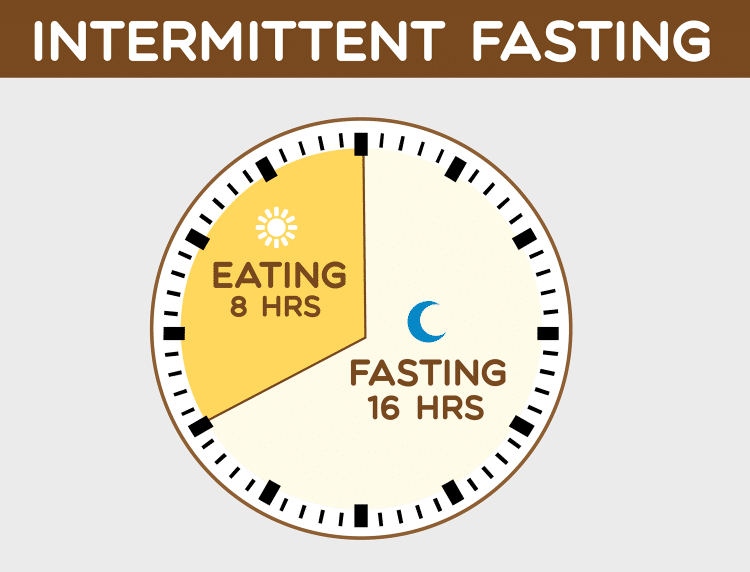
The 16/8 IF diet is a fasting plan in which you can eat within an eight-hour window and fast for the remaining 16 hours. Your eating window can be from 7 am to 3 pm or 9 am to 5 pm, or any other period you choose. This plan is convenient and effective due to its longer fasting window.
Most of our body functions change according to our sleep-wake cycle. For example, our digestive system actively functions during the daytime and rests at night. It means that when you sleep, your digestive system takes a break too.
But when the circadian rhythm gets disturbed, it automatically impacts your digestion. As a result, you increase your risk of developing hypertriglyceridemia, insulin resistance, high blood pressure, and obesity.
Munching throughout the day puts a lot of pressure on your body’s circadian clock. This is why when you eat late at night, you wake up feeling tired, demotivated, or maybe a little sick the next morning.
Staying on a fast for about 16 long hours helps your digestive system rest and detoxify. This, in turn, makes you feel fresh and energetic the next morning.
When you fast for an extended period, your body burns through your readily available energy stores and then turns to the stored fat, leading to weight loss. During this process, your body also repairs the cells on a molecular level.
What are the Benefits of a 16:8 Diet?
The advantages of the 16:8 plan include:
It is convenient due to its flexibility. You can choose any of the eating windows at your convenience.
Confining the eating window to specific hours helps limit your calorie intake, which may result in weight loss. [1][2]
This time-restricted eating also helps reduce insulin and blood sugar levels, decreasing the risk of developing diabetes. Research suggests that if you have type 2 diabetes, then intermittent fasting can help improve your health markers. [3][4]
It can also help prevent diseases like high blood pressure, cardiovascular conditions, specific types of cancer, and neurodegenerative conditions. [5][6][7]
Sample 16:8 Meal Plan
Intermittent fasting, including the 16:8 plan, does not dictate your food choices. However, you need to take care of the quality of the food. The food needs to be low in calories if you want to lose weight. Ensure that you eat a balanced diet filled with fruits, vegetables, lean proteins, and whole grains to meet your daily macro and micronutrient needs.
You can follow the format below for your fasting meal plan.
Morning is the time when you break the fast. During this time, you should eat foods rich in fiber and low in calories. Choosing high-fiber foods in the morning can satisfy your hunger quickly.
Some breakfast options are whole grain bread, oatmeal, almonds, fruit like bananas and apples, plantain cereals made from whole grains, rolled oats or bran, a whole grain bagel, etc.
During the mid-day meal, you can opt for meat, beans, rice, quinoa, buckwheat, broccoli, leafy greens, Brussels sprouts, poultry, eggs, fish, etc.
The last meal of the day during the eating window should be less caloric. Some meals, like fruits, vegetables, or oats, are recommended during this time.
Avoid deep-fried food, packaged foods, sugary drinks, and frozen meals during a 16:8 fasting regime. Drink enough water and unsweetened coffee or tea to keep yourself hydrated throughout the day.
How Many Calories Should I Eat During Intermittent Fasting?
Some people think that after a 16-hour fasting period, they can consume as many calories as they want. To lose weight, you should be mindful of your food. You cannot eat whatever you want in your eating window and still expect to lose weight.
The calorie needs differ from person to person depending on their starting weight, desired weight, gender, frame size, and level of activity. The required calories to lose weight can be calculated by finding out your BMR (Basal Metabolic Rate) and the total daily energy expenditure (TDEE) using the Harris-Benedict formula. Here is the Harris-Benedict formula for calculating BMR and TDEE.
BMR for men = 66.5 + (13.75 x weight in kg) + (5.003 x height in cm) – (6.75 x age in years)
BMR for women = 655.1 + (9.56 x weight in kg) + (1.85 x height in cm) – (4.676 x age in years) [8]
For example, for a 35-year-old woman who is 5-foot-6 and weighs 70 kilograms, her BMR would be:
655.1 + (9.56 x 70) + (1.85 x 167.6) – (4.676 x 35) = (655.1 + 669.2 + 310.06) – 163.66 = approx. 1,471 calories daily
To calculate how many calories you burn in a day, you need to calculate your total daily energy expenditure (TDEE). The calculation chart for TDEE is as follows.
Activity Level
TDEE
Sedentary
BMR x 1.2
Lightly Active
BMR x 1.375
Moderately Active
BMR x 1.55
Very Active
BMR x 1.725
Extra Active
BMR x 1.9
For example, if you are a 5-foot-10, 40-year-old male who weighs 85 kilograms and leads a moderately active lifestyle, then your required calorie intake to lose weight would be:
BMR = 66.5 + (13.75 x 85) + (5.003 x 178) – (6.75 x 40) = (66.5 + 1168.75 + 890.534) – 270 = approx. 1,856 calories
TDEE = 1,856 x 1.55 = approx. 2,877 calories
This is the number of calories your body burns in a day. Furthermore, to lose weight, you need to be in a calorie deficit.
Determine your exact daily calorie intake goal using the Intermittent Fasting Calculator.
How to Calculate the Calories to Lose Weight?
If you want to lose one pound per week, you must reduce your daily calorie intake by 500 calories. According to the above calculation, you must consume 2,377 calories daily (2,877–500 = 2,377) within your eating window.
However, this formula is just a recommendation. Before getting into any weight loss regime, consult your dietician or healthcare provider to know your exact caloric needs.
You must limit your calorie cut to 1,000 calories per day. This is because staying in a caloric deficit for an extended period may have certain adverse effects on your health, like a slow metabolism, nutrient deficiency, weekend bones, low energy levels, and fatigue. It may even lead to muscle loss. Since building muscle can boost your metabolic rate, losing muscle mass would result in burning fewer calories daily.
Additionally, when you are in a calorie deficit for a long time, your body becomes accustomed to it. Hence, it starts burning fewer calories every day and conserves more energy. When this occurs, your body reaches a plateau, and weight loss becomes challenging. It is often observed that people who cut down on calories struggle to lose weight. [9]
A 2017 study suggests that losing weight is possible by keeping muscle mass intact even if you do not reduce your calorie intake on a 16:8 diet. It is because fasting for 16 long hours helps your body use its stored body fat for energy instead of stored glucose. [10]
How Long Does it Take for 16:8 Intermittent Fasting to Work?
If you follow the guideline of 16:8 intermittent fasting religiously, you will see the result within a few weeks. However, it may take longer for some people to see the outcome depending on their age, gender, genetics, existing health conditions, and medications can impact your results.
Best Foods to Eat on 16:8 Intermittent Fasting
You must eat healthy to lose weight on a 16:8 intermittent fasting plan. Merely selecting an eight-hour time frame and consuming any food without consideration is insufficient to achieve your objectives. What you include in your diet will dictate your results.
Some of the superfoods to include in your regimen while on an intermittent fasting diet include:
Whole Grains
Whole grains are considered a superfood because they contain many nutrients such as complex carbs, dietary fibers, several B vitamins, minerals, antioxidants, fiber, and phytochemicals that can prevent and fight diseases. The high fiber content and complex carbohydrate in whole grains help manage hunger during fasting by making you feel full and satiated. Some examples of whole grains are oats, quinoa, barley, buckwheat, rye, bulgur wheat, brown rice, etc.
Fruit and Vegetables
Fruits and vegetables are packed with vitamins, minerals, phytonutrients, and fiber, which can help reduce the risk of high blood pressure, cardiac disease, and stroke. Consuming fruits and vegetables may also prevent certain cancers. They also improve the digestion process and control appetite. Some recommended fruits and vegetables are strawberries, apples, lemons, kiwi, kale, Brussels sprouts, broccoli, spinach, cucumber, and carrots.
Lean Protein
Replacing carbs and fats with proteins is an effective way to lose weight. Protein has fewer calories than other nutrients and takes longer to digest than fats or carbs. Hence, you do not feel hungry faster. It also lessens the production of hunger hormones.
Protein is also crucial for overall immunity. It helps maintain muscle mass, which is important in boosting metabolism and managing blood sugar. Without protein, your body encounters weakness and exhaustion, increased blood sugar levels, and, eventually, weight gain. Proteins such as lean meat, poultry, eggs, fish, nuts, and low-fat dairy products are great while on a 16:8 intermittent fast.
Fats
You cannot ignore the role of healthy fats in an intermittent fasting plan. Healthy fats help you absorb essential nutrients, restore energy, and feel satiated. Some healthy fats include avocado, olive oil, and fatty fish like salmon, tuna, mackerel, sardines, and nuts.
Frequently Asked Questions
Do you count calories on 16:8 intermittent fasting?
On a 16:8 intermittent fast, you can eat as you desire within the eating window. However, you should focus on foods low in calories and high in protein and fiber content.
How much should I eat during 16:8 intermittent fasting?
The calorie needs differ from person to person depending on their starting weight, desired weight, gender, frame size, and level of activity. The required calories to lose weight can be calculated by measuring the BMR (Basal Metabolic Rate) and the total daily energy expenditure (TDEE). However, it is always better to consult your doctor or dietician to know your exact caloric requirements.
What are the benefits of 16:8 intermittent fasting?
Benefits of 16:8 intermittent fasting include weight loss, better cardiovascular health, reduced inflammation, improved insulin sensitivity and growth hormone levels, and decreased insulin levels.
Bottom Line
Following a 16:8 intermittent fasting diet plan has many health advantages, including weight loss, blood sugar management, improved heart health, and longevity. Eating healthy during the eating window is crucial to attaining most of IF’s benefits.
Due to the uniqueness of our body types, the effectiveness of this approach varies among individuals. It is always prudent to consult your dietician or a doctor before starting any new diet, specifically if you have any underlying medical conditions.
References
Intermittent energy restriction improves weight loss efficiency in obese men: the MATADOR study – PubMed. (2018, February 1). PubMed. https://doi.org/10.1038/ijo.2017.206
Moro, T., Tinsley, G., Bianco, A., Marcolin, G., Pacelli, Q. F., Battaglia, G., Palma, A., Gentil, P., Neri, M., & Paoli, A. (2016, October 13). Effects of eight weeks of time-restricted feeding (16/8) on basal metabolism, maximal strength, body composition, inflammation, and cardiovascular risk factors in resistance-trained males – Journal of Translational Medicine. BioMed Central. https://doi.org/10.1186/s12967-016-1044-0
Intermittent fasting: is there a role in the treatment of diabetes? A review of the literature and guide for primary care physicians – PubMed. (2021, February 3). PubMed. https://doi.org/10.1186/s40842-020-00116-1
Arnason, T. G., Bowen, M. W., & Mansell, K. D. (2017, April 15). Effects of intermittent fasting on health markers in those with type 2 diabetes: A pilot study. PubMed Central (PMC). https://doi.org/10.4239/wjd.v8.i4.154
Gabel, K., Hoddy, K. K., Haggerty, N., Song, J., Kroeger, C. M., Trepanowski, J. F., Panda, S., & Varady, K. A. (2018, June 15). Effects of 8-hour time restricted feeding on body weight and metabolic disease risk factors in obese adults: A pilot study – IOS Press. Effects of 8-hour Time Restricted Feeding on Body Weight and Metabolic Disease Risk Factors in Obese Adults: A Pilot Study – IOS Press. https://doi.org/10.3233/NHA-170036
https://www.cmaj.ca/content/185/9/E363
https://www.annualreviews.org/doi/full/10.1146/annurev-nutr-071816-064634
Luy, S. C., & Dampil, O. A. (2018, September 10). Comparison of the Harris-Benedict Equation, Bioelectrical Impedance Analysis, and Indirect Calorimetry for Measurement of Basal Metabolic Rate among Adult Obese Filipino Patients with Prediabetes or Type 2 Diabetes Mellitus. PubMed Central (PMC). https://doi.org/10.15605/jafes.033.02.07
How dieting makes some fatter: from a perspective of human body composition autoregulation – PubMed. (2012, August 1). PubMed. https://doi.org/10.1017/S0029665112000225
Anton, S. D., Moehl, K., Donahoo, W. T., Marosi, K., Lee, S., G. Mainous, I. A., Leeuwenburgh, C., & Mattson, M. P. (2017, October 31). Flipping the Metabolic Switch: Understanding and Applying Health Benefits of Fasting. PubMed Central (PMC). https://doi.org/10.1002/oby.22065
Larry Wheels Announces Launch of His First ‘No Budget’ Public Gym
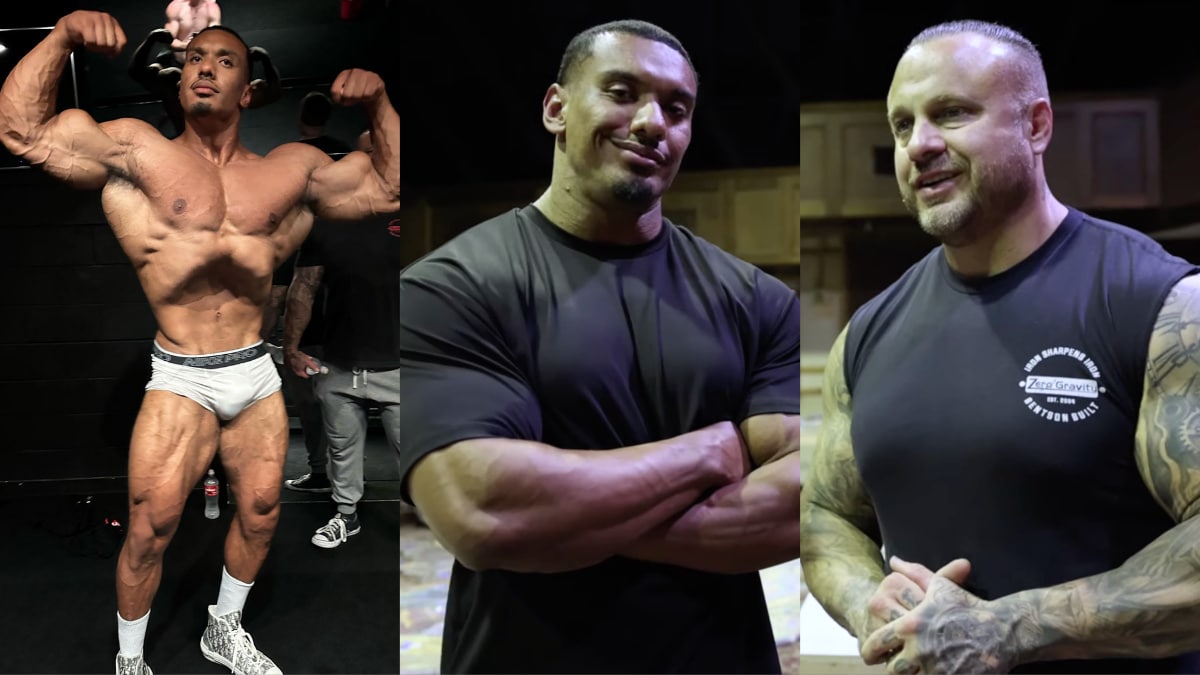
Fitness sensation Larry Wheels is known for his crazy feats of strength and impressive muscular build. While he’s gearing up for a move to bodybuilding, he has experience in multiple strength-based sports, including strongman, powerlifting, and arm wrestling. In a recent video uploaded on YouTube, Wheels announced the launch of his first public gym.
Larry Wheels first rose to prominence for his unique blend of insane strength and his aesthetic look in powerlifting. He set the World Record of 2,275 lbs on the squat, bench, and deadlift without wraps in the 275-lb weight category, which stood till last month. Besides his extraordinary strength, he displays a jacked physique more reminiscent of a competitive bodybuilder. His potential in bodybuilding was evident from the start as he scored gold in his debut at the NPC Gold Coast Muscle Classic in Feb. 2018.
Wheels decided to discontinue steroids after suffering a back injury in Aug. 2022. Having been a nearly decade-long user, he couldn’t go off gear instantly and switched to TRT (testosterone replacement therapy) exclusively. He declared his ambitions to move to bodybuilding and make a splash in the Classic Physique division earlier this year.
Following the conclusion of the 2023 Arnold Classic, Wheels enlisted the help of Men’s Open standouts William Bonac and Andrew Jacked to work on his posing skills ahead of the highly anticipated debut four months ago. He followed up with a ripped physique update showing off his lean frame.
Wheels believes he can be competitive in the Classic Physique division using only TRT. He left the fans stunned with a shredded physique update boasting his unreal bicep peak in a posing session two months ago. Then, he crushed a heavy set of 150-lb incline dumbbell shoulder presses along with an impressive physique update.
Larry Wheels gave fans a look into his preparations for his Classic Physique debut with a lean physique update last month. He also smashed past a taxing set of 150-lb incline dumbbell bench press for 25 reps. Additionally, Wheels teamed up with powerlifting legend CT Fletcher for a brutal round of 500-pound paused bench press workout two weeks ago.
Larry Wheels Announces Launch of His First Public Gym
In a recent YouTube video, Larry Wheels announced the launch of his first public gym.
Wheels partnered with coach Ryan Benson of Team Zero Gravity for the project. The name of the gym is ‘OG Gym’ as in One Generation, with a focus on blending bodybuilding and powerlifting.
The main gym area had a 35-ft tall ceiling and 8,000-9,000 square feet with an additional area outside the dome structure of 6,000 square feet bringing the total space to roughly 14,100 square feet. They are waiting for the current tenant’s lease to end to start building it up according to their needs. They will demolish most of the space and start with everything brand new.
There’s a second-floor upper-level area reserved as the cardio room. Other areas were planned for posing, merchandise, recovery (cold plunge, sauna), and a meal prep service.
They don’t have a budget and are willing to spend as much as needed to build the most epic gym. Benson estimated the renovation would cost about $2 million and $1 million for equipment.
“It was always a dream of mine to open a gym,” said Wheels. “However, when I contacted people that have opened gyms, I didn’t hear the most inspiring stories. I usually heard of gyms struggling with members, struggling to make ends meet, and for a long time I was really apprehensive because I didn’t hear any success stories. All I heard was it’s not a good idea, it’s a low profit margin business, don’t do it.”
“We want the $5 million gym,” said Benson.
Larry Wheels crushed a massive 405-pound bench press in a collaborative training session with Stefi Cohen last week. He opened up on his reasons for preferring the Classic Physique division over the Men’s Open, which hosts some of the freakiest mass monsters in the world.
Wheels’ latest acquisition is an exciting idea and many fans are looking forward to visiting it.
RELATED: 73-Year-Old Strongman Legend Beats Larry Wheels In Grip Strength: “Honestly, Blown Away”
You can watch the full video below.
Published: 13 July, 2023 | 11:31 PM EDT
Seth Feroce Reacts to Death of Jo Lindner aka ‘Joesthetics’: ‘Another Good Guy Gone Way Too Soon’
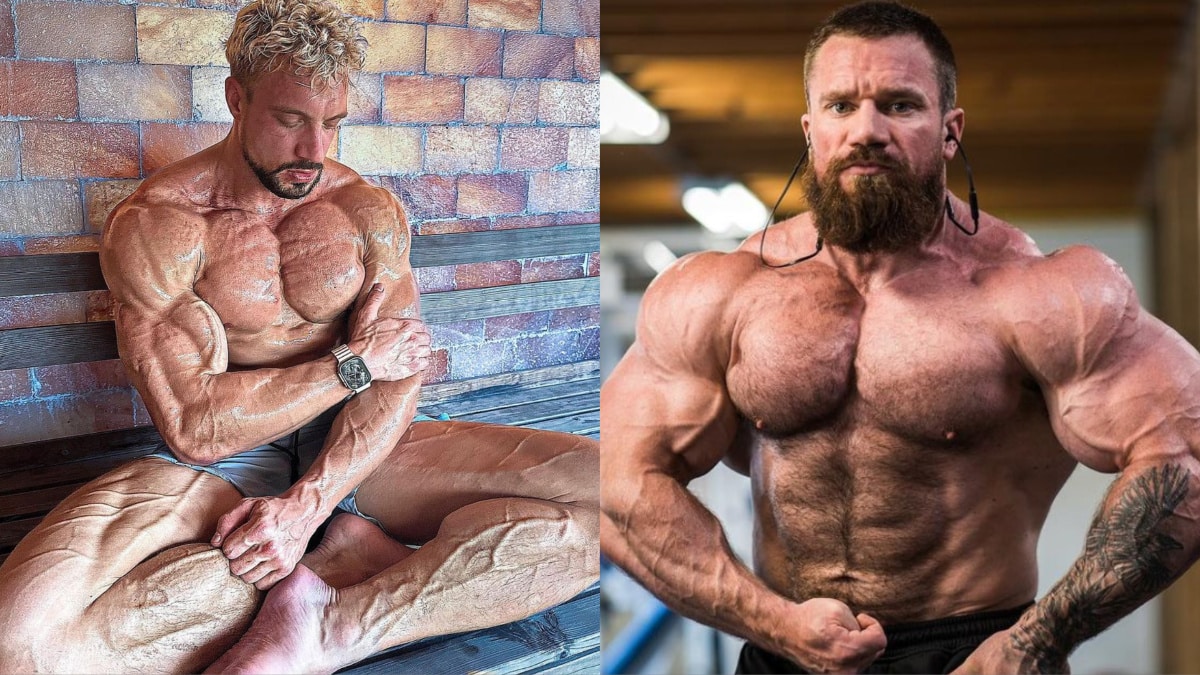
German bodybuilder Jo Lindner, popularly known as ‘Joesthetics,’ was celebrated for his insanely shredded physique and crazy striations. His tragic passing rocked the bodybuilding world earlier this month. In a recent video uploaded on YouTube, Seth Feroce shared his reaction to the death of ‘Joesthetics.’
Canadian IFBB Pro Seth Feroce first gained attention for his impressive muscle mass, size, and build in the early 2000s. While he hasn’t competed in several years, he still has his finger on the pulse of bodybuilding. He’s known for his outspoken personality and isn’t afraid to ruffle some feathers with his hot takes on a range of topics related to fitness, especially steroid use.
In Sep. 2022, Feroce issued a stark warning against the overuse of Trenbolone by younger bodybuilders, with some taking upwards of 1,000 milligrams of the harsh substance. He reported positive updates about his health and admitted he regrets not competing more, leaving the door open for a potential comeback. Then, he crushed a brutal arm workout showing off his jacked package in Oct. 2022.
Earlier this year, Feroce opened up on his ambitions to cut down the fat he had put on over the last three years. He expressed his affinity for bodybuilding and declared plans to get back to his best form by getting super shredded. Next, he collaborated with Fitness Olympia winner Missy Truscott for a challenging shoulder workout two months ago.
Social media sensation Joesthetics gained attention for his symmetrical package with a ripped midsection and freakish striations. He offered fitness-based content infused with a touch of comedy. His training clips and skits lifting weights quickly gained him over 9 million followers on Instagram.
Joesthetics opened up on a health scare he faced after taking diuretics and his experience using insulin last month. He reasoned that diuretics could result in extreme dehydration and revealed the craziest steroid cycle he ever used in competition. He joined forces with powerlifting sensation Larry Wheels weeks later to help Wheels sharpen his posing skills ahead of his highly anticipated bodybuilding debut.
On July 1, Lindner’s girlfriend announced he passed away at 30 years old because of an aneurysm. Members of the community rushed in with their support and paid tributes online. There was speculation about what caused Lindner’s death at such a young age with some blaming it on the COVID-19 mRNA vaccine after Lindner revealed ‘heavy metals,’ ‘particles,’ and clots were found in his blood.
Seth Feroce Reacts to Death of ‘Joesthetics’ aka Jo Lindner
In a recent YouTube video, Seth Feroce reacted to the passing of ‘Joesthetics,’ aka Jo Lindner.
Feroce was on vacation when he heard the news and although he did not know him, he felt the impact Jo had.
“Another bodybuilder’s dead, Joe Lindner, Joesthetics, another one that sucks. Another guy gone way too soon, another good guy gone way too soon,” continued Feroce. “I never met Joe. I didn’t know him personally but I never met one person that had anything bad to say about that man.
“We were on vacation when he passed. I’m not going to lie, it stopped me in my f**king tracks like oh b***h, Joe was 30 years old.”
He doesn’t believe there’s reason to speculate whether steroids had anything to do with it.
“I don’t care what you do it’s your life. But what I do care about is whenever people talk sh*t, make a bunch of claims that they don’t know f**k all about about another man’s life whenever he’s passed.
“I don’t know if [steroids] had anything to do with his death, not going to speculate because I haven’t heard anything behind the scenes.”
“People can speculate all they want. They can say there’s a reason that he passed and is that reason ever going to be found out? We don’t know nor does it really matter because there’s another good man gone from the planet.”
Feroce lauded Joesthetics for being one of the nicest people in the industry and inspiring others to better themselves.
“We are in this community to become better people. We don’t pass judgment on other people because of what they do with their lives. When someone chooses to do whatever they want to in their life, that’s what they do. With Joe like I said I never heard a bad thing about that man. In an industry full of fake, ignorant, dick, douchebag people, to not hear one bad thing about that man, says a lot about his character and the people he influenced and why so many people loved him.”
“A lot of young men want to become better versions of themselves because of Joe.”
Feroce paid his tributes to Jo with some of his favorite things about him.
“What boggles our mind is people that don’t smoke, don’t drink, don’t ever do anything bad, they do exactly what they are supposed to, they are perfect in every sense of the word, they eat healthy and do all these things, and then somehow come down with breast cancer or lung cancer or get hit by a train or a bus, something just takes their life way too soon. These things happen in life.
“One thing guaranteed is we’re going to die in life. Just a matter of if there’s any cool stories to tell about you when you’re gone. With Joe, I’ll remember Joe for his alien gains and wow’d look, for his funny comedic videos, and also for giving sound bro science advice.”
“Whenever bad sh*t happens because of some of the things you do that’s just how it goes. You can’t cry about it. It’s sad, it’s gut-wrenching especially because death does not care whether you are a good person or not.”
Joesthetics served as an inspiration to millions of younger fitness fans and his legacy will continue to live on the internet.
RELATED: Fitness Community Reacts to Jo Linder’s Mysterious Passing at 30, Questions Raised About Cause of Death
You can watch the full video below.
Published: 13 July, 2023 | 7:56 PM EDT
Erin Stern Shares Modified Low-Impact ‘HILIT’ Workout for Building Muscle Without ‘Wear & Tear’
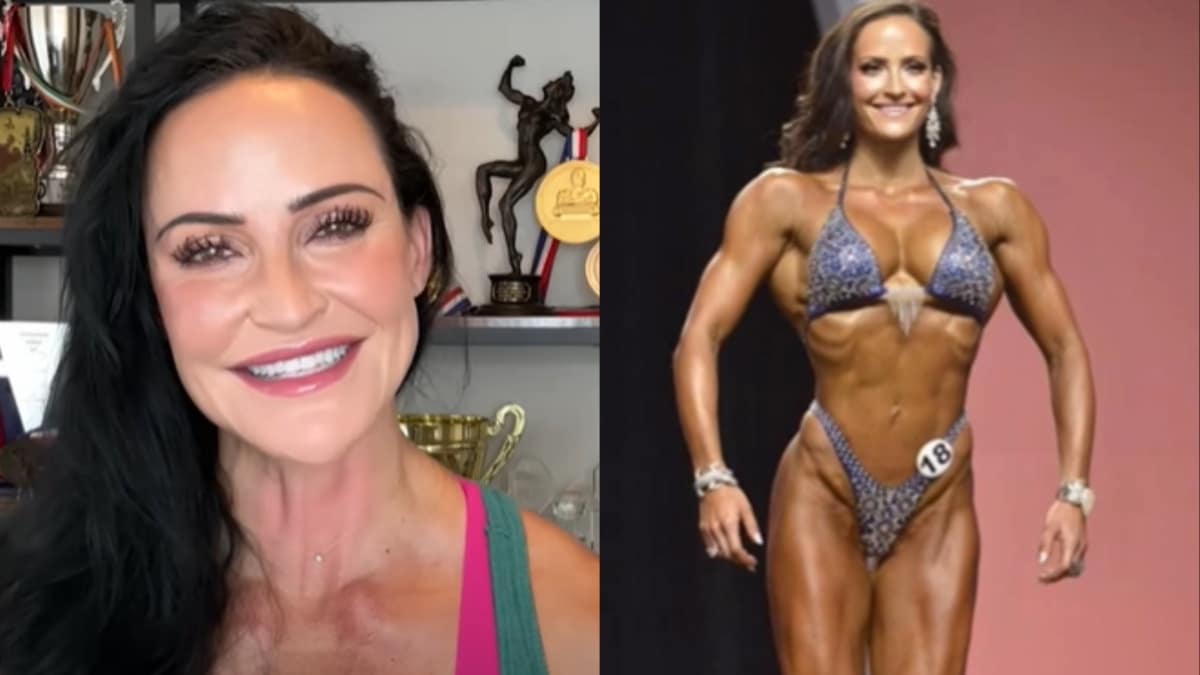
IFBB Figure/Bikini Pro Erin Stern continues to give back to fans with easy-to-understand workout demonstrations. In a recent YouTube video, Stern discussed her alteration to high-intensity interval training, where she promoted low-impact activities, but at a rigorous pace. While Erin Stern appreciates the benefits of HIIT workouts, she believes her low-impact variation will benefit those who are getting older, and lack the ability to recover like they used to.
“It can be done pretty much anywhere depending on what type of equipment you have. Let’s say you have a pool, you can go swim once or twice for me. For me, I have my assault bike in the backyard,” Erin Stern shared.
Stern began her career in 2008 and took first place at the NPC National Bodybuilding and Figure Championships. She leads an incredibly active schedule and routinely competes in multiple Pro competitions a year. In her first Olympia appearance in 2009, she took sixth place but went on to correct her mistakes.
The following year (2010), Stern reached the pinnacle of her career, having laid claim to a prestigious Olympia title in the Figure category. While she was unable to fend off Nicole Wilkins in 2011, Stern exacted revenge in 2012, when she took out her rival in a close show. Erin has also made numerous appearances at the annual Arnold Sports Festival.
Stern is well-respected in the community for her training knowledge and work ethic. Her last Figure competition came in 2021 at the GRL PWR in 13th place. Stern transformed her physique for the Bikini division and later earned the right to compete at Bikini Olympia in 2021 and 2022. In addition, she now spends her time offering advice to fans online with a YouTube channel of over 292,000 subscribers.
HIIT ‘Low-Impact’ Takes 1/10th of the Time Traditional Cardio Takes, Says Bodybuilder Erin Stern
Erin Stern maintains that high-intensity interval training is anabolic and helps grow muscle. However, since the intensity can cause damage to the body over time, her solution is to perform HIT workouts with low-impact exercises.
“By now you’re probably very familiar with HIT or high-intensity interval training. It’s one of my favorite forms of cardio. It takes an eighth to a tenth of the time of the amount of time that traditional cardio takes. Of course, it’s super intense and it’s anabolic, it can help you build muscle. It’s going to boost your metabolism for 24-48 hours after training, also known as the after-burn effect.
But there are quite a few drawbacks to HIT, especially if you’re weight training, you’re looking to really gain muscle and you are on a structured lifting program. HIT especially, things like sprinting, there’s a lot of eccentric force, a lot of wear and tear on the joints and on the muscles. You can lessen your recovery ability meaning the next time you’re looking to weight train, you’re going to be sore from HIT. So training with HIT and weights. It can be really really tough.”
Next, Stern highlighted the importance of choosing a movement/exercise that is either ‘concentric or push-based.’ In addition, she named a few workouts that fall into those parameters, such as sled pushing, kettlebell swings, and swimming.
“We tend to recover a bit more slowly as we age. What is the solution? It’s high-intensity low-impact training,” said Stern. “Now, for high-intensity low-impact training, what you’re looking for is an exercise that concentric or push-based.”
“Now, I’ll explain this: With HIT, you’re typically looking at something like sprints and for each step that you take when you’re at full speed, you might put 500-600 pounds of pressure on your foot as you land and you’re experiencing a tremendous amount of eccentric force with traditional HITS. Now, take this exercise, a sprint for example, and put yourself on an assault bike or get on stairs.
Push a sled. Anything where you’re limiting that negative aspect or the eccentric force on your joints is going to qualify as HITS, or high-intensity low-impact training. Other exercises can include kettlebell swings, the rower, swimming, so think about that when you’re structuring a 1-2 time per week high-intensity training session.”
Stern’s High-Intensity Low-Impact Training Guide
According to Erin Stern, a high-intensity low-impact workout should consist of 3-4 rounds of 15-30 seconds of all-out effort. Once the heart rate lowers, repeat the workout. In total, the training session should add up to 20-25 minutes.
“We’re looking at to start three to four rounds of between 15-30 seconds of all-out effort. And also keep in mind that as you do these intervals it’s going to have a cumulative effect on you. So after you do the first interval, it might take you a minute to a minute in a half to get your heart rate back down to that 60% each successive interval though. It’s going to take you a little bit longer and a little bit longer each time and that is totally fine.”
“We’re looking at 20-25 minutes max as far as your workout goes. So if someone tells you that they’re able to do HIT or high-intensity low-impact training for an hour and that is the working time and they’re not taking 10 minutes in between each sprint, I would highly doubt that. You do want to keep that training time pretty short, 20-25 minutes total, not including your warm-up or cool down which could be 5-10 minutes depending on what you like to do before/after training.”
She believes eliminating eccentric or negative force is essential to limiting wear and tear on the body.
“Eliminating that eccentric or negative force on the muscles which is going to limit the wear and tear on the joints, it’s going to improve recoverability so you’re able to get a lot more volume in and you’re going to get the benefits of HITs without the wear and tear that HITs bring along.”
It’s no mystery that fans and athletes alike have gotten a lot of out high-intensity interval training. Just look at six-time Mr. Olympia Dorian Yates. HIT workouts were a staple part of his Olympia training routine. He recently mentioned that these workouts have helped him maintain mobility and flexibility in retirement. Most importantly, Yates stressed warming up properly to avoid injuries.
Historically, Yates has been a supporter of HIT-style training regimens. In 2021, he emphasized that taking part in regular HIT workouts can promote positivity and confidence. And judging from the physique he’s carrying today, those techniques appear to be paying off.
Erin Stern’s low-impact HIT variation is a great alternative for people getting older and looking to stay in shape. It minimizes stress on the tendons and joints while still reaping the benefits of a traditional HIT workout.
RELATED: 6x Figure Olympia Cydney Gillon Shares Ab Workout & Tips
You can watch the full video from Erin Stern’s YouTube channel below:
Published: 13 July, 2023 | 5:13 PM EDT
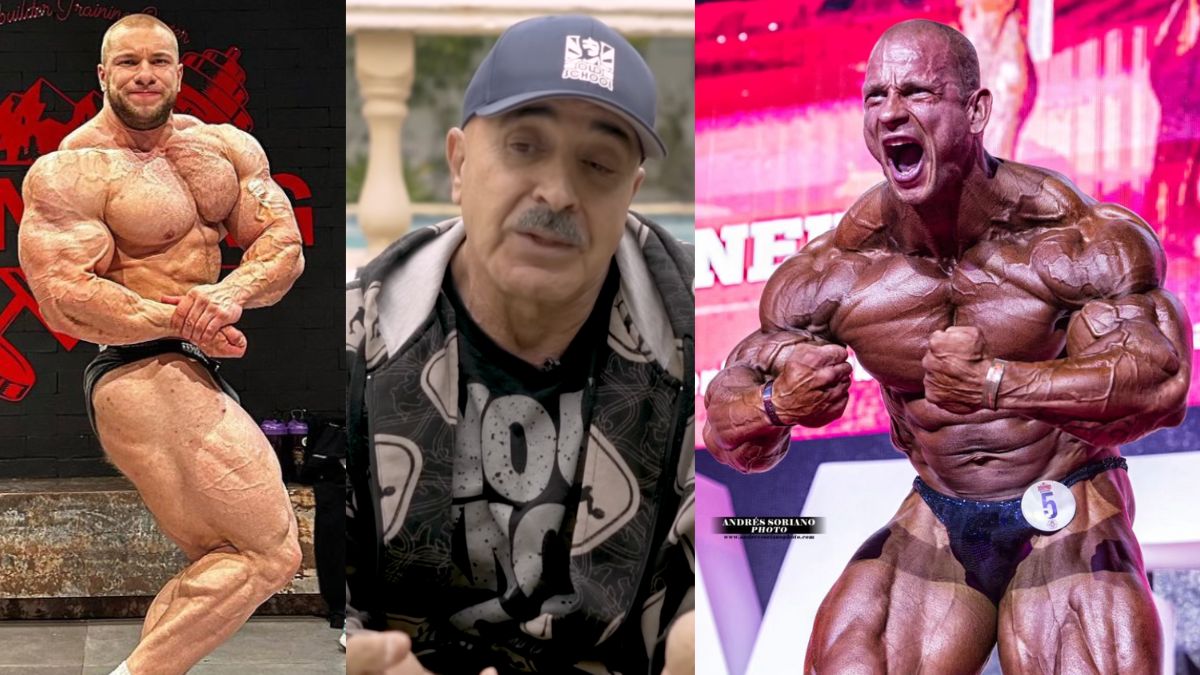
Samir Bannout Talks Good Vito’s ‘Disgusting’ Hernia, Guest Posing Injury & Michal Krizo’s Cycle
Samir Bannout is back to discuss two of the IFBB Pro League’s hottest Men’s Open contenders. In a recent Old School Labs Podcast, Bannout took a closer look at Michal Krizo’s 2023 Mr. Olympia potential and Vitaliy ‘Good Vito’ Ugolnikov’s recent injury from guest posing at the 2023 Musclecontest International Brazil.
Bannout was an elite Men’s Open competitor throughout his career and reached the top of the sport in 1983 when he claimed his lone Mr. Olympia title. This event was packed with bodybuilding stars like Robby Robinson, Frank Zane, and Lee Haney, but they were unable to match the detail of Bannout, especially from the back.
In retirement, Bannout has proven to be a valuable member of the bodybuilding community. He routinely discusses current events happening in the sport as well as the Men’s Open class he once ruled over. One talent in particular caught Bannout’s attention last year, and that was Slovakia’s Michal Krizo.
Krizo moved quickly in 2022. He switched from the IFBB Elite Pro League to the NPC, and then from there, won an IFBB Pro card and placed 12th at 2022 Olympia in his rookie season. Vitaliy ‘Good Vito’ Ugolnikov used Krizo’s blueprint to make his respective splash as well.
Good Vito switched to the NPC and later earned his Pro card in dominant fashion at the 2022 Musclecontest International Brazil Nationals. Other veterans of the sport took notice of Good Vito too, such as 1990s standout Chris Cormier. In an Olympia TV interview, Cormier praised Vito for his upside and predicted he would be a problem for other competitors in the future.
Samir Bannout Torches ‘Good Vito’ After Injuring Knee Guest Posing: “The Whole Act Was Stupid”
After witnessing Good Vito’s untimely accident while currently in prep, Bannout emphasized that he’s being misled by a coach/trainer.
“Good Vito, Good Vito, what’s wrong – Oh my God. This guy has so much potential Nick. It’s fucking pissing me off to see someone with such great potential acting kind of goofy. Let me just say it this way: this guy is Mr. Olympia material. But whoever is leading him in the wrong direction, it’s truly sad. I look at it from my perspective. You have all the fucking tools to be great and look at what he’s doing now, what the hell is he doing?” asks Samir Bannout.
“What do you think about the [umbilical] hernia?” asks Nick Trigili.
As for his umbilical hernia, Bannout found it disgusting. He added that Vito’s posing was miserable.
“Honestly, it looks disgusting. Disgusting,” said Samir Bannout. “This guy has the potential to go very far. Young kid, what 25 years old, what the hell is he doing. This is wrong, this is wrong, everything he’s doing, that act, it’s like fucking goofy. He has everything necessary to be great.”
“A terrible way to do those four poses, sorry, seriously. I’ve been talking positively about his genetics and potential. No doubt, he’s good but posing is disgusting, miserable. The act – and this crazy act like that is really not — it’s not something that I would promote or I would approve.”
With improved presentation and a proper coach, Bannout believes Good Vito can return better than ever.
“The presentation, showing it the right way. Like what’s his name, the Russian guy, Good Vito, it’s really shameful what he was doing. His act was not acceptable, to me, it looks like a joke. To me, it’s embarrassing. It’s a joke, it’s embarrassing. You [Vito] need to hire a coach that’s well-rounded, that understands how to present that body how to show that great body that you have. And he has the body. But the whole act was stupid, honestly. This is how I say it: stupid, retarded.”
“He’ll recover, he’ll be back. He’s learning the hard way, evidently. He needs to find someone to show him better presentation that will also be concerned about his health and well-being. Because that thing in his belly button looks totally not good. He’s doing something not right, look at the poor guy. 25 years old and he’s so eager to good.”
“He’s a happy camper, he’s got a good personality,” said Bannout. “He’ll be okay. He’ll come back and learn. He’s learning,” shared Bannout. “He’ll recover and he’ll be back, and hopefully he’ll make some adjustments to his presentation,” added Samir Bannout.
Bannout Guesses Michal Krizo’s Cycle: ‘I Guarantee You, It’s Not Excessive’
Given Krizo’s muscle fullness, size, and quality, Bannout is highly curious about what he’s taking to maintain his physique.
“I still want to know what guys like Krizo is doing, I would like to know because he’s got that muscle fullness, muscle size, muscle quality, and he seems to be doing it comfortably. I would like to know and I guarantee you, it wouldn’t be an excessive amount of drugs.”
I don’t think so. But I would like to know, this would be a major – I can tell when someone is doing too much drugs. I can tell right away on the skin but for Krizo to look this sharp while he’s training, he looks almost like contest ready, it’s amazing. I would like to know how much he’s using for let’s say tren and stuff like that.”
Bannout believes Krizo’s potential steroid cycle consists of approximately four compounds with a ‘very small amount’ of androgens.
“I’m thinking about Krizo’s quality when we saw that video tape doing the last podcast we did. I’m still in my head, saying, ‘That guy has the kind of quality away from the contest, huge, and he’s got that onion skin. I would like to know what the hell is he really doing. I would like to know.”
“I’m thinking he’s taking about 75 milligrams of oxandrolone, he’s taking maybe one winstrol 50 milligrams daily, and he’s taking a very small amount of androgen, something like 400 milligrams or maybe 5, not more than that. That’s my guess.”
This isn’t the first time Bannout has offered his take on Michal Krizo’s Mr. Olympia-winning potential. In a previous podcast, Samir suspected that Krizo’s posing abilities were holding him back from bringing his best. To remedy this issue, Bannout advised Krizo to seek out Frank Zane for some posing instructions. During his tenure, Zane was known for blending aesthetics and artistic posing on stage, which led to three Mr. Olympia titles.
Unlike last season, Krizo will have more time to prepare his body for the Mr. Olympia contest in Nov. Last month, Michal took first place at the 2023 Empro Classic Pro. This victory set him up with another invitation to the sport’s biggest event taking place later this year.
Fans look forward to seeing Krizo perform on the Mr. Olympia stage. As for Good Vito, Bannout is confident he’ll be back despite the knee injury.
RELATED: Samir Bannout Urges Big Ramy to Get Healthy & Backs Derek Lunsford as Most Dangerous at 2023 Mr. Olympia
You can watch the full Old School Labs Podcast below:
Published: 13 July, 2023 | 1:57 PM EDT