
 All Posts By Muscle Insider
Board Certified PHD
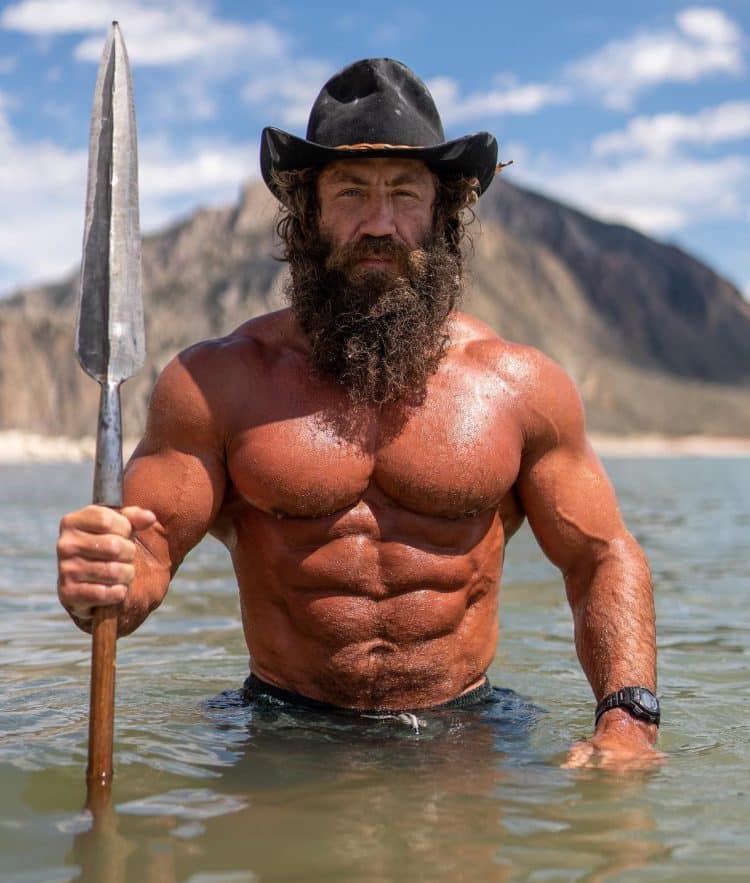
Liver King Claims 149 Days of Being Natty, Shows off Extremely Shredded Physique
Internet sensation Liver King, real name Brian Johnson, has been on the journey to redeem himself after getting exposed for lying about his steroid use. He promised to get off gear in hopes of persuading his audience about the effectiveness of his ancestral lifestyle. In a recent Instagram story, Johnson showcased his shredded physique after claiming to be natty for 149 days.
Social media fitness influencer Liver King quickly became one of the most recognizable figures in the space with his jacked physique, insane workouts, and unique diet made up exclusively of raw meat and organs, such as liver, kidney, bone marrow, and bull testicles. He advocates for a natural lifestyle based on the nine ancestral tenets and boasts a massive following of over 2 million on Instagram.
Johnson faced accusations of steroid use based on his monstrous build. He denied the allegations in numerous media appearances, crediting his health to his primal lifestyle. However, he got caught lying about using gear after PED (performance-enhancing drugs) expert Derek of More Plates More Dates presented leaked emails showing his alleged steroid cycle and blood work.
Following the exposé, Johnson came clean about deceiving his audience in an apology message. He admitted to being on steroids and even thanked Derek for bringing the issue to light. However, Derek was not impressed as he called out Johnson for not being sincere in his apology and hinted that there might be more to the story.
Liver King / Instagram
Johnson declared his plans to go natural to prove the ancestral tenets work without taking steroids. Since he had been consuming large amounts of gear, he slowly worked his way down. Then, Johnson made his way to the clinic of Dr. Barrett to dispel the rumor he got ab implants a week later. The year did not end well for him as a man from New York filed a $25 million lawsuit against his supplement companies for duping customers into buying products.
Liver King claimed to have quit steroids in a physique update earlier this year. He looked significantly downsized and revealed he dropped down to 188 pounds after going 42 hours without food. He followed up with another lean update boasting his lean look after being steroid-free for 58 days.
Liver King looks shredded after being natty for 149 days
In a recent Instagram story, Liver King showed off his lean physique after claiming to quit steroids for 149 days.
Credit: Liver King (via Instagram)
Credit: Liver King (via Instagram)
Credit: Liver King (via Instagram)
Liver King took a page out of Dwayne ‘The Rock’ Johnson’s playbook to reward himself with an epic cheat day two months ago. He devoured mammoth-sized portions of fast food including pizzas, burgers, and a range of desserts.
RELATED: Liver King on Feud with Joe Rogan: ‘I’m Obliged To Kill Him With Kindness Instead of Spears’
Johnson gave fans a look into the evolution of his physique after going without steroids for 120 days last month. Despite the discontinued use, Johnson looked ripped as ever. While Johnson claims he’s changed his ways, his latest update might raise suspicions about his natty status considering his impressive physique.
Published: 1 June, 2023 | 6:36 PM EDT
Race Time Predictor Calculator
Learn your race performance by using our Race Time Predictor tool – it allows you to input the time of a recent race and uses that information to predict what you could potentially achieve at a different race distance.
In the hustle and bustle of modern life, more people than ever before are lacing up their shoes, hitting the road, and discovering the joy and challenge of running. From neighborhood 5K races to grueling marathons, there’s a thrill in testing our endurance and pushing our limits.
If you’re a seasoned pro with several marathons under your belt, or a beginner prepping for your first 5K, or somewhere in between, you’ve probably wondered: “How can I predict my race time?” It’s a crucial question, as it helps you set achievable goals and shape your training plans effectively.
Enter the Race Time Predictor Calculator. Picture it as a trusted running coach who’s always there for you. This handy tool, armed with a sophisticated algorithm, takes in details like your past race time and distance, then processes this information to predict your likely finish time for races of various lengths. It’s an empowering resource that provides a window into your future achievements on the track or trail, helping you to plan, prepare and reach for the stars.
How Does the Race Time Predictor Work?
The Race Time Predictor Calculator is designed to use data from a previous race or trial run. You input the distance of the race you have completed or plan to complete, your finishing time for that race, the type of terrain for the upcoming race, and the elevation gain for the race course. The calculator uses these inputs to predict your finishing times for various popular race distances.
User Input Fields
There are four key fields that users need to fill out in the calculator:
Race Distance: The distance of the race you’ve completed or plan to complete. You can specify this distance in either kilometers (km) or miles (mi).
Race Time: The time it took you to complete the reference race distance. The time can be entered in either minutes (min) or seconds (sec).
Course Terrain: The terrain type of the race course. Users can select between “flat”, “hilly”, or “mixed” terrains.
Elevation Gain: The total elevation gain, in meters, over the course of the race. This can be a critical factor in determining the difficulty of a race, especially for longer distances or hilly terrains.
Once all the necessary inputs are provided, the user can click on the “Predict” button to generate the race time predictions.
Riegel’s Formula
The Race Time Predictor Calculator primarily uses the Riegel formula for its time predictions. The Riegel formula is a widely recognized method in the running community for predicting race times. It’s based on the assumption that a runner’s speed declines as the race distance increases.
The formula itself is T2 = T1 * (D2/D1) ^ 1.06
Here’s a breakdown of the elements in this formula:
T1 is the time achieved for the known distance (D1).
T2 is the time predicted for the unknown distance (D2).
D1 and D2 are the known and unknown distances respectively.
The exponent 1.06 is a constant derived from empirical data and represents the slowing of the runner’s pace as the distance increases.
The calculator also takes into account other factors such as course terrain and elevation gain. For hilly terrain, it slightly increases the predicted time, while for mixed terrain, it makes a lesser adjustment. Elevation gain is used to adjust the time further, with each additional meter of elevation expected to increase the race time.
Keep in mind that while this formula is a valuable tool for planning training and setting race goals, it’s only a prediction and individual results can vary based on a multitude of factors including training, race conditions, and individual fitness levels.
Output: Race Time Predictions
The calculator will display the predicted times for various distances including 1 mile, 5 kilometers, 10 kilometers, half marathon (21.0975 kilometers or 13.1 miles), and full marathon (42.195 kilometers or 26.2 miles). It also shows a progress bar indicating your progress towards these race distances based on your reference race time.
Along with the time predictions, the calculator also provides personalized recommendations based on the predicted times, helping users to understand what they might need to focus on during training to improve their performance.
In addition, the calculator gives the users a summary of the course information they provided, namely the terrain type and the total elevation gain. This aids users in visualizing the conditions of the future race.
Visualizing Your Predicted Times
To help users visualize their predicted times across different distances, the calculator features a bar chart. This chart shows the predicted times for the different race distances, making it easier to compare the times and understand how changing one parameter (such as terrain or elevation gain) might impact your race times.
The Importance of Accurate Predictions
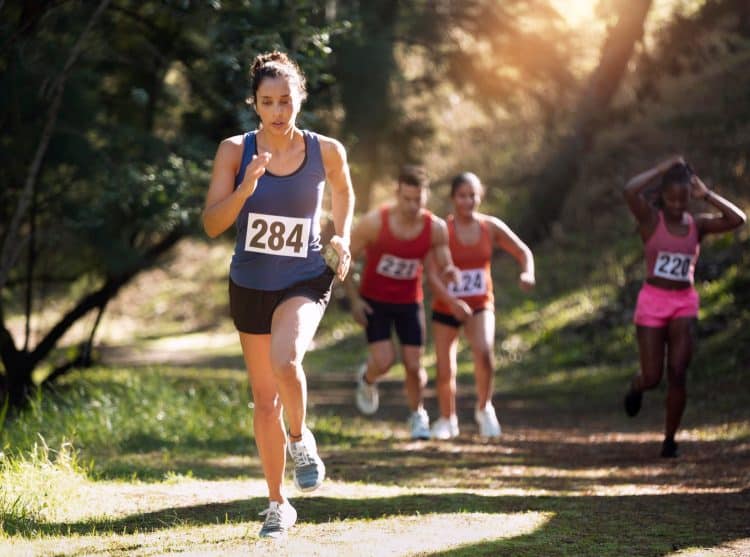
Female Athlete Running
It is important to note that while this tool uses an advanced algorithm to make its predictions, the actual race day performance will also be influenced by other factors not considered in this calculator, such as weather conditions, the runner’s physical and mental state on the race day, and the specific details of the race course.
The Race Time Predictor is not only a tool for predicting finishing times but also an aid in setting achievable goals, designing training programs, and even selecting races that fit your capabilities and preferences. However, it is only as accurate as the information you provide, so it is crucial to input accurate and honest information for the best results.
In conclusion, the Race Time Predictor Calculator is an excellent tool for runners of all levels. By incorporating individual parameters and using advanced calculations, it offers a customized race time prediction that helps runners better prepare for their upcoming races.
Whether you’re just getting started in the world of running or you’re a seasoned marathoner looking to improve your personal best, the Race Time Predictor can provide valuable insights into your performance and potential.
Related:

Powerlifter Daiki Kodama (83KG) Breaks 33-Yo IPF Raw Bench World Record With 230.5-kg (508.2-lb) Press
1
IPF
2022-05-21
World Bench Press Championships
Open
485
161.66
Location
Kazakhstan
Competition
World Bench Press Championships
Division
Open
Age
~42.5
Equipment
Raw
Class
163.1
Weight
159.4
Bench
463
485
-490.5
485
GLP
118.79
2
IPF
2022-05-21
World Bench Press Championships
Open
622.8
207.3
Location
Kazakhstan
Competition
World Bench Press Championships
Division
Open
Age
~42.5
Equipment
Single-ply
Class
163.1
Weight
159.7
Bench
622.8
-644.9
-650.4
622.8
GLP
112.07
1
JPA
2022-02-12
All Japan Bench Press Championships
Masters 1
617.3
204.34
Location
Japan
Competition
All Japan Bench Press Championships
Division
Masters 1
Age
~42.5
Equipment
Single-ply
Class
163.1
Weight
161
Bench
600.8
617.3
-639.3
617.3
GLP
110.27
1
JPA
2022-02-12
All Japan Bench Press Championships
Open
617.3
204.34
Location
Japan
Competition
All Japan Bench Press Championships
Division
Open
Age
~42.5
Equipment
Single-ply
Class
163.1
Weight
161
Bench
600.8
617.3
-639.3
617.3
GLP
110.27
1
IPF
2021-10-22
World Bench Press Championships
Open
633.8
209.35
Location
Lithuania
Competition
World Bench Press Championships
Division
Open
Age
~41.5
Equipment
Single-ply
Class
163.1
Weight
161.6
Bench
595.2
-622.8
633.8
633.8
GLP
112.88
2
IPF
2021-10-22
World Bench Press Championships
Open
451.9
149.47
Location
Lithuania
Competition
World Bench Press Championships
Division
Open
Age
~41.5
Equipment
Raw
Class
163.1
Weight
161.3
Bench
451.9
-479.5
-479.5
451.9
GLP
110
1
JPA
2021-03-28
Japanese Masters Classic Bench Press Championships
Masters 1
447.5
145.45
Location
Japan
Competition
Japanese Masters Classic Bench Press Championships
Division
Masters 1
Age
~41.5
Equipment
Raw
Class
183
Weight
165.7
Bench
447.5
447.5
GLP
107.38
1
JPA
2020-11-21
All Japan Bench Press Championships
Masters 1
633.8
208.97
Location
Japan
Competition
All Japan Bench Press Championships
Division
Masters 1
Age
~40.5
Equipment
Single-ply
Class
163.1
Weight
162
Bench
562.2
584.2
633.8
633.8
GLP
112.62
1
JPA
2020-11-21
All Japan Bench Press Championships
Open
633.8
208.97
Location
Japan
Competition
All Japan Bench Press Championships
Division
Open
Age
~40.5
Equipment
Single-ply
Class
163.1
Weight
162
Bench
562.2
584.2
633.8
633.8
GLP
112.62
1
JPA
2020-10-31
Japanese Classic Bench Press Championships
Open
451.9
148.87
Location
Japan
Competition
Japanese Classic Bench Press Championships
Division
Open
Age
~40.5
Equipment
Raw
Class
163.1
Weight
162.3
Bench
407.9
429.9
451.9
451.9
GLP
109.64
1
JPA
2020-01-25
Japanese Classic Bench Press Championships
Open
498.2
164.93
Location
Japan
Competition
Japanese Classic Bench Press Championships
Division
Open
Age
~40.5
Equipment
Raw
Class
163.1
Weight
161
Bench
440.9
498.2
-507.1
498.2
GLP
121.36
1
JPA
2019-10-26
Japanese Bench Press Championships
Masters 1
617.3
204.99
Location
Japan
Competition
Japanese Bench Press Championships
Division
Masters 1
Age
~39.5
Equipment
Single-ply
Class
163.1
Weight
160.3
Bench
551.2
584.2
617.3
617.3
GLP
110.74
1
JPA
2019-10-26
Japanese Bench Press Championships
Open
617.3
204.99
Location
Japan
Competition
Japanese Bench Press Championships
Division
Open
Age
~39.5
Equipment
Single-ply
Class
163.1
Weight
160.3
Bench
551.2
584.2
617.3
617.3
GLP
110.74
1
IPF
2019-05-18
World Bench Press Championships
Open
496
163.14
Location
Japan
Competition
World Bench Press Championships
Division
Open
Age
~39.5
Equipment
Raw
Class
163.1
Weight
162.7
Bench
463
487.2
496
496
GLP
120.18
1
IPF
2019-05-18
World Bench Press Championships
Open
628.3
207.52
Location
Japan
Competition
World Bench Press Championships
Division
Open
Age
~39.5
Equipment
Single-ply
Class
163.1
Weight
161.6
Bench
606.3
628.3
-663.6
628.3
GLP
111.9
1
JPA
2019-04-07
Osaka Powerlifting Championships
Masters 1
1190.5
393.03
Location
Japan
Competition
Osaka Powerlifting Championships
Division
Masters 1
Age
~39.5
Equipment
Raw
Class
163.1
Weight
161.7
Squat
264.6
308.6
319.7
319.7
Bench
468.5
490.5
490.5
Deadlift
308.6
352.7
380.3
380.3
GLP
79.64
1
JPA
2019-01-19
Japanese Classic Bench Press Championships
Masters 1
429.9
143.75
Location
Japan
Competition
Japanese Classic Bench Press Championships
Division
Masters 1
Age
~39.5
Equipment
Raw
Class
163.1
Weight
158.6
Bench
413.4
429.9
-463
429.9
GLP
105.56
1
JPA
2018-11-18
Osaka Bench Press Championships
Open
396.8
133.01
Location
Japan
Competition
Osaka Bench Press Championships
Division
Open
Age
~38.5
Equipment
Raw
Class
163.1
Weight
158.1
Bench
352.7
396.8
-440.9
396.8
GLP
97.62
1
JPA
2018-10-13
Japanese Bench Press Championships
Open
611.8
203.44
Location
Japan
Competition
Japanese Bench Press Championships
Division
Open
Age
~38.5
Equipment
Single-ply
Class
163.1
Weight
159.9
Bench
562.2
600.8
611.8
611.8
GLP
109.95
1
JPA
2018-07-15
Kinki Bench Press Championships
Open
451.9
147.45
Location
Japan
Competition
Kinki Bench Press Championships
Division
Open
Age
~38.5
Equipment
Raw
Class
183
Weight
164.7
Bench
429.9
451.9
-463
451.9
GLP
108.78
1
IPF
2018-05-14
World Classic Bench Press Championships
Open
446.4
147.78
Location
Finland
Competition
World Classic Bench Press Championships
Division
Open
Age
~38.5
Equipment
Raw
Class
163.1
Weight
161
Bench
429.9
446.4
-468.5
446.4
GLP
108.74
1
IPF
2018-04-23
World Bench Press Championships
Open
595.2
196.87
Location
South Africa
Competition
World Bench Press Championships
Division
Open
Age
~38.5
Equipment
Single-ply
Class
163.1
Weight
161.3
Bench
573.2
589.7
595.2
595.2
GLP
106.2
1
JPA
2018-01-27
Japanese Bench Press Championships
Open
584.2
193.75
Location
Japan
Competition
Japanese Bench Press Championships
Division
Open
Age
39
Equipment
Single-ply
Class
163.1
Weight
160.6
Bench
540.1
562.2
584.2
584.2
GLP
104.61
1
OceaniaPF
2017-12-09
Oceania Championships & Pacific Invitationals
Open
467.4
153.89
Location
Singapore
Competition
Oceania Championships & Pacific Invitationals
Division
Open
Equipment
Raw
Class
163.1
Weight
162.4
Bench
418.9
-467.4
467.4
467.4
GLP
113.34
1
JPA
2017-11-12
Osaka Bench Press Championships
Open
463
150.28
Location
Japan
Competition
Osaka Bench Press Championships
Division
Open
Age
~37.5
Equipment
Raw
Class
183
Weight
166
Bench
407.9
440.9
463
463
GLP
110.96
1
JPA
2017-10-28
Japanese Classic Bench Press Championships
Open
468.5
155.43
Location
Japan
Competition
Japanese Classic Bench Press Championships
Division
Open
Age
~37.5
Equipment
Raw
Class
163.1
Weight
160.5
Bench
446.4
468.5
-487.2
468.5
GLP
114.32
1
JPA
2017-07-09
Kinki Bench Press Championships
Open
407.9
132.55
Location
Japan
Competition
Kinki Bench Press Championships
Division
Open
Age
~37.5
Equipment
Raw
Class
183
Weight
165.7
Bench
380.3
396.8
407.9
407.9
GLP
97.86
1
IPF
2017-05-22
World Bench Press Championships
Open
606.3
201.61
Location
Lithuania
Competition
World Bench Press Championships
Division
Open
Age
~37.5
Equipment
Single-ply
Class
163.1
Weight
159.9
Bench
551.2
584.2
606.3
606.3
GLP
108.96
1
PA
2017-04-30
Pacific Invitational Bench Press
Open
463
150.59
Location
Australia-NSW
Competition
Pacific Invitational Bench Press
Division
Open
Age
~37.5
Equipment
Raw
Class
183
Weight
165.5
Bench
418.9
463
-477.3
463
GLP
111.16
3
PA
2017-04-29
Pacific Invitational
Open
1105.6
368.17
Location
Australia-NSW
Competition
Pacific Invitational
Division
Open
Age
~37.5
Equipment
Raw
Class
163.1
Weight
159.6
Squat
165.3
264.6
-297.6
264.6
Bench
424.4
-466.3
466.3
466.3
Deadlift
275.6
319.7
374.8
374.8
GLP
74.47
1
IPF
2017-04-22
World Classic Bench Press Championships
Open
451.9
151.54
Location
USA-TX
Competition
World Classic Bench Press Championships
Division
Open
Age
~37.5
Equipment
Raw
Class
163.1
Weight
158
Bench
418.9
440.9
451.9
451.9
GLP
111.22
1
JPA
2017-03-11
Japanese Bench Press Championships
Open
551.2
184.3
Location
Japan
Competition
Japanese Bench Press Championships
Division
Open
Age
~37.5
Equipment
Single-ply
Class
163.1
Weight
158.6
Bench
551.2
-584.2
-584.2
551.2
GLP
99.79
1
JPA
2016-11-26
Japanese Classic Bench Press Championships
Open
429.9
142.76
Location
Japan
Competition
Japanese Classic Bench Press Championships
Division
Open
Age
~36.5
Equipment
Raw
Class
163.1
Weight
160.3
Bench
413.4
429.9
-457.5
429.9
GLP
104.98
1
JPA
2016-11-13
Osaka Bench Press Championships
Open
446.4
147.98
Location
Japan
Competition
Osaka Bench Press Championships
Division
Open
Age
~36.5
Equipment
Raw
Class
163.1
Weight
160.7
Bench
352.7
396.8
446.4
446.4
GLP
108.86
1
PA
2016-08-20
Pacific Invitational
Open
1102.3
365.89
Location
Australia-WA
Competition
Pacific Invitational
Division
Open
Equipment
Raw
Class
163.1
Weight
160.4
Squat
264.6
286.6
-297.6
286.6
Bench
396.8
440.9
-466.3
440.9
Deadlift
308.6
330.7
374.8
374.8
GLP
74.06
1
JPA
2016-07-10
Kinki Bench Press Championships
Open
407.9
135.44
Location
Japan
Competition
Kinki Bench Press Championships
Division
Open
Age
37
Equipment
Raw
Class
163.1
Weight
160.3
Bench
330.7
369.3
407.9
407.9
GLP
99.6
1
IPF
2016-05-15
World Classic Bench Press Championships
Open
457.5
152.9
Location
South Africa
Competition
World Classic Bench Press Championships
Division
Open
Age
~36.5
Equipment
Raw
Class
163.1
Weight
158.7
Bench
446.4
457.5
-466.3
457.5
GLP
112.29
1
IPF
2016-04-19
World Bench Press Championships
Open
606.3
201.46
Location
Denmark
Competition
World Bench Press Championships
Division
Open
Age
~36.5
Equipment
Single-ply
Class
163.1
Weight
160.1
Bench
573.2
606.3
-663.6
606.3
GLP
108.85
1
JPA
2016-03-12
Japanese Classic Bench Press & Firefighter/Police/SDF Bench Press Championships
Open
486.1
162.71
Location
Japan
Competition
Japanese Classic Bench Press & Firefighter/Police/SDF Bench Press Championships
Division
Open
Age
37
Equipment
Raw
Class
163.1
Weight
158.4
Bench
451.9
474
486.1
486.1
GLP
119.46
1
JPA
2015-10-31
Japanese Bench Press Championships
Open
662.5
218.23
Location
Japan
Competition
Japanese Bench Press Championships
Division
Open
Age
~35.5
Equipment
Single-ply
Class
163.1
Weight
162.3
Bench
573.2
617.3
662.5
662.5
GLP
117.57
5
PA
2015-10-17
Pacific Invitational III
Open
1005.3
331.59
Location
Australia-NSW
Competition
Pacific Invitational III
Division
Open
Age
~35.5
Equipment
Raw
Class
163.1
Weight
161.9
Squat
165.3
-253.5
253.5
253.5
Bench
440.9
465.2
-479.5
465.2
Deadlift
220.5
286.6
-341.7
286.6
GLP
67.21
1
JPA
2015-07-05
Kinki Bench Press Championships
Open
468.5
155.58
Location
Japan
Competition
Kinki Bench Press Championships
Division
Open
Age
36
Equipment
Raw
Class
163.1
Weight
160.3
Bench
448.6
465.2
468.5
468.5
GLP
114.4
1
IPF
2015-05-20
World Bench Press Championships
Open
661.4
218.88
Location
Sweden
Competition
World Bench Press Championships
Division
Open
Age
~35.5
Equipment
Single-ply
Class
163.1
Weight
161.1
Bench
573.2
608.5
661.4
661.4
GLP
118.1
1
JPA
2014-11-29
Japanese Bench Press Championships
Open
606.3
202.75
Location
Japan
Competition
Japanese Bench Press Championships
Division
Open
Age
~34.5
Equipment
Single-ply
Class
163.1
Weight
158.6
Bench
573.2
606.3
-661.4
606.3
GLP
109.78
1
JPA
2014-07-06
Osaka Bench Press Championships
Open
440.9
146.96
Location
Japan
Competition
Osaka Bench Press Championships
Division
Open
Age
35
Equipment
Raw
Class
163.1
Weight
159.4
Bench
352.7
396.8
440.9
440.9
GLP
107.99
1
IPF
2014-05-20
World Bench Press Championships
Open
607.4
201.99
Location
Denmark
Competition
World Bench Press Championships
Division
Open
Age
~34.5
Equipment
Single-ply
Class
163.1
Weight
159.9
Bench
-573.2
573.2
607.4
607.4
GLP
109.17
1
JPA
2014-02-23
Japanese Classic Bench Press & Firefighter/Police/SDF Bench Press Championships
Open
446.4
148.42
Location
Japan
Competition
Japanese Classic Bench Press & Firefighter/Police/SDF Bench Press Championships
Division
Open
Age
35
Equipment
Raw
Class
163.1
Weight
160
Bench
407.9
446.4
-463
446.4
GLP
109.11
1
JPA
2013-11-30
Japanese Bench Press Championships
Open
628.3
209.04
Location
Japan
Competition
Japanese Bench Press Championships
Division
Open
Age
34
Equipment
Single-ply
Class
163.1
Weight
159.8
Bench
567.7
595.2
628.3
628.3
GLP
112.99
1
JPA
2013-08-11
Osaka Bench Press Championships
Open
440.9
146.29
Location
Japan
Competition
Osaka Bench Press Championships
Division
Open
Age
34
Equipment
Raw
Class
163.1
Weight
160.5
Bench
374.8
407.9
440.9
440.9
GLP
107.59
1
IPF
2013-05-20
World Bench Press Championships
Open
606.3
199.98
Location
Lithuania
Competition
World Bench Press Championships
Division
Open
Age
~33.5
Equipment
Single-ply
Class
163.1
Weight
161.9
Bench
556.7
584.2
606.3
606.3
GLP
107.78
1
IPF
2012-05-21
World Bench Press Championships
Open
573.2
189.22
Location
Czechia
Competition
World Bench Press Championships
Division
Open
Age
~32.5
Equipment
Single-ply
Class
163.1
Weight
161.7
Bench
551.2
573.2
-606.3
573.2
GLP
102.01
1
JPA
2012-02-26
Japanese Classic Bench Press & Firefighter/Police/SDF Bench Press Championships
Open
442
146.28
Location
Japan
Competition
Japanese Classic Bench Press & Firefighter/Police/SDF Bench Press Championships
Division
Open
Age
32
Equipment
Raw
Class
163.1
Weight
161.1
Bench
385.8
407.9
442
442
GLP
107.64
1
JPA
2011-07-03
Osaka Bench Press Championships
Open
440.9
145.45
Location
Japan
Competition
Osaka Bench Press Championships
Division
Open
Age
32
Equipment
Raw
Class
163.1
Weight
161.9
Bench
402.3
440.9
-474
440.9
GLP
107.09
1
JPA
2011-02-27
Japanese Classic Bench Press & Firefighter/Police/SDF Bench Press Championships
Open
380.3
125.38
Location
Japan
Competition
Japanese Classic Bench Press & Firefighter/Police/SDF Bench Press Championships
Division
Open
Age
31
Equipment
Raw
Class
163.1
Weight
162
Bench
264.6
325.2
380.3
380.3
GLP
92.33
DQ
AsianPF
2010-08-13
Asian Bench Press Championship
Open
Location
Philippines
Competition
Asian Bench Press Championship
Division
Open
Age
~30.5
Equipment
Single-ply
Class
165.3
Weight
163.6
Bench
-573.2
-573.2
-573.2
1
JPA
2010-06-27
Osaka Bench Press Championships
Open
620.6
203.85
Location
Japan
Competition
Osaka Bench Press Championships
Division
Open
Age
31
Equipment
Single-ply
Class
165.3
Weight
163
Bench
573.2
620.6
-633.8
620.6
GLP
109.72
1
JPA
2010-02-28
Japanese Classic Bench Press & Firefighter/Police/SDF Bench Press Championships
Open
435.4
142.4
Location
Japan
Competition
Japanese Classic Bench Press & Firefighter/Police/SDF Bench Press Championships
Division
Open
Age
30
Equipment
Raw
Class
165.3
Weight
164.1
Bench
396.8
429.9
435.4
435.4
GLP
105.01
1
IPF
2008-06-25
World Bench Press Championships
Open
600.8
185.23
Location
Czechia
Competition
World Bench Press Championships
Division
Open
Age
~28.5
Equipment
Single-ply
Class
181.9
Weight
180.8
Bench
573.2
-600.8
600.8
600.8
GLP
97.84
1
NAPF
2008-03-02
Arnold International Pro Bench
LW
619.5
192.92
Location
USA-OH
Competition
Arnold International Pro Bench
Division
LW
Equipment
Single-ply
Class
181.9
Weight
177.7
Bench
584.2
619.5
-661.4
619.5
GLP
102.18
DQ
IPF
2007-05-29
World Bench Press Championships
Open
Location
Denmark
Competition
World Bench Press Championships
Division
Open
Age
~27.5
Equipment
Single-ply
Class
181.9
Weight
172.3
Bench
-573.2
-573.2
-573.2
1
IPF
2006-05-23
World Bench Press Championships
Open
567.7
185.85
Location
Hungary
Competition
World Bench Press Championships
Division
Open
Age
~26.5
Equipment
Single-ply
Class
165.3
Weight
163.8
Bench
540.1
556.7
567.7
567.7
GLP
99.93
1
IPF
2005-01-12
World Open Bench Press Championships
Open
567.7
185.45
Location
Sweden
Competition
World Open Bench Press Championships
Division
Open
Age
~25.5
Equipment
Single-ply
Class
165.3
Weight
164.4
Bench
-567.7
567.7
-622.8
567.7
GLP
99.64
1
IPF
2004-12-02
World Bench Press Championships
Open
551.2
180.44
Location
USA-OH
Competition
World Bench Press Championships
Division
Open
Age
~24.5
Equipment
Single-ply
Class
165.3
Weight
163.8
Bench
-545.6
-545.6
551.2
551.2
GLP
97.02
1
JPA
2004-10-02
Japanese Bench Press Championships
Open
578.7
190.06
Location
Japan
Competition
Japanese Bench Press Championships
Division
Open
Age
~24.5
Equipment
Single-ply
Class
165.3
Weight
163
Bench
540.1
562.2
578.7
578.7
GLP
102.29
1
IPF
2003-12-05
World Bench Press Championships
Open
529.1
172.77
Location
Slovakia
Competition
World Bench Press Championships
Division
Open
Age
~23.5
Equipment
Single-ply
Class
165.3
Weight
164.5
Bench
507.1
529.1
-551.2
529.1
GLP
92.82
1
JPA
2003-09-14
Japanese Open & Masters Bench Press Championships
Open
523.6
171.79
Location
Japan
Competition
Japanese Open & Masters Bench Press Championships
Division
Open
Age
24
Equipment
Single-ply
Class
165.3
Weight
163.3
Bench
523.6
GLP
92.43
1
IPF
2002-12-05
World Bench Press Championships
Open
496
165.81
Location
Luxembourg
Competition
World Bench Press Championships
Division
Open
Age
~22.5
Equipment
Single-ply
Class
165.3
Weight
158.7
Bench
-496
-496
496
496
GLP
89.77
1
AsianPF
2002-08-20
Asian Bench Press Championships
Juniors
485
159.91
Location
India
Competition
Asian Bench Press Championships
Division
Juniors
Age
~22.5
Equipment
Single-ply
Class
165.3
Weight
162
Bench
380.3
485
-502.7
485
GLP
86.18
2
JPA
2002-06-29
Japanese Bench Press Championships
Open
496
163.04
Location
Japan
Competition
Japanese Bench Press Championships
Division
Open
Age
23
Equipment
Single-ply
Class
165.3
Weight
162.8
Bench
496
GLP
87.77
1
JPA
2002-01-23
Japanese Open/Masters Classic Bench Press & Firefighter/Police/SDF Bench Press Championships
Open
407.9
134.95
Location
Japan
Competition
Japanese Open/Masters Classic Bench Press & Firefighter/Police/SDF Bench Press Championships
Division
Open
Age
23
Equipment
Raw
Class
165.3
Weight
161.2
Bench
385.8
407.9
-418.9
407.9
GLP
99.3
1
JPA
2001-09-02
Japanese Classic Bench Press Championships
Open
402.3
132.36
Location
Japan
Competition
Japanese Classic Bench Press Championships
Division
Open
Age
22
Equipment
Raw
Class
165.3
Weight
162.6
Bench
385.8
402.3
-407.9
402.3
GLP
97.5
2
JPA
2001-09-01
Japanese Bench Press Championships
Open
440.9
145.35
Location
Japan
Competition
Japanese Bench Press Championships
Division
Open
Age
22
Equipment
Single-ply
Class
165.3
Weight
162.1
Bench
413.4
429.9
440.9
-451.9
440.9
GLP
78.32
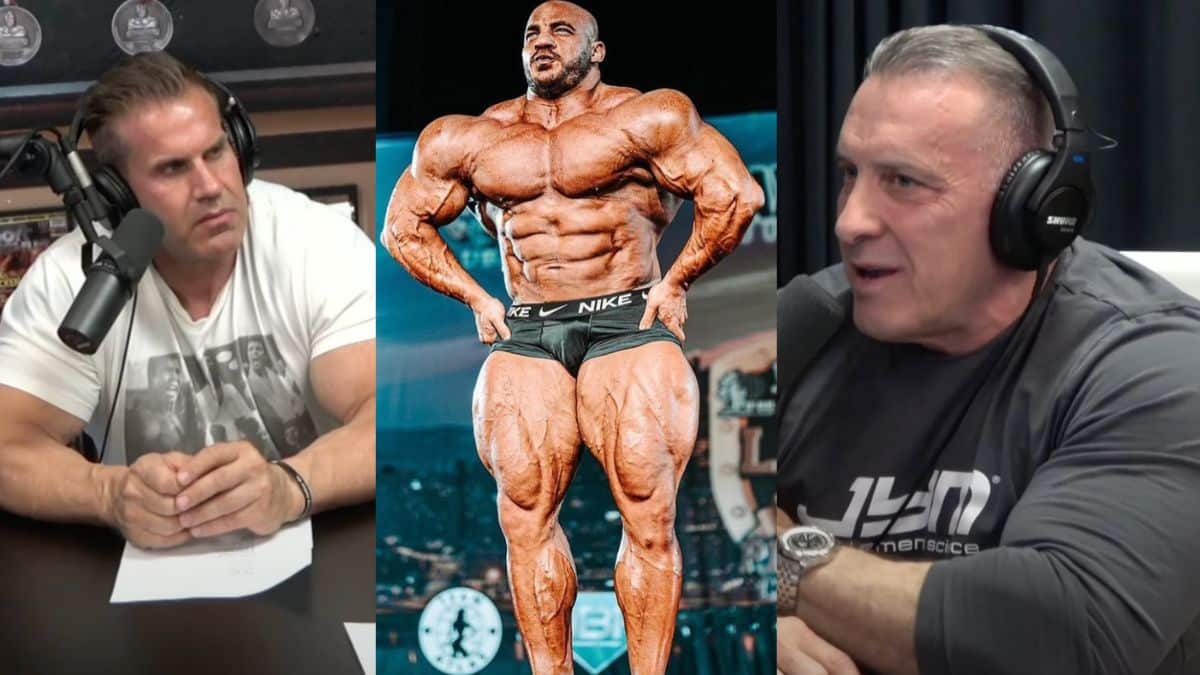
Milos Sarcev and Jay Cutler Talk Big Ramy’s Future: ‘He’s 100% Not Doing 2023 Mr. Olympia’
Attention is quickly shifting to Men’s Open contenders expected to push each other at the next Mr. Olympia contest. In a recent Cutler Cast episode, Milos Sarcev discussed Samson Dauda’s confidence levels and laid out whether or not Mamdouh ‘Big Ramy’ Elssbiay plans to compete in November.
The bodybuilding world has seen plenty of notable changes in the league lately. Last December, mass monster Elssbiay was unable to repeat as champion. Instead, fans were treated to a three-man battle between Nick Walker, Derek Lunsford, and Hadi Choopan.
‘The Persian Wolf’ eventually won the title, which sent shockwaves through the community considering he used to compete as a 212 bodybuilder. Meanwhile, Big Ramy dropped gold and left Sin City in fifth place. He later committed to his career and assured fans he wouldn’t retire.
In March, the 35th Arnold Classic took place. Walker entered the contest as the highest-ranking Olympian. However, he was denied gold after Samson Dauda delivered the best package of his career. While some fans took issue with the outcome, Walker regretfully accepted his runner-up finish. As for Big Ramy, he brought a stellar look but was awarded fourth place.
Sarcev has been open about his progress with Samson Dauda. In preparation for the Arnold Classic, Sarcev revealed that Dauda incorporated trenbolone for the first time during contest prep, which seemingly paid off. As a result of the victory, Dauda emerged as a top threat to Choopan’s title at 2023 Mr. Olympia.
Milos Sarcev Highly Doubts Big Ramy Will Compete at 2023 Mr. Olympia, Jay Cutler Says His ‘Arms Are Suffering’
Speculation about Big Ramy competing in November continues to dominate online discussions. Sarcev was the latest figurehead to suggest he sit out the November contest.
“He’s not big big Ramy, right? It’s not 3X it’s just XL, obviously, he’s probably not training and doing supplementation and everything. He looked great still. But we expect an ultimate freak, so Big Ramy would usually dominate the group of people if he steps on the stage. With five or six people he’d be the biggest one. I mean, he didn’t dominate. Samson was right there just as big or bigger.”
In a recent The Menace podcast, head judge Steve Weinberger made a special appearance. He explained that it would be best for Big Ramy and the longevity of his career to sit out of Mr. Olympia this year. Given that Ramy’s stem cell treatment can take up to six months to show results, perhaps the time away from the stage would revitalize his physique.
“Steve Weinberger said in a recent interview that he would want him to rest and have a good off-season to regain the muscle that he has lost due to those injuries, whatever. We won’t admit it or not. There is still – triceps is still not exactly. The back, shoulders, not exactly like they used to be. He’s 38 years old,” said Sarcev.
“The arms seem to be suffering a little bit right,” specified Cutler.
“Ramy? No 100% [he’s not doing the Olympia],” Milos Sarcev suspected.
Sarcev: ‘Complete Samson Dauda Believes He Can Beat All the Guys at 2023 Mr. Olympia’
According to Sarcev, Samson Dauda just started his Mr. Olympia prep.
“Samson has a complete package, like overall, he’s so impressive. I mean he’s 300-something pounds. He was not as heavy as normally because we took time off, rested, and everything. He’s just starting his Olympia prep. The combination of size, width, thickness, the shape, you know Samson has it and everybody… he’s going to be a problem. He is now equally motivated and confident like Nick would be, yeah, he could beat all the guys,” said Milos Sarcev.
When discussing Duada’s possible weaknesses, Sarcev suggested that he mainly needed to work on his back. Recently, Dauda appeared in a Muscular Development interview, mentioning that he could defeat Lunsford and Choopan with added detail from behind.
“It’s not a weakness, but we need to improve still width and thickness of the back. Because back shots… I don’t believe shows are won from the back, but it’s major. So, that’s the comments that he needed. Before he needed a little bit more width in the shoulders, now he has that. Nobody mentions it. He needs to be wider. Let’s say conditioning to be at that level of super hard condition guys like Derek from the back, Hadi from the front, some of those guys… to match that conditioning,” Sarcev explained.
Cutler argued shows are no longer won from the rear and said he didn’t have the best back during his respective career.
“Shows aren’t won from the back, but if you have a whole lot of other stuff, that’s what shows are won from. Listen, I probably didn’t have the best back of everyone, but obviously, I was wide. But, condition-wise, whatever, I still had a lot of other poses right,” added Jay Cutler.
In addition to Cutler and Sarcev, athletes rep Bob Cicherillo has made steady podcast appearances to lay out his thoughts on the upcoming 2023 Mr. Olympia show. Given Dauda’s impressive victory in Ohio, Bob predicted that he and Derek Lunsford are equal threats to Choopan later this year.
With the Mr. Olympia contest approaching in five months, fans are on the edge of their seats waiting to see what unfolds in the Men’s Open. Judging by Hadi Choopan’s physique updates, he is determined to defend his title at all costs.
RELATED: Hadi Choopan Looks Massive in 2023 Off-Season, Shares Brutal Row & Leg Press Workouts
Watch the full video from the CutlerTV YouTube channel below:
Published: 1 June, 2023 | 3:05 PM EDT
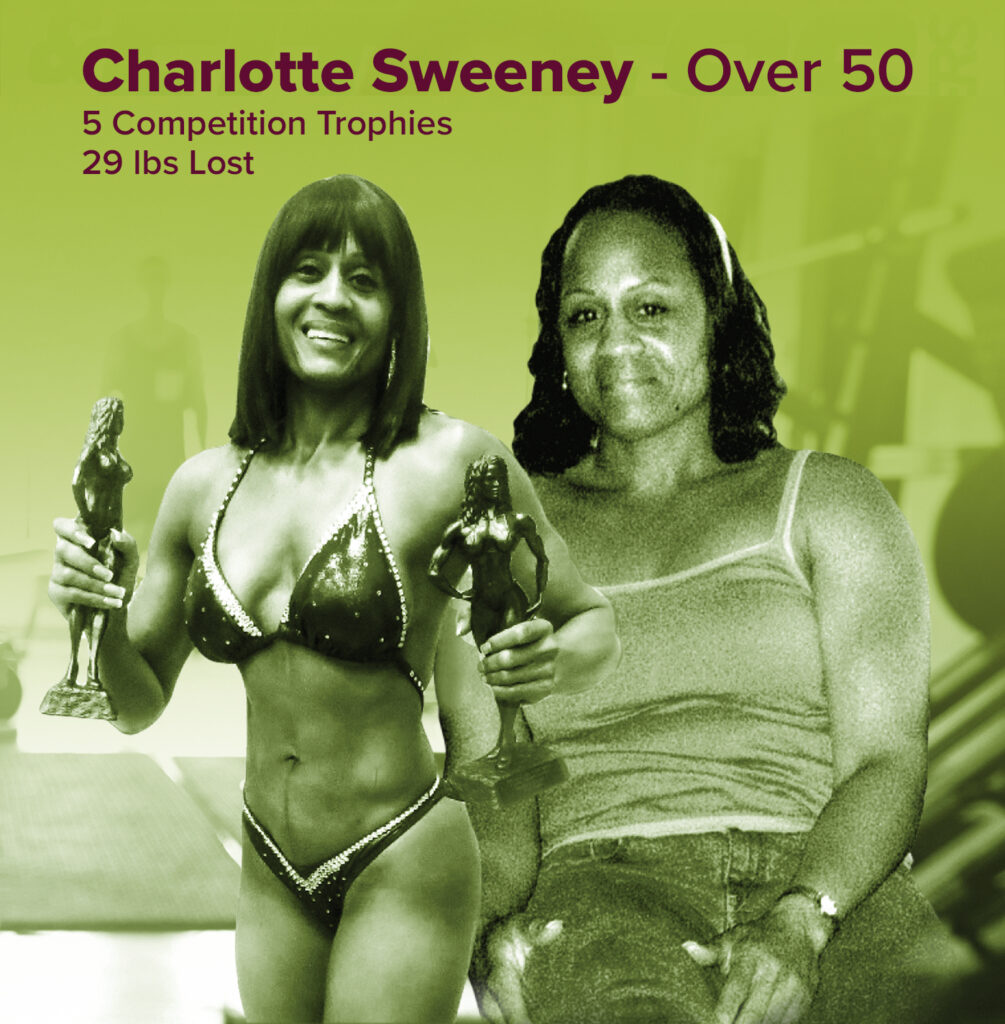
Charolette Sweeney: Defying Age and Winning Trophies -A Remarkable Fitness Journey After 50
After winning 9 trophies in figure competition after age 50, Charolette had a whole new outlook on her fitness and abilities!
When Charolette Sweeney of Riverside joined the Karla Adams Fitness Model Program, her goal was to lose some weight. What the then 50-year-old retired corrections officer didn’t know at the time was that she would soon find herself on stage, accepting trophies in figure competitions.
“I had been training for 20 years and always worked out. But just before I retired in 2010, Inoticed that what I had been doing wasn’t working anymore. My uniforms were getting a little tight. I couldn’t seem to get the weight off,” Sweeney said. “I decided to get a trainer, and that really helped me learn more about my nutrition and different ways I could train.”
It wasn’t long before Sweeney noticed results in Karla’s program, which is built on a profiling system that is customized and considers personal nutritional needs, fitness goals and physical status. Sweeney said she was surprised with her ability to quickly “lean out,” or lose body fat while building muscle mass.
“After a few months, one of the trainers suggested that I do competitions. I didn’t get a trainer to do competitions,” she said. “It took a little convincing. I didn’t want to be on stage.”
While Sweeney was hesitant, she agreed to train for figure competition, which she said falls between bodybuilding and bikini competitions. Throughout the next four years, she would find herself in about 12 different competitions, placing ahead of her competitors in many of them. In fact, she said, in her first National Physique Committee (NPC) competition for ages 45 years and older held in the Los Angeles Veterans Auditorium, she made the top five.
“I was surprised. It was a huge show and one of the biggest competitions I did. I was really nervous. I didn’t think I placed, and I started to walk off the stage to get my stuff out of the dressing room,” she said. “I didn’t know if I was posing just right. But I knew I trained hard and really stuck with the diet for it. Then a guy said, ‘Go back out.’ I stood there as they called out the winners. I couldn’t believe I got a trophy.”
After ago 50, Sweeney had won nine trophies in figure competitions and a whole new outlook on what she could accomplish.
Sweeney said training for the competitions through Karla’s program transformed her body evenmore. Her training intensified from jogging circles in the gym to jogging around the Riverside Plaza and eventually sprinting in the mountains. Her fitness routine also included a healthy dose of squats, lunges, and other body sculpting movements to prepare for competition.
In addition, Sweeney said she learned about her dietary needs and changes while training for competition. At times, she would need to eat more calories as she built more muscle mass. Other times, as the competition time would near, she would need to cut back on her food intake.
“Every few weeks the diet would change. Everything is measured and you become focused on looking at your meals. The meals on Karla’s program are all planned. You have five or six meals a day,” she noted.
Sweeney said she had never meal prepped much before she joined Karla’s program and started to train for competition, but quickly realized the importance of planning what she would eat. “When I first started working out, I just got rid of sugars. I could eat carbs and maintain weight.
Then, when I got closer to 50, I felt the weight coming on. I didn’t know how to change mydiet,” she said. “In Karla’s program, I learned that carbs were becoming a problem for me.”Sweeney said she learned to meal prep with lean meats, fish and vegetables. She said she relied on her trainer to adjust the diet for her depending on what she needed throughout her competition training.
Now, at the age of 63, Sweeney said she looks back over her time as a figure competitor and is proud of what she could accomplish. She said she has never been more in shape in her life and hopes to serve as an inspiration to others that anyone can achieve their fitness goals, no matter the age.
“If you can move, you can get in better shape,” she said. “I have seen what people can do in all kinds of health situations. I can’t take excuses from people when I have seen what people can do. You just have to want to do it and put in the work.”

Mark Zuckerberg Smokes Murph Workout of 100 Pull-Ups, 200 Push-Ups, 300 Sqauts and 2 Miles in Les than 40 Min
Mark Zuckerberg, the CEO of Facebook and Meta, is on a mission to live a more active lifestyle. In a recent Facebook post, the social media mogul celebrated Memorial Day with a brutal workout challenge that consisted of two miles of running, 100 pull-ups, 200 push-ups, and 300 squats while wearing a 20-pound vest.
In honor of the soldiers who gave their lives for the United States, Zuckerberg pushed himself with a famous circuit known as the ‘Murph challenge.’ This demanding workout was created by Lt Murphy, a Navy SEAL that died in Afghanistan. Murphy was a Medal of Honor recipient, a distinction he earned following his involvement in the Vietnam War.
As of late, Zuckerberg has made it a point to focus on his health and well-being. He managed to complete the Murph challenge in 39 minutes and 58 seconds. However, he mentioned that his daughter also took part in a quarter-Murph without the weighted vest. Mark joined her and completed the exercise challenge in just 15 minutes.
Competed in my first jiu jitsu tournament and won some medals ?? for the Guerrilla Jiu Jitsu team. Thanks to Dave Camarillo, Khai Wu, and James Terry for training me!
Posted by Mark Zuckerberg on Saturday, May 6, 2023
Zuckerberg isn’t the only social media giant keen on transforming his build. Elon Musk, who owns Twitter, Space X, and several other entities, recently decided it was time to get in shape. In August, Musk revealed that he was able to lose over 20 pounds thanks to regular exercise and periodic fasting.
Check Out Mark Zuckerberg’s Brutal 40-Min ‘Murph’ Training Challenge
Despite a busy schedule, Zuckerberg is determined to make time for a more active lifestyle.
“I try to do the Murph challenge with the girls every Memorial Day as a tradition to honor those who defended us. One of Lt Murphy’s favorite workouts was running a mile, then doing 100 pull ups, 200 push ups, 300 squats, and then running another mile — all while wearing a 20lb weighted pack. This year I got it done in 39:58. The girls did a quarter-Murph (unweighted) in 15 mins!” Mark Zuckerberg shared via Facebook.
The Murph challenge has undoubtedly gained popularity over the past few years. CrossFit sensation Lee Davis managed to set an unofficial world record after completing 16 rounds of the Murph challenge. In a 24-hour period, Davis ran an incredible 32 miles and completed 1,600 pull-ups, 3,200 sit-ups, and 4,800 squats.
I try to do the Murph challenge with the girls every Memorial Day as a tradition to honor those who defended us. One of…
Posted by Mark Zuckerberg on Monday, May 29, 2023
In addition to Zuckerberg and Musk, Amazon founder Jeff Bezos has committed to his health and longevity. At 57 years old, Bezos looks to be in the best shape of his life. Bezos made it clear that he’s improved by leaps and bounds due to his fitness trainer Wesley Okerson, who is known for coaching high-profile actors like Gerard Butler and Tom Cruise.
Mark Zuckerberg / Facebook
RELATED: Top 10 Effective CrossFit Bodyweight Workouts
In addition to Zuckerberg’s latest Murph challenge, he continues to stay active. Whether it’s a jiu-jitsu tournament or weightlifting, the creator of Facebook doesn’t shy away from testing his physical limits.
Published: 1 June, 2023 | 11:32 AM EDT
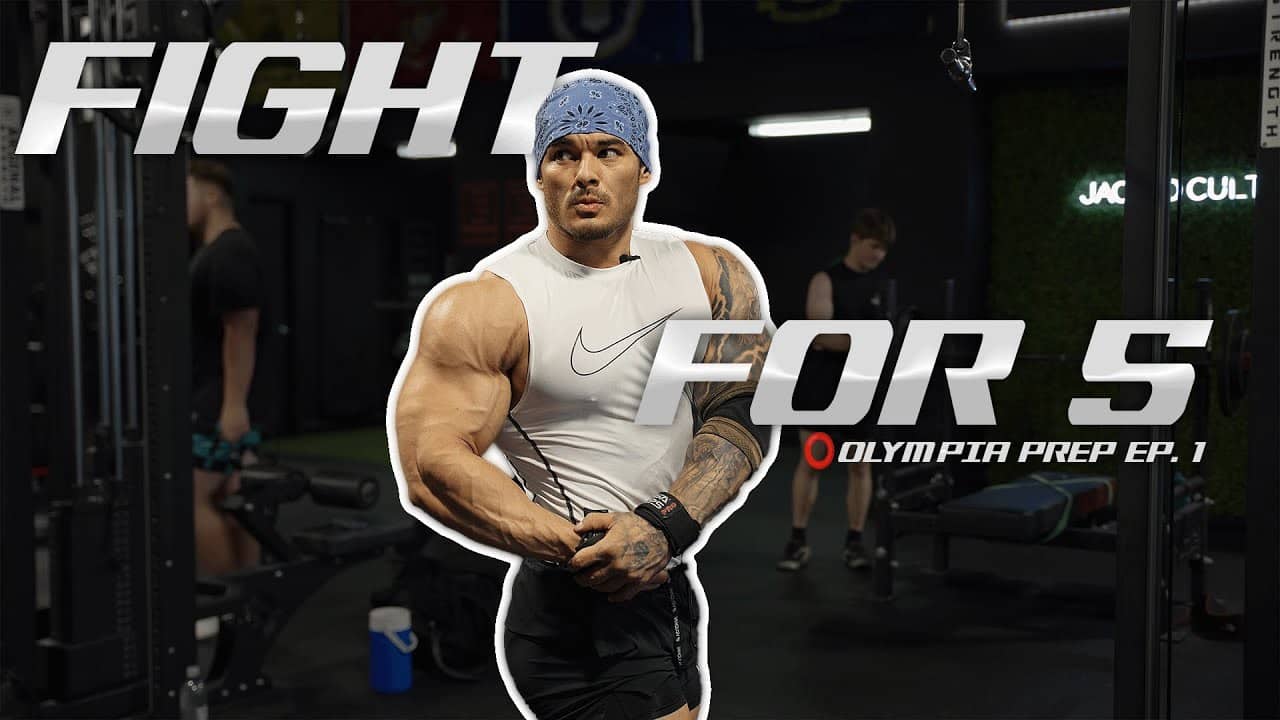
Jeremy Buendia Looks Jacked in Recent Physique Update, Crushes a Push-Day Workout
Four-time Men’s Physique Olympia champion Jeremy Buendia is ready to rock the stage again. The 32-year-old will make his competitive comeback at the 2023 Olympia. The event is set to take place from Nov. 2 to 5 in Orlando, FL.
Buendia is a pioneer and one of the most accomplished competitors of the IFBB Pro League Men’s Physique division. He earned his pro card in 2013, the year when the Men’s Physique division was incorporated into the Olympia competition. Buendia returned to the drawing board after a runner-up finish at the 2013 Olympia and came back stronger the following year.
He dethroned the champ Mark Anthony Wingson to secure a victory at the 2014 Olympia and went on a dominant run that saw him defend the top spot at the 2015, 2016, and 2017 Olympia. Buendia last competed at the 2018 Olympia, where he finished second.
The 32-year-old never stopped working and teased a comeback multiple times during a long hiatus. However, the prospects of him competing were put on ice on each one of those occasions.
Having got the fire back in his belly, the California native announced his return a few weeks ago. As a former Olympia champion, Buendia holds a lifetime invitation to compete at Olympia, and he will use this benefit to grace the stage again in 2023.
Buendia will routinely post his workouts on YouTube to keep his fans updated on the progress. Recently, he went through a chest, shoulders, and triceps workout and posted the video on his YouTube channel. So let’s check out how the former champ is gearing up his off-season training to make a solid comeback.
Jeremy Buendia goes through a push-day workout
Buendia shared his thoughts on what prompted him to make a comeback. He also spoke on the plan of action to ease his way into hard training.
“Took some time to mentally prepare myself to get to where I need to be to be back at this point where I can do the prep and be competitive again. I’m back there now. I like to really warm up as good as possible before I jump into heavier weights, and I really gotta check my ego during this prep. I know I’m gonna start feeling good and getting really strong again but making sure that I look smart and prevent injury. One bad rep, and it puts this whole prep to an end.”
With that, he warmed up his muscles sufficiently and jumped into his intense workout.
Incline Dumbbell Press
Buendia kicked off the workout with the incline dumbbell press. This variation of the dumbbell chest press emphasizes the upper pecs (sternal head of the pectoralis major muscles) and imparts a fuller look to the chest. Buendia pushed through several sets using incrementally heavier weights and moved on to the next exercise.
Cable Crossover
For most people, it is just another pump-inducing chest exercise that makes for a perfect finisher. However, cable crossover is a lot more than that. According to an ACE-sponsored study, cable crossover is the third most effective exercise for pectoral muscle activation (after bench press and pec deck flyes). (3) It helps increase the adduction strength of the upper body and helps bring about hypertrophy.
The four-time Men’s Physique Olympia champion utilized this as his second training exercise. He added more stimulus to the pectoral muscles before taking up the next exercise in the routine. While speaking about how the competitive scene has evolved in his absence, Buendia said:
“The divisions have evolved a lot. I’m well aware of that. I can’t bring the same physique I had in 2017-2018 to the Olympia stage and expect to place well. The division’s gotten bigger; it’s gotten better. The guys are really good. I’m gonna give them all the respect in the world… But all I know is I am better now than I was in the past. I’m a lot bigger, I’m working harder, and I’ve got my eyes set on November. We’re going after it; no backing down. Nobody outworks me,” Buendia said about his competition after cranking out a solid set.
Smith Machine Bench Press
The bench press is the king of upper body exercises when it comes to strength and muscle gain. Very few exercises come even remotely close to the benefits this exercise offers in terms of pushing strength gain. Employing a Smith machine for the exercise eliminates the need to control the weight and enables the person to focus more on the target muscles.
Buendia cranked out some heavy sets of Smith machine bench presses and shed light on his recovery methods.
“I’m getting massage therapy, soft tissue therapy twice a week. Chiropractic work twice a month, depending on how I am feeling. Now I will probably start going to a senior physical therapist…”
Following the Smith machine bench press, Buendia took to another flying movement.
Pec Deck Fly
Buendia performed pec deck flyes next to isolate the pectoral muscles. Performing the exercises unilaterally helps remove strength imbalances and achieve complete development. He did the last few reps of every set unilaterally and went on to do a little bit of shoulder work next.
Single-Arm Cable Lateral Raise
Cable machines keep the muscles under tension throughout the range of motion, bringing about muscle hypertrophy more effectively. (1) Buendia performed the single arm cable lateral raises next to work the medial deltoids. He maintained a controlled pace and utilized a full range of motion to make the muscles work optimally.
Dumbbell Lateral Raise
Buendia took to this free weight variation of the previous exercise to fire up the medial delts further and cranked out solid sets.
Cable Triceps Pushdown
Triceps pushdowns work the triceps muscle from a neutral position and stimulate all three triceps heads. It is one of the most common tricep exercises in gyms around the world. Buendia pushed through a few sets of the exercise with slow and controlled movements to pump the triceps and jumped into the day’s final exercise.
Close-Grip Push-up
The good ol’ push-up is the simplest yet among the most effective upper body strength exercises. It does not require any setup and can be done anywhere. Your hands are placed close together in the close-grip push-up variation. This puts far more emphasis on the triceps and the center of the chest than most other push-up variations (Similar to the close-grip bench press). (4)
Buendia wrapped up the training session with a few sets of close-grip push-ups executed with perfect form.
Overall, the workout consisted of the following exercises:
The returning former champ looks stage ready in his recent physique update
It’s been four weeks since Buendia started his Olympia prep. The diet and training routine has started showing results as the four-time Men’s Physique Olympia champion now prepares to capture the title again. In a short video posted on Buendia’s Instagram account, he flaunted his sculpted physique.
Although only the upper half of his body is seen in the video, it is enough to deduce that Buendia is clearly on the way to bringing an impressive package on stage. The broad shoulder, fuller chest, and wide back tapering down into a narrow midsection appear to have the perfect aesthetic package. You can see the video below:
“4 weeks back on my diet complete ??
–
Looking forward to a cheat meal tonight…any guesses what I’m gonna eat?” The caption to Jeremy Buendia’s post read.
Professional sports are evolving faster than ever due to the advent of technology, training methods, and vast stores of knowledge. As a result, it is becoming increasingly difficult for the old guard to fend off the hungry up-and-coming talent, especially after long layoffs. It will be a rare and extraordinary achievement if Buendia can turn the clock back and emerge victoriously at the 2023 Olympia.
You can watch the full workout video here, courtesy of Buendia’s YouTube channel:
References:
Are Free Weights Better Than Machines for Strength Training? (Author – Lauren Bedosky)
Bench Press Ultimate Guide: Muscles Worked, How-To, Benefits, and Alternatives (Author – Patrick Dale, PT, ex-Marine)
Top Three Most Effective Chest Exercises [Authors – Whitnee Schanke (B.S.), John P. Porcari (PH.D.), Emmanuel Felix (PH.D.), Charles Hendrix (M.S. ED.), Carl Foster (PH.D.)]
Close Grip Push Up: How To Do, Muscle Worked, Benefits
Published: 1 June, 2023 | 11:08 AM EDT
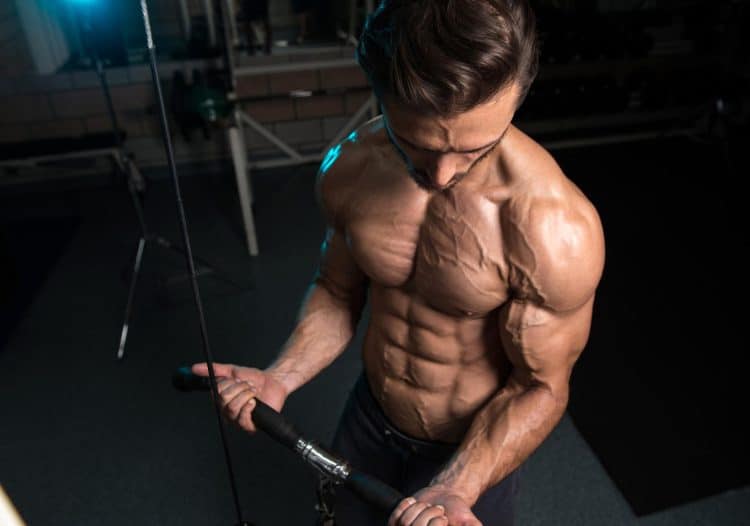
How To Increase Vascularity: 15 Effective Strategies to Get Diced
Let’s be honest; prominent veins on a muscular physique look badass. Vascularity is considered a symbol of leanness, muscle mass, strength, dedication, hard work, and, as we said — badassery. Not only that, but a vascular dude is also a nurse’s dream.
Although most lifters want to get more diced and vascular, it is easier said than done. Multiple factors, including your diet, training, and body fat percentage, affect the visibility of veins in your body, and you must do everything right to maintain them throughout the year.
Vascularity is a highly sought-after attribute in fitness and bodybuilding, as it can improve your aesthetics. If you’ve ever noticed, most professional bodybuilders get super vascular close to a show; however, they lose their sharpness as soon as they start refeeding after the contest. Your vascularity can change daily, depending on your food intake and body fat percentage.
Contrary to what most people think, crisp conditioning and monster vascularity are not reserved for bodybuilders. Anyone can improve the visibility of their veins and blood vessels by controlling a few factors.
In this article, we go over the basics of vascularity and everything you need to know about improving the appearance and prominence of your veins, including the factors that affect your vascularity and the 15 most effective ways of improving it.
Understanding Vascularity
Vascularity is defined as the visibility and prominence of veins and blood vessels beneath the skin. There is no special exercise or diet to improve your vascularity. You must control several factors to enhance the visibility of veins and blood vessels under your skin.
Vascularity is chased by folks striving to achieve a shredded and muscular physique. Your vascularity mainly improves when your blood flow increases, causing the vessels to expand and become more prominent. A vascular individual’s veins will generally be thicker, wider, and denser than an average person’s.
Besides people that train, individuals with a physically intensive job and a low body fat percentage usually have insane vascularity. Manual labor keeps their blood flow high throughout the day, which expands their veins.
Bodybuilders chase vascularity as it can boost their aesthetics by enhancing their muscle definition and making them look bigger and stronger.
When veins and blood vessels become more visible as a result of a low body fat percentage, it gives the appearance of tightly wrapped skin around your muscles, helping you achieve a 3D physique, which is a jargon in the bodybuilding world for well-defined, full, chiseled, popping, and separated muscles.
Now that you are well-versed with the basics of vascularity check out the factors that affect your vascularity and the best ways to improve it.
Factors Affecting Vascularity
Although many people want to improve their vascularity, only a few understand the role of veins in the body and how it affects their overall health and well-being.
Blood vessels, including arteries, veins, and capillaries, transport oxygen, nutrients, hormones, and immune cells throughout the body. Arteries deliver oxygen-rich blood from the heart to various tissues and organs, while veins bring the oxygen-depleted blood back to the heart.
During a pump-inducing workout, your veins get dilated and move closer to the skin’s surface to make more space for the blood to return to your heart, so oxygen and nutrient-rich blood can be circulated again.
Multiple factors influence vascularity and impact the visibility and prominence of veins and blood vessels. Understanding the factors that affect your vascularity will help you fine-tune your fitness regimen. All the 15 methods mentioned in this article (and your vascularity) will come down to these factors and how you manage them.
Genetics
Like most things in bodybuilding, this is where it starts. Some people naturally have more visible veins due to their genetic makeup. Others have to slog away to achieve their vascularity and conditioning goals. Plus, some people have thicker and wider veins than others, making their vascularity stand out.
Furthermore, different people will respond uniquely to the same diet and exercise program. Your training partner might achieve crisp vascularity much faster than you, or vice versa.
Body Fat Percentage
Vascularity is a sign of low body fat as an individual must have a low amount of subcutaneous fat to unveil his muscle definition and veins. Achieving a lower body fat percentage should be your primary objective if you want to improve your vascularity.
Related: Body Fat US Navy Calculator
Muscle Mass
Your vein visibility and prominence improve as you build muscle mass. As you build muscle, your veins come closer to the skin surface, which improves their visibility. Conversely, you will lose some vascularity with a decline in your muscle mass.
Improvement in vascularity boosts your physique aesthetics as it boosts your muscle separation and definition. Most lifters report the development of lines and striations as they shed body fat and build muscle mass.
Hydration
Hydration is a complicated and often misunderstood subject when it comes to improving vascularity. Contrary to what most people believe, you must be adequately hydrated to improve your vascularity.
Many people make the mistake of cutting their water while trying to lose weight. However, it can lead to health issues. On the flip side, not managing your water and food intake can lead you to hold onto water weight.
Diet
You must follow a nutrient-dense whole-food diet and count your calories if you want to improve your vascularity. Plus, your diet should be rich in antioxidants and nitric oxide boosters. These will help dilate your blood vessels, improve blood flow, and make your veins more visible and prominent.
Blood Flow
Efficient blood flow and vasodilation are essential for pronounced vascularity. Cardiovascular exercise, nitric oxide production, and certain supplements can influence blood vessel dilation.
Hormonal Balance
Your hormones play a crucial role in influencing your vascularity. Testosterone can boost vascularity by helping improve muscle development and blood flow. Men are usually more vascular than ladies as they produce more testosterone. On the flip side, estrogen is the female sex hormone, and higher estrogen stores lead to bigger fat stores.
Bodybuilders that take synthetic testosterone often experience a boost in vascularity as their bodies are primed to shed excess fat and build muscle mass.
Age
There is a decline in vascularity with age as your skin loses elasticity and blood vessels become less prominent. Testosterone production in men also declines with age, which is another reason for muscle mass and vascularity loss.
Medications
Certain medications, such as beta-blockers, can affect blood flow by reducing vasodilation. Such types of medicines can lead to a fall in vascularity. You must consult your healthcare professional before starting a workout, diet, or supplement program if you are on any medication.
15 Best Ways To Improve Your Vascularity
Here are the 15 most effective ways of boosting your vascularity:
Target Muscle Groups Where You Want to Improve Your Vascularity
You cannot spot-improve your vascularity in a certain muscle group, as you must focus on losing body fat and building muscle by following a balanced diet and training program. Vascularity tends to be generalized to the entire body. However, you must target specific muscle groups during your workouts to improve your musculature and conditioning.
When someone says they want to improve their vascularity, they are usually referring to their arms. You’ll hardly ever find someone looking for ways to increase the vascular density in their glutes (it would be borderline gross if they did).
If you want a thick and gnarly cephalic vein and your forearm veins to look like a roadmap, you must focus on training your upper and lower arms effectively. Train your target muscle groups two to three times per week to improve your vascularity. However, you must take into account your experience level and training intensity. Advanced lifters that follow a high-volume and high-intensity training program should limit training each muscle group to twice weekly.
Follow a Balanced Exercise Regimen
Many people go all-in on isolation and machine exercises while trying to increase their vascularity. However, they leave significant gains on the table by following this approach. Your workout program should have a balance of compound and isolation exercises.
Compound movements help build muscle mass, which pushes your veins closer to the skin layer. On the other hand, isolation exercises help improve your conditioning and muscle definition.
Furthermore, since you must prioritize losing body fat (and weight) to improve your vascularity and conditioning, you should favor compound exercises that involve multiple muscle groups, as they will result in higher caloric expenditure.
Your workout programs should also maintain a balance between strength training and cardiovascular training sessions since you cannot enhance your vascularity while gaining body weight or fat.
Incorporate HIIT Exercises into Your Training Regimen
High-intensity interval training (HIIT) involves alternating between several minutes of high-intensity movements to significantly increase your heart rate to at least 80% of your maximum heart rate, followed by short periods of lower-intensity movements or rest.
HIIT exercises boost blood flow to the target muscles, improving vasodilation and the visibility of your veins. You must incorporate HIIT strength training and cardiovascular sessions into your training regimen for optimal improvements in your vascularity.
Remember, you don’t have to turn every workout in your training program into a HIIT workout. Use a training protocol that promotes cardiovascular adaptations, including improved heart health, increased blood volume, and enhanced vasodilation, and you’ll be on your way to achieving road-map-like veins.
Capitalize on Advanced Training Principles
Incorporating advanced training principles such as super sets, drop sets, and intraset stretching can significantly increase blood flow to the target muscles, which can help induce hypertrophy and enhance your vascularity.
Furthermore, the blood flow restriction (BFR) training technique can help boost your vascularity. BFR or occlusion training combines low-intensity exercise with blood flow occlusion, producing similar results to high-intensity training.
BFR training involves performing an exercise while wearing a BFR cuff around the top of the target muscle group. Notably, BFR should be restricted to one exercise per workout. Overdoing it can lead to limb numbness and other vascular issues. Although BFR was initially used in gyms for achieving a muscle-ripping pump, this technique is now gaining popularity in the clinical setting. [1]
Cut Your Calories
Most people need to shed excess body weight to increase their vascularity. You must enter a caloric deficit to lose weight, meaning you must expend more calories daily than you consume.
Your current body weight, objective body weight, and body fat percentage will determine your daily calorie intake goal. You can use our convenient online calculator to determine your ideal calorie intake target.
Break down your daily calorie intake goal into a suitable macronutrient split to work toward your dream physique. Follow a high-protein and low-fat diet to expedite your weight loss progress. Eat a decent amount of carbohydrates before a workout to ensure you have enough energy to get you through a HIIT workout.
Include Blood Flow-Boosting Foods in Your Diet
A vascularity-boosting diet must consist of nutrient-dense whole foods, such as nitrate-rich vegetables, citrus fruits, and garlic. These foods can promote vasodilation, improve blood circulation, and support overall vascular health.
Nitrate-rich vegetables such as spinach, arugula, kale, and beetroot are packed with dietary nitrates. Nitrates convert to nitric oxide in the body, which relaxes blood vessels and boosts blood flow.
Citrus fruits like oranges, grapefruits, and lemons are rich in vitamin C and bioflavonoids that support blood vessel health and improve elasticity. Garlic has been shown to improve blood flow and lower blood pressure. [2]
Contrast Showers
Contrast showers, also known as contrast hydrotherapy, involve alternating between hot and cold water during a shower. Many athletes use contrast showers for their potential benefits on circulation, recovery, and overall vascular health. [3]
Hot water showers promote vasodilation, resulting in the widening of blood vessels. On the other hand, cold water showers induce vasoconstriction, which leads to the narrowing of blood vessels. Alternating between hot and cold water during your shower can improve vascular health, blood circulation, and recovery after workouts.
In a contrast shower, you shower in hot water for three to five minutes, switch to cold water for one minute, and repeat this cycle three to five times. You must, however, always finish your contrast shower with cold water.
Make Peace with Cardio
Cardio exercises can make entering a calorie deficit easier, helping you reach your vascularity goal faster. You should ideally do two cardio sessions daily to shed excess body fat. The first should be a 30-45 minute low-intensity steady state (LISS) session done first in the morning on an empty stomach.
The second cardio session of the day should be a 15-minute high-intensity interval training workout (HIIT) done after your resistance training session. You can use a different cardio machine each time to keep your workouts interesting.
Massage
Although massages and self-myofascial release tools such as a foam roller might not directly impact your vein visibility, these practices can optimize muscle function and overall vascular health, which can enhance vascularity.
The mechanical pressure applied during these massage techniques can result in vasodilation, the widening of blood vessels. Since massage techniques can boost blood flow, they can improve your vascularity.
Sauna
Sauna sessions involve exposure to high temperatures, which can improve your overall vascular health and boost your vascularity. The rise in body temperature during these sessions leads to vasodilation, which improves blood flow and can improve your vascularity in the long run.
Regular sauna sessions can also improve your cardiovascular function. It can strengthen the heart and improve its efficiency in pumping blood through the body. Sauna sessions may boost nitric oxide release and improve endothelial function, which is the inner lining of blood vessels and plays a crucial role in vascular health.
Manage Stress
Fitness and bodybuilding aren’t something that you do for an hour a day in the gym. It is a lifestyle. You must stick to it 24X7, 365 days a year. (366 days if it is a leap year — but you get the point.)
Chronic stress is one of the most common reasons behind deteriorating health. The stress hormones cortisol and adrenaline can cause vasoconstriction, which reduces blood flow. These stress hormones can hamper your vascularity by making veins and blood vessels less visible.
Chronic stress leads to poor blood circulation, which limits the flow of nutrients and oxygen to your muscles. It can also cause water retention, leading to bloating and puffiness, which can negatively affect your vascularity.
Sleep Well
As you’ve probably noticed, improving your vascularity involves juggling multiple things, which can be exhausting. You must sleep seven to eight hours each night to allow your body enough time to recover from your day.
Getting a good night’s sleep regulates your blood pressure, helps balance your hormones, improves endothelium function, and reduces inflammation, which can all lead to better vascularity.
Avoid Alcohol and Smoking
Not only do alcohol and smoking hamper your vascularity, but they can also negatively affect your vascular health. Smoking can lead to vasoconstriction and result in increased blood pressure and reduced blood flow.
Excessive alcohol consumption and smoking increase your risk of developing atherosclerosis, a condition characterized by the buildup of plaque inside arteries, which can limit your blood flow and restrict your ability to achieve muscle pumps.
Use Supplements
We don’t mean that you must use supplements to improve your vascularity, but they can significantly improve your conditioning. Many pre-workout supplements come with nitric oxide boosters, which can deliver insane pumps in the gym through vasodilation, which also leads to better vascularity.
You can also get standalone nitric oxide booster supplements, such as L-arginine, L-citrulline, or beetroot extract, which can promote vasodilation and boost vascularity. Omega-3 fatty acids, vitamin C, vitamin K, and antioxidants are other compounds that can increase your vascularity.
Cut Water [Only When Close To a Special Event]
Many models and professional bodybuilders cut water significantly before a photo shoot or stepping on stage, as it helps them eliminate water weight and the related bloating and puffiness. Cutting water helps improve their aesthetics by enhancing muscle separation and definition.
Furthermore, some compounds, such as diuretics, can help eliminate water. However, they are extremely dangerous. You must consult your healthcare provider before undertaking water manipulation or water depletion.
Note: The content on Fitness Volt is for informative purposes only and should not be taken as medical advice to diagnose, prevent, or treat health problems. If you’re suffering from a health issue, are pregnant, or are under 18 years old, you should consult your physician before starting any new supplement, nutrition, or fitness routine.
Wrapping Up
Vascularity serves as a visual marker of fitness and a testament to an individual’s dedication and hard work. Since multiple factors affect your vascularity, figuring out the right formula might require some trial and error.
Although this article lists 15 ways to increase your vascularity, you don’t have to do them all at once. Start by making 3-5 adjustments and fine-tune your routine after every few weeks. Depending on your experience level, improving your vascularity can be a slow process. Beginners might need to drop their body fat levels considerably to reveal their veins. It can take you 12-24 weeks to achieve noticeable progress.
Now that you know the ins and outs of how to increase your vascularity, what are you waiting for? Grab that blood flow restriction band, and head out to the gym. Best of luck!
References
Wilson JM, Lowery RP, Joy JM, Loenneke JP, Naimo MA. Practical blood flow restriction training increases acute determinants of hypertrophy without increasing indices of muscle damage. J Strength Cond Res. 2013 Nov;27(11):3068-75. doi: 10.1519/JSC.0b013e31828a1ffa. PMID: 23446173.
Ried K. Garlic lowers blood pressure in hypertensive subjects, improves arterial stiffness and gut microbiota: A review and meta-analysis. Exp Ther Med. 2020 Feb;19(2):1472-1478. doi: 10.3892/etm.2019.8374. Epub 2019 Dec 27. PMID: 32010325; PMCID: PMC6966103.
Juliff LE, Halson SL, Bonetti DL, Versey NG, Driller MW, Peiffer JJ. Influence of contrast shower and water immersion on recovery in elite netballers. J Strength Cond Res. 2014 Aug;28(8):2353-8. doi: 10.1519/JSC.0000000000000417. PMID: 24531433.
How to Do Fish Pose (Matsyasana): Muscles Worked, How-To, Benefits, and Variations
One of the fun parts about learning yoga poses is that you can imagine how the name correlates to what the movement looks like. Fish pose is a rear bending, counterasana (to the shoulder stand) technique, where you prop up on the elbows, lift the heart toward the sky, draw the head back, and gently settle the crown of the head on the floor.
The term matsyasana, its sangskrit name, is also used to identify this pose, matsya or “fish”, and asana, “posture”.
The benefits of this pose extend (pun intended) from the head down to the hips, relieving tension in the neck and throat, lengthening the back and spine, strengthening the arms and delts, and refreshing the abdomen and midsection.
Fish pose is a good counter to keyboard neck, while targeting the throat energy center, chest, and abdomen where we hold lots of anxious tension from stressful habits.
In this guide, you’ll find the best fish pose techniques, while learning about the benefits, beginner variations, and how to make Matsyasana more challenging and advanced.
Muscles Worked During Fish Pose Matsyasana
The fish pose is an opportunity to stretch and strengthen your upper body muscles. The following section is for those who’d like to better understand how these muscles work, their location, and benefits.
Back
The fish pose is a type of backbend pose where the elbows help support the upper body. It’s similar to a bodyweight variation that works the back muscles. However, in a yoga pose, you’ll strengthen the back via an isometric hold, rather than performing actual repetitions with a positive and negative component.
Having several muscles in the back, each has a special role, moving the shoulder blades and arms.
Arms
The arms have an important role in supporting your bodyweight as you tilt your head back onto the floor. Without them it’s not happening. Try the pose and notice that it requires strong arms and shoulders. The tree heads on the ear upper arm, aka triceps are great for stabilizing the arm while the back delts keep the arms behind you.
Deltoids
Fish pose also creates resistance for the shoulders to support, stabilize and decelerate the body when dropping the head back. The anterior delt stretches out when reclining on the elbows, while the back delts decelerate the drop, and keep you up.
Core muscles
No one every thinks about stretching the core muscles and midsection. Yoga techniques like fish pose give us an excuse to do so. Made of the abdominal muscles both deep and superificial, obliques, and spinal column muscles, the torso has many muscles that stabilize our trunk and help us bend in various directions.
How To Do Fish Pose Matsyasana
Not too difficult, most reasonable fit people have the ability to get into a fish pose. Use the following step by step instructions and video demonstration to guide your technique. Then, once you’ve mastered it, or if you need a regression, scroll down for some awesome variations.
Steps
Come onto your back with your knees bent and feet flat on the floor. You also want to keep your lower back flat on the ground so there’s no space underneath.
Slide your hands under your butt, tucking your elbows under your back as close to together as possible, then straighten your legs.
Inhale deeply, then sit up halfway, look down at your feet, and place your elbows and forearms under your back in a reverse plank to hold yourself up.
Now lift your chest, roll your shoulders back, and slowly drop the top of your head onto the floor. Balance gently on your elbows and head. Hold this position for 10-15 seconds.
Slowly undo the pose by lying flat on your back, bending your knees, and moving your arms out from underneath your back.
Spread your legs a few feet apart, and move your arms slightly out away from your body in what’s called a corpse or Shavasana pose. Stretch your neck by moving it to the left and right. Remember to breathe in and out.
Now bring your feet together, reach your arms back overhead, and inhale. Then bring your arms back to a resting position next to your body and exhale.
Then slowly sit up.
Here’s a beautifully done tutorial on the fish pose Matsvasana.
Tips
Ideally, you should not be an absolute beginner before performing this exercise. Fish pose places the neck in extension and loads the spine, therefore, you should be somewhat fit, and aware of your body before attempting this technique.
We highly recommend using a yoga mat or soft surface for this pose for comfort, support, and to avoid hitting your head hard on the floor.
If you’re an absolute beginner, we recommend having something to support your back like a junior bolster, or some yoga blankets to prop you up roughly five to six inches high.
It’s important to not place too much weight on the head, the hips and shoulders be supporting most of your weight.
It’s crucial that your head is aligned with an even spine, not allowing your head to just fall back at a sharp angle.
This Exercise
Target Muscle Group: Back, abdomen, neck
Type: Yoga
Mechanics: Isolation
Equipment: Cushioned surface, exercise mat, junior bolster (Optional), yoga blankets (Optional), yoga blocks (Optional)
Difficulty: Intermediate
Benefits of Fish Pose Matsyasana
Fish pose incorporated a backbend which has many benefits in itself. Here are the highlights of this yoga technique.
Stretch your neck, chest, shoulders, back and throat muscles
Stretching is a healthy habit for healthy, flexible, mobile, and strong muscles. Functional joints that bend and move can only do so when a muscle contracts and expands. If they’re tight, you’ll have limited range of motion, and open yourself up for injuries.
The fish pose is a type of backbend technique that places the body in a position to lengthen the abdominal muscles in the core, the spine, back, neck, and even the front deltoids. It’s so useful that you could do it everyday.
Interrupts negative affects of declining posture
Let’s face it, our postural muscles take lots of abuse especially nowadays, due to being so immersed in the dopamine that comes out of our electronic devices. Forward head posture is a pose itself, although not a good one.
Fish pose does the opposite, helping to improve and reverse this common modern problem. Your chest, spine, shoulders, and neck are all affected from bad stance, and doing the opposite is part of the solution.
Counter stretch tech neck
Forward head posture, turtle neck, or whatever you’d like to call it… a common modern body posture where the neck is far in front of the head. This can cause pressure, sore muscles, a weak neck, more stress, and it’s bad news. The fish pose counters this posture by pulling the head back and stretching the muscles in the neck.
Target the stress centers
Fish pose is a triple whammy for relaxing and shedding off some stress. It targets the throat chakras (associated with expression, and confidence), the stomach muscles, and opens up the chest which are key areas we feel noticeable discomfort when anxious and stressed.
Opening up the chest is also good because we lean forward so much looking at our phones. This can cause thoracic outlet syndrome where the nerves, veins, and arteries become compressed in the neck and chest, causing numbness and the tingles in the arms, shoulders, and neck.
Common Mistakes While Performing Fish Pose
In a pose like this one, you want to be sure to avoid mistakes that could place you in a dangerous position.
Too much weight on the head
What you don’t want to do is focus on leaning your weight back on your head. Although it’s tempting! Instead, use your legs, core, back, arms and shoulders to control the movement, then gently tip the crown of your head on the floor into the fish pose.
A helpful trick is to try and distribute 80 percent of your weight through the legs, core and back, while only allowing 20 percent of your weight to shift onto the head.
Steep drop off at the head
If you’re in the correct position from toe to head, then you should be in the proper alignment to safely tilt your head back and rest it on the floor. The mistake is letting your head snap back, steeply bending at the neck. Think of arcing your torso in a semi rainbow shape, actively engaging your back muscles and shoulders to help you get in an accurate and safe pose.
Too much uneven (Lower) back arch
There does need to be some lower back arch to effectively complete the fish pose. But you don’t want to overdo it. You see, the lower back is more mobile compared to the upper back. And if you don’t have a proper hold on your positional abilities it’s easy to overcompensate and overarch your lower back. While that’s not reciprocated for the upper back.
This can cause issues in the disc fluids in your spine and hence, result in pain while making you more susceptible injuries.
The solution: Focus on lengthening your spine, lifting the chest toward the sky, and pulling the shoulders back to create more arch in the upper back, and torso as a whole.
Variations of Fish Pose Matsyasana
These variations can make the fish pose easier, more challenging, or touch an area that the basic fish pose doesn’t. See some common variations below.
Fish block with yoga block under the back
If the basic fish pose is too hard, yoga blocks are much appreciated. It’ll support your back so that you can rest in the arched position, and focus on your breathing with less muscular effort.
Steps
Place the block on the mat standing on its long end.
Lie back on the block so it’s across both shoulder blades, then straight your legs, and relax your arms by your sides after you’ve found a comfortable position.
Drop your head back until its resting on the floor. You may need to adjust the block under your back, then continue the technique. Bring our feet together and relax your body.
When you’re ready, lift up on your elbows, remove the block, and then lie flat on your back in the corpse pose. Rest here, then slowly get up.
For more support, use a block or junior bolster under your head and neck too.
Fish pose in lotus or with legs crossed
You can do a more basic or advanced version of fish pose with legs crossed. You can cross your legs under your bottom, or if you have good flexibility, you can cross them over your your upper thighs. The former is good for beginners, while the former will take more time.
Both will stretch the hips and groin, supporting healthy movement in the hip flexors and lower body.
Steps
While lying on your back with your arms under your body, cross your legs under your butt.
Proceed to lift up onto your forearms, and pull your head back to the floor.
Camel pose
More of a preparatory technique, the camel pose is a modified exercise that includes a backbend while sitting upright. It still carries all the same benefits, but is just performed a little differently to the fish pose.
Steps
The following instructions and video tutorial demonstrate two phases of the camel pose. One to prepare you for the backbend, and then the actual technique.
Begin in a vajrasana position sitting on the floor with your knees bent and calves under your bottom.
Stand on your knees, so that your shins and the top of your feet are in contact with the mat, and your torso is tall and upright. Widen your legs into a comfortably balanced position.
Now place your hands on your lower back, with the fingers pointed down.
Inhale, then slowly push your hips forward, while slowly arcing your upper body, leaning back, exhaling, and shifting your gaze up.
Repeat this a few more times.
Inhale, slowly push your hips forward while exhaling, slowly lean back and bring your arms down to your ankles. Arch your torso and drop your head back toward the floor, so the crown of the head is pointing straight down.
Inhale, then transition to the child’s pose where you lean forward into the floor while outstretching your arms forward.
Flying fish pose
You’ll engage more core, hips, and anterior deltoids, while the flying fish pose includes muscle strengthening components involving the legs and arms. Consequently, it’s more advanced but also more risky because now there’s more weight on the head and neck. So you need to be proficient in the regular fish pose, and you need to understand how to safely focus your weight through your body.
Steps
Note: For the flying fish variation, start with your arms by your sides, not underneath your back and butt.
From the fish pose position with your head back and resting on the floor, lift your legs until they’re roughly 45 degrees to the floor.
Now extend your arms in the same direction as your legs, so they’re roughly parallel.
Hold for about 10 seconds.
To undo the pose, bring your elbows to the supporting position, then slowly drop your legs down to the floor.
Reverse plank
While it’s not technically a type of fish pose, you’re already in a similar position. The reverse plank is arguably more challenging than basic plank where you’re facing the floor, and it will help to strengthen the muscles that we use in a fish pose.
FAQs
Who should not do the fish pose?The people who should avoid fish pose are those suffer from blood pressure issues, migraines, vertigo or injuries in the neck, back, and spine.
How long should I hold the fish pose position? Try to maintain the fish pose for 10-15 seconds which is approximately 3-5 breaths.
We recommend using props like yoga blocks or blankets if you want to hold the pose for longer and up to a minute or more.
Wrapping Up
Fish pose is a technique that’ll get you excited to get down on the mat, because it tackles elements that we’re not typically used too. Stimulating the throat chakras, expanding the pecs, stretching the abdominals, and unraveling bottled up tension and stress is an easy sell.
This guide has everything you need to simulate matsyasana, and if you’re not ready or a novice, there are beginner techniques, as well as a bigger challenge in more advanced versions. We strongly recommend checking out the fish pose tips section and don’t skimp over the common mistakes as this meditation includes neck and spine extension. But it can be performed perfectly safe with attention to proper technique!
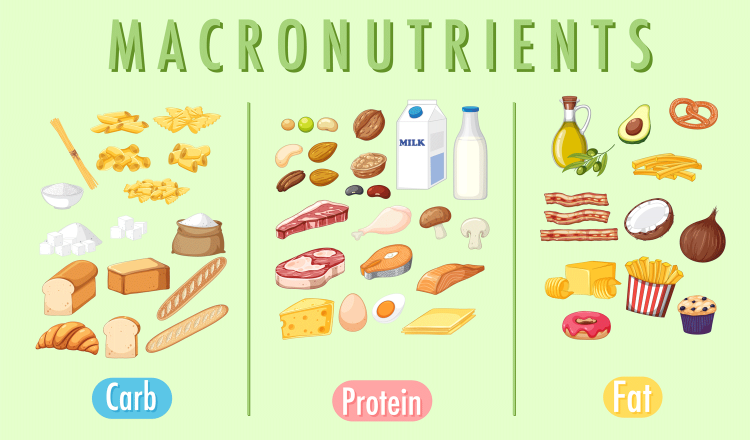
Calories Per Gram Calculator
Are you looking to convert the amount of macronutrients from grams to calories? Look no further! Our Grams to Calories Calculator is a simple and convenient tool that allows you to convert the grams of macronutrients into their corresponding calorie values. Whether you want to track your daily intake, maintain a healthy diet, or achieve your weight goals, this calculator will be your go-to resource.
Calories Per Gram Calculator
Calculate
Clear
Calories Breakdown
Macronutrient
Grams
Calories
Carbohydrates
0
0
Proteins
0
0
Fats
0
0
Total Calories
0
0
Protein and carbohydrates provide 4 calories per gram, while fats offer a substantial 9 calories per gram. This user-friendly macronutrient calculator is here to assist you in computing the total calories derived from proteins, fats, and carbs in any given meal, ensuring an accurate overall calorie count.
Understanding the Conversion: Grams to Calories
Food labels often provide information about the total calories and grams of macronutrients present, but they rarely mention the specific calorie breakdown for each macronutrient. That’s where our calculator comes in handy. By using it, you can easily understand the relationship between grams and calories and learn the conversion rules.
Let’s take a closer look at the calorie content of each macronutrient:
How Many Calories in a Gram of Carbohydrates?
In general, carbohydrates provide approximately 4 kilocalories (kcal) per gram. Simple sugars offer around 3.87 kcal per gram, while complex carbohydrates range from 3.57 to 4.12 kcal per gram. For simplicity, the conversion is often rounded to 4 kcal per gram.
Try Carbohydrate Intake Calculator!
How Many Calories in a Gram of Protein?
Protein also provides around 4 kcal per gram. It plays a vital role in cell structure and function, and you must obtain it from your diet since the human body cannot synthesize all necessary amino acids.
Try Protein Intake Calculator!
How Many Calories in a Gram of Fat?
Among the macronutrients, fat has the highest calorie content. Each gram of fat provides 9 kcal. Fats are essential for various bodily functions, including maintaining cell membranes, regulating body temperature, and aiding in the absorption of fat-soluble vitamins.
Try Fat Intake Calculator!
How Many Calories in Alcohol?
Alcohol contains 7 kcal per gram. To calculate the calories from alcohol, multiply the amount of alcohol in grams by 7. For example, if you have 50 mL of vodka with an alcohol content of 40%, the calculation would be 7 kcal/g × 50 mL × 0.40 × 0.78924 g/mL = 110 kcal.
Gram to Calorie Conversion Table
Convert the macro’s nutritional values by the this calculator precisely.
Gram
Calories
1g
7.7162 kcal
2g
15.43 kcal
3g
7.7162 kcal
4g
23.15 kcal
5g
30.86 kcal
6g
38.58 kcal
7g
46.3 kcal
8g
54.01 kcal
9g
61.73 kcal
10g
69.45 kcal
15g
108.03 kcal
20g
146.61 kcal
25g
185.19 kcal
30g
223.77 kcal
35g
262.35 kcal
40g
300.93 kcal
Understanding Calories: Calorie vs. Kilocalorie
When discussing calories, it’s important to note that there are two main definitions:
Small calorie or gram calorie (cal): This is the amount of energy required to raise the temperature of 1 gram of water by 1 degree Celsius.
Large calorie, food calorie, or kilocalorie (Cal, calorie, or kcal): This is the unit commonly used in nutrition to express the energy value of food and drinks. It’s equivalent to 1,000 small calories.
In the context of nutrition, the terms “calories” and “kilocalories” are often used interchangeably. So, when using our grams to calories calculator, you may come across both terms referring to the same conversion.
Practical Example: Converting Grams to Calories
Let’s walk through a practical example to understand how to convert grams to calories using our calculator. Suppose we have the following nutritional information for a food product:
Carbohydrates: 25 grams
Protein: 10 grams
Fat: 10 grams
To calculate the total calories in this food product, we apply the appropriate conversion rate for each macronutrient:
Carbohydrates: 4 kcal/g × 25 g = 100 kcal
Protein: 4 kcal/g × 10 g = 40 kcal
Fat: 9 kcal/g × 10 g = 90 kcal
Total: 100 kcal + 40 kcal + 90 kcal = 230 kcal
Therefore, this particular food product contains 230 calories.
Benefits and Applications
Now that you understand how to use the Grams to Calories Calculator,
let’s explore some practical applications:
Following a Healthy Diet: The calculator helps you maintain a balanced and nutritious diet by tracking the calorie content of macronutrients. By knowing the calorie breakdown of your meals, you can make informed choices and meet your energy requirements effectively.
Monitoring Energy Intake: Whether you’re trying to lose, maintain, or gain weight, understanding the calories you consume is crucial. Our calculator enables you to monitor your energy intake accurately and helps you make adjustments to achieve your weight goals.
Supporting a Healthy Lifestyle: By being aware of the calorie content in your food, you can make conscious decisions about your eating habits. Additionally, the calculator provides insights into the calorie content of alcohol, which can be beneficial for those interested in mindful drinking.
FAQs about Grams to Calories Conversion
How many calories are in a pint of beer?
The calorie content of a pint of beer typically ranges from 160 to 180 kcal, depending on the beer type. This estimate takes into account the calories derived from the alcohol content (7 kcal/g) as well as the calories contributed by carbohydrates (4 kcal/g). For example, a pint of 5% beer contains approximately 130 kcal from alcohol and 40 kcal from carbohydrates.
How many grams are in 200 calories?
For carbohydrates and proteins, approximately 50 grams are equivalent to 200 calories. However, for fats, 200 calories would be approximately 22.2 grams.
Why does fat have 9 calories?
Fat contains a higher number of carbon and hydrogen atoms. The bonds within these atoms store more energy, resulting in a higher calorie content. As a result, fats provide 9 calories per gram.
What is the calorie content of 1 pound of fat?
One pound of body fat is estimated to contain approximately 3,500 calories. Therefore, to lose 1 pound of body fat, you need to create a calorie deficit of 3,500 calories. It’s recommended to aim for a healthy calorie deficit of around 500 calories per day to achieve gradual and sustainable weight loss.
Which macronutrient has the most calories per gram?
Fats have the highest calorie content per gram, providing approximately 9 calories per gram. In comparison, both carbohydrates and proteins offer around 4 calories per gram. However, it’s important to consume fats in moderation and choose healthier sources of fat, such as unsaturated fats found in nuts, seeds, avocados, and fatty fish.
Related Calculators:
Wrapping Up
In summary, our Grams to Calories Calculator is a valuable tool that simplifies the conversion of macronutrients from grams to calories. By utilizing this calculator, you can easily understand the calorie content of carbohydrates, proteins, fats, and even alcohol. Start tracking your macronutrient intake, achieve a healthy weight, and make informed dietary choices today!