
 All Posts By Muscle Insider
Board Certified PHD

IFBB WEST AFRICAN CHAMPIONSHIPS 2023
Ghana has hosted the 2023 IFBB West African Championships, organized by the Ghanaian Federation and its President Mr. Abdul Hayye Yartey.Francis Nanaberg and Christopher Nton from Ghana emerged as winners in the Classic Physique and Men’s Physique categories respectively.Ibrahim Olalekan from Nigeria obtained the first position in the Bodybuilding category. In the female categories; Nomathamsanqu Phiri from Zimbabwe was the winner in the Bikini Fitness category and Compaore Safoura from Burkina Faso in Wellness.
Congratulations to all the winners and competitors!

ARNOLD CLASSIC EUROPE & FITNESS SPORTS GAMES FESTIVAL 2023!
The most expected event of the year comes back to Madrid!
With more than 40 sports modalities, the international competition Arnold Classic Europe 2023 with all IFBB categories, an incredible IFBB Elite Pro Show, and an impressive EXPO with the best Fitness exhibitors from all over the world!
Don’t miss this amazing international event that will be held from 13th to 15th October in the unique environment of the Magix Box in Madrid!
Average Wrist Size for Males and Females
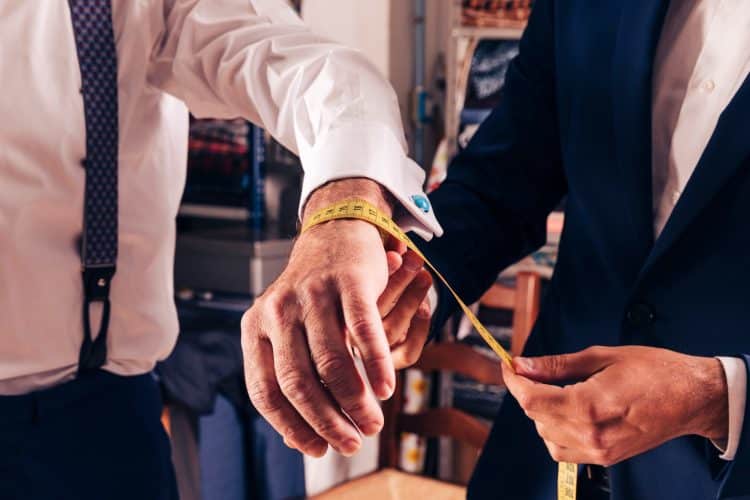
Your wrist size is more important than you might think; knowing your wrist size can save you hundreds of dollars. If you’ve ever bought a watch online, you’d know that the first thing they ask you for is your wrist size. Besides your wrist circumference, you must know your wrist diameter to pick the perfect watch case.
Guess your wrist size, and there is a high probability that you’ll end up with an ill-fitting watch that has no charm and strangles your arm like a python.
Besides helping you in your shopping endeavors, your wrist size can significantly affect your overall health and fitness. A person with small wrists probably has a lower bone density, increasing his risk of fractures and injuries.
Generally, men have bigger wrists than their female counterparts; it is mainly because of differences in body size and muscle mass. It, however, doesn’t mean that men always have bigger wrists than ladies. Your wrist size can vary depending on age, height, weight, body composition, and genetics.
In this article, we go over the average wrist size for males and females, how to measure your wrist size accurately, the factors affecting your wrist size, and the implications of your wrist size.
Knowing your wrist size and diameter will make you look like someone who knows what they are talking about the next time you walk into any jewelry store or watch shop. So, without any further ado, let’s get into the average wrist size for males and females.
Why You Should Know the Average Wrist Size For Males and Females
Measuring Wrist
Knowing your wrist circumference before buying a watch or a bracelet ensures a proper fit. Furthermore, learning about the average wrist size for males and females will help you analyze how you stack up against your peers.
The wrist size is a lot more important than what most people give it credit for. For example, your body frame can depend on your wrist size.
The wrist size is also widely used as anthropological reference data in many surveys, as it can provide valuable insights into your health and wellness.
Most people grow up believing that they have awfully thin wrists. However, these assumptions fade away as soon as they learn about the average wrist size for their group, helping boost self-confidence.
Average Wrist Size For Males
According to anthropometric data published by the U.S. Army Natick Soldier Systems Center in 2017, the average male wrist size is 6.77 inches (17.2 cm). [1]
Different studies conducted over the years have shown that the average male wrist size measures just under 7 inches in circumference. [2]
Your wrist size depends on your age, gender, body type, height, genetics, and composition. Although wrist size can indicate overall body size and composition, it should not be solely relied upon as a complete indicator of health and fitness levels. Later in this article, we will also discuss the implications your wrist size can have on your overall health.
Average Wrist Circumference For Teenage Boys
According to the report compiled by the Census at School, which is run by the Statistical Society of Canada, here is the average wrist size for boys: [3]
Age
Average Wrist Size (inches)
8
5.57
9
5.70
10
5.85
11
5.91
12
6.14
13
6.33
14
6.44
15
6.51
16
6.66
17
6.84
18
6.66
The average wrist size for boys undergoes a steady rise with age. Boys at eight have an average wrist of 5.57 inches. It rises to 5.7 inches when they turn nine, 5.85 inches at 10, 5.91 inches at 11, 6.14 inches at 12, 6.33 inches at 13, 6.44 inches at 14, 6.51 inches at 15, and 6.66 inches at 16. The average wrist size for boys tops at 6.84 inches when they turn 17 and sees a minor drop at the age of 18.
Average Wrist Width (Diameter) For Males
Your wrist width measurement comes in handy when you’re on the market for a watch. It helps you choose the correct watch case size for your wrist. You’ve probably seen guys with twig arms rocking a giant wristwatch. It’s no secret that these watches don’t suit their personality.
These fellas could have avoided this blunder only if they had invested some time learning about their wrist diameter. Most watches mention their case diameter on the box. As a rule of thumb, your watch case diameter should be a few millimeters less than your wrist diameter.
As per the US anthropometric data taken from the CDC’s Vital and Health Statistics report, the average male wrist width is 5.9 cm (2.28 inches). This data is based on the wrist breadth measurements of 7,501 men aged 20 and older. [4]
Age
Wrist Breadth (inches)
20-29
2.28
30-39
2.32
40-49
2.32
50-59
2.36
60-69
2.40
70-79
2.40
80+
2.40
According to this data, the average wrist diameter in men grows steadily with age. The average wrist width for men in the 20-29 age bracket is 2.28 inches. It increases to 2.32 inches for men between 30 and 49. The average male wrist breadth jumps to 2.36 inches for folks in the 50-59 age bracket before peaking at 2.40 inches for men above 60.
Men’s Wrist Size Chart
We have compiled a convenient chart for folks trying to determine their wrist size. We used different anthropometric research and sizing guides to create this table.
Size
Wrist Size (inches)
Extra Small
Demi Lovato Workout Routine and Diet Plan
Demi Lovato is an American actress, musician, singer and songwriter. Over the years, she has given many hit singles and has also proved her mettle in acting through movies and serials like Glee and Camp Rock. This is her complete profile, biography, diet, workout routine as well as statistics.
Demi Lovato Statistics
Full Name: Demetria Devonne Lovato
Weight
Height
Age
~54.8 kg (121 lbs)
5’3” (160 cm)
30 years
Date of Birth
Birthplace
Nationality
August 20, 1992
Albuquerque, New Mexico
American
Demi Lovato Biography
Early Life
Demetria Devonne Lovato, popularly known as Demi Lovato was born on August 20, 1992 in Albuquerque, New Mexico. Her father, Patric Martin Lovato was an engineer and Musician. Her mother, Dianna De LA Garza is a former Texas Cowboys cheerleader. Patric was of Neomexicana ancestry while Dianna has an English and Irish ancestry. Demi Lovato has three siblings. Her elder sister is named Dallas. Actress Madison De La Garza is Demi’s younger maternal half sister. Her paternal elder half sister’s name is Amber. Demi and Amber did not meet each other until Demi was 20 years old.
The 30-year-old actress has admitted to having a strained and abusive relationship with her father and she had no interest in building a relationship with him after he divorced her mother.
Demi Lovato was raised in Dallas, Texas. She developed a liking for Music as early as seven years old and started playing guitar and piano. Demi also started learning acting and dancing soon after. Her foray into acting resulted in a lot of bullying and as a result, she had to be homeschooled to get her high school diploma.
First steps in acting career
Demi Lovato bagged her first role in the children’s television series Barnie and Friends in 2002. She then appeared in television series like Prison Break and Just Jordan in 2006-2007. Her big break in acting came with Disney when she bagged the role of aspiring singer Mitchie Torres in the movie Camp Rock. ‘This Is Me’, one of the four songs sung by Demi Lovato in the movie, made it to number nine on the Billboard’s Hot 100 list. This was officially her first entry in the list.
Career
The New Mexico native was working on her debut studio album when she signed a contract with Hollywood Records and started the ‘Demi Live! Warm-up’ tour. Her debut album, Don’t Forget, was produced by Jonas Brothers along with record producer John Fields. Demi co-wrote the songs with Jonas Brothers and Pop Rock. Released in 2008, the album received an overall positive feedback from the critics.
Demi never looked back after that and she has given popular albums like Here We Go Again, Confident, Tell Me You Love Me and Dancing With The Devil… The Art of Starting Over. The lead single Sorry not Sorry from Tell Me You Love Me officially became Demi Lovato’s highest charting single in the USA. She also earned a Grammy Award nomination for Confident. Overall, Demi Lovato has sold over 24 million records in the USA alone.
Demi Lovato also carved a niche for herself in the television and film industry as well. She has acted in movies like Princess Protection Program, Smurfs: The Lost Village and Eurovision Song Contest: The Story of Fire Saga. Lovato’s television career has seen her judge the music reality show X-Factor USA and act in recurring roles in series like Glee and Will and Grace.
Demi Lovato’s Personal Struggles
Lovato has dealt with a lot of personal troubles and mental trauma since a young age. She was bullied as a teenager after she started appearing in various roles and suffered from Bulimia Nervosa. The actress also inflicted harm on herself during this time. Demi Lovato also admitted to using opiates as early as 13 years of age and even got addicted to cocaine when she was 17.
“I couldn’t go 30 minutes to an hour without cocaine and I would bring it on airplanes. I would smuggle it basically and wait until everyone in the first class would go to sleep and I would do it right there,” Demi Lovato told Huffington Post in a 2013 interview.
As a result, she had to get herself in rehab to get rid of the dangerous addictions. Lovato was diagnosed with bipolar disorder during her treatment in the Timberline Knolls facility. Although she seemed to have become sober after the treatment, Demi Lovato later admitted that she wasn’t. She had to get herself enrolled for treatment again as the addictions became so severe that they started affecting her ability to perform. The American celebrity was not able to get completely sober for a long time and continued to use alcohol and marijuana in moderation for a long time.
As a peril of being famous, Demi Lovato’s struggles with mental health and substance addiction received considerable media attention. She tried to help others by publishing a self-help book named Staying Strong: 365 Days a Year that had a collection of her memoirs from the tumultuous period of her life. Lovato also released documentaries like Demi Lovato: Simply Complicated and Demi Lovato: Dancing with the Devil that shed light on her personal struggles.
Demi Lovato Workout
Workout and training has helped Demi Lovato in many different ways than just helping to stay fit. Most notably, it has helped her beat addiction, improve mental health and emotional well-being. Lovato started following a vigorous workout routine that helped her get rid of Bulimia Nervosa. Consistent training and healthy diet made her physically and mentally strong to get rid of the demons within.
The healthy relationship with food and physical activity eventually became central to her lifestyle which has enabled her to lead an overall fulfilling life.
Demi Lovato includes cardio, strength training, mixed martial arts and boxing training in her routine. She trains six days per week to make the most of her time with Sundays being dedicated to rest and recovery. In 2016, Demi Lovato took up Brazilian Jiu-Jitsu training. As of February 2023, she holds the purple belt in the grappling discipline.
While Lovato frequently makes adjustments in her training routine and keeps learning new things, here is a sample of her training week.
Monday – Cardio and Upper Body Strength Training Workout
Cardio
30 minutes run on the treadmill
30 minutes on the rowing machine
Upper Body Strength Training Workout
Tuesday – Full Body Strength Training Workout
Warm-up
30 minutes run on the treadmill
Full Body Strength Training Workout
Alternating Side Lunges – 3 sets of 12 to 15 reps
Burpees – 3 sets of 12 to 15 reps
Lunges Kick Throw – 3 sets of 12 to 15 reps
Walkthrough Push-Ups – 3 sets of 12 to 15 reps
Woodchop Squats – 3 sets of 12 to 15 reps
Crunches – 3 sets of 12 to 15 reps
Squat Jumps – 3 sets of 12 to 15 reps
Battle Ropes – 3 sets of 12 to 15 reps
Wednesday – Boxing Training
Demi Lovato trains Jiu-Jitsu with BJJ Black Belt Tarsis Humphreys. She trains, Boxing, Jiu-Jitsu and MMA on Wednesdays. Her training session apart from actual combat training includes explosive bodyweight and weight training exercises. A typical training circuit on Wednesday looks like this:
Lunge-Kick Combo – 10 reps per side
Curtsy Sidekicks – 10 reps per side
Woodchop Squats – 10 reps per side
Plank Walk Push-Ups – 10 reps
Burpees – 10 reps
Crunches – 25 reps
Repeat the circuit for 3 rounds using 10 lbs dumbbells.
Thursday – Cardio and Lower Body Strength Training
Cardio Training
30 minutes run on the treadmill
30 minutes on the rowing machine
Lower Body Strength Training Workout
Friday – Boxing Training
Demi Lovato returns to combat sports training on Friday and the training circuit in the Friday’s session includes:
Lunge-Kick Combo – 10 reps per side
Curtsy Sidekicks – 10 reps per side
Woodchop Squats – 10 reps per side
Plank Walk Push-Ups – 10 reps
Burpees – 10 reps
Crunches – 25 reps
Repeat the circuit for 3 rounds using 10 lbs dumbbells.
Saturday – Full Body Strength Training
Warm-up
30 minutes on the treadmill
Full Body Strength Training Workout
Alternating Side Lunges – 3 sets of 12 to 15 reps
Burpees – 3 sets of 10 reps
Lunges Kick Throw – 3 sets of 12 to 15 reps
Walk Through Push-Ups – 3 sets of 12 to 15 reps
Woodchop Squats – 3 sets of 12 to 15 reps
Crunches – 3 sets of 12 to 15 reps
Squat Jumps – 3 sets of 12 to 15 reps
Battle Ropes – 3 sets of 12 to 15 reps
Sunday – Rest Day
A vigorous training routine when not coupled with sufficient time for rest and recovery only breaks down the body instead of making it stronger. Therefore it is equally important to give the body rest to let it heal and repair itself. Demi Lovato reserves her Sunday for rest so that she can tackle the next week with renewed vigour.
Demi Lovato Diet
Having suffered from an eating disorder, Demi Lovato understands the importance of having a healthy relationship with food. She stays away from processed foods, sugars and delicacies that only bring empty calories.
Instead of eating two or three large meals, Demi Lovato eats three to four small meals every day. Her diet consists of simple whole foods that are high in nutritional value and low in calories. To keep untimely hunger pangs at bay and maintain energy levels throughout the day, Lovato likes to snack on small portions of healthy protein snacks.
It is not advisable to completely ignore the taste buds as it is equally important to be satisfied with the foods that we eat. Dark chocolate is Demi Lovato’s weakness and she indulges in small portions of it every now and then.
The focus of her diet is on getting sufficient amounts of proteins, fats and carbohydrates to maintain the desired body composition. She also ensures to get in necessary quantities of minerals, vitamins, fibre and other micronutrients.
She gets most of her protein from eggs, ground turkey, chicken and protein shakes while sweet potatoes, oatmeal and brown rice are the main sources of carbohydrates as well as fibre. The healthy fats in her diet mainly come from vegan cheese and green vegetables provide vitamins, fibre and minerals.
A typical day of eating in Demi Lovato’s routine looks like this:
Breakfast
Egg White Pancakes
Oatmeal
Apple Sauce
A Bowl of Fruits
11 AM Lunch
Turkey Lettuce Wrap
Vegan Cheese
Sweet Potatoes
2 PM Lunch
Stir Fry Chicken
Brown Rice
Spinach
Dinner
Ground Turkey Tacos
Vegan Cheese
Spinach
Supplements
Green Juice
Paleo Protein Shakes
To Conclude
Demi Lovato’s struggles with substance abuse and mental health issues were strong enough to destroy her life. However, she refused to bow down and fought back hard. Her story is an inspiring example of the fact that there is always a way to come back stronger and it is not over till it is over.
Tibialis Raise Guide: Muscles Worked, How-To, Benefits, and Alternatives
There are over 600 muscles in the human body. Still, most bodybuilders and exercisers tend to focus all their attention on about a dozen or so – usually those that are most prominent. This makes a lot of sense, given that things like the pectoralis major, latissimus dorsi, deltoids, quadriceps, and biceps contribute the most…
Jay Cutler Hints at 2023 Masters Olympia, ‘I Could Transform This Body With No Drugs’ Except TRT
Speculation surrounding a Jay Cutler comeback to the 2023 Masters Olympia is at an all-time high. In a recent JayCutlerTV appearance, Cutler detailed his gym goals and laid out how he could transform his physique using nutrition, training, and testosterone replacement therapy (TRT). Bodybuilding legend Jay Cutler proved himself as one of the best Men’s Open…
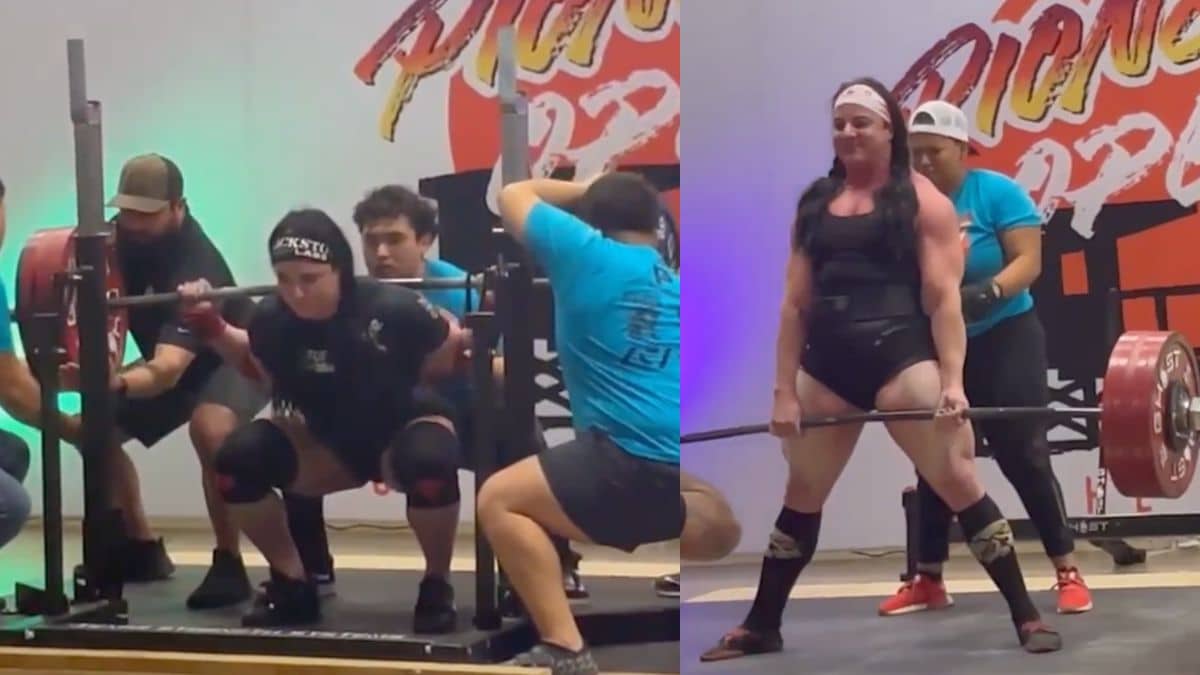
Powerlifter Samantha Rice (90KG) Sets Three New All-Time World Records At 2023 Pioneer On The Beach
The powerlifting community is made up of many talented individuals across different generations, but Samantha Rice is recognized as one of the standout athletes even amongst the most successful names. If that was even questioned, Samantha’s recent performance has definitely lifted her to a status of her own. She appeared at the 2023 USA-UA Pioneer…
Tibialis Raise Guide: Muscles Worked, How-To, Benefits, and Alternatives
There are over 600 muscles in the human body. Still, most bodybuilders and exercisers tend to focus all their attention on about a dozen or so – usually those that are most prominent. This makes a lot of sense, given that things like the pectoralis major, latissimus dorsi, deltoids, quadriceps, and biceps contribute the most to your size and strength.
However, some smaller, less prominent muscles also deserve your attention. While training them might not add much to your physique, they may help improve your performance or reduce your risk of injury. Examples include your rhomboids, rotator cuff, and brachioradialis muscles.
In this article, we explain why and how to train another minor yet potentially crucial muscle – the tibialis anterior.
Tibialis Raises – Muscles Worked
It should be no surprise to learn that tibialis raises train your tibialis anterior muscle. Like many muscles, the tibialis anterior gets its name from the Greek words that describe its position and location.
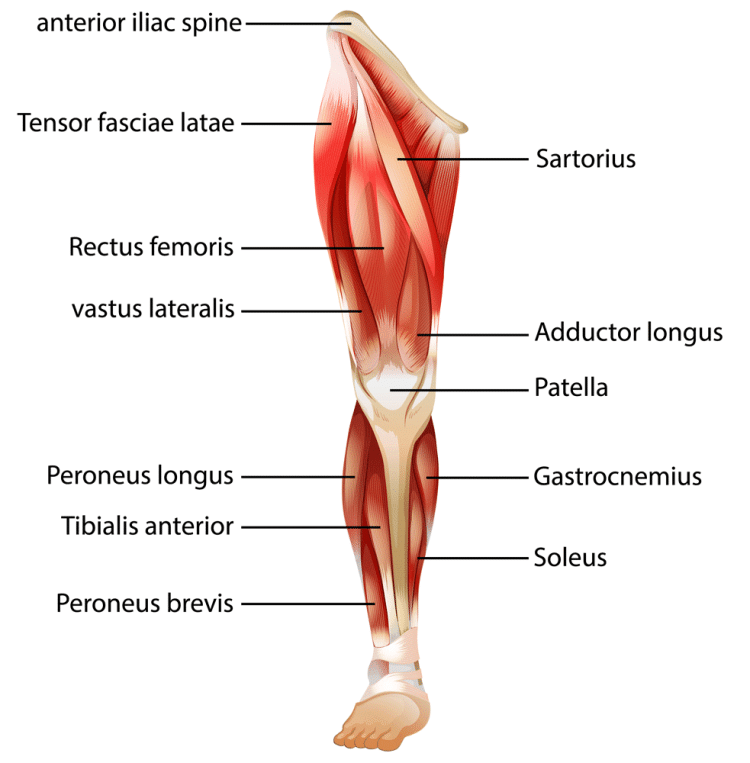
The tibialis anterior is the narrow muscle on the front (anterior) of your shin bone (tibia). It has several functions, including:
Dorsiflexion of the ankle – pulling your foot up toward your chin
Inversion of the foot – turning the soles of your feet inward.
Adduction of the foot – turning your ankle inward.
Maintenance of the medial arch of the foot.
The tibialis anterior is the antagonist of the triceps surae, which is the collective name for the gastrocnemius and soleus muscles.
While the tibialis muscle isn’t as big as your calves, it can still affect the size and shape of your lower leg. Also, if weak, it can have a negative impact on your gait (how you walk and run) and could increase your risk of certain lower leg injuries, such as shin splints.
Tibialis raises are an isolation exercise, meaning they involve movement at just one joint. In this instance, that joint is your ankle.
How to Do Tibialis Raises
There are several ways to do tibialis raises, but using a single dumbbell is probably the most accessible and straightforward. Get more from tibialis raises while keeping your risk of injury to a minimum by following these guidelines:
Sit on an exercise bench with your legs straight and together. Shuffle back so only your feet and lower legs hang off the bench.
Clamp a dumbbell between your feet.
Keeping your knees straight and stationary, extend your ankles and then pull them up toward your shins.
Continue for the desired number of reps.
Pro Tips:
Use as big a range of motion as possible to get a good stretch in your tibialis anterior muscle.
Put a band around your ankles and feet to hold the dumbbell in place.
You can also do this exercise with a tool called a tib bar.
Drop the dumbbell and continue repping out for a tough-as-nails tibialis anterior drop set.
Tibialis Raise Benefits and Drawbacks
Not sure if tibialis raises deserve a place in your workouts? Consider these benefits and then decide!
Better stability and balance
Soccer and basketball players, gymnasts, and calisthenics athletes often train their tibialis anterior muscles to improve ankle stability and balance. Stand on one leg for a minute or two, and you’ll soon feel your tibialis anterior start to work as you shift your weight and work to avoid falling over.
Whether you play sports or just want to do pistol or shrimp squats without losing your balance, stronger tibialis anterior muscles will help.
Reduced risk of lower limb injury
The tibialis anterior is a shock absorber and helps decelerate your foot after your heel hits the floor. This is an eccentric or braking action. Runners and participants in other high-impact sports can suffer from shin splints and even stress fractures of their shins. Doing tibialis raises may reduce the risk of lower limb injury.
Better lower leg development
Training your calves and not your tibialis anterior is like training your triceps but not your biceps or your quadriceps and not your hamstrings. While the tibialis is a slender, thin muscle, it still contributes to the overall thickness of your lower leg. If you are interested in maximizing lower leg muscle size, you need to train your tibialis anterior as well as your calves.
While tibialis raises are a mostly beneficial exercise, there is also a couple of drawbacks to consider:
May be unnecessary for some people
Suppose you don’t care about having jacked shins and aren’t a runner or athlete at risk from shin splints. In that case, you may not benefit from adding tibialis raises to your workouts. There may be better ways to spend your training time, such as stretching or working on your posture.
So, while tibialis raises are an effective exercise, not everyone needs to do them.
Severe delayed onset muscle soreness (DOMS)
If you have never trained your tibialis anterior before, you should prepare yourself for some intense post-workout muscle soreness following your first few workouts.
Thankfully, because of the repeated bout effect, this will soon become less of an issue. But, initially, the pain could be pretty gnarly. So, start light, only do a few sets, and stay away from muscular failure until you have developed a tolerance to this exercise.
7 Tibialis Raise Variations and Alternatives
Tibialis raises are a highly effective lower leg exercise, but that doesn’t mean you need to do them all the time. There are several variations and alternatives you can use to keep your workouts productive and interesting:
1. Kettlebell tibialis raise
Kettlebells are tailor-made for doing tibialis raises. Using a kettlebell instead of a dumbbell means you can train one leg at the same time and identify and correct any left-to-right strength imbalances. In the case of injury, you may only want to train one leg. On the downside, kettlebells come in fixed weights, so you may not always have access to the correct load for this exercise.
Steps:
Sit on an exercise bench with one leg straight and the other bent with your foot resting on the floor. Shuffle back so only your foot and lower leg are off the bench.
Hang a kettlebell over your foot so the weight is closest to the floor.
Keeping your knee straight, extend your ankle and then pull it up toward your shins.
Continue for the desired number of reps.
Switch legs and repeat.
Muscles Targeted:
Primary: Tibialis anterior
Secondary: N/A.
Benefits:
You can train one leg at a time.
A good way to identify and fix left-to-right strength imbalances.
A different strength curve to dumbbell tibialis raises.
Tips:
Wear shoes with a thick tongue/padded upper to protect your feet from the kettlebell handle.
Start light – this exercise is harder than it looks.
Keep your shin horizontal so the kettlebell doesn’t slip off your toes.
You can also do this exercise with a bent knee – like this:
2. Weight plate tibialis raises
The great thing about most tibialis anterior exercises is that you don’t need any special equipment to do them. A dumbbell, kettlebell, or weight plate is all you really require. As such, they’re ideal for home exercisers or anyone who trains in a gym without a fancy tib raise machine.
Steps:
Sit on an exercise bench or sturdy chair with your shins vertical and knees bent to 90 degrees.
Gently rest a weight plate on your toes.
With the weight in place, lift your toes off the floor and dorsiflex your ankle.
Lower your feet back down and repeat.
Muscles Targeted:
Primary: Tibialis anterior
Secondary: N/A.
Benefits:
A low-tech but high-effect exercise.
The perfect tibialis anterior strengthener for home exercisers.
Easy to scale by using more or less weight.
Tips:
Train each side individually or together as preferred.
Wear shoes that you don’t mind getting dirty or scuffed on top.
Increase your range of motion by placing your heels on blocks.
3. Resistance band tibialis raises
The tibialis anterior is such a minor muscle that you may not want to dedicate extra gym time to training it. After all, more prominent muscles like your pecs, lats, and delts need your attention more. The good news is that you can work your shin muscles at home using nothing but a resistance band.
Steps:
Loop a wide resistance band around a low, immovable anchor. Sit with one leg outstretched and then loop the bend over your forefoot. Move forward or backward to adjust the tension on your band.
Point your ankle and then pull it up toward your shin.
Continue for the desired number of reps and then change legs.
Do the same number of reps on both legs.
Muscles Targeted:
Primary: Tibialis anterior
Secondary: N/A.
Benefits:
A joint-friendly exercise.
Ideal for home workouts.
Easy to scale by using different thickness bands or moving nearer or closer to your anchor point.
Tips:
Use a wide band, as the added friction will help keep it around your foot.
Loop the band around the back of your ankle and then cross it over your foot if it keeps slipping off.
You can also do this exercise sitting on a bench or chair or with your knee bent if preferred.
4. Standing tibialis raises
No weights or resistance bands? No problem! You can train your tibialis anterior using just the tension generated by your calves for resistance. This exercise is ideal for runners and anyone else who wants to improve tibialis muscle endurance for injury prevention. It’s simple, low-tech, but effective, and the perfect excuse-free tibialis raise alternative.
Steps:
Stand with your back to a flat, smooth wall. Lean against it, and then walk your feet forward and away from the wall. Keep your legs straight.
With your legs between 30-45 degrees, pull your toes up toward your shins and then lower them back to the floor.
Continue for the desired number of reps.
Muscles Targeted:
Primary: Tibialis anterior
Secondary: N/A.
Benefits:
An excuse-free tibialis anterior exercise.
An excellent exercise for athletes, especially runners.
Improves active ankle mobility and calf flexibility as you strengthen your shin muscles.
Tips:
Increase your range of motion by putting your heels on blocks.
The further you slide down the wall, the more demanding this exercise becomes.
You can also do this exercise using an alternating ankle action if preferred.
5. Heel walks
Heel walks teach you how to pull your toes up while engaging the rest of your lower body. Requiring no equipment, it’s an excellent exercise for doing between sets of calf raises. Calf raise/heel walk supersets are very time effective and a great way to develop your anterior and posterior lower leg muscles at the same time.
Steps:
Stand in good posture with your feet together, legs straight, and looking straight ahead.
Pull your toes up so your weight is balanced on your heels only.
Keeping your legs straight, go for a walk around your training area.
Continue until you are unable to keep your toes off the ground.
Muscles Targeted:
Primary: Tibialis anterior
Secondary: N/A.
Benefits:
A very accessible exercise as no equipment is required.
A very functional tibialis exercise.
Good for developing better ankle mobility and stability.
Tips:
This exercise is easier in minimalist shoes or barefoot.
Do not push your butt back. Instead, pull your toes up.
Superset with tiptoe walking to hit both sets of lower leg muscles equally and in a similar fashion. For example, walk across your gym on your toes, and then walk back on your heels.
6. Tibialis anterior machine raises
Some gyms have dedicated machines for training your tibialis anterior muscles. Such devices are safe and comfortable to use, and you can easily modify your workout by adding or subtracting weight. If your gym has one of these machines, you have everything you need to develop stronger, thicker tibialis anterior muscles, so use it, you lucky lifter!
Steps:
Sit on the machine and place the top of your foot or feet under the pad. Your heel(s) should rest on the footrest.
Pull your ankle(s) up against the resistance provided by the machine.
Lower your ankle(s) and repeat.
Muscles Targeted:
Primary: Tibialis anterior
Secondary: N/A.
Benefits:
The most comfortable way to train your tibialis anterior muscles.
Easy to scale up or down by adjusting the weights.
Train both legs simultaneously or one at a time as preferred.
Tips:
Adjust your range of motion to reflect your ankle mobility.
Pause at the top of each rep to maximize muscle engagement.
Tibialis machines come in a few different designs and may operate differently. Make sure you follow the manufacturer’s instructions. Failure to do so could result in injury.
FAQs
Do you have a question about tibialis raises or tibialis training in general? No worries because we’ve got the answers!
1. Will tibialis raises stop me from getting shin splints?
While there is no guarantee that tibialis raises will prevent shin splints completely, doing them should lower your risk. Shin splints are common in runners and athletes who do high-impact activities.
The tibialis anterior muscle plays a crucial role in decelerating your ankle and absorbing impact. If these muscles are weak, more force is directed into your shin, resulting in inflammation and pain.
Adding tibialis raises to your prehab workouts could mean shin splints never bother you. Given how long this condition can take to heal, all runners and athletes should consider adding tibialis raises to their workouts.
2. How often should I do tibialis raises?
The tibialis anterior is just another muscle and, as such, will respond best to 2-3 workouts per week. If you are new to tibialis anterior training, start with two workouts per week, e.g., Monday and Thursday. More experienced exercisers may benefit from three workouts a week, e.g., Monday, Wednesday, and Friday.
More than three workouts won’t leave much time for rest and recovery, and more workouts will not necessarily produce better results.
3. How many reps and sets of tibialis raises should I do?
The tibialis anterior is pretty small and relatively weak. As such, this muscle is not really suited to low-rep, heavy-load training. Instead, it responds best to moderate to high reps with medium to light weights. In most cases, you’ll get the best results by doing 12-20 reps per set.
Take your sets to within a couple of reps of failure to ensure you stimulate the muscle enough to make it grow and get stronger.
In terms of sets, if you feel like you need to do more than 3-4, you probably aren’t training hard enough or are resting too long between sets. Work a little harder, and you should find that you don’t need to do as much volume.
4. Are tibialis raises a good exercise for bodybuilders?
It’s not just runners and athletes who’ll benefit from tibialis raises; they’re good for bodybuilders, too. While the tibialis muscle is relatively small, it will still stand out when you’re lean, and it’s well-developed.
Recreational lifters and gym bros probably don’t need to train this muscle. Still, if you are a competitive bodybuilder looking to eliminate every possible weakness from your physique, you should probably add tibialis raises to your calf workouts.
5. My shins and the front of my ankles hurt after doing tibialis raises. What gives?
The tibialis anterior muscles are often underused, under-trained, and ignored. As such, this could be the first time you’ve worked them. If this is the case, you can expect some severe delayed onset muscle soreness after your first few tibialis raise workouts. This is normal and to be expected.
Avoid this problem by starting light and only doing a couple of relatively easy sets. Increase training volume and intensity gradually as your muscles get stronger.
You can also limit and reduce soreness by stretching and icing the affected area between workouts.
Tibialis Raise Guide – Wrapping Up
The tibialis anterior is a small muscle, and not everyone needs to train it. Athletes may benefit from doing tibialis raises, and strengthening the tibialis anterior may help lower your risk of shin splints. Stronger tibialis anterior muscles can also improve ankle stability and athletic performance.
Developing this muscle may also enhance the shape of your lower legs, although this probably only matters to competitive bodybuilders.
However, for the rest of us, our training time is probably best spent on bigger muscles or working on other fitness components, such as mobility and flexibility.
So, don’t feel you HAVE to add tibialis raises to your lower leg workouts. However, if you think they’ll be helpful, use this guide to ensure you do them correctly.
Jay Cutler Hints at 2023 Masters Olympia, ‘I Could Transform This Body With No Drugs’ Except TRT
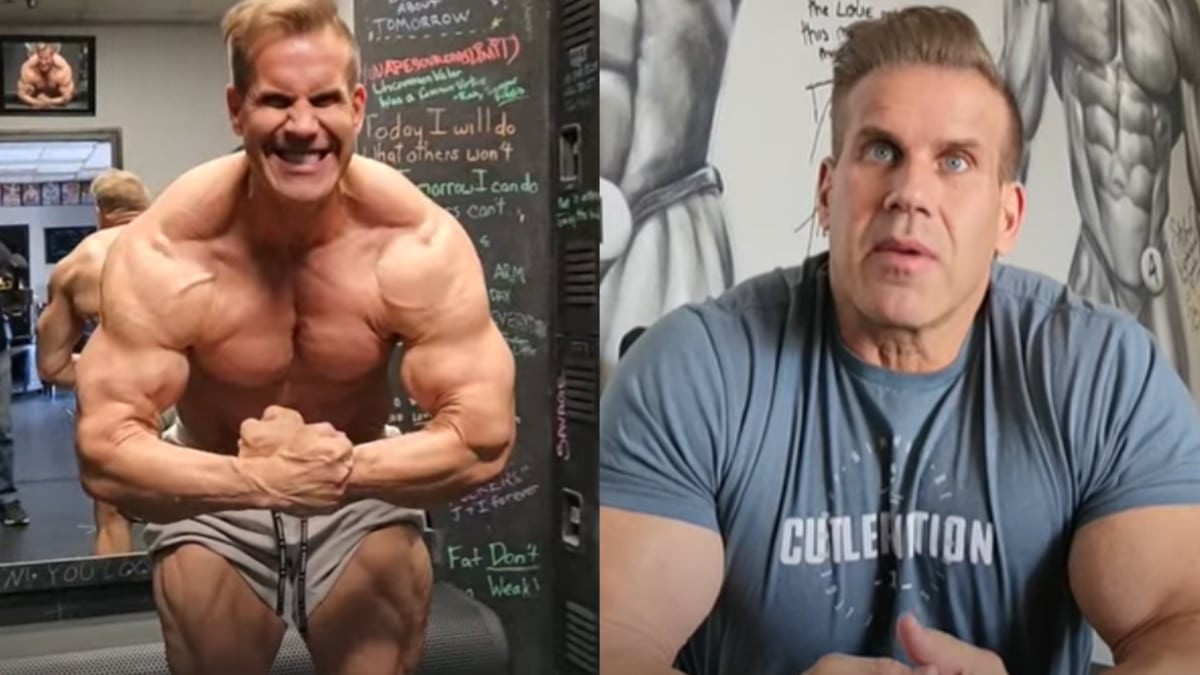
Speculation surrounding a Jay Cutler comeback to the 2023 Masters Olympia is at an all-time high. In a recent JayCutlerTV appearance, Cutler detailed his gym goals and laid out how he could transform his physique using nutrition, training, and testosterone replacement therapy (TRT).
Bodybuilding legend Jay Cutler proved himself as one of the best Men’s Open talents throughout the 2000s, having faced several high-caliber opponents. Perhaps his biggest accomplishment was dethroning the eight-time Mr. Olympia titleholder Ronnie Coleman in 2006. During his reign, Cutler lost to Dexter Jackson in 2008 and returned a year later to avenge the defeat, cementing himself as the only Men’s Open bodybuilder to ever win back a Mr. Olympia title.
Cutler’s last competition came at the 2013 Mr. Olympia, where he finished sixth. While he stepped away from competing, Cutler’s notoriety in bodybuilding hasn’t diminished. Last year, suspicions about a potential return swirled when Cutler’s physique went viral posing and training alongside fitness influencer Lexx Little.
However, Cutler shot down any chance of returning to a ‘competitive stage.’ Instead, he declared his recent gains in the gym were part of a ‘Fit for 50’ physique transformation. He planned to facilitate the transformation using TRT while avoiding substances like Trenbolone.
The Masters Olympia announced its return after an 11-year absence. While Cutler has yet to mention whether he will be in attendance or compete, speculation continues to mount especially considering the latest improvements to his physique.
Jay Cutler Measuring Food Again, Says ‘Training Doesn’t Have to Be ‘Balls to the Walls’ for Transformation
During the video appearance, Cutler mentioned that he was measuring his food again and shared his recent breakfast.
“So I measured my food this morning. A cup and a half of egg whites, I had some pineapple, 50 carbs of rice and grinds, which is cream of rice, two Ezekiel slices of bread, a little bit of low-fat cottage cheese, and I had what else — two whole eggs.”
“I need to change the pace a little bit especially if I’m going to go into this thing in May and start really – you know, I really want to dedicate myself and really transform my physique. To be honest, when I took my shirt off last time on video, it really gave me a lot more motivation because you see what you look like on video – obviously, the feedback, people have been, ‘Oh, Jay looks great.’ But to me, honestly, I thought I looked like crap. I was disappointed. There’s a physique I want and that physique I want isn’t anything like the Olympia physique.”
According to Cutler, he could transform his physique with proper nutrition, training, and TRT.
“I saw comparisons where they put me next to ’09 and you know, people are like, ‘Whoa, you’re that many years retired. No man, this is my life. This is what I do. Granted, you know my meal schedule and that’s really – I’m going to stress it over and over, if I actually ate my six meals a day, which I believe is really necessary for anyone preparing for a contest – some will say five meals, some can do three, Andrew Jacked does it with three or four meals,” says Cutler.
If he consumed six meals daily and trained with ‘enough’ intensity, Cutler reiterated that he could dramatically transform his physique. He implored his audience to listen to their body and to make training adjustments accordingly.
“I think honestly, I literally could transform this body, no drugs, nothing. I mean, obviously, I’m going to use my TRT. It’s all food. It’s all dedication to the training and training with enough intensity. That training doesn’t have to be balls to the wall. You’re going to have days where you train really hard, and anyone training right now – speaking to my whole audience, whether it’s male, female, age brackets from young to older, you should have days where it’s turned up and have days where it’s turned down. You make adjustments based on how you feel.”
“I don’t know if they’ve drawn the names yet [for Masters Olympia],” added Cutler.
Jay Cutler’s Latest ‘Fit for 50’ Workout List
Before calling it a day, Jay Cutler practiced posing and admitted to looking leaner. It should be noted that bodybuilding guru Chris Aceto doesn’t believe Cutler is on the verge of a competitive return. In a recent RxMuscle interview, Aceto said Cutler would ‘never’ make a comeback to Masters Olympia but added that he looked incredible ahead of turning 50.
Even though the Masters Olympia roster has not been announced, there are athletes who have expressed interest. Former 212 Olympia Kamal Elgargni says he’s considering the event if the ‘prize is right.’ Last month, the 2000s 212 and Open standout Hidetada ‘Hide’ Yamagish laid out his plan to come out of retirement at 50 for one final competition.
RELATED: Kai Greene Talks TRT, Steroids, and Competing Natural for 15+ Yrs: “Very Proud of That”
With seven-time Mr. Olympia Phil Heath teasing a return to the sport as well, fans are excited to see who shows up to the 2023 Masters Olympia contest, scheduled for August 25-27 in Cluj Napoca, Romania.
You can watch the full video below:
Published: 11 April, 2023 | 11:24 AM EDT
Powerlifter Samantha Rice (90KG) Sets Three New All-Time World Records At 2023 Pioneer On The Beach
The powerlifting community is made up of many talented individuals across different generations, but Samantha Rice is recognized as one of the standout athletes even amongst the most successful names. If that was even questioned, Samantha’s recent performance has definitely lifted her to a status of her own. She appeared at the 2023 USA-UA Pioneer on the Beach, which took place on April 8th in Texas. Samantha competed in the raw 90-kilogram weight class, winning everything and setting three new All-Time World Records in the process.
Squat
Samantha Rice’s massive legs are not just for show, instead she is capable of squatting mind-blowing amounts of weight. So, at her recent appearance, Samantha Rice successfully completed all three of her attempts, with the heaviest one being 267.5 kilograms (589.7 pounds).
Just a few weeks ago we saw Sherine Marcelle set a new U90KG All-Time World Record Squat of 263.5 kilograms (580.9 pounds) at the 2023 WRPF Femme Fatale III. However, Samantha Rice has now reclaimed that World Record, outperforming Sherine by 4 kilograms (8.8 pounds)
250 kilograms (551.1 pounds)
260 kilograms (573.2 pounds)
267.5 kilograms (589.7 pounds) — All-Time World Record
Bench Press
As Samantha Rice moved on to the bench press, everything seemed to fall in place. However, upon trying to lift 160 kilograms (352.7 pounds) for a new Competition PR, Samantha came out unsuccessful. So, she ended up with a bench press of 155 kilograms (341.7 pounds).
150 kilograms (330.7 pounds)
155 kilograms (341.7 pounds)
Unsuccessful — 160 kilograms (352.7 pounds)
Deadlift
The final event of the day was the deadlift, one of Samantha Rice’s greatest strengths. She started off with a 250-kilogram (551.1 pounds) pull, which is significantly lighter than her opener in the past three competitions. However, she quickly added on weight, finishing with a successful 280-kilogram (617.3 pounds) deadlift.
Samantha Rice previously held the raw deadlift World Record, having locked out 275 kilograms (606.2 pounds) at the 2022 USPA Pro Raw. So, she has now managed to further improve it and make the task of breaking her record almost impossible for anyone else.
250 kilograms (551.1 pounds)
270 kilograms (595.2 pounds)
280 kilograms (617.3 pounds) — All-Time World Record
Total — 702.5 kilograms (1,548.7 pounds) — All-Time World Record
Samantha Rice also set the 687.5-kilogram (1,515.6 pounds) Total World Record at the 2022 USPA Pro Raw and now further improved. However, this time she became the first woman in the 90-kilogram weight class to Total over 700 kilograms (1,543.2 pounds).
Watch Samantha Rice’s lifts here:
Related: Powerlifter Samantha Rice Breaks Two All-Time Raw World Records At USPA Hybrid Showdown 4
Samantha Rice has been competing professionally in powerlifting for nine years now. Consequently, she appeared in 19 sanctioned competitions and won every one of those.
Samantha Rice’s Competition History
Personal Bests
Equip
Squat
Bench
Deadlift
Total
Dots
Raw
567.7
347.2
567.7
1515.7
626.68
Wraps
573.2
319.7
573.2
1471.6
608.12
Competition Results
Place
Fed
Date
Competition
Division
Total
Dots
1
USPA
2022-09-24
Pro Raw Championships
Open
1515.7
626.68
Location
USA-MO
Competition
Pro Raw Championships
Division
Open
Age
32
Equipment
Raw
Class
198.4
Weight
188.9
Squat
529.1
556.7
567.7
567.7
Bench
325.2
341.7
-353.8
341.7
Deadlift
578.7
606.3
-622.8
606.3
GLP
128.84
1
USPA
2022-01-15
Hybrid Showdown 4
Open
1501.3
616.78
Location
USA-FL
Competition
Hybrid Showdown 4
Division
Open
Age
31
Equipment
Raw
Class
198.4
Weight
191.6
Squat
496
529.1
551.2
551.2
Bench
319.7
336.2
347.2
347.2
Deadlift
573.2
603
-617.3
603
GLP
126.97
1
RPS
2021-10-30
2nd Annual Dawn of the Deadlift
Pro Open
573.2
233.3
Location
USA-VA
Competition
2nd Annual Dawn of the Deadlift
Division
Pro Open
Age
31
Equipment
Raw
Class
198.4
Weight
195.5
Deadlift
573.2
1
USPA
2021-09-11
Pioneer Open
Open
1422
591.5
Location
USA-TX
Competition
Pioneer Open
Division
Open
Age
31
Equipment
Raw
Class
198.4
Weight
186.5
Squat
485
512.6
-529.1
512.6
Bench
308.6
319.7
325.2
325.2
Deadlift
-540.1
584.2
-603
584.2
GLP
121.47
1
WRPF
2021-04-24
Kern US Open
Open
1471.6
608.12
Location
USA-CA
Competition
Kern US Open
Division
Open
Age
30
Equipment
Wraps
Class
198.4
Weight
189.2
Squat
529.1
556.7
573.2
573.2
Bench
297.6
308.6
319.7
319.7
Deadlift
529.1
556.7
578.7
578.7
1
USPA
2020-12-19
Depth Before Dishonor Open II
Open
1383.4
565.95
Location
USA-OK
Competition
Depth Before Dishonor Open II
Division
Open
Age
30
Equipment
Wraps
Class
198.4
Weight
193.3
Squat
501.6
529.1
-551.2
529.1
Bench
286.6
297.6
303.1
303.1
Deadlift
523.6
551.2
-567.7
551.2
1
USPA
2020-07-11
Pioneer Open
Open
1306.2
549.27
Location
USA-TX
Competition
Pioneer Open
Division
Open
Age
30
Equipment
Raw
Class
198.4
Weight
182.3
Squat
440.9
463
485
485
Bench
259
275.6
-286.6
275.6
Deadlift
518.1
545.6
-556.7
545.6
GLP
112.59
1
XPC
2020-03-07
Arnold
Pro
1300
549.17
Location
USA-OH
Competition
Arnold
Division
Pro
Age
29
Equipment
Wraps
Class
181.9
Weight
180.6
Squat
475
500
-525
500
Bench
245
255
265
265
Deadlift
485
510
535
535
1
USPA
2019-12-14
Depth Before Dishonor Open
Open
1201.5
500.08
Location
USA-OK
Competition
Depth Before Dishonor Open
Division
Open
Age
29
Equipment
Raw
Class
198.4
Weight
186.3
Squat
413.4
435.4
446.4
446.4
Bench
231.5
248
-259
248
Deadlift
485
507.1
-518.1
507.1
GLP
102.69
1
USPA
2019-08-03
The Tribute
Open
1174
497.17
Location
USA-TX
Competition
The Tribute
Division
Open
Age
29
Equipment
Raw
Class
181.9
Weight
179.7
Squat
429.9
Bench
242.5
Deadlift
501.6
GLP
101.79
1
USPA
2019-03-23
Clash of the Barbarians
Open
1085.8
459
Location
USA-TX
Competition
Clash of the Barbarians
Division
Open
Age
28
Equipment
Raw
Class
181.9
Weight
180.3
Squat
407.9
Bench
226
Deadlift
451.9
GLP
94
1
IPL
2018-09-14
Olympia Pro Powerlifting
Open
446.4
197.37
Location
USA-NV
Competition
Olympia Pro Powerlifting
Division
Open
Age
28
Equipment
Raw
Class
165.3
Weight
165.1
Deadlift
446.4
1
USPA
2018-03-24
Clash of the Barbarians
Open
986.6
436.16
Location
USA-TX
Competition
Clash of the Barbarians
Division
Open
Age
27
Equipment
Raw
Class
165.3
Weight
165.1
Squat
380.3
Bench
192.9
Deadlift
413.4
GLP
88.84
1
USPA
2017-10-28
Unleash The Beast
Open
1003.1
421.32
Location
USA-TX
Competition
Unleash The Beast
Division
Open
Age
27
Equipment
Raw
Class
198.4
Weight
182.8
Squat
374.8
Bench
187.4
Deadlift
440.9
GLP
86.38
1
USPA
2017-03-25
Clash of the Barbarians
Open
920.4
388.41
Location
USA-TX
Competition
Clash of the Barbarians
Division
Open
Age
26
Equipment
Raw
Class
181.9
Weight
181
Squat
341.7
Bench
176.4
Deadlift
402.3
GLP
79.57
1
USPA
2016-03-12
The Arlington Strength Raw Classic
Open
925.9
395.25
Location
USA-TX
Competition
The Arlington Strength Raw Classic
Division
Open
Age
25
Equipment
Raw
Class
181.9
Weight
176.8
Squat
330.7
Bench
187.4
Deadlift
407.9
GLP
80.83
1
NASA
2014-08-09
World Cup
wint
870.8
369.57
Location
USA
Competition
World Cup
Division
wint
Age
24
Equipment
Wraps
Class
181.9
Weight
178.9
Squat
336.2
Bench
181.9
Deadlift
363.8
1
NASA
2014-08-09
World Cup
wint
181.9
77.19
Location
USA
Competition
World Cup
Division
wint
Age
24
Equipment
Raw
Class
181.9
Weight
178.9
Bench
181.9
GLP
62.11
Data Source: Open Powerlifting. Last Updated: November 9, 2022
Analyze Lifts
Samantha Rice’s day got even better after she received $20,000 for her first place finish overall. Taking everything into consideration, this was easily one of Samantha’s greatest competitions yet. However, it also indicates that she could still put up an even greater performance.
Published: 11 April, 2023 | 11:41 AM EDT