
 All Posts By Muscle Insider
Board Certified PHD
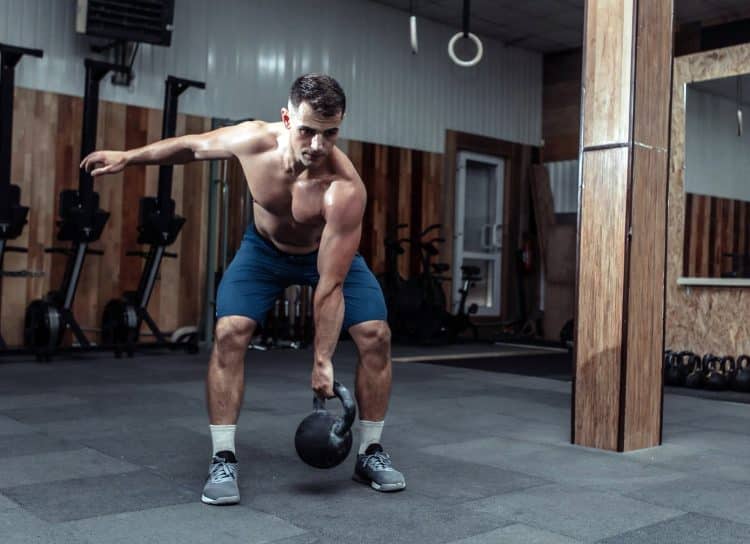
Kettlebell Workouts for Functional Fitness
When it comes to working out, there are many variables. Should you use a high or low rep range? Is a fast or slow training tempo best? Should you focus on compound or isolation exercises? Your training goals will largely determine the answers to these questions.
If your goal is to develop a beach-ready muscular physique, then training individual muscle groups is the way to go. But if you want to build a leaner, fitter, more athletic body that you can use in the real world, you should incorporate functional fitness into your workouts.
When it comes to functional fitness exercises, kettlebells are an excellent choice. Kettlebells challenge your body in ways that replicate real-world movements to improve your functional strength, stability, and coordination. In this article, we lay out eight fantastic kettlebell functional fitness exercises and then program them into three super-effective workouts you can alternate between to build a functionally fit physique.
What is Functional Muscle Training?
Workouts consisting of exercises that stimulate multiple muscles rather than isolating particular muscles are called functional training workouts. These types of exercises force your muscles to work together and move through multiple joints. This improves neuromuscular control and coordination.
Functional muscle training enhances our capacity to carry out everyday tasks like getting out of a chair or carrying a sack of potatoes.
Any exercise that will help you operate better by strengthening your heart, lungs, or muscles can be categorized as a functional exercise. However, there is a range of functionality for how effective an activity will be.
Exercises that isolate muscles, like the seated leg extension, are at the lowest end of that spectrum. Movements like the squat that imitate our everyday actions are at the other end of the spectrum. We all squat down frequently throughout the day, whether it’s to use the restroom or sit in a chair. Exercises like this that mimic practical movement patterns will improve a person’s flexibility, balance, and coordination.
Enhanced Movement Patterns
Rather than being based on isolated muscle movement, functional training is based on movement patterns. That’s the way that our bodies were made to work. We operate best when we are in an upright position with our feet set on the ground.
In this position, we can execute the following movement patterns:
Squat
Hinge
Lunge
Overhead Press
Chest Press
Core Rotation
Functional movements that mimic these movement patterns should form the basis of any functional fitness workouts. Doing such exercises will improve your strength and performance through the movement pattern you are performing.
Why Use Kettlebells for Functional Fitness?
Kettlebells have come out of the corners of the gym in recent years and entered center stage. That’s because people have become educated on how these strangely shaped weights can improve their workouts. They are especially good for functional training. Here are three reasons why kettlebells deserve a key role in your functional fitness program:
Offset Center of Gravity
The offset center of gravity of the weight is one of the key characteristics distinguishing kettlebells from dumbbells. That’s because when you grab a kettlebell’s handle, its center of gravity is about 6 to 8 inches away from your hand. That makes the weight harder to handle.
This is why every exercise you perform, from standard strength exercises to more difficult kettlebell moves like swings, calls for precise technique and greater muscle stimulation than you can get with dumbbells.
Greater Core Involvement
The instability of a kettlebell means that your core muscles have to be constantly working to maintain your posture and balance. You need to keep your core tight and engaged far more than if you were using a barbell or dumbbells. This core engagement will strengthen your abs, erector spinae, obliques, and intercostals.
Improved Athleticism
Developing your grip strength is one of the key benefits of including kettlebells in your workout program. That’s because the handle thickness and weight displacement require your fingers, hands, and forearms to provide perfect control.
Kettlebell training will also improve your cardio endurance. Most kettlebell exercises are compound, multi-joint moves that require a lot of energy to complete. They’ll tax your heart and lungs as they demand more oxygen. As a result, your muscular and cardiovascular endurance will both increase.
Dynamic kettlebell exercises like swings, snatches, and cleans develop explosive strength. This is an essential requirement for athletes, whether they’re smashing into an opponent on the football field or scrapping for a rebound on a basketball court.
8 Key Kettlebell Moves
Here are the fundamental kettlebell exercises that should feature in functional fitness workouts:
1. Kettlebell Swing
The kettlebell swing burns a ton of calories as it helps develop explosive power. Power largely emanates from the ability to execute a strong hip thrust, which is the key motion involved in this exercise.
Muscles Worked:
Glutes
Hamstrings
Quadriceps
Core
Back
Shoulders
Step-by-Step Guide:
Stand with your feet shoulder-width apart, with your weight on your heels.
Rest the kettlebell on the floor between your feet.
Look down at the ground six feet in front of you.
Sit back into your hips and reach down to grab the handle with both hands in an overhand grip.
Swing the bell behind you, then aggressively snap your hips forward as you stand up. As you do this, extend your spine and squeeze your butt.
Bring your arms up to chest level.
Immediately return to the bottom hike position and move into the next rep.
2. Goblet Squat
The kettlebell goblet squat helps you to maintain an upright stance by placing the weight in front of your body. To keep the weight centered over your feet, you have to keep your core tight, your lower back pulled in, and your chest up.
Muscles Worked:
Quadriceps
Glutes
Hamstrings
Core
Step-by-Step Guide:
Stand with your feet shoulder-width apart with your toes slightly pointed outward.
Hold a kettlebell with both hands hard up against your chest.
Hinge at the hips to go down into a full squat position, maintaining a neutral spine and keeping your chest up.
Push the heels into the floor to come back to an upright position.
3. Roll Up, Roll Down
The roll up, roll down is a dynamic, explosive exercise that combines hip and torso extension with multiplanar movement and ballistic strength. Start with a lighter kettlebell until you get comfortable with the actions involved.
Muscles Worked:
Abdominals
Lower back
Hip flexors
Shoulders
Forearms
Step-by-Step Guide:
Stand with your feet shoulder-width apart in front of an exercise mat. Hold a kettlebell at arm’s length in front of you with both hands.
Hinge at the hips to descend into a deep squat.
Continue going down until your butt is sitting on the mat.
Roll back as you bring the weight up and over your head.
Now reverse the direction to roll back forward as you bring the weight back overhead and down.
Use the forward momentum to drive yourself back up to a standing position.
4. Two-Handed Overhead Squat
The overhead kettlebell squat fully engages the back extensor and scapular muscles while also working the lower body. That is going to improve your performance of propulsions movements like sprinting, kicking, jumping, or running.
The overhead squat is a challenging exercise that requires quite a lot of balance and coordination. I recommend working up to it by starting with bodyweight squats with your hands extended overhead. Then advance to doing the exercise with a single kettlebell held with both hands overhead. Only when you’re comfortable with that exercise should you advance to the two-handed overhead squat.
Muscles Worked:
Quadriceps
Glutes
Hamstrings
Core
Shoulders
Triceps
Forearms
Step-By-Step Guide:
Stand with your feet shoulder-width apart and slightly turned out and a pair of kettlebells extended overhead in a lockout position. Keep your arms close to your head and your palms facing forward.
Maintaining an upright body and neutral spine, hinge at the hips to lower to a full squat position. Keep your arms locked out throughout the entire motion.
Push through your heels to return to the start position.
5. Overhead Walking Lunge
This exercise represents the ideal functional lower-body exercise. That’s because it combines flexion, extension, and propulsion all in one dynamic movement. Then there’s the overhead part of the movement, which improves posture and increases core stability. Moving forward with an asymmetrical load also strongly engages the obliques.
Muscles Worked:
Quadriceps
Glutes
Hamstrings
Core
Shoulders
Triceps
Forearms
Step-by-Step Guide:
Stand with your feet shoulder-width apart and a kettlebell held in each arm at your sides. Maintain an upright posture with your chest up and core tight.
Bring your right arm up above your head, locking out the elbow. The left arm should remain at your side.
Take a large step forward with your left leg and lunge down to bring the rear knee toward the floor.
Now follow through with the right leg to take another forward step.
Continue this forward motion for five steps, then turn around and return to the start position.
On the next set, raise your left arm overhead.
6. Squat & Press
The squat and press is a great functional exercise that forces your lower body, core, and upper body to work together to execute the movement. If you’re a rugby player, a martial artist, a basketballer, or a track athlete, this exercise is an absolute must to boost your functional fitness.
Muscles Worked:
Quadriceps
Glutes
Hamstrings
Core
Shoulders
Triceps
Forearms
Step-by-Step Guide:
Stand with your feet shoulder-width apart and a kettlebell in your right hand at your side. Another kettlebell should be on the floor on the inside of your left foot.
Now raise your right arm overhead and lock out your elbow.
Turn both feet to the left and look up at the kettlebell above your head.
Keeping your torso facing forward, press your right hip back as you lean down to grab the other kettlebell with your left hand.
Come back to an upright position. Now your right arm will still be above your head with your left arm at your side.
Perform all your reps on one side, then repeat with the left arm extended overhead.
7. Kettlebell Deadlift
While the kettlebell deadlift won’t allow you to lift as much weight as a standard barbell version of the exercise, it does allow you to achieve a fuller range of movement. The kettlebell can travel well beyond the tibiae, towards the heels, whereas the barbell presses against and stops at the tibiae. This allows you to extend the hip extensor chain more effectively.
Muscles Worked:
Glutes
Hamstrings
Quadriceps
Core
Back
Forearms
Step-by-Step Guide:
With your legs bent, sit back into a half-squat as though you were going to jump up. The chest should be up with the shoulder blades squeezed together. Your back should be naturally arched. The kettlebell should be held with your arms extended and level with your heels.
Extend the pelvis up and forward while keeping the scapulae together until you are upright.
Slowly return to the half-squat position so that the kettlebells end up at floor level. Maintain an upright posture with natural back curvature.
8. Renegade Row
The renegade row is a combination of a plank and a row. As such, it does a great job of working both the lats and the core muscles. Every time you bring an arm off the floor, you will engage the entire core area as it balances, stabilizes, and supports your body. This is an all-encompassing exercise that serves as the foundation for athletic training in all activities that place significant stress on the core, including combat sports, martial arts, wrestling, judo, rugby, American football, tennis, and baseball.
Muscle worked:
Latissimus dorsi
Rhomboids
Trapezius
Biceps
Triceps
Shoulders
Core
Step-by-Step Guide:
Get down in the high push-up position with kettlebells in your hands. Your feet should be shoulder-width apart, arms fully extended, and shoulders directly above the kettlebells.
Row the right hand kettlebell up toward your ribcage.
Lower back to the start position under control.
Repeat with the left hand kettlebell.
Continue alternating sides to complete your rep count.
Functional Fitness Kettlebell Workouts
Now that we know how to do the eight key fundamental kettlebell exercises for functional fitness, let’s put them together in the form of three workouts that you can alternate over the course of your workout week.
Workout A: Kettlebell HIIT Functional Fitness Circuit
Method: Perform each exercise for 40 seconds. Then rest for exactly 20 seconds before beginning the next exercise. Complete all eight exercises in eight minutes, then rest for exactly two minutes. Work up to doing four rounds of this HIIT circuit.
Warm-Up: Three minutes of medium intensity on a rowing machine.
Kettlebell Swing
Goblet Squat
Roll Up, Roll Down
Two-Handed Overhead Squat
Overhead Walking Lunge
Squat & Press
Kettlebell Deadlift
Renegade Row
Cool-Down: Three minutes of medium intensity on a rowing machine.
Workout B: EMOM Kettlebell Functional Fitness Workout
EMOM stands for every minute on the minute. It involves starting an exercise at the start of every new minute and then resting for any remaining time within the minute once your reps are complete. So, you begin by doing 15 reps of kettlebell swings, which takes 48 seconds. That leaves you with 12 seconds to recover before going into the next exercise when 60 seconds is up. You continue this pattern to complete all five exercises.
At the end of the round, rest for two minutes. Work up to completing eight rounds.
Warm-Up: Three minutes of medium intensity on a rowing machine.
Kettlebell Swing: 15 reps
Goblet Squat: 10 reps
Two-Handed Overhead Squat: 8 reps
Renegade Row: 6 reps (per arm)
Squat & Press: 5 reps
Cool-Down: Three minutes of medium intensity on a rowing machine.
Workout C: Straight Sets Kettlebell Functional Fitness Workout
You should rest 45-60 seconds between each set for this straight-set workout.
Warm-Up: Three minutes of medium intensity on a rowing machine.
Kettlebell Deadlift: 3 sets of 15 reps
Kettlebell Swings: 3 sets of 20 reps
Renegade Row: 3 sets of 12 reps (each arm)
Squat & Press: 3 sets of 12 reps
Roll Up, Roll Down: 3 sets of 8 reps
Overhead Walking Lunge: 3 sets of 10 forward steps
Cool-Down: Three minutes of medium intensity on a rowing machine.
Wrap Up
Kettlebells are perfect for functional fitness. You now have a list of eight of the best functional fitness kettlebell exercises, along with three challenging workouts to effectively work your entire body. Take the time to learn how to do the exercises well, and then add these functional fitness workouts to your schedule. Begin with one per week, gradually increasing to three sessions, spaced at least a day apart. You’ll soon be rewarded with a healthier, functional, and athletic body.
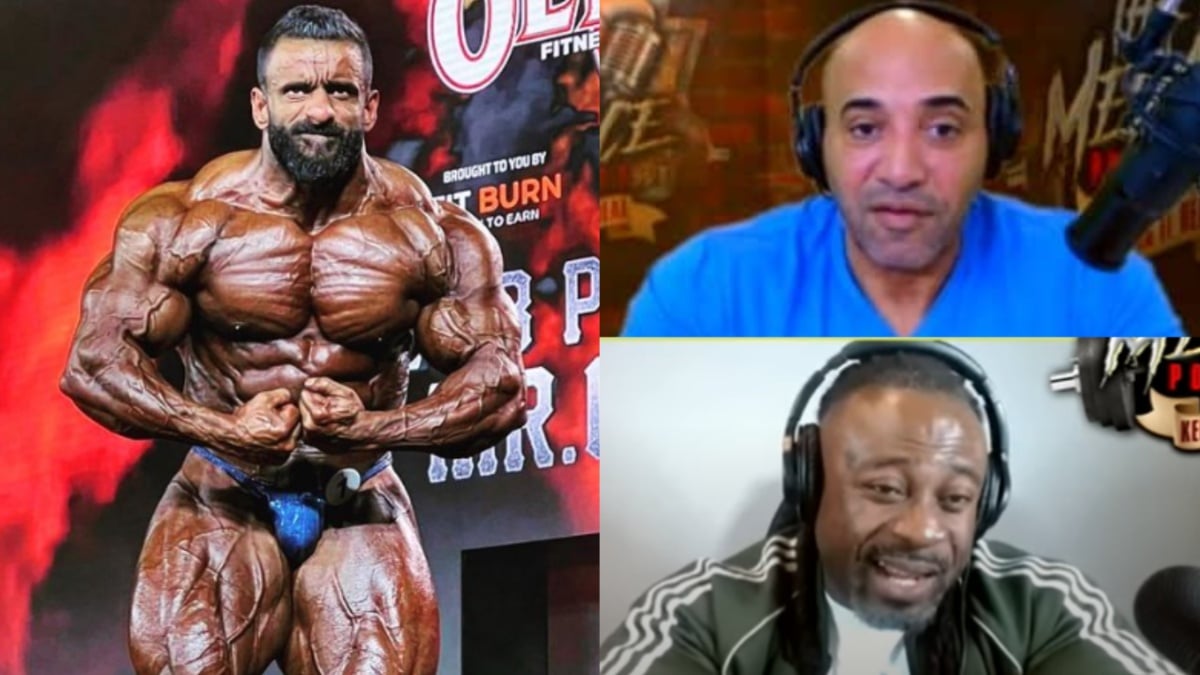
William Bonac: ‘Hadi Choopan Will Repeat as 2023 Mr. Olympia, He’s Going to Take Another Title’
William Bonac continues to deliver as a Men’s Open bodybuilder, competing twice in four months. In a recent The Menace Podcast, Bonac predicted Hadi Choopan would win 2023 Mr. Olympia and discussed what measures Nick Walker needs to take to become champion.
The Men’s Open division has endured major changes since 2022 Mr. Olympia. Hadi Choopan won his first title after outlasting a slew of threats in prejudging and the finals. Shockingly, Mamdouh ‘Big Ramy’ Elssbiay was unable to retain his throne in fifth whereas Derek Lunsford and Walker found themselves in second and third. Bonac, however, finished ninth, respectively.
At the 2023 Arnold Classic, Bonac redeemed himself with an impressive package, showcasing a blend of fullness and conditioning. While Bonac hoped to secure his third title in Columbus, Ohio, the veteran settled for seventh, proving himself against a lineup that saw Samson Dauda come out on top.
In light of his last two performances, Bonac suspended his current season. He set his sights on 2024 and plans to focus on rest and recovery. Looking ahead, ‘The Conquorer’ said his next show would likely be the Arnold Classic. Refusing to dismiss his Olympia ambitions, Bonac stated if he ‘brings his all,’ he could still retire with a Sandow trophy in the next two years.
In his latest endeavor, Bonac laid out who he believes might win the 2023 Mr. Olympia contest, scheduled for November 2-5, in Orlando Florida. Additionally, Bonac touched on what improvements Walker needs to make to reach the next level in his career.
William Bonac Says League ‘Going Away from Mass Monsters,’ Expects Hadi Choopan to ‘Repeat’ as 2023 Mr. Olympia
According to William Bonac, he’s ‘sure’ Hadi Choopan will win another title and believes he can definitely repeat at 2023 Mr. Olympia.
“I think definitely Hadi can repeat it, definitely. I think as you see… a lot of 212 guys are doing very good in the Open class. That’s something that I’ve noticed. They’re extremely good, maybe because they don’t look as big as Big Ramy, those mass monsters. I think they’re trying to go away from that. Not to say they are little guys, you understand. I also see that they are rewarding the taller guys. The few taller guys we have with beautiful aesthetics. That’s a good thing as well. No bloated guts you know, that’s what I see,” said William Bonac.
“We’ve seen him [Hadi Choopan] on the stage and he’s ripped to pieces. How are you guys backstage, you see more than we do. When you see Hadi, he is next level right?” asks Sarcev.
“He’s next level. Even with the pump up, when you stop pumping up, then he will come alive. The more he pumps up the freakier he gets. So, you know, I think honestly… last year or the year before the Olympia that he didn’t win — he looked way better. If he came even with that shape even now, that wasn’t even his best shape and he won it. So, I’m sure he’s going to take another title. If he brings the condition that he brought the year before, yeah,” Bonac shared.
Can Brandon Curry Regain the Mr. Olympia Title? Bonac Says ‘I Don’t Think So.’
Bonac believes his rival Brandon Curry will struggle to regain his Mr. Olympia title because he loses size in his legs when he shreds down before a contest.
“Brandon [Curry] is my dude man. I hope so [he takes another title]. I hope he can fight for the title like the direction that they are going — I think – I don’t think so,” Bonac added. “No because if he does that, he will lose the size then he doesn’t look so impressive. They have to play the size game a little bit because when he dials in too much, he will lose the size of his legs again.”
Bonac Says Nick Walker Needs Improved Quad Sweeps to Contend for 2023 Mr. Olympia Title
Milos Sarcev, Dennis James, and William Bonac agree that Walker needs more outer quad sweep for 2023 Olympia.
“Bigger legs, bigger chest, and I think his chest improved dramatically already,” said Sarcev.
“It’s just the legs, the sweep of the legs,” clarified Bonac.
“That quad sweep, that could be a genetic thing. I’m sure it’s not because he’s not working hard enough or he’s not doing what he’s supposed to,” Dennis James said.
Chris Cormier and Bonac also shared that Walker would benefit from some posing adjustments.
“From the side, he looks good, from the back he looks good, it’s just from the front or maybe maybe the way he stands on his legs, maybe he should turn it more like Brandon does, so you get more of the inner thighs [in the abdominals and thighs pose].”
“I would try to utilize my legs differently in those poses. The way he’s doing them is not helping him right now,” Chris Cormier explained.
Before confirming his one-year hiatus from the sport, questions about Bonac’s retirement circulated online. Bob Cicherillo, who serves as the announcer of the Arnold Classic and Mr. Olympia shows, said he would like to see Bonac receive a special invite for 2024 Mr. Olympia so he could retire on top.
As for Nick Walker, he recently argued that Choopan wouldn’t be able to successfully defend his title later this year. He believes the 2023 Olympia winner will be determined following a battle between himself and former 212 Olympia Derek Lunsford.
RELATED: William Bonac ‘Taking Measures’ for Inflamed Kidneys, Stops Oral Steroids In Prep for 2023 Arnold Classic
The 2023 Pittsburgh Pro takes place May 12-13 and serves as a teaser for bodybuilding’s ultimate destination. Given how unpredictable 2022 Olympia was, fans are looking forward to seeing their favorite competitors make a play for Hadi Choopan’s title.
You can watch the full video below from the Muscle and Fitness YouTube channel:
Published: 1 May, 2023 | 7:32 PM EDT
Michal Krizo Shuts Down Photo-Editing Accusations After Guest Posing: ‘I Don’t Do Any Photoshops’
Slovakia’s Michal Krizo is clapping back at fans who accused him of photoshopping a recent picture while guest posing at the NPC Balkan Grand Prix. In an Instagram post, Krizo denied all photo-editing allegations and said he shared the picture because he appreciated it.
Michal Krizo’s ascent as a Men’s Open competitor has been nothing short of impressive. Last year, he switched to the NPC from the IFBB Elite Pro League. The 32-year-old wasted no time in procuring his IFBB pro card at the 2022 Amateur Olympia Italy event. After claiming yet another victory at the EVLS Prague Pro, Krizo earned his right to compete on the Mr. Olympia stage.
Heading into Las Vegas, Krizo was dubbed a notable threat despite it being his first Olympia. There was added excitement to see Krizo perform given the rivalries he sparked with Nick Walker, Blessing Awodibu, and Iain Valliere. In the end, Krizo proved he was more than just hype with a 12th-place finish.
Krizo was initially targeting September’s Arnold Classic UK show (now known as Experience With Sports Festival UK). However, he hinted at a surprise contest in two months after showing off a massive physique update. To sharpen his presentation skills, Krizo guest posed at last weekend’s NPC Balkan Grand Prix, where fans called him out for having seemingly modified quads.
Michal Krizo Defends Himself After Edited Photos Go Viral: This is My Profile, I Can Post Whatever I Want’
Krizo took to social media after fans accused him of photoshopping his quads to look bigger.
“I have to defend myself here. I don’t do any photoshops, I shared because I liked the photo. That is all. I’m actually a 20-kilo midget, that is all. Thanks for your understanding,” Michal Krizo wrote on Instagram.
“Ok man send me original photo. Are u done with your hates? i think this is my profile and i can post what i want” Krizo shared in a different post.
You can find the pictures below, which fans argue have been heavily edited.
This isn’t Krizo’s first guest posing obligation of the 2023 season. In April, Krizo displayed his 300-pound physique posing in Colmar, Alsace, France. Given the well-known critiques of his presentation and posing, Krizo is determined to correct any and all areas that held him back from success on the Olympia stage.
RELATED: Singer Jessie James Decker Fires Back At Fans Who Say She Photoshopped Abs on Her 3 Children
From the Iranian Hulk (Sajad Gharibi) to the ‘Notorious’ Conor McGregor, fans take photo-editing allegations seriously. While Krizo may have reshared an edited photo of his physique, he maintains his innocence and says he doesn’t use Photoshop to enhance his image.
Published: 1 May, 2023 | 1:12 PM EDT

Bob Cicherillo on Olympia TV Labeling Athletes ‘Failures’: ‘It Wasn’t Done Intentionally’
Bob Cicherillo is speaking up for the Olympia social media team after a post upset fans over the weekend. In a Voice of Bodybuilding podcast, Cicherillo said Olympia’s Instagram post calling Iain Valliere, James Hollingshead, Antoine Vaillant, and Steve Kuclo ‘failures’ was done unintentionally.
After Hadi Choopan captured gold at the 2022 Mr. Olympia contest, changes at the top of the Open class became a major talking point. At the show, Mamdouh ‘Big Ramy’ Elssbiay failed to retain his title and dropped to fifth. The podium saw Derek Lunsford and Nick Walker finish second and third. In the aftermath, athletes rep Bob Cicherillo was vocal about the outcome as fans suspected Ramy wasn’t offered a fair shot on stage.
Debate continued following Samson Dauda‘s victory at the Arnold Classic last month. Walker, who placed runner-up, found the results controversial. In fact, fan outrage surrounding Dauda’s win continued to build until Bob Cicherillo got involved. He took to multiple podcasts to explain the judging process. Moreover, he stressed that Dauda won because he possessed a better combination of factors like conditioning, balance, proportions, and stage presentation.
Instagram
Prime Time Muscle is a bodybuilding podcast represented by the Olympia TV YouTube channel. In a recent post made to Instagram, they teased their latest video. However, some fans found the thumbnail and description disrespectful given their use of words such as ‘bust’ and ‘failure.’
Bob Cicherillo on Olympia TV’s Distasteful Post & Fan Outrage: “The Clickbait Stuff Needs to End”
In response to fan backlash, the OlympiaLLC Instagram page deleted the post. The Prime Time Muscle episode was also deleted from YouTube. According to Cicherillo, the choice of words was done ‘unintentionally.’
“For those that have been following the bouncing ball, there was a video put out by our good friends, Terrick and Chris Cormier and Tim Wilkins, they do a show called Prime Time Muscle. They put a video out and it was actually pretty innocuous, if you were actually able to catch the video but it was removed unfortunately, we’ll get to that in a moment.
The title of it was ‘Olympia Threat or Bust?’ Now that was probably where the problem started and ended because it wasn’t really worded proper in my opinion; I think that’s where a lot of this outrage had occurred. In the tag it said Olympia failures or promises. This is inherently where the problem came about, because you can’t judge a book by its cover. The clickbait stuff needs to end.”
“Listen, we’re all in the same biz, we’re all trying to catch someone’s attention but blatantly putting something out just to catch somebody’s attention is not really being – it’s being rather disingenuous. We catch on quick. We’ve all seen podcasts that are no longer on YouTube that have literally made their following by this action, and again, it gets old quickly. You don’t need clickbait if you got good content. I don’t think it was done intentionally, I think it was the wrong verbiage use.”
Cicherillo highlighted that the Olympia is an entity and doesn’t hold opinions regarding the physiques of different bodybuilders. He added that Hollingshead, Valliere, Kuclo, and Vaillant didn’t take the post personally.
“The Olympia is an entity. The Olympia doesn’t make statements unless it’s something pertaining to Olympia. Here’s where Olympia is going to be, here is where VIP tickets will be on sale, that type of stuff. Much like the IFBB Pro League, the IFBB Pro League does not have an opinion when it comes to things of this nature or how good a bodybuilder is.”
“Iain Valliere, great bodybuilder, but a top 10 Olympian a few times; they’re not referencing him as some sort of failure or bust to the Olympia or this isn’t a guy whose lived up to his expectations, they’re giving critique. There’s a few others. We’re not going to play them all. Iain, James Hollingshead, Steve Kuclo – they’re just referencing some bodybuilders and giving some critique to literally get to the next level,” Cicherillo said.
While the video was taken down, Cicherillo said its contents weren’t as offensive as the post made to Instagram.
“So to see the outrage that I’ve seen the other day from the fanbase… you got to check yourselves here people. I’m talking about the fans in particular out there. Don’t take things so personally. This was not an attack on the Olympians. ‘Oh, the Olympia should be ashamed of itself.’ Again, you’re talking about a competition – an entity- they, they Olympia, don’t have an opinion when it comes to individual competition and individual competitors that are in there trying to win a show.”
“I want to make sure it’s clear. Not only is everyone entitled to an opinion but then you have to reference who’s making that opinion and what they’re talking about. I can see clearly that most of you did not watch the video; you saw the title, you assumed what it was all about, and then you got crazy.”
As a result of the fiasco, Terrick El Guindy apologized for the mishap and explained that it was a ‘terrible choice of words.’
“Words are powerful. I learned this over the weekend when I wrote a post to promote the latest episode of Prime Time Muscle. My intention was to analyze whether a few athletes didn’t live up to expectations at the 2022 Olympia. Unfortunately I used the word “failure” when I wrote the post (implying failure to live up to expectations). A terrible choice of words on my part. Olympia athletes are the best in the world!!!! I have reached out to Iain and James to apologize for the poor choice of words. They were both very gracious about it. Bodybuilding fans are passionate. And I wouldn’t want it any other way.” El Guindy posted.
El Guindy’s opinions on the Prime Time Muscle podcast hold weight given his status as a promoter and IFBB Pro League judge. The last time fans heard from him, he offered advice for Nick Walker who he believes to be a future Mr. Olympia winner. El Guindy said if Walker improves the volume of his legs, he’ll never lose to Samson Dauda again.
The latest post from El Guindy and Olympia raises the question of how far media can go to attract attention. As for Cicherillo, he doesn’t believe clickbait content has a place in the sport.
You can watch the full YouTube video below courtesy of Bob Cicherillo’s YouTube channel:
Published: 1 May, 2023 | 11:20 AM EDT
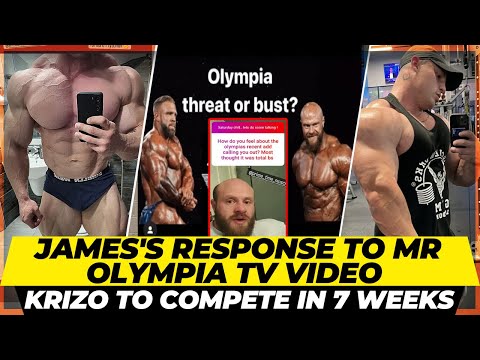
James responds to Mr. Olympia video by him , Iain & Antoine + Is Martin in prep ? Krizo looks peeled
#MrOlympia , #Bodybuilding , #bodybuildingupdates James Hollingshead responds to Mr. Olympia video by him , Iain & Antoine which was kind of controversial + Is Martin Fitzwater in prep for Texas Pro 2023 ? Michal Krizo looks peeled as he gets ready for Spain pro which is in 7 weeks Timestamps 0:00 Michal Krizo 0:32…
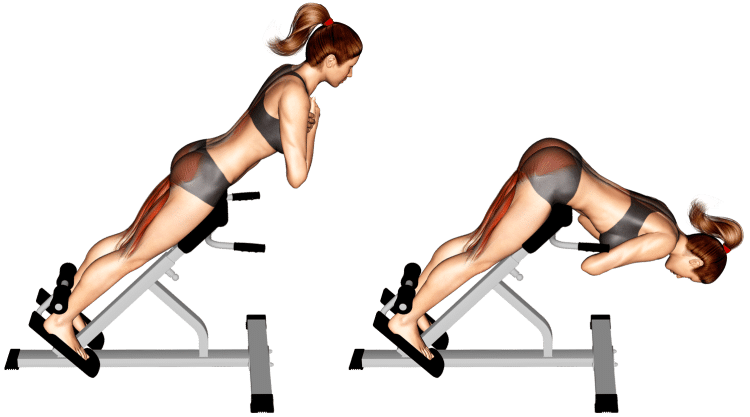
45-Degree Hyperextension Guide: Muscles Worked, How-To, Benefits, and Variations
A big, strong back is what everyone’s after, and while rows, deads, and pulls make the cut in everyone’s workout regime, less popular but necessary exercises like 45-degree hyperextensions (also known as back extensions) oftentimes don’t. But truth be told, it can have a big impact on your lower, middle, and upper, back, glutes, and hamstrings too.
As we also mentioned later on in this article, fitness competitors know the importance of hyperextensions because it’s one exercise that helps bring up your lower back muscularity. It’s a potent and underused movement.
In this guide, you’ll learn the ins and outs of hyperextensions, also known as back extensions, like how to use your hips on the pads, benefits, sets, and reps, and which variations work best.
This Exercise
Target Muscle Group/s: Erector spinae, gluteus maximus, hamstrings
Type: Strength, hypertrophy
Mechanics: Isolation
Equipment: Roman chair/acceptable alternative
Difficulty: Intermediate
How To Do 45-Degree Hyperextensions
45 degree hyperextensions are a unique movement in that you can choose which muscles to target by modifying your technique. Below are written instructions and a video tutorial that walk you through the different variations of this exercise.
Step 1 – The setup
First get properly set up on a Roman chair by adjusting it to your body. The top of the bench should be below the top of your pelvis bone, which will allow your hips to move freely so you can hinge at your hips, and not round at your back.
Step 2 – Body position
Lean into the bench, keeping your body straight, and head neutral. Your feet should be roughly hip width apart and parallel to each other.
Step 3 – Hip flexion and torso angle
Bend at the hips and lower your upper body toward the ground. Your core muscles should tense to stiffen your spine and keep your back completely straight. Stop when your torso is slightly below parallel to the floor.
Step 4 – Hip extension using glutes, hamstrings, and toes
Extend your hips while squeezing your glutes, and pressing your toes into the platform, until you’re back to the starting position. Repeat as many times as needed.
Watch the Video tutorial
Check out the video demonstration for key form tips or simply refer to the written instructions and tips in this guide to ensure you’re maximizing your 45-degree hyperextensions.
Related: Best Roman Chair Hyperextension Machines Reviewed For 2022
Tips
The movement should occur at the hips, and not by rounding your back. It’s all about proper pad height.
Make sure to squeeze your glutes and press with your toes during back extensions.
Start with your body weight only, get good at the movement, and then add weight once you can perform 15 solid reps!
When you’re ready to progress, simply hold a weight in hand, or wrap a band around your waist to increase the load. You don’t have to but if you’re training goals are to increase strength, then it’s a good strategy.
You can also use a Glute Ham Developer (GHD) bench which allows you to perform a similar movement and train all of the same muscles.
Muscles Worked
45-degree hyperextensions are a powerhouse that collects input from several muscles in your rear! Learn about the anatomy of muscles that benefit from this exercise below.
Erector spinae
Referring to the muscles that line your spinal column on either side. As the name suggests, erector spinae help us to stand upright from a bent over angle. Hyperextensions rely on these muscles heavily to complete each repetition.
Gluteus maximus
An absolute titan on your backside, the gluteus maximus creates the most volume, size and shape on your butt and hips. Aside from looking good back there, your glutes assist in maintaining an upright posture, and help extend the hips like when you squat, jump, and stand up.
Hamstrings
A significant thigh muscle, your hamstrings stretch from the hip to the knee joint on the rear upper leg. Composed of three heads, your hams work together to bend the knee, extend the hips, and rotate your hip joint.
Benefits
Hyperextensions are anything but flashy, but make no mistake, they’re heavy with the benefits. Here’s why we recommend this old-school movement.
Build a savage posterior
Hyperextensions, especially loaded heavy, are often utilized by bodybuilders who need more muscle and detail in their lower back. But you also have to use the glutes, and hamstrings. In fact, you can shift the focus to emphasize either the lower back or leg muscles.
Increase back stability and posture
The erector spinae muscles help straighten and rotate the back, therefore, making them stronger is going to support everything that you do physically. Hyperextensions are also something you can do to help improve and maintain healthy posture, which is incredibly important, especially now with our heads constantly buried in our electronic devices.
May help to reduce lower back pain
An uncooperative lower back that aches is often the result of, well, weak lower back muscles. Training your core with hyperextensions, and the staple compound moves, will always improve, or even eliminate a sore lower back. If think about it your poor lower back is placed under a lot of stress, especially during things like squats and deadlifts. Not to mention, if you don’t use your core, and then jump into physical labor or activities, you’ll be feeling it!
Read: Lower Back Pain: Common Causes and Prevention For Athletes
Common Mistakes When Performing 45-Degree Hyperextensions
Know that 45-degree hyperextensions are there to improve your body, but you should still be cautious due to the nature of their position.
Wrong hip pad height
Hyperextensions are a hip hinge movement, but if you adjust the pad too high, you’ll be doing more of a crunch. And rounding your back too much, especially under heavy weight loads, is not recommended. As we explained in the exercise instructions, the hip pad should be below the top of the pelvis bone, giving your hips adequate movement. The videos tutorial in this guide show proper examples of ideal pad height.
Using too much back
45-degree hyperextensions are not a stretching exercise. Therefore, there should be minimal to no back rounding. Use your core to stiffen your spine, keep your back completely straight, and focus on hinging at the hips to initiate the movement.
Using momentum
It’s way too tempting to want to use momentum, and swing your way through each rep. Not only are you increasing the risk of injury, but there’s no way the target muscles are benefitting as much as they could be.
Variations and Alternatives of 45-Degree Hyperextensions
We have to admit, this is a pretty sweet list of the variations and alternatives that you can do in place of 45-degree hyperextensions. There may be a lot of difference between some of these exercises, but each one has its advantages.
Reverse hyperextensions
In the 45-degree hyperextension, your upper body is the load. In a reverse hyperextension, it’s your legs. There are also machines that allow you to do the reverse variation. However, there’s a disadvantage to this variation in that it doesn’t involve the same degree of involvement from the erector spinae muscles.
Deadlift
Many would crown deadlifts as the king of all exercises, and it’d be justified. Working every muscle in the body from head to toe (not an exaggeration either), deads are a raw, unadulterated lift, and there’s a reason it’s one of the three powerlifts, and so well respected in strength sports.
But you can also opt for the Romanian deadlift (excellent choice), cable deadlifts, rack pulls, or any of the other common variations.
Rack pull
Rack Pulls
Best reserved for more experienced lifters, rack pulls are a deadlift variation but with the bar and weights raised several inches off the ground, like on a power rack, blocks, Smith machine, etc.
The selling point for rack pulls are that the legs are not as involved (but still involved) compared to a deadlift. So, mentally, more of the focus shifts to your upper body. It’s a great way to overload your erector spinae, and improve hip hinge strength.
Hip thrusts
While it’s more of a butt focused exercise, hip thrusts are a ridiculous movement for attracting muscle, and massive on strength in your rear end. It’ll also help fortify your lower, middle, and upper body too. Hip thrusts should be in your gains cabinet without exception.
Hip Thrusts
Steps
Sit on the floor and place your back against a flat bench or an object of similar height and construction. Extend your legs straight with your feet roughly shoulder-width apart.
Roll a barbell up to your hips.
Grab the bar with a shoulder-wide overhand grip.
Then bend your knees and plant your feet flat on the floor.
Now brace your core and squeeze your glutes.
Lift your hips towards the ceiling by driving your feet into the floor until your body is in a straight line from your head to your knees. Your lower legs should be perpendicular to the floor at this position.
Pause and contract your glutes at the top.
Slowly return to the starting position and repeat for the desired number of reps.
Kettlebell swing
One of the ultimate functional movements, kettlebell swings are a common CrossFit activity with benefits beyond a strong and more aesthetic body. Involving triple joint (hips, knees, and ankles) extension, kettlebell swings copy athletic movements, and require a lot of energy, priming your body to torch fat cells!
Plus there’s nothing like giving yourself a break from the boring routine, and challenging yourself.
Kettlebell Swings
Steps
Place the kettlebell on the floor in front of you.
Keep your feet slightly wider than hip-width and bend your knees a quarter of the way.
Tighten your core, keep your shoulders down, straighten your back, then hinge forward at the hips without bending your knees further. Grip the kettlebell with two hands.
With your torso parallel to the floor, flex your lats and lock in your rear delts. Keep your arms close to your body.
Swing the kettlebell back between your legs then thrust your hips forward into the standing position which should move your arms upward in front of you.
Cable pull throughs
You can replicate hypers, and kettlebell swings using cables. Simply attach a double ended rope to the lowest position on the machine, face away from it, and do the same thing to activate your back, glutes, and hamstrings.
Steps
Attach a rope handle to a low pulley machine. Stand with your back to the weight stack, feet roughly hip width apart.
Tense your core, pull your shoulders back and down, then bend down and grab the handle with both hands between your legs. Stand up and take a couple of steps forward to create tension in the cable.
Your feet should be roughly shoulder-width apart, knees slightly bent, hands in front of your hips. This is your starting position.
Push your hips back and lean forward until you feel a deep stretch in your hamstrings. Maintain a neutral spine throughout, including your upper back and neck.
Drive your hips forward and stand back up.
Hinge forward again and repeat.
Related: 7 Best Rack Pull Alternatives for Muscular Back
Good mornings
A lower back focused exercise that is the subject of much debate, when done right, good mornings can be beneficial and effective. Proper technique cannot be stressed enough and fail to do good mornings safely, especially using heavy weights can mean bad for your spine!
So, while you can find exercise instructions below, we do recommend you check out our full good mornings exercise guide for more detailed training tips and information.
Steps
Place a barbell in a squat or power rack just below shoulder-height. Duck your head under the bar and stand up so that it’s resting on the middle of your traps muscles. Grasp the bar with a slightly wider than shoulder-width grip.
Unrack the barbell and step back to give yourself room to perform the exercise. Stand with your feet hip to shoulder-width apart. Bend your knees slightly and brace your core.
Hinging from your hips, push your butt back and lean your torso forward while keeping the knees slightly bent. Do NOT let your lower back round. Your range of motion will depend on your hamstring flexibility. Do not lower the bar below the level of your hips.
Drive your hips forward and stand back up.
Also try these Hyperextension Alternatives for A Powerful Posterior Chain.
FAQs
What are the best sets and reps for 45-degree hyperextensions?It all depends on your level of training experience, form, and goals.
For example, while some exercisers may choose to load hyperextensions with additional weight, that may never be the goal or necessary for someone else.
Can you perform this exercise while holding dumbbells without rounding your spine? If so, then weighted back extensions can work for you.
For beginners, two set is adequate, but more advanced trainees may need four.
Typically, 2-4 sets to failure, or 6-15 reps is a good range for most people.
More advanced gym goers are better able to prescribe a more precise sets and reps range.
How far down should I go during 45-degree hyperextensions?It’s a bit subjective. Honestly, there’s no one perfect way for everyone. However, you should be able to bend your upper body without rounding your back. Although, this is more dangerous when using additional weight.
Wrapping Up
If you’re ready to sling 45-degree hyperextensions into your workout regime, you won’t be disappointed. There aren’t many ways to do the same thing with just your body weight, hence why companies make Roman chairs specifically for this exercise. But there are other methods to accomplish the same thing. Such as using a GHD machine, doing deadlift variations, or swinging around the medieval kettlebell.
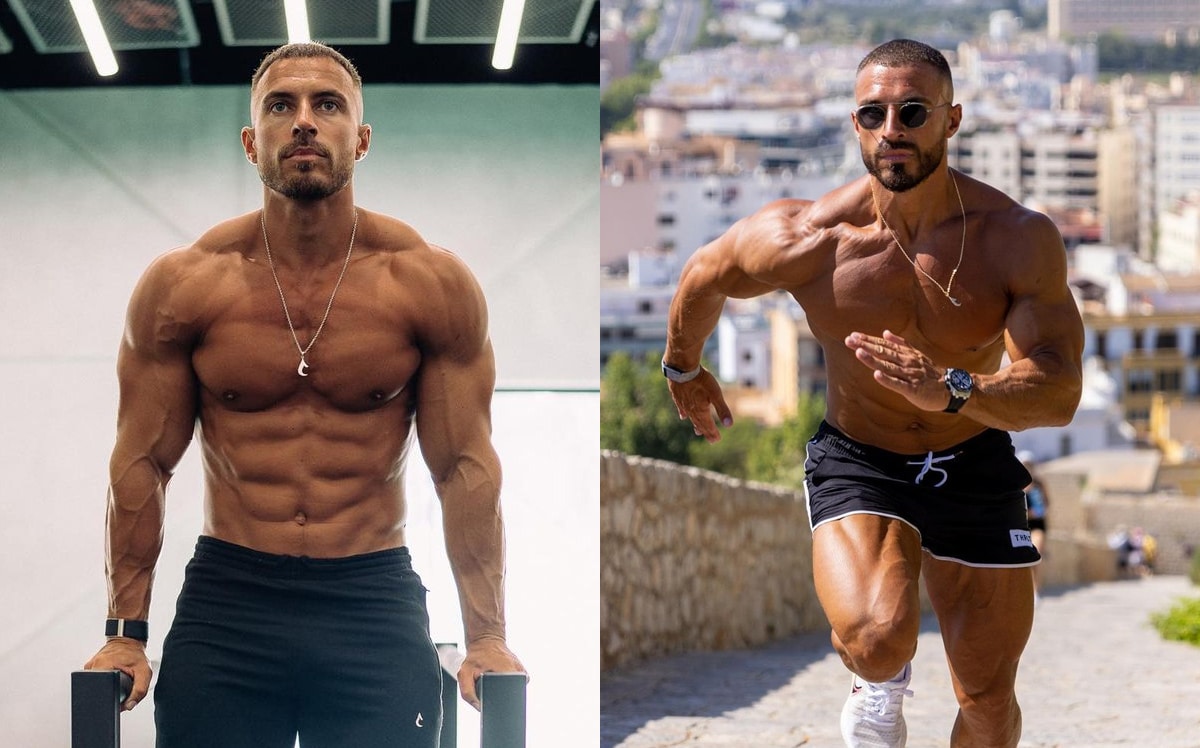
Mike Thurston Workout And Diet Routine
Mike Thurston is a fitness influencer, personal trainer and entrepreneur from the United Kingdom. He is best known in the YouTube fitness community for sharing fitness and bodybuilding related content. Thurston is also the owner of a health and fitness company. This article summarizes Mike Thurston’s biography, diet and workout routine as well as statistics.
Mike Thurston Statistics
Full Name: Mike Thurston
Weight
Height
Age
210 lbs (95 kg)
6’0″ ( 183 cm)
32 years
Date of Birth
Place of Birth
Nationality
August 9, 1990
England
British
Mike Thurston Biography
Mike Thurston was born in the United Kingdom and raised in Leeds, England. He was an active kid and participated in various sports like cricket, football and athletics while growing up. However, Rugby was his true passion at the time.
He lifted weights to build a stronger physique to be able to play the sports. But weight training became Mike’s passion and he started training in his school gym to get a dream physique.
Thurston graduated with a degree in economics and management and moved to Spain to promote nightclubs and bars as a job. He returned to England and worked as a retail store manager as well. However, these jobs did not allow him to focus on the diet and training that he was so passionate about. But great genetics allowed Mike to maintain the physique irrespective of an ideal routine.
At age 22, Mike Thurston decided to pursue fitness as a career and became a certified coach a year later. Along with his friends, Mike founded a health and fitness company in Newcastle. With hard work and a brief period of struggle, the Englishman finally succeeded in the business. He also started posting enriching content on his YouTube channel to help others achieve their fitness goals. At the time of this article’s publishing, Mike Thurston’s YouTube channel has 1.43 million followers.
Mike Thurston Workout
Mike Thurston’s training philosophy revolves around doing things the right way at the right time. Many people have speculated anabolic steroid use as the reason behind Thurston’s incredible physique. However, he claims that most of the gains in his physique were made in the early to mid-20s when it is incredibly easy. He has worked hard over the last few years to maintain it with proper diet and training.
Thurston trains six days per week and his current training split includes dedicated training sessions for chest, back, shoulders, legs and arms along with HIIT training. This enables him to focus on each and every muscle group in the body and make complete gains without any leaving weak areas.
The 32-year-old makes changes to his training plan at a four to six week frequency to ensure that his body is challenged constantly and does not get complacent staying in a certain routine for an extended period of time. He performs most of the exercises for three to four sets with an 8 to 12 rep range.
A typical training week in Mike Thurston’s routine looks like this:
Monday – Chest Workout
Tuesday – Back Workout
Wednesday – Shoulder Workout
Thursday – Leg Workout
Friday – Arms Workout
Saturday – HIIT Training Routine
Sunday – Rest
Mike Thurston’s Favorite exercises for each muscle group
Mike Thurston follows an excruciatingly elaborate training plan to grow and maintain his physique. But almost everyone finds asking that one question to themselves: If I could do only one exercise for every muscle, which ones would I choose? Thurston has an answer for this question and each one of his chosen exercises have a strong logic behind them.
Chest
It is common knowledge that pressing movements are the best for developing pushing strength of the upper body. However, Thurston is a little more specific about it and feels that incline dumbbell press is his favourite chest exercise. While explaining the reason for choosing this one, the 32-year-old said:
“It just allows you a little bit more freedom of movement particularly when it comes to hand positioning and also elbow positioning… Because there is a little bit more external rotation whenever you’re doing an incline press, it’s usually a little bit more joint friendly to the shoulder.”
Back
As the old saying goes – “If you want the back to grow, you’ve gotta row!” T-Bar rows are an excellent compound movement for building a strong and thick back. In Mike Thurston’s case, T-Bar rows offer chest support and enable training without putting a lot of stress on the spine. Therefore T-Bar row is his favourite back builder.
“The reason I would choose a T-bar row over anything else is mostly because of the chest support. So the T-bar row with chest support means that I can really take my back to complete failure without my spine giving up first. That’s usually the case I found typically at my level of training experience.”
Back is a large muscle group and therefore it is impossible to work it fully with only one exercise. Therefore, Thurston’s second favourite movement is the neutral underhand grip pulldown to focus on the latissimus dorsi / lats.
Shoulders
Shoulder muscles are crucial in performing most of the upper body movements like pushing, pulling, lifting to name a few. Additionally, they are a capping element aesthetically and underdeveloped shoulders can really bring down the aesthetic appeal of a muscular physique. Therefore, developing the deltoids, especially the medial deltoids is crucial.
Machine lateral raises are Mike Thurston’s personal favorite for developing this muscle group. Since the anterior and posterior deltoid muscles are stimulated during compound pushing and pulling movements, medial deltoid is the only part that would need specific exercise.
“What I would really want to work on is the mid-delts because the physique without the mid-delts looks kind of weird. mid delts help get that v-taper and most people have pretty sh***y mid delts to be honest. So don’t neglect them.”
Additionally, Thurston would prefer doing the exercise on the machine instead of dumbbells for the following reason:
“We’re training he delts where it’s relatively strongest in the lengthened position. This is something dumbbell lateral raises won’t do. There’s minimal resistance.”
Legs
When it comes to the lower body, Mike Thurston would include three exercises, one each for the quadriceps, glutes and hamstrings. For the quads, pendulum squats would be his go-to option. Because:
“The reason why it’s so good first of all, is because of the back support, okay? Whenever I do free weight squats, whether it be front squats, back squats, I usually find this when I’m loading myself with a lot of weight, there’s a lot of tension which is going on my lower back and it’s usually my lower back that gives away before my quads. Secondly, it’s very easy for almost everybody to get to the full depth to allow for the full range of motion to occur.”
While many people claim that compound movements can be made more hamstring focused by modifying the position, foot placement etc. Mike Thurston would include seated leg curls as the hamstring isolation movement in his routine.
“First of all, it will put your body in a position where your hamstrings are naturally fully lengthened, which is great. So whenever you’re training them, there’s resistance being applied in the lengthened position and the mid-range as well which is optimal.
And finally, the glutes. If Thurston was supposed to go with only one exercise to work the glutes, he would go with the Smith machine Bulgarian split squats. Using the Smith machine eliminates the need to control the weight as it moves along a fixed trajectory.
Arms – Single Arm Preacher Curls (Biceps) and Crossover Cable Triceps Extensions (Triceps)
Preacher curls are arguably the most effective movement for bicep isolation as the arm is firmly pressed against the pad. There are very few exercises that come anywhere close to this movement for bicep development. Needless to say, this is Thurston’s favorite bicep exercise as well. He says:
“The reason why I would choose a single arm is because it is more joint friendly… And I would choose preacher curl because it offers that support. It eliminates any cheating or any rocking or any of your torso or even movement of the elbow joint.”
Full elbow flexion and stability in the shoulder joint are two of the most important criteria for triceps activation. Crossover cable triceps extensions check both these boxes and occupy the spot of favorite triceps exercise in Thurston’s training routine.
“I like this because of the good profile, the good resistance profile. You train the triceps in the lengthened mid-position. The majority of the resistance is going to be here in the lengthened position, the mid position and then the resistance tapers off in the shortened position when it’s relatively weaker. So that’s ideal. And secondly, the angle at which I’m going to be pulling is a lot more joint friendly at the elbow.”
Mike Thurston Diet
Mike Thurston follows a strict diet plan and does not deviate from it unless there is a strong reason. He rarely indulges in cheat meals that do nothing beyond satisfying the taste buds. Needless to say, his muscular physique is an outcome of things done right in the gym as well as in the kitchen.
To fuel growth and avoid feeling too hungry or too full at any given time of the day, Mike Thurston eats six small meals spaced out throughout the day. His day starts fairly early but the 32-year-old avoids consuming anything other than plain water for the first three to four hours, especially coffee. He explained the reason for adapting this practise in one of the videos on his YouTube channel and said:
“If you have coffee the first thing in the morning when you wake up, you’re going to get an afternoon slump which actually makes a lot of sense because I was always getting a chronic afternoon slump and I think it most likely has been down to the fact that I would just crumble myself with coffee…” Thurston said, quoting noted neuroscientist Andrew Huberman.
Lan meats, eggs, vegetables and fresh fruits are the primary constituents of Mike Thurston’s diet. He avoids consuming dairy products and relies on almond milk, oat milk and peanut butter instead. When it comes to veggies, nothing is off the table.
“One of the most satisfying foods, Satiating is that feeling of fullness, is the white potato… The basic, boring white potato is the most satiating food. So get them into your diet, particularly if you are cutting and you’re hungry,” Mike Thurston advised in one of his YouTube videos.
A typical day of eating in Mike Thurston’s routine looks like this:
Meal 1
4-Egg Omelet
1 Slice of Bacon
½ Avocado
Veggies including Tomatoes, Onions and Mushrooms
Meal 2
1 cup of Oatmeal with Peanut Butter and Honey
Fresh Fruits Including Blueberries and Raspberries
1 Cup of Almond Milk
Meal 3
1 Scoop of Vegan Protein Powder with Oat Milk and Fruits
Meal 4
Teriyaki Salmon
Brown Rice
Steamed Broccoli
Meal 5
Brown Rice Cracker
1 Banana
Meal 6
Minced Beef
Baked Potatoes
Green Beans
To Conclude
Mike Thurston’s success story shows that you don’t have to get stuck doing things that don’t give you satisfaction. Pursuing your dreams is the risk worth taking if you are really passionate about doing something.
The Best Supraspinatus Stretching and Strengthening Exercises
Few things will disrupt your workouts like shoulder pain. Painful shoulders can stop you from training your upper body and even interfere with your lower body workouts. Benching and squatting with bad shoulders is especially unpleasant.
Painful shoulders can also affect your ability to perform everyday tasks, from brushing your teeth to pulling on your favorite T-shirt. And sleeping on your side when your shoulders hurt? Forget about it!
And yet, despite being so debilitating, a lot of lifters pound their joints with constant abuse and only worry about the health of their shoulders when they start to go wrong. Needless to say, if you have chronic shoulder pain, you have already neglected them for too long.
The good news is that it’s never too late to start working on your shoulder health, and many types of shoulder pain can be treated with targeted stretching and strengthening exercises.
In this article, we reveal the best stretching and strengthening exercises for the supraspinatus muscle, which is part of your rotator cuff.
Please Note: This article is for educational and informational purposes only. It should not be used for diagnosing or treating health problems or diseases. Those seeking medical advice should consult with a licensed physician.
Supraspinatus Anatomy Basics
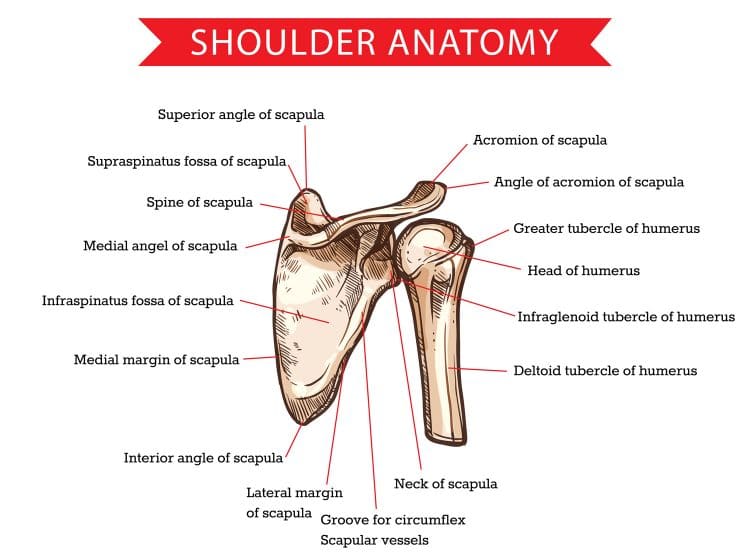
The supraspinatus is one of four muscles that make up your rotator cuff. The other three muscles as the subscapularis, infraspinatus, and teres minor. The rotator cuff is found interior to (beneath) your deltoids and is responsible for stabilizing and controlling your shoulder joint.
Supraspinatus is located below the trapezius and toward the rear scapular region. It originates from the supraspinous fossa of the scapular and inserts onto the greater tubercle of the humerus. Its name reveals its position, and the supraspinatus lies along the superior (supra-) spine (-spinatus) of the scapula or shoulder blade.
During shoulder movements, the supraspinatus helps stabilize the head of the humerus in the glenoid fossa or socket. It also plays a role in the abduction of the arm and assists the medial deltoid in raising your arm up and away from the midline of your body.
Many rotator cuff injuries start with problems affecting the supraspinatus. As such, strengthening and stretching this muscle may help prevent future shoulder pain and may be necessary for rehabbing existing injuries – with medical supervision, of course!
5 Best Supraspinatus Stretches
A tight supraspinatus can cause shoulder pain and dysfunction. Common causes of supraspinatus tightness include using a keyboard for a long time, especially without supporting your arms, driving long distances, and repetitive overhead movements, such as painting a ceiling, swimming, or strength training.
Muscle tightness impedes blood flow, leading to an accumulation of waste products within the muscle, causing tension and pain.
Use the following exercises to stretch your supraspinatus and restore it to its correct resting length.
1. Pendulum stretch
The supraspinatus is located toward the rear of your shoulder. As such, pulling your arm forward will provide this muscle with a beneficial stretch. The pendulum stretch is good for your entire shoulder complex, especially the posterior compartment. This exercise is often part of rotator cuff rehab and prehab prescriptions.
Steps:
Rest one arm on a bench or chair and lean forward so your upper body is just above parallel to the floor.
Let your other arm hang down from your shoulder.
Keep your shoulder and arm relaxed and gently circle clockwise, counterclockwise, forward, and back.
Continue for 30-60 seconds, and then swap arms.
Muscles targeted:
Supraspinatus, posterior deltoid, rhomboids, trapezius.
Benefits:
A gentle, decompressing exercise for the entire posterior shoulder region.
Good for increasing general shoulder mobility.
Increases blood flow and synovial fluid production to ease shoulder pain and enhance healing.
Tips:
Increase your range of movement as your shoulder loosens up.
You can also do this exercise while holding a light dumbbell to achieve a deeper stretch.
Keep your neck and lower back neutral for comfort and safety.
2. Cross-body arm stretch
The cross-body arm stretch is a passive exercise that elongates your supraspinatus and other posterior shoulder and arm muscles. Pull gently to avoid overstretching your muscles and causing more harm than good. Constant pressure is always better than jerky movements.
Steps:
Seated or standing, place one hand on your opposite shoulder and lightly grip your arm just above your elbow joint.
Pull your arm across your body until you feel a mild stretch in the back of your shoulder.
Hold for 30-60 seconds, and then relax.
Repeat on the opposite aide for the same duration.
Muscles targeted:
Supraspinatus, posterior deltoid, rhomboids, trapezius, triceps.
Benefits:
A very convenient exercise that you can do almost anywhere and anytime.
A very gentle exercise that’s ideal for anyone suffering from shoulder pain.
A useful shoulder cool-down exercise.
Tips:
Do this stretch to break up long periods of sitting.
Increase the depth of the stretch as you feel your muscles relax.
Raise or lower your elbow to seek out areas of tightness.
3. Seated table slide
Prolonged sitting is one of the worst things you can do for your shoulder health. The longer you remain in a fixed position, e.g., while working at a computer, the tighter your muscles become. The good news is that you can release your shoulders and stretch your supraspinatus without leaving your desk.
Steps:
Sit at a table or desk.
Place a small towel on your desk and place your hand on it so your palm faces downward.
Lean forward and slide the towel as far away from you as possible.
Hold the deepest comfortable stretch for 30-60 seconds, and then relax.
Sit back up, swap sides, and repeat.
Muscles targeted:
Supraspinatus, deltoids, latissimus dorsi, triceps, trapezius, rhomboids.
Benefits:
An excellent way to break up long periods of sitting.
A deep yet relaxing upper body stretch.
Very good for improving posture and releasing tension from your shoulders.
Tips:
Move your chair backward if your desk is not big enough to get a full stretch.
You can also do this exercise with both arms at the same time.
Do this exercise standing at a kitchen countertop.
4. Arm behind the back supraspinatus stretch
This exercise is quite intense, so ease into it and don’t stretch too far too fast. However, the position of your arm means you’ll get a deep stretch in your supraspinatus, medial deltoid, and upper traps. Use your non-working arm to increase the depth of the stretch.
Steps:
Place the arm you want to stretch behind your back. Grip your wrist with your other hand.
Gently pull your arm across to increase the depth of the stretch.
Hold for 30-60 seconds, and then relax.
Swap sides and repeat.
Muscles targeted:
Supraspinatus, deltoids, trapezius.
Benefits:
You can use your free arm to get a deeper, more intense stretch.
One of a few stretches to take your upper arm into adduction.
A good way to preferentially target the supraspinatus.
Tips:
Make sure you keep your shoulders down and relaxed throughout.
Tilt your head to the side you are pulling to increase the depth of the stretch.
Hold a towel or band behind you if you find gripping your wrist uncomfortable.
5. Seated hug shoulder stretch
The great thing about this simple stretch is that you can do it at your desk, while sitting in your car in traffic, or during a TV ad break. As such, you can do it anytime you feel your shoulders or upper back starting to tighten up. Do it whenever you want to release some tension but can’t get up and move around to do more complex stretches.
Steps:
Cross your arms over your chest like you are hugging yourself. Put your hands on your upper back. It doesn’t matter which hand is uppermost.
Walk your fingers toward the middle of your upper back to increase the stretch.
Hold for 30-60 seconds, and then relax.
Muscles targeted:
Supraspinatus, deltoids, trapezius, rhomboids.
Benefits:
A very accessible exercise that’s ideal for beginners.
Feels good!
Great for releasing tension from your upper back and shoulders.
Tips:
Raise or lower your elbows to seek out and treat areas of tightness.
Walk your hands further around your back as your muscles begin to relax.
Visualize spreading your shoulder blades to achieve a deeper stretch.
5 Best Supraspinatus Strengthening Exercises
A chain is only as strong as its weakest link, and for many lifters, their weakest link is the rotator cuff. This small but crucial group of muscles takes a lot of abuse and can easily become inflamed and damaged. Torn rotator cuffs can take months, if not years, to heal.
Needless to say, prevention is better than cure, and building a resilient rotator cuff could save you a lot of missed workouts.
Use the following exercises to beef up your supraspinatus. While this won’t add a lot to your physique, it will help keep you in the gym and out of your doctor’s office.
1. Side lying lateral raise
One of the main functions of the supraspinatus is the initiation of upper arm abduction. In other words, it’s the muscle that gets your arm moving away from your body. As your arm starts to move, the more powerful medial deltoids take over. This exercise puts more stress on the supraspinatus than it does on the medial delts.
Steps:
Lie on your side so your hips and shoulders are square. Hold a light dumbbell in your uppermost hand. Bend your elbow slightly, but then keep it rigid throughout.
Lift your arm up until it’s vertical.
Lower your arm and repeat.
Roll over and do the same number of reps on the opposite side.
Muscles targeted:
Supraspinatus, medial deltoid.
Benefits:
An effective way to strengthen the supraspinatus.
An excellent shoulder rehab/prehab exercise.
Low-tech but high-effect exercise that’s ideal for home use.
Tips:
Go light – this exercise is not suitable for heavy weights.
Use a single weight plate, water jug, wrist weight, etc., instead of a dumbbell.
You can also do this exercise on a slightly inclined bench if that’s more comfortable.
2. Behind the Back Single-Arm Cable lateral raise
Cable lateral raises put your deltoids under near-constant tension, making them potentially more effective than the same exercise done with dumbbells. But, as an added benefit, they also stress your supraspinatus more. Doing cable lateral raises behind the back is even more effective because it loads your supraspinatus more and uses a larger range of motion.
Steps:
Attach a D-shaped handle to a low pulley machine. Stand sideways onto the weight stack and pick up the handle. Hold it in your furthest hand so the cable runs behind your legs.
Bend your knees slightly, brace your core, and pull your shoulder back and down. Your elbow should be slightly bent but rigid.
Raise your arm up and away from your side until your arm is roughly parallel to the floor.
Lower your arm, taking your hand a little way behind you to increase the range of motion.
Do the desired number of reps and then swap sides.
Muscles targeted:
Supraspinatus, medial deltoids.
Benefits:
An effective way to develop your deltoids and supraspinatus simultaneously.
A very shoulder-friendly exercise.
Even more tension on the target muscles compared to dumbbell lateral raises.
Tips:
Use a light weight and move slowly with control to target the supraspinatus.
Do not raise your arm above shoulder height, as doing so could increase your risk of impingement.
Keep your thumb pointing forward throughout. Do not rotate your wrists or rotate your arm inward, as doing so could hurt your shoulder joint.
3. Resistance band lateral raise
The great thing about resistance band lateral raises is that you can do them almost anywhere – even at home. As such, they’re the perfect prehab/rehab exercise, and you can do them without adding extra time to your existing workouts. So keep a set of bands nearby so you can pump out a set of lateral raises whenever you have a few minutes spare.
Steps:
Stand on the middle of your resistance band and hold an end/handle in each hand. Bend your knees slightly, brace your core, and set your shoulders. Your arms should be slightly bent but rigid.
Raise your arms up and out to the sides to form a T-shape.
Lower your arms and repeat.
Muscles targeted:
Supraspinatus, medial deltoids.
Benefits:
A very accessible and convenient exercise for home workouts.
Joint-friendly and comfortable.
Easy to progress or regress by changing the length/strength of your band.
Tips:
You can also do this exercise by using one arm at a time.
Do this exercise seated if you want to put less pressure on your muscles.
Cross the bands so that the tension comes onto your muscles sooner.
4. Full can raises
Full can raises are a traditional supraspinatus exercise often prescribed by physical therapists. It provides a strengthening and mobilizing effect for the entire shoulder complex, especially the rear of the shoulders and the rotator cuff. Like all rotator cuff exercises, this move works best when done slowly and smoothly with light weights.
Steps:
Stand with your feet about shoulder-width apart, knees slightly bent.
Hold a dumbbell in each hand and, with your arms straight but not locked, hold them against your thighs with your thumbs pointing forward. Brace your core and pull your shoulders down and back.
Raise your arms forward and up to form a V-shape above your head.
Slowly and smoothly lower your arms and repeat.
Muscles targeted:
Supraspinatus, deltoids, trapezius, rhomboids.
Benefits:
A simple yet effective exercise.
An ideal warm-up before more demanding upper body exercises.
A great way to improve shoulder mobility and stability.
Tips:
Only raise your arms as high as your mobility/pain allows. Do not force your arms up if they don’t want to go that high.
You can also do this exercise with a resistance band instead of dumbbells.
Place a mini band around your wrists to increase supraspinatus activation, like this:
5. BOSU push-up
The supraspinatus is responsible for upper arm abduction but also plays a crucial role in shoulder joint stabilization. While all supraspinatus exercises will increase joint stability, using an unstable surface is arguably the best way to develop this function. Doing push-ups on a BOSU balance trainer is a great way to challenge and develop your shoulder stability.
Steps:
Place your BOSU on the floor, curved side down. Squat down and grip the side edges of the BOSU with your thumbs pointing forward.
Walk your feet out and back so your legs are straight. Brace your core and contract your legs.
Bend your arms and lower your chest down to within an inch of the top of the BOSU. Work hard to keep your hands level. However, some shaking is normal.
Push yourself back up and then repeat.
Muscles targeted:
Pectoralis major, deltoids, triceps, rotator cuff, core.
Benefits:
A very functional rotator cuff exercise.
A great way to identify and fix strength imbalances.
Makes regular floor push-ups feel much easier.
Tips:
Bend your legs and rest on your knees to make this exercise easier.
Wear a weight vest or raise your feet to make it harder.
No BOSU? No problem! You can also use a medicine ball, stability ball, or balance board:
Supraspinatus Exercises – FAQs
Do you have a question about the best exercises for stretching and strengthening your supraspinatus? No worries because we’ve got the answers!
1. Will training my supraspinatus muscle give me bigger shoulders?
The supraspinatus is a small muscle that lies beneath several much bigger muscle. As such, you’ll never see it, and developing it won’t add anything to your physique. But before you dismiss supraspinatus training altogether, it’s important to stress that this little muscle has a significant impact on what exercises you can and cannot do and how well you perform those exercises.
For example, a weak or painful supraspinatus could prevent you from doing overhead presses or bench presses. It could make barbell back squats uncomfortable or even affect your ability to do biceps curls.
So, while training your supraspinatus won’t directly make your shoulders bigger, it will indirectly influence your ability to build muscle.
2. How do I know if my supraspinatus is weak?
The most common way to determine if your supraspinatus is weak is with the empty can test.
Raise your arm to the side and rotate your shoulder internally so your thumb points downward. Next, a training partner should gently push down on your outstretched hand. If you are unable to keep your arm up against mild to moderate pressure, your supraspinatus is probably weak and requires strengthening.
3. What should I do if I have sudden pain in my shoulder during training?
Acute or sudden pain could indicate that you have strained a muscle or sprained a ligament. In either case, you should stop what you’re doing to prevent things from worsening.
Depending on the severity of the injury, you may also need to use RICE (Rest, Ice, Compression, and Elevation) to speed up recovery.
Do not return to training until the pain has subsided. If the pain is severe, or lasts more than a couple of days, get it checked out by a sports injury doctor. You may still be able to work out, but you must avoid aggravating the injured area.
Train around the injury and not through it! This will probably mean not training your upper body for a few days or even a week or two. Some lower body exercises may also be off-limits, such as barbell squats and deadlifts.
Once the pain begins to subside, you can start gently stretching, mobilizing, and strengthening the area with, for example, the exercises in this article.
4. How do I know if my supraspinatus is tight?
The easiest way to determine if your supraspinatus is tight is to do some of the stretching exercises from this article and see how they feel. If you don’t feel much tension during the stretches, your supraspinatus is probably as flexible as it needs to be. However, if the area feels uncomfortable or tight, you probably need to stretch more often.
5. What is the difference between maintenance and developmental stretching?
Maintenance and developmental refer to the duration of each stretch. For example, if you have good flexibility and just want to preserve or maintain it, you should hold each stretch for 10-20 seconds. That will be sufficient to prevent your muscles from shortening.
However, if your flexibility needs developing or improving, you’ll need to stretch for longer, typically 30-60 seconds. During this time, you’ll feel your muscles relax so you can ease into a deeper stretch.
Choose the right type of stretching for your goals. You will probably find that some muscles need stretching more than others. For example, it’s common to have tight hamstrings, pecs, and lats, while the triceps, biceps, and calves are usually naturally flexible. Of course, this pattern varies from person to person.
Program your stretches based on what you need to work on. Spend more time on the tightest muscles and less time on those that are sufficiently flexible.
Supraspinatus Exercises – Wrapping Up
There are over 600 muscles in the human body, and each one plays a critical role in how your body functions. Some muscles, like the gluteus maximus, are large and weigh several pounds. Others, like the supraspinatus, are much smaller and only weigh a few ounces.
However, muscle size does not determine importance, and in many cases, it’s the smallest muscles that need the most care and attention.
So, don’t let your supraspinatus become the weak link that holds you back. Instead, stretch and strengthen this small but critical muscle so your shoulders remain stable, strong, and pain-free.
Simply Anabolics
Simply Anabolics Simply Anabolics – The Number 1 Anabolic Steroids Information Source The Internets Number 1 Source for all things Steroids! Wed, 06 May 2020 08:56:04 +0000 en-US hourly 1 110903901 Top 5 Best SARMs for Cutting: Help Burn Fat With These Supplements Top 5 Best SARMs for Cutting: Help Burn Fat With These Supplements…
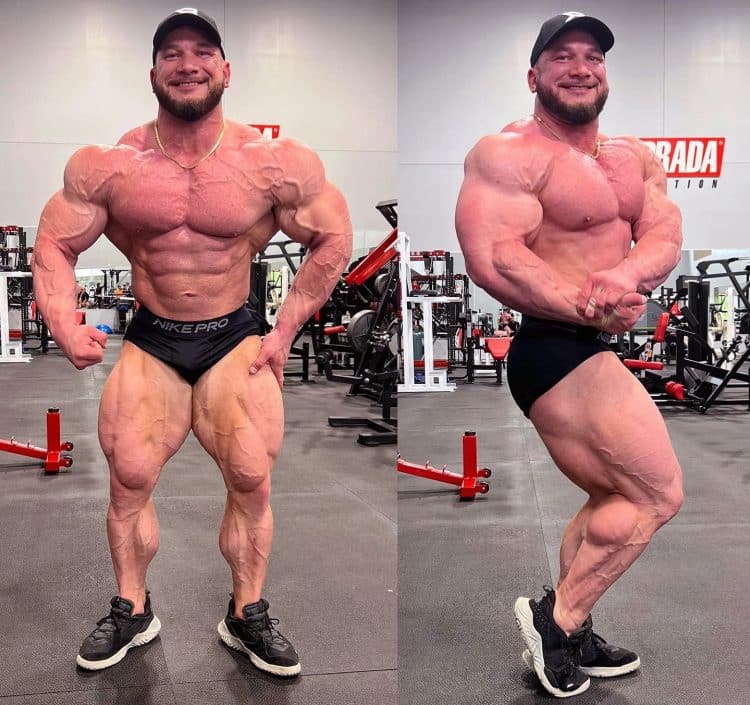
Hunter Labrada Shares Tips for Growing Weaker Calves: ‘Big Difference in Training to Pain & True Failure’
American bodybuilder Hunter Labrada, son of IFBB Hall of Famer Lee Labrada, made a name for himself in the Men’s Open division. Besides professional competition, Hunter maintains a strong presence in the community and regularly educates his fanbase on a range of topics related to fitness. In a recent video posted on YouTube, Labrada shared his thoughts on getting too lean for competitions and how to grow weak calves.
Hunter Labrada entered the Pro League with a lot of hype and backed it up by scoring gold at the 2020 Tampa Pro, which earned him a spot on the Mr. Olympia lineup. He managed to crack the top ten and placed eighth in his debut. The next year, Labrada came out on top of the 2021 Chicago Pro before making his way to the 2021 Mr. Olympia. He turned in a strong performance and improved his standing to fourth place.
Last season, Labrada decided to stay on the sidelines to get ready for the 2022 Mr. Olympia. Unfortunately, Labrada did not bring his best form on stage and slipped down to seventh place. Since he did not get a top-six finish, he would need to earn an invite to the next Olympia event. He expressed disappointment at the lackluster performance and pinned the blame on missing his peak.
Labrada revamped his diet and training regimen in order to improve his physique earlier this year. The mass monster was confident he had enough size. He focused on cutting down his waistline and developing stronger control in his midsection for the 2023 off-season.
Hunter Labrada via Instagram
Two months ago, Labrada helped his fans out with a tip on overcoming plateaus in the training room. He recommended taking advantage of A/B split variations to continue progressing while sharing some methods for more growth. Then, he followed up by laying out his full day of eating and supplement consumption a week later.
Hunter Labrada weighed in on the heated debate of whether to weigh your food raw or cooked last month. He believes both ways can work well depending on personal choices and stressed the need to stay consistent with the chosen method. In addition to weighing food, Labrada is a big proponent of balancing your overall daily nutrition instead of individual meals and timings. He encouraged his fans to space out their meals between two to four hours and not consume more than 60g of protein per meal.
The 30-year-old provided some of his favorite intensity techniques for working out and growing weak legs a few weeks ago. He added to his stance days later while performing an intense lower-body training session.
Labrada has been using vacuums in the morning for tightening his core. He listed three variations of the exercise he utilized to improve his control. He also encouraged standardizing the form of each exercise to better track workout progress.
Hunter Labrada talks about getting too lean for shows & how to grow weaker calves
In a recent YouTube video, Hunter Labrada shared his thoughts on getting too lean for competitions or coming close to the stage-ready look.
“I do think getting pretty damn lean within striking distance of stage lean does have its purpose, especially if you’ve been pushing up for a long time and you don’t think your sensitivity is as good as it could be you got a lot of excess body fat progress in the gym stalling out there’s a myriad of factors to consider but long story short is I do think there’s a lot to be said for either getting truly stage lean competing and then rebounding out of it or getting close to stage lean and then pushing out of that into your bulk.”
He offered tips for building calf muscle without making things too complicated.
“Calves are just like any other muscle. I believe in training them with two or three working sets maybe four in a single session with the total weekly volume, genetic seed like eight to ten sets if you’re training them twice. I don’t believe in a bunch of fancy exercises or weird foot position or anything like that. What I believe in is taking your calf through a full range of motion with everything else completely locked in. If calves are a weak point and they can’t seem to grow, it’s either they are not prioritizing them they’re like tacking them on to the end of legs and bullsh***ing through a couple sets or they really haven’t reached the point where they’re capable of mentally pushing where they need to in terms of a pain threshold. Calves are a very painful muscle to train. There’s a big difference in training to pain and true failure. It’s those true close failure reps that make any muscle grow.”
Hunter Labrada revealed he weighed in at 283 pounds while fasting and tweaked his diet earlier this month. He’s gearing up for the upcoming guest posing appearances at the Emerald Cup and the Pittsburgh Pro.
Being a professional bodybuilder comes with its own set of difficulties. Labrada opened up on the mindset it takes to make it as a top contender and encouraged lifters to practice kindness to themselves.
You can watch the full video below.
Published: 30 April, 2023 | 3:21 PM EDT